I still have a pin from a product launch I worked on years ago, a tiny brass icon, maybe 20mm across, based on a mascot nobody remembers the name of anymore. I keep it on a jacket. That’s the whole point of a small brand touchpoint: it outlasts the campaign it was made for.
Small brand touchpoints become memorable when people can reuse them in everyday digital spaces. These tips for personalized Instagram stickers turn a simple graphic into a phone, laptop or social asset.
- Start With the Brand System, Not the Object
- Think About Where the Touchpoint Will Live
- Make Small Items Feel Designed, Not Generic
- Use Repetition Without Making Everything Identical
- Keep the Message Short and Useful
- Choose Materials That Match the Brand Personality
- Conclusion
- Frequently Asked Questions
- What counts as a small brand touchpoint?
- Should every small item use the full logo?
- How do I keep touchpoints consistent without making them boring?
- What material should I choose for a branded item?
- Do small touchpoints need text?
- What's the difference between an evergreen touchpoint and a campaign one?
- How much detail can a small item like a pin or patch actually hold?
A brand isn’t only experienced through a logo, a website, or a color palette. People remember the small moments around it too: the card tucked inside a package, the sticker on someone’s laptop, the badge on a tote bag, the sign at a reception desk, the little item handed out after an event. None of these are the main brand asset. All of them are doing real work.

The challenge is making these pieces feel intentional instead of like an afterthought. A good small object connects back to the larger identity system and earns its place. It doesn’t just carry a logo because there was empty space to fill.
Start With the Brand System, Not the Object
When planning a physical brand detail, it’s tempting to start with the object itself. Someone on the team says we need stickers or let’s do tote bags, and the design conversation begins there. The more useful starting point is the system underneath: what visual elements are already carrying the brand’s weight before you touch a single new item.

Is there a strong logo mark? A memorable icon? A distinctive illustration style? A repeat pattern, or a short phrase that captures the brand’s tone? Small objects have almost no space to work with, so clarity matters more here than anywhere else in the identity system. A crowded layout or a long tagline loses all its impact the moment you shrink it down to sticker size.
I ran into this exact problem years ago working on packaging for a small studio. The client wanted the full logo lockup on a 30mm sticker, and it just turned into an unreadable smudge at that scale. We ended up pulling a single icon out of the mark instead, and it read better from three feet away than the full logo did up close. A coffee brand doesn’t need its full wordmark on every touchpoint; a simple cup icon or a distinctive color pairing often does more work.
Before designing any small item, ask which single visual element, not the whole system, could carry the brand alone at 20mm. If nothing survives that test, simplify before you produce anything.
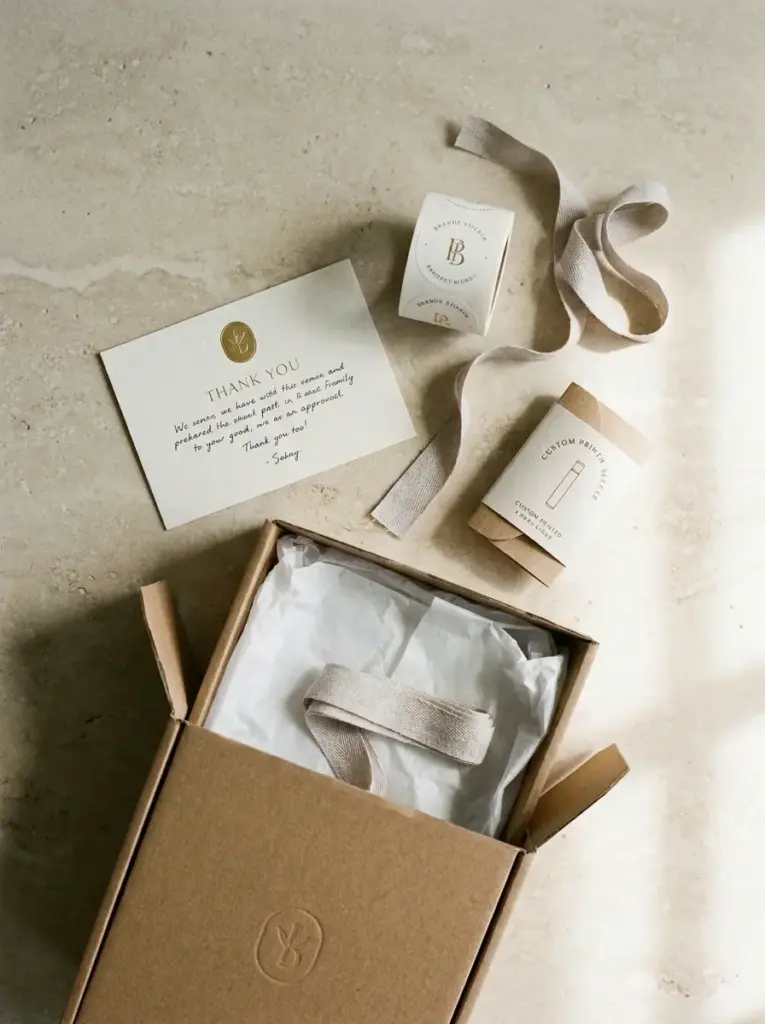
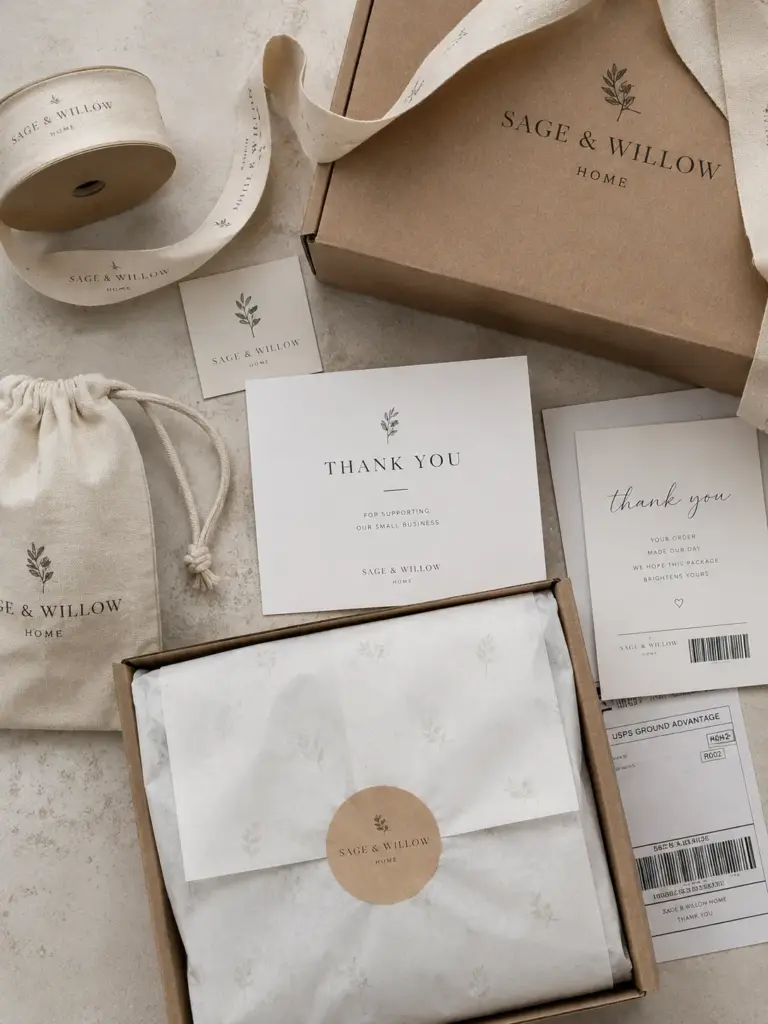
Think About Where the Touchpoint Will Live
A strong brand touchpoint is designed for its real environment, not for how it looks in a mockup. Something made for a trade show needs to work completely differently from something tucked inside an online order.
At an event, people move fast. They glance at a booth or grab an item mid-conversation, so bold shapes, minimal text, and strong contrast tend to win. Inside product packaging, the pace slows down. The customer already has the box in their hands and is paying attention, which gives the brand room for a printed note or a small collectible detail that makes unboxing feel personal.
For internal, employee-facing pieces, the goal shifts again, usually toward pride and belonging rather than promotion. I’ve noticed subtlety works better here than a big logo slapped on a mug; a small physical marker tied to a launch or a shared value tends to actually get worn or kept, where a loud one gets left in a drawer.

Before finalizing any touchpoint, picture the exact moment someone receives it: standing at a booth, opening a box, sitting at their desk. Design for that moment specifically, not for how the item looks in isolation on a design board.

Make Small Items Feel Designed, Not Generic
Small branded pieces usually fail for the same reason: someone treats them as a blank space to paste a logo onto. A design-led approach considers proportion, material, color, and how the object actually gets handled, held, worn, peeled, or stuck.
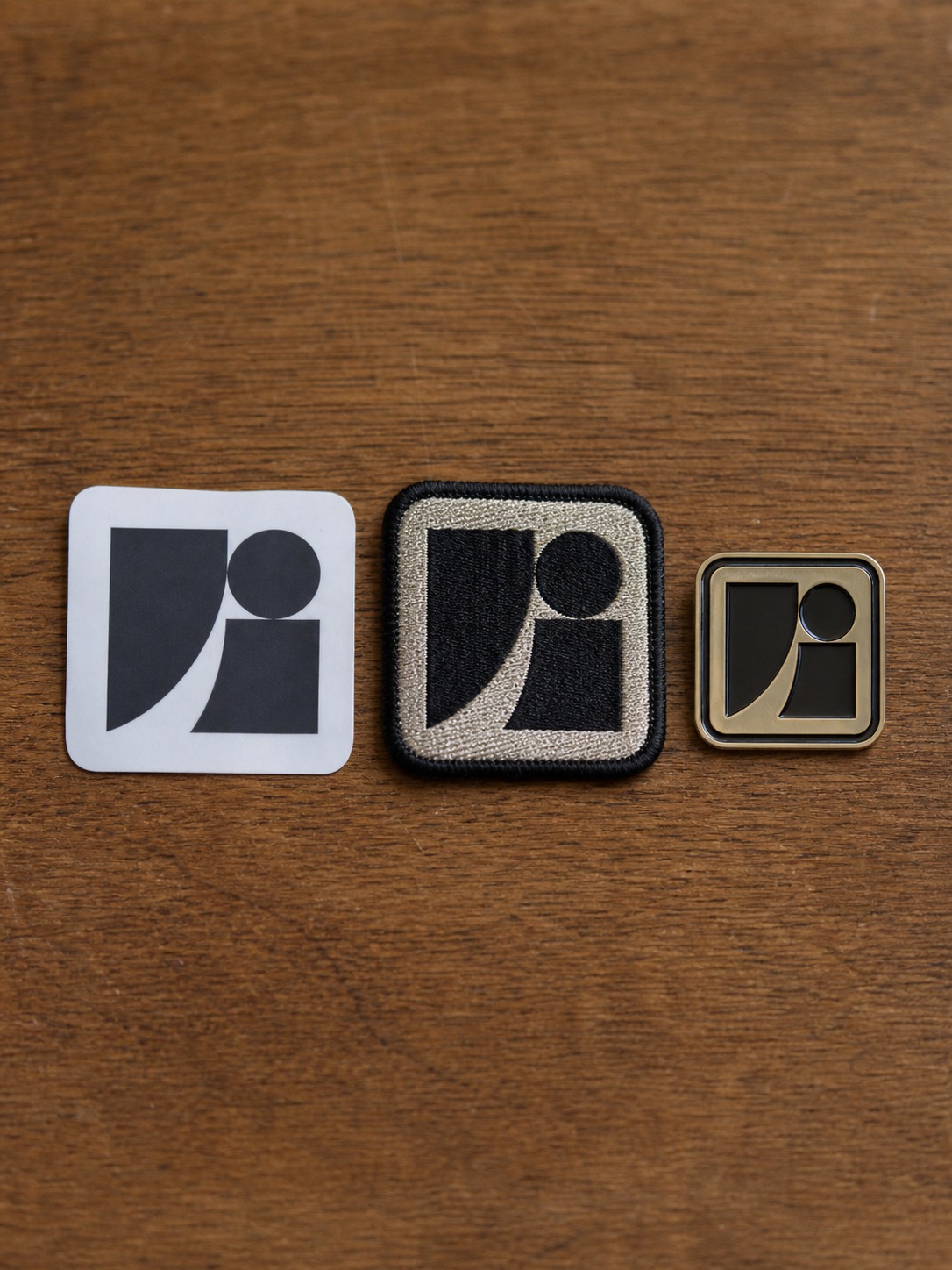
A square sticker needs a different version of a mark than a circular badge does. A fabric patch usually needs thicker lines than a printed card, since embroidery can’t hold fine detail the way ink can. A metal item often works better with simplified shapes and fewer colors than the full digital palette allows. None of these are compromises. They’re the actual craft of adapting an identity to physical materials.
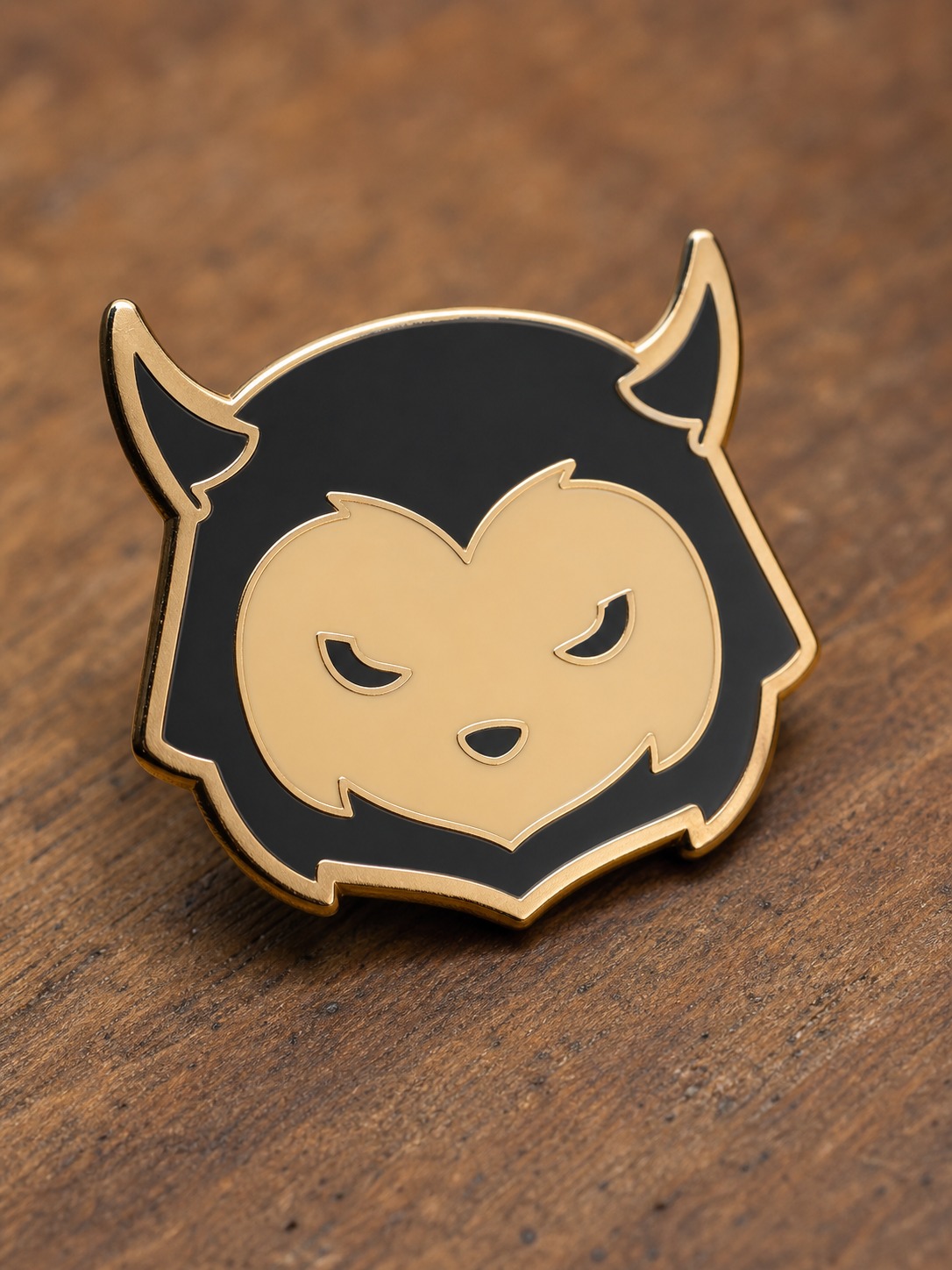
I worked on a set of enamel pins for a studio a while back, built from a simplified mascot mark that had way too much fine detail in its original digital form. We stripped it down to four flat color zones and thicker outlines specifically for the enamel process, and the final custom pins read more clearly than the original logo does on a business card. If a brand leans on thin typography, embroidery usually needs a bolder weight. If the palette is soft and muted, outdoor signage often needs a contrast boost just to stay legible in daylight.
Use Repetition Without Making Everything Identical
Consistency matters, but consistency doesn’t mean every single touchpoint should look the same. Identical applications, oddly enough, tend to feel flat rather than cohesive.
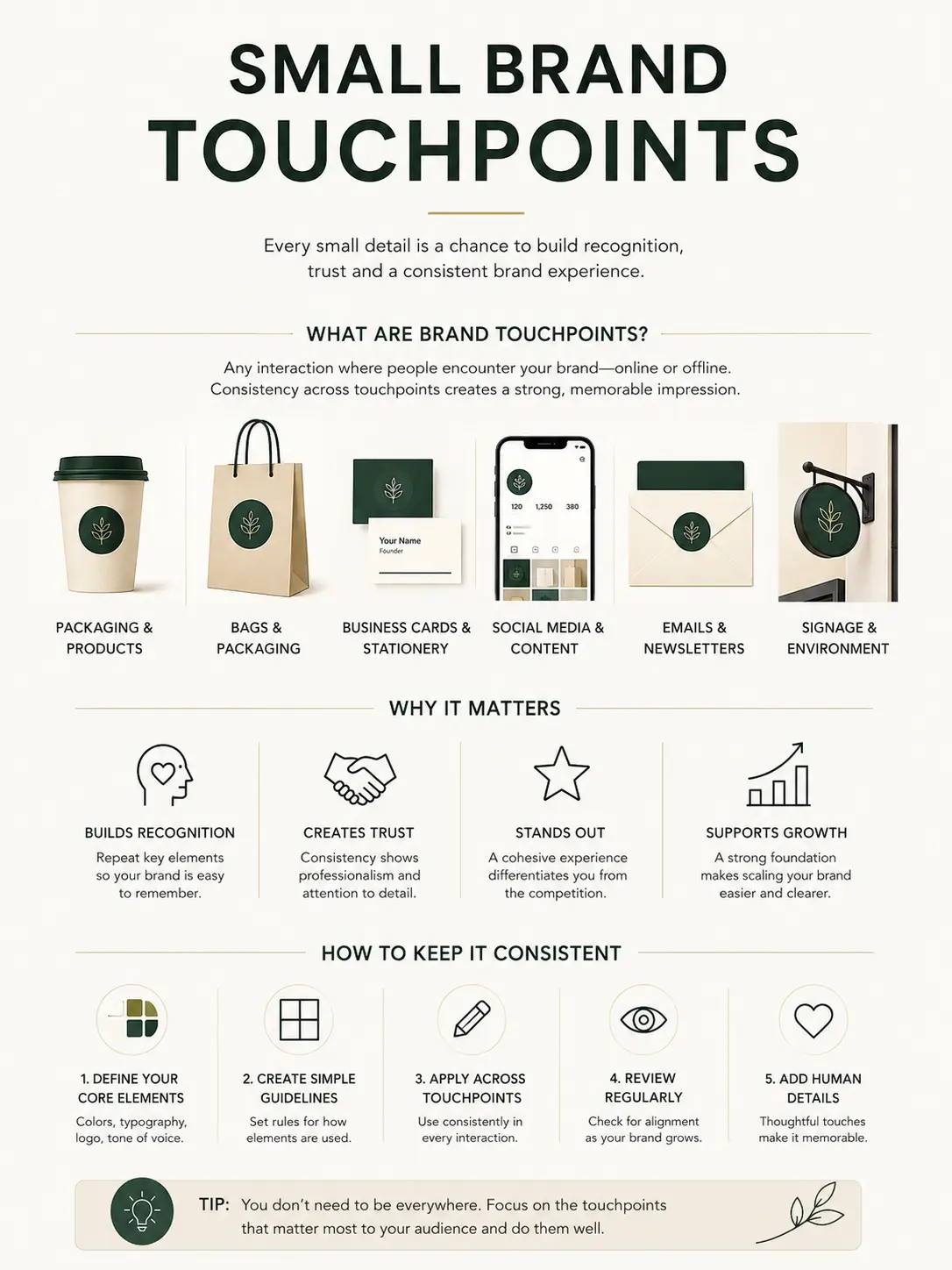
A better approach repeats selected elements, a color palette, a line style, an icon set, or a tone of voice, across different materials without forcing the same layout everywhere. Picture a design conference with badges, tote bags, stage graphics, wayfinding signs, and social templates.
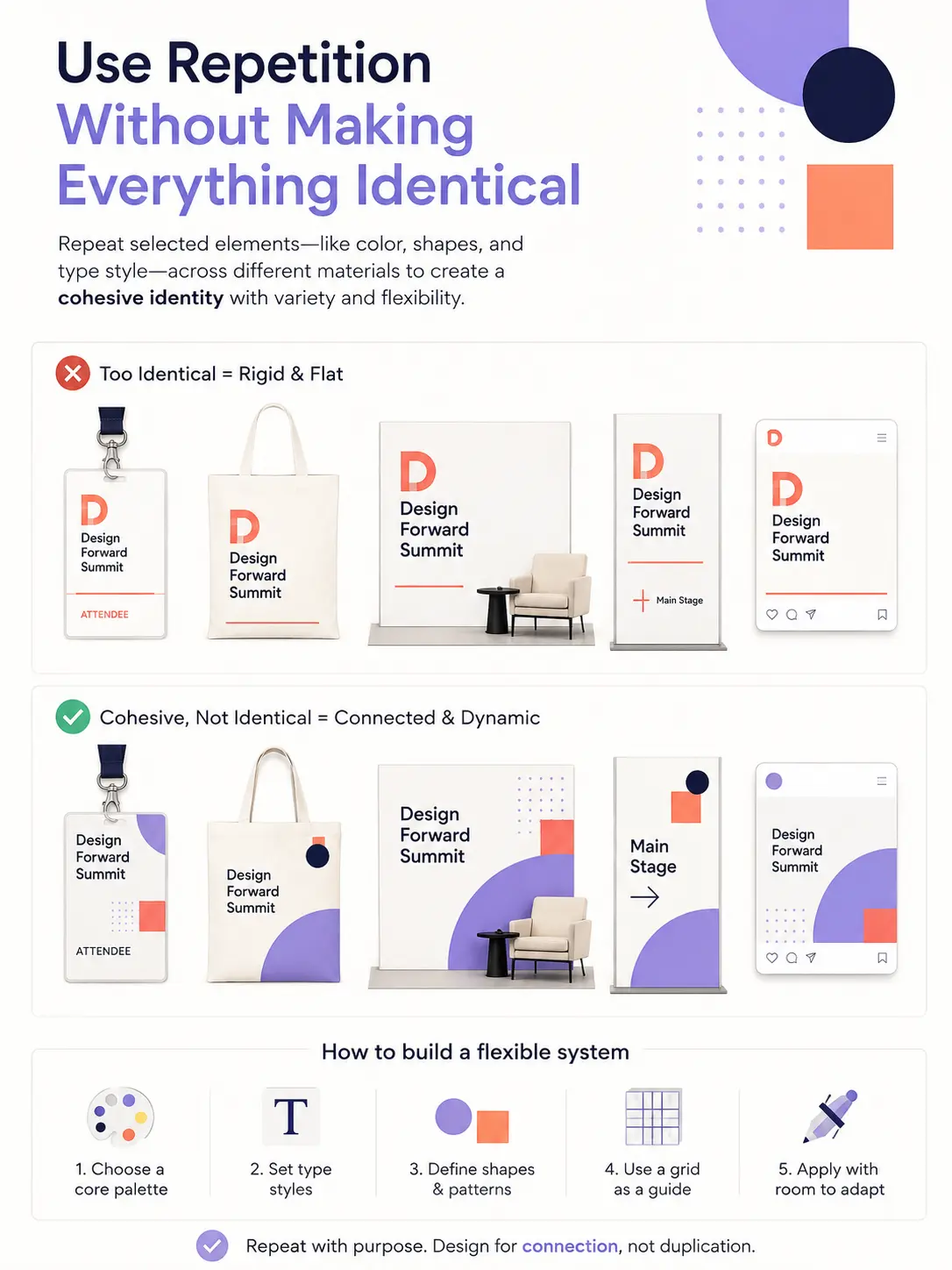
If every single item uses the same large logo placement, the whole system reads as rigid. If each piece instead shares a grid, recurring shapes, and related color blocks, the identity feels connected while still allowing real variety piece to piece.
This matters even more for growing brands. As new needs show up, the system can expand without turning messy, because the rules were never tied to one fixed layout in the first place.
Pick three connective threads for your system, maybe a color, a shape language, and a typographic weight, and let every new touchpoint use at least two of them rather than forcing an identical template each time.
Keep the Message Short and Useful
Small touchpoints don’t have room for long explanations. A clear visual idea almost always carries more weight than a crowded message competing for the same tiny space.
If text is necessary, keep it brief. A thank-you card can carry one line that actually sounds human instead of corporate. An event item can use a short campaign phrase people will remember past the weekend. A staff badge works better with a single value or internal theme than a full mission statement crammed onto a 40mm circle.
It also helps to decide upfront whether a piece needs to be timeless or campaign-specific. Evergreen items should lean on core identity elements that won’t feel dated in two years. Campaign pieces can afford to be more playful, since they’re tied to a shorter moment and aren’t meant to last.

Choose Materials That Match the Brand Personality
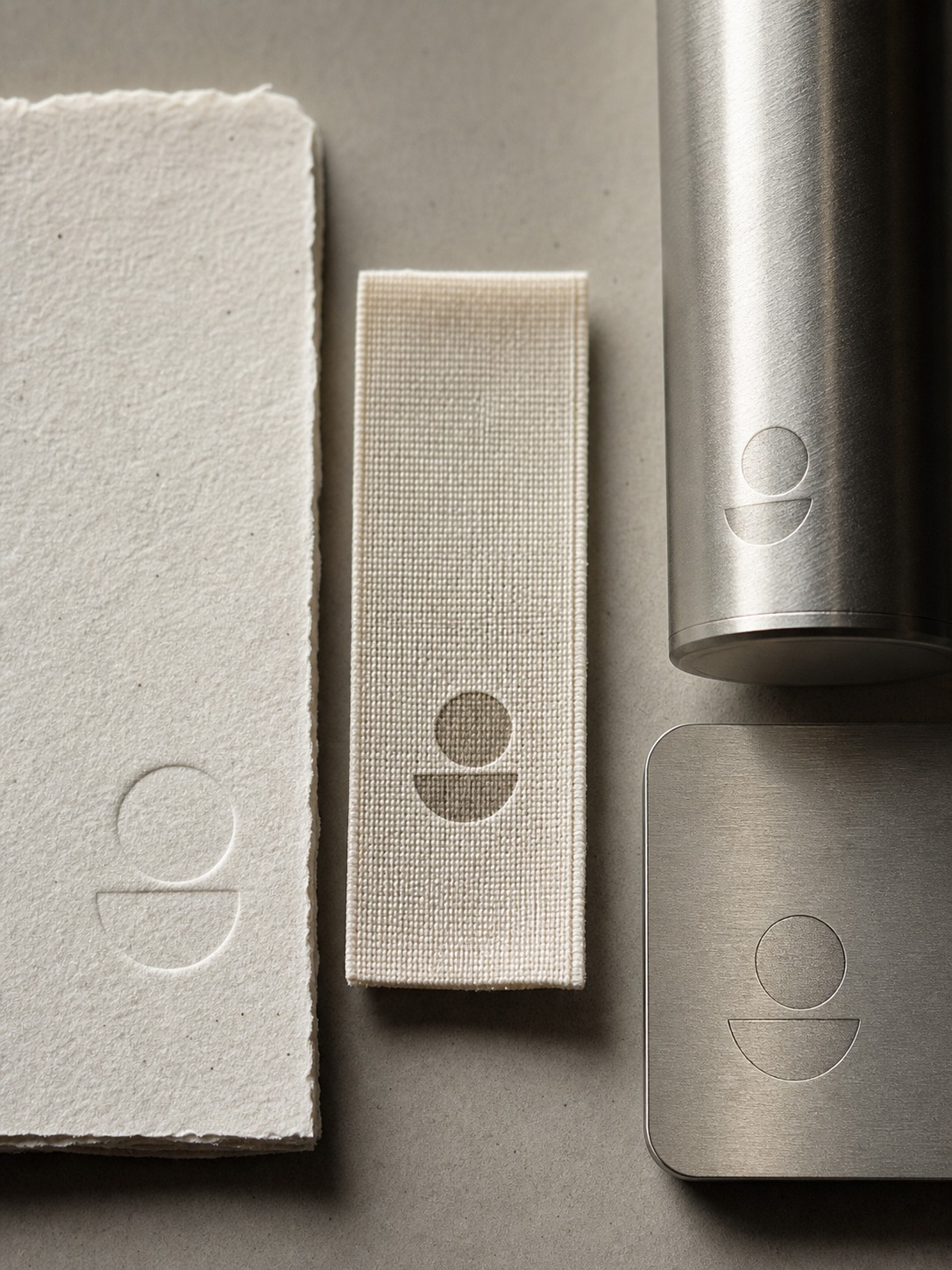
Material choice shapes how a brand gets perceived just as much as color or type does. A textured paper card feels completely different from a glossy insert. A woven label feels different from a printed sticker. A small metal item feels different from a paper handout, even carrying the exact same logo.
The right material depends on brand personality and audience. A minimal architecture studio usually reaches for restrained finishes and neutral tones. A youth-focused lifestyle brand leans brighter and more playful. A handmade product company often prefers tactile materials that feel warm rather than polished.
Budget matters, sure, but thoughtful design isn’t only about expensive production. A simple item can feel considered if the scale, color, and message are handled with care. Before producing anything in quantity, test it in real conditions: view it from three feet away, hold it in your hand, set it next to your other brand materials, and ask honestly whether it still feels connected to the identity or just floats near it.

Brand touchpoints work best when the product itself feels coherent, so a product design agency in Noida should be able to connect interface details with the wider brand experience.
Conclusion

Small brand touchpoints are easy to overlook, but they’re often what makes a brand feel complete rather than just visible. They give people something tangible to notice, use, or keep long after a campaign ends, my old brass pin included.
The most effective pieces start with a clear brand system, respond to a real context, and use materials with intention. They don’t need to be loud or complicated. They just need to feel connected to everything else the brand does.
Get those details right, and a brand starts showing up consistently in the physical world, one small moment at a time.

Before applying a mark to cards, pins, or packaging, it helps to make a logo in Canva and check whether the simplified icon survives at the tiny sizes small touchpoints require.
Small touchpoints become more convincing when they are shown as part of a system, so these portfolio examples for small brand systems are useful when you need to present tiny brand details without making them feel minor.
Frequently Asked Questions
What counts as a small brand touchpoint?
Any small physical item that carries a brand’s identity beyond its main logo or website: stickers, pins, packaging inserts, badges, tote bags, thank-you cards, or event giveaways. The common thread is that people can hold, wear, or keep these items, which makes them stick in memory longer than a digital impression does.
Should every small item use the full logo?
Usually not. Full logo lockups tend to lose clarity at small sizes, especially under 30mm. A simplified icon, a distinctive color pairing, or a single recognizable shape pulled from the identity often reads more clearly and feels more intentional than a shrunk-down full logo.
How do I keep touchpoints consistent without making them boring?
Repeat a few connective threads, like a color palette, a shape language, or a typographic weight, across different items instead of forcing an identical layout everywhere. Consistency comes from shared visual rules, not from every piece looking exactly the same.
What material should I choose for a branded item?
Match the material to the brand’s personality and the audience. Minimal or professional brands tend to suit restrained finishes like matte paper or brushed metal. Playful or youth-focused brands often work better with bright colors and tactile materials. Test any material in person before producing in quantity.
Do small touchpoints need text?
Only if it adds something specific. A short, human-sounding line works better than a long explanation, since these items rarely have space for both a visual and a paragraph. If a piece doesn’t need words to communicate the brand, leave it visual-only.
What’s the difference between an evergreen touchpoint and a campaign one?
Evergreen pieces should rely on core identity elements that won’t feel dated, since they’re meant to last across years, not months. Campaign pieces can be more playful and specific, since they’re tied to a short moment and aren’t expected to outlive the campaign itself.
How much detail can a small item like a pin or patch actually hold?
Less than most people expect. Enamel pins and embroidered patches generally can’t render fine linework or small text cleanly, so simplified shapes with three to five flat color zones usually reproduce far better than a detailed illustration shrunk down to fit.
Small touchpoints expose weak marks quickly, so test any new symbol with practical logo maker tools before rolling it across packaging, cards, and social assets.
- 417shares
- Facebook0
- Pinterest417
- Twitter0
- Reddit0