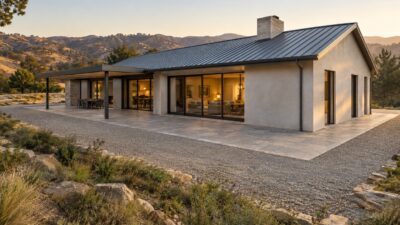
I bought my first house fully aware it needed work. What I didn’t know was where to start.
So I did what a lot of people do: I tackled the stuff I could see. Painted a feature wall. Swapped dated light fixtures. Tore up carpet that looked like it had survived three generations of dogs. The place looked noticeably better. Friends said it felt more modern. I figured I was making smart upgrades.
- 1. Curb Appeal: The First Impression That Sets the Price Anchor
- 2. Roofing and Exterior Maintenance: The Value That Lives in Structure
- 3. Kitchen: The Room That Buyers Decide In
- 4. Energy Efficiency: The Value That Compounds Over Time
- 5. Creating Usable Space: Square Footage That Earns Its Keep
- 6. Bathrooms: Small Rooms With Outsized Impact
- 7. Routine Maintenance: The Value Hidden in Consistency
- FAQ: Increasing Home Value
- What home improvements add the most value before selling?
- How much does curb appeal affect home value?
- Is a kitchen renovation worth the investment for increasing home value?
- What is the ROI on energy-efficient home upgrades?
- How does roof condition affect home value and sale price?
- Does converting an unused space add significant value?
- What routine maintenance tasks have the biggest impact on home value?
Then the appraisal landed at almost exactly what I’d paid for the house.
That stung a little.
The lesson didn’t really sink in until I sold the place. During the inspection, the buyer’s guy spent forever looking at the roof, the crawl space, and anything structural. The rooms I’d spent months fussing over got maybe five minutes of attention. Nobody cared nearly as much about my paint color choices as I did.
That’s when I realized there’s a gap between what feels valuable as a homeowner and what actually affects value when money gets involved. Buyers notice cosmetic upgrades, sure. But appraisers, inspectors, and lenders tend to focus on the expensive stuff hiding underneath.
The strategies in this guide work because they focus on what actually gets evaluated — the things that affect offers, financing, and long-term value, not just what looks good during a showing.
1. Curb Appeal: The First Impression That Sets the Price Anchor
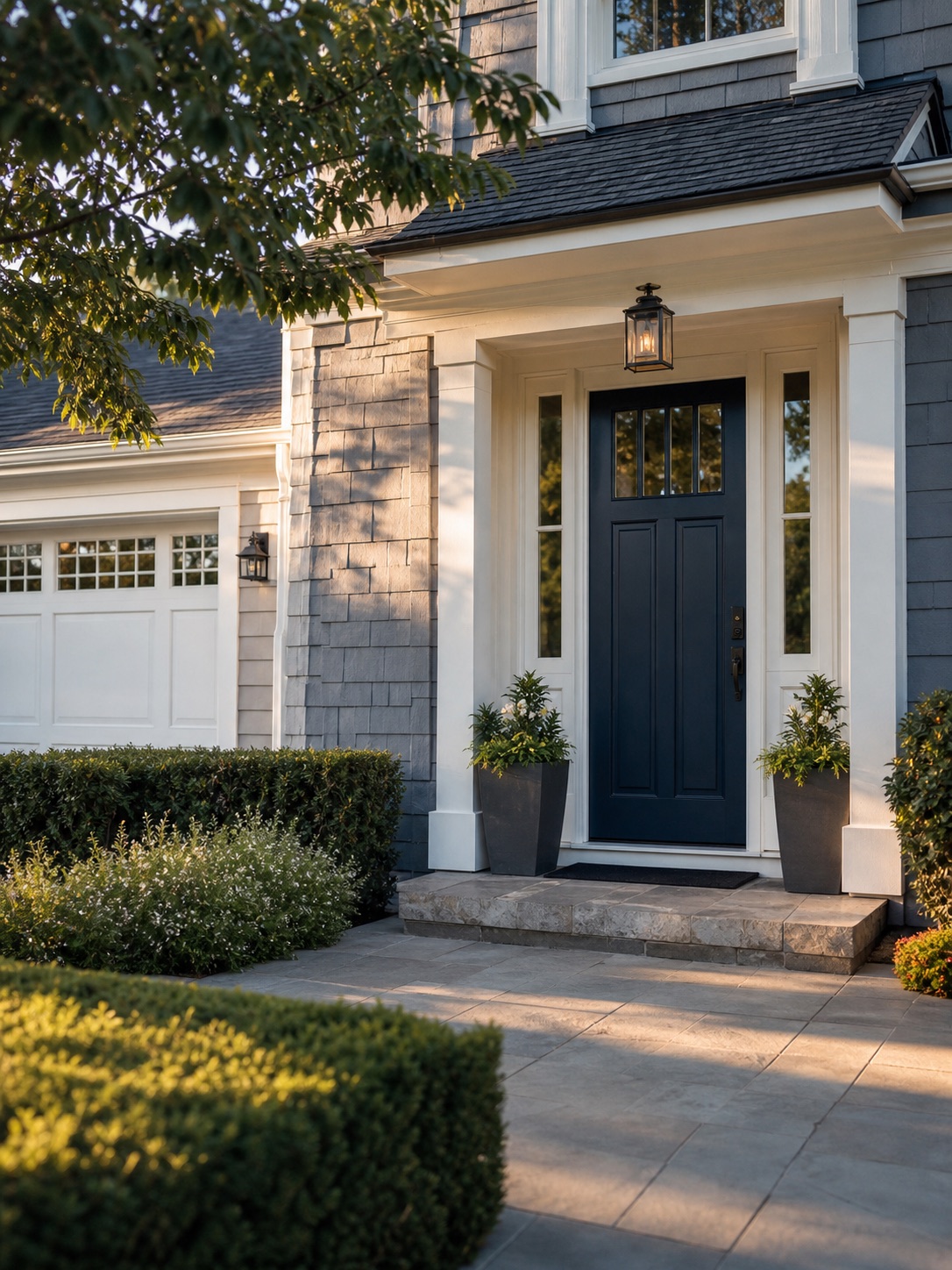
Before a buyer walks through the front door, they’ve already formed a number. Research on buyer psychology consistently shows that first impressions anchor valuation — meaning the exterior presentation of a property directly affects the price someone is willing to offer inside, regardless of what they find there. A house that reads as well-maintained from the street gives a buyer permission to fall in love with it. A house that reads as neglected makes them cautious before they’ve seen a single room.
The highest-return curb appeal investments are rarely the most expensive ones:
- Front door: repainting in a considered color (dark navy, forest green, terracotta) costs under $100 in paint and transforms the entrance. The front door is the face of the house in listing photography.
- Lighting: replacing builder-grade exterior fixtures with deliberate choices — wall sconces that complement the house’s architectural style — costs $200–$500 and significantly improves evening kerb presence.
- Planting: structured, low-maintenance planting rather than overgrown or random landscaping. Boxwood hedging, ornamental grasses, or simple seasonal containers communicate care without high maintenance signals.
- Driveway and paths: pressure washing costs almost nothing and removes the staining that makes a property look older than it is.
Studies suggest strong curb appeal can add 5–12% to a property’s sale price compared to a similar home with poor exterior presentation. For a $400,000 home, that’s $20,000–$48,000 in value from improvements that might cost $1,500–3,000 to execute well.
2. Roofing and Exterior Maintenance: The Value That Lives in Structure
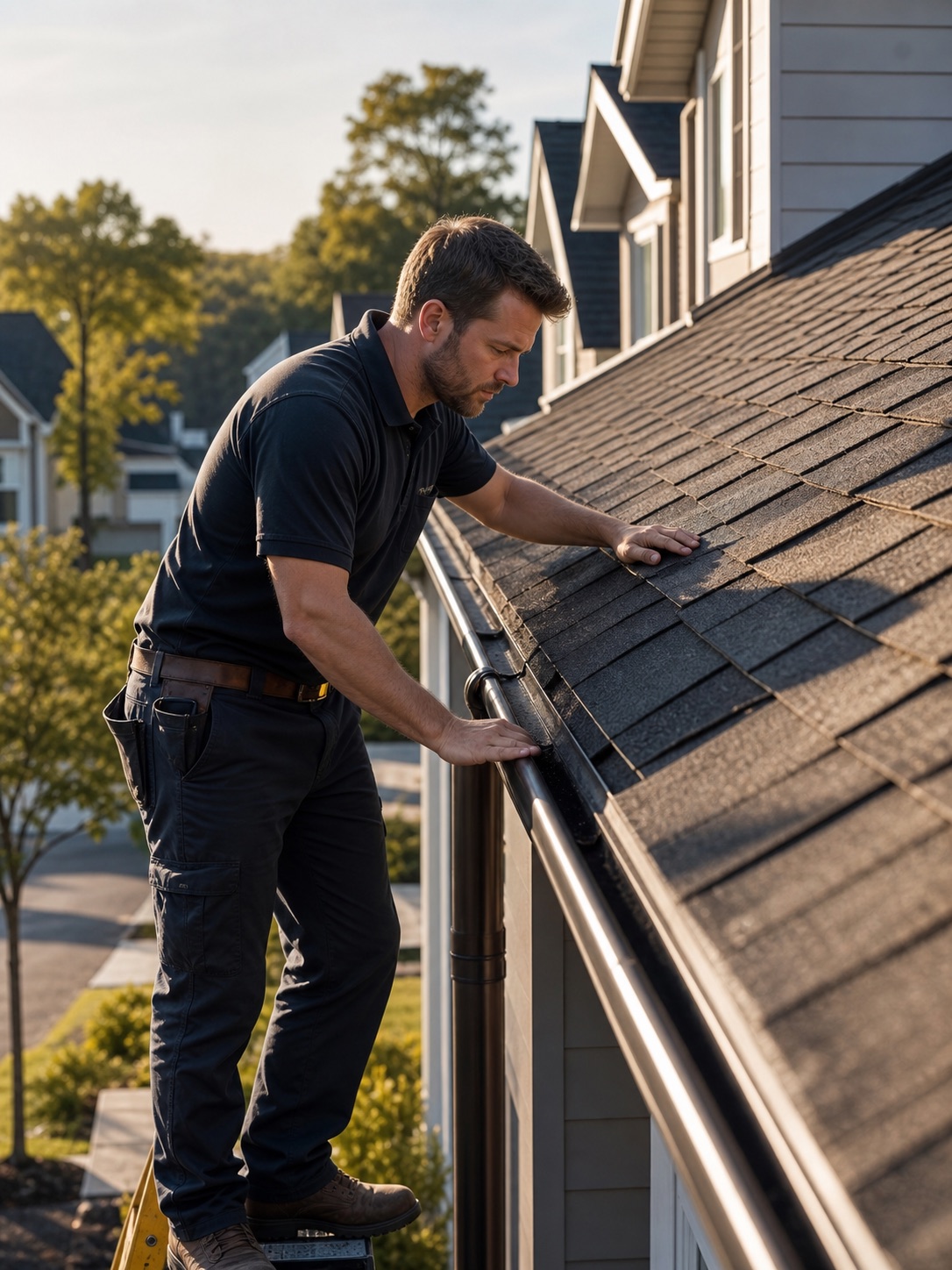
If there is one category where homeowners most consistently under-invest relative to return, it’s the roof and exterior structure. These are the elements that inspectors scrutinize most carefully, that lenders require to be in acceptable condition before approving mortgages, and that buyers use as the primary signal of whether a property has been cared for.
A damaged or visibly aging roof can reduce an offer by the estimated replacement cost plus a risk premium — often $10,000–25,000 more than the actual repair would have cost. More significantly, roof condition issues discovered during inspection are one of the most common triggers for buyers to renegotiate or withdraw entirely. Proactive maintenance eliminates this negotiating pressure.
Exterior services from specialists like noreastexteriors.com cover the full range of what this category requires: roofing inspection and repair, siding condition, fascia and soffit integrity, and gutter systems. These are not glamorous improvements. They don’t photograph particularly well. But they are the improvements that prevent a $500 repair from becoming a $15,000 problem — and that keep buyer negotiations from using discovered issues as leverage.
The design consideration here is coherence: the roof material and color, the siding finish, and the exterior trim should form a considered palette rather than accumulated decisions from different decades. When all exterior elements read as intentional rather than inherited, the house communicates quality even before a buyer leaves their car.
3. Kitchen: The Room That Buyers Decide In
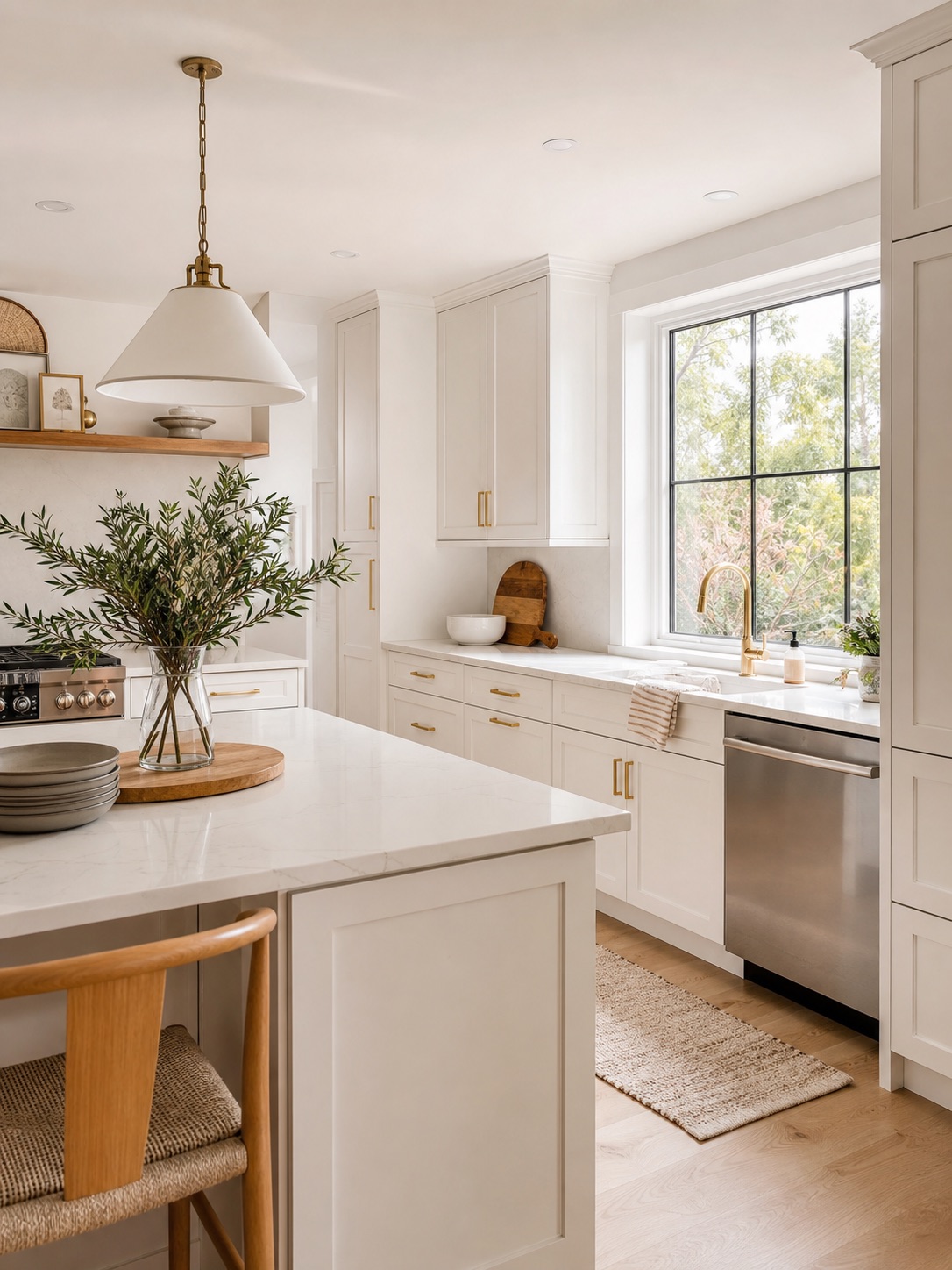
Kitchen renovation returns 60–80% of its cost in added value — which sounds strong until you realize that a $50,000 full remodel returns $30,000–40,000 in added value at best. The financial logic of kitchen improvement is not gut renovation. It’s targeted intervention.
The kitchen improvements with the highest return relative to cost:
- Hardware replacement: new drawer pulls and door handles across all cabinetry costs $200–$600 and updates a kitchen by a decade in visual terms. It’s the fastest single upgrade in the room.
- Lighting: replacing a single central ceiling fixture with layered lighting — pendants over the island, under-cabinet strip lights, recessed ambient lighting — changes the atmosphere of the room entirely and costs $500–1,500 for competent DIY.
- Countertop replacement: laminate to quartz or butcher block is a $2,000–5,000 upgrade that has outsized visual impact because countertops occupy the most visible horizontal surface in the room.
- Backsplash: a tiled backsplash where there was none, or replacing a dated pattern, costs $500–1,500 and gives the kitchen a focal point that buyers notice.
The design principle across all of these: coherence. A kitchen where the hardware finish, the lighting metal, the appliance finish, and the countertop color are in conversation with each other reads as designed. A kitchen where each of those elements was chosen independently reads as accumulated. Buyers feel this distinction without being able to articulate it.
Neutral palettes — warm whites, light greys, natural timber — remain the safest choice for maximizing buyer appeal because they let buyers project their own preferences onto the space rather than reacting to someone else’s specific choices.
4. Energy Efficiency: The Value That Compounds Over Time
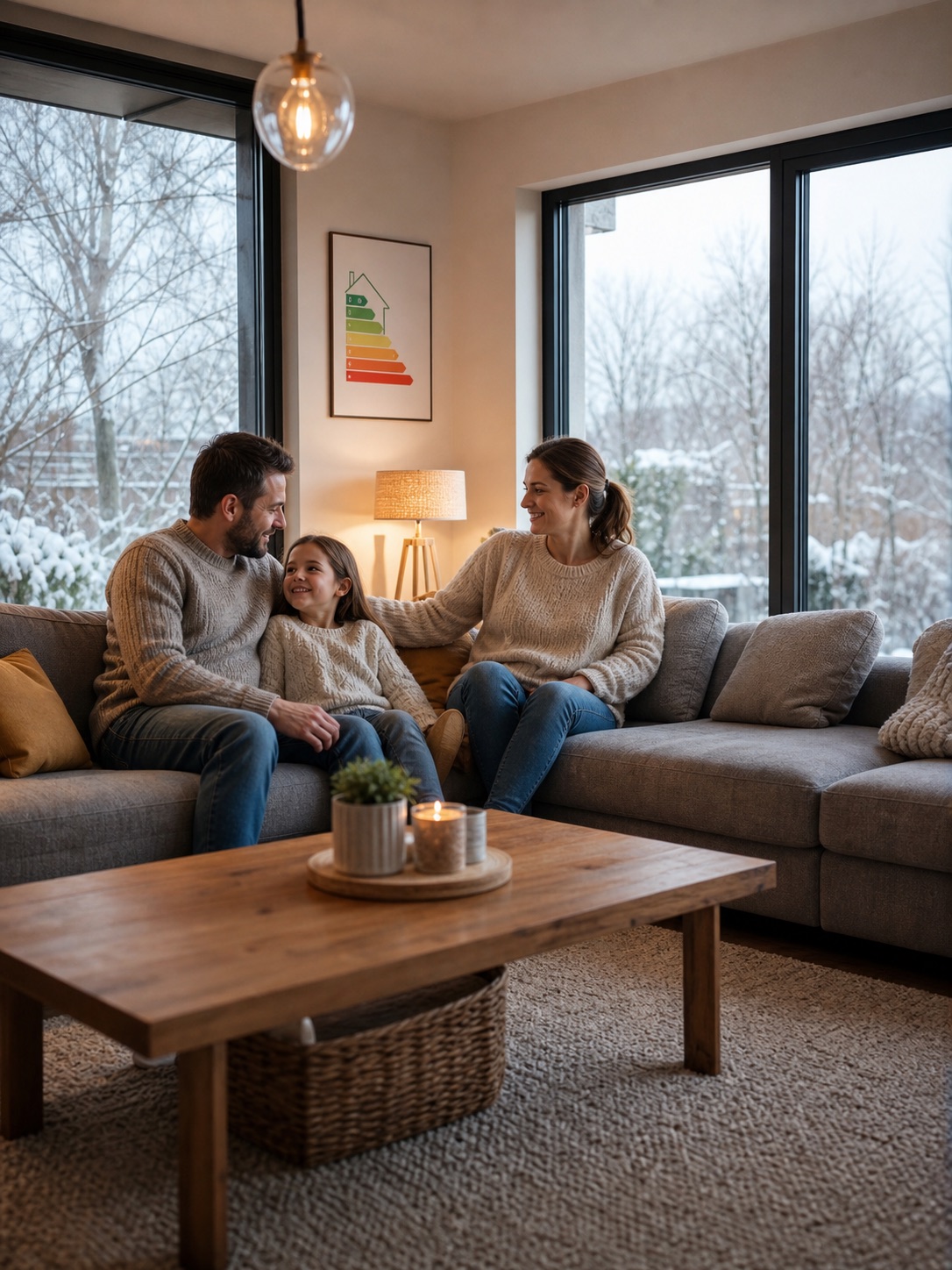
Energy efficiency improvements are unusual in the home improvement category because they generate return in two ways simultaneously: they add to the assessed value of the property and they reduce monthly operating costs while the owner is still living there. No other improvement category does both.
The financial logic of the highest-return energy upgrades:
- Attic insulation: one of the few improvements that can return more than 100% of cost in combined energy savings and value addition. An uninsulated or under-insulated attic is also a common inspection finding that affects buyer confidence.
- Window replacement: returns 60–70% of cost in added value and reduces heating and cooling bills immediately. Single-pane windows are both a comfort issue and a visible signal of an aging building envelope.
- HVAC system: a documented service history and a system with remaining useful life is worth significantly more to buyers than an aging or poorly maintained system. Replacement returns 50–60% of cost but eliminates a negotiating point.
From a design standpoint, energy efficiency improvements also affect how the house feels to live in: rooms without drafts, consistent temperature distribution, quiet operation. These qualities are hard to photograph but immediately apparent during a showing, and buyers who experience a well-conditioned home during a walkthrough form stronger positive associations with the property.
5. Creating Usable Space: Square Footage That Earns Its Keep
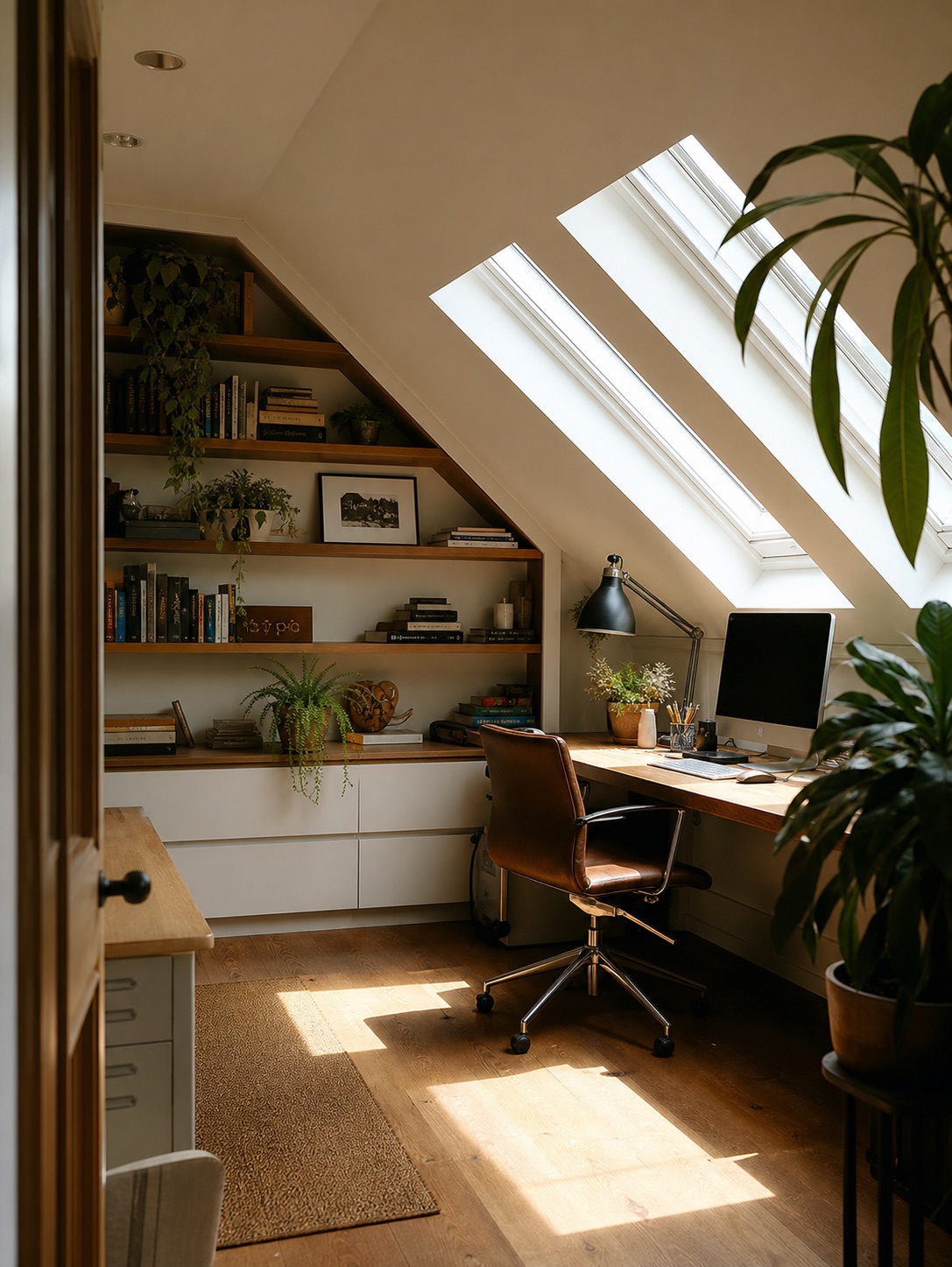
Livable square footage is the most directly quantifiable driver of property value — appraisers use it explicitly in comparative valuations, and buyers apply it as a filter before they even schedule a viewing. Creating additional usable space is one of the highest-leverage improvements a homeowner can make, particularly in markets where per-square-foot values are elevated.
The spaces most commonly underutilized in residential properties:
- Basement: a finished basement that can be classified as livable space adds square footage at a significantly lower cost per square foot than an addition. The key is building code compliance — egress windows, ceiling height, and proper insulation — which determines whether the space counts as finished square footage in a valuation.
- Attic conversion: adding a dormer or installing skylights to bring a loft to livable standard can create a bedroom, office, or studio that reads as one of the most distinctive spaces in the house. The slope of the ceiling, handled well, becomes a design feature rather than a limitation.
- Garage: a partial garage conversion — insulated, drywalled, with a door that connects cleanly to the main house — creates flexible space that buyers value, particularly as home office demand has remained high post-pandemic.
- Spare room repurposing: a room used for storage that is cleaned out, painted, and furnished as a functional bedroom or office increases the listed bedroom or room count, which directly affects comparable valuations.
A finished basement or converted attic typically returns 50–75% of conversion cost in added value. In high-value markets, the return is often higher because the base value per square foot means each additional livable foot contributes proportionally more.
6. Bathrooms: Small Rooms With Outsized Impact
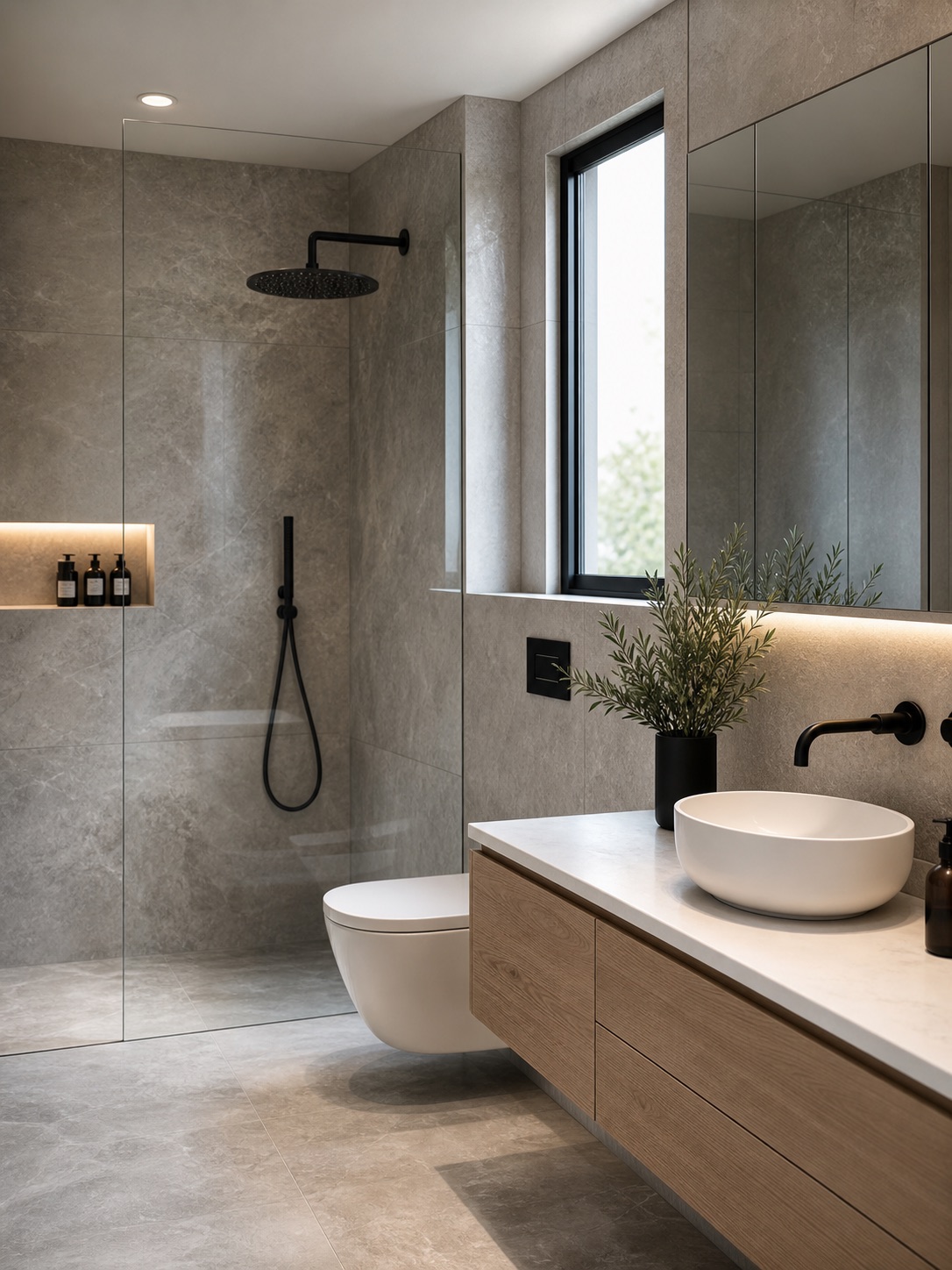
Bathrooms are disproportionately influential in buyer decision-making relative to their physical size. An outdated or poorly maintained bathroom signals neglect in a way that affects the buyer’s confidence about the whole property. A clean, modern bathroom — even a small one — signals care and quality in the same way.
The bathroom improvements with the strongest return:
- Fixture replacement: faucets, showerheads, and towel rails in a consistent finish (matte black, brushed nickel, brushed gold) update a bathroom’s design language for $200–$600 and eliminate the mixed-metal confusion that makes older bathrooms feel dated.
- Vanity update: replacing a pedestal sink with a vanity unit adds storage and changes the room’s perceived practicality. A floating vanity with clean lines reads as contemporary regardless of how old the surrounding tile is.
- Lighting: a single overhead bulb is the default in many bathrooms and produces unflattering, utility-grade light. Replacing with a vanity bar light or adding a ceiling fixture with warm output changes the atmosphere immediately.
- Grout and caulk: the difference between grout that is clean and fresh versus grout that is stained or cracked is the difference between a bathroom that reads as maintained and one that reads as neglected. This costs almost nothing to address and has significant perceptual impact.
The design logic for bathroom improvement is the same as the kitchen: coherence in finishes, neutral palette, elimination of the dated elements that broadcast the decade the bathroom was last updated.
7. Routine Maintenance: The Value Hidden in Consistency
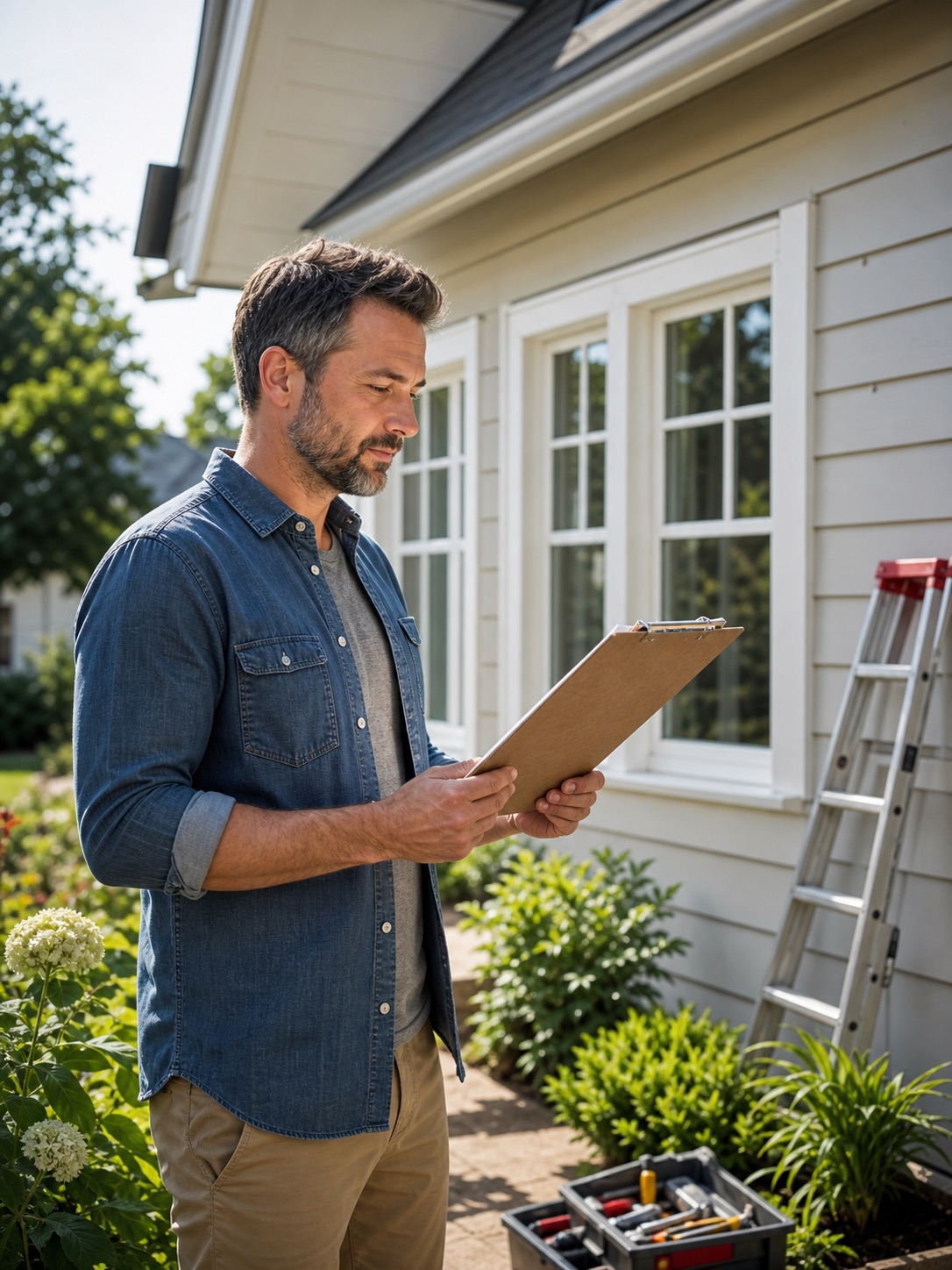
The least glamorous item on this list is also the one most likely to make or break a sale. Routine maintenance — the small, unglamorous, consistent attention to the systems and surfaces of a home — is what prevents value erosion rather than creating value addition. But preventing erosion is exactly as important as generating improvement.
Buyers and their inspectors evaluate the condition of the property across every system: plumbing, electrical, HVAC, structural, exterior. A home with documented service history and demonstrably well-maintained systems commands buyer confidence that translates to stronger, cleaner offers. A home with deferred maintenance across multiple systems triggers price renegotiation, repair credit requests, and buyer withdrawal — all of which cost significantly more than the maintenance would have.
The maintenance tasks that most directly affect buyer confidence:
- HVAC service records: a system with documented annual servicing and a remaining useful life of 5+ years is a selling point. An unserviced aging system is a negotiating liability.
- Exterior paint and cladding: peeling paint and deteriorating cladding are visible signals of deferred maintenance that affect first impressions and suggest a pattern of neglect to buyers.
- Plumbing: dripping faucets, slow drains, and visible pipe corrosion are minor repairs that take an hour and cost little to fix. Left unaddressed, they become inspection findings that affect buyer confidence disproportionately.
- Windows and seals: failed window seals (foggy double-glazed units) are visible immediately and signal both deferred maintenance and potential moisture issues.
The return on consistent maintenance is not measured in a single improvement line item. It’s measured in the final offer: a property that has been consistently maintained commands offers closer to asking price, fewer post-inspection renegotiations, and a cleaner path to close. That financial difference regularly exceeds the cumulative cost of all the maintenance that produced it.
For a design-led version of the value conversation, use this interior design for property investors guide to weigh staging, finishes, lighting, and room clarity before spending on cosmetic upgrades.
FAQ: Increasing Home Value
What home improvements add the most value before selling?
Kitchen and bathroom updates consistently return the highest percentage of cost in added value (60–80%). Exterior maintenance and roof condition are close behind because they directly affect buyer confidence and mortgage lender assessments. Energy efficiency upgrades are increasingly valued because buyers factor ongoing utility costs into affordability. Curb appeal improvements cost relatively little but affect first impressions and listing photography significantly.
How much does curb appeal affect home value?
Studies suggest strong curb appeal can add 5–12% to a home’s sale price compared to a similar property with poor exterior presentation. The effect is partly direct (perceived value) and partly indirect (how exterior presentation affects listing photography and first-impression decision-making). For a $400,000 home, that range represents $20,000–48,000 in potential value difference.
Is a kitchen renovation worth the investment for increasing home value?
A full kitchen renovation typically returns 60–80% of its cost in added value, making targeted upgrades more financially efficient than gut renovations. Replacing hardware, countertops, and lighting while leaving the layout intact often produces comparable visual impact at a fraction of the cost. The highest-return kitchen investments address visible dated elements without restructuring areas that already work well.
What is the ROI on energy-efficient home upgrades?
Attic insulation is one of the highest-ROI improvements, often returning more than 100% of cost through combined energy savings and value addition. Window replacement returns 60–70% of cost in added value and reduces monthly utility bills. HVAC upgrades return 50–60% of cost but significantly improve buyer appeal in markets where climate control is a primary comfort concern.
How does roof condition affect home value and sale price?
A damaged or near-end-of-life roof can reduce an offer by the estimated replacement cost plus a risk premium, often $10,000–25,000 or more. Many buyers require a roof inspection as a condition of sale and renegotiate or withdraw based on findings. Proactive maintenance and timely repair prevents this negotiating pressure and signals property care to buyers.
Does converting an unused space add significant value?
A finished basement or converted attic that adds usable square footage typically returns 50–75% of conversion cost in added value. The return is higher when the space can be classified as a bedroom or office. In high-value markets the return on livable square footage is more significant because the base value per square foot means each additional foot contributes proportionally more.
Before choosing which upgrades to fund first, step back and check the best time to buy a house, because the price you negotiate at purchase often decides how much cash is left for value-building improvements.
What routine maintenance tasks have the biggest impact on home value?
Exterior paint and cladding condition, roof integrity, HVAC service records, and plumbing system condition are the areas buyers and inspectors focus on most. A home with documented service history for HVAC and demonstrably well-maintained systems commands buyer confidence that translates to stronger offers. Deferred maintenance in these areas is one of the most common triggers for price renegotiation after inspection.
Updating bathroom aesthetics is a proven way to boost value. Keep your bathroom remodeling cost under control with smart DIY hacks.
The most valuable improvements are the ones that give buyers permission to trust the property. Design earns attention. Maintenance earns trust. Both matter.
Renovating underutilized vanity areas is a reliable way to appeal to buyers. Read our design-led small bathroom storage ideas to start planning your upgrades.
For home-value projects, do not treat the driveway as a flat cosmetic line item. The base, drainage, and edge detail can change the budget quickly, so check the driveway paving cost breakdown before grouping it with simpler exterior updates.
- 131shares
- Facebook0
- Pinterest131
- Twitter0
- Reddit0