A kitchen renovation in Austin. A backyard overhaul in Phoenix. A bathroom gut job in a 1970s ranch home in New Jersey. None of these sound like market data. But add them together — millions of them, happening simultaneously across the country — and you get one of the most resilient industries in the American economy.
- The Numbers That Tell the Real Story
- What's Actually Driving Americans to Renovate
- The Projects Driving the Most Spending
- Who's Renovating — And How the Profile Is Shifting
- The Design Trends Shaping Renovation Right Now
- What This Means If You're Planning a Remodel
- An Industry Built on Something Real
- Frequently Asked Questions
- Q: How much does a home remodel cost on average in 2024–2025?
- Q: What home renovations add the most value?
- Q: Is it better to renovate or buy a new home?
- Q: What are the most popular home remodeling projects right now?
- Q: How long does a home renovation typically take?
- Q: Should I hire a contractor or DIY my renovation?
- Q: How do I finance a home renovation?
Home remodeling just passed the trillion-dollar mark—and yeah, that sounds huge, but it actually makes sense when you look around.
People are putting serious money into their homes right now. Not just small fixes. Full upgrades. Kitchens, bathrooms, layouts, outdoor spaces—you name it.
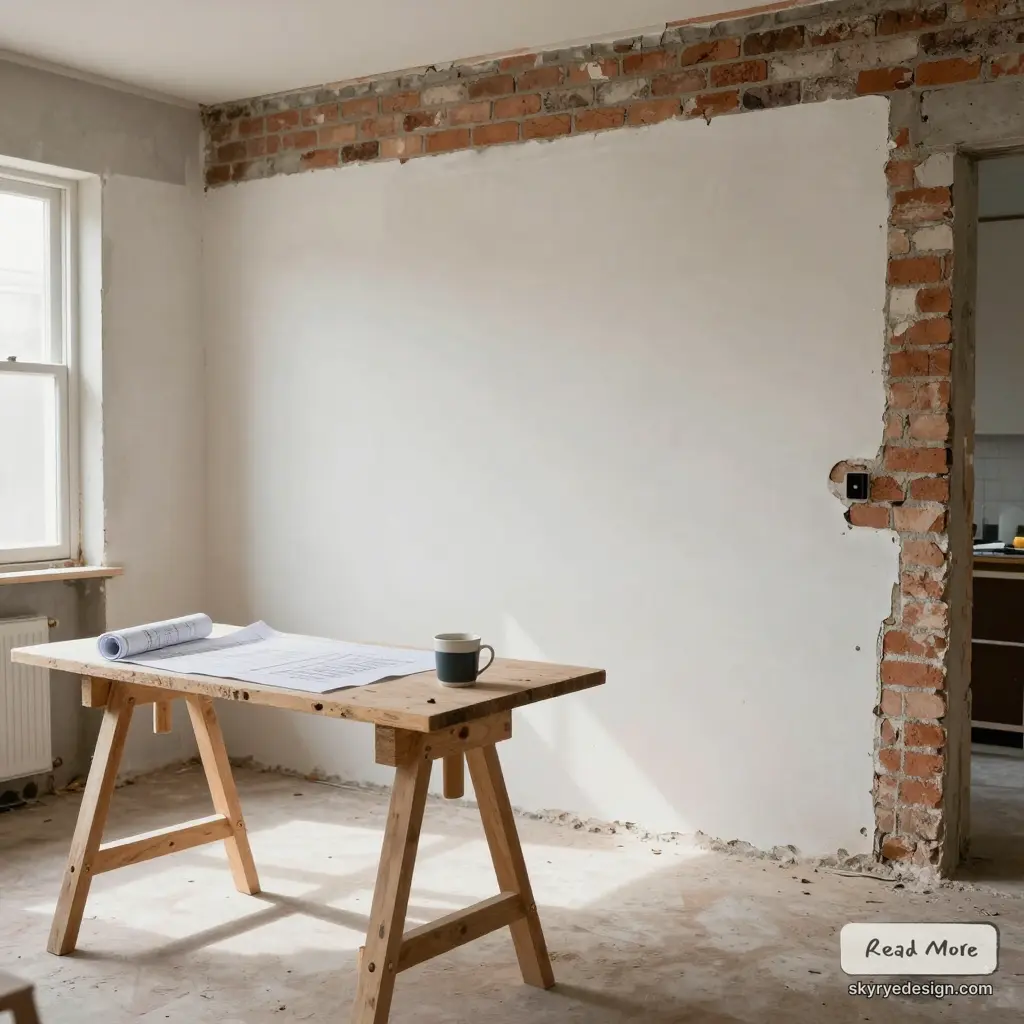
I think a big part of it is simple: we live at home more than we used to. Work, downtime, everything kind of blends together now. And when you’re staring at the same walls every day, the flaws start to annoy you. So instead of moving, people stay and start changing things.
The Numbers That Tell the Real Story
Let’s start with the scale, because it’s genuinely staggering.
According to Yahoo Finance, the home remodeling industry is projected to exceed $1.04 trillion by 2026. That’s not a typo. One trillion dollars — spent on renovating, upgrading, and transforming existing homes across the United States and beyond.
And that figure isn’t built on speculation. In just the first quarter of 2024 alone, homeowners spent $463 billion on home remodeling (USA Today). A single quarter. That’s the kind of number that makes you realize this isn’t a trend — it’s a structural shift in how Americans think about homeownership.
Meanwhile, according to Coohom, approximately 10 million homes undergo some form of remodeling every year in the United States. That’s 10 million kitchens, bathrooms, basements, and backyards being rethought and rebuilt on an annual basis.
Why These Numbers Keep Climbing
The sustained growth isn’t random. Several forces are converging at the same time:
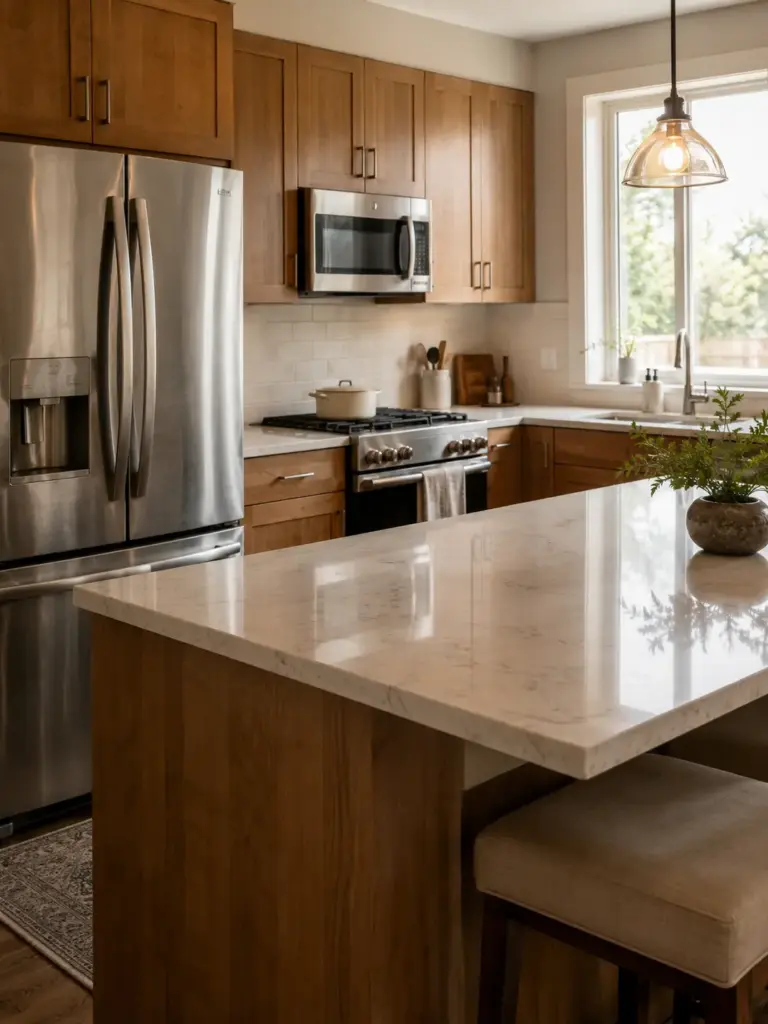
- Home equity is at record highs. After years of rising property values, millions of homeowners are sitting on equity they didn’t have five years ago — and they’re putting it to work.
- The mortgage lock-in effect. With interest rates elevated, homeowners who might have moved are staying put and improving instead. Moving isn’t financially attractive right now. Renovating is.
- Post-pandemic space rethinking. The shift to remote and hybrid work fundamentally changed how people use their homes. Home offices, flexible spaces, and functional kitchens stopped being aspirational — they became necessary.
I’ve noticed that this renovation cycle feels different from previous ones. It’s less about flipping for profit and more about livability. People are renovating homes they plan to stay in for decades, which changes both what they prioritize and how much they’re willing to spend.
What’s Actually Driving Americans to Renovate
Here’s the honest answer: it’s not one thing. It’s a combination of financial logic, lifestyle change, and something harder to quantify — the feeling that your home should actually work for you.
The Financial Case Is Stronger Than Ever
Home renovation has always had a return-on-investment argument, but the math looks different now than it did a decade ago.
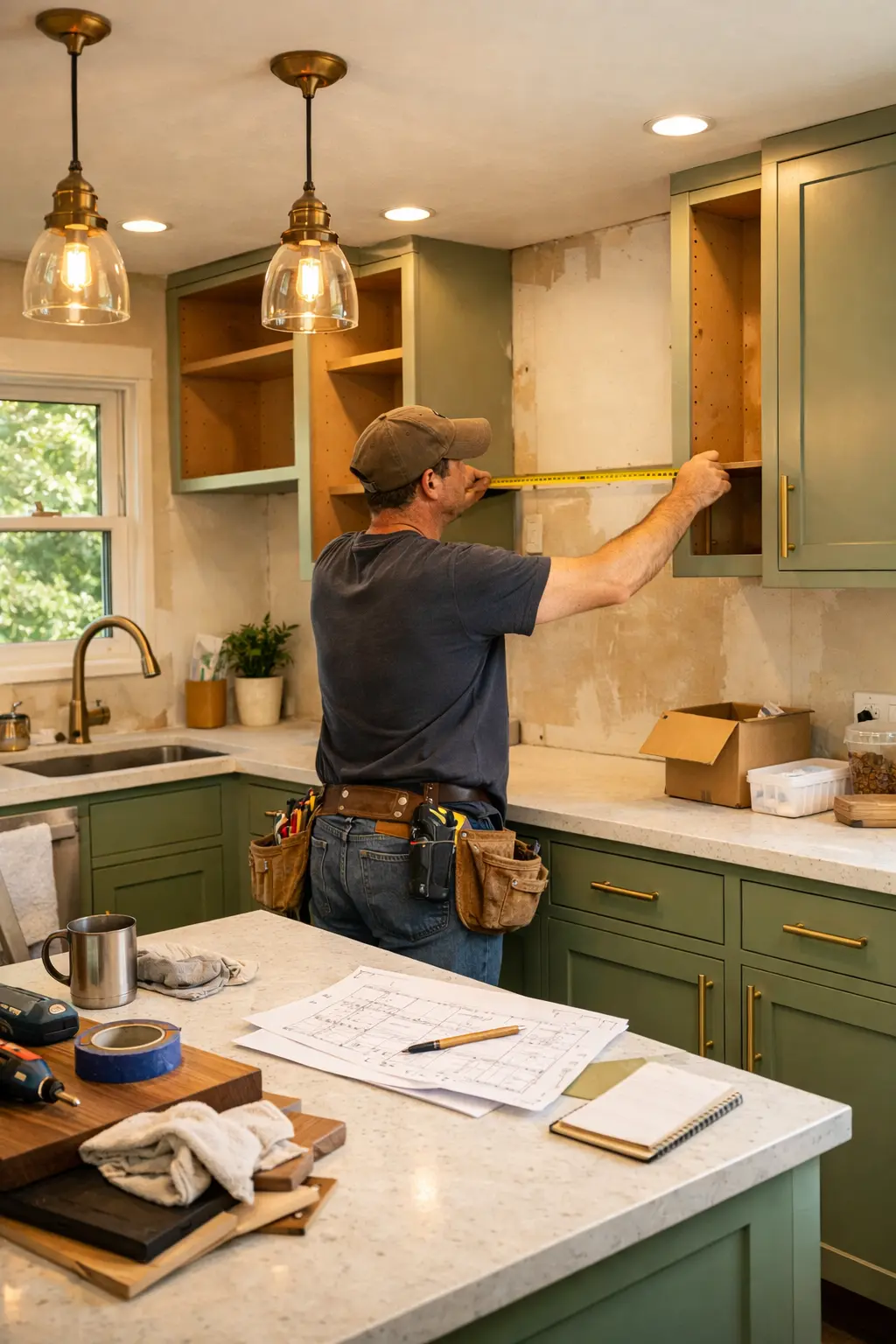
A midrange kitchen remodel — new appliances, cabinet refacing, updated countertops — runs between $25,000 and $75,000 depending on the market. According to Remodeling Magazine’s annual Cost vs. Value report, that same project typically returns 60–80% of its cost in added home value. That’s not a guaranteed profit, but it’s a reasonable trade-off for a space you’ll use multiple times every single day.
Bathroom renovations perform similarly. A primary bathroom remodel averaging $21,000–$35,000 returns roughly 66% at resale — while delivering daily quality-of-life improvements that don’t show up in any spreadsheet.
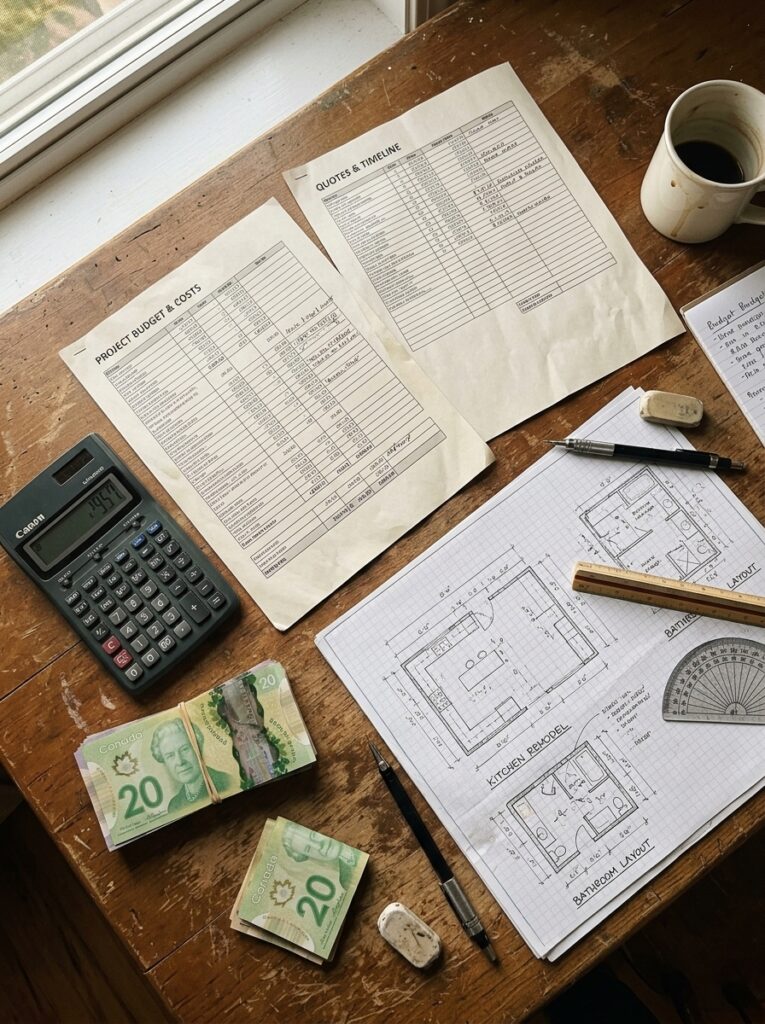
Energy efficiency upgrades tell an even cleaner financial story. A heat pump system, upgraded insulation, or solar installation often pays for itself through utility savings within 7–12 years — then keeps saving after that. The Inflation Reduction Act of 2022 added federal tax credits of up to $3,200 annually for qualifying upgrades, which changed the ROI calculation for millions of homeowners overnight.
The Emotional Case Is Just as Real
Not everything is math. A significant portion of home renovation spending is driven by something simpler: people want to feel good in the spaces where they spend their lives.
The pandemic made this visceral. People were suddenly home all day — staring at the kitchen they’d been meaning to update for three years, sitting in the backyard they never used, working from a dining room table because there was nowhere else to go. The discomfort was specific and immediate. So was the motivation to fix it.
Platforms like Pinterest and Instagram accelerated this further. Houzz reports that 78% of homeowners who use their platform say visual inspiration directly influenced their renovation decisions. When you’ve spent two years pinning kitchen designs, eventually you stop pinning and start calling contractors.
The Projects Driving the Most Spending
Not all renovation dollars go to the same places. Some project categories are pulling dramatically more investment than others — and the reasons why are telling.
Kitchen and Bathroom: Still Leading the Pack
Kitchen and bathroom renovations have topped remodeling spend for decades, and they still do. These rooms get more daily use than any other space in a home, and they show their age faster too.
The modern kitchen renovation has evolved significantly. Open layouts are giving way to more functional zone-based designs. Appliance brands like Sub-Zero, Wolf, and Bosch are seeing strong sustained demand as homeowners treat the kitchen as a serious cooking environment rather than just a gathering space. Quartz countertops overtook granite as the dominant surface material around 2020 and haven’t looked back — driven by durability and dramatically easier maintenance.
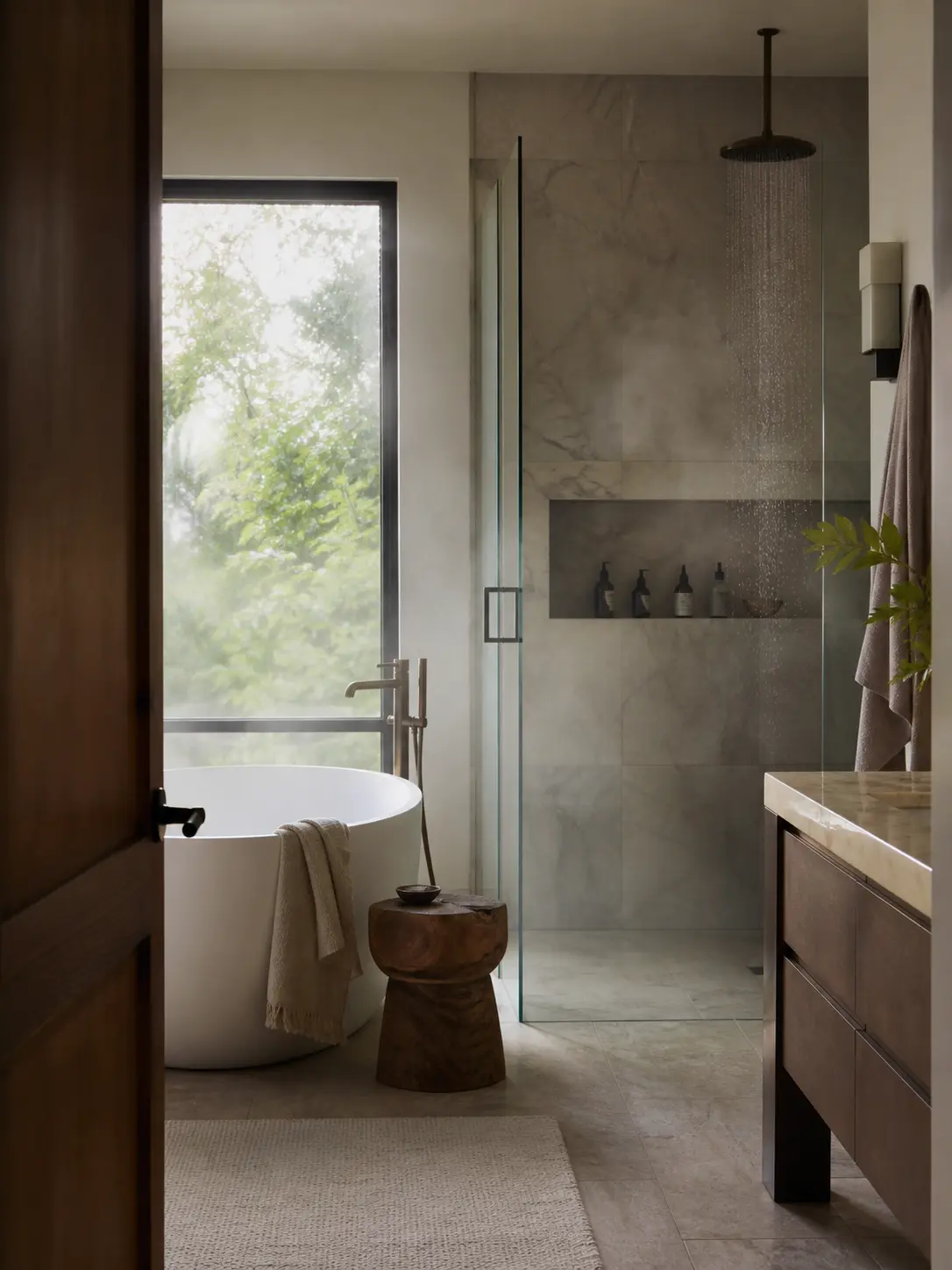
Bathrooms are trending toward spa-level design. Wet rooms, freestanding soaking tubs, heated floors, and frameless shower enclosures are no longer reserved for luxury renovations — they’re appearing in midrange projects with increasing regularity. The bathroom has quietly become a wellness space, and spending reflects that.
Outdoor Living: The Category That Exploded
Outdoor renovation spending has grown faster than almost any other category since 2020. Decks, patios, outdoor kitchens, pergolas, and landscaping collectively represent one of the industry’s fastest-expanding segments.

The logic is straightforward: a well-designed outdoor living space adds functional square footage without the per-square-foot cost of a full addition. A quality patio with a pergola and outdoor kitchen typically runs $30,000–$80,000 — and returns meaningful value while being usable for eight or more months a year in most U.S. climates.
Companies like Trex (composite decking) and TimberTech have seen sustained demand as homeowners shift toward low-maintenance materials for outdoor spaces they actually want to enjoy — not constantly repair.
Energy Efficiency: From Nice-to-Have to Non-Negotiable
Energy efficiency upgrades have crossed a threshold. They’re no longer a niche interest for environmentally motivated homeowners — they’re a mainstream financial decision backed by federal policy.
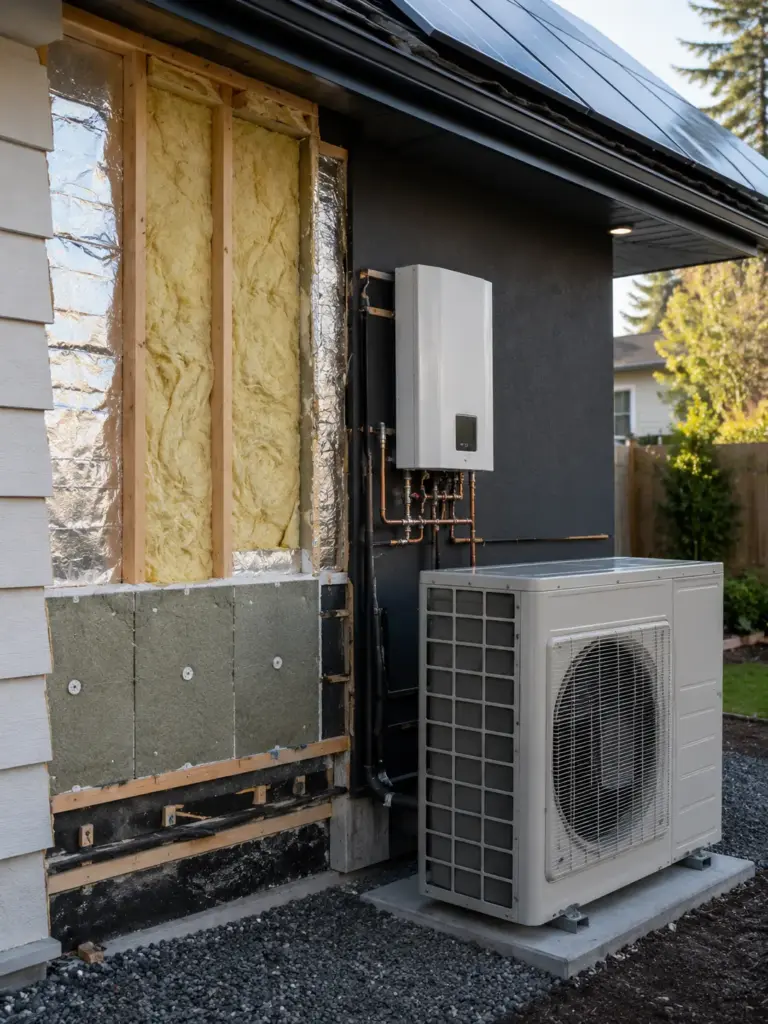
Heat pump adoption has surged particularly fast. Sales exceeded those of gas furnaces for the first time in U.S. history in 2022, according to the Air-Conditioning, Heating and Refrigeration Institute. Smart thermostats, upgraded insulation, and solar installation are following similar trajectories. The homeowner installing solar panels today isn’t doing it purely out of environmental conviction — they’re doing it because the numbers genuinely work.
Who’s Renovating — And How the Profile Is Shifting
The “typical” renovating homeowner looks different than it did 20 years ago, and that shift is reshaping what the industry builds and sells.

Millennials Are Now the Core Market
Millennials — long described as a generation priced out of homeownership — are now the largest group of home buyers and the fastest-growing group of renovators. The National Association of Realtors’ 2024 data shows Millennials representing 38% of all home purchases — the largest share of any generation.

They renovate differently too. Where Boomer homeowners often prioritized resale-neutral choices — beige walls, safe tile, conventional layouts — Millennial homeowners prioritize livability, personal expression, and sustainability. They’re more likely to invest in design details that reflect their aesthetic: custom tile work, statement lighting, unexpected fixtures. They’re not staging for a future buyer. They’re building a home for themselves, now.
Gen Z is entering the market behind them, with priorities leaning even harder toward technology integration and environmental performance. Smart home features aren’t add-ons for this cohort — they’re baseline expectations.
DIY vs. Professional: A More Honest Balance
The DIY renovation surge of 2020–2022 — driven by booked-out contractors and the confidence boost of YouTube tutorials — has met reality. I’ve noticed a clear correction: homeowners who tackled ambitious DIY projects during those years are increasingly hiring professionals to fix them. Flooring installed incorrectly. Tile grouted improperly. Drywall that didn’t hold.

The hybrid approach has become dominant and, frankly, smarter. Homeowners handle demo, painting, and simple cosmetic work. Licensed contractors take structural, plumbing, and electrical jobs. This division keeps professional tradespeople in demand while giving homeowners meaningful involvement in their own projects — which most of them actually want.
The Design Trends Shaping Renovation Right Now
Design preferences aren’t just aesthetic — they determine where renovation dollars flow and what materials manufacturers prioritize. The trends defining renovation in 2025–2026 reflect something real about what homeowners value.
Warmth Over Minimalism
The cold gray era is over. Benjamin Moore named “Cinnamon Slate” — a warm, earthy tone — its 2025 color of the year, and it signals a broader shift showing up across renovation projects nationally. Terracotta, warm whites, sage greens, and deep navies are driving kitchen and bathroom color decisions at every price point.
The aesthetic is still clean — just warmer. Natural wood accents, stone surfaces, textured ceramics, and organic materials are replacing the stark, clinical minimalism that dominated the 2010s. Homeowners want spaces that feel considered, not sterile.
Biophilic Design: Bringing the Outside In
Biophilic design — incorporating natural elements into interior spaces — has moved from architectural theory to mainstream renovation practice. This shows up as live-edge wood features, stone surfaces, indoor plants integrated into cabinetry design, living walls, and expanded natural light through skylights and larger window openings.

The Human Spaces Report found that people in environments with natural elements reported 15% higher wellbeing scores. Homeowners are applying that same logic to spaces where they spend the majority of their time — particularly home offices.

Smart Home Integration: Now Expected
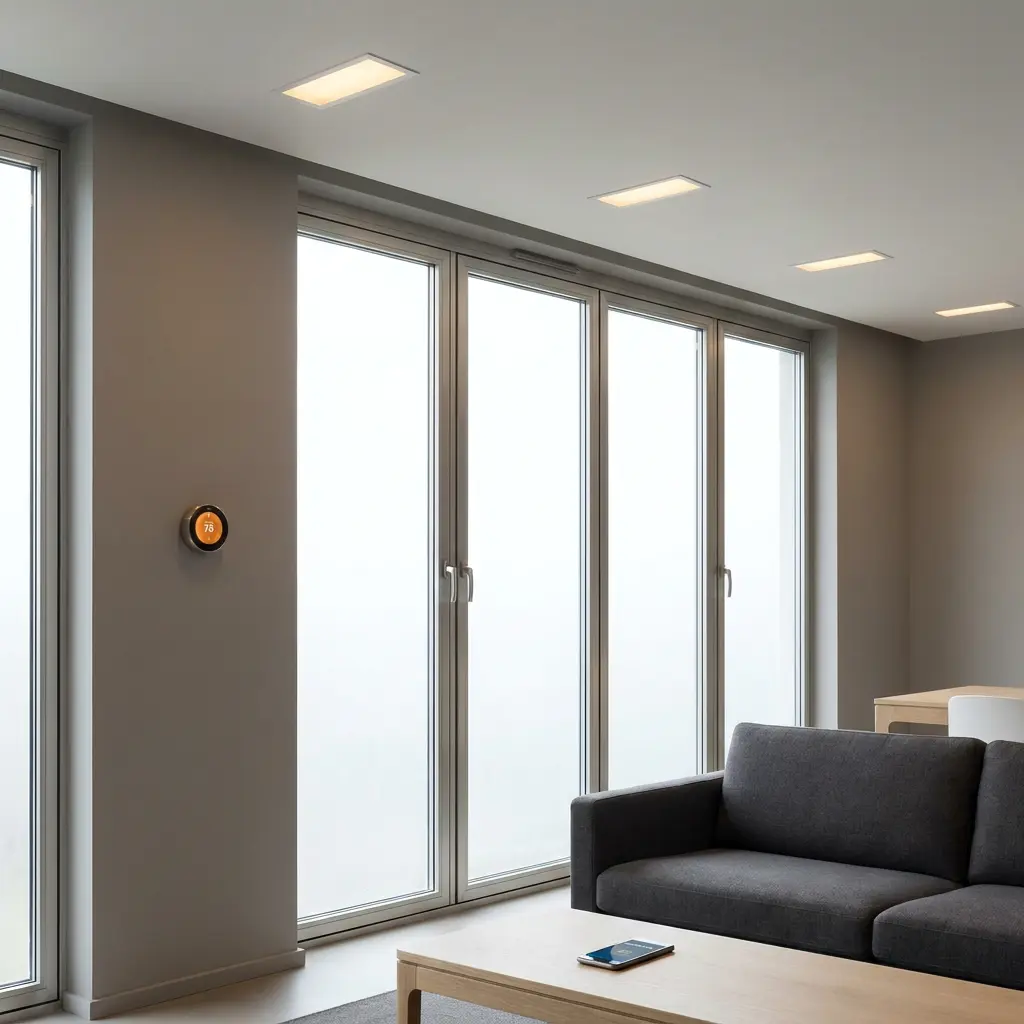
Smart home technology is no longer a premium add-on — it’s an expected feature in any significant renovation. Voice-controlled lighting, automated HVAC, smart security systems, and app-controlled irrigation are being specified from the planning phase rather than retrofitted. Google Home and Amazon Alexa ecosystems have matured to the point where licensed contractors now include smart system integration as standard in renovation packages at the midrange and above.
What This Means If You’re Planning a Remodel
Numbers this large can feel abstract. But if you’re among the homeowners considering a renovation — or already mid-project — a few practical realities are worth knowing.
Quality contractors are still in high demand. Despite some cooling from the 2021–2022 peak, skilled contractors in most markets are booking 3–6 months out. Start your search earlier than you think necessary.
Design decisions drive budget more than materials. A $4-per-square-foot tile in a complicated herringbone pattern will cost far more to install than an $8 tile laid in a standard grid. The design choice — not the material price tag — often determines the final cost. Think through the full installation complexity before committing.
Get healed references, not just project photos. Fresh renovation photos always look good. Ask to see how projects have held up 12–18 months after completion, and speak with past clients directly. The contractors worth waiting for will welcome that conversation.
Address the envelope before the aesthetic. In any major renovation, insulation, air sealing, windows, and mechanical systems should come before cosmetics. These decisions affect everything that follows and are significantly harder — and more expensive — to retrofit later.
An Industry Built on Something Real
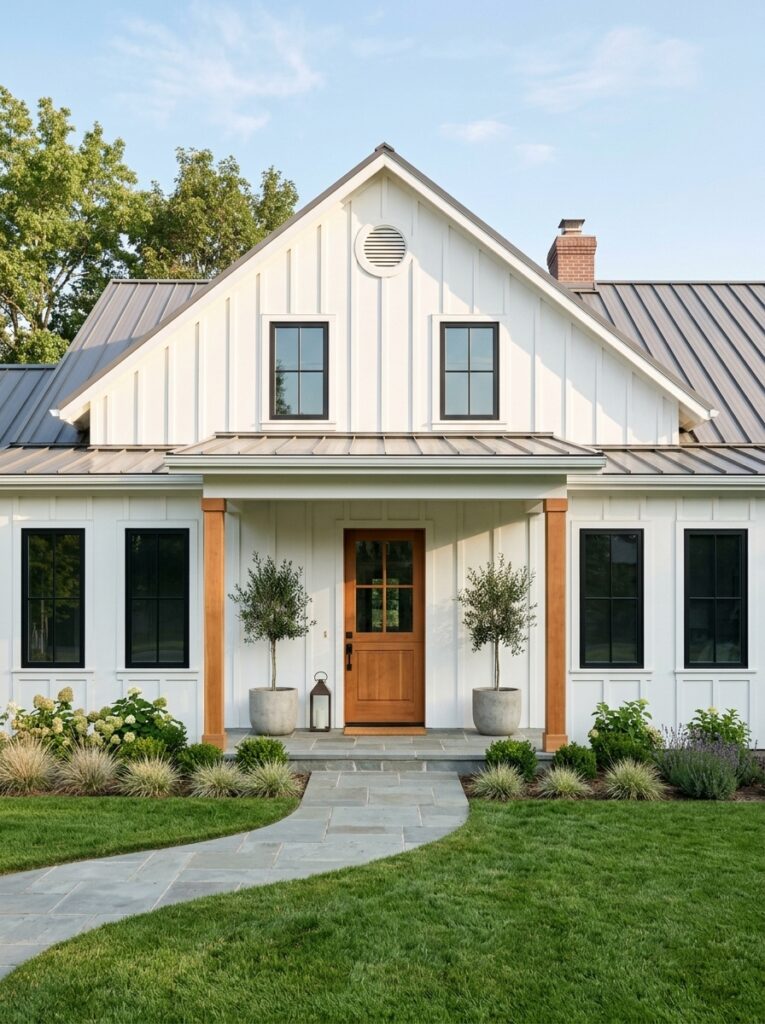
The projection to reach $1.04 trillion by 2026 isn’t a ceiling — it may be a floor. The underlying drivers aren’t temporary: an aging housing stock, demographic shifts pushing Millennials into homeownership, record equity levels, rising energy mandates, and a fundamental recalibration of how people relate to their homes after the most significant disruption to daily life in a generation.

Of the 10 million homes remodeled every year, most are making targeted, incremental improvements. The larger whole-home transformations — the ones that reshape how a family lives — come from homeowners who’ve thought carefully, found the right team, and committed to a process that’s rarely simple but almost always worth it.
That’s what a trillion-dollar industry looks like from the inside. Not a market trend — a few million people at a time, deciding their homes deserve better.
Frequently Asked Questions
Q: How much does a home remodel cost on average in 2024–2025?
Costs vary widely depending on scope. A cosmetic refresh — new paint, fixtures, and flooring — can run $5,000–$15,000. A midrange kitchen remodel typically costs $25,000–$75,000. A full primary bathroom renovation averages $21,000–$35,000. Whole-home renovations in most U.S. markets start around $100,000 and scale from there. The most consistent advice from contractors: budget 10–20% above your initial estimate for contingencies. Cost overruns are the rule, not the exception.
Q: What home renovations add the most value?
Kitchen and bathroom renovations consistently deliver the strongest returns — typically 60–80% of project cost back at resale, according to Remodeling Magazine’s annual Cost vs. Value report. Curb appeal projects (garage door replacements, new entry doors, exterior paint) often return over 90% of cost. Energy efficiency upgrades — insulation, heat pumps, solar — add value both at resale and through ongoing utility savings. The projects that add the least value are highly personalized choices: bold color schemes, niche design features, and luxury upgrades in modest neighborhoods.
Q: Is it better to renovate or buy a new home?
Right now, for most homeowners, renovating wins. Elevated mortgage rates mean trading a locked-in 3% rate for a new 7%+ loan is a significant monthly cost increase. Many homeowners are doing the math and staying put — investing renovation dollars into improving their current home instead. The calculus changes if your home’s layout is fundamentally wrong for your needs, or if renovation costs approach or exceed the home’s market value. A general rule: if renovation costs would exceed 10–15% of your home’s value, get a real estate opinion before committing.
Q: What are the most popular home remodeling projects right now?
Kitchen and bathroom renovations remain the top two, as they have for decades. Behind them, outdoor living spaces — decks, patios, pergolas, outdoor kitchens — have seen the fastest growth since 2020. Energy efficiency upgrades (heat pumps, insulation, solar) are surging, partly driven by federal tax incentives from the Inflation Reduction Act. Home office conversions and basement finishing round out the top categories, reflecting the lasting impact of remote and hybrid work on how people use their homes.
Q: How long does a home renovation typically take?
Scope determines timeline more than anything else. A bathroom remodel typically runs 3–6 weeks for a midrange project. A full kitchen renovation takes 6–12 weeks from demolition to completion. Whole-home renovations can run 6–18 months depending on complexity. The variable most homeowners underestimate is lead time — quality contractors in most markets are booking 3–6 months out. Material lead times for custom cabinets, specialty tile, and appliances can add 8–16 weeks to a project before a single tool is picked up.
Q: Should I hire a contractor or DIY my renovation?
Driven by rising material costs, homeowners are increasingly adopting budget-friendly bathroom remodeling strategies to upgrade spaces affordably.
The hybrid approach works best for most homeowners. Handle demolition, painting, simple tile work, and cosmetic updates yourself — the savings are real and the risk is manageable. Hire licensed professionals for anything structural, electrical, plumbing, or HVAC-related. These systems affect your home’s safety and resale value, and errors are expensive to fix. The clearest red flag in DIY culture: watching a 20-minute YouTube tutorial and attempting work that licensed tradespeople train for years. Know your limit, and the project will go far better.
Q: How do I finance a home renovation?
Four main options. A home equity loan gives you a lump sum at a fixed rate — good for defined projects with known costs. A HELOC (home equity line of credit) works like a credit card against your equity — flexible, but variable rate. Cash-out refinancing replaces your mortgage with a larger one and gives you the difference — only worth it if rates are favorable. Personal loans work for smaller projects without touching home equity. For energy efficiency upgrades specifically, check federal and state incentives first — the Inflation Reduction Act offers up to $3,200 annually in tax credits for qualifying improvements.
- 56shares
- Facebook0
- Pinterest56
- Twitter0
- Reddit0