Last year I replaced the cheap roller blinds I’d had for six years with motorized versions. The kind you control from your phone, or just tell to open at 7am while you’re still half-asleep.
I expected convenience. What I didn’t expect was how much it changed the way the room felt — and how much I’d been tolerating without realizing it. Uneven gaps where the old blinds sagged. The slight rattle when wind came through the window. The perpetual half-dark because pulling them down all the way meant the pull cord got tangled.
Window treatments are one of those home elements you stop noticing — right up until you change them. And in 2026, there’s more reason than ever to pay attention. The technology has improved, the sustainable options have become genuinely beautiful rather than just virtuous, and the performance fabrics now do things that weren’t commercially available five years ago.
Here’s what’s actually worth knowing.
1. The Rise of Modern Blinds in 2026
Technology Integration in Blinds
Smart home technology has been “the next big thing” in window treatments for about a decade. In 2026, it’s finally the current big thing — practical, reliable, and priced accessibly enough to be worth it for most homeowners.
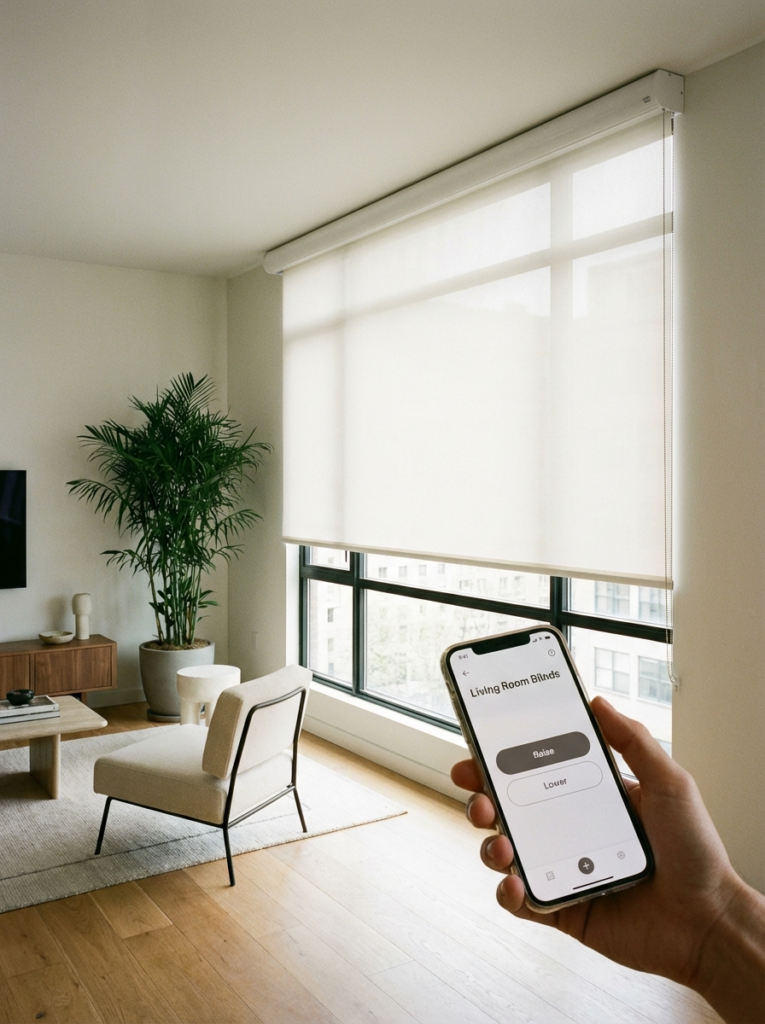
Motorized blinds are the clearest example. These operate via smartphone app, voice assistant integration (compatible with Alexa, Google Home, and Apple HomeKit depending on the brand), or simple wall-mounted controls. The convenience pitch is obvious — but the more compelling case is energy efficiency. Programmed to open at sunrise and close before the afternoon heat peaks, motorized blinds can meaningfully reduce cooling loads in summer. Some premium models integrate with weather APIs and adjust automatically based on outdoor temperature and UV index.
Battery-powered motorized options have largely addressed the installation barrier — no electrician required, rechargeable via USB, and most batteries last 6–12 months per charge. Brands like Lutron Serena (~$300–$600 per blind) and IKEA’s PRAKTLYSING (~$90–$150) sit at opposite ends of the price range, both offering solid performance for their respective markets.
Popular Styles in 2026
The dominant aesthetic shift in blinds this year is toward cleaner, lower-profile hardware. Visible cassette systems — the plastic end caps that used to announce “this is a budget blind” — are being replaced by recessed mounts and slim-profile rails that disappear into the window reveal.
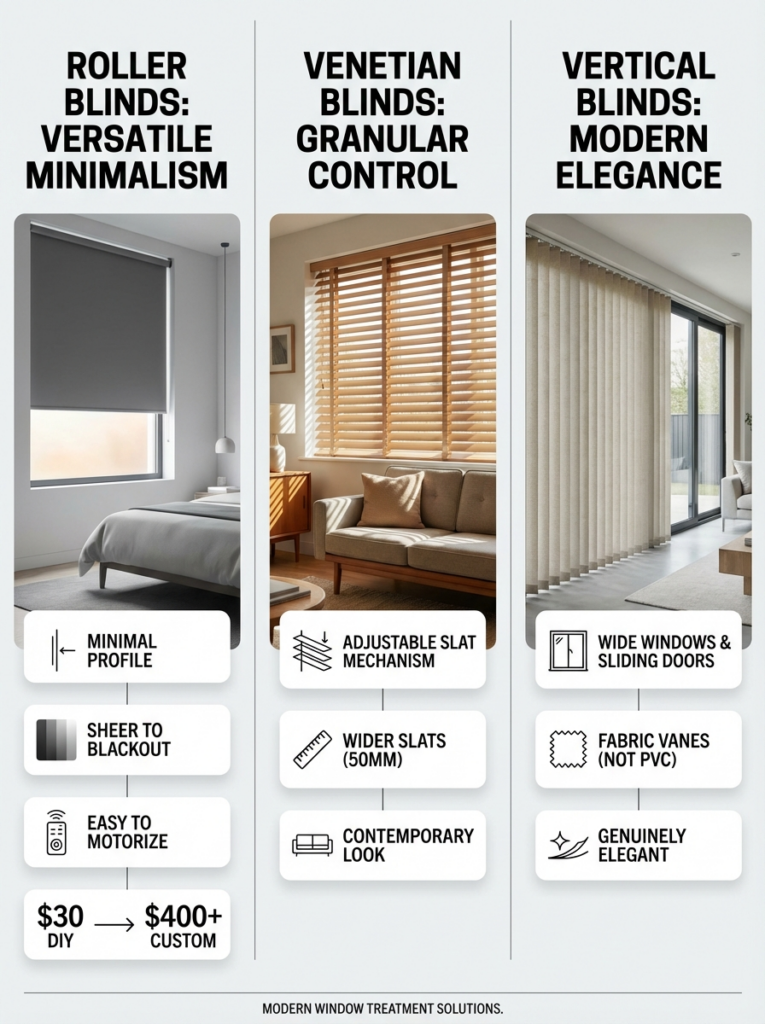
Among blind types, the hierarchy in 2026:
Roller blinds remain the most versatile. Minimal profile, available in every opacity from sheer to blackout, and easy to motorize. The quality range is enormous — from $30 DIY options to $400+ custom installations — but the format itself is sound for almost every room.
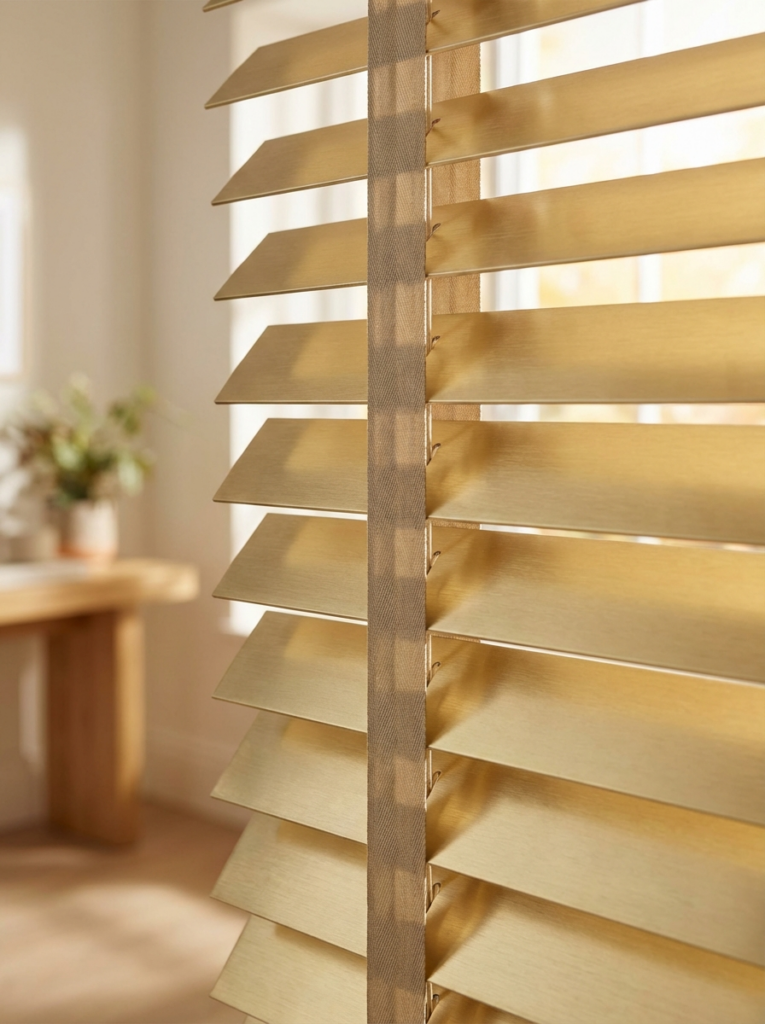
Venetian blinds have returned to relevance, partly driven by the revival of mid-century modern interiors. The adjustable slat mechanism still offers the most granular control over light direction of any blind type. Wider slats (50mm rather than 25mm) look more contemporary and collect less dust.
Vertical blinds are still the practical choice for wide windows and sliding door systems. The bad reputation earned by cheap 1990s installations persists unfairly — modern vertical systems with fabric vanes rather than PVC are genuinely elegant.
Color Trends for Blinds
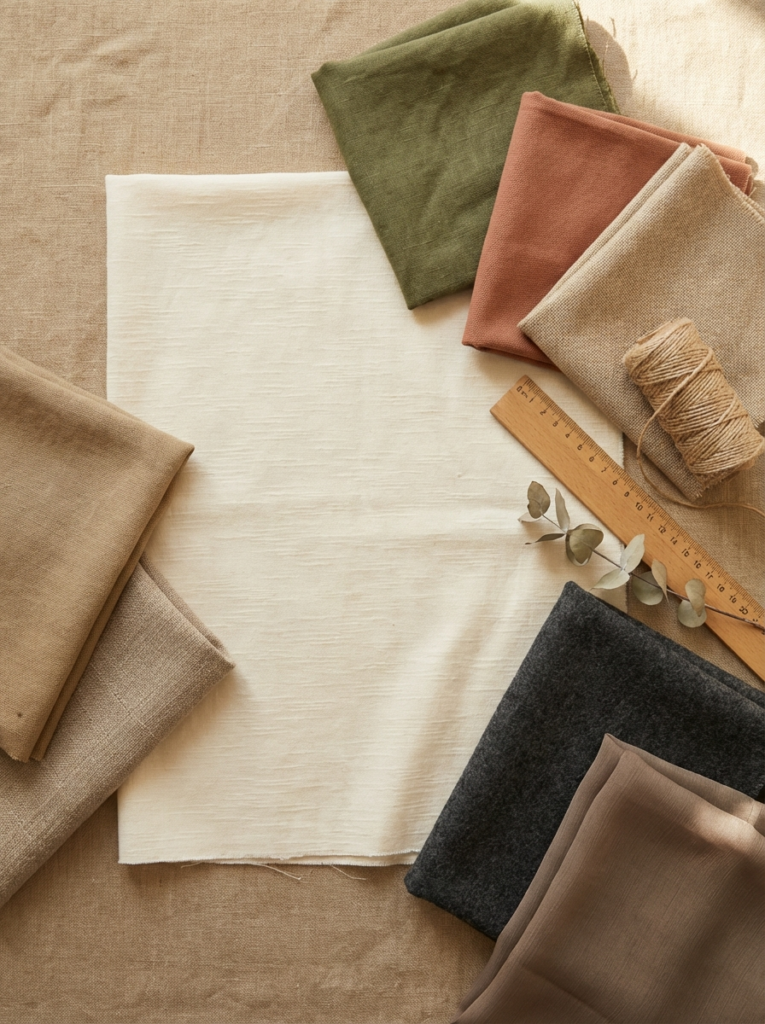
The 2026 palette for blinds and curtain selections has moved decisively away from the cool grays that dominated the 2018–2022 cycle. The new direction is warmer and earthier:
- Warm white and ivory — versatile, reads as clean rather than sterile
- Warm taupe and greige — the crossover neutral, works in rooms with both warm wood and cooler stone
- Olive and muted sage — increasingly popular in living rooms and studies, pairs well with natural wood
- Terracotta and rust — emerging as accent choices, particularly for Roman blinds and soft furnishings
Metallic hardware — brushed brass, warm bronze, matte black — is replacing the chrome and silver finishes that read as dated in contemporary interiors.
Materials Used for Modern Blinds
Sustainability has shifted from a marketing claim to a genuine specification in premium blind manufacturing. The most notable material changes in 2026:
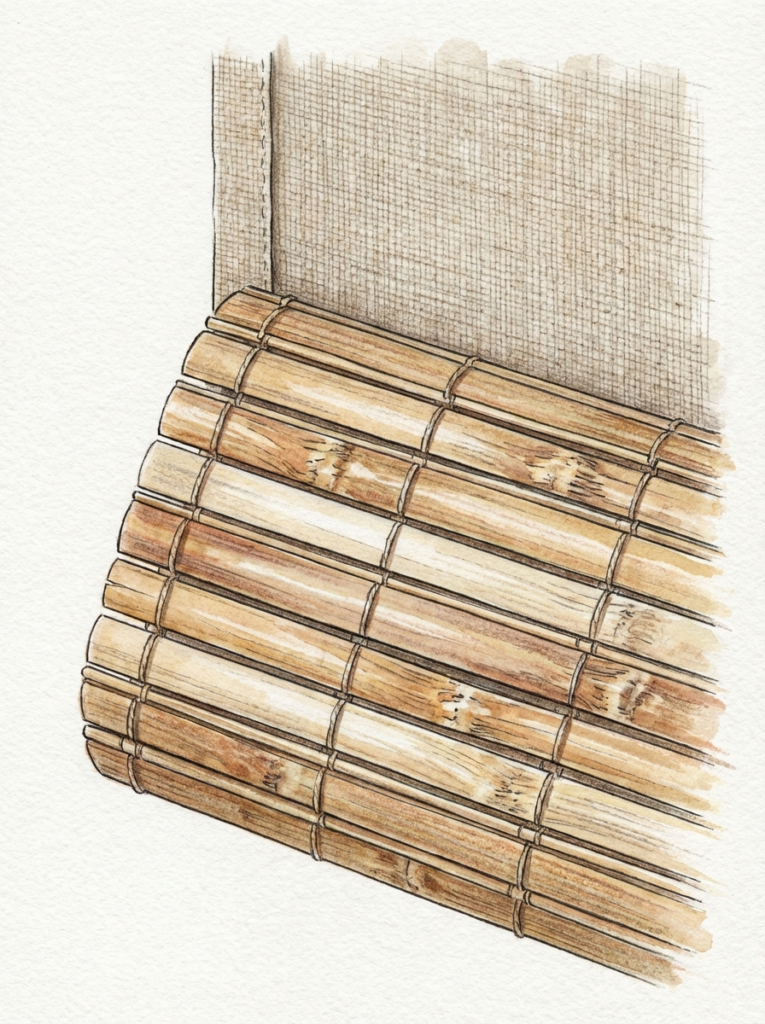
Bamboo has matured from novelty to mainstream. Properly finished bamboo blinds are durable, genuinely renewable, and have a natural texture that synthetic materials consistently fail to replicate. They work particularly well in rooms with natural wood floors or furniture.
Aluminum remains the standard for Venetian blinds, and leading manufacturers now publish carbon footprint data per unit — a sign the industry is taking material accountability seriously.
Recycled content fabrics are now used across mid-range roller blind lines, with several manufacturers achieving 60–70% recycled polyester content without compromising fabric performance or appearance.
2. Sustainable Curtains: Eco-Friendly and Stylish Options
The Shift Towards Sustainability
Sustainable curtains have had a credibility problem: for years, the eco-conscious choice usually meant compromising on drape, color saturation, or durability. That’s changed substantially by 2026.
The shift is partly manufacturing — better processing of natural fibers produces more consistent weaves — and partly design. The natural textures and undyed or lightly dyed tones that define sustainable curtain fabrics have become aesthetically desirable in their own right, not just acceptable as an environmental compromise.
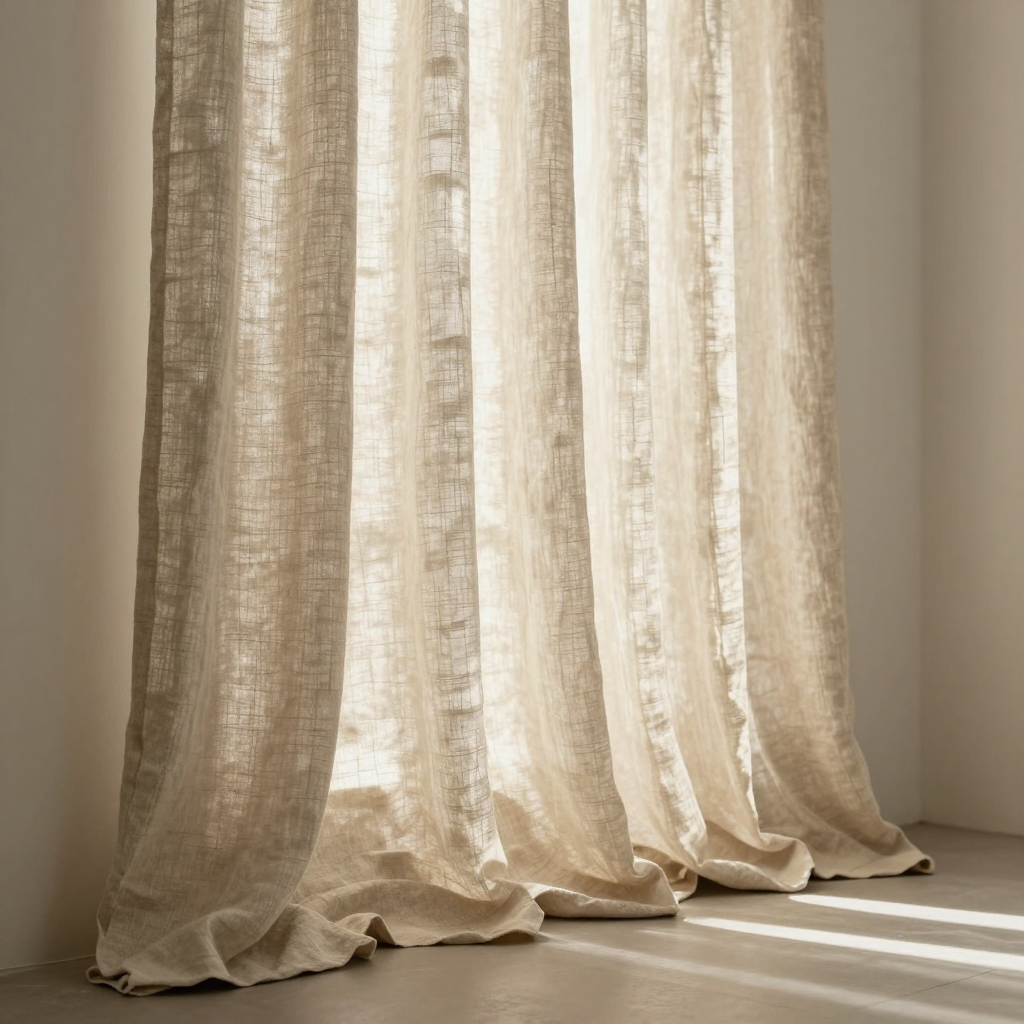
Top Sustainable Fabrics for Curtains in 2026
Organic cotton is grown without synthetic pesticides or fertilizers and certified under standards like GOTS (Global Organic Textile Standard). In curtain weight, it drapes beautifully and washes without degrading. The price premium over conventional cotton has narrowed to roughly 15–25% as supply has grown.
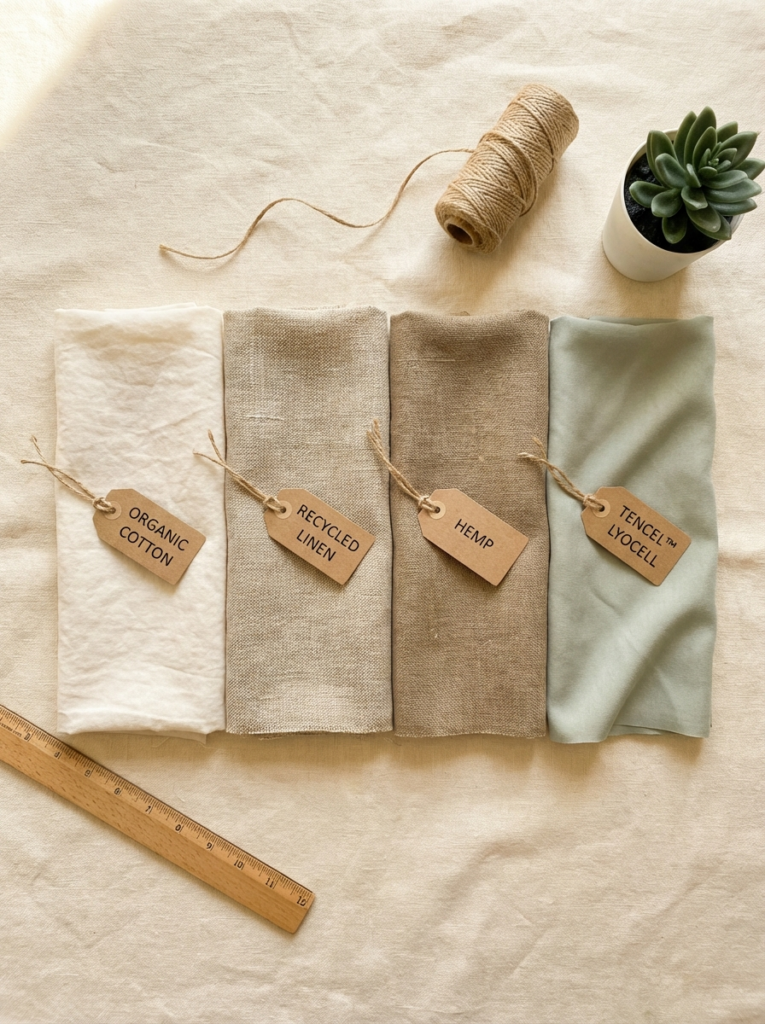
Linen deserves more attention than it gets in sustainability conversations. Flax (the plant linen comes from) requires minimal water, no irrigation in most growing climates, and very few pesticides. Linen curtains age attractively — the slight natural variation in the weave that looks imperfect when new becomes character after six months of light.
Hemp is the highest-performance sustainable fiber available. Stronger than cotton, UV-resistant, and naturally antimicrobial, hemp fabric is particularly well-suited to south-facing windows with high sun exposure. The coarser texture is a limitation in some applications but works well in relaxed, contemporary spaces.
Recycled polyester (made from post-consumer PET bottles) is the most commercially accessible sustainable option. Performance is excellent — dimensionally stable, fade-resistant, easy care — and it’s available at mainstream price points. The limitation is end-of-life: unlike natural fibers, it isn’t biodegradable, though recyclable programs are expanding.
Design Trends in Sustainable Curtains
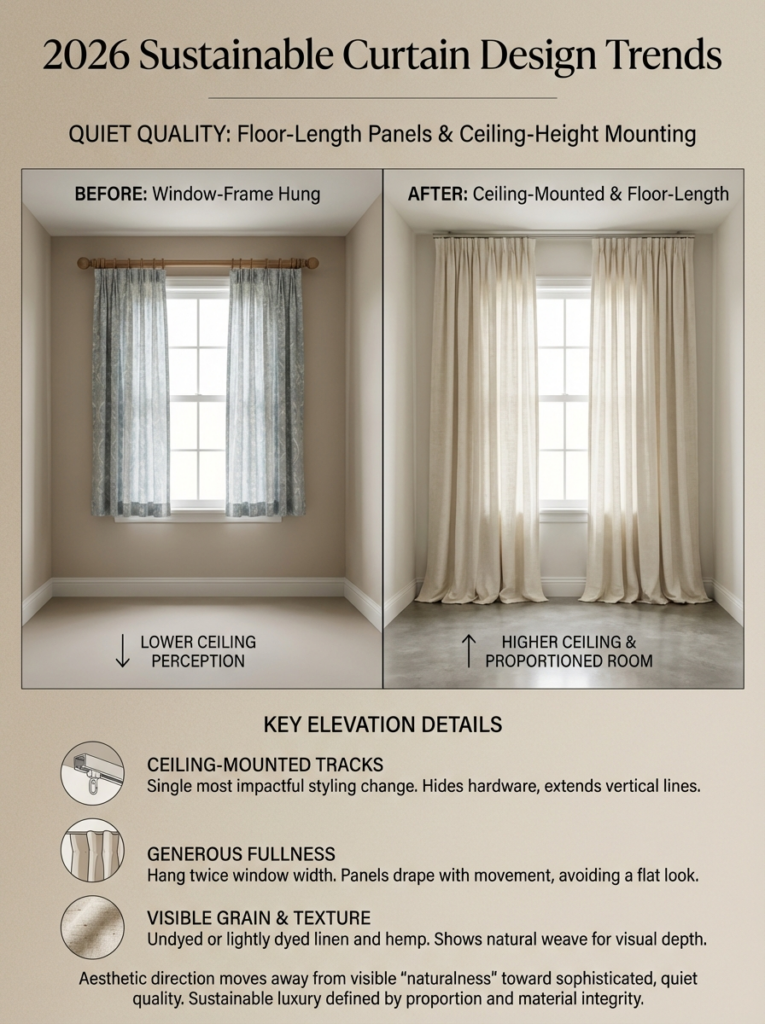
The aesthetic direction in 2026 sustainable curtains is less about visible “naturalness” and more about quiet quality. The trend is floor-length panels in neutral, textured fabrics — hung from ceiling height rather than the window frame, which makes ceilings appear higher and rooms more proportioned.
Key details that elevate sustainable curtain installations:
- Ceiling-mounted tracks rather than window-frame rods — the single most impactful styling change
- Generous fullness — hang twice the window width in fabric so panels drape rather than lie flat
- Visible grain and texture — undyed or lightly dyed linen and hemp show their weave, which adds visual depth
Eco-Conscious Curtain Brands
Several brands have built genuine sustainability credentials rather than greenwashing. When evaluating any curtain brand’s environmental claims, look for: third-party fabric certifications (GOTS, OEKO-TEX), transparent supply chain information, and packaging that’s plastic-free or minimal. Brands that publish this information openly are almost always more trustworthy than those where sustainability claims appear only in marketing copy.
3. High-Performance Fabrics: Blending Function and Fashion
What Makes a Fabric “High-Performance”?
High-performance window fabrics are engineered to do specific things beyond looking good: block UV, resist moisture, reduce heat transfer, dampen sound, or withstand the abrasion and soil that comes with high-traffic or outdoor use.
The category has expanded significantly in 2026 because the engineering has caught up with the aesthetic expectations. Early performance fabrics looked and felt synthetic in ways that were immediately obvious. Current generation materials are genuinely difficult to distinguish from natural fabrics by appearance alone.
Innovations in High-Performance Window Treatments
The most significant developments in 2026:
Thermal regulation fabrics work by reflecting solar radiation on the outer face while retaining warmth on the interior face. In testing, premium thermal curtains can reduce heating bills by 10–15% in cold climates — a figure that starts to pay back the cost premium within a few years.
Acoustic fabrics have become standard in bedroom and home office specifications. The best performers use dense woven structures with mass-loaded backing — the same principle as acoustic wall panels but in curtain form. In a hard-floored room, the noise reduction difference is immediately noticeable.
UV-protective fabrics protect both occupants and interiors. Prolonged UV exposure bleaches flooring, fades upholstery, and degrades artwork. A UPF 50+ rated sheer curtain blocks over 98% of UV while still allowing visible light through — an invisible performance benefit with very real long-term value for the room’s contents.
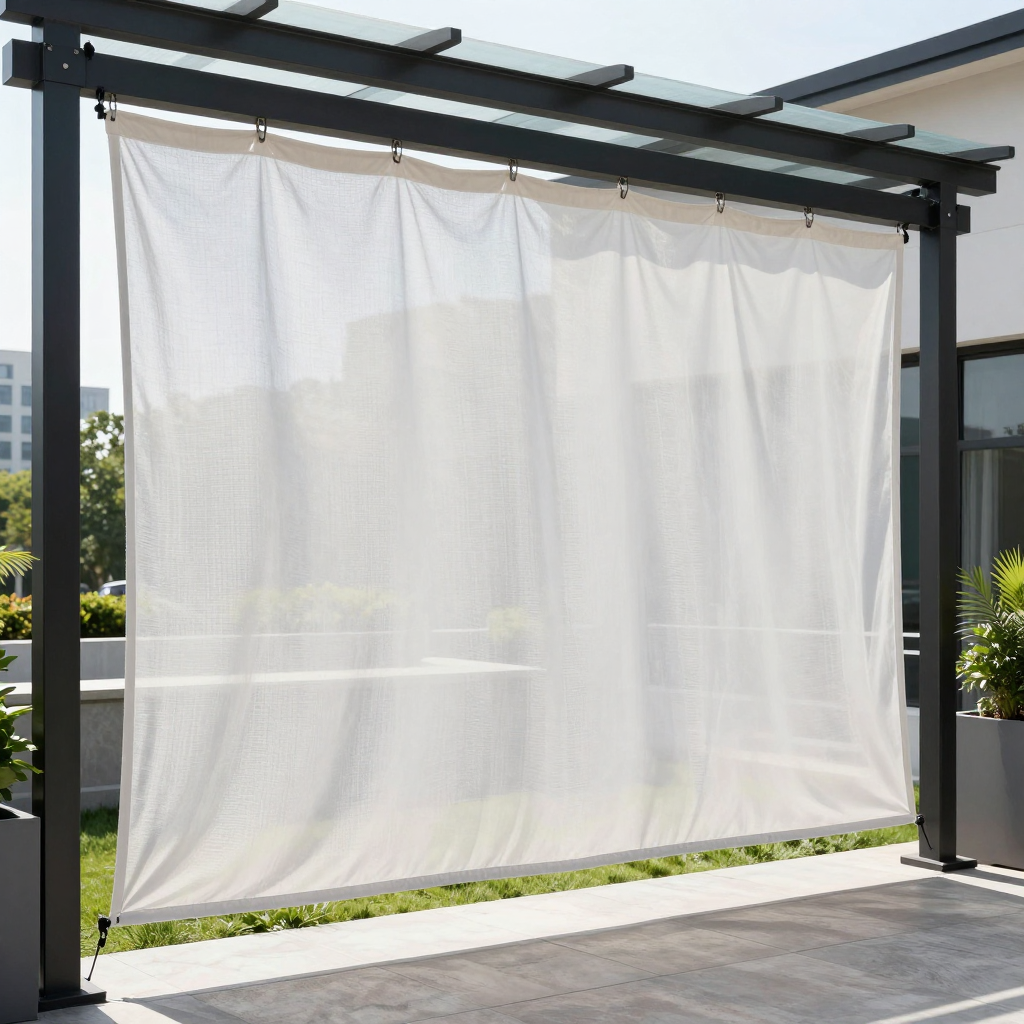
For outdoor applications, the performance requirements are more demanding. Modern Outdoor Blinds now use fabrics specifically engineered for weathering — UV-stabilized PVC-coated polyester that resists mildew, handles rain, and withstands wind loading while maintaining opacity for glare reduction. The best systems use 3–5% openness fabrics that block heat and glare while preserving the view — a balance that wasn’t achievable at this price point five years ago.
Choosing High-Performance Fabrics for Different Spaces
The functional requirements vary enough by room that a one-fabric-for-all approach usually under-delivers somewhere:
| Room | Primary need | Recommended fabric type |
|---|---|---|
| Bedroom | Light block, privacy | Blackout (lined or inherent blackout weave) |
| Living room | UV protection, view | Sheer UV-protective, 3–10% openness |
| Kitchen / bathroom | Moisture resistance | Vinyl, solution-dyed polyester |
| Home office | Glare reduction, acoustics | Solar screen fabric + acoustic lining |
| Outdoor / terrace | Weather, heat, wind | UV-stabilized PVC-coated polyester |
4. How to Choose the Right Window Treatments for Your Home in 2026
Factors to Consider When Choosing Blinds or Curtains
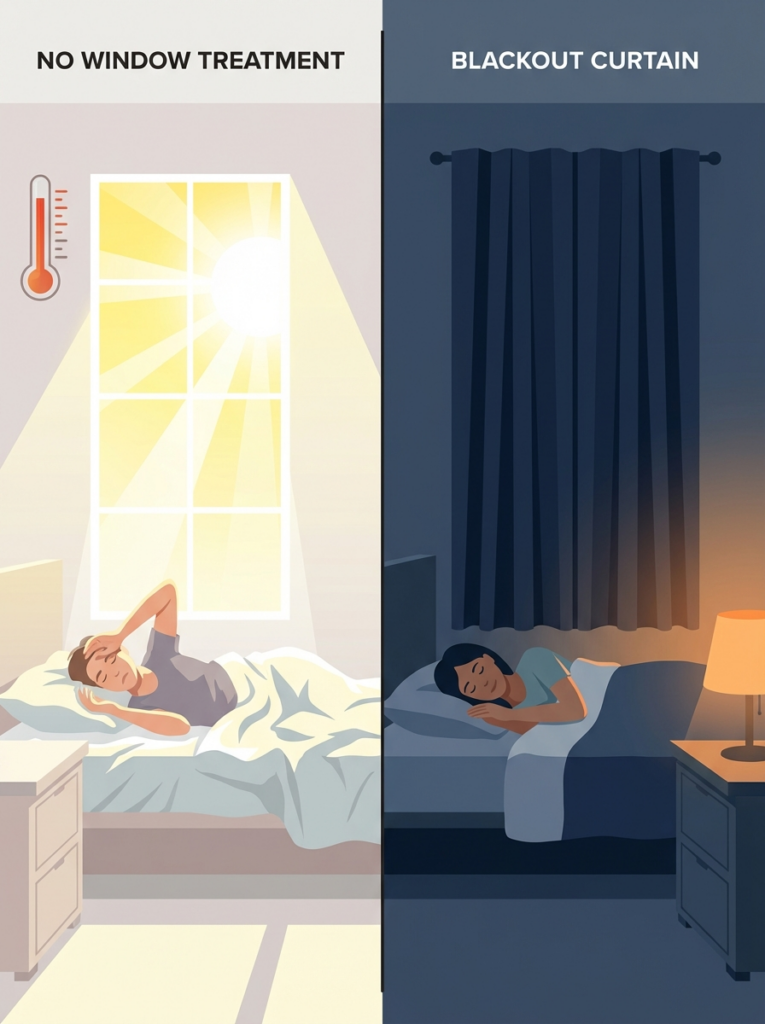
The most common mistake in window treatment selection is choosing on aesthetics first and discovering the functional mismatch later. A beautiful sheer linen curtain in the bedroom is lovely until you realize you’re sleeping in a room that never gets fully dark.
Work through these in order:
1. Light control requirement — does the room need blackout, light filtering, or just privacy screening?
2. Privacy — are you overlooked? What’s the balance between privacy and daylight?
3. Thermal and energy considerations — south and west-facing windows lose significantly more heat in winter and gain more in summer. The window treatment here has a bigger functional role than in north-facing rooms.
4. Style and material — once the functional requirements are defined, select within those constraints.
Budget vs. Quality: Finding the Right Balance
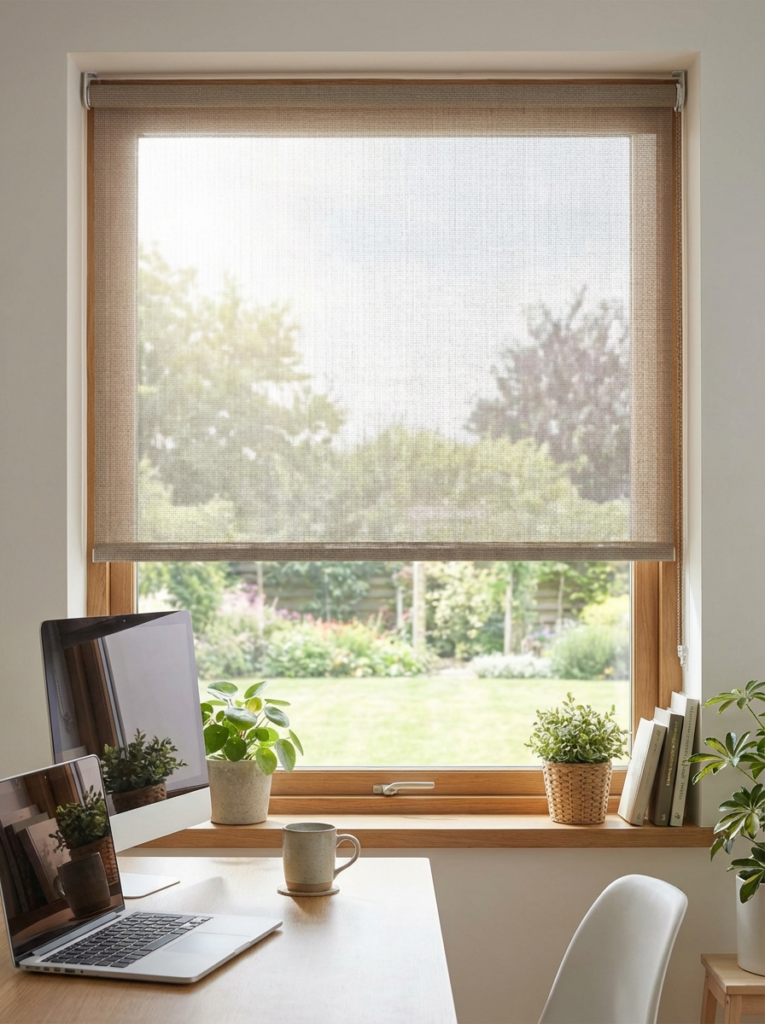
The window treatment market has genuine quality tiers that correlate to price. Budget blinds will look fine on day one and less fine by year two — the fabric yellows, the mechanism loosens, the finish chips. Mid-range and above typically uses better materials that hold their appearance for five to ten years.
A practical allocation for most homeowners: spend more on the rooms that are photographed, hosted in, or lived in most — living room, primary bedroom. Use more budget-conscious options for utility rooms, guest bedrooms, and spaces where function outweighs aesthetics.
Custom sizing is worth the premium for windows outside standard dimensions. An ill-fitting blind or curtain undermines an otherwise well-executed room immediately and visibly.
Conclusion
Window treatments in 2026 are better across every dimension than they were five years ago — smarter, more sustainable, more functional, and available in aesthetics that don’t require compromise.
The motorized blind I installed last year still opens at 7am every morning. The linen curtains in the living room are slightly more rumpled than synthetic fabric would be, in a way that I’ve come to think is part of the point. The solar screen in the home office means I can actually see my monitor in the afternoon.
None of it was complicated to choose once I knew what I was choosing for. Start with what you need the room to do. Then find the treatment that does it beautifully.
- 104shares
- Facebook0
- Pinterest104
- Twitter0
- Reddit0