My garden looked healthy but lifeless. Plants thriving, lawn trimmed, beds edged properly—yet something was fundamentally missing. I’d walk outside and feel nothing. No pull to linger, no desire to sit and enjoy the space I’d spent weekends maintaining. It was technically a garden, but emotionally just a green rectangle.
The shift happened when I stopped treating the garden as landscaping and started treating it as an outdoor room. Rooms have personality. They have art on the walls, objects that tell stories, colors that set moods. My garden had none of that—just vegetation arranged in rows.
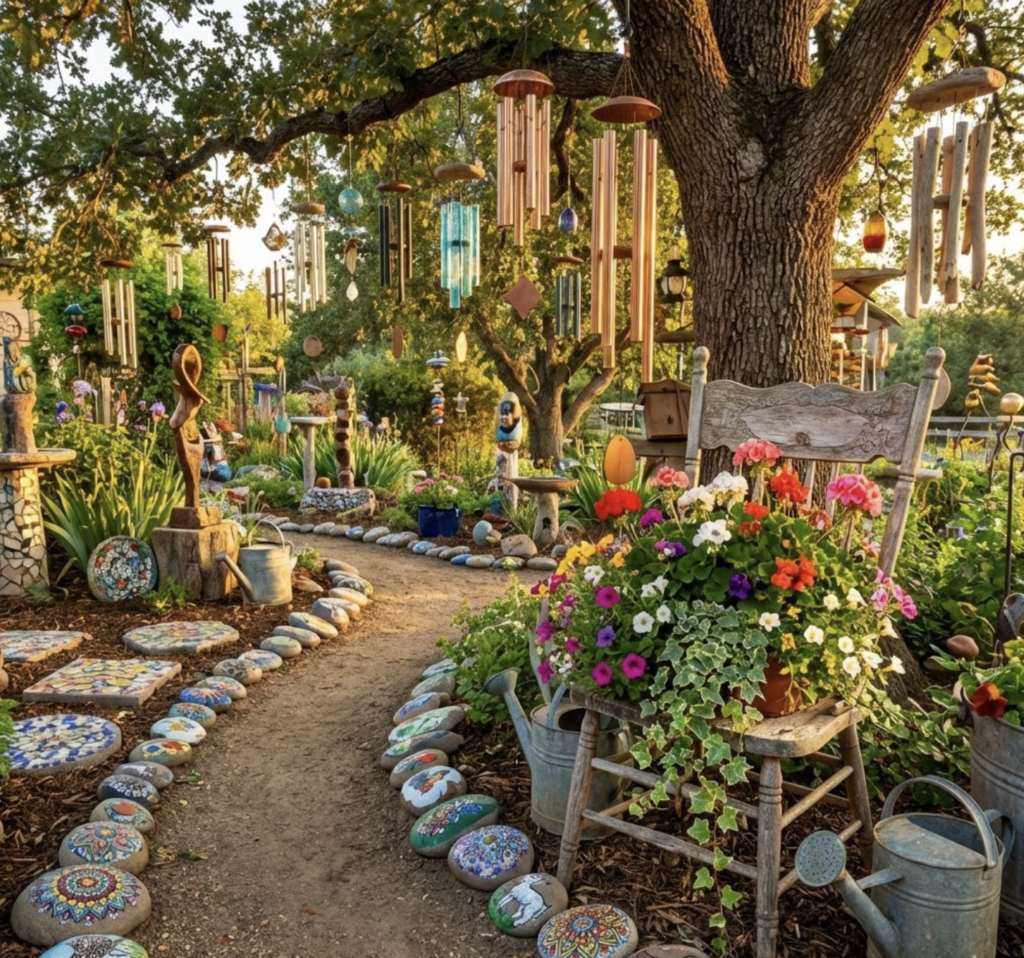
I started small. A painted stone near the entrance. An old chair repurposed as a planter for flowers. Wind chimes that caught the afternoon breeze. Each addition brought something plants alone couldn’t provide: evidence of human intention, personal taste, creative expression
Here’s what separates gardens that invite lingering from gardens you walk past: intentional artistic touches for outdoor spaces into a personal outdoor gallery. The plants provide life; the decor provides personality. You need both for a garden that actually feels like yours.
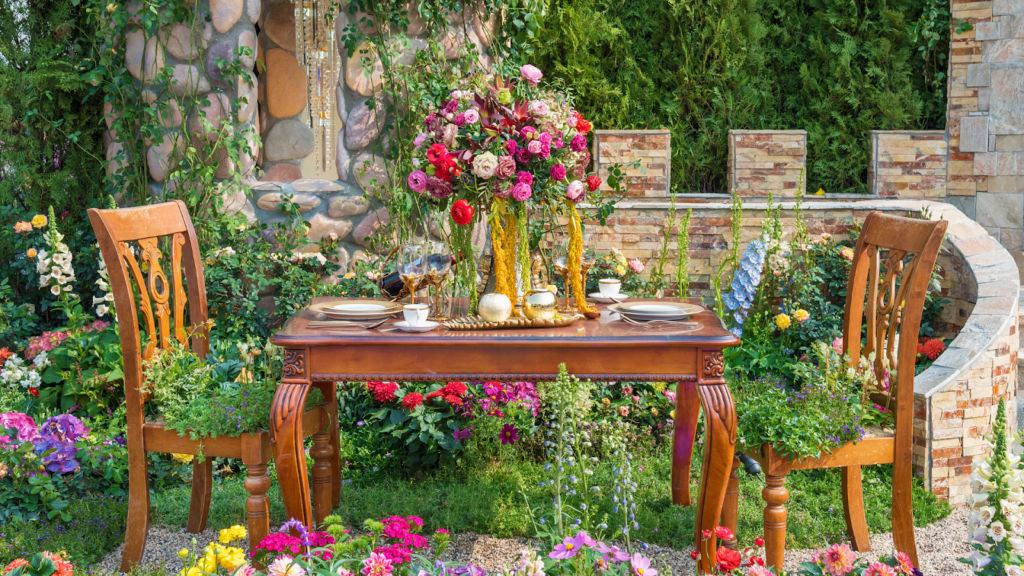
This guide covers practical approaches to garden decoration that work across budgets and skill levels. These aren’t Pinterest fantasies requiring professional installation—they’re ideas you can implement this weekend with materials you probably already own.
These techniques come from transforming three different gardens over fifteen years, countless mistakes that taught me what doesn’t work, and observing what makes certain outdoor spaces magnetic while others remain forgettable.
Start With a Clear Theme
Random decorative objects create visual noise. Intentional themes create cohesion.
Why Themes Matter
Without a guiding concept, garden decor accumulates accidentally. A gift gnome here, a sale-bin flamingo there, leftover holiday decorations that never made it back to storage. The result looks cluttered rather than curated.
A theme provides a decision-making framework. When considering new additions, you ask: “Does this fit?” rather than “Do I like this in isolation?”
Theme Options That Work
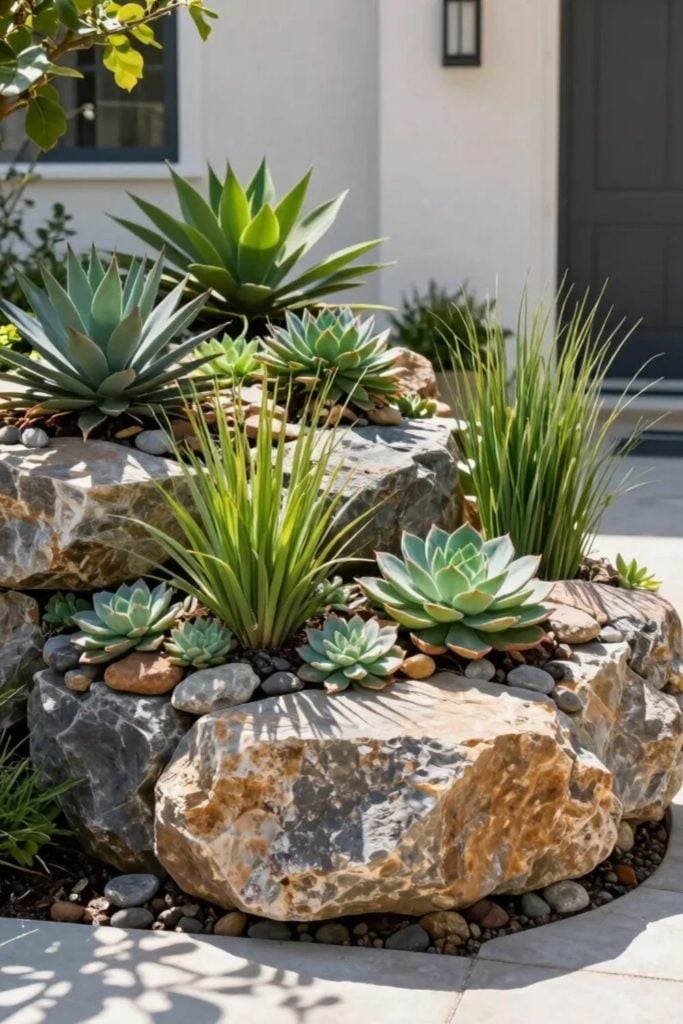
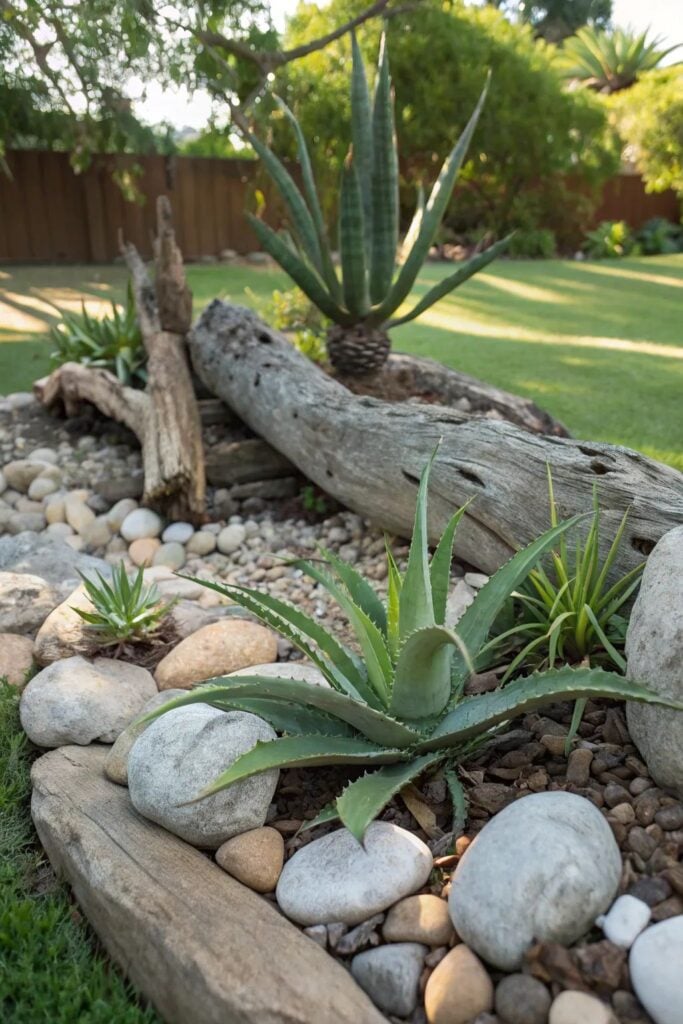
Naturalistic: Driftwood, stone, weathered materials. Decor that looks like it belongs outdoors, rather than items obviously placed there.
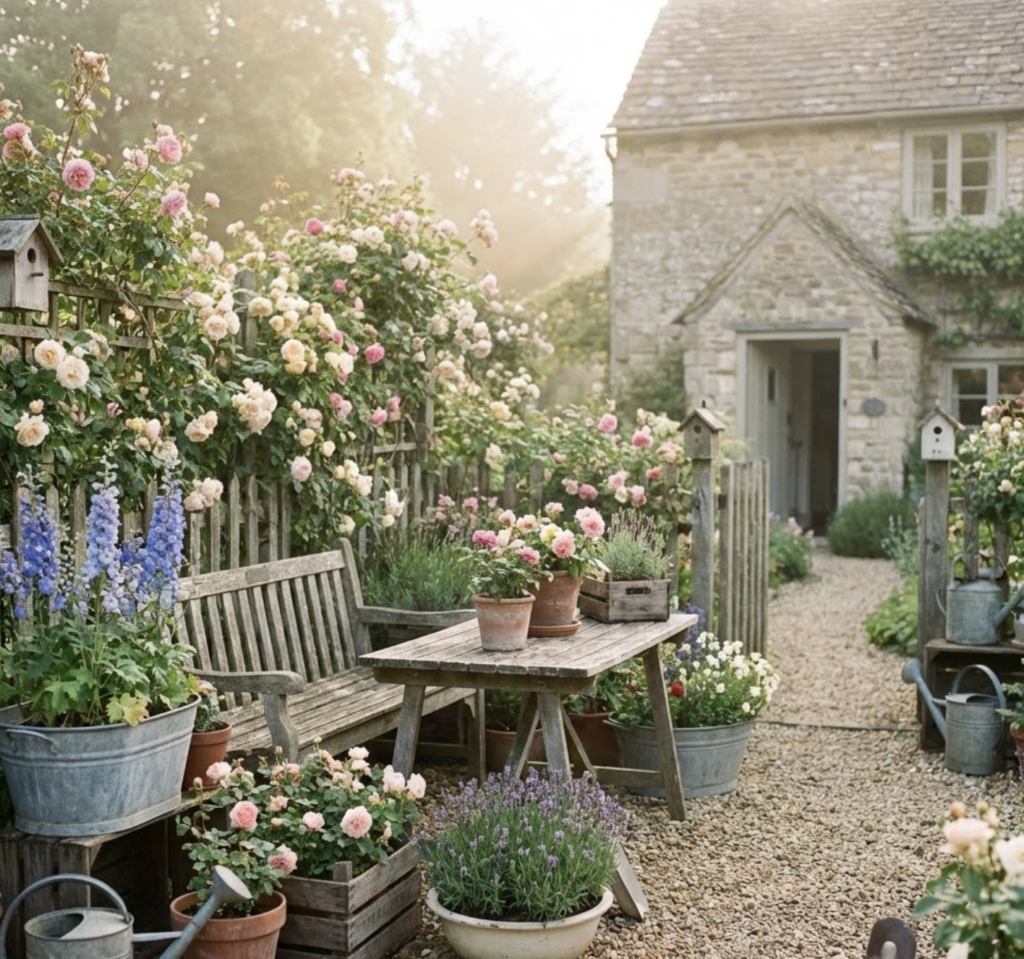
Cottage garden: Vintage finds, mismatched planters, romantic weathered furniture. Intentionally imperfect and charmingly cluttered.
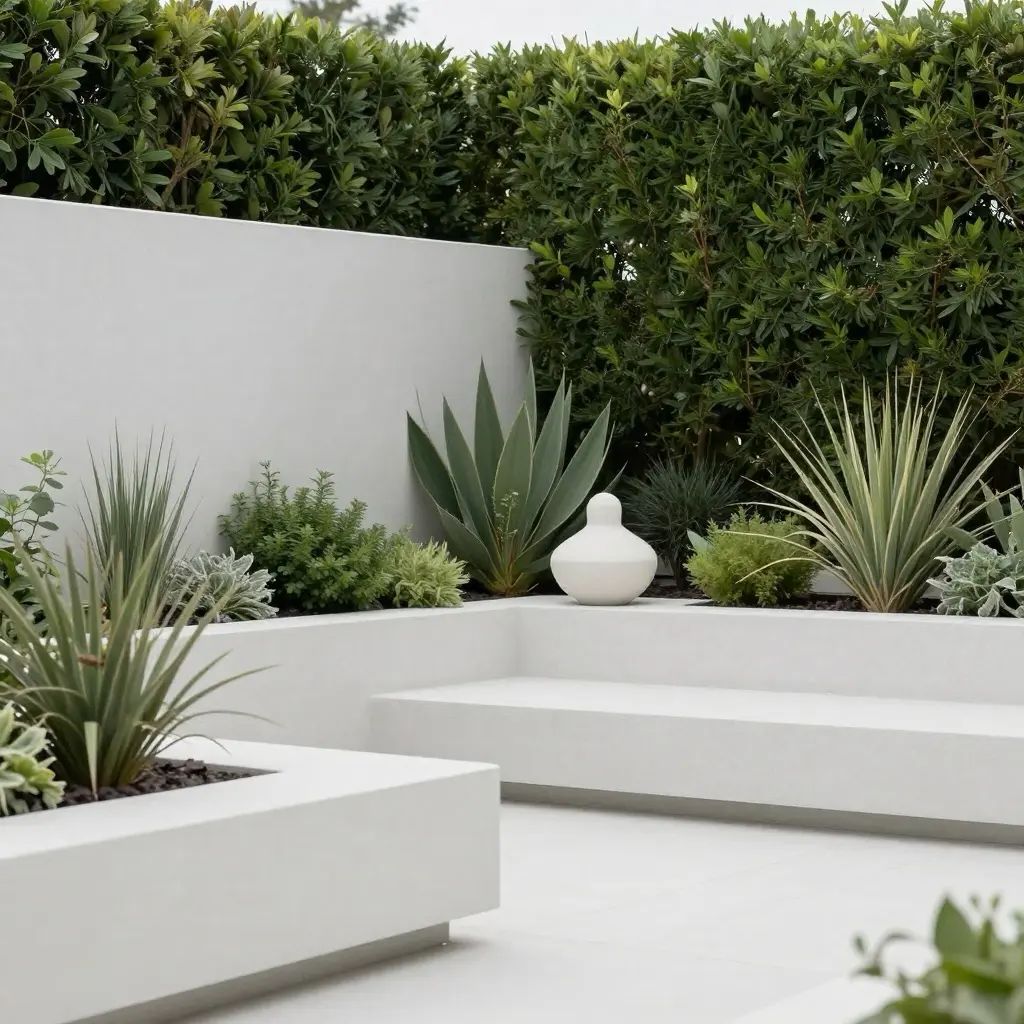
Modern minimalist: Clean lines, geometric shapes, limited color palette. Fewer pieces, but each one deliberate.
Whimsical: Bright colors, playful sculptures, unexpected objects. Gardens that make visitors smile.
Rustic farmhouse: Galvanized metal, reclaimed wood, utilitarian objects repurposed decoratively.
Pick one. Commit to it. Your garden’s personality emerges from consistency, not variety.
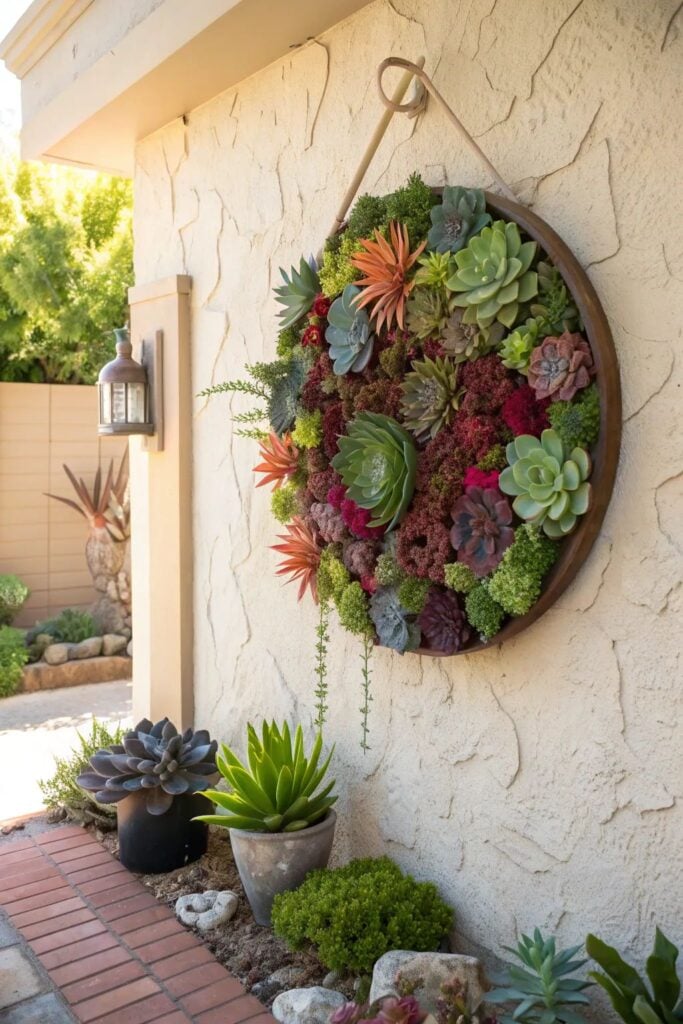
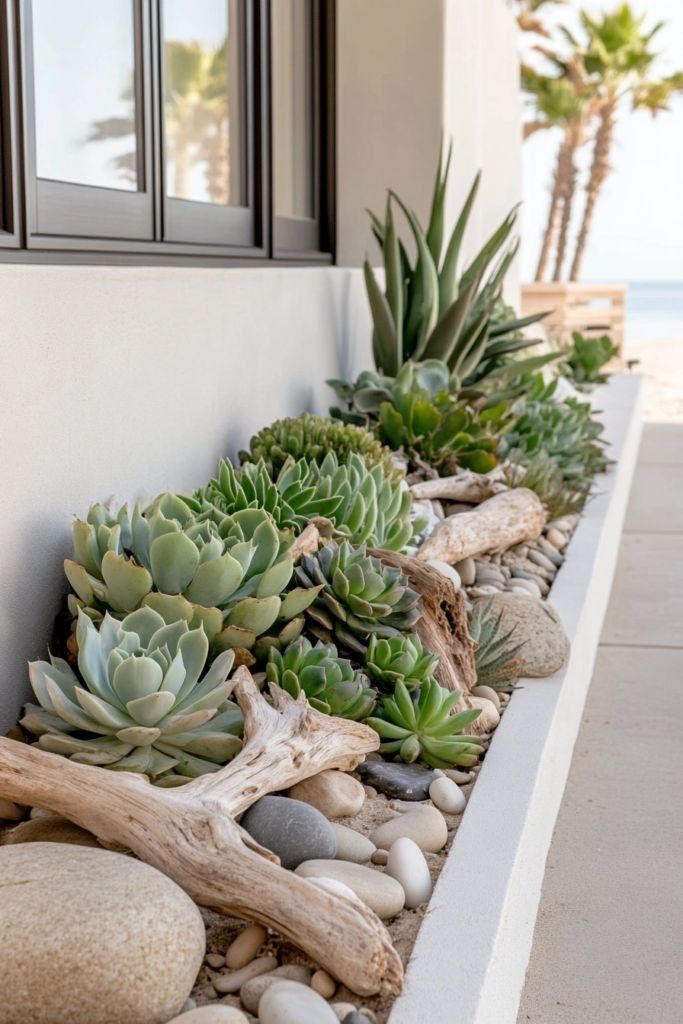
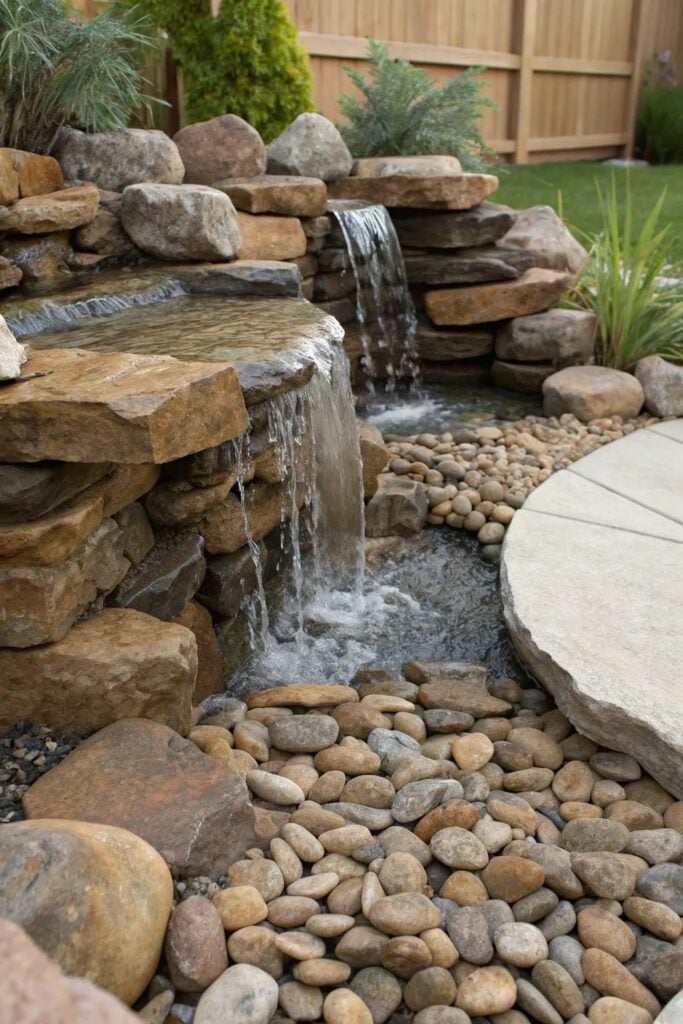
Painted Stones: Entry-Level Garden Art
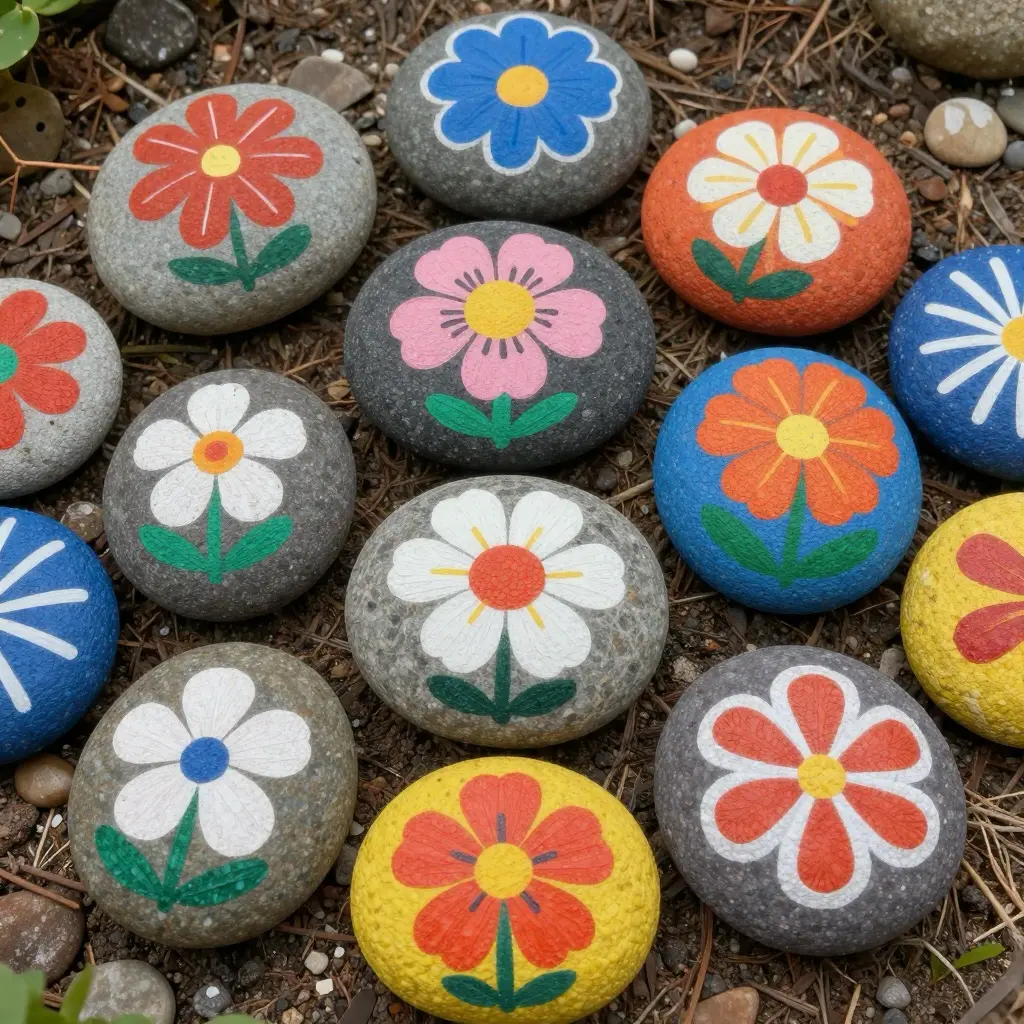
Painted stones cost almost nothing and deliver immediate visual impact.
Why They Work
Stones are naturally present in gardens, so painted versions feel integrated rather than imposed. They’re small enough to move, replace, or remove if tastes change. And the painting process itself becomes a satisfying creative activity.
Execution Tips
Choose smooth, flat stones. River rocks work best. Rough surfaces fight against paint and make details difficult.
Use acrylic paint. It adheres well to stone and withstands weather. Seal finished pieces with clear outdoor sealant for longevity.
Start simple. Solid colors, basic patterns, single words. Complex designs on small surfaces often look muddy rather than detailed.
Place intentionally. Cluster painted stones at garden entrances, along path edges, or at the base of featured plants. Random scattering looks accidental.
Painted stones invite participation. They’re perfect projects for children, making the garden feel like a family creation rather than an adult maintenance chore.
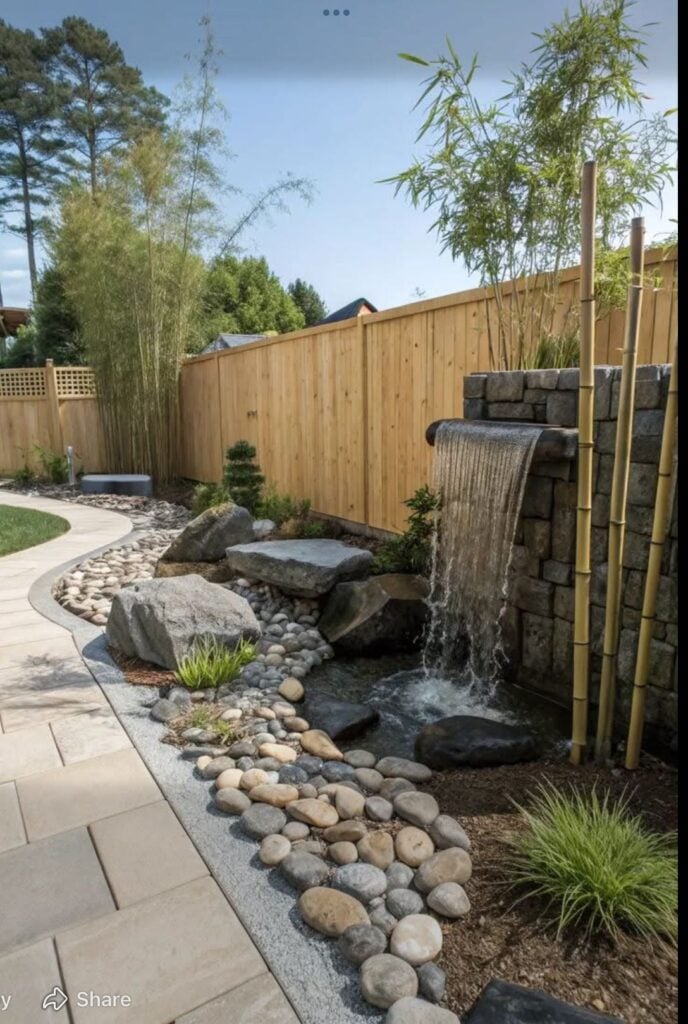
Hanging Art: Vertical Interest
Gardens are horizontal by default. Hanging elements add a vertical dimension that draws the eye upward.
What to Hang
Metal sculptures: Sun faces, abstract shapes, decorative panels. Choose weather-resistant materials—aluminum, powder-coated steel, or copper that develops patina.
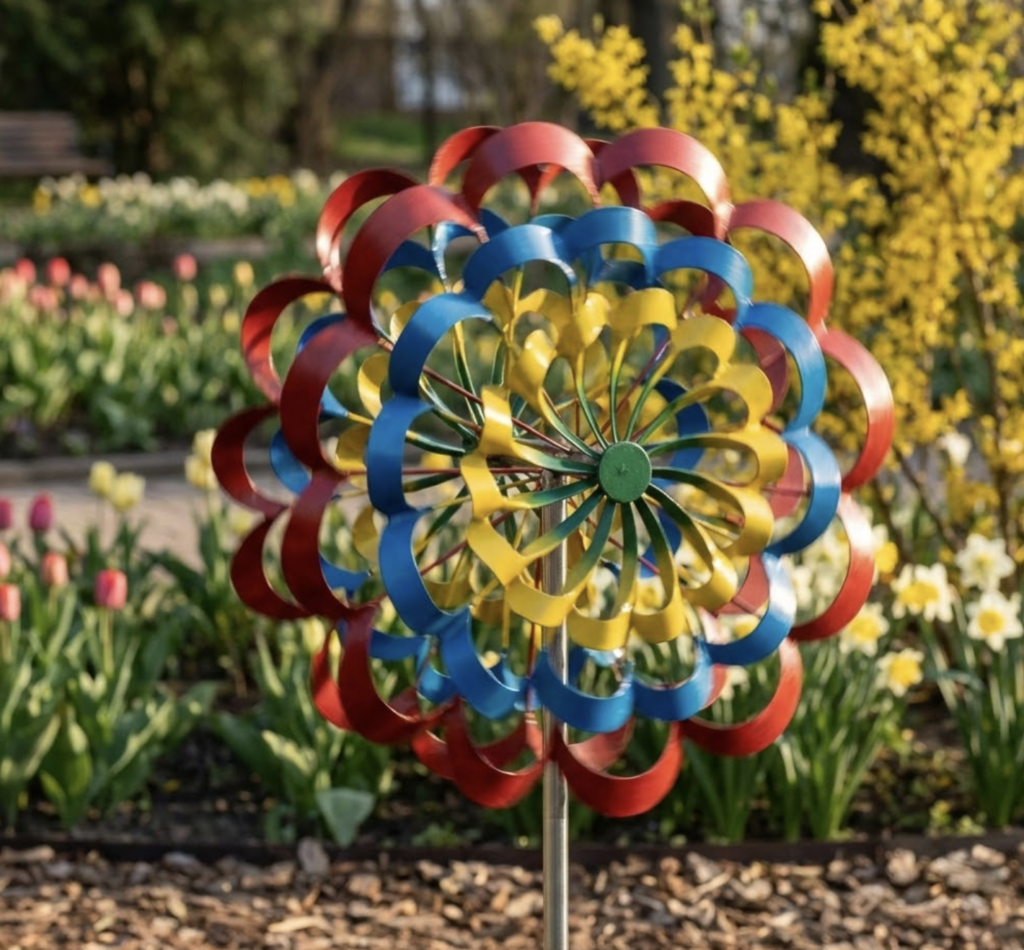
Mobiles and wind spinners: Movement catches attention and adds life to still areas. Position where afternoon breezes reach.
Mirrors: Outdoor mirrors create an illusion of depth and reflect light into shaded areas. Use weatherproof frames or accept that frames will weather.
Macramé and fabric: Softer texture contrast against hard surfaces. Choose outdoor-rated materials or accept a shorter lifespan as an acceptable trade-off.
Where to Hang
Fences provide obvious mounting surfaces, but consider also: tree branches, pergola beams, shepherd’s hooks in beds, and freestanding posts installed specifically for art display.
Layer heights. Some pieces are at eye level, some above, some lower. Variation creates a visual journey rather than a flat gallery wall.
Repurposed Furniture: Function Meets Character
Old furniture in gardens signals personality more effectively than purpose-built garden ornaments.
Why Repurposed Works
Manufactured garden decor looks like manufactured garden decor. Everyone shopping at the same stores ends up with the same ceramic frogs and resin statues. Repurposed furniture is inherently unique—no one else has your grandmother’s chair transformed into a succulent planter.
Furniture Transformation Ideas
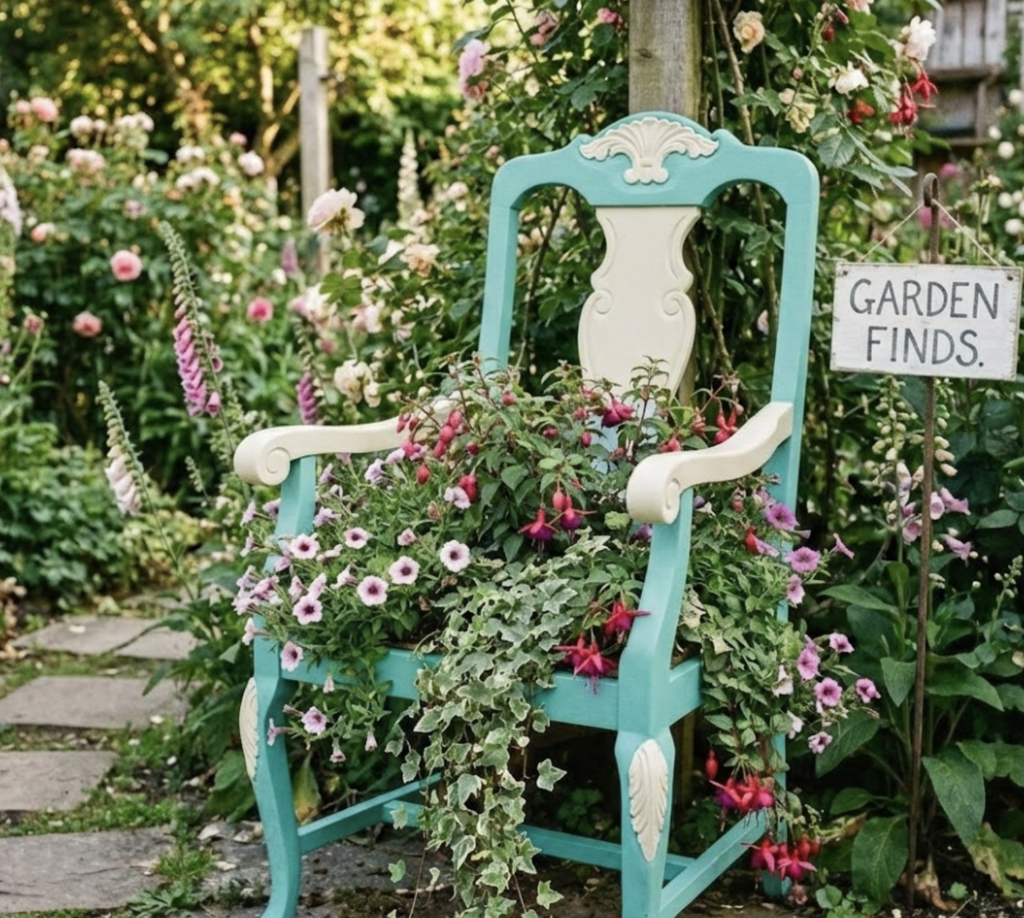
Chairs as planters: Remove seats, line frames with coco liner, and fill with soil. Trailing plants work especially well, cascading where legs once supported sitters.
Dresser drawers as raised beds: Stack at angles, fill with soil, plant herbs or flowers. The visible drawer fronts provide unexpected texture.
Tables as display surfaces: Old tables become stages for potted plant collections, garden sculpture, or seasonal displays.
Bed frames as trellises: Headboards and footboards support climbing plants while adding architectural interest.
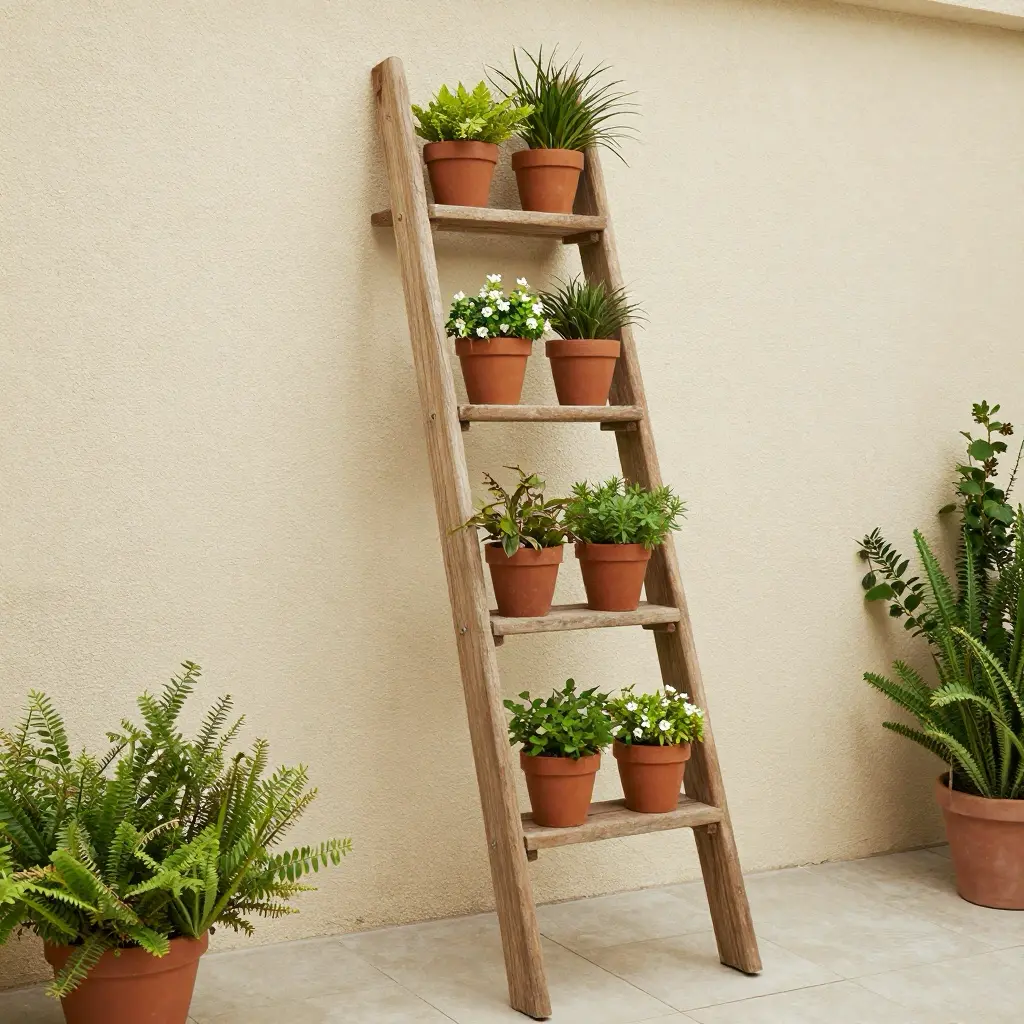
Ladders as vertical gardens: Lean old ladders against walls, and place potted plants on rungs. Instant vertical display with minimal effort.
The weather will affect furniture. Accept graceful deterioration as a feature rather than a flaw—peeling paint and weathered wood add authenticity that pristine pieces lack.
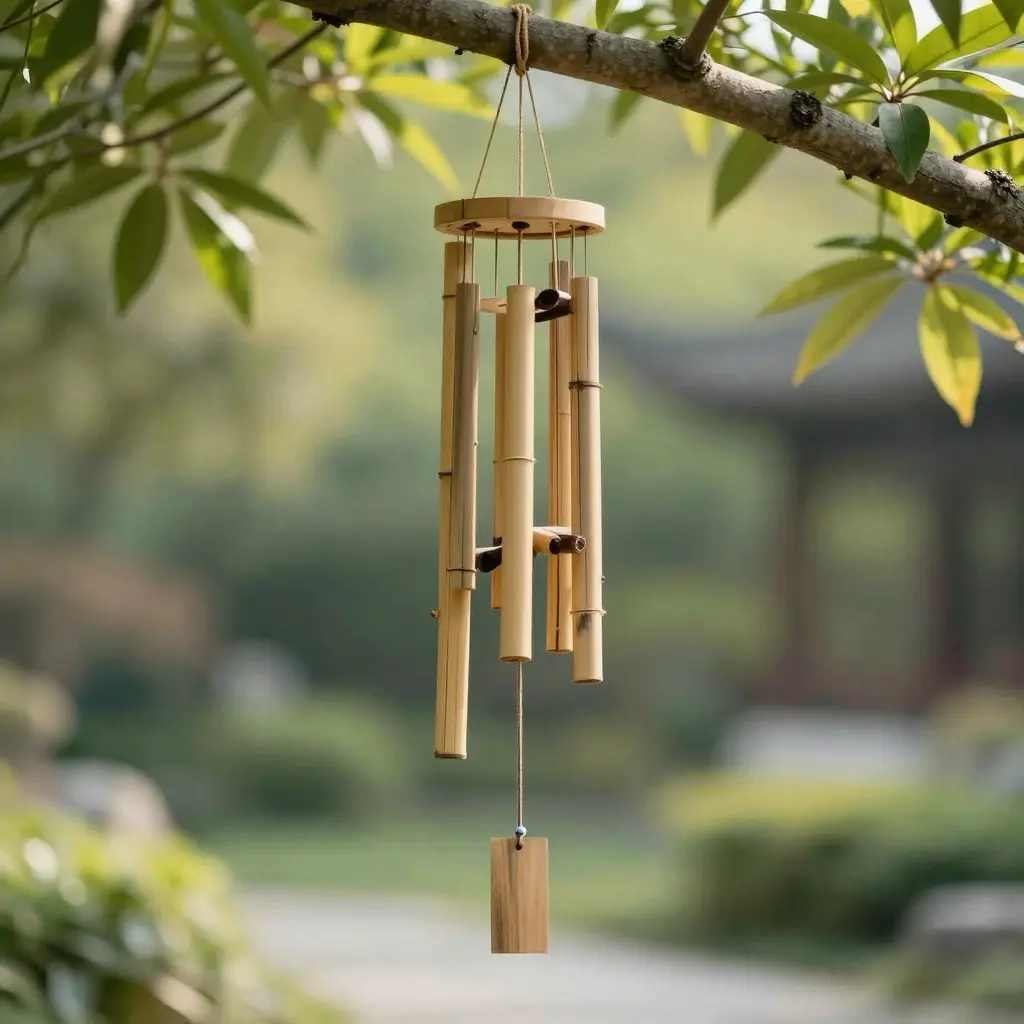
Wind Chimes: Sound as Decor
Gardens engage vision almost exclusively. Wind chimes add an auditory dimension that transforms the sensory experience.
Selecting Chimes
Material determines tone: Metal chimes produce bright, clear notes. Bamboo creates softer, hollow sounds. Shell and glass offer delicate tinkling.
Size affects volume: Larger chimes produce deeper, louder tones. Consider your space and neighbors—what’s pleasant for you may be intrusive for adjacent properties.
Quality matters: Cheap chimes produce unpleasant clanging rather than melodic tones. Tuned chimes from specialty makers cost more but deliver genuinely pleasant sound.
Placement Strategy
Position chimes where breezes actually reach. Sheltered corners remain silent regardless of wind chime quality. Observe your garden through different weather to identify reliably breezy spots.
Near seating areas, chimes create an ambient soundtrack for relaxation. Along paths, they signal transitions between garden zones. At entrances, they announce arrivals.
Create Dedicated Art Corners
Concentrating artistic elements in specific zones prevents a scattered, cluttered appearance.
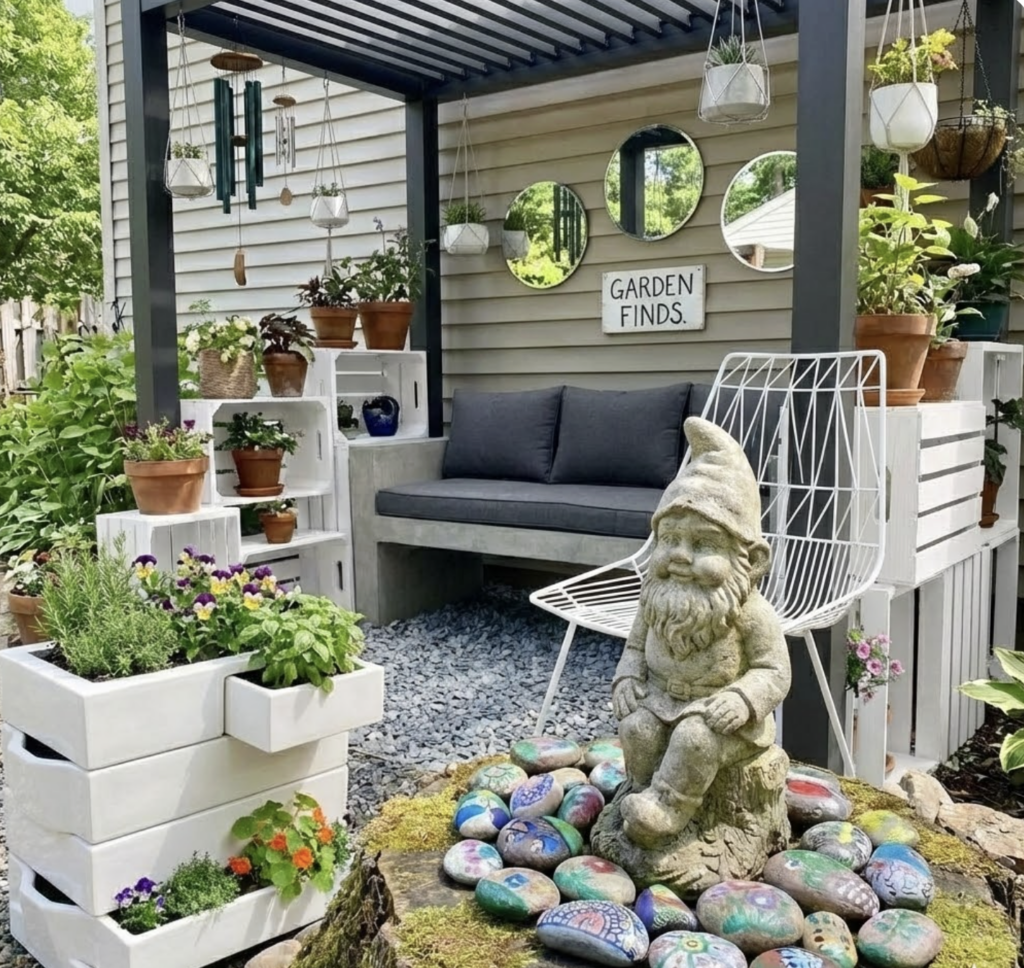
The Art Corner Concept
Rather than distributing small decorative pieces throughout the garden, cluster them in dedicated display areas. This creates visual impact through concentration while leaving other areas cleaner.
Building an Art Corner
Choose a focal point location: Corner of fence intersection, beneath a specimen tree, at the terminus of a path.
Add seating: A bench, chair, or even a large stone invites visitors to stop and appreciate.
Layer heights: Ground-level stones, mid-height sculptures or planters, hanging elements above. Create a vertical journey for the eye.
Include living elements: Plants soften the transition between art and garden, integrating the corner rather than isolating it.
Consider lighting: Solar spotlights allow evening enjoyment of art corners, extending their impact beyond daylight hours.
Art corners can change seasonally. Rotate pieces, update color schemes, and respond to holidays. The designated space makes updates manageable rather than requiring garden-wide changes.
Bold Color Strategy
Gardens default to green. Intentional color breaks the monotony.
Where to Add Color
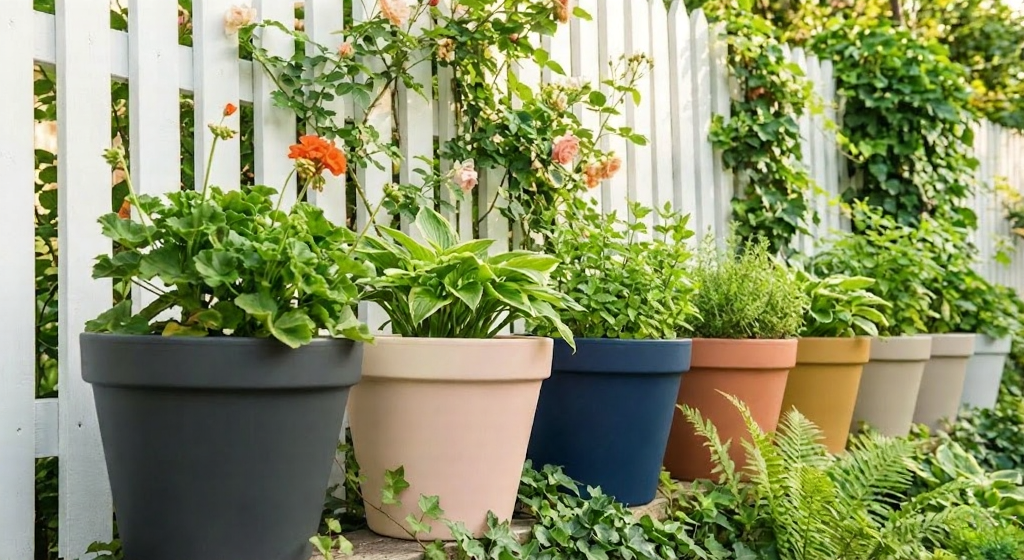
Planters and pots: Painted containers provide color that flowers cannot—reliable, consistent, unaffected by seasons.
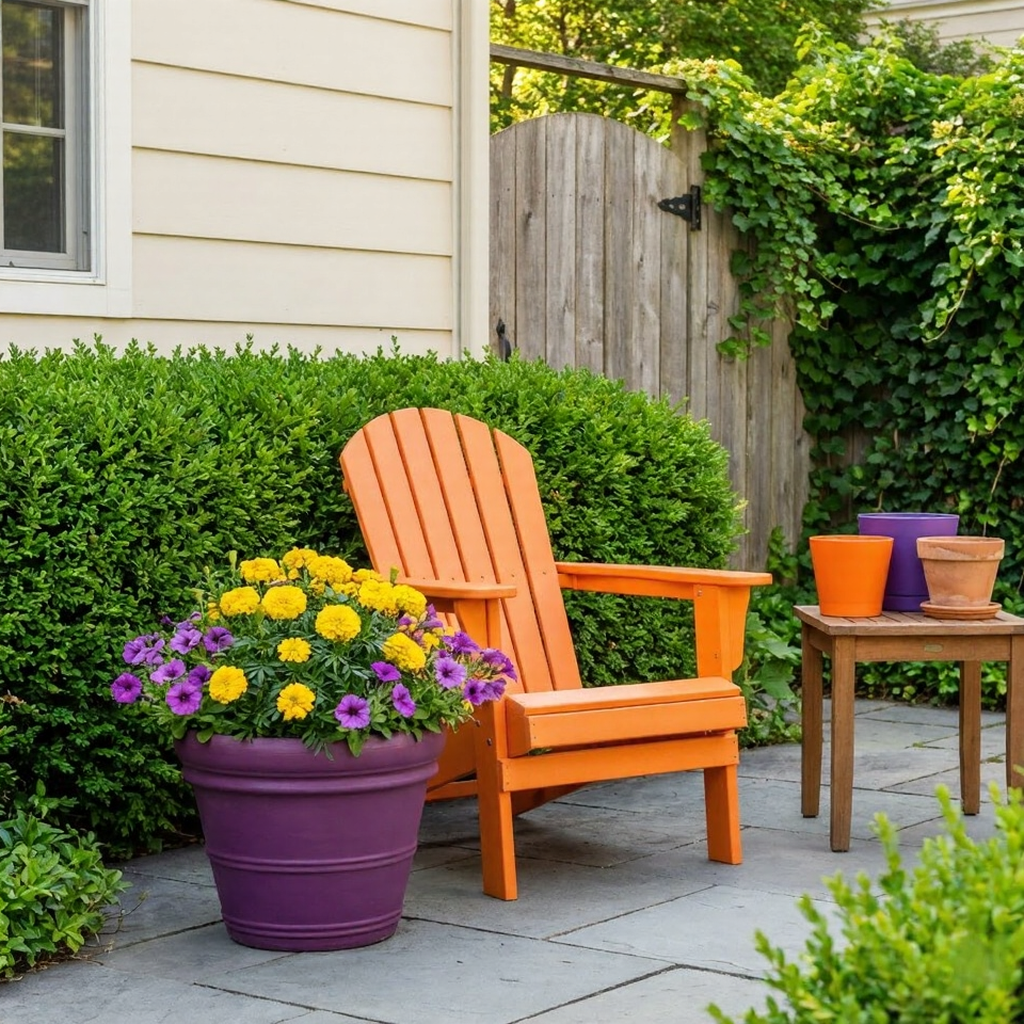
Furniture: A bright red bench or electric blue chair becomes an instant focal point against a green backdrop.
Fences and structures: Painted fences, gates, and sheds transform from boundaries into features.
Pathways: Colored stones, painted stepping stones, or tinted concrete add color at ground level where flowers can’t grow.
Color Selection
Complementary colors pop: Orange against green, purple with yellow. Color wheel opposites create maximum contrast.
Limit your palette: Two or three accent colors feel intentional. Every color in the rainbow feels chaotic.
Consider existing elements: House color, paving, and permanent structures. Garden colors should complement, not clash with, fixed features.
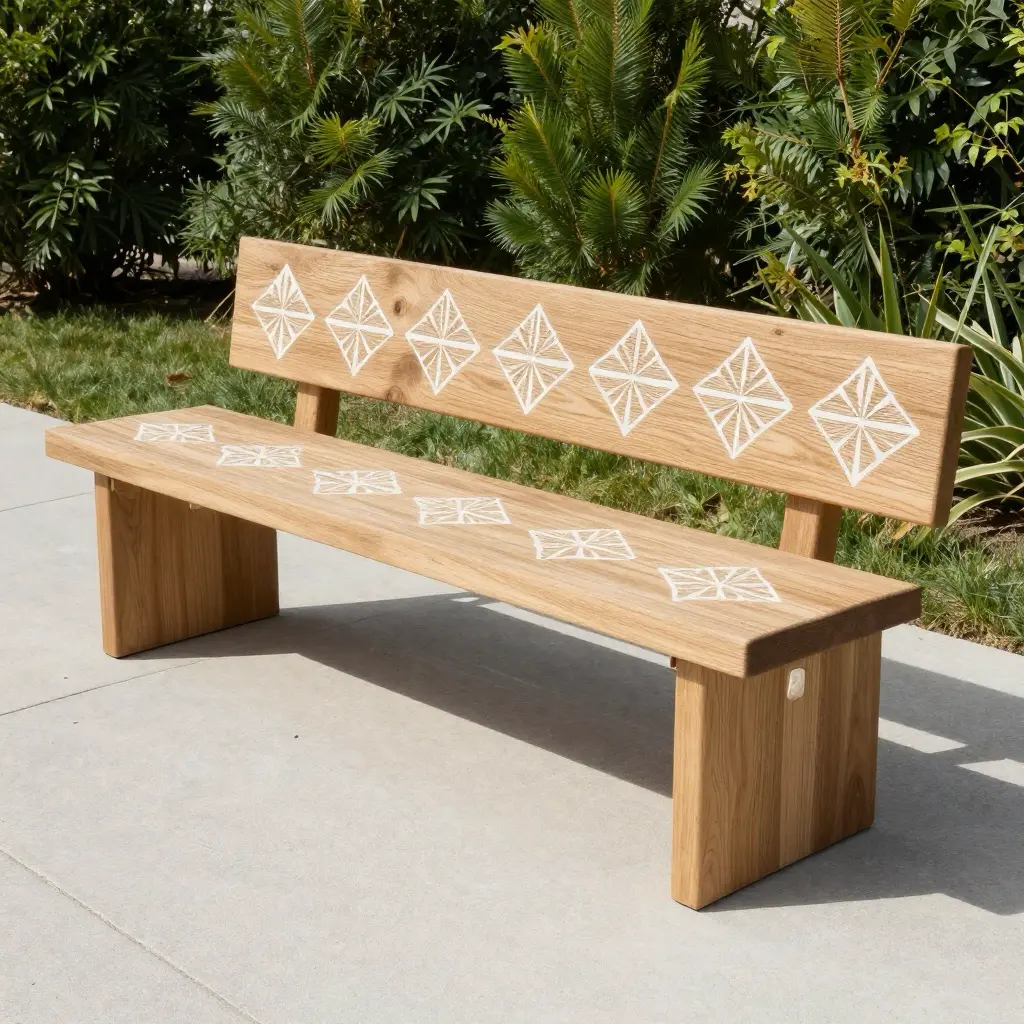
Bold doesn’t mean overwhelming. Strategic color placement—a single painted pot, one colorful chair—draws attention precisely because it contrasts with the surrounding green.
Fence Decoration: Unused Canvas
Fences define garden boundaries but usually receive no decorative attention. They’re the largest vertical surfaces in most gardens—enormous potential going unexploited.
Fence Transformation Ideas
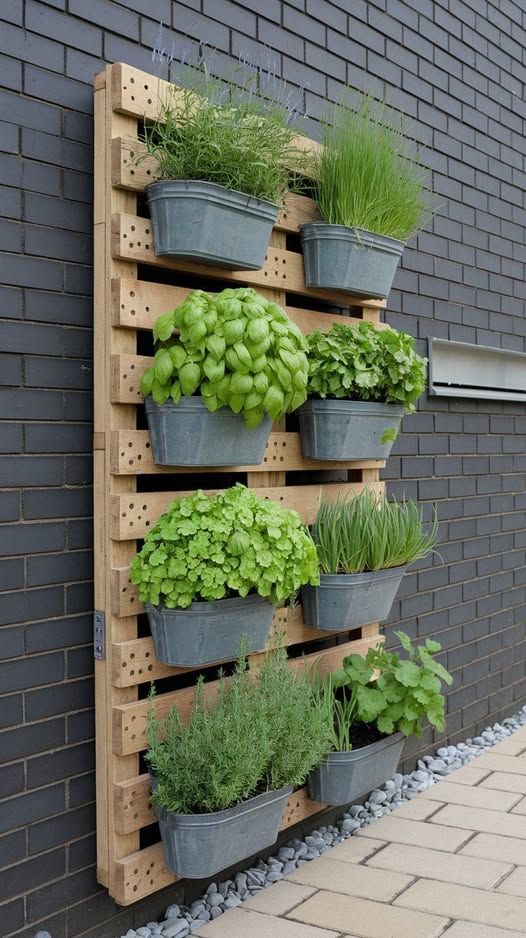
Mounted planters: Attach pots directly to fence boards. Creates a vertical garden on an otherwise dead surface.
Hanging displays: Lightweight art, mirrors, decorative panels. Treat the fence as an outdoor wall deserving of art.
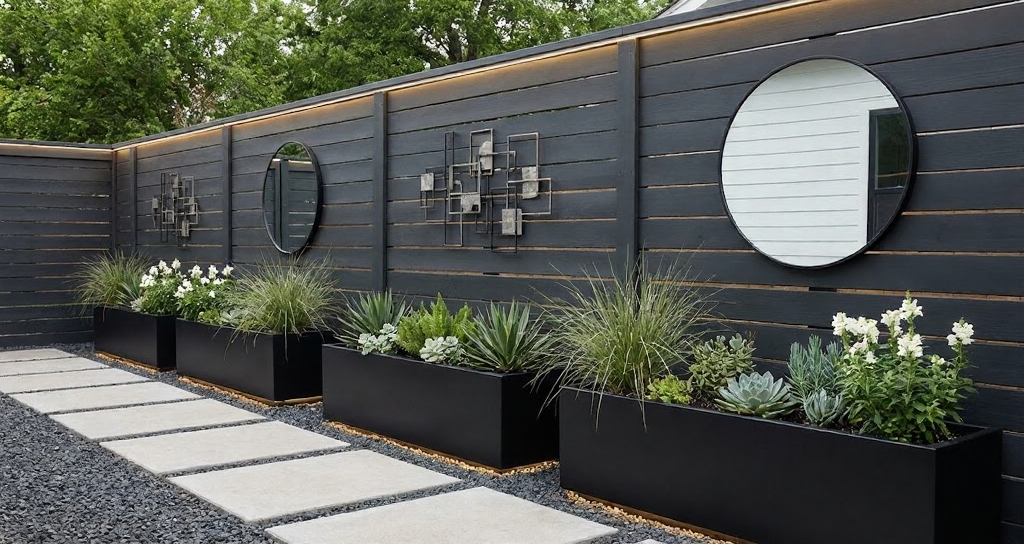
Paint treatments: Solid colors, patterns, murals. Even a simple color change transforms the fence from boundary to feature.
Trellis additions: Attach trellis panels and grow climbing plants. Living fence decoration that changes through the seasons.
String lights: Evening transformation with minimal daytime visual impact. Creates a magical atmosphere after dark.
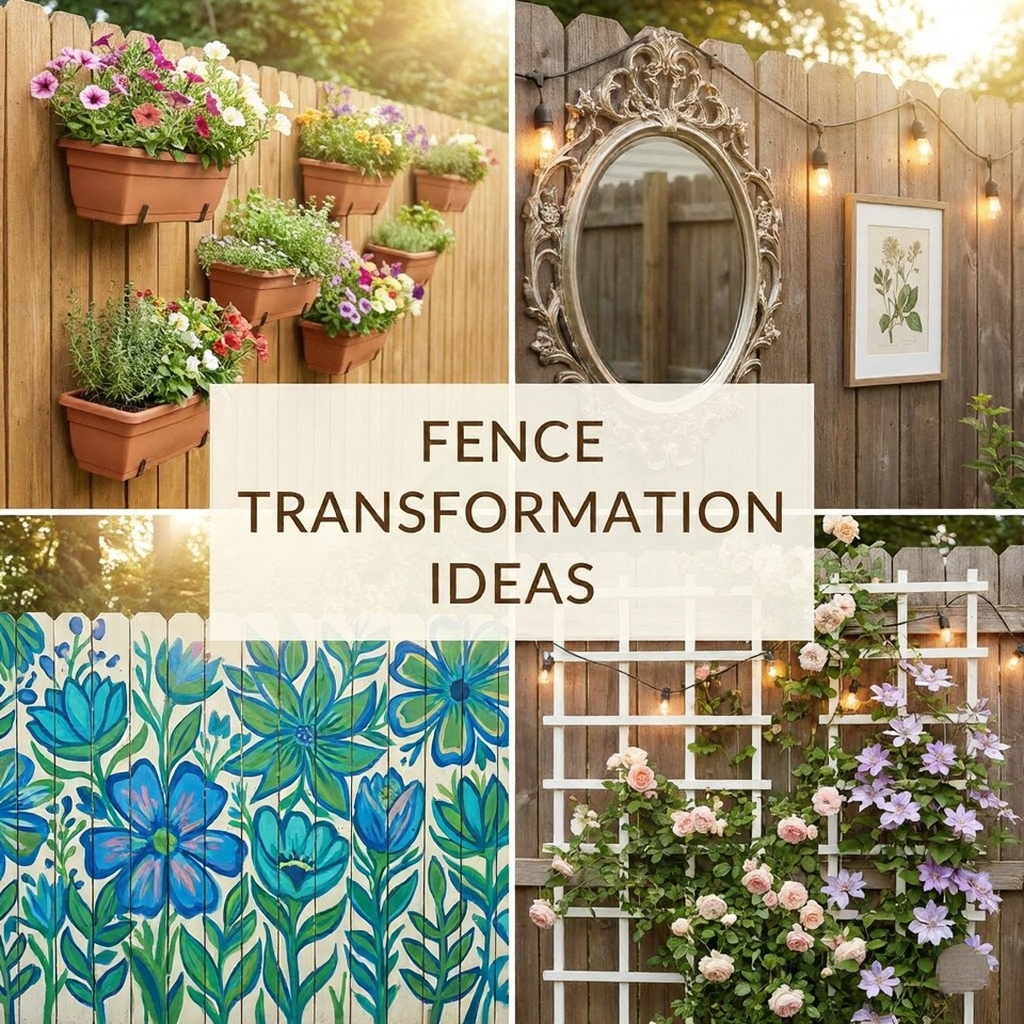
Fence decoration works best when following your established theme. A cottage garden benefits from mismatched vintage frames; a modern garden needs cleaner, more geometric treatments.
If your decor plan needs more structure, these garden sleeper ideas show how timber borders, beds and vertical pieces can give the space a stronger frame.
FAQ
How much should I spend on garden decor?
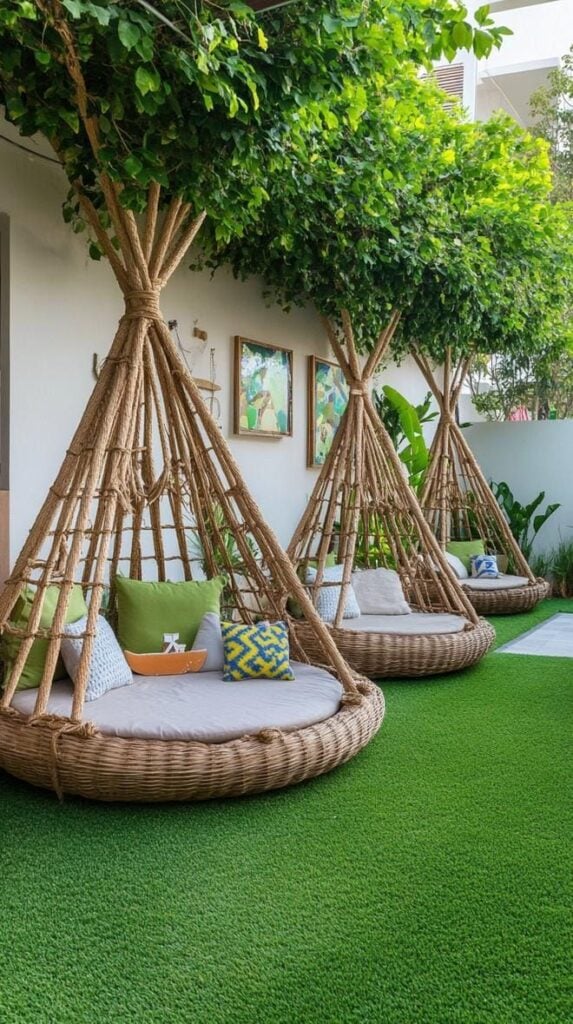
Start with what you already own—repurposed items cost nothing beyond creativity. Effective garden decor doesn’t require a significant investment. Budget $50-100 initially for paint, sealants, and a few purchased pieces. Add gradually rather than decorating all at once.
Won’t outdoor art get ruined by the weather?
Some deterioration is inevitable and often desirable—weathered pieces develop character. Choose materials rated for outdoor use when longevity matters. Accept that some pieces are temporary, lasting one or two seasons before replacement.
How do I avoid making my garden look cluttered?
Commit to a theme and reject pieces that don’t fit. Cluster decorations in dedicated zones rather than scattering throughout. Leave negative space—areas without decoration make the decorated areas more impactful.
What’s the easiest decor project to start with?
Painted stones require minimal skill, cost almost nothing, and produce immediate results. Paint three to five stones this weekend and place them near your garden entrance. You’ll see the impact immediately.
Can I mix decor styles in one garden?
Different zones can have different treatments, but each zone should be internally consistent. A whimsical corner can coexist with a minimalist seating area if transitions feel intentional rather than accidental.
Conclusion
Gardens without decorative intention remain landscapes rather than outdoor living spaces. The plants provide life; the decor provides personality. Both elements matter for creating gardens that actually invite you to spend time in them.
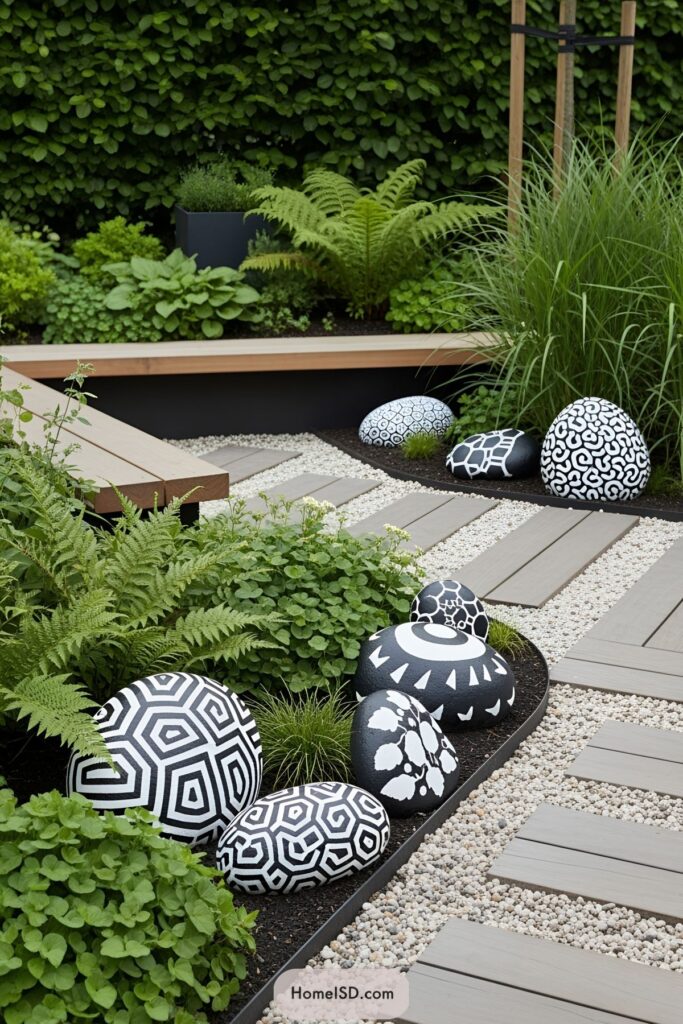
The transformation doesn’t require significant budget or professional skill. Painted stones, repurposed furniture, strategic color, and intentional placement turn forgettable green rectangles into personal outdoor galleries.
This weekend: Paint five stones and place them at your garden entrance. Notice how even this small addition changes your feeling about the space.
This month: Choose a theme and identify one neglected vertical surface—fence section, bare wall, or empty corner. Transform it into a dedicated art zone.
Ongoing: Collect potential garden art year-round. Thrift stores, garage sales, curbside finds. When you have a theme, you’ll recognize pieces that fit. Build your garden’s personality over time rather than buying everything at once.
Your garden deserves to feel like yours. Add the unique decor ideas that express your personality, and watch the space transform from a maintained landscape to a beloved outdoor room.
- 1.0Kshares
- Facebook0
- Pinterest1.0K
- Twitter0
- Reddit0