Energy bills continue to influence how property owners consider building materials. Roofing plays a primary role in how heat moves inside and outside of a structure. When the roof functions effectively, indoor temperatures remain more stable and mechanical systems operate less. Metal roofing has gained attention because of its ability to reflect heat, manage airflow, and last for decades. Savings do not appear by chance; they depend on material quality, installation methods, and how the roof interacts with insulation and ventilation. Understanding these factors helps homeowners evaluate real energy value rather than relying on assumptions or trends.
Thermal Performance and Heat Transfer
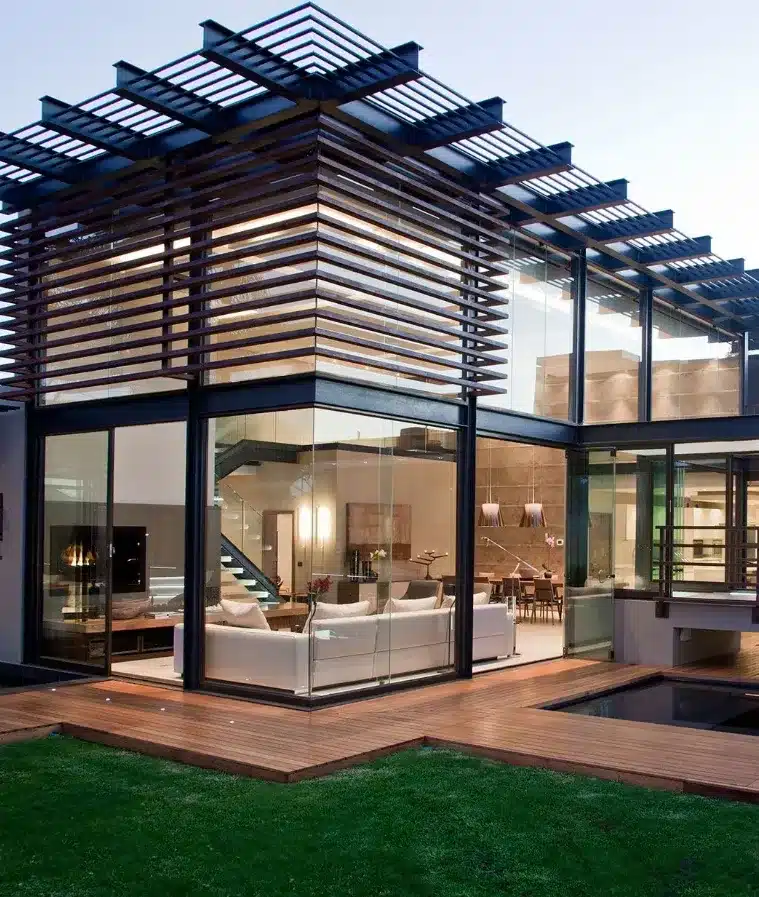
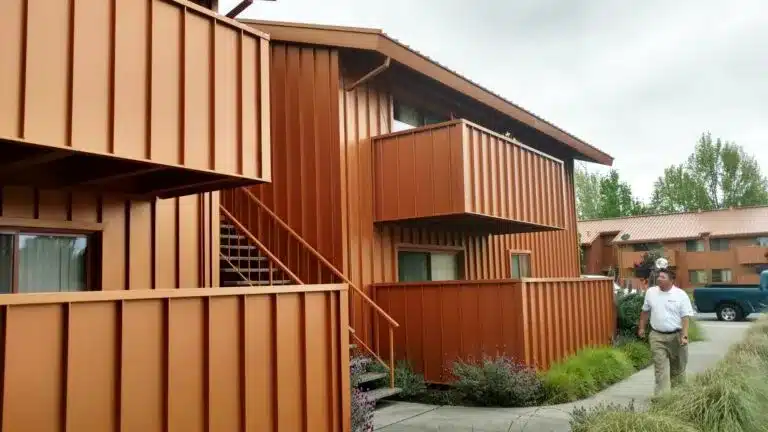
Understanding Energy Basics and Radiant Heat Control
Metal roofing saves energy by controlling heat transfer at the top of a structure. Unlike traditional surfaces that absorb heat, metal reflects a large portion of radiant energy. This reflection reduces indoor heat gain during hotter periods and limits heat loss during cooler conditions.
Many professionals working with a Texas metal roofing supplier often explain that energy performance depends on coating finish and panel design rather than metal alone. When selected carefully, metal roofing supports lower energy use and more stable indoor conditions over time.
How Heat Reflection Reduces Cooling Demand
Heat reflection is one of the most discussed benefits of metal roofing. It directly influences cooling demand:
- Reflective surfaces reduce rooftop heat absorption during prolonged sun exposure.
- Lower surface temperature limits heat transfer into interior spaces.
- Reduced heat gain allows cooling systems to cycle less frequently.
- Consistent reflection performance supports steady indoor temperature control.
Integration with Insulation and Ventilation
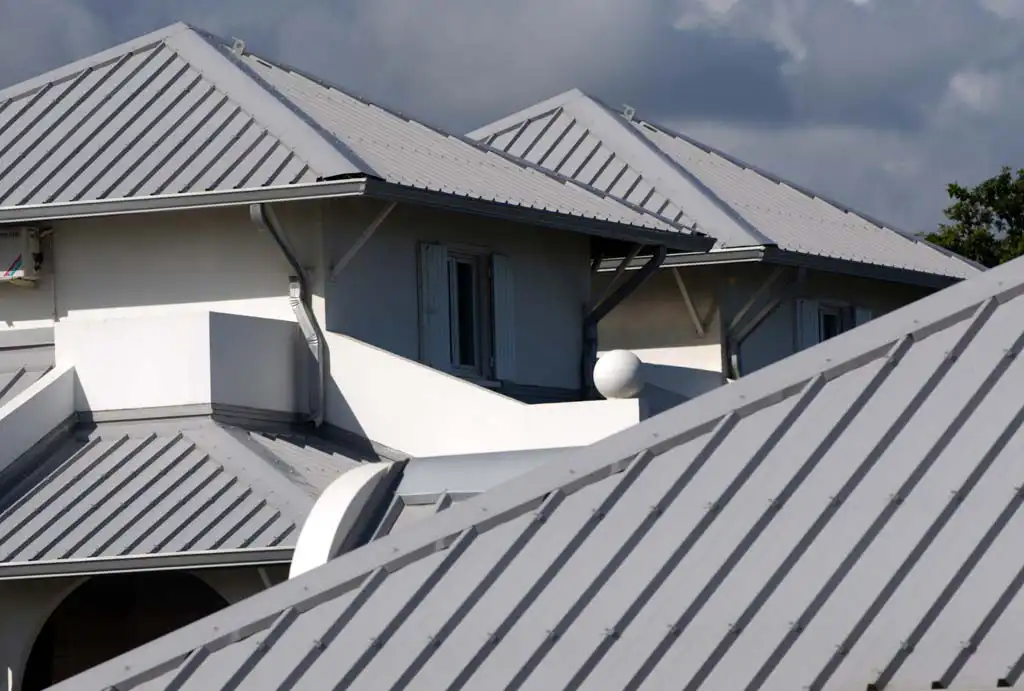
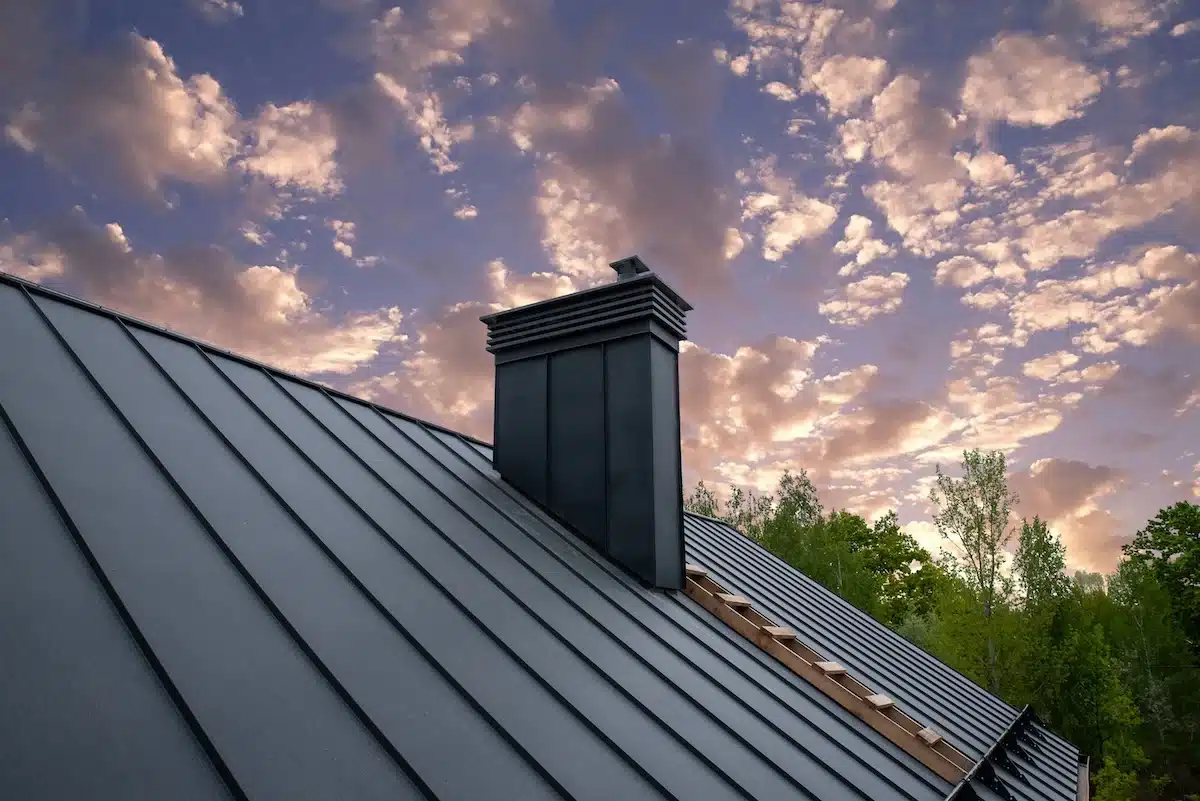
The Interaction Between Metal Roofing and Insulation
Metal roofing performs best when paired with proper insulation. Insulation slows heat movement while metal reflects radiant energy. Together, they form a layered defense against energy loss. Without insulation, savings may be limited. Proper interaction ensures reflected heat does not simply move inward through gaps. This combination reduces strain on heating and cooling systems year-round.
The Role of Ventilation in Releasing Trapped Heat
Ventilation enhances efficiency by releasing trapped heat:
- Airflow beneath panels allows heat to escape rather than accumulate
- Ridge and intake vents support balanced pressure and temperature movement
- Proper ventilation prevents moisture buildup that can affect insulation efficiency
- Continuous airflow maintains consistent performance across seasons
Seasonal Savings and Financial Factors
Seasonal Performance and Thermal Management
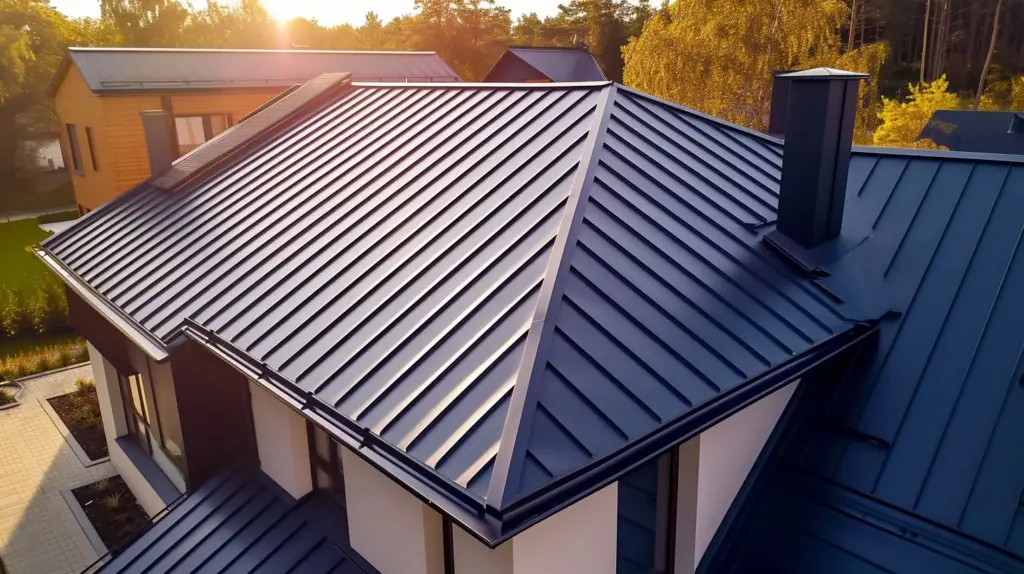
Energy savings from metal roofing vary across seasons. During warmer months, reflective properties reduce cooling demand. During cooler months, metal surfaces cool quickly at night, which supports balanced heat retention when insulation is present.
Seasonal performance depends on installation quality and roof color. Lighter finishes often improve warm-season savings, while darker tones may assist cooler-period heat management.
Cost Factors Influencing Energy ROI
Energy savings depend on several cost-related elements beyond material choice:
- Panel finish influences reflectivity and long-term thermal behavior
- Installation accuracy affects sealing and airflow efficiency
- Roof slope changes how sunlight interacts with the surface
- Existing insulation quality alters overall energy impact
Long-Term Benefits and Sustainability
Compounding Long-Term Energy Savings
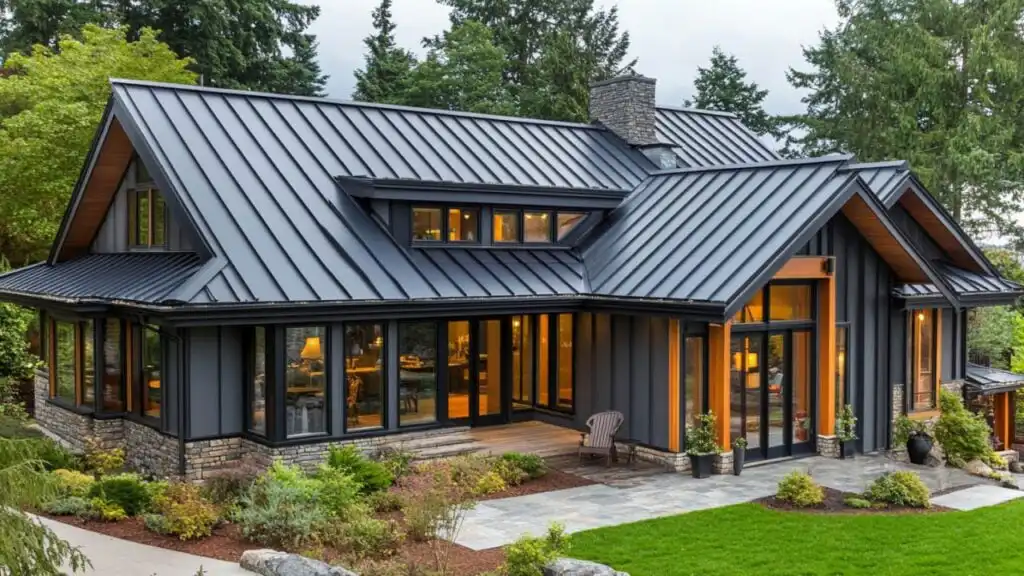
Metal roofing often delivers savings over many years rather than immediately. Reduced energy use compounds annually and demonstrates that stable indoor temperatures lower system wear and maintenance costs.
Over time, these indirect savings add to the direct energy bill reduction. Long service life also prevents frequent replacement costs. Long-term savings depend on consistent performance rather than short-term results.
Maintenance Impact on Thermal Integrity
Low maintenance supports energy efficiency by preserving surface condition. Clean reflective surfaces perform better than neglected ones. Metal roofs resist cracking and warping, maintaining thermal integrity. Minimal maintenance ensures reflectivity remains stable longer, supporting predictable energy performance and easier planning for utility costs.
Environmental Efficiency and Lifecycle Value
Energy savings also correlate with environmental impact. Reduced energy use lowers overall resource demand. Metal roofing often uses recyclable materials, which adds value beyond energy bills. Long lifespan reduces waste from frequent replacements. Environmental efficiency aligns with economic savings by supporting long-term sustainability goals.
Ensuring Efficiency through Professional Planning
Why Installation Quality Determines Actual Savings
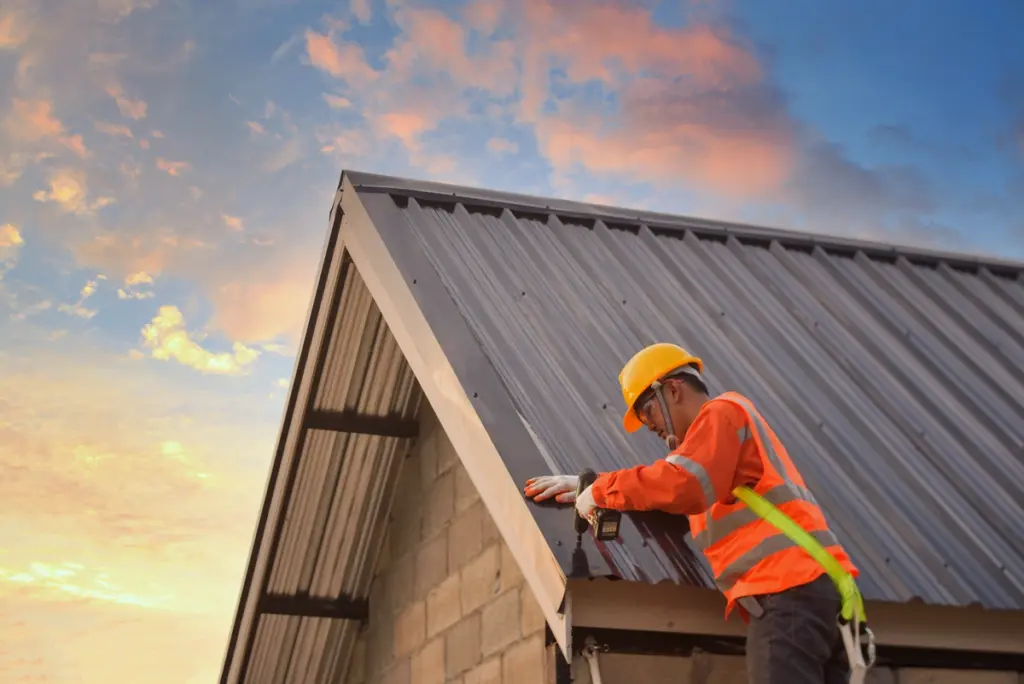
Installation quality determines whether expected savings materialize. Gaps, poor sealing, or improper fastening reduce efficiency.
Skilled installation ensures panels align correctly and coatings remain intact. Quality workmanship supports ventilation, insulation alignment, and weather resistance. Energy performance relies heavily on these details.
Measuring Real-World Utility Bill Results
Energy savings can be measured through utility comparisons over time. Monitoring usage before and after installation provides realistic insight. Seasonal variations should be considered. Consistent tracking reveals patterns rather than isolated changes. Measurement helps property owners understand real value instead of relying on estimates alone.
Practical Planning for Maximum Efficiency
Planning energy performance involves more than material choice. Roof shade, insulation, airflow, and orientation all matter. Evaluating these factors together creates realistic expectations. Thoughtful planning ensures metal roofing contributes meaningfully to lower energy use rather than serving as a cosmetic improvement only.
Conclusion: Strategic Investment in 2026
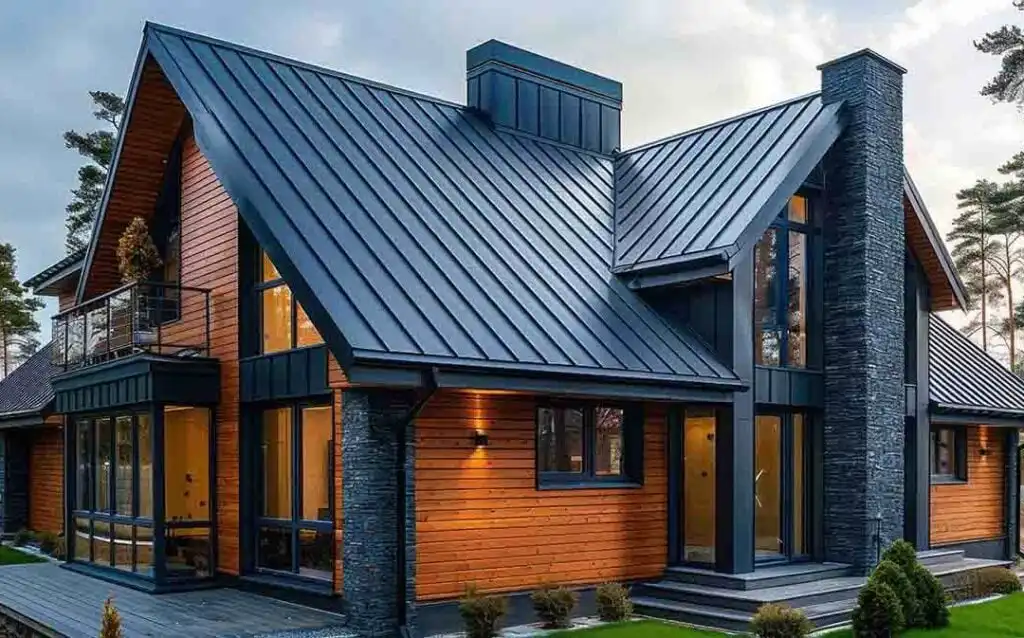
Metal roofing represents a strategic investment when energy efficiency is a priority. Savings are built through reduced cooling demand, stable indoor temperatures, and long service life. When installed correctly and paired with insulation and ventilation, metal roofing supports reliable energy control.
Working with a knowledgeable Texas metal roofing supplier ensures material selection aligns with efficiency goals. With thoughtful planning, metal roofing becomes a practical solution for managing energy bills well beyond 2026.
- 9shares
- Facebook0
- Pinterest9
- Twitter0
- Reddit0