Water quality is crucial to public health and safety. Professional water testing reveals hazards, contaminants, and chemical imbalances in water. Water testing is essential for ensuring water is safe for human consumption as well as industrial processes. Reliable assessments also help preserve the environment. Learning about the water testing parameters that should not be ignored can help you manage the water quality in your home or office. Let’s take a look at the essential parameters in this post.
Physical Parameters
Physical properties are one of the first indicators of water quality. Temperature directly affects chemical reactions and biological activity in water. Suspended particles that can carry pathogens or shade water bodies are measured by turbidity. If the water has high levels of color, it may indicate the presence of organic compounds or metals. It also indicates the potential sources of pollution. If you’re looking for water testing near you, take these physical properties into account before making a decision.
Chemical Indicators
Not all contaminants are visible to the naked eye, and chemical parameters often indicate the presence of such contaminants. Testing agencies test the pH of the water, which indicates acidity or alkalinity, where low pH is acidic and high pH is basic. These numbers can affect equipment and living organisms. Calcium and magnesium concentrations affect hardness, which is harmful for plumbing and industrial use. Chlorine monitoring ensures that disinfection processes are safe for human use without exposing people to high levels of the chemical.
Nutrient Content
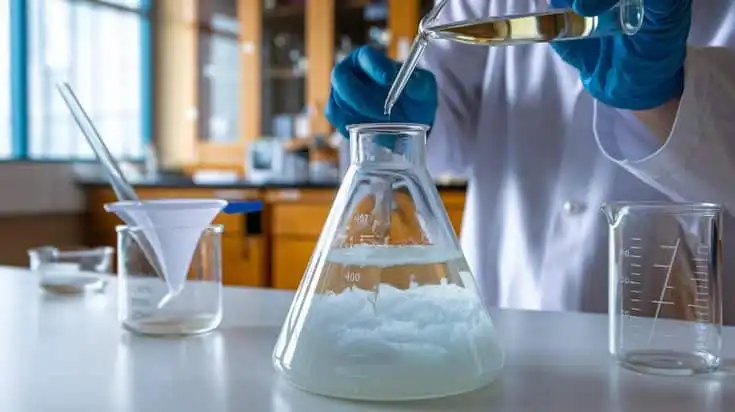
In agricultural or densely populated areas, nutrients like nitrate and phosphate need to be monitored carefully. Fertilizer runoff can lead to high nitrates in waterways, which can be dangerous for aquatic systems and drinking water sources. A lush growth of algae from high phosphate levels can cause the oxygen in the water to deplete, which is detrimental to aquatic organisms. Routine assessment for these nutrients helps keep the ecosystem balanced and secure the sources of drinking water.
Microbiological Quality
Microbial contamination can be dangerous for human beings. Chemical tests show how much bacteria, such as Escherichia coli or total coliforms, are present, indicating fecal pollution. These indicators alert testing agencies to the potential presence of pathogens that can cause disease. For drinking and bathing water, the number of microbes must stay below safe levels.
Heavy Metals and Toxic Substances
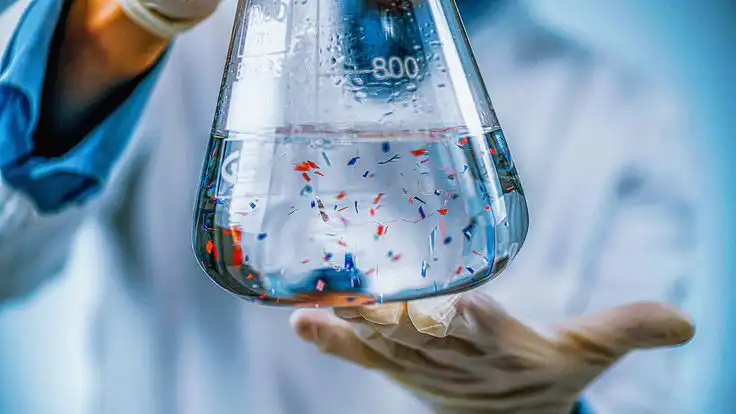
Lead, mercury, arsenic, and cadmium are considered serious health threats even at low levels, and they are common contaminants. Water testing performed on both natural and water treatment processes should identify these poisonous elements. They are indicators of industrial discharge, corroded plumbing, or geological origins. This ongoing monitoring helps protect communities from chronic exposure and enables them to comply with regulations.
Organic Compounds
These include organic contaminants such as pesticides, herbicides, and industrial chemicals. They can infiltrate water supplies as a consequence of agricultural run-off or spillage. Analyzing common organic pollutants helps scientists trace the source of contamination and focus their remediation efforts accordingly. These persistent environmental contaminants, accumulating in living organisms and passing through the food chain, increase the risks to human and animal health.
Dissolved Oxygen and Biological Oxygen
The amount of dissolved oxygen indicates how capable a water body is in sustaining aquatic life. Low levels can indicate contamination or too much organic material. Biological oxygen demand is a measure of oxygen used by microorganisms to decompose organic matter. Both parameters are indicators of general water quality and are monitored over time to detect shifts as a result of industrial discharge and/or stormwater runoff events.
Salinity and Conductivity
Salinity is the salt concentration in water, which affects agriculture, industry, and beverage supplies. Conductivity gives a quick indication of total dissolved solids and, when correlated with appropriate physical and historical data, offers insight into a sample’s mineral content. These indicators enable relevant entities to plan irrigation and industrial operations and conserve ecosystems.


Pesticides and Herbicides
Many pesticides and herbicides enter the different water sources due to agriculture and urban runoff. Water testing can help detect even the smallest traces of these substances, ensuring that the water is safe for consumption and the environment. The sooner these issues are detected, the better it is as remedial action can be initiated, thereby preventing long-term ramifications.
Conclusion
Performing more than one test is the most comprehensive approach to water testing, as a single test does not give you a complete picture. Safety and quality can be evaluated by combining physical, chemical, biological, and toxicological assessments. Continuous monitoring is necessary to protect public health and natural water systems from potential deviations. Water testing makes it easier for communities to keep water supplies safe while ensuring future generations have sustainable ecosystems to thrive.
- 16shares
- Facebook0
- Pinterest16
- Twitter0
- Reddit0