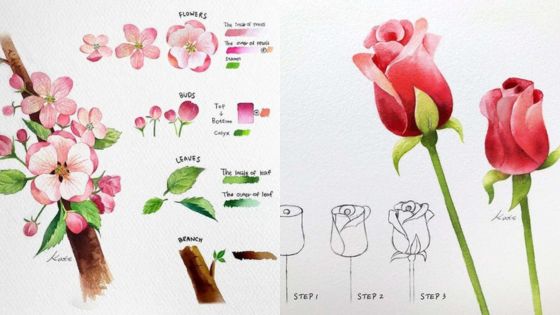
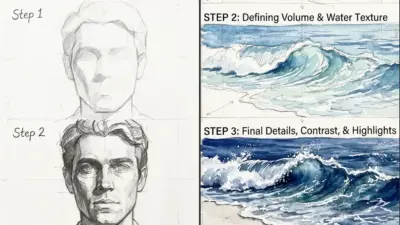
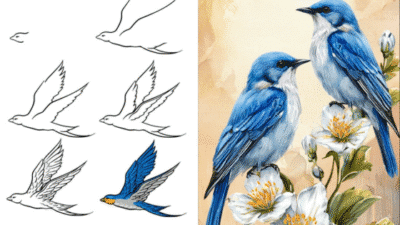
Drawing nature scenes lets you capture the outdoors on paper—think rolling hills, trees, rivers, and sunsets. Learning to draw nature means getting a feel for basic composition, starting with simple shapes like horizons and outlines, then layering in details to both the foreground and background before finishing with color and texture.
Whether you’re just starting or want to level up your skills, drawing nature scenery can be a pretty relaxing way to get creative.
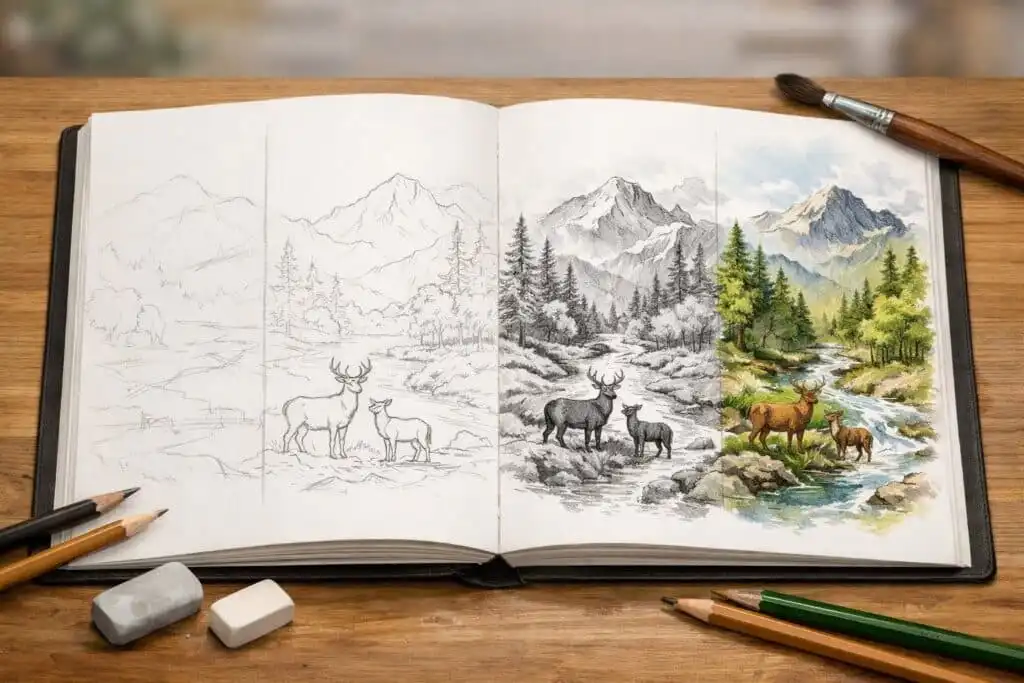
I’ll walk you through everything you need to know about making your own nature drawings. You’ll see which materials actually work, how to set up your composition, and which techniques make landscapes feel alive.
From sketching mountains and trees to adding water or sky details, this guide breaks down each step into bite-sized pieces. Let’s get into it.
Understanding Nature Drawing
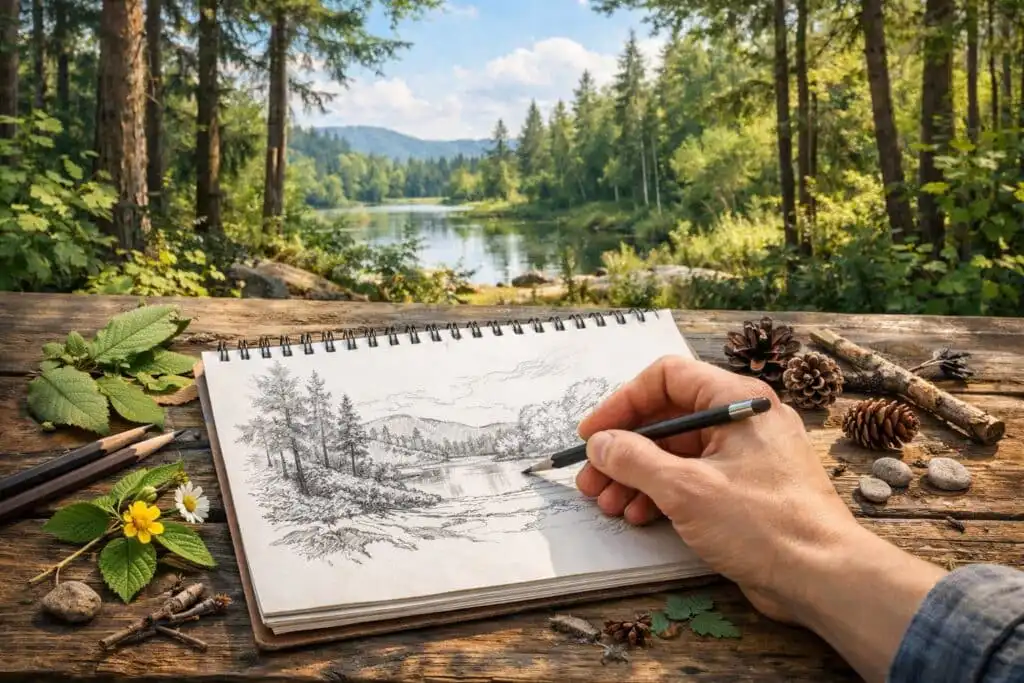
Nature drawing combines close observation with artistic skill to capture plants, animals, and landscapes on paper. This practice can do wonders for your mental health and helps you notice things you might otherwise miss.
What Is Nature Drawing?
Nature drawing means sketching natural subjects—leaves, flowers, trees, animals, and outdoor scenes—using pencils, pens, or charcoal. When I draw nature, I focus on observing real things instead of just making stuff up from memory.
The whole point of nature drawing is to really look at details, patterns, and textures in the wild. Sometimes I’ll sketch the veins in a leaf or the roughness of tree bark.
Some nature drawings are quick field sketches, while others are detailed pieces. I like to sketch outdoors when I can, but sometimes I use photos for reference. What sets nature drawing apart is the focus on actual natural subjects and direct observation.
No need to chase perfection or photorealism. Most of my nature sketches are just studies that help me notice cool features I’d probably overlook on a regular walk.
Benefits of Drawing Nature
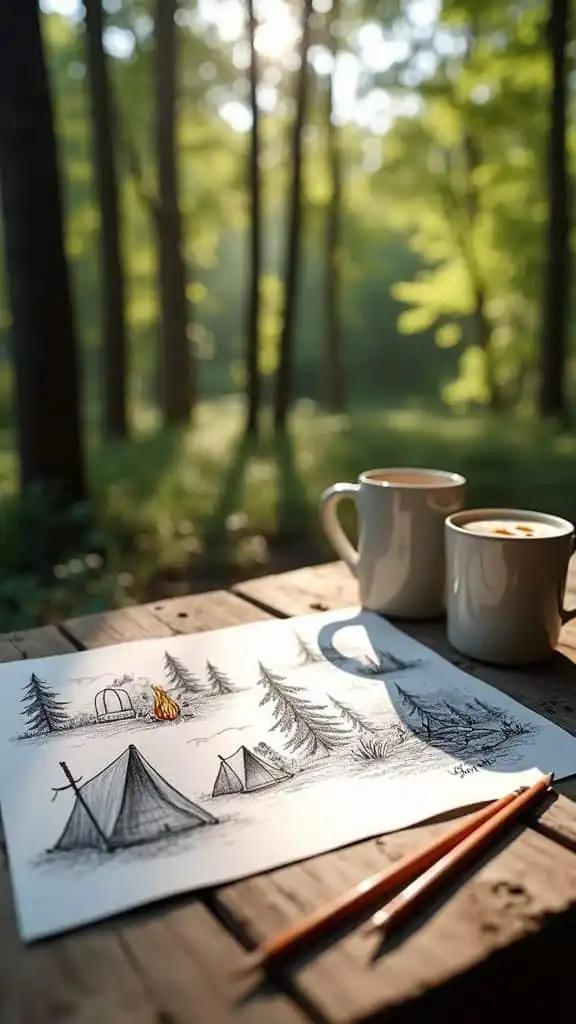
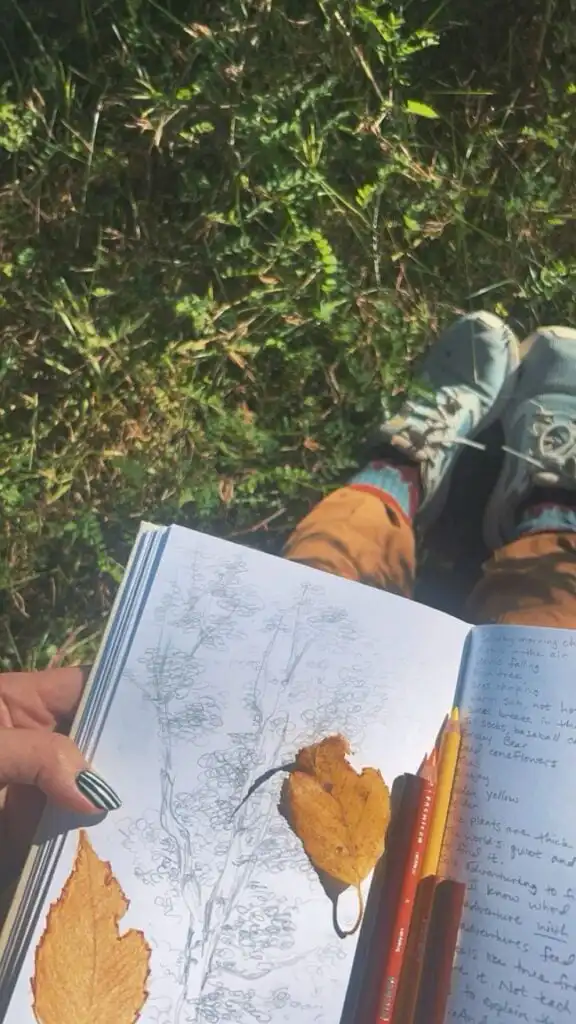
Drawing nature really sharpens observation skills. When I sketch a bird or flower, I spot tiny details about shape, color, or structure that I’d normally miss.
This whole thing takes the edge off stress and helps me relax. Sitting outside with a sketchbook slows me down and pulls my attention away from daily noise.
Some of my favorite benefits:
- Better at noticing and remembering details
- Improved hand-eye coordination
- Understanding natural forms and patterns
- Easy, portable creative outlet—just need a sketchbook
- Personal visual record of outdoor moments
The variety in nature keeps things interesting. There’s always something new to try—different shapes, textures, or lighting.
Inspiration and Observation
I find inspiration everywhere: backyard, parks, hiking trails. Even a potted plant can have weird shapes or shadows worth sketching.
Good nature drawing starts with slow, patient observation. Before picking up a pencil, I spend a minute just looking at my subject from different angles. I watch how light changes things and where shadows fall.
I usually keep a small sketchbook on me when I’m outside. That way, if something catches my eye—a funky leaf, a cool rock—I can do a quick study on the spot.
The seasons keep things fresh. Spring flowers, summer bugs, autumn leaves, bare winter branches—each one brings its own vibe and challenges to draw.
Essential Materials and Setup
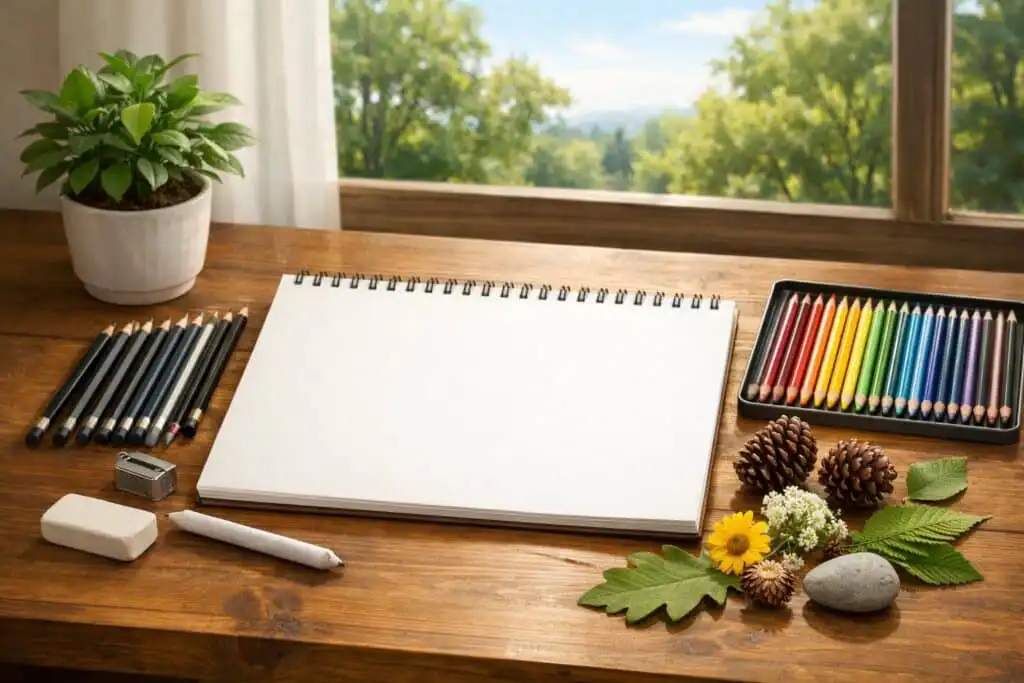
Having the right supplies and a comfy setup makes nature drawing way more fun. I like to keep things simple and stick to basic tools that work for beginners and pros alike.
Choosing Drawing Supplies
I’d start with a set of pencils, maybe 2H to 6B. The harder pencils (like 2H) are perfect for light sketches, while softer ones (4B-6B) give you those deep, dark shadows.
Pick a sketchbook with thick, acid-free paper; it stops lines from bleeding through and keeps your work looking sharp. I go for spiral-bound books—they lay flat and fit in my bag easily. Super practical for nature drawing tutorials.
You’ll want both a kneaded eraser (for gentle lifting) and a vinyl eraser (for stubborn marks). Toss in a pencil sharpener, some blending stumps, and maybe colored pencils or fine-tipped pens if you’re feeling fancy. A mini watercolor set works great for adding color to leaves or landscapes.
Selecting Reference Images
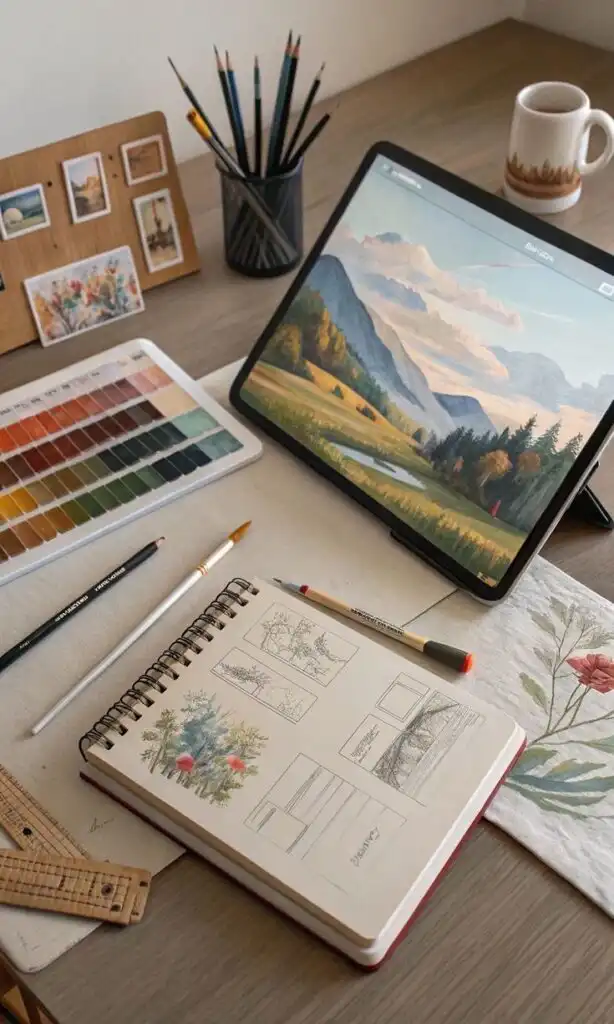
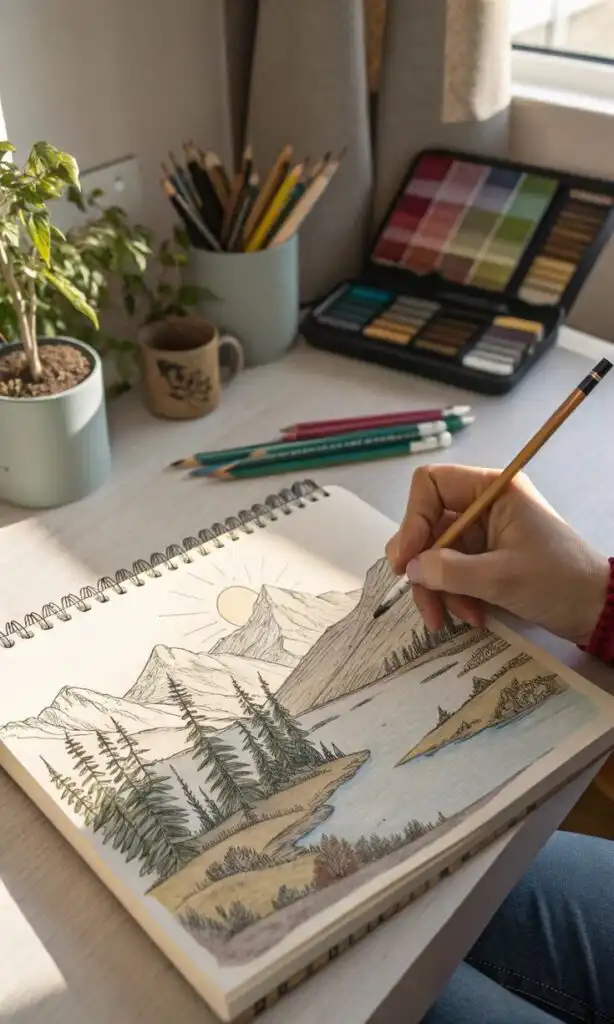
I use reference photos when I can’t get outside or want to study specific details. Good photos show off textures—think tree bark, leaf veins, animal fur.
Take your own photos during hikes or walks to build a personal library. I look for unusual plants, birds in weird poses, or landscapes with interesting shapes.
Free stock photo sites have a ton of nature drawing ideas—close-ups of flowers, forest scenes, wildlife. I prefer images with strong lighting and clear shadows.
Keep your references organized by subject on your phone or computer. Makes it way easier to find what you need when you sit down to draw.
Setting Up Your Workspace
I set up my drawing supplies within reach before starting. A sturdy desk or drawing board with good natural light helps me see details and keeps my eyes from getting tired.
If there’s no sunlight, I use an adjustable desk lamp and aim it so it doesn’t cast weird shadows on my paper. I set the light on the opposite side from my drawing hand—otherwise my hand gets in the way.
When I sketch outside, I bring a folding stool and a clipboard to keep my paper steady. I pack my stuff in a small bag with compartments so I’m not digging around for pencils or erasers.
For longer sessions, a comfy chair with back support makes a difference. I’ll tilt my paper a bit instead of laying it flat—it’s better for my neck and helps me see my drawing more clearly.
Step-by-Step Nature Drawing Process
Making a nature drawing feels less overwhelming when you break it into stages. I like to build my drawing in layers, starting with the basics and adding details as I go.
Planning Your Composition
Before drawing, I decide which natural elements I want—maybe a landscape with mountains and trees, a close-up of flowers, or a river scene.
I choose a focal point (like a big tree or a mountain peak) and usually place it a bit off-center using the rule of thirds. That always looks a little more interesting to me.
I figure out where the horizon line goes. If I put it higher, the ground gets more attention; lower, and the sky takes over. I sketch a light horizontal line to mark this before adding anything else.
Sketching Basic Shapes and Frames
I start by drawing a rectangle frame to keep my drawing contained. It helps with proportions and stops things from running off the edge.
Then I break down complicated stuff into simple shapes:
- Mountains: Triangles, big and small
- Trees: Circles or ovals for leaves, rectangles for trunks
- Rocks: Odd circles or rounded rectangles
- Clouds: Soft, puffy shapes
I keep my pencil strokes super light so I can erase or adjust easily. At this point, I’m just blocking things out—no details yet. I mark the ground line with a gentle horizontal stroke somewhere near the center or lower third of the frame.
Refining Elements and Details
Once the basic shapes are down, I start turning them into real things. For trees, I add branches coming off the trunk and sketch clusters of leaves or even individual ones for texture.
I give mountains more character by adding ridges, peaks, and slopes. Sometimes I use jagged lines, sometimes smooth—it depends on the vibe I want. For water, I add ripples or little reflection lines.
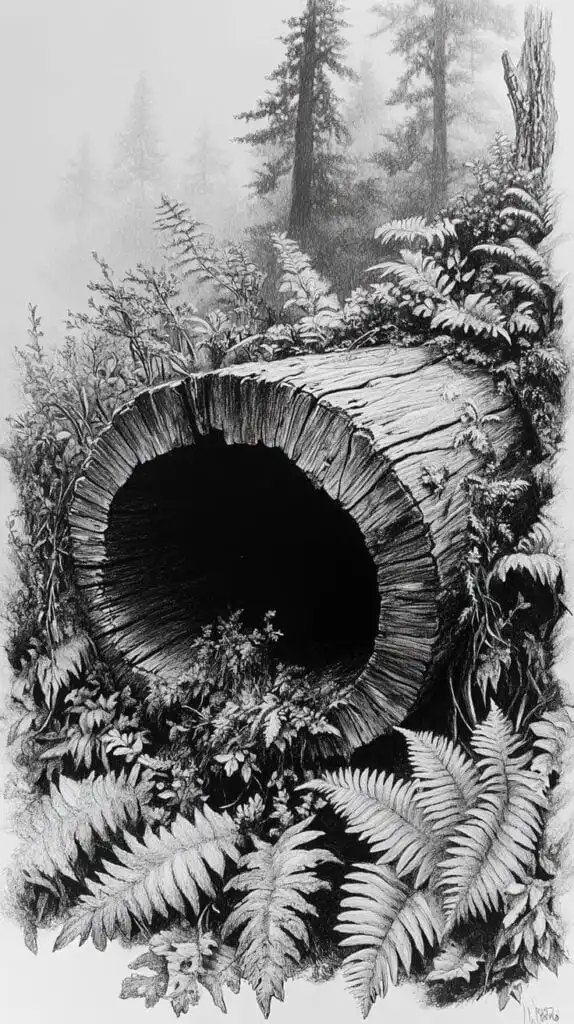
I might throw in smaller details, like flowers, blades of grass, or birds. Foreground stuff gets more detail to make it pop, while background elements stay simple and faded. That’s what creates depth.
Shading and Adding Texture
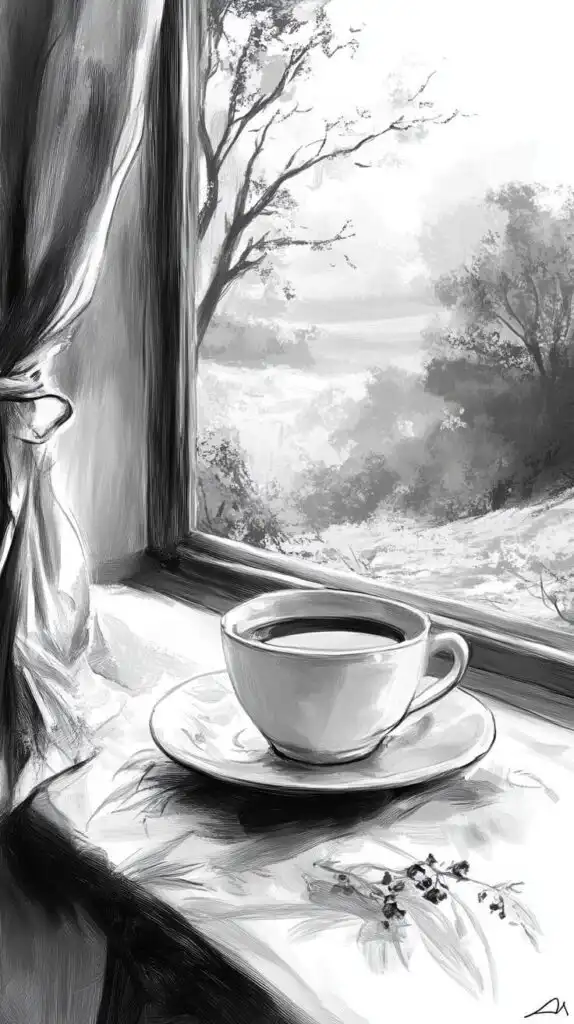
Shading brings flat shapes to life. I pick a light source direction, then darken areas facing away from it.
Different textures need different tricks:
| Natural Element | Shading Technique |
| Tree bark | Vertical lines, mix up the pressure |
| Grass | Short, upward strokes |
| Water | Horizontal lines, leave white gaps |
| Rocks | Cross-hatching in shadows |
| Clouds | Soft blending, go easy on the pressure |
I build up shading slowly with light layers—it’s easier to control. I save the deepest shadows for last, which really makes things stand out. For highlights, I leave spots white or use an eraser to lift out some graphite.
Drawing Key Elements of Nature
Trees need attention to trunks and leaf patterns. Mountains depend on getting slopes and shading right. Water features work best when you capture reflections and a sense of movement.
Drawing Trees and Foliage
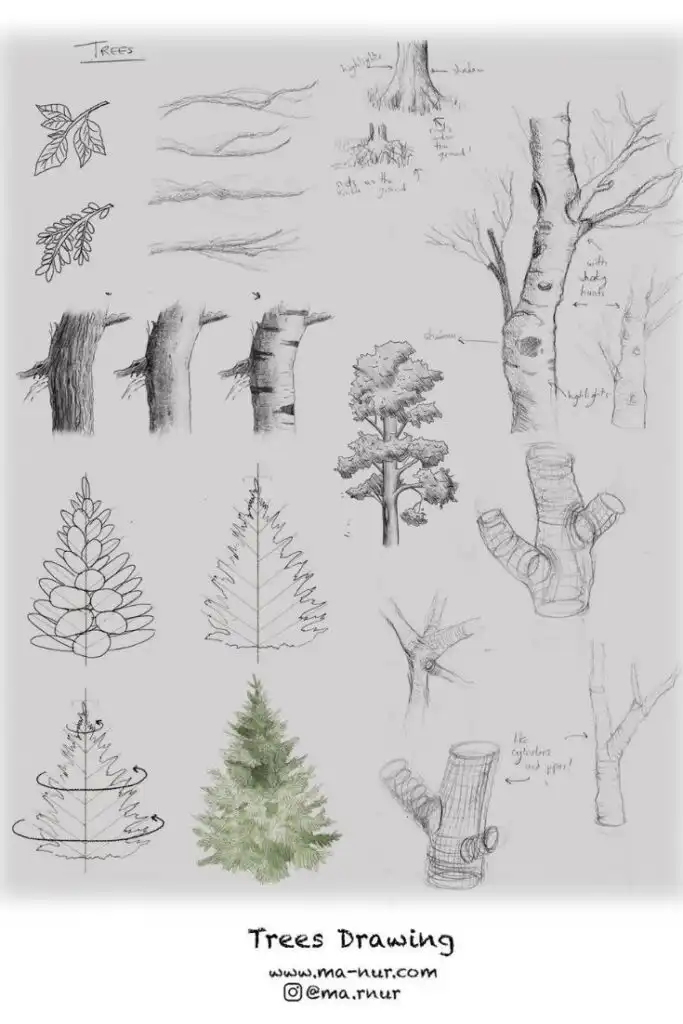
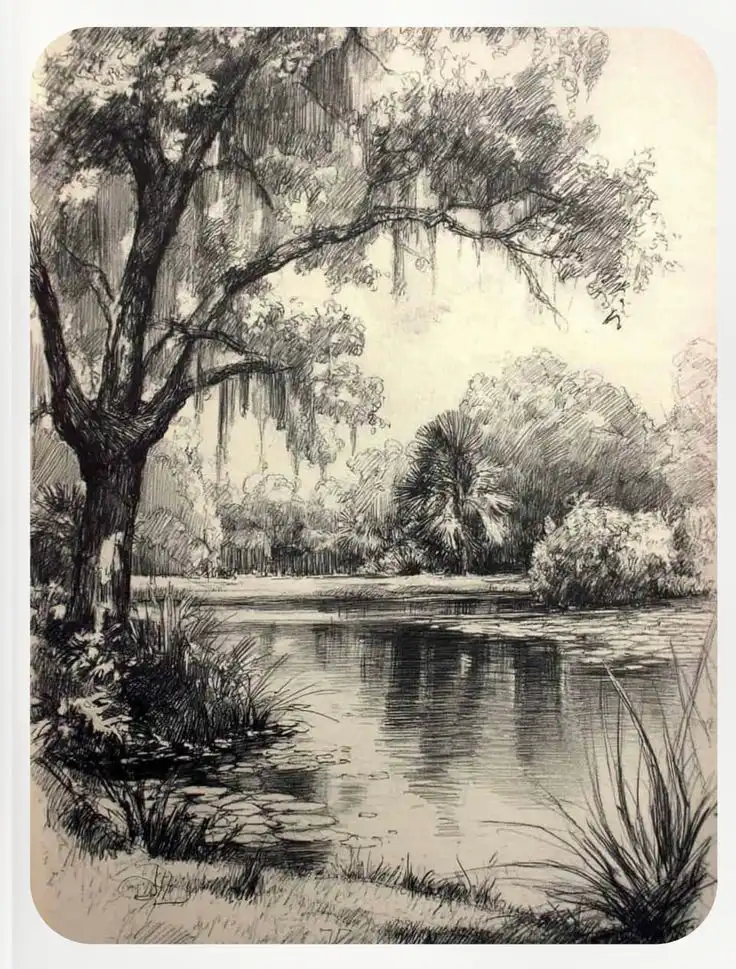
I usually start drawing trees by sketching out the trunk. It’s important to let the trunk taper as it rises, so it gets slimmer near the top branches.
Next, I add the main branches, letting them split off in a way that feels natural. Branches get thinner the farther they reach, and I try to mix up their thickness and lengths for a more organic look.
When it comes to foliage, I switch up my technique depending on the tree. Deciduous trees? I draw rounded, clustered leaf shapes, usually by scribbling ovals or circles around the branch tips.
For conifers, I go for more triangular shapes with sharp edges. That just feels right for those needle-like leaves.
I like to add texture to the trunk with vertical lines that curve along with it. These lines shouldn’t all be the same depth—mixing it up gives the bark a bit of life.
Adding darker shading to one side of the trunk helps it pop and gives it a sense of dimension, which I always appreciate.
Mountains, Hills, and Landscapes
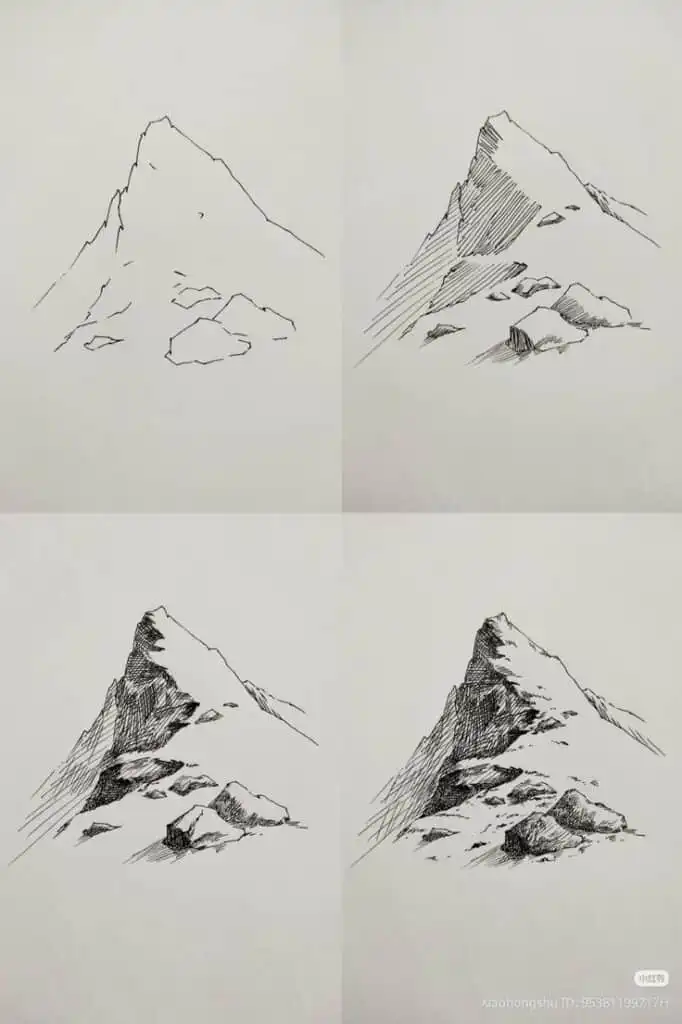
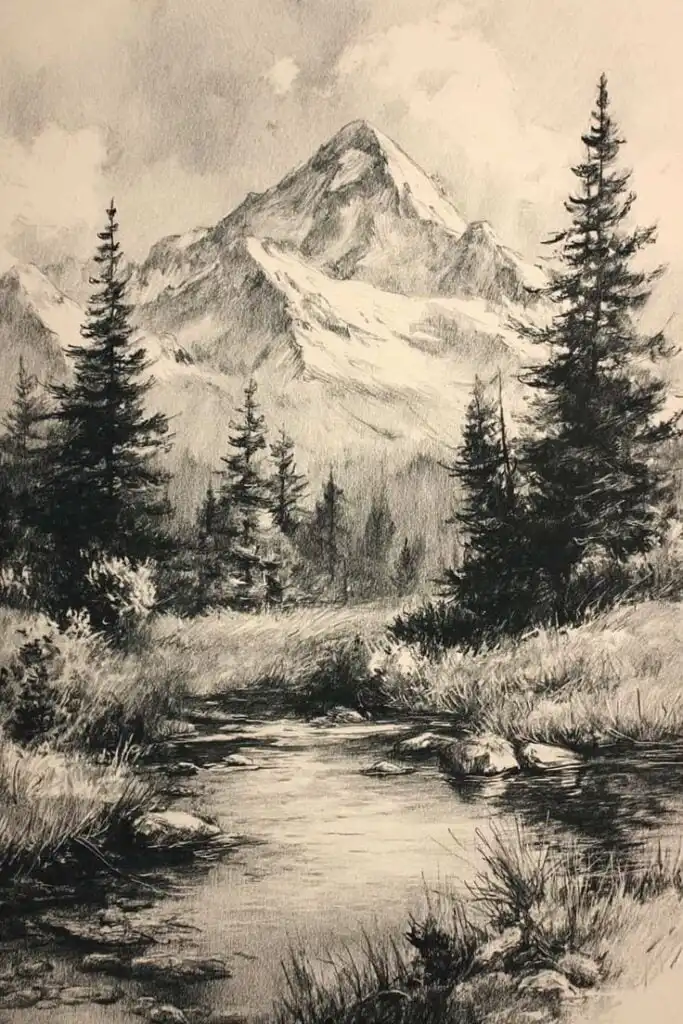
When I start drawing landscapes, I block in mountains with simple triangles. Sometimes the peaks are sharp, sometimes more rounded—it depends on the vibe I’m going for.
Key elements for realistic mountains:
- Mix up the peak heights
- Give the edges some irregularity—skip those perfect triangles
- Keep distant mountains lighter
- Use darker shading for slopes that are closer
- Use darker shading for slopes that are closer
I make distant mountains lighter and keep the details minimal. For hills in the foreground, I use more texture and deepen the shading.
Shading one side a bit more than the other helps show where the light’s coming from, which makes a big difference.
To suggest ridges and valleys, I draw diagonal lines that follow the mountain’s slope. These lines really help the landscape feel three-dimensional.
Water Features: Rivers, Lakes, and Ponds
For water, I start by sketching the shoreline. I keep it wavy and uneven—straight lines just don’t look natural.
Drawing a river, I let it get narrower as it winds away into the distance. That little trick adds depth.
I use horizontal lines across the water to show movement. For lakes or ponds, reflections are key. I mirror trees or mountains above the water but make the reflection a bit darker and blurrier.
Wavy lines work better than straight ones for reflections. I add ripples with small curved lines, tighter and closer together as they recede.
Highlights on the water—just a few light areas—show where the sun hits. That’s always satisfying to see come together.
Coloring and Finishing Touches
Color really brings a nature drawing to life. It’s amazing how much a few highlights or tweaks can transform a sketch into something you want to hang up.
Techniques for Coloring Nature Scenes
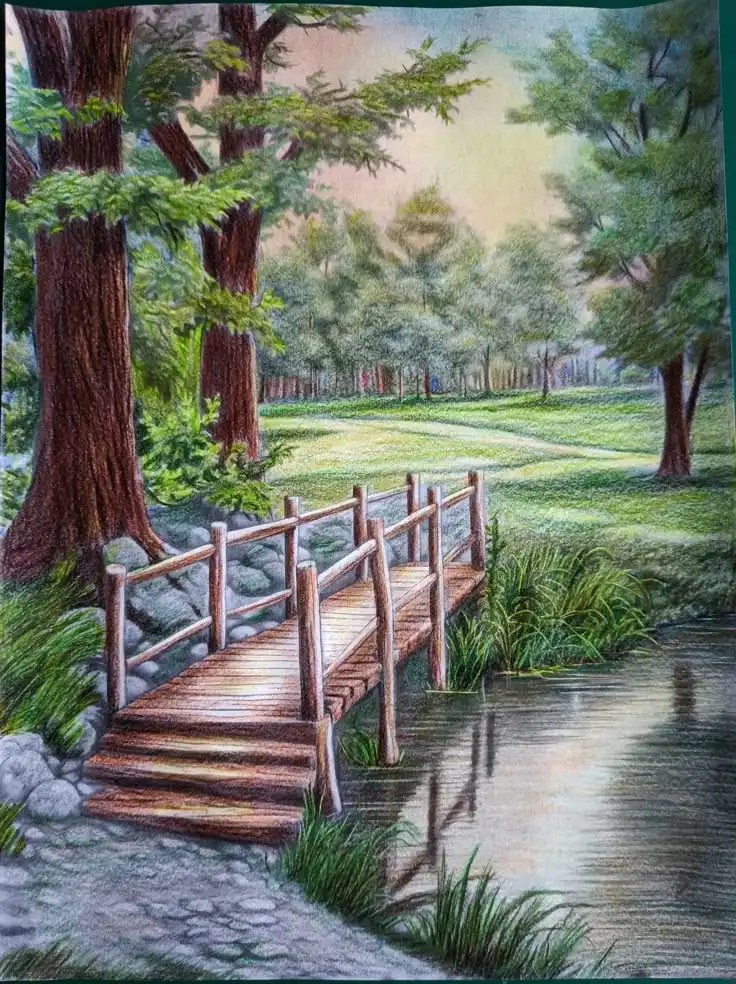
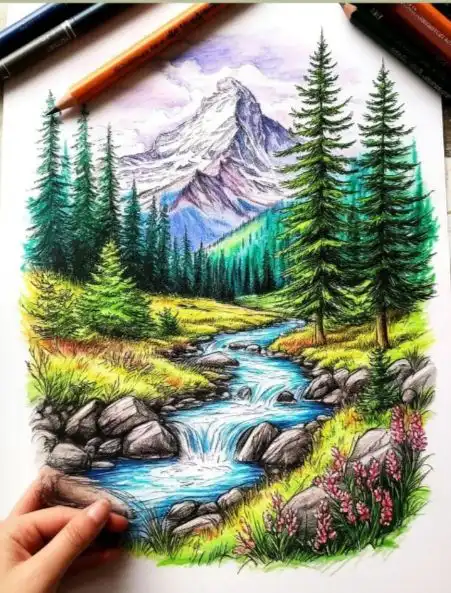
I love how oil pastels add rich color and blend smoothly, especially for skies and hills. I always start with lighter shades and layer darker ones on top. That keeps everything bright and avoids muddy colors.
For skies, I use circular blending motions for soft gradients. On water, I stick with horizontal strokes to hint at movement.
Colored pencils give me more control for details like tree bark or petals. I tend to layer a few shades for extra depth.
Some coloring tips I rely on:
- Start with a light touch and build up pressure for darker spots
- Keep background elements lighter and less saturated
- Use warm colors (reds, oranges, yellows) up front
- Stick to cool colors (blues, purples) for the background
- Blend with tissue or a blending stump for smooth transitions
Adding Final Details and Highlights
Once the colors are down, I step back and look for spots that need refining. It’s usually the little details that make a drawing really stand out.
I’ll use a white pencil or gel pen to add highlights where the light hits—on water, leaves, or the tops of petals. These tiny bright spots add a bit of sparkle.
Deepening the darkest shadows gives the drawing more contrast and energy. Sometimes I’ll tidy up the edges where tree branches overlap the sky.
I try to keep the light source consistent so the shadows all fall in the same direction. The last touches are usually tiny—maybe a bird in the sky, a few rocks, or some grass blades up front. It’s the fun part, honestly.
Creative Nature Drawing Ideas and Inspiration
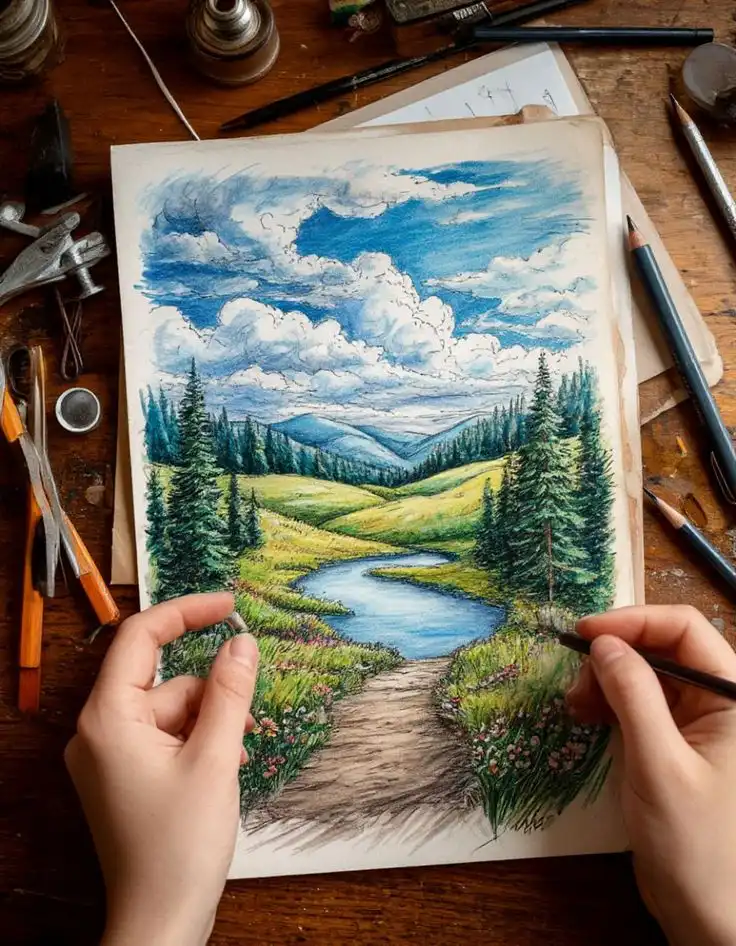
Starting with simple subjects feels less intimidating and helps me get comfortable before I try more complicated scenes. Both beginner and advanced projects have their charm, honestly.
Simple Nature Drawing Ideas
I always suggestdrawing flowers first—just basic shapes, bright colors, nothing too fancy. It’s a great way to learn without getting bogged down in detail.
Cacti are fun because their shapes are geometric and easy to capture. I like messing around with cute cactus designs—they’re playful and straightforward.
Drawing a single tree is another approachable option. Sometimes I’ll do a black and white version to focus on textures and branch patterns instead of color. It’s a good exercise for understanding form.
Butterflies with colored pencils are great for practicing vibrant colors and symmetry. Their wing patterns are fun and not as tough as they look.
Garden doodles are perfect for relaxing. I’ll sketch whimsical flowers, twisty vines, or little bugs—no pressure for realism, just whatever feels fun in the moment.
Challenging and Unique Nature Scenes
Mountain landscapes using line work really push my skills. I try to create depth by overlapping peaks and playing with line weights to hint at distance.
Cozy forest scenes in autumn? They demand attention to so many details. I layer trees, scatter fallen leaves, and chase the way light filters through branches to bring out the mood.
Sunset drawings always test my color blending. I work on smooth transitions between warm hues and toss in silhouettes for that extra punch of contrast.
Drawing realistic birds takes some real observation. I study feather patterns, check body proportions, and try to catch natural poses so the details feel right.
Pond scenes with reflections basically make me rethink water movement. I sketch lily pads, ripples, and mirrored images to capture those tranquil natural settings.
Wave drawings with a single, continuous line help me practice control and precision. I like seeing how much I can express with just a few strokes.
- 120shares
- Facebook0
- Pinterest120
- Twitter0
- Reddit0