Moving into your first apartment marks an exciting chapter, but staring at blank walls and empty rooms can feel overwhelming. You might wonder where to start, what to buy first, or how to make a rental space feel like your own without breaking the bank or violating your lease.
The key to decorating your first apartment is starting with a neutral foundation for major pieces, then layering in personal touches through accessories, textiles, and meaningful items that reflect who you are. This approach keeps your space flexible and budget-friendly while still creating a home that feels uniquely yours.
You don’t need an interior design degree or unlimited funds to transform your new place into a comfortable, stylish space. With some thoughtful planning and creative solutions for small spaces, you can build a home you’ll actually enjoy spending time in.
Key Takeaways
- Begin with neutral basics for furniture and add personality through affordable accents and decor
- Maximize your space by choosing multi-functional furniture and optimizing vertical storage
- Layer textiles, lighting, and personal items to create warmth and make your apartment feel complete
Setting the Foundation: Planning Your First Apartment Decor

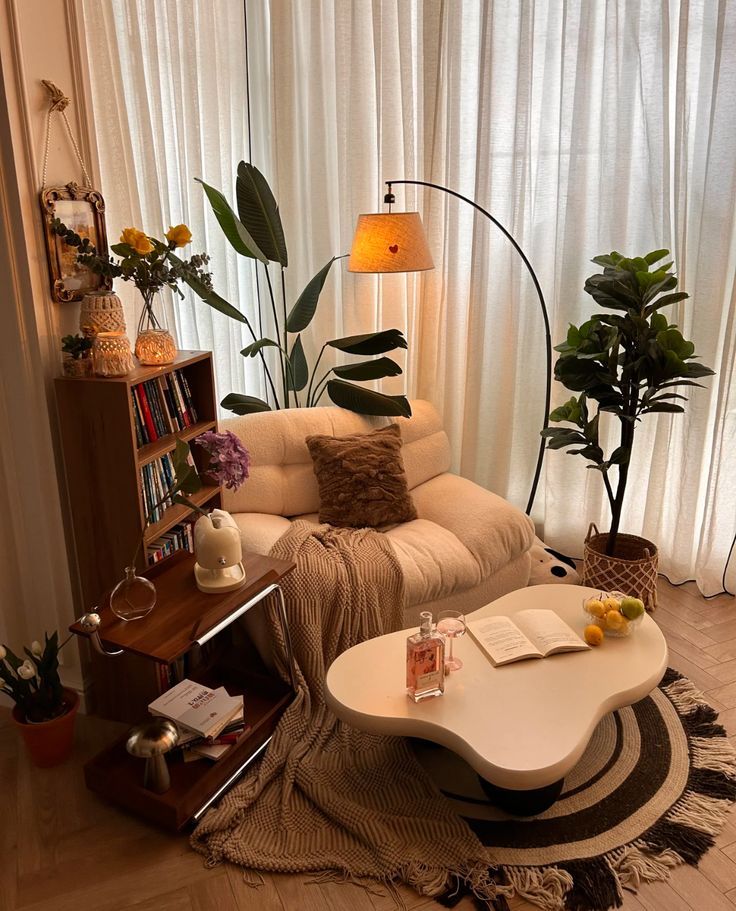
Planning your first apartment decor requires creating a clear vision, selecting a cohesive color scheme, setting realistic spending limits, and identifying which furniture pieces deserve your attention and budget first.
Defining Your Decorating Style
Before you buy anything for your first apartment, spend time figuring out what styles genuinely appeal to you. Browse home decor platforms, save images that resonate with you, and look for common threads in the colors, textures, and furniture shapes you’re drawn to.
Your decorating style should reflect how you actually live, not just what looks good in photos. If you work from home, you need functional workspace elements. If you love hosting friends, prioritize seating and entertaining areas.
Create a mood board with 10-15 images that capture your ideal aesthetic. You’ll likely notice patterns emerging—maybe you gravitate toward minimalist spaces with clean lines, or perhaps you prefer cozy, eclectic rooms with vintage touches.
Don’t feel pressured to commit to one rigid style label. Many successful first apartment decorating schemes blend elements from different aesthetics, like mixing modern furniture with bohemian textiles or combining industrial pieces with warm, natural materials.
Choosing a Color Palette and Neutral Base
Start with a neutral base for your largest furniture pieces and walls if you’re allowed to paint. Neutrals like white, beige, gray, or soft taupe create a versatile foundation that works with multiple apartment decorating ideas as your taste evolves.
Choose 2-3 accent colors to layer onto your neutral base through smaller items like throw pillows, artwork, and decorative objects. This approach lets you refresh your space affordably by swapping accessories rather than replacing major furniture pieces.
Recommended neutral tones for first apartments:
- Warm whites and creams
- Soft grays (avoid cool grays that can feel stark)
- Beige and sand tones
- Light wood finishes
Your accent colors should appear in roughly 20-30% of your space to create visual interest without overwhelming the room. Test paint samples and fabric swatches in your actual apartment lighting before committing, as colors shift dramatically between natural and artificial light.
Establishing a Budget
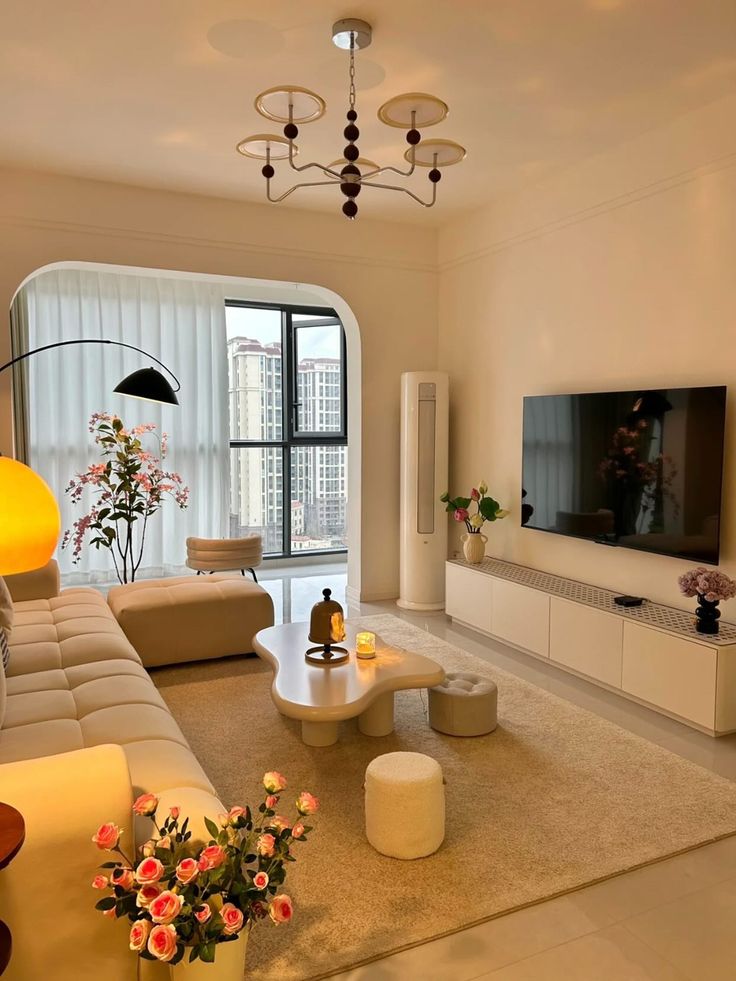
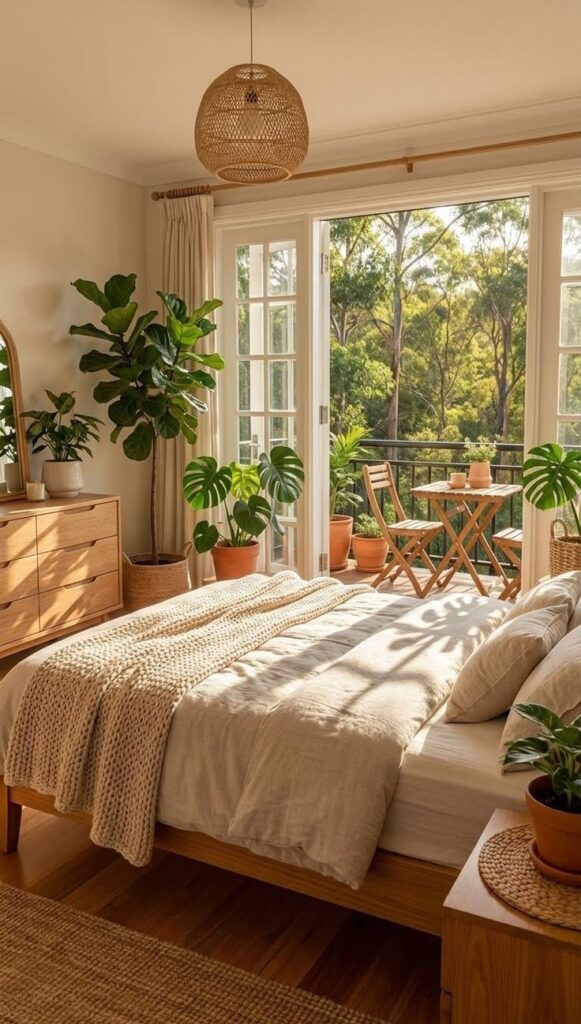
Set a realistic total budget for your first apartment decor before you start shopping. A common guideline allocates $3,000-5,000 for furnishing a one-bedroom apartment with new pieces, though you can absolutely spend less by mixing in secondhand finds.
Break your budget into categories based on room priority. Allocate more funds to spaces you’ll use daily, like your bedroom and living area, while keeping bathroom and kitchen decor minimal initially.
Sample budget breakdown for a $3,000 first apartment:
- Living room: $1,200 (sofa, coffee table, lighting)
- Bedroom: $1,000 (bed frame, mattress, nightstand)
- Dining area: $400 (small table and chairs)
- Decor and accessories: $300
- Storage solutions: $100
Track your spending in a spreadsheet or budgeting app as you shop. Leave 10-15% of your budget unallocated for unexpected needs or opportunities, like finding a perfect vintage piece at an estate sale.
Prioritizing Essential Pieces
Your first apartment needs functional furniture before decorative items. Start with pieces you’ll use every single day: a bed, seating for your living space, and a table for meals or work.
Must-have first purchases:
- Bed frame and quality mattress
- Sofa or comfortable seating
- Dining or multipurpose table
- Basic lighting (floor or table lamps)
- Storage solutions (bookshelf, dresser, or storage ottoman)
Buy the best quality you can afford for items that impact your comfort and health, particularly your mattress and seating. These pieces should last 5-10 years, making them worth the investment.
Hold off on purely decorative items like artwork, throw blankets, and tchotchkes until after you’ve lived in your space for a few weeks. You’ll better understand your apartment’s flow and needs once you’ve actually cooked, worked, and relaxed there.
Personalizing Your Space: Adding Character and Comfort
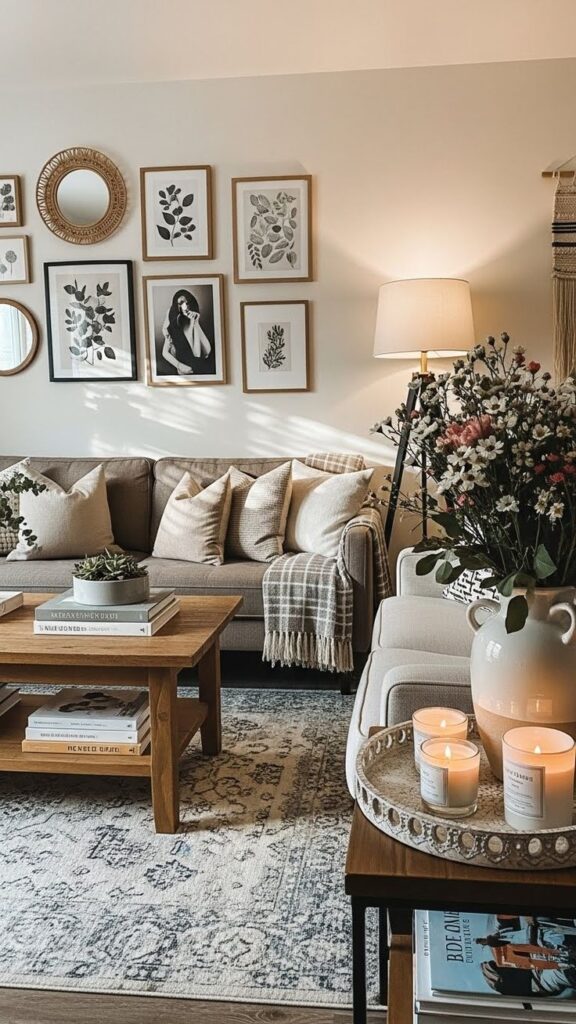
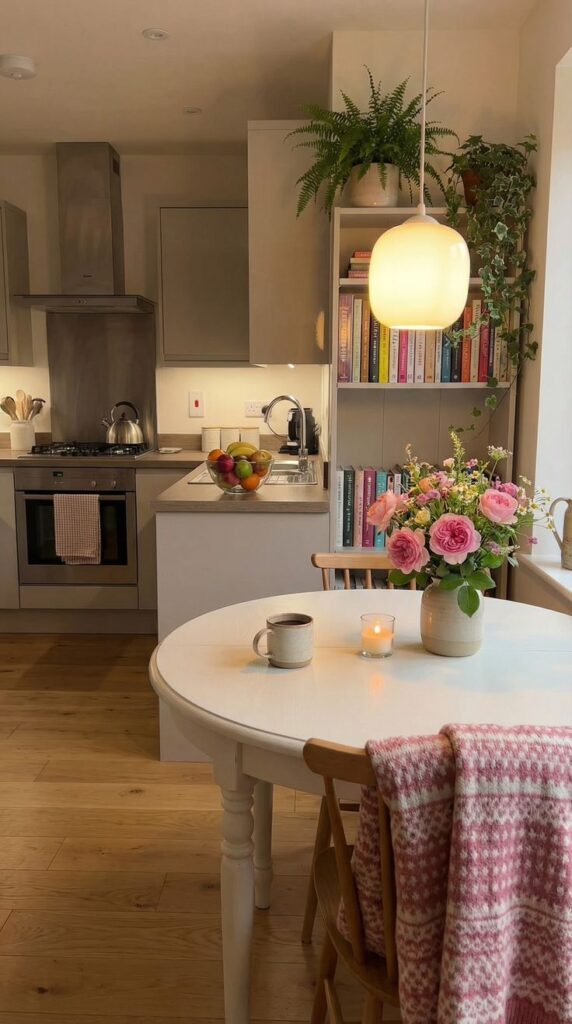
Your first apartment becomes a home when you fill it with meaningful items that tell your story. Displaying cherished memories, creating focal points on your walls, and choosing pieces that resonate with you transforms bland walls into spaces that reflect who you are.
Showcasing Photos and Travel Souvenirs
Photos from important moments in your life deserve prominent placement in your apartment. Print your favorite images in various sizes and display them on floating shelves, nightstands, or a dresser to create visual interest throughout your space.
Travel souvenirs add instant personality and serve as conversation starters. Place items like decorative plates from abroad on plate stands, hang textiles as wall art, or arrange small trinkets on open shelving. Group souvenirs by color or region to create cohesive displays that don’t look cluttered.
Consider mixing framed photos with three-dimensional objects. A shelf might hold framed pictures alongside a small sculpture you bought at a market or postcards propped against the wall. This layered approach creates depth and makes your space feel curated rather than generic.
Creating a Gallery Wall or Statement Wall
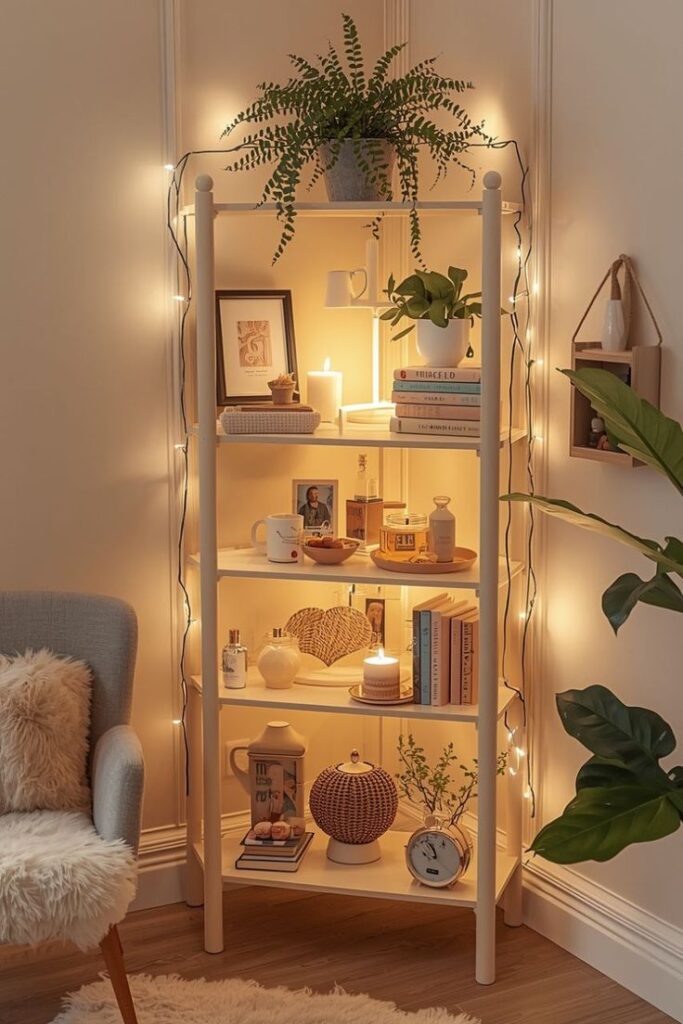
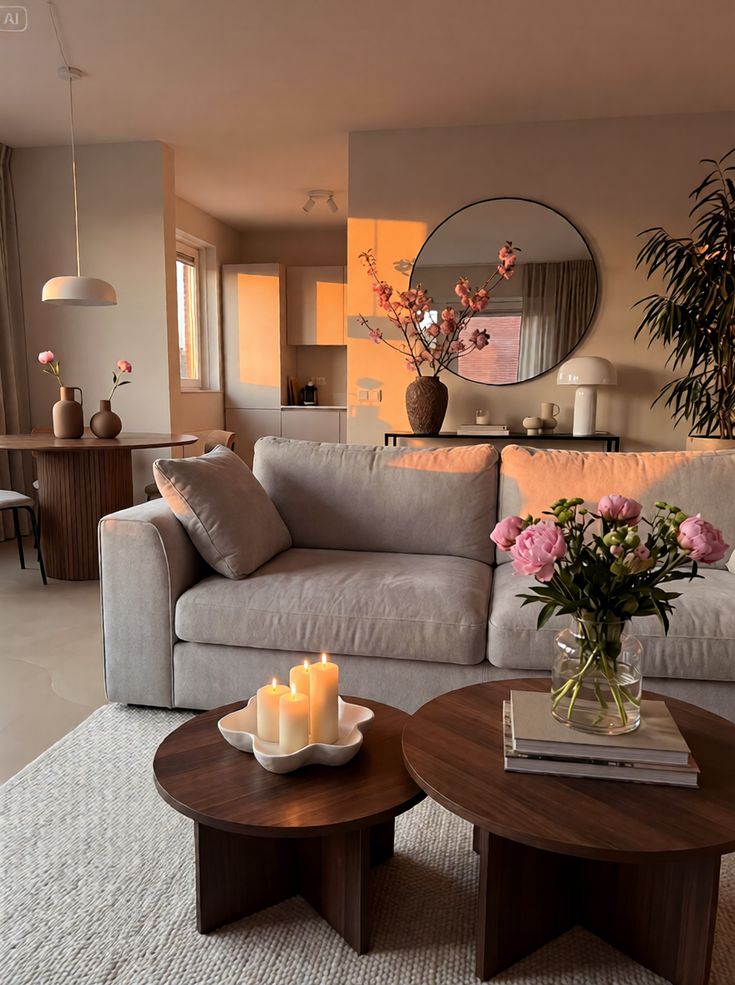
A gallery wall lets you display multiple pieces in an organized, visually appealing arrangement. Start by laying out your frames on the floor to experiment with different configurations before committing to nail holes. Mix frame sizes and orientations while keeping a consistent spacing of 2-3 inches between frames.
An accent wall provides impact without covering every surface. Paint one wall in a bold color or apply removable wallpaper to create a backdrop for your furniture. This approach works well in small apartments where covering all walls might feel overwhelming.
Use adhesive strips or picture-hanging strips to avoid damaging walls if you’re renting. These hold frames securely and remove cleanly when you move out, protecting your security deposit.
Selecting Artwork and Personal Touches
Artwork should speak to you personally rather than following trends. Choose prints, paintings, or photographs that evoke positive emotions or memories. You don’t need expensive pieces—affordable prints from independent artists or even your own photography work beautifully when properly framed.
Personal touches extend beyond walls. Add throw pillows in colors you love, display books you’ve actually read, or place plants you’ll care for. These details make your apartment feel lived-in and authentic.
Layer textures through rugs, curtains, and decorative objects to add visual warmth. A woven basket, ceramic vase, or knitted throw blanket introduces tactile variety that new apartments often lack. Choose items that serve both functional and decorative purposes to maximize your space.
Optimizing Walls, Windows, and Lighting
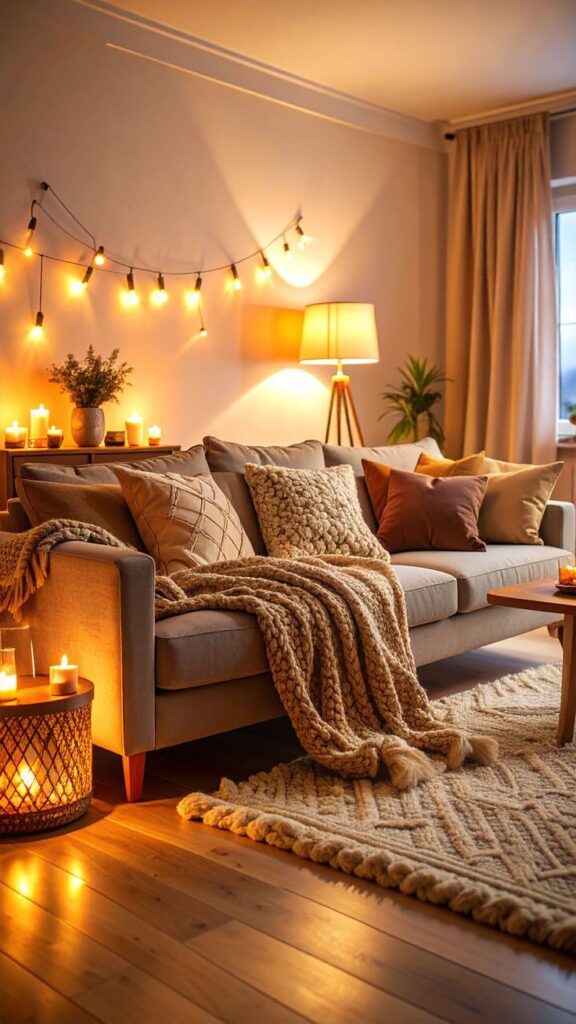

Transforming your apartment’s walls, windows, and lighting creates the foundation for a space that feels personalized and functional. These three elements work together to control how light moves through your rooms, how spacious areas appear, and how comfortable you feel in your new home.
Closets matter more in a first apartment than most people expect. If you have even a small spare nook, this guide to improve your wardrobe room shows how to keep clothes, shoes, and accessories from spilling back into the room.
Creative Wall Decor and Removable Wallpaper
Your walls offer the largest blank canvas in your apartment, but most leases restrict permanent changes. Removable wallpaper solves this problem by adding pattern, texture, and personality without damaging surfaces. You can apply it to accent walls, closet interiors, or even cabinet fronts, and it peels away cleanly when you move out.
Popular removable wallpaper options include:
- Peel-and-stick designs in geometric, floral, or textured patterns
- Temporary wall murals that create focal points
- Fabric or vinyl options that withstand humidity in bathrooms
Beyond wallpaper, you can hang artwork using command strips, create gallery walls with lightweight frames, or install floating shelves that attach without nails. Woven wall hangings, tapestries, and framed fabric add softness and absorb sound in echo-prone spaces. Light-colored walls and decor help rooms feel more open by reflecting natural light throughout the day.
Choosing Window Treatments and Sheer Curtains
Window treatments control privacy, light levels, and temperature while adding visual interest to your rooms. Sheer curtains filter harsh sunlight while maintaining brightness, making them ideal for living areas where you want both illumination and soft ambiance during daylight hours.
Layering sheer curtains with heavier drapes gives you flexibility throughout the day. Mount curtain rods closer to the ceiling and extend them beyond window frames to make windows appear larger and ceilings higher. Tension rods work well in rentals since they require no drilling.
For maximum natural light, choose white or cream sheers that won’t block sunlight. Blackout curtains help bedrooms stay dark for better sleep, while thermal options reduce energy costs by insulating against heat and cold.
Layering Ambient and Task Lighting
Relying solely on overhead fixtures creates harsh shadows and unflattering light. Ambient lighting provides overall illumination through ceiling fixtures, while task lighting targets specific activities like reading, cooking, or working at your desk.
Essential lighting layers for apartments:
| Lighting Type | Purpose | Examples |
|---|---|---|
| Ambient | General room illumination | Ceiling fixtures, torchiere lamps, string lights |
| Task | Focused work areas | Desk lamps, under-cabinet lights, reading lamps |
| Accent | Decorative highlights | LED strips, picture lights, candles |
String lights add warmth without taking floor space, working well above beds, around windows, or along shelves. Position mirrors across from windows or lamps to bounce light and make rooms feel twice as large. Table and floor lamps with warm bulbs (2700-3000K) create inviting atmospheres in the evening when natural light fades.
Furnishing for Function and Style in Small Spaces
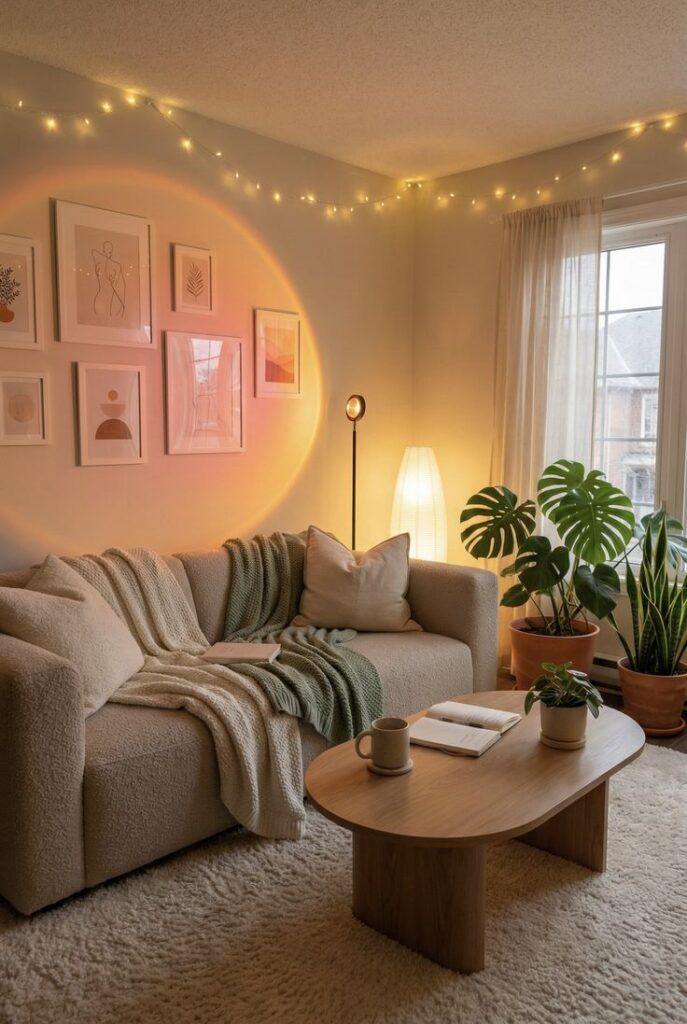
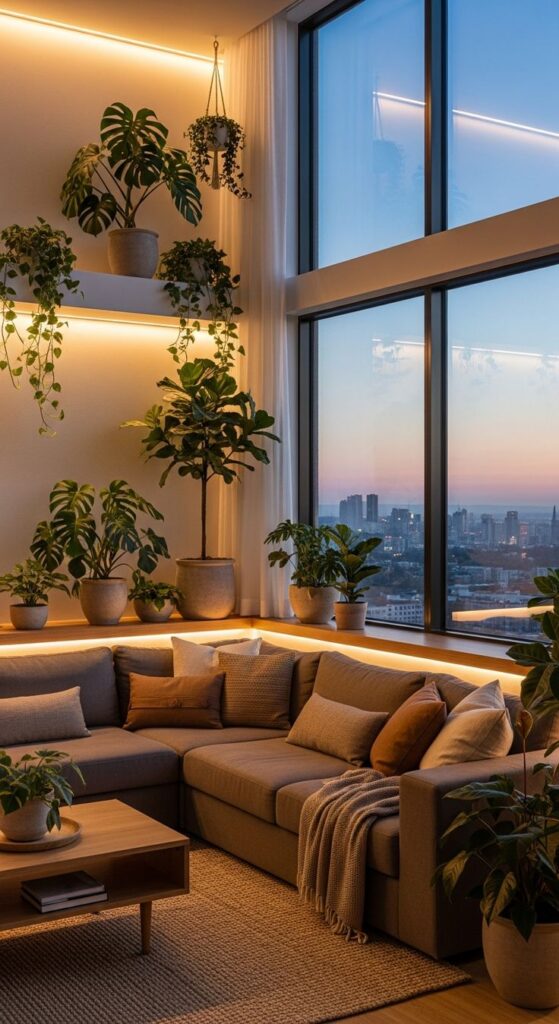
Multi-functional furniture pieces and smart layout choices help you maximize every square foot while maintaining a stylish living environment. Strategic furniture selection allows your first apartment to feel spacious and comfortable without sacrificing your personal aesthetic.
Investing in Multi-Functional Furniture
A sofa bed transforms your living room into guest accommodations when needed, eliminating the need for a separate guest bedroom. Look for models with built-in storage compartments underneath the seating area to store extra bedding, seasonal items, or books.
Room dividers serve dual purposes by creating distinct zones in studio apartments while providing additional storage or display space. Open shelving units work particularly well as dividers since they separate areas without blocking natural light flow.
Floating shelves mounted at varying heights add storage and visual interest to bare walls without consuming floor space. You can arrange them above your desk, sofa, or bed to hold plants, books, and decorative items that reflect your personality.
Choosing a Dining Table and Seating
Drop-leaf or expandable dining tables adapt to your needs, staying compact for daily use and extending when you host dinner parties. A table that seats two comfortably but expands to accommodate four or six guests provides flexibility without permanently occupying extra space.
Wall-mounted fold-down tables offer another space-saving solution for extremely tight spaces. These mount flush against the wall when not in use and fold down for meals or work sessions.
Select dining chairs that stack or fold for easy storage when you need additional floor space. Alternatively, choose benches that slide completely under your table or models with built-in storage compartments beneath the seats.
Incorporating Storage Ottomans and Accent Chairs
Storage ottomans function as footrests, extra seating, coffee tables, and hidden storage containers all at once. Place one in your living area to store throws, magazines, or electronic accessories while providing a surface for serving drinks or resting your feet.
Accent chairs with slim profiles add seating capacity without overwhelming your space visually. Choose designs with exposed legs rather than skirted bases to maintain an open, airy feeling in your rooms.
Position an accent chair near a window with a small side table to create a reading nook that doesn’t require dedicated square footage. This arrangement adds functionality to underutilized corners while establishing cozy zones within your apartment.
Textiles and Layers: Creating a Cozy Atmosphere
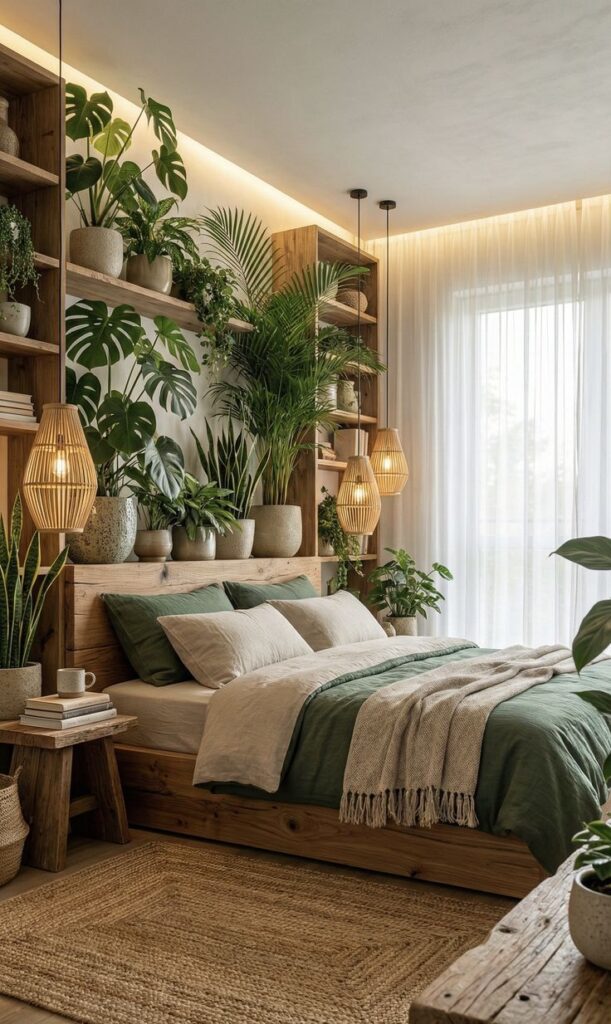
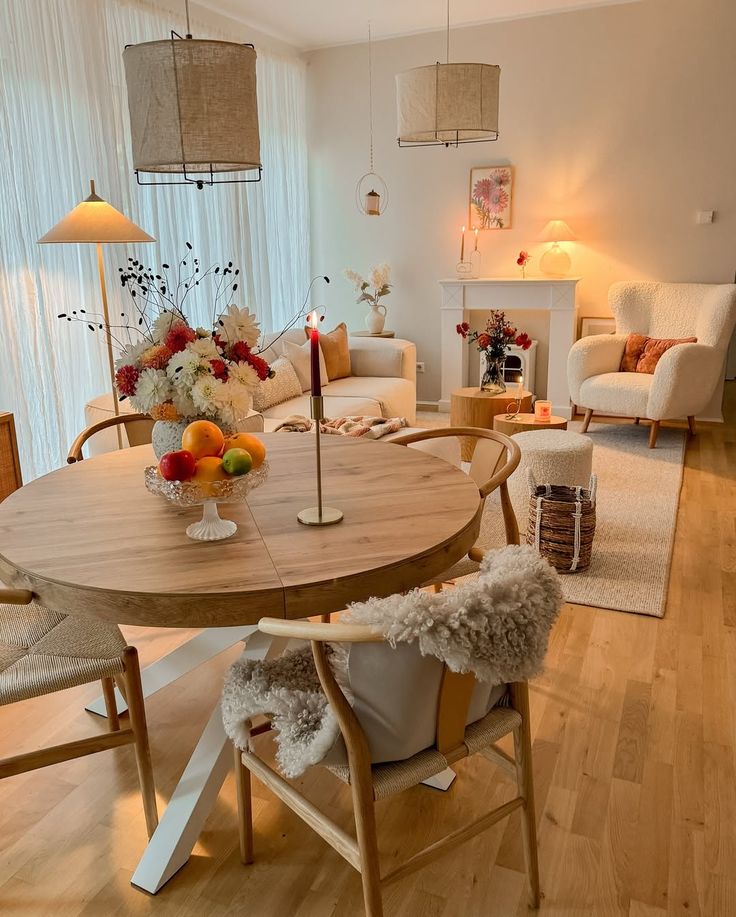
Layering textiles transforms a sparse apartment into a warm, inviting home by adding visual depth and physical comfort through rugs, pillows, and blankets. These soft elements work together to define spaces, absorb sound, and create the cozy atmosphere that makes your first apartment feel truly yours.
Using Area Rugs and Layered Textiles
Area rugs anchor your furniture and add warmth to cold floors, especially important in apartments with tile or hardwood. A 5×7 rug works well under a small living room setup, while an 8×10 fits larger spaces with all furniture legs on the rug.
You can layer rugs for added texture and visual interest. Place a smaller patterned rug over a larger neutral one to create dimension without committing to one bold piece. This technique works particularly well in studio apartments where you need to define different zones.
Natural fiber rugs like jute or sisal provide texture and durability as base layers. Top them with softer materials like wool or cotton for comfort underfoot. The contrast between rough and smooth textures adds depth that makes rooms feel more designed and intentional.
Choose rugs that are easy to clean and maintain, since apartments typically see more wear in concentrated areas. Machine-washable options or outdoor rugs rated for indoor use offer practical solutions for high-traffic zones near entryways.
Finishing Touches: Greenery and Kitchen Essentials
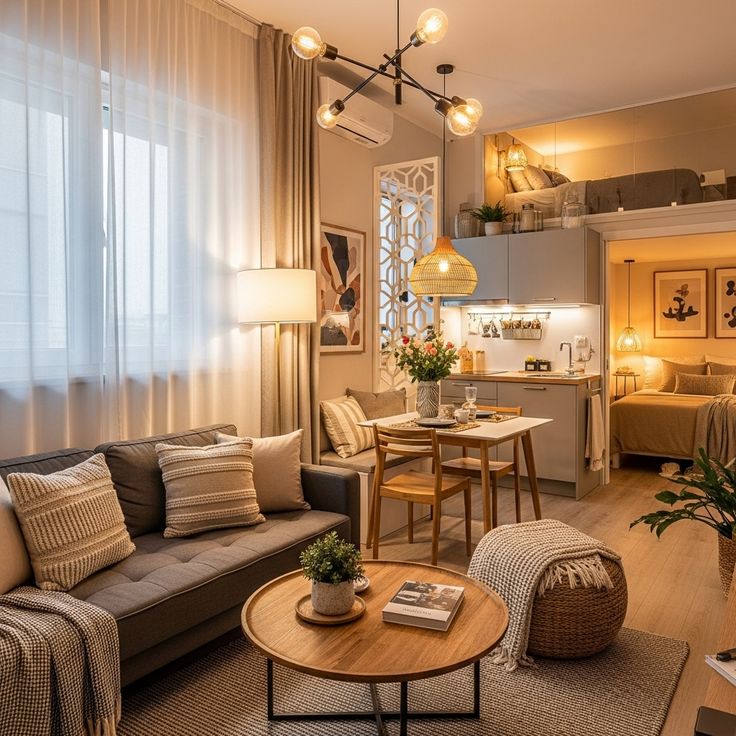
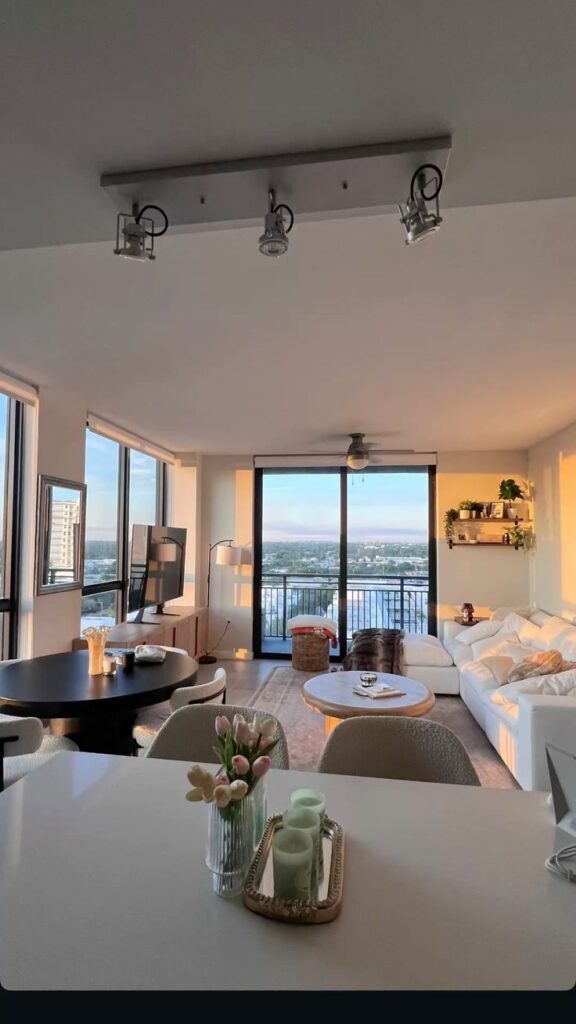
Plants bring life and color to your space while kitchen essentials ensure you can actually live comfortably in your new home. These final additions transform an empty apartment into a functional, inviting environment.
Incorporating Plants and Succulents
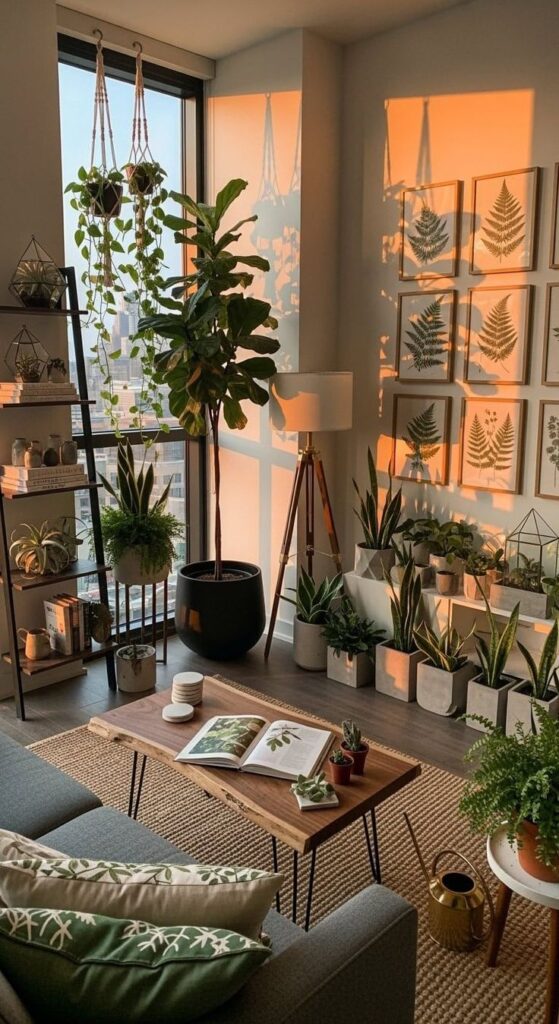
Plants add a fresh, lived-in feel to your first apartment without breaking your budget. Succulents are ideal starters because they need minimal water and thrive in various light conditions. You can place them on windowsills, shelves, or coffee tables in small pots that match your decor style.
Low-maintenance plants work best when you’re adjusting to apartment life. Start with 2-3 plants in different rooms to see how they fit your routine. Succulents come in dozens of varieties, from jade plants to echeveria, giving you plenty of options to match your aesthetic.
Group smaller succulents together on a decorative tray for visual impact. This creates an intentional display rather than random placement. Choose ceramic or terracotta pots with drainage holes to prevent overwatering, which is the most common mistake new plant owners make.
Displaying Snake Plant and Pothos
Snake plants tolerate low light and irregular watering, making them perfect for busy first-time renters. Place yours in a corner of your bedroom or living room where it can grow vertically without taking up floor space. These plants also filter air, which is beneficial in smaller apartment spaces.
Pothos vines create beautiful cascading displays from shelves or hanging planters. The trailing leaves soften hard edges in your apartment and add visual interest at different heights. You can drape them across bookcases or let them hang near windows where they’ll grow quickly.
Both plants propagate easily in water, so you can create new plants from cuttings. This lets you expand your plant collection without spending more money. Rotate your plants occasionally to ensure even growth on all sides.
Equipping Your Space with Kitchen Essentials
Your kitchen needs practical items before decorative ones. Start with basic cookware: one large pot, one medium saucepan, and a nonstick skillet. Add a cutting board, chef’s knife, wooden spoon, and spatula as your core utensils.
Stock your drawers with measuring cups, a can opener, mixing bowls, and a colander. You’ll use these items regularly for meal prep and cooking. Don’t buy specialized gadgets until you know your cooking habits.
Essential dishware includes:
- 4-6 dinner plates and bowls
- Drinking glasses and mugs
- Basic silverware set
- Storage containers for leftovers
Keep cleaning supplies under your sink: dish soap, sponges, all-purpose cleaner, and trash bags. Add dish towels and oven mitts near your stove for easy access. These functional items ensure your kitchen works efficiently from day one.
What is the best approach to decorating a first apartment on a budget?
Start with neutral furniture and walls, then add personality through affordable accessories, textiles, and meaningful items, creating a flexible and budget-friendly space.
How do I define my decorating style for my first apartment?
Browse decor platforms, create a mood board with 10-15 images, and identify patterns in colors and shapes you like, blending different aesthetics to reflect your personality and needs.
What should I prioritize when setting a budget for my first apartment?
Allocate funds to essential furniture like a bed, sofa, and dining table, especially items impacting comfort and health, while planning for decorations and small items within your overall budget.
How can I make my small apartment feel more spacious and cozy?
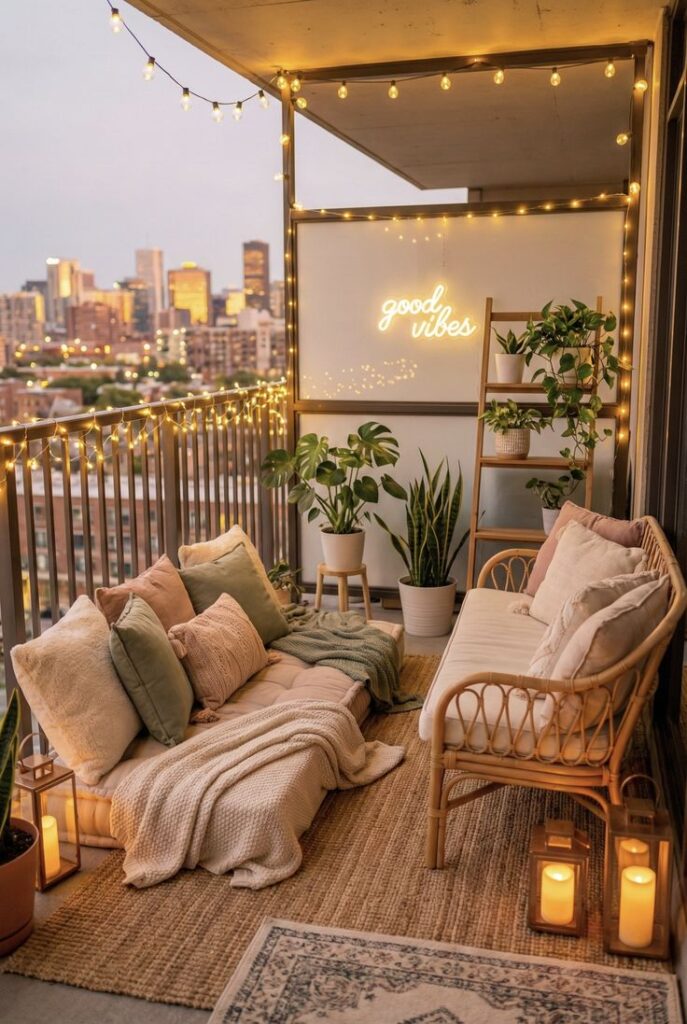
When decorating your first home, don’t ignore the outdoors. Use simple balcony decorating ideas to turn it into a personal retreat.
Use multi-functional furniture, layer textiles, incorporate mirrors to bounce light, and define spaces with rugs and strategic lighting, creating a warm, organized environment.
What are some simple ways to personalize my first apartment?
Display photos and travel souvenirs, create gallery or statement walls, add artwork that evokes positive emotions, and include plants for a lively, authentic atmosphere.
- 4.6Kshares
- Facebook0
- Pinterest4.6K
- Twitter3
- Reddit0