Creating DIY Christmas cards is an easy and thoughtful way to show loved ones you care during the holiday season. They add a personal touch that store-bought cards often lack. DIY cards can be simple or creative, using materials such as paper, ribbon, stamps, and even paint, making them suitable for all ages and skill levels.
For another hands-on project, see DIY Cards: Creative Ideas for Handmade Greeting Cards.
Many enjoy crafting these cards because they bring fun and joy to the holiday season. Kids and adults alike can create designs like snowmen, trees, or reindeer. These handmade cards often become keepsakes that friends and family appreciate more than a regular card.
By making Christmas cards at home, people can save money while adding their unique style. Easy ideas using glitter, tape, or buttons make card-making fast and enjoyable, even for those who don’t craft much. This makes DIY cards a great way to share holiday cheer with everyone on the list.
Why Make DIY Christmas Cards
Making Christmas cards by hand lets people share more than just holiday wishes. It offers a chance to add personality, save money, and create something that stands out to the people who receive them.
Personal Touch and Creativity
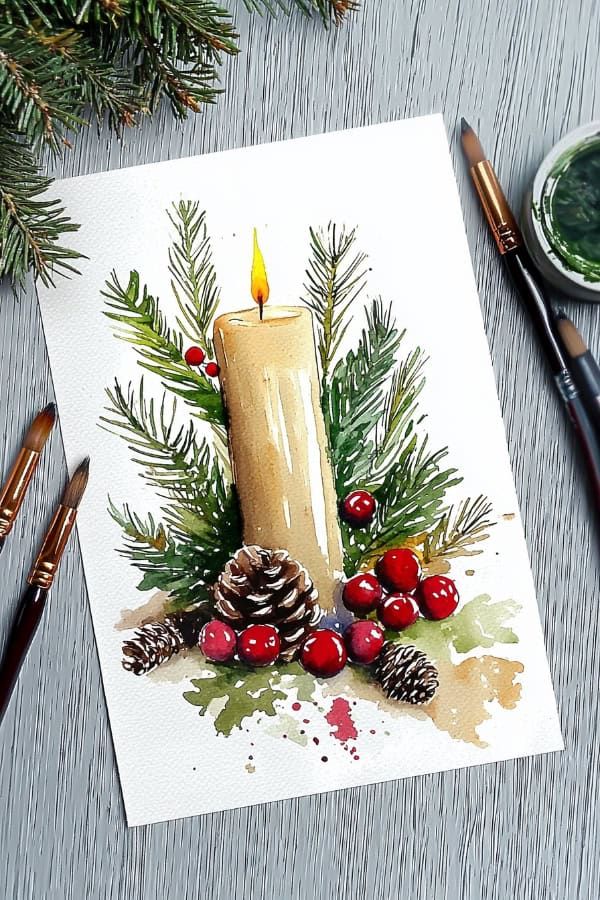
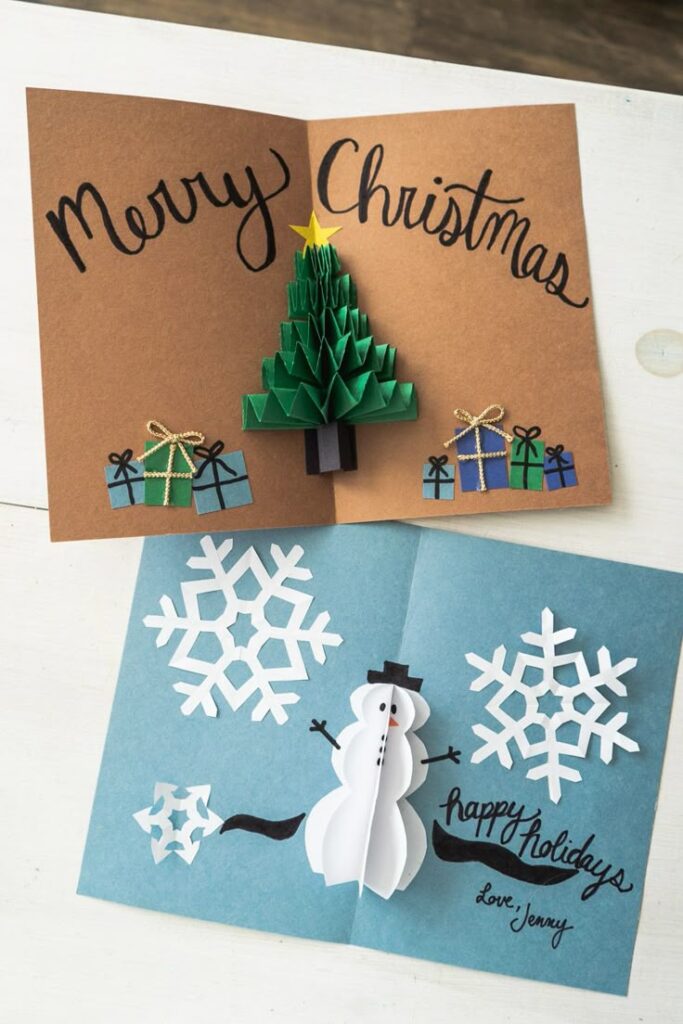
DIY Christmas cards show a unique style and effort. When someone makes a card, they choose colors, designs, and messages that fit the person getting it. This shows thoughtfulness that store-bought cards often lack.
Creativity comes into play with materials like ribbons, glitter, or cut-out shapes. It can be as simple as drawing a picture or as detailed as layering paper and decorations. This personal touch makes each card a keepsake.
Crafting also encourages experimenting with ideas. It allows for fun and freedom to try new techniques. Many people enjoy the process as much as the final card itself.
Cost-Effective Gifting
Homemade cards save money. Buying cards for many people can add up fast. Using simple supplies like paper, markers, and glue keeps costs low.
Even adding small decorations bought in bulk can create beautiful results without spending much. Many DIY projects recycle materials, which helps reduce waste and expense.
People can also make several cards at once. This batch making helps manage time and materials efficiently. The savings make homemade cards a smart choice for families and groups.
Memorable for Recipients
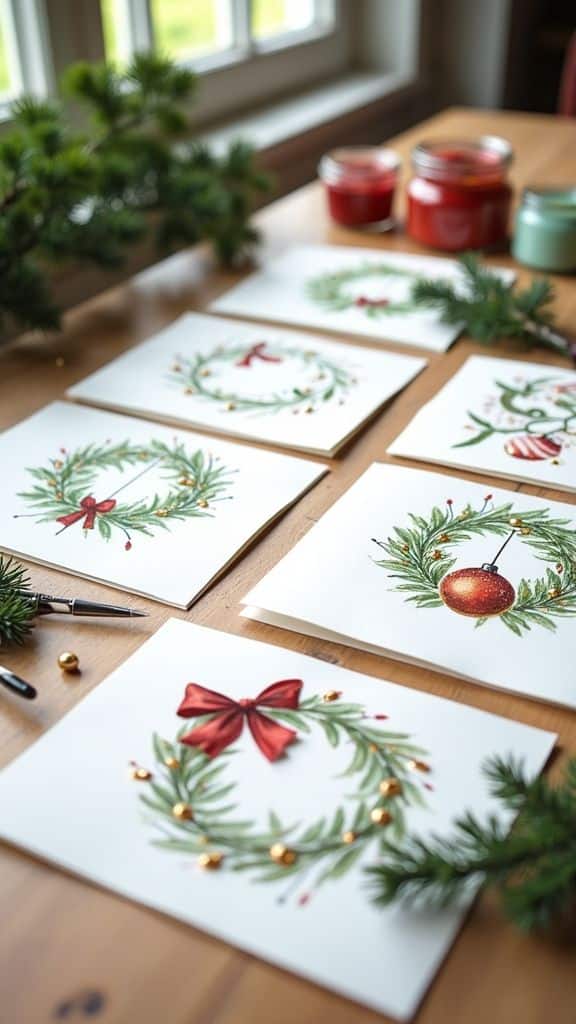

Receiving a handmade card feels special. People often keep these cards longer because they show effort and care.
Store cards can feel generic, but a DIY card stands out in the pile of mail. It can spark joy and appreciation during the busy holiday season.
Handwritten notes also add warmth. Recipients notice the time taken to create something distinct, which deepens personal connections during the holidays.
Essential Materials for Homemade Christmas Cards
Creating a great Christmas card starts with picking the right materials. Choosing sturdy paper, pretty decorations, strong glue, and sharp tools helps make the card look neat and last longer. These supplies also make crafting easier and more fun.
Paper Types and Cardstock
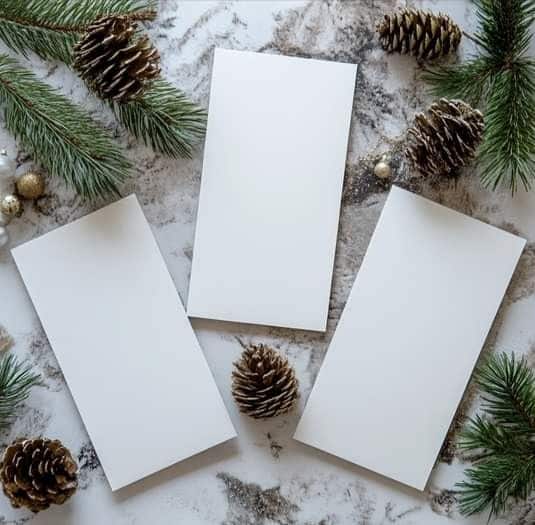

The paper is the base of the card, so it needs to be thick enough to hold decorations and stand up on its own. Cardstock with a weight of around 80-100 lb (216-270 gsm) works well. It is sturdy yet easy to fold and cut.
Matte cardstock is good for drawing or painting on, while glossy paper adds a shiny finish. Some crafters prefer textured cardstock for a more fancy feel. Colored or patterned cardstock can add extra interest without needing much decoration.
Envelopes should also be chosen to fit the card size and weight. Picking a smooth, good-quality envelope protects the card when sending it by mail.
Decorative Elements
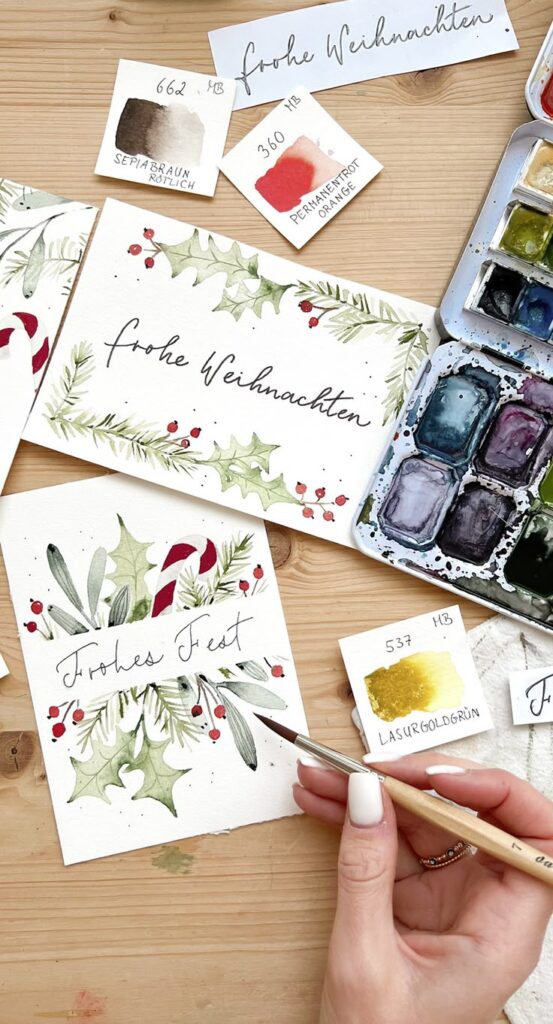

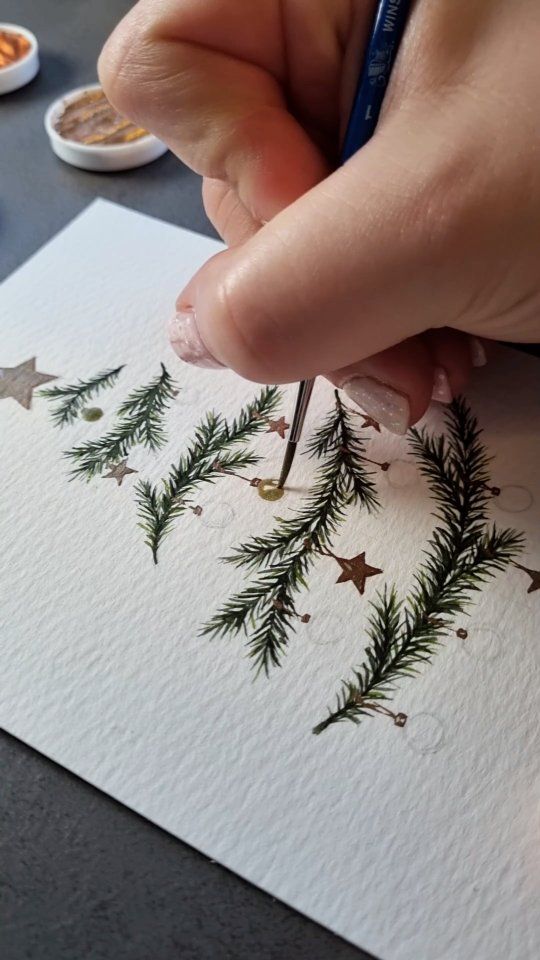
Decorations make each card unique and special. Popular choices include:
- Glitter for sparkle
- Ribbon or twine for texture
- Stickers or die-cuts with holiday shapes
- Buttons or small charms
- Colored markers or paints
Using simple decorations like washi tape with patterns can create quick and modern designs. Careful layering of paper shapes or using decoupage can add depth to the card.
It’s important to keep decorations balanced so the card doesn’t get too heavy or bulky to mail.
Glue and Adhesives
Choosing the right glue keeps decorations secure without ruining the paper.
- Glue sticks are user-friendly and clean, great for paper-to-paper attaching.
- Liquid craft glue works well for heavier items like ribbon or buttons, but should be applied carefully to avoid wrinkles.
- Double-sided tape offers a mess-free way to attach flat embellishments.
- Glue dots provide strong holding for 3D items and are easy to control.
Using the right adhesive prevents decorations from falling off or the card from warping over time.
Cutting and Craft Tools
Sharp and accurate cutting tools save time and make a card look polished.
Basic tools include:
- Scissors for general cutting
- A craft knife for fine, detailed cuts
- A metal ruler to guide straight edges
- A cutting mat to protect surfaces
Other handy tools are a bone folder to create crisp folds and hole punches for adding tags or ribbons. Having these tools ready helps the cardmaker work faster and with better results.
Step-by-Step Guide to Designing DIY Christmas Cards
Designing a DIY Christmas card involves choosing a clear layout, creating simple drawings or sketches, and adding personal messages. It’s best to think through each step carefully to make the card look neat and festive. Planning, drawing, and writing work together to create a card that feels special and fits the holiday spirit.
Planning Your Card Layout
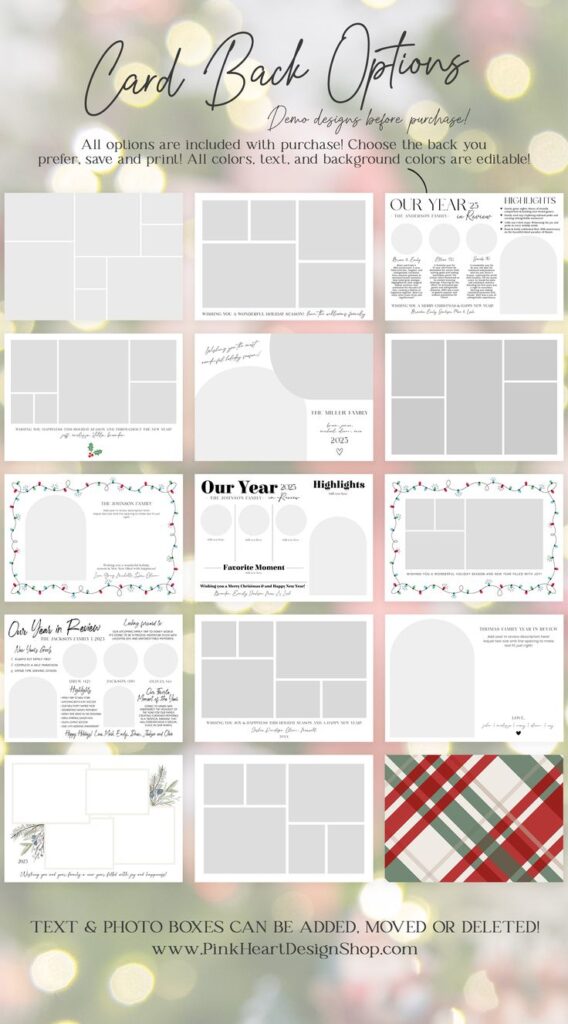

The first step is to decide the size and shape of the card. It’s common to use cardstock folded in half, but some may prefer smaller or uniquely shaped cards like circles or stars. Planning where to place images, text, and decorations helps keep the design balanced.
Using a pencil, light lines can be drawn on the card to mark where things will go. This way, nothing feels crowded or uneven. Color choices should be picked early, too, such as traditional reds and greens or something more modern like blues and golds.
A simple layout might look like this:
| Section | Purpose | Tips |
|---|---|---|
| Front Cover | Image or main design | Keep it bold and clear |
| Inside Left | Space for decoration | Small drawings or stickers |
| Inside Right | Personal message | Leave enough room for writing |
Sketching and Drawing Techniques


Using a pencil first lets mistakes be erased and corrected. Simple shapes like stars, trees, or ornaments work well without needing advanced skills. For those less confident, stencil templates help keep lines clean.
Water-based markers or colored pencils are good choices for coloring since they don’t bleed through paper. Adding small details like dots or stripes can give a charming look, but shouldn’t overwhelm the card.
For a neat finish, lines can be traced over with a fine black pen after coloring. Many also like to add extra decorations like glitter or stickers for texture. This step makes the card eye-catching and fun to touch.
Adding Text and Messages
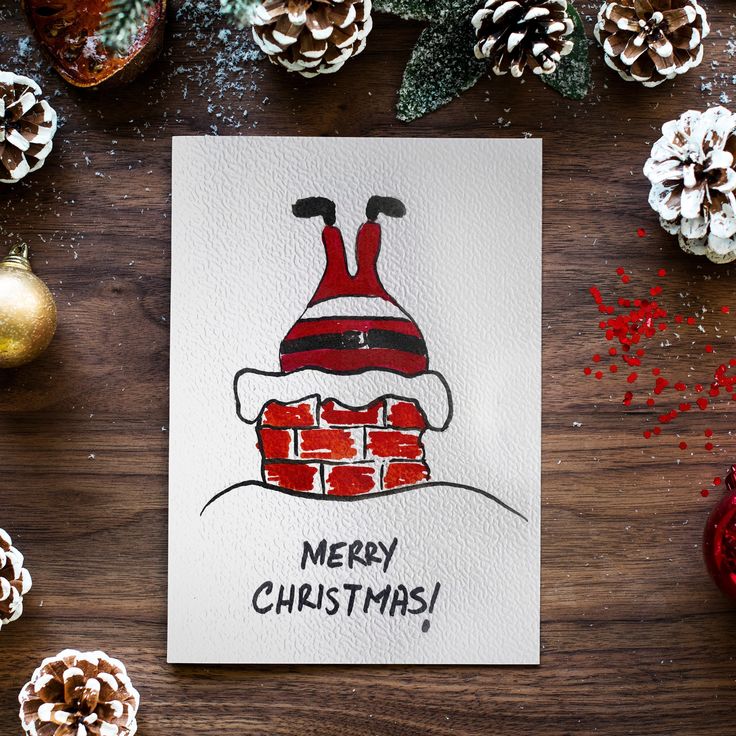
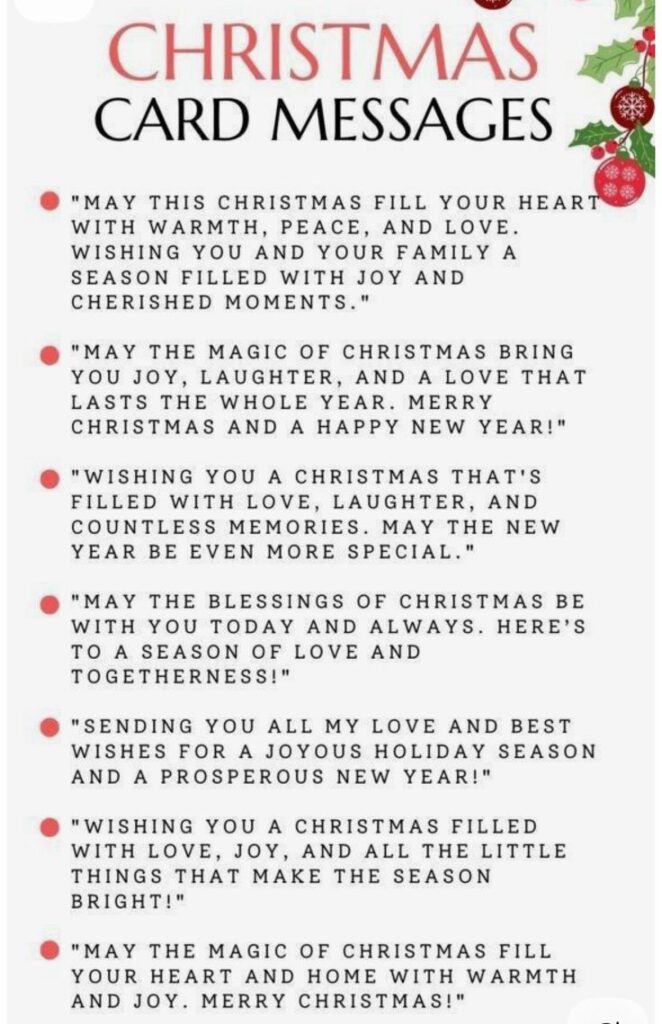
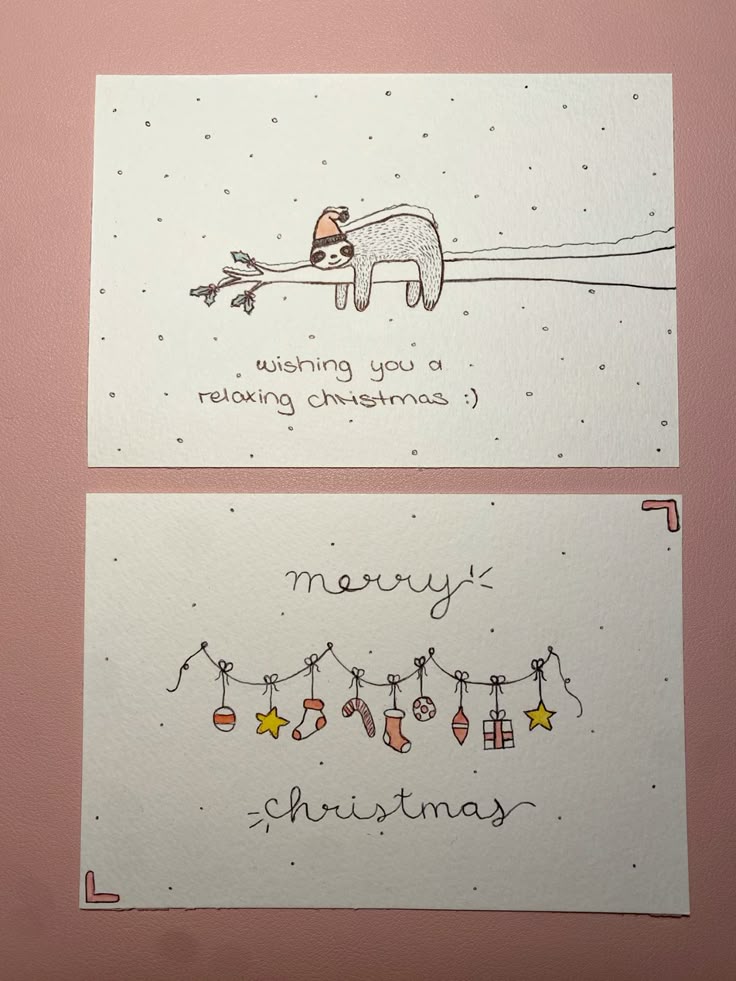
Writing a clear, warm message is important. Short phrases like “Merry Christmas” or “Happy Holidays” work well on the front. Inside, a personal note makes the card extra meaningful.
It’s best to write lightly in pencil first to align text properly. Using different fonts or hand lettering styles can add interest, but it should remain legible. Writing neatly or using printed labels helps if the handwriting is hard to read.
Adding small decorative elements around the message, like snowflakes or holly leaves, ties the text into the overall design. This also helps keep the card looking balanced and festive.
Creative DIY Christmas Card Ideas
These Christmas light printables are useful for quick card fronts, cropped gift tags, classroom displays, and color tests. The eight free sheets range from bold simple bulbs to detailed holiday scenes.
DIY Christmas cards can be made in many fun ways that suit different skill levels and styles. Some ideas use simple folds and pop-ups for a surprising effect, while others focus on soft colors with paint or keep the look clean and modern. Each style offers a unique way to show creativity and spread holiday cheer.
Pop-Up Cards
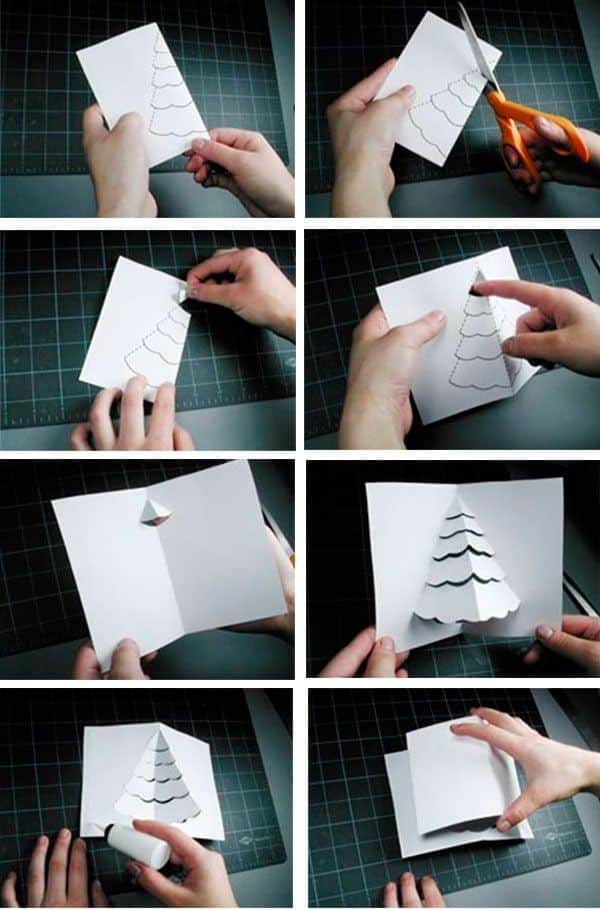
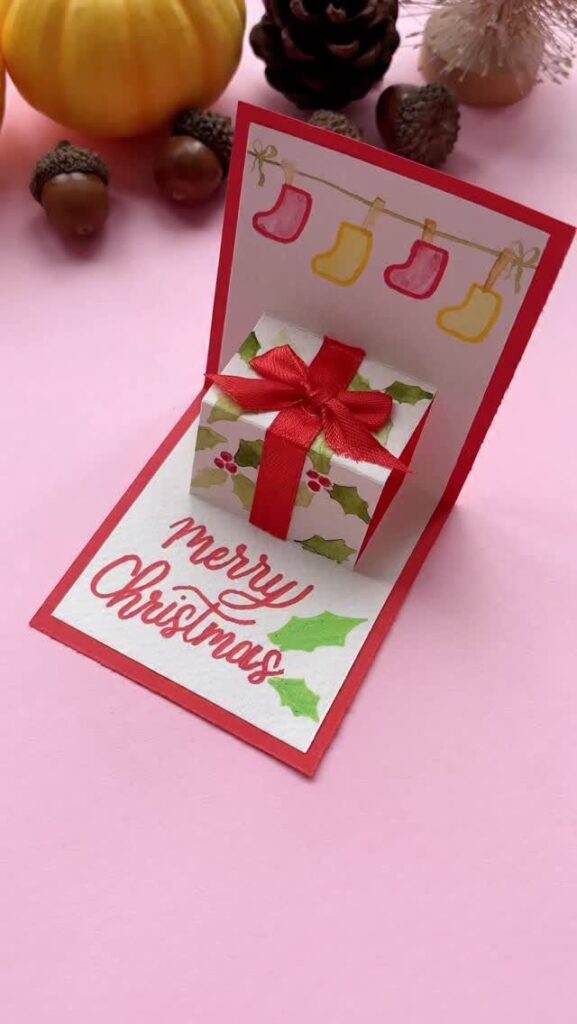
Pop-up cards add an exciting 3D element that brings a card to life. They can feature trees, snowflakes, or even Santa figures that stand up when the card is opened. The key is using sturdy paper and careful folding to make the shapes pop without tearing.
Creating pop-up cards starts with cutting shapes like triangles for trees or circles for ornaments. These pieces are then folded and glued inside the card base, creating layers. Beginners can use ready-made templates or free online guides to get started.
Pop-ups bring more fun, especially for kids or family members who enjoy surprises. Adding glitter or stickers to the pop-up parts makes the design stand out even more with little extra effort.
Watercolor Designs
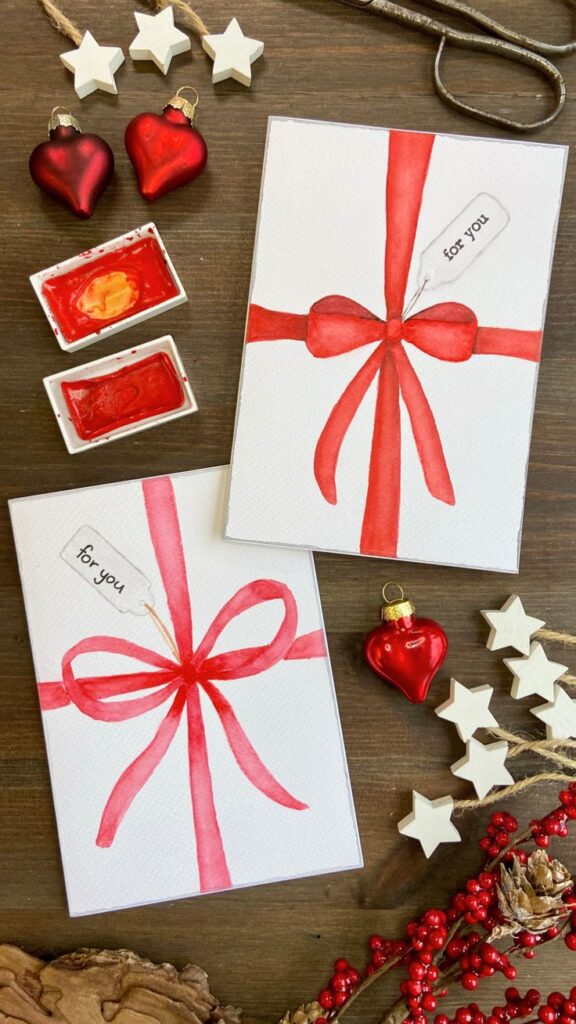
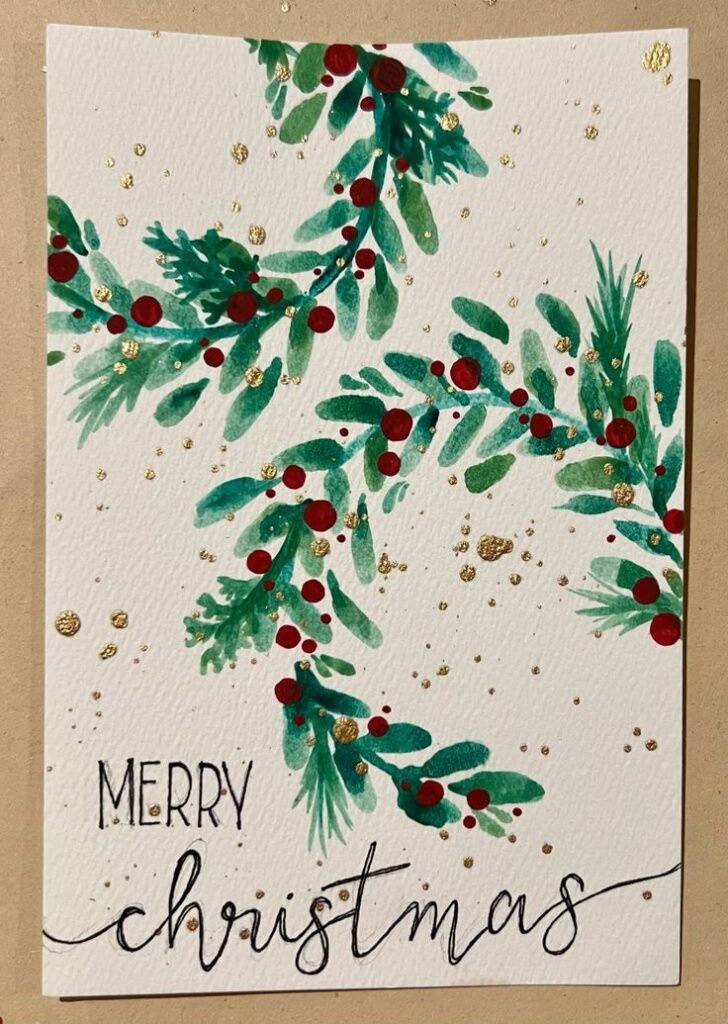
Watercolor is a popular choice for soft, beautiful Christmas cards. It creates gentle blends of color that can look like frosty skies, snowy scenes, or evergreen trees. Watercolors work best on thick, textured paper that handles the paint well.
Basic techniques include wet-on-wet, where paint spreads on damp paper, and layering, which adds depth by applying colors gradually. Using a light hand helps keep designs delicate and festive.
A simple watercolor card might show one tree or a single ornament with handwritten holiday wishes. This style feels personal and artistic without needing advanced skills or many supplies.
Minimalist Styles
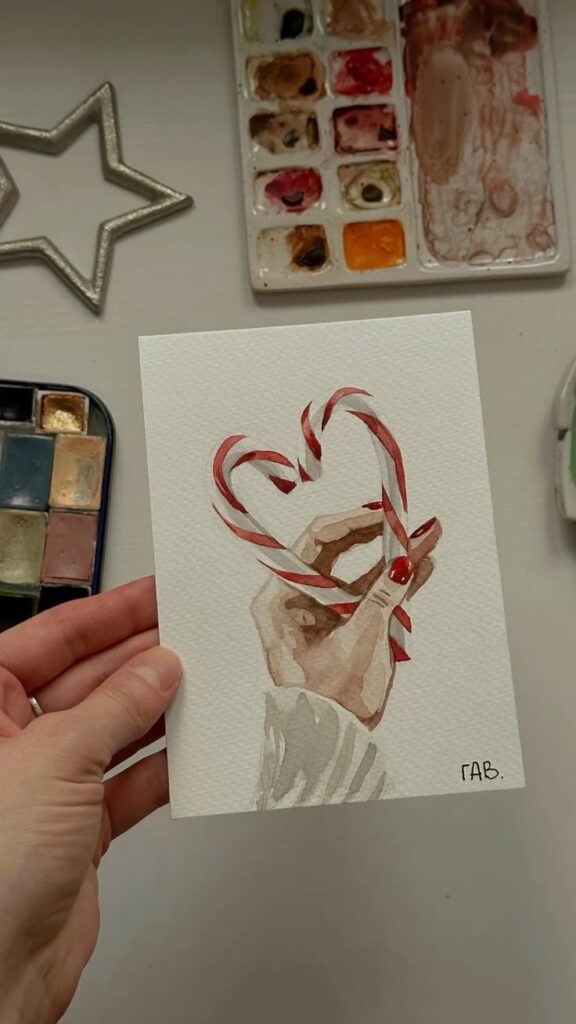
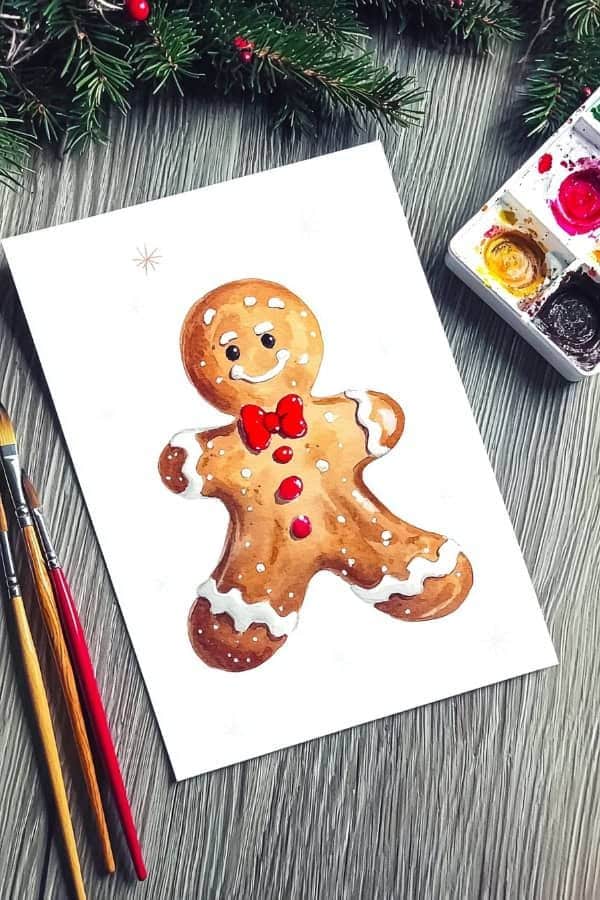
Minimalist cards focus on clean designs with few elements but a strong impact. Using a small palette of colors and simple shapes keeps the look sharp and modern. These cards often use white space to draw attention to the main feature.
Popular minimalist ideas include a single ribbon tied like a tree, one stamped snowflake, or a plain card with a neat handwritten message. Materials like washi tape, simple stamps, or a small sticker can make these cards quick to assemble.
This style appeals to those who like elegance and simplicity. Minimalist cards are easy to make in bulk and still feel thoughtful and neat.
Personalization Tips for Unique Cards
Adding personal touches makes DIY Christmas cards stand out. Using meaningful photos and heartfelt messages connects the sender with the receiver in a special way. These elements bring warmth and individuality that store-bought cards can’t offer.
Custom Photo Cards
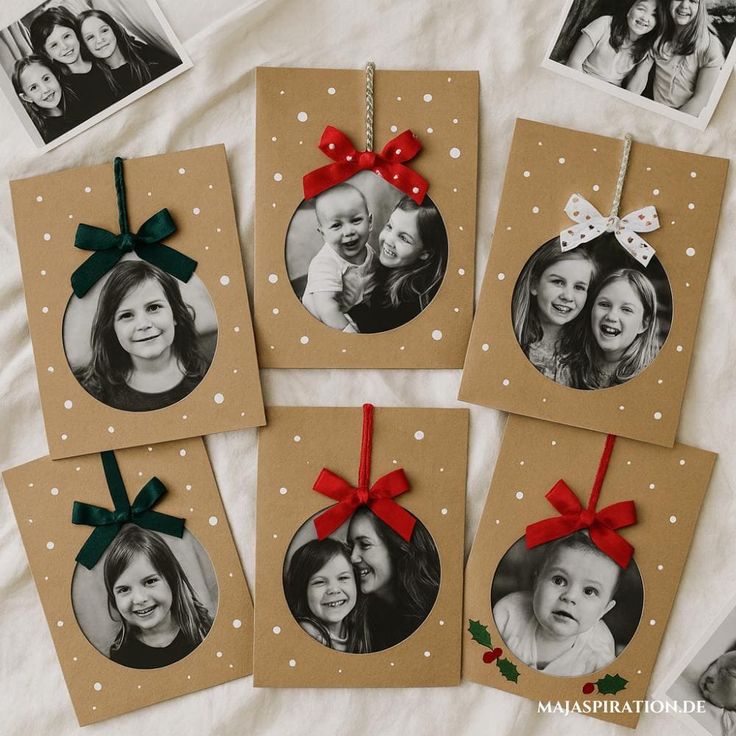
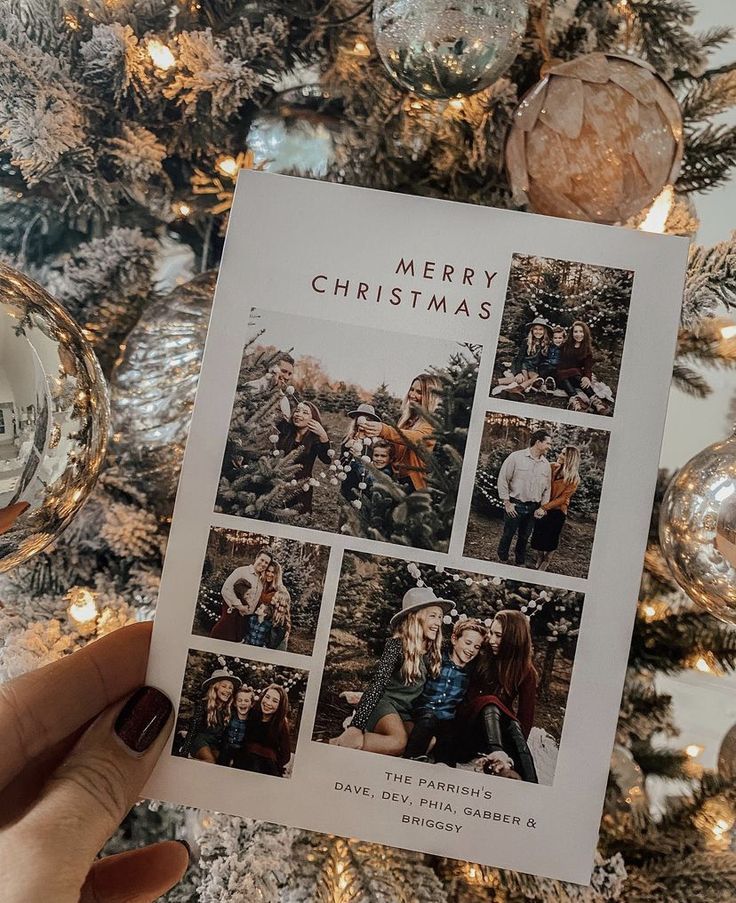
Inserting family photos or memorable moments is a simple way to personalize cards. A picture captures a memory instantly and makes the card more meaningful. Choosing recent photos helps friends and family see how everyone has grown or changed through the year.
To make photo cards look polished, use clean layouts with plenty of white space. Adding simple borders or festive frames around the picture enhances its appeal without cluttering the design.
Printing photos on quality cardstock improves durability and appearance. Some people also like to add small captions or dates under the photo for context. These cards often inspire keepsakes that recipients hold onto and display.
Handwritten Notes
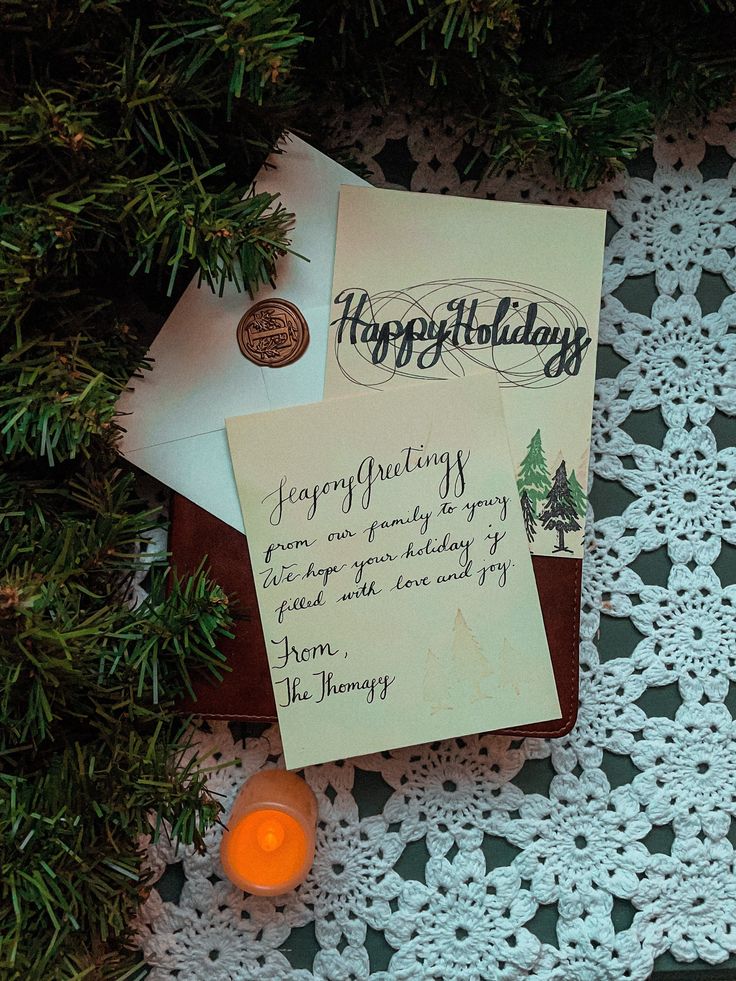

Writing a personal message inside the card makes a big difference. It shows time and effort went into creating something unique. A short note about the past year, shared memories, or good wishes adds warmth and personality.
Using colored pens or calligraphy markers helps make handwriting stand out on the page. Even simple doodles like stars or holly around the message add charm.
To avoid mistakes, it’s smart to draft the note on scrap paper first. Writing slowly and clearly ensures the message is easy to read. This small touch often leaves a lasting impression, making the card feel truly special.
Eco-Friendly and Sustainable Christmas Card Options
Using green materials and natural decorations helps make Christmas cards kinder to the planet. Choosing recycled paper and biodegradable decorations reduces waste and pollution during the holiday season.
Recycled Materials
Recycled paper is a smart choice for making DIY Christmas cards because it uses less energy and cuts down on tree cutting. Cards made from 100% post-consumer recycled paper are common and come in many textures and colors. Some papers even include tiny bits of bark or leaves, adding a natural look.
Besides recycled paper, old magazines, newspapers, and scrap paper can be cut and glued as interesting design elements. This reuse saves materials from the trash and gives cards a unique style.
When using recycled materials, it’s important to avoid glossy or heavily coated papers because they are harder to recycle and may contain plastics. Opting for plain, matte, or lightly textured recycled paper helps keep the cards eco-friendly.
Biodegradable Embellishments
Instead of plastic glitter or synthetic ribbons, biodegradable decorations bring a natural charm to Christmas cards. Plantable seed paper is popular because it looks nice and can be planted to grow flowers or herbs after the holidays.
Other good options include using dried flowers, pressed leaves, or twine made from jute or hemp. These materials break down naturally and do not harm the environment.
Homemade stickers from rice paper or decorations made with natural dyes also avoid chemicals. Simple touches like stamping with vegetable-based ink keep the cards sustainable and still festive.
Sharing and Sending Your Handmade Christmas Cards
Careful packing and thoughtful delivery make handmade Christmas cards feel even more special. Using the right materials ensures cards arrive neatly, and choosing creative local delivery methods adds a personal touch.
Packaging for Mailing
When mailing handmade cards, protection is important. Use rigid envelopes or add a piece of stiff cardboard inside a regular envelope to prevent bending. This keeps delicate decorations safe during transit.
Seal envelopes securely with tape to avoid them opening in the mail. Adding a small label like “Do Not Bend” can help postal workers handle the card with care. If the card has glitter or loose pieces, placing it inside a clear plastic sleeve can reduce mess.
Writing the recipient’s name and address clearly with a permanent marker helps avoid delivery errors. Including a festive stamp adds a nice touch and shows extra care.
Local Delivery Ideas
For cards going to neighbors or friends nearby, hand delivery can make the moment more meaningful. People often appreciate the surprise of a personal visit during the busy holiday season.
Try leaving cards on doorsteps, tied with a ribbon, or slipping one into a mailbox if face-to-face delivery isn’t possible. Sometimes, placing the card alongside a small homemade treat creates a warm, festive gift.
Making delivery part of holiday traditions, like walking around the block or driving to drop off cards, brings joy beyond the card itself. It also offers a chance to connect in person during the holidays.
What is the best way to send my handmade Christmas cards?
Protect the cards by using rigid envelopes or stiff cardboard, seal them securely, write the recipient’s address clearly, and consider local delivery options like hand delivery or placing the card in mailboxes with care.
How can I make my homemade Christmas cards more eco-friendly?
Use recycled or natural materials for the cards and decorations, choose biodegradable embellishments like seed paper or dried flowers, and avoid plastic-based supplies to reduce environmental impact.
Are there easy ideas for beginners to create DIY Christmas cards?
Beginners can try simple designs like stamped images, layered paper shapes, or handwritten messages with minimal decorations such as stickers or washi tape, making the process quick and enjoyable.
What materials are essential for crafting homemade Christmas cards?
Key materials include sturdy paper or cardstock, decorative elements like glitter or ribbons, glue or adhesive, and basic craft tools such as scissors, a craft knife, and a ruler.
Why should I make my own Christmas cards instead of buying them?
Making your own Christmas cards allows you to add a personal touch that reflects your care and effort, helps you save money, and creates unique keepsakes that recipients will appreciate more than store-bought cards.
- 271shares
- Facebook0
- Pinterest268
- Twitter3
- Reddit0