You can make quick, festive projects that look professional and fit any skill level. Christmas Embroidery start with simple motifs like trees, ornaments, and snowflakes, then mix them into ornaments, home decor, gifts, and wearable pieces to stretch one idea across many projects.
You’ll find beginner-friendly patterns, machine and hand options, and creative twists like upcycled fabric or eco-friendly materials to make each piece meaningful. This post walks you through easy motifs to ornament designs, home accents, wearable holiday flair, and gift ideas so you can pick projects that match your time and tools.
Essential Christmas Embroidery Motifs
You’ll find a mix of timeless shapes, short phrases, and nature scenes that work well on stockings, ornaments, and gift tags. Pick motifs that match your skill level and the item you’re stitching.
Classic Holiday Symbols
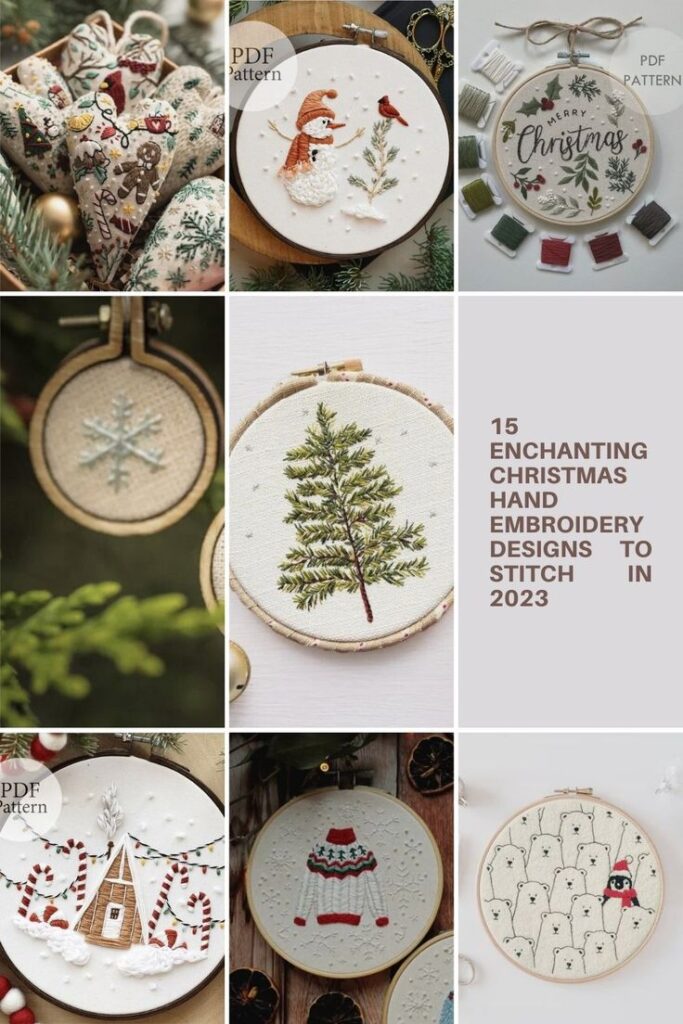
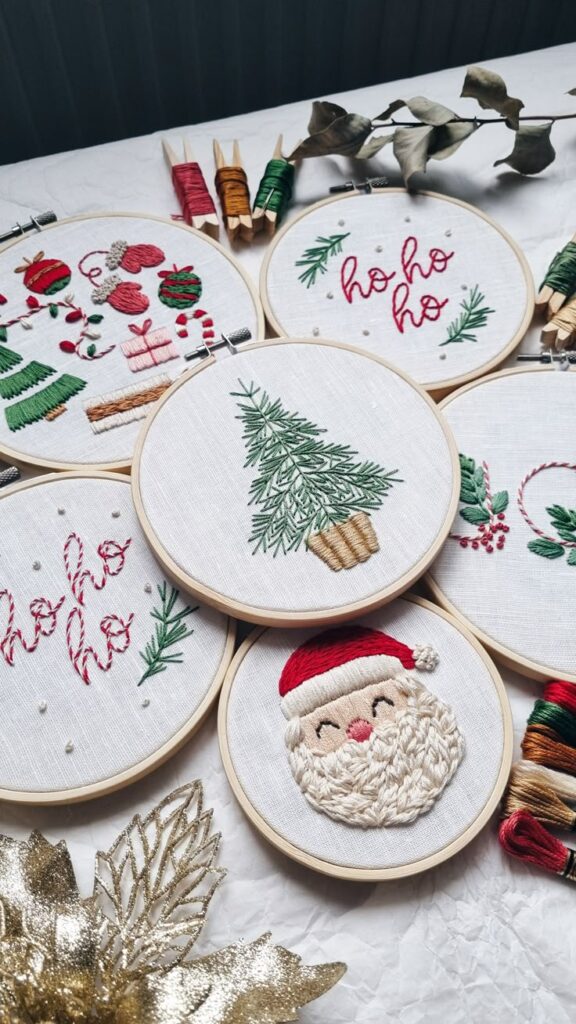
Choose clear, recognizable icons like Santa, reindeer, Christmas trees, holly, bells, and ornaments. These motifs read well at small sizes, so they suit stockings and tree decorations. Use satin stitch or split stitch for solid areas and backstitch for outlines to keep shapes crisp.
For ornaments and tree toppers, add small French knots for berries or lights. For Santa and reindeer, simplify faces and use fewer color changes to speed stitching. Scale icons to fit the project: 2–3 inches works well for ornaments, while 6–8 inches fits cushion fronts.
Festive Text and Phrases
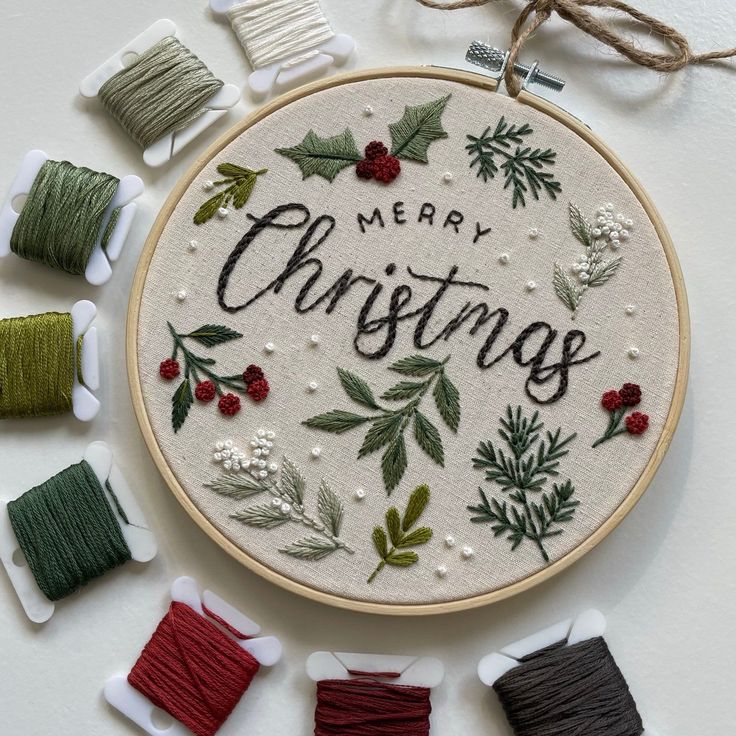
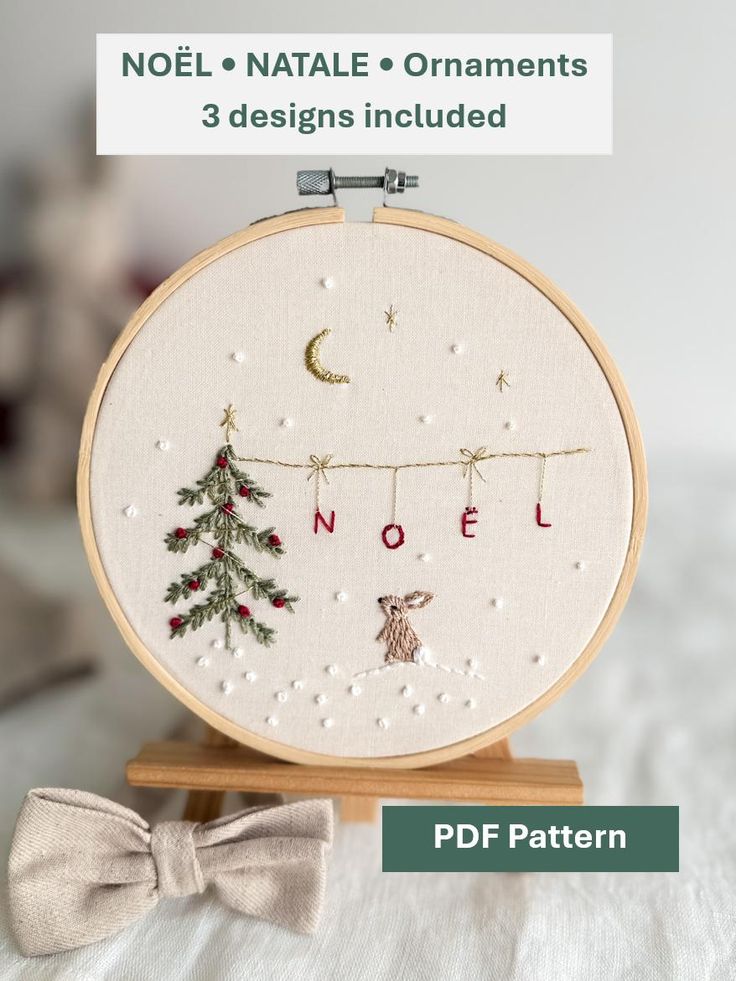
Short phrases like “Joy,” “Noel,” “Merry,” or a family name personalize items. Choose a clear, readable script or block lettering for small projects. Transfer letters with a water-soluble pen, then use stem stitch or split stitch for smooth lines.
Mix fonts and sizes to add interest—pair a bold block word with a tiny cursive date below. Add tiny motifs (holly sprigs, stars) around words to frame them. Keep letter spacing even and test stitch a sample to ensure letters don’t pull the fabric.
Winter Nature Scenes
Use simple landscapes: a pine tree row, a snowy cottage, or a cluster of pinecones and branches. Work in two or three muted colors—forest green, deep red, and soft gray—for a classic look. Employ long-and-short stitch for tree texture and seed stitch for snowflakes.
For small scenes on napkins or tags, keep lines minimal and avoid heavy fill stitches that bulk the fabric. Add depth with layered stitches: outline in backstitch, fill with satin or long-and-short, and finish with a few French knots for snow.
Creative Christmas Ornament Designs
You’ll find ways to make ornaments that feel personal, playful, and three-dimensional. The ideas focus on small hoop projects, simple motifs, and techniques that work for both hand and machine embroidery.
Personalized Ornaments
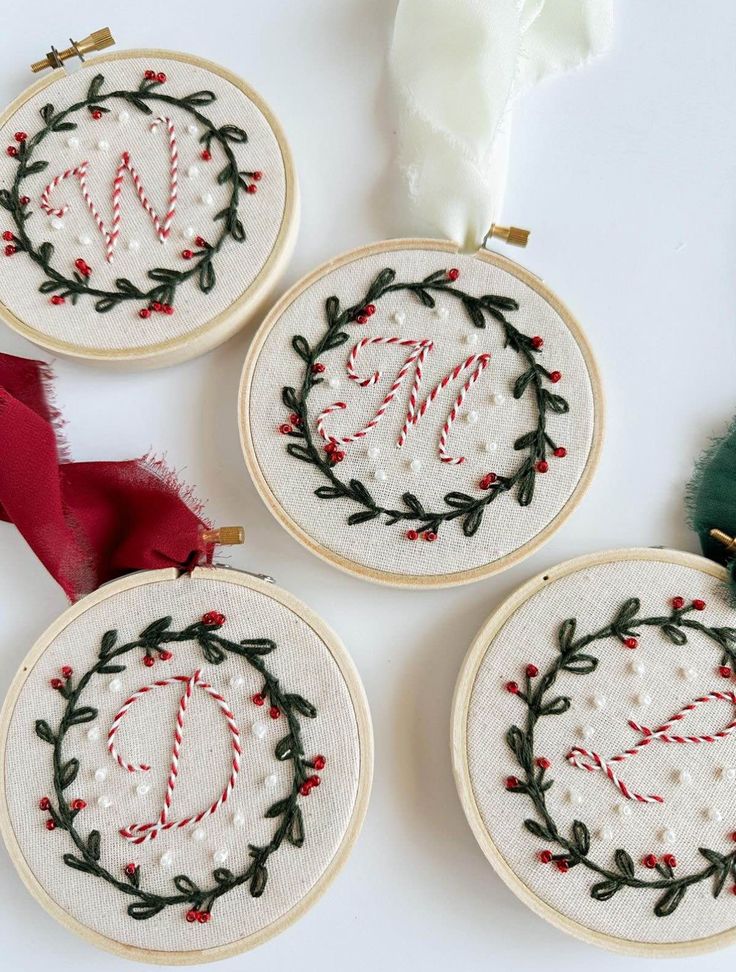
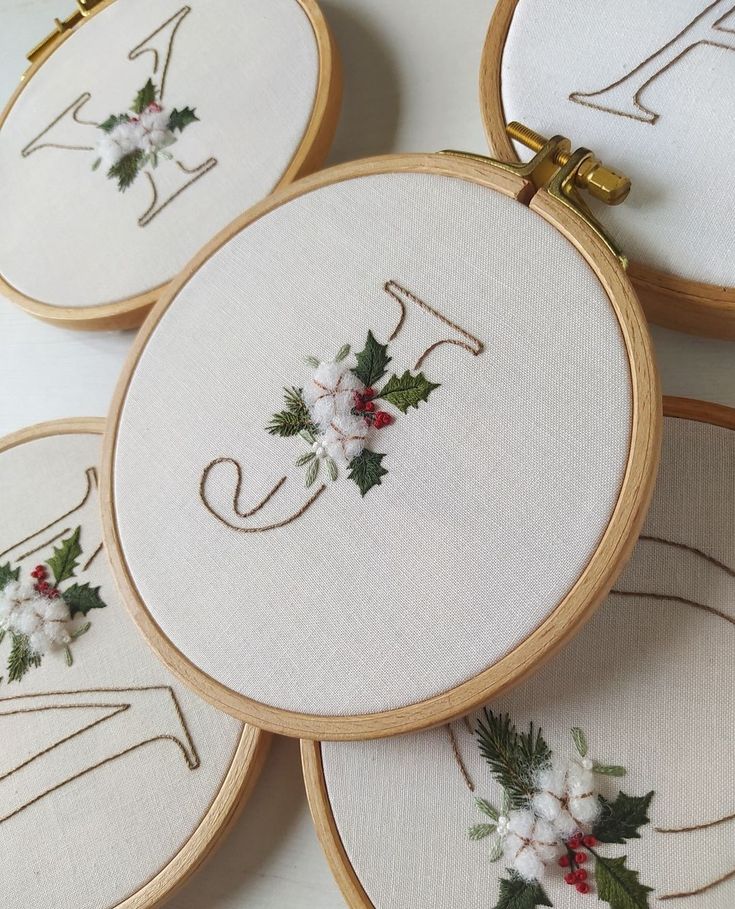
Use names, dates, or short messages to make each ornament special. Stitch monograms in satin stitch or use outline stitch for names; pick a clear, simple font so letters stay readable at 2–3 inches. Add the year in a tiny corner with backstitch to mark memories.
Choose fabric and backing that hold shape: medium-weight cotton, felt, or a lightweight twill. Finish edges with blanket stitch or a narrow piping to hide raw seams. If you sew two fabric discs together, stuff lightly with polyfill for a puffy look.
For faster work, use an iron-on stabilizer under the design, or a tearaway for felt. Add a ribbon loop before closing the seam, so hanging is built in. Use contrasting thread for visibility — gold or metallic for holiday sparkle.
Mini Santa and Reindeer Motifs
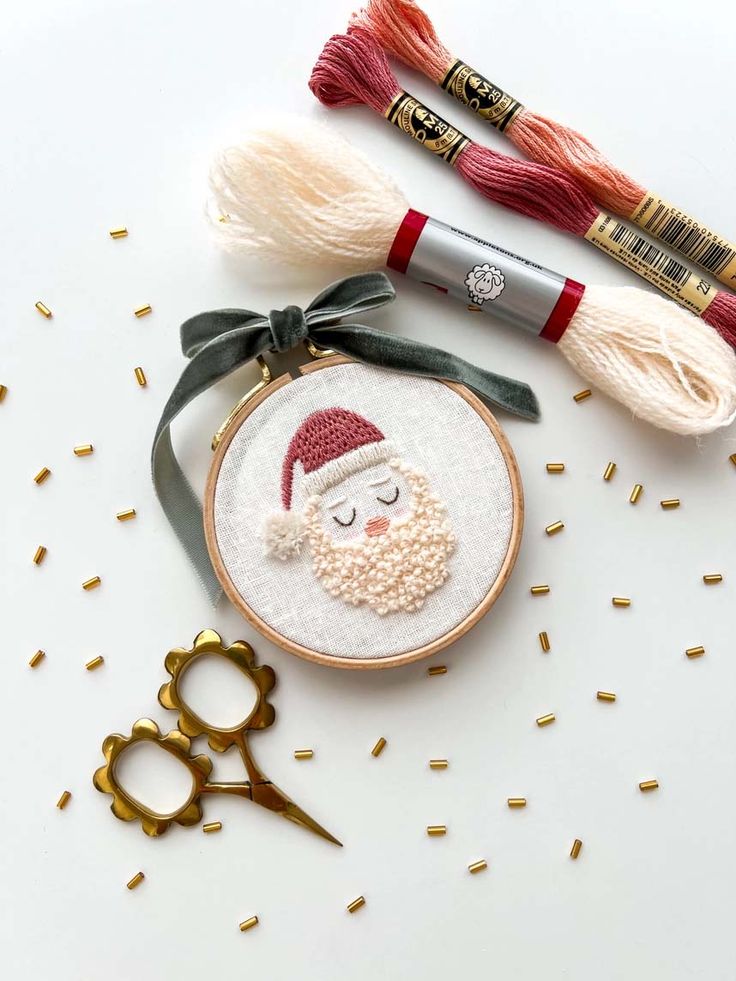
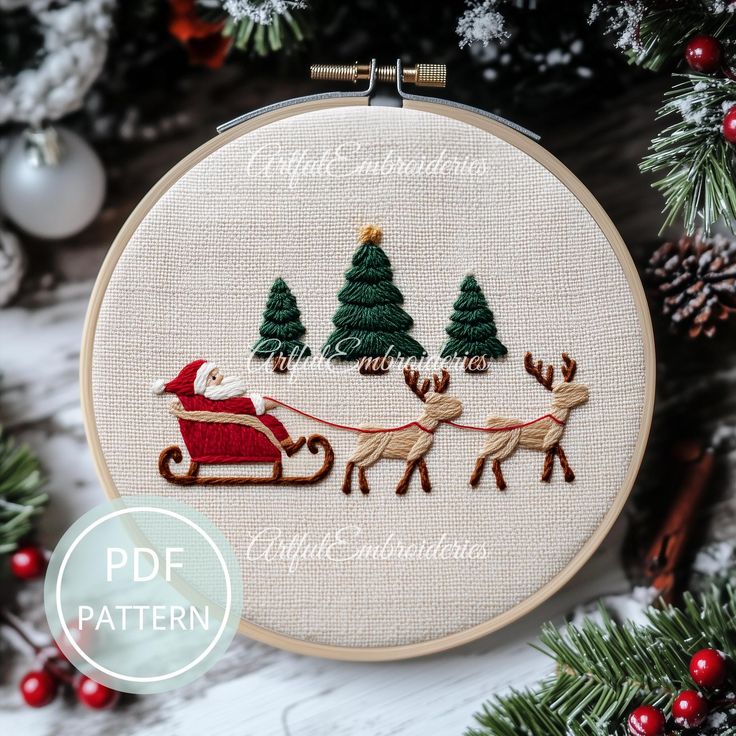
Keep motifs small and bold so details read at ornament scale. For Santa, stitch a white beard with French knots and a red hat in satin stitch. For reindeer, focus on a strong silhouette with brown fill and simple antler outlines in split stitch.
Limit colors to three or four to avoid muddying tiny designs. Use tiny hoops (2–3 inches) and a stabilizer to prevent puckering. For texture, combine flat stitches with a few knots or seed stitches for fur and fur trim.
Mount motifs on felt circles or small wooden discs for a rustic look. Add small embellishments like a sequin nose for Rudolph or a tiny bell sewn at the hat tip for sound and shine.
3D Embroidered Baubles
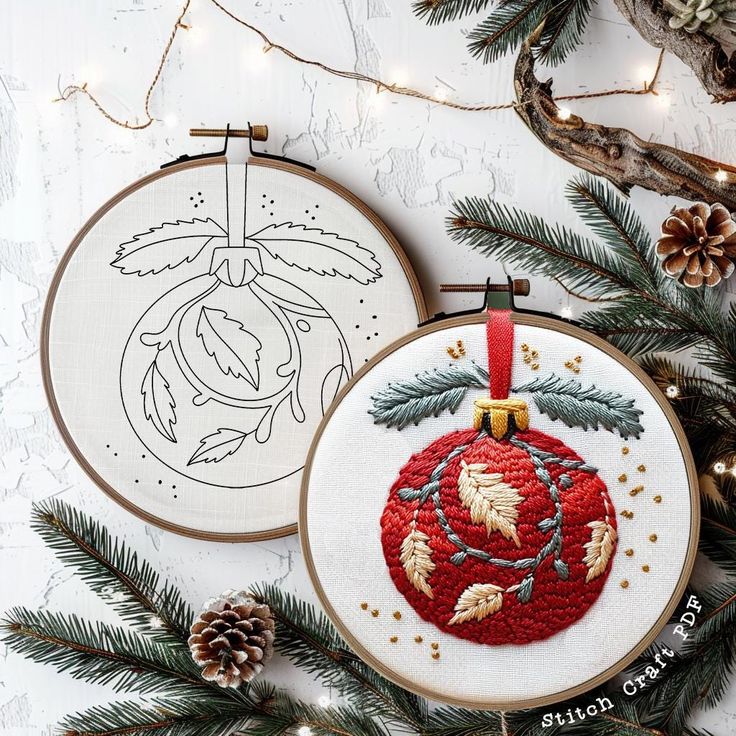
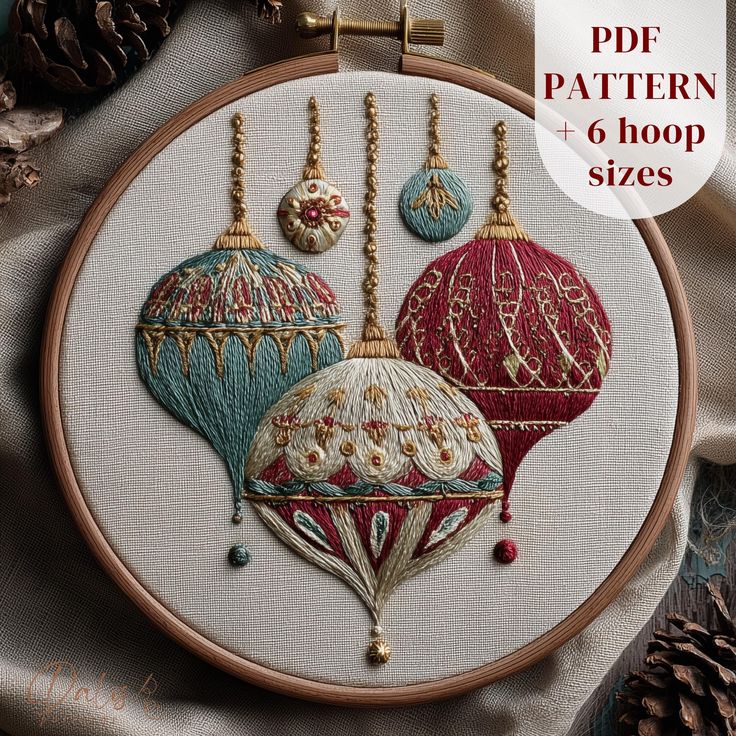
Use two halves of fabric or felt to make a round, stuffed bauble with embroidered panels. Stitch a central motif on each panel, then whipstitch the edges together, leaving a gap to stuff light batting before closing. This gives a bulbous, tactile ornament.
Try layered appliqué for depth: stitch a base circle, then add smaller shapes on top and edge them with blanket stitch. Add a tiny hanging cap by stitching a small metallic fabric strip around the top seam.
For machine work, use a stabilizer and embroider each panel separately, then assemble. For hand embroidery, baste guide lines on fabric and work in short sessions to keep curves smooth.
Embroidered Christmas Home Decor
You can add warm, handmade details to your rooms with small projects that fit your time and skill. Pick colors that match your existing decor and use durable threads and fabrics for pieces you’ll handle often.
Table Runners and Placemats
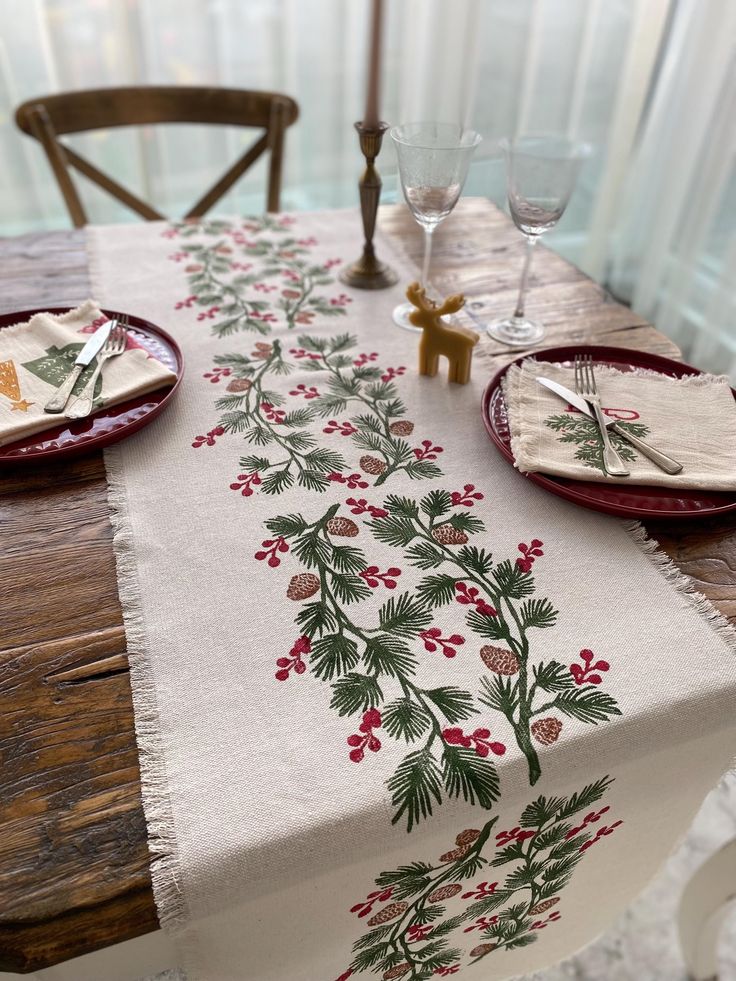
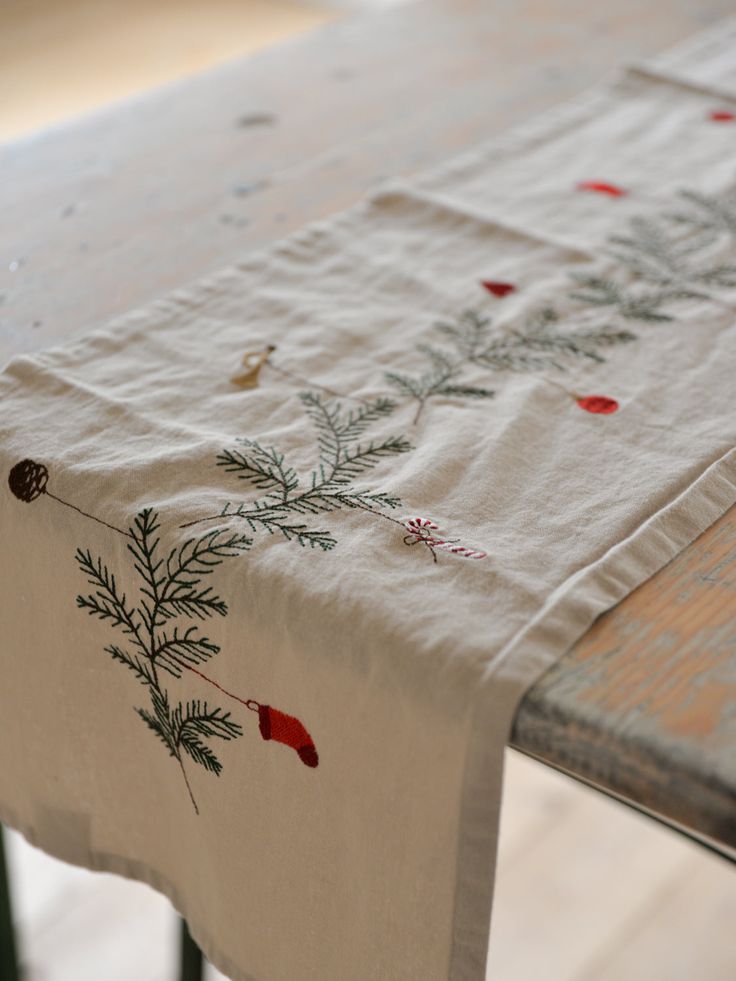
Choose cotton or linen runners and placemats for easy stitching and washing. Center a stitched motif—like holly, pine sprigs, or a simple row of stars—so it reads across the table. Use satin stitch for solid shapes, backstitch for outlines, and French knots for berry accents.
If you host dinners, make one runner for the table and matching placemats for the main seats. Measure the table first: runners usually run 10–14 inches wide; placemats are often 12×18 inches. Stabilize fabric with a fusible interfacing to keep stitches neat.
Try a runner with repeated panels: stencil a design, embroider each panel, then join with topstitching. For fast work, use machine embroidery files for precise, repeatable motifs that match across pieces.
Festive Pillow Covers
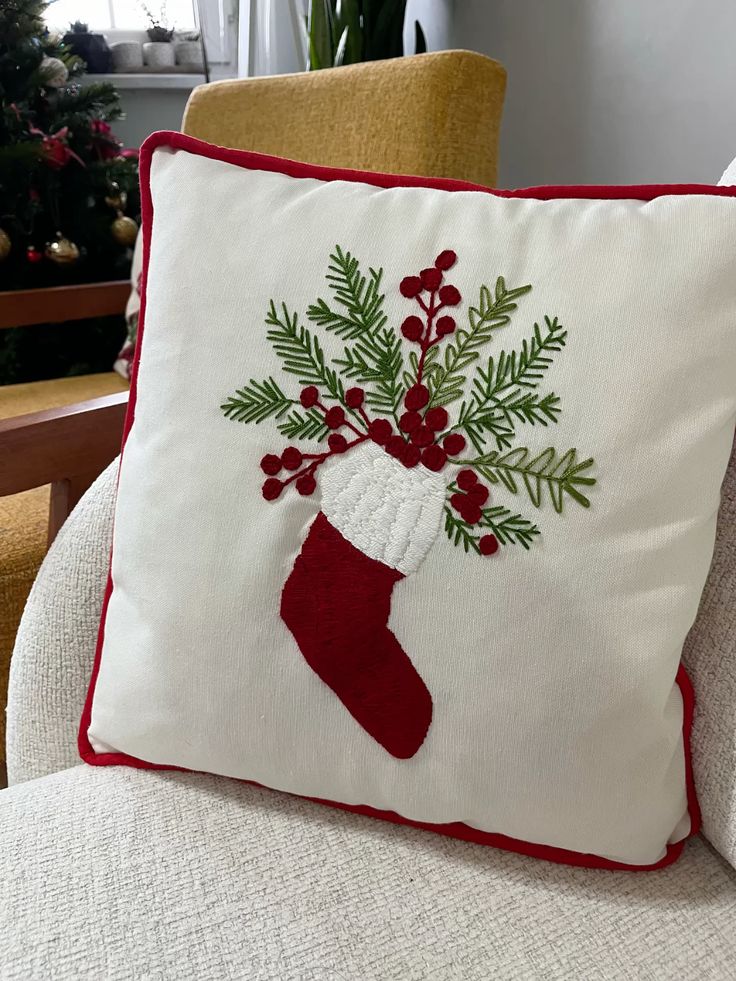
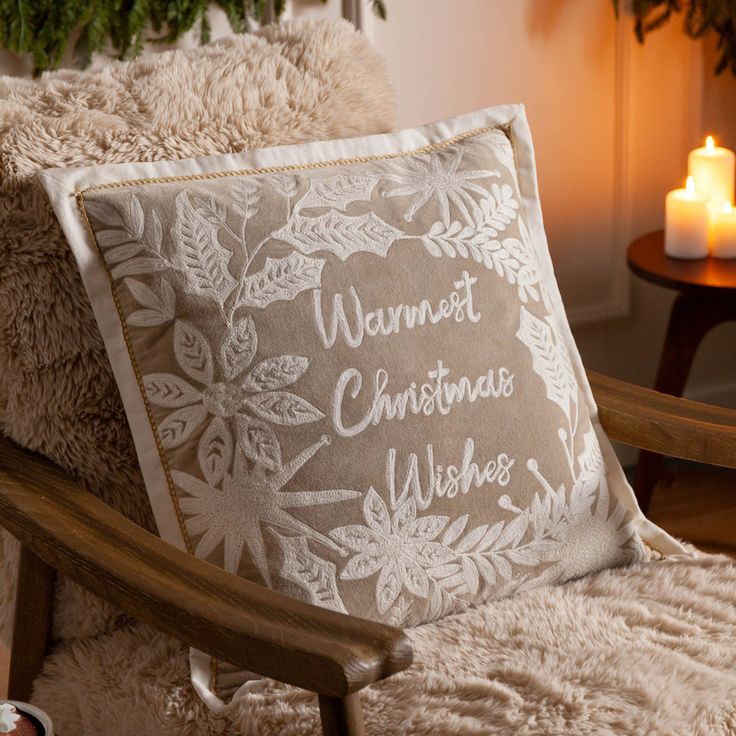
Pick a removable cover with a zipper or envelope closure so you can wash it. Place the embroidered design off-center or on one corner for a modern look, or center it for a classic feel. Popular motifs include reindeer silhouettes, Scandinavian stars, and simple script words like joy or noel.
Use thicker threads or multiple strands for texture. Add appliqué fabric for trees or mittens to build depth without dense stitching. For durability, finish the inside with a small backing patch behind the stitched area to prevent wear.
Make sets: mix solid-color embroidered covers with plain ones to avoid visual clutter. If you want quick results, use iron-on transfer patterns and then hand or machine stitch over the lines.
Holiday Wall Hangings
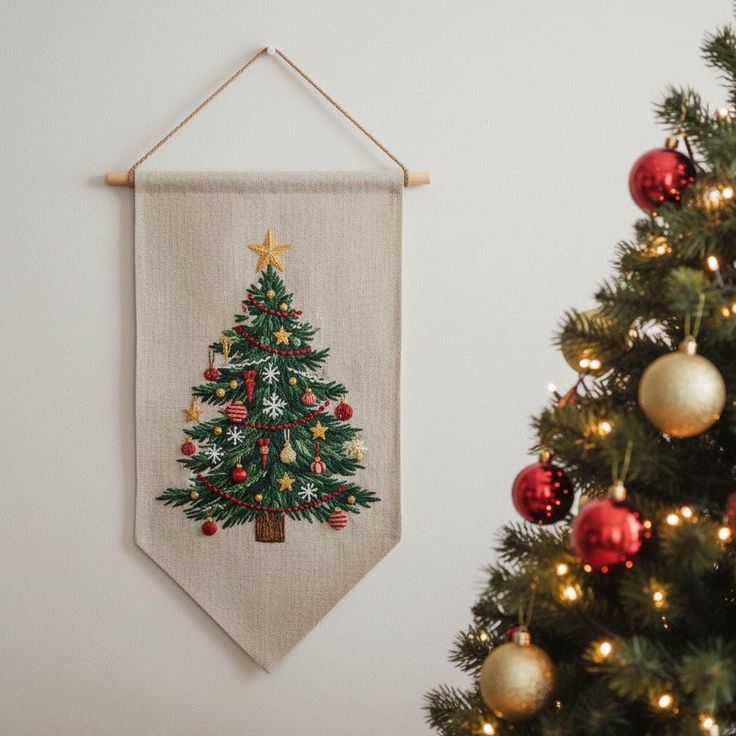
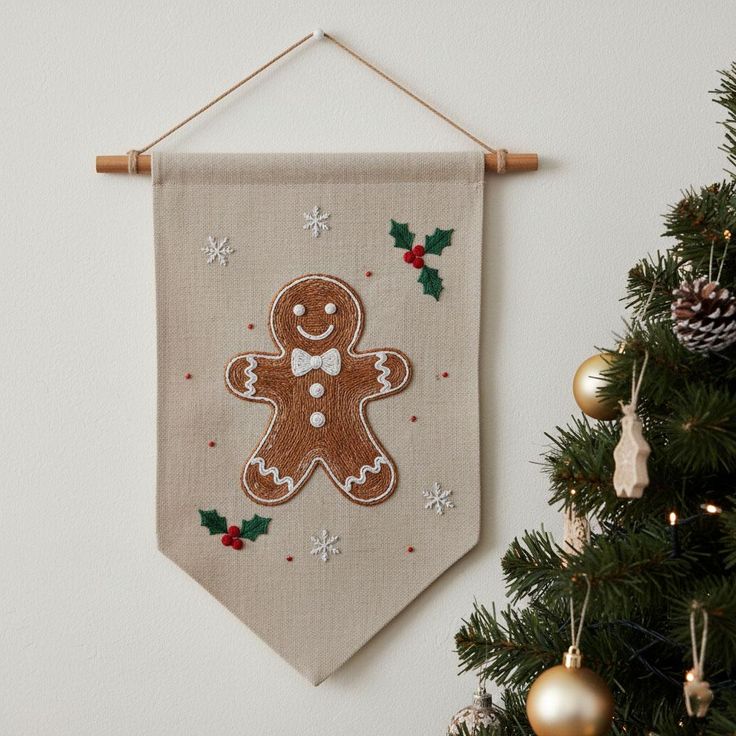
Choose hoops, wooden dowels, or framed linen for wall pieces that are easy to swap each season. Keep designs readable from a distance: large motifs, high-contrast colors, and minimal small details work best. Consider a 12–18 inch hoop for entryways and a larger panel for above a mantel.
Create themed collections—ornaments in a grid, a row of houses, or a winter forest—and hang them together. Use non-slip backing or lightweight batting to make edges sit flat. For a rustic touch, attach twine, beads, or tiny bells to the bottom edge.
If you want a fast impact, stitch a bold word like welcome or merry and add a small stitched icon beside it. Machine embroidery or pre-digitized designs help keep letters even and save time on larger wall pieces.
Wearable Holiday Embroidery Ideas
You can turn plain clothes into festive favorites with simple motifs, color choices, and placement. Focus on easy-to-stitch designs, durable threads, and spots that show well when you wear them.
Christmas Sweaters
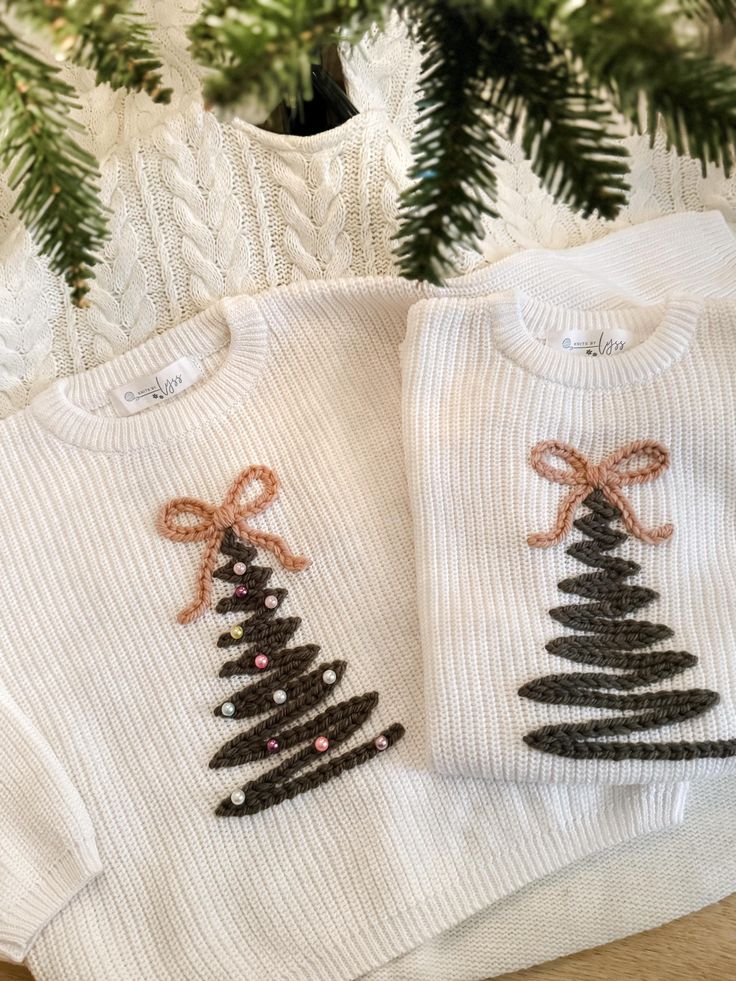
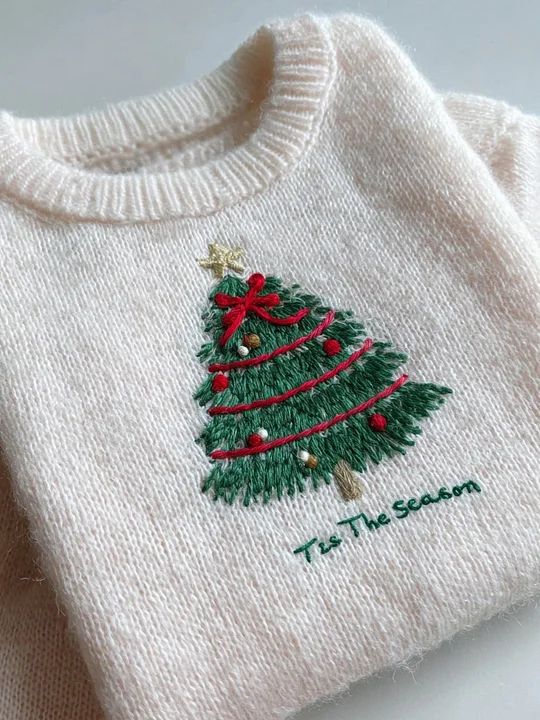
Embroider small motifs on the chest, cuffs, or collar to avoid bulky stitches that stretch out knit fabric. Choose wool-friendly embroidery thread or thin crewel yarn and use a stabilizer made for knits to stop puckering.
Designs that work well: single snowflakes, a row of tiny holly sprigs across the yoke, or a stitched patch with a reindeer silhouette. Use satin stitch for clean shapes and backstitch for lettering like names or short phrases.
If you want a bolder look, create a centered panel on the front with applique felt shapes secured by a tight zigzag. Keep thread colors to three or fewer so the sweater reads clearly from a distance.
Festive Accessories
Accessories let you add holiday flair without altering main garments. Embroider beanies, scarves, tote bags, and face masks with simple icons like stars, candy canes, or initials. Use short, dense stitches on hats to resist wear from folding and handling.
On scarves, stitch along one edge or make repeating motifs every 6–8 inches. For tote bags, combine embroidery with patch pockets or iron-on designs to reinforce high-stress areas. Choose polyester or cotton threads for bags and scarves for better colorfastness.
Make quick gifts by monogramming gloves or key fobs. Use a contrasting thread for readability and add a small loop or snap to display embroidered tags on gift wrapping.
Children’s Clothing
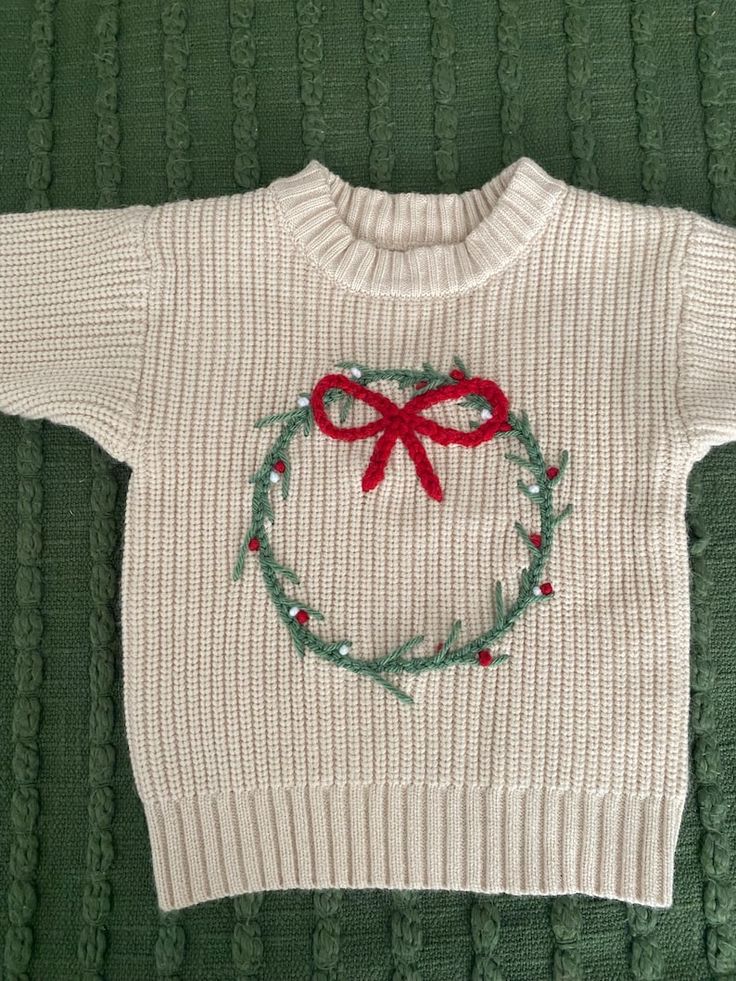
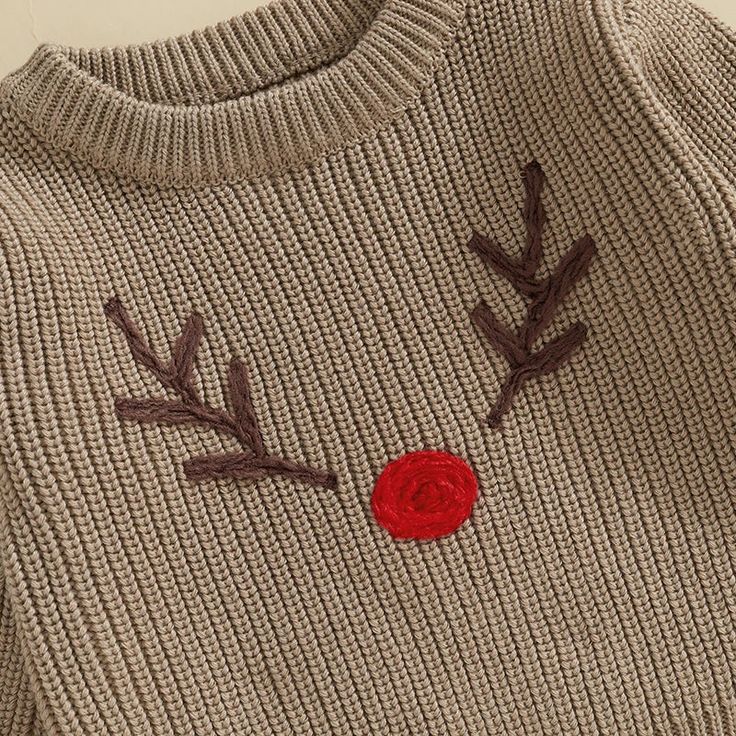
Keep designs small and soft so kids stay comfy. Place embroidery on the chest, sleeves, or near hems to avoid friction against the skin. Use flat stitches—like satin and running stitch—and skip heavy padding or metallic threads that can irritate.
Pick playful subjects: animal faces, tiny trains, holiday treats, or a child’s name in a clear, round font. Secure long-lasting seams with a lightweight backing and double-stitch around the edges of appliques.
Washability matters: pre-wash fabrics, test thread for colorfastness, and recommend gentle cycles. Add a fabric label with care tips and your contact info if you sell the item.
Giftable Christmas Embroidery Projects
You’ll find projects that fit different skill levels, timelines, and recipients. Each idea below lists supplies, design tips, and finishing steps so you can make a gift that looks polished.
Personalized Stockings
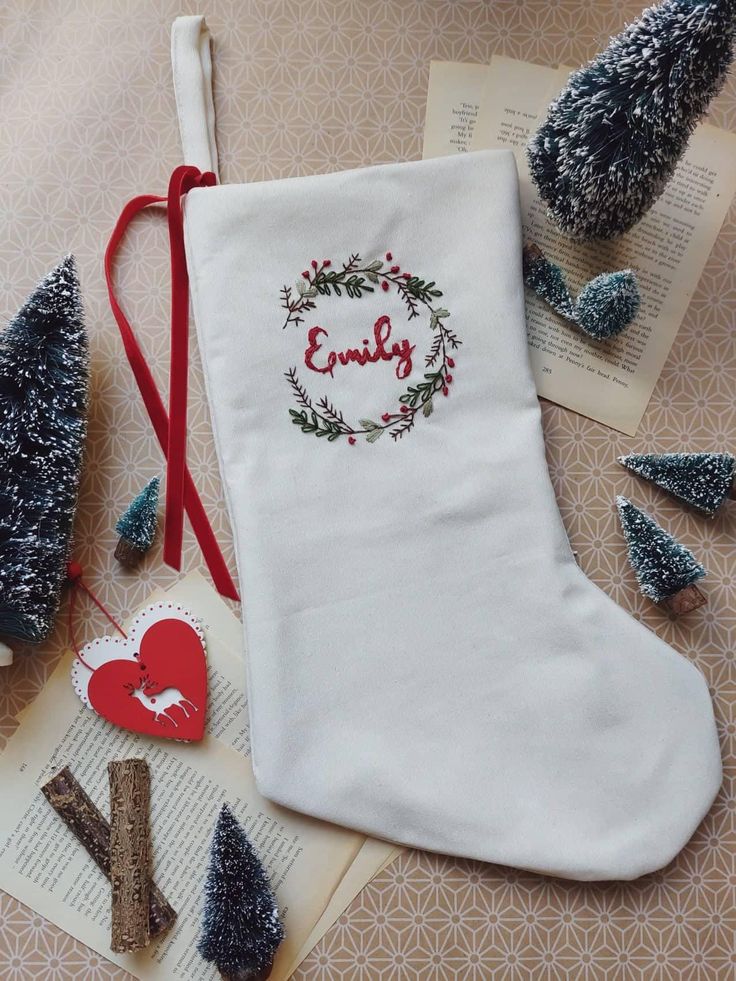
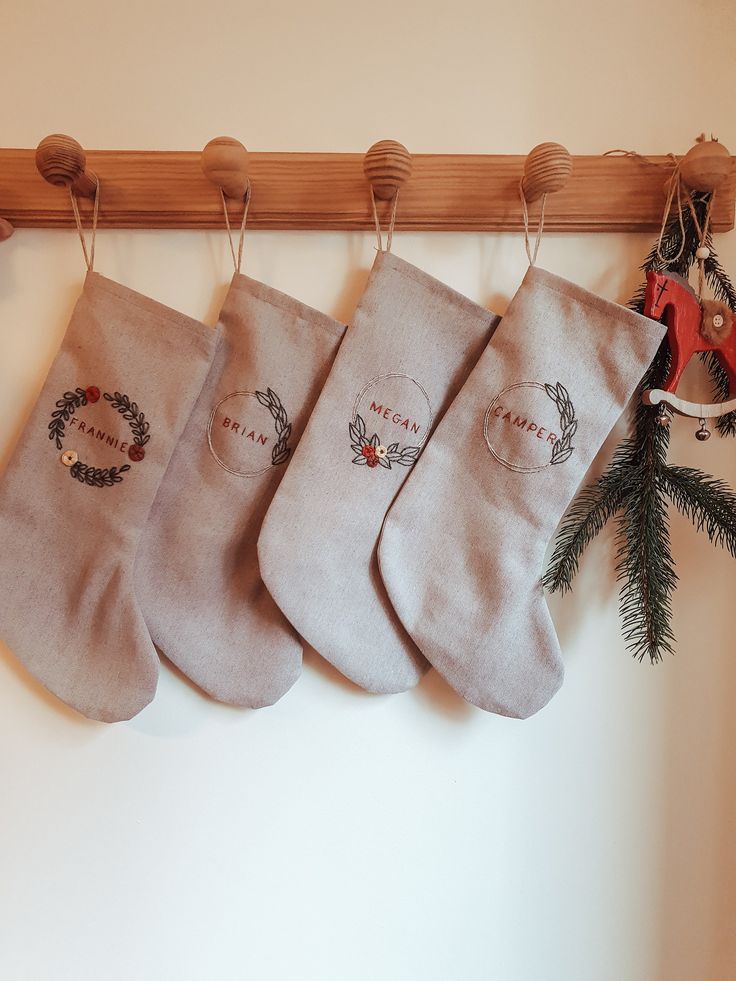
Choose a sturdy stocking fabric like felt, wool blend, or cotton canvas. Pick a name font and stitch it using satin stitch for smooth letters or backstitch for a neat, hand-stitched look. Add small motifs — a simple holly sprig, a snowflake, or an initial wreath — using contrasting thread colors.
Supplies:
- Stocking blank or pattern
- Embroidery floss, size 6
- Stabilizer for canvas or felt
- Embroidery needle, scissors
Tip: Trace letters with a washable pen, then use an embroidery hoop to keep fabric taut. If you want a fast option, use a machine for lettering and hand-stitch small accents to keep the handmade feel.
Finish by lining the stocking with cotton and sewing a hanging loop. You can add a name tag or a tiny pocket inside for a small gift card.
Handmade Gift Bags
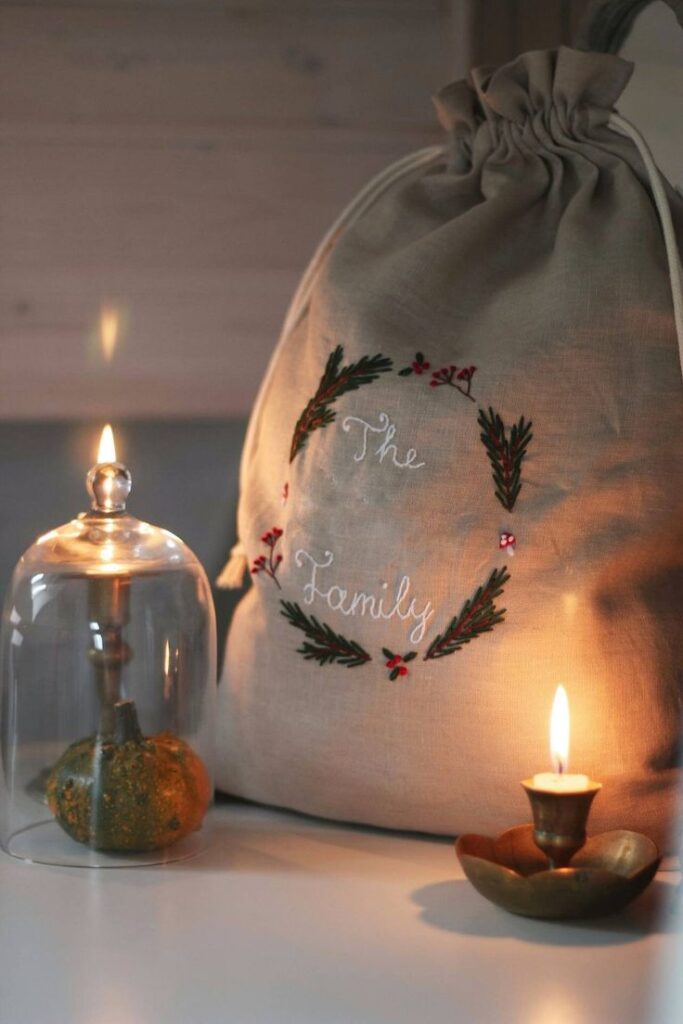
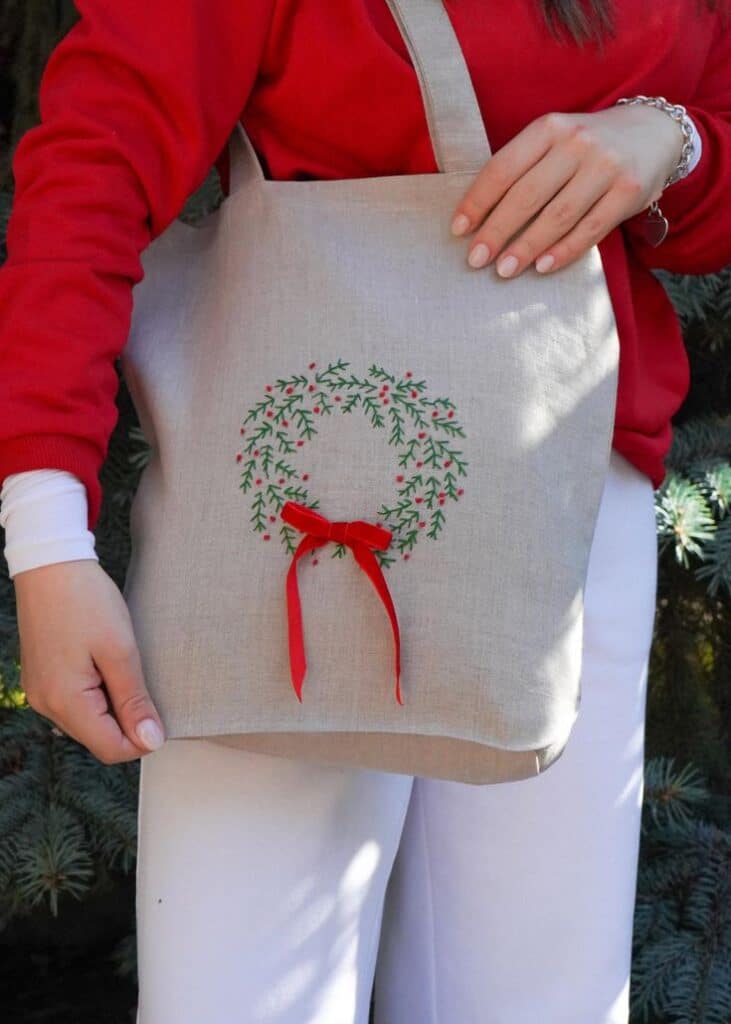
Make small drawstring bags from linen, muslin, or remnant cotton. Embroider a front panel with a motif that matches the gift inside — for example, a cookie-cutter shape for baked goods or a mitten for cozy items. Use simple stitches: running stitch outlines, French knots for berries, and lazy daisy for leaves.
Supplies:
- Fabric squares (8–12 in., depending on gift)
- Cord or ribbon for drawstring
- Basic sewing kit and embroidery floss
Tip: Pre-wash fabric to avoid shrinking. Use a hoop and an iron-on stabilizer for even stitching. If you plan to reuse the bag, reinforce the top edge with a narrow hem and a channel for the drawstring.
Embellish the bag with a stitched gift tag or a bead on the drawstring. These bags make wrapping part of the gift and work well for baked treats, candles, or small toys.
Festive Bookmarks
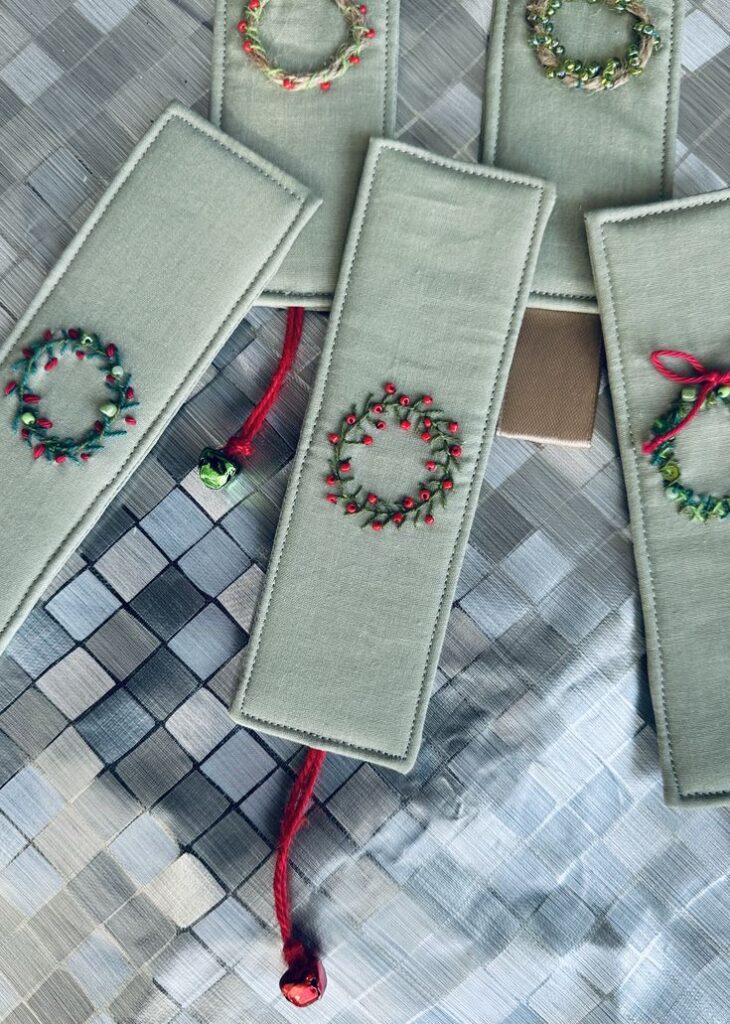
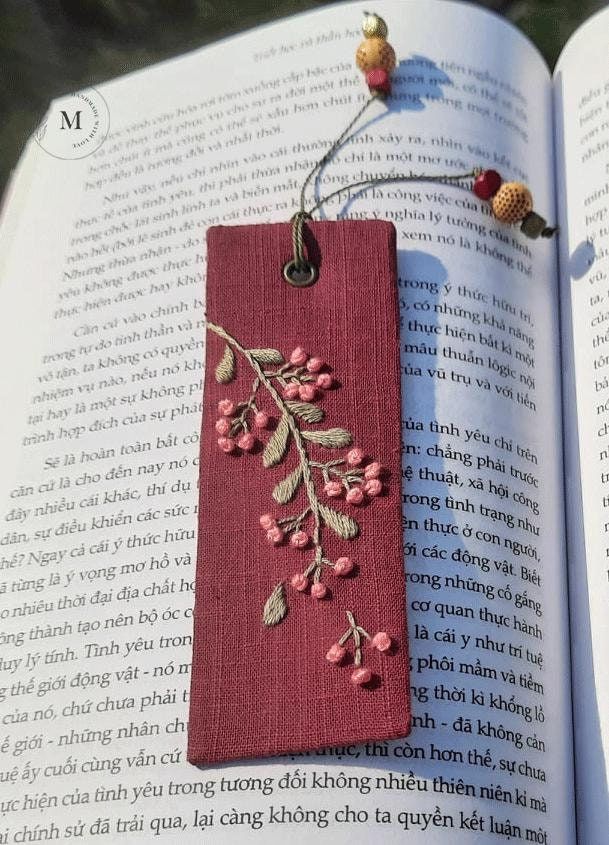
Cut bookmarks from faux leather, thick felt, or sturdy cotton. Keep designs narrow and vertical: a row of tiny trees, a string of stitched lights, or a single snowflake. Use outline stitches for delicate lines and bullion or French knots for texture that won’t catch pages.
Supplies:
- Bookmark blanks (2 × 7 in. standard)
- Embroidery thread and small needles
- Hole punch and tassel or ribbon (optional)
Tip: If you embroider fabric, back it with thin interfacing or glue it to cardstock for stiffness. Seal felt edges with a small zigzag stitch or fray-check on fabric to prevent fuzzing.
Add a tassel or leather thong through a punched hole for a finished look. Personalize with initials or a short year stitch to mark the holiday.
Beginner-Friendly Christmas Patterns
These patterns use simple shapes and a few basic stitches. They work well on ornaments, tea towels, gift tags, and small hoop projects.
Simple Line Art Designs
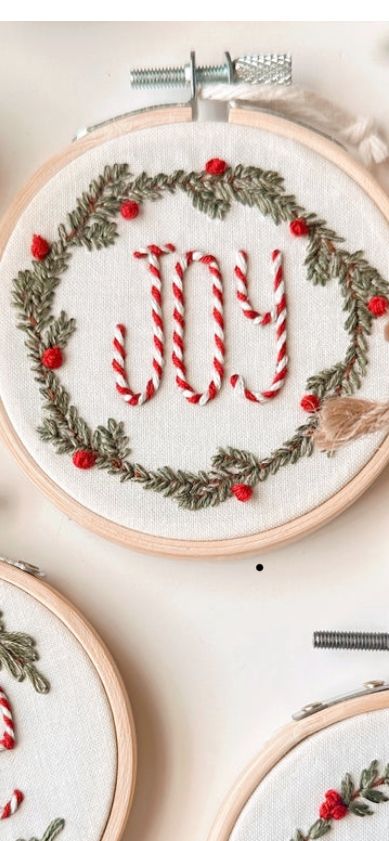
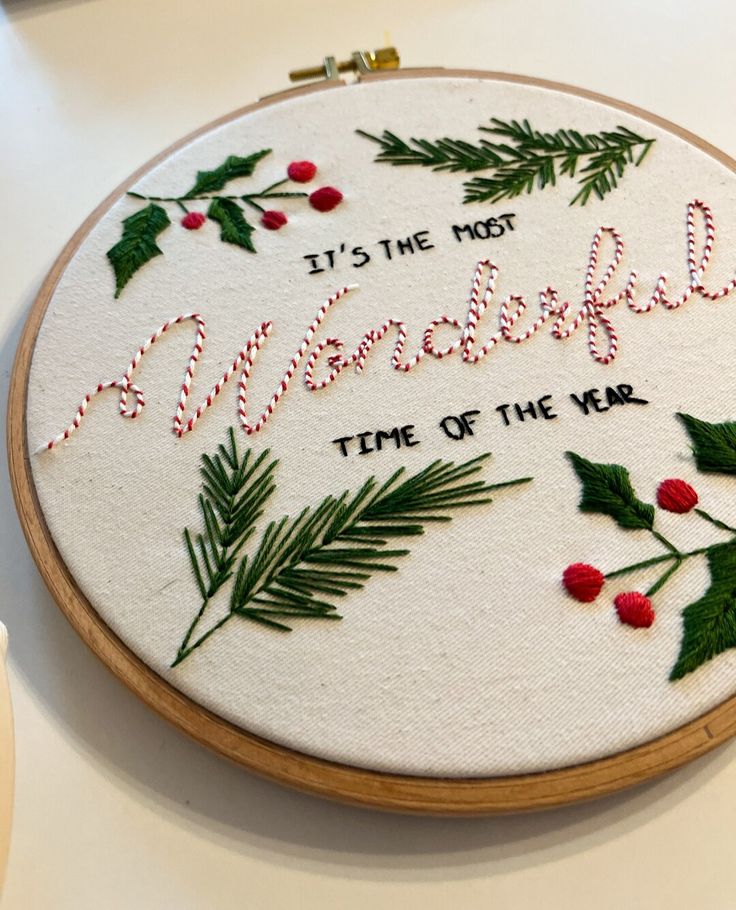
Choose designs made of outlines: stars, trees, candy canes, and single-word greetings like “Joy.” Trace the design onto fabric with a soluble pen or lightbox. Use backstitch for clean lines and split stitch for a slightly textured look. Keep motifs under 3 inches for quick projects.
Pick 2–3 thread colors max. That keeps the piece easy and helps you practice consistent stitch length. Use 6-strand floss and work with 2–3 strands for smooth coverage.
Try small variations: add French knots for ornament centers or a satin-stitched dot for a berry. These little details build skill without adding complexity.
Easy Appliqué Techniques
Cut simple shapes from felt or cotton — circles for wreaths, triangles for trees, or ovals for ornaments. Press lightweight fusible web to the back, trim close, then fuse the shape to your base fabric.
Secure edges with a blanket stitch or narrow satin stitch. Use a contrasting thread to make the edge a design element. For extra hold, add a few invisible running stitches before you finish the edge.
Work on scrap fabric first to test stitch length and tension. Appliqué lets you mix textures and patterns, so try plaid cotton for a tree and solid felt for ornaments to get a festive look with low effort.
Eco-Friendly and Upcycled Embroidery
Choose old shirts, tea towels, or denim scraps and pair them with low-waste thread and simple patterns. You’ll cut landfill waste, save money, and make ornaments, patches, or mended gifts that feel personal.
Recycled Fabric Projects
Use shirts, table linens, and thrifted sweaters as your fabric base. Cut shapes for ornaments, appliqués, and gift tags from sturdier areas like pockets or hems so edges don’t fray as fast. For small ornaments, double up thin fabrics and sew a neat running stitch around the edge to enclose stuffing made from fabric scraps or leftover batting.
Turn jeans into tree garlands by cutting uniform squares, folding, and stitching a simple blanket stitch along the fold. For patches, trace a motif, stitch it on a scrap, then sew that patch onto a sweater or tote. Label pieces with a tiny embroidered date or name to add a handmade touch anyone will keep.
Sustainable Thread Choices
Pick threads that last and have a low environmental footprint. Look for organic cotton, recycled polyester, or bamboo embroidery floss; they reduce reliance on new petroleum-based materials. Choose a neutral palette for multipurpose pieces, or buy small skeins to avoid waste if you only need a few colors.
Match thread weight to fabric: use thicker thread for heavy denim and finer floss for delicate linens. Test a small stitch to check colorfastness and tension before starting the main design. Store leftover skeins in a sealed box to avoid moisture and use them in future mending or mini-stitch projects.
What are some simple Christmas embroidery motifs suitable for beginners?
Beginner-friendly motifs include basic symbols like stars, trees, candy canes, and single-word greetings such as “Joy” or “Noel,” which are easy to trace and stitch.
How can I make personalized Christmas ornaments?
Use names, dates, or short messages stitched in satin or outline stitch with clear, simple fonts. Select sturdy fabric like felt or cotton, add a ribbon loop for hanging, and finish with contrasting thread for visibility.
What beginner patterns can I try for Christmas embroidery projects?
Simple line art designs like stars, trees, or candy canes created with basic outlines and minimal stitching are ideal for beginners and work well on ornaments, gift tags, and small decorations.
How do I choose the right materials for my holiday embroidery projects?
Select durable fabrics such as felt, cotton, linen, or upcycled textiles, and use eco-friendly threads like organic cotton or recycled polyester that suit the project’s purpose and your skill level.
What are some eco-friendly ideas for Christmas embroidery?
Use recycled fabrics from old shirts, linens, or denim, and opt for sustainable threads like bamboo or recycled polyester to create meaningful, low-waste holiday decorations and gifts.
- 41shares
- Facebook0
- Pinterest38
- Twitter3
- Reddit0