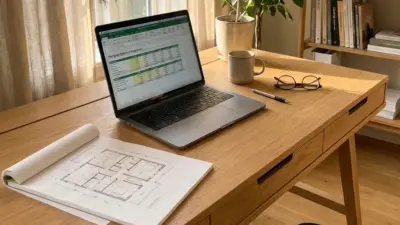
A basement that repeatedly suffers from water intrusion, whether it’s a persistent trickle, damp spots, or outright flooding, signals a far more serious issue than simple surface leakage. While a homeowner might try to manage the problem with temporary sealant, recurring water infiltration indicates that the hydrostatic pressure outside the foundation is overwhelming the structure’s integrity.
The foundation is continually stressed by the surrounding saturated soil, pushing water through the path of least resistance. This persistent problem is often rooted in systemic failures, such as a compromised exterior drainage system (the original drain tile), improperly graded soil around the home, or cracks that have widened over time due to foundation settling. These are issues that a typical hardware store patch job simply cannot resolve effectively.
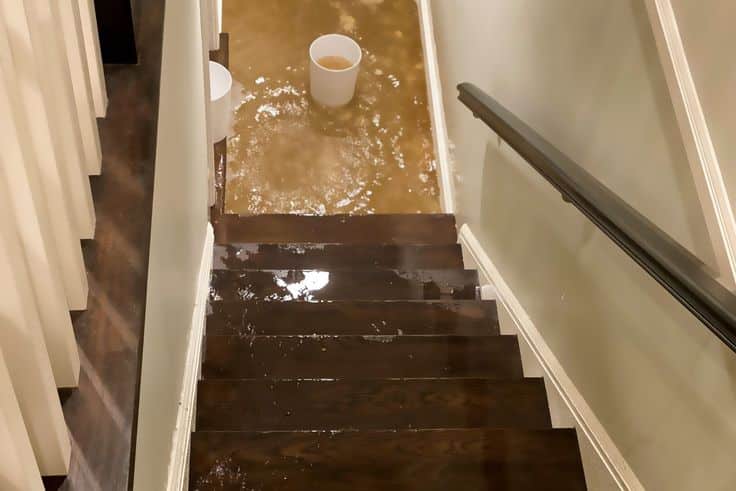
When faced with this chronic problem, the solution requires the diagnostic expertise of a professional basement waterproofing company. They look beyond the visible water to identify and address the environmental and structural root causes that allow moisture to repeatedly breach the concrete barrier.
Common Entry Points Where Water Repeatedly Finds Its Way Inside
Water is relentless, and when it keeps returning, it is usually exploiting specific, common entry points in the foundation. The most frequent culprit is the cove joint, which is the seam where the basement floor meets the wall. This joint is structurally weak and is often the main path for hydrostatic pressure to force water up and into the basement.
Another critical entry point is hairline cracks in the foundation walls themselves. While small cracks might be manageable initially, constant water pressure and temperature cycles will cause them to expand, guaranteeing repeated water intrusion during heavy rains. Old, deteriorated, or poorly installed window wells are also notorious for channeling water directly down the wall.
Finally, utility pipe penetrations (where pipes for sewer, water, or electric lines pass through the concrete) are often sealed with flexible materials that dry out, shrink, and fail over time. A professional basement waterproofing company knows these specific vulnerabilities and checks them first.
How Exterior Conditions Influence Interior Moisture
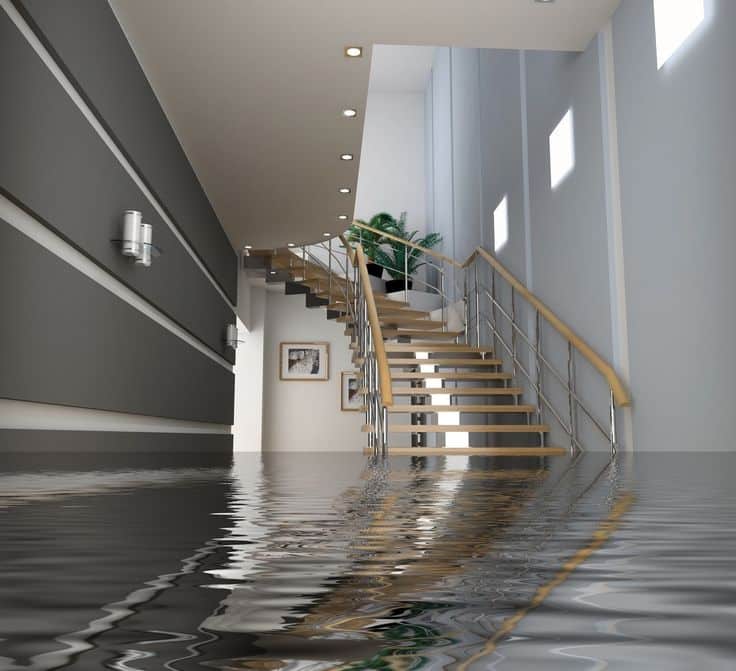
It is crucial for homeowners to understand that the conditions outside their home are the primary drivers of interior moisture problems. The biggest exterior factor is poor yard grading, which allows rainwater to flow toward the foundation rather than draining away. When the soil adjacent to the home is saturated, the resulting hydrostatic pressure dramatically increases the risk of water pushing through the basement walls.
The gutter system also plays a massive role. If downspouts deposit large volumes of water right next to the foundation, or if the gutters are clogged and overflowing, the soil saturation near the basement is guaranteed to increase dramatically. Even a single heavy rainfall can overwhelm the drainage capacity of the surrounding soil, especially with clay-heavy earth.
A comprehensive solution from a basement waterproofing company always starts outside, ensuring that surface water is diverted miles away from the foundation before any interior repair work is even considered.
Why Temporary Fixes Often Fail to Address Root Causes
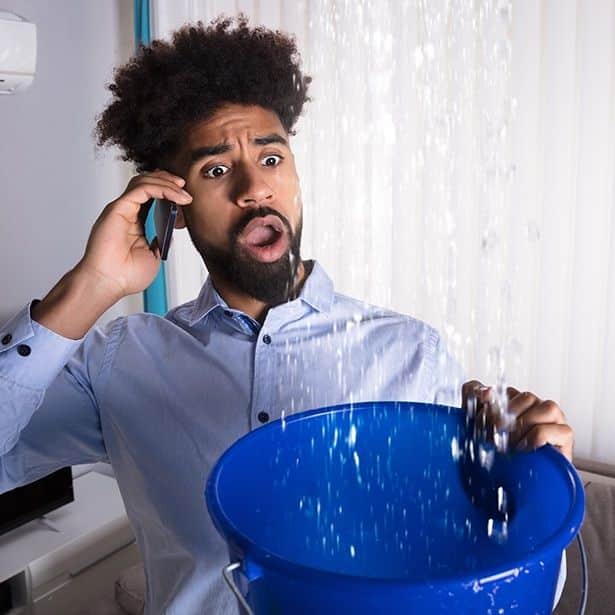
Many homeowners, understandably eager for a quick fix, turn to temporary solutions like hydraulic cement or liquid sealants applied to the interior of the basement walls. These methods invariably fail in the long run because they do not address the root cause: the external hydrostatic pressure.
Interior sealants only act as a band-aid, attempting to hold back tremendous pressure that can reach thousands of pounds per square foot during a storm. Instead of stopping the water, the pressure simply builds up behind the seal, causing the concrete or the sealant itself to eventually blister, crack, and fail, often making the recurring problem even worse.
These temporary repairs also often mask underlying structural issues, preventing the homeowner from addressing the core problem until it becomes a catastrophic failure. True, lasting waterproofing requires systems designed to relieve, manage, and divert the water, not just seal it in.
How Professional Evaluation Changes Outcomes
A professional evaluation from a certified basement waterproofing company changes the outcome by shifting the approach from reaction (cleaning up the water) to prevention (eliminating the conditions that cause it). They use specialized tools, such as moisture meters and thermal imaging, to accurately map the path of water intrusion and identify areas of high saturation.
The professional process includes a thorough inspection of the entire perimeter, checking the soil grade, testing the downspout performance, and evaluating the functionality of the existing foundation drain tile. This diagnostic step is impossible for a homeowner to perform accurately.
Based on this deep analysis, the company can recommend a tailored, permanent solution, such as installing an interior perimeter drain system (a French drain), replacing the exterior drain tile, or installing a high-capacity sump pump. Their expertise ensures the right solution is applied to the right problem.
Why Persistent Water Issues Require a Broader Solution Approach
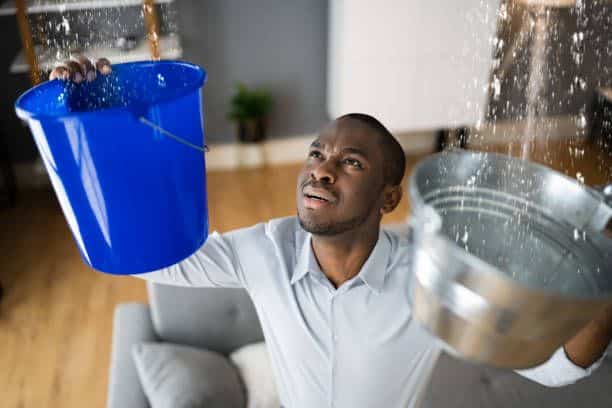
Persistent water intrusion is a strong indicator that the original foundation and drainage system are no longer adequate for the water volume and hydrostatic pressure of the site. It is a problem that cannot be isolated to a single, easily patched crack.
To achieve lasting dryness, a broader solution is required, focusing on managing the water flow around and under the home, rather than fighting it inside the home. This may involve a combination of exterior grading adjustments, interior drainage channels, and powerful pumping systems.
Ultimately, choosing a reputable basement waterproofing company is an investment in protecting the home’s structural integrity and eliminating the long-term risk of mold and mildew, moving from temporary fixes to permanent environmental control.
- 3shares
- Facebook0
- Pinterest0
- Twitter3
- Reddit0