Winter Theatre Events brings bold, short-run performances and outdoor shows that turn cold nights into lively, creative experiences. You’ll find everything from experimental stages and new play premieres to family-friendly spectacles and light-filled pageants that match the season’s mood.
Expect immersive, time-limited productions that celebrate local artists, seasonal themes, and community spirit—perfect for quick trips or whole-day festival plans. You’ll learn where to go, what kinds of shows to expect, how communities take part, and practical tips to enjoy performances in winter weather.
What Is Winter Festival Theatre?
Winter festival theatre brings short plays, new works, and staged readings to packed rooms during the colder months. You’ll find premieres, one-acts, and curated lineups that spotlight local playwrights, directors, and performers.
Definition and Concept
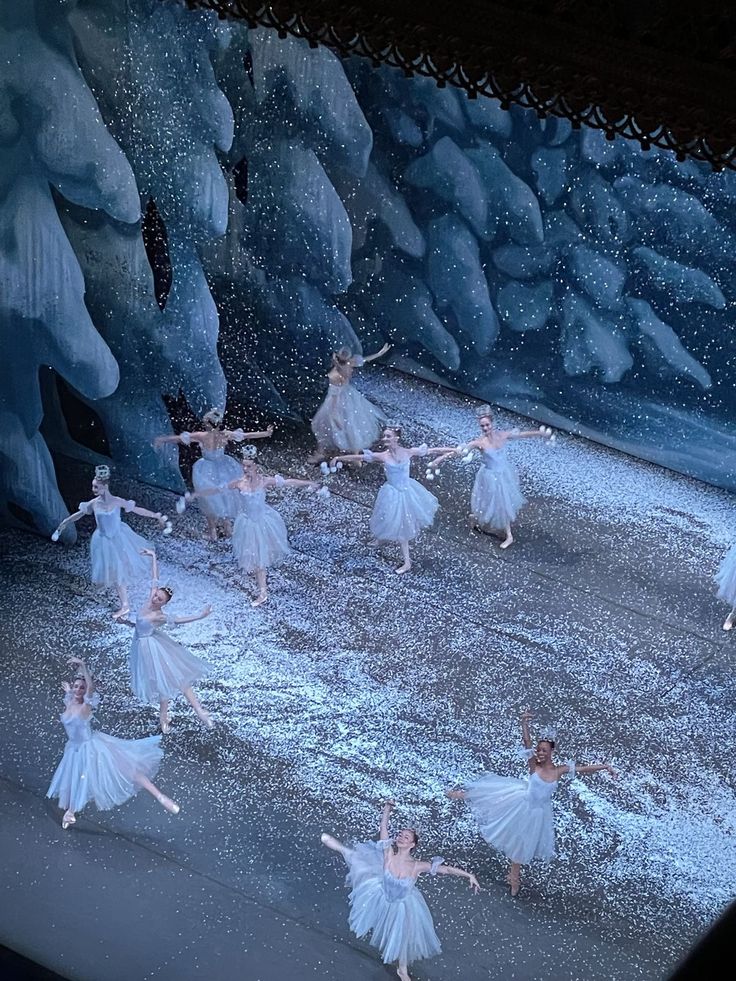
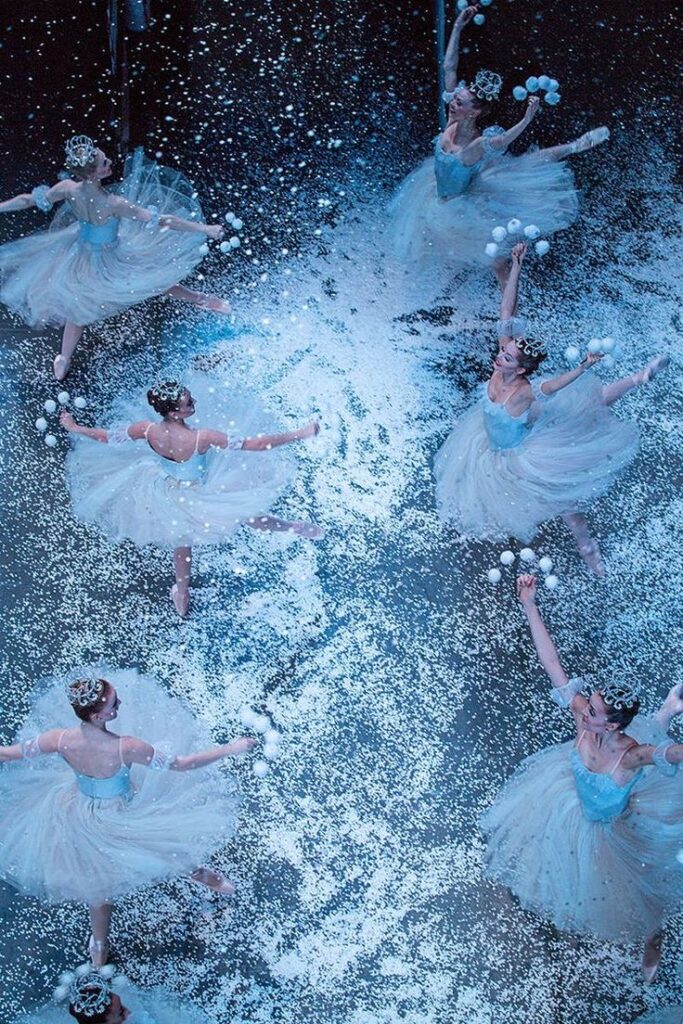
Winter festival theatre is a focused run of plays and performances staged over several days or weeks in winter. You’ll see new short plays, one-acts, and experimental pieces presented in compact programs. Festivals often program multiple shows per night to give audiences variety and creators a chance to test work before wider runs.
These events usually happen in small to mid-size venues like storefront theatres or black-box stages. You’ll pay one ticket price to see multiple short pieces or pick single-show options. Many festivals include talkbacks, awards, and workshops to boost community engagement and artist development.
Origins of Winter Festival Theatre
Winter festival theatre grew from city theatre scenes that wanted new work off-season. Producers and small companies began organizing winter runs to fill venue downtime and to showcase fresh voices. Early models came from New York and other theatre hubs where space is limited, and artists need short-run platforms.
Over time, organizers formalized the idea into curated festivals with submission processes and artistic directors. You’ll now find winter festivals that announce full lineups, dates, and award ceremonies, much like seasonal festivals in other arts. This format helps playwrights get New York premieres or city debuts for their pieces.
Key Characteristics
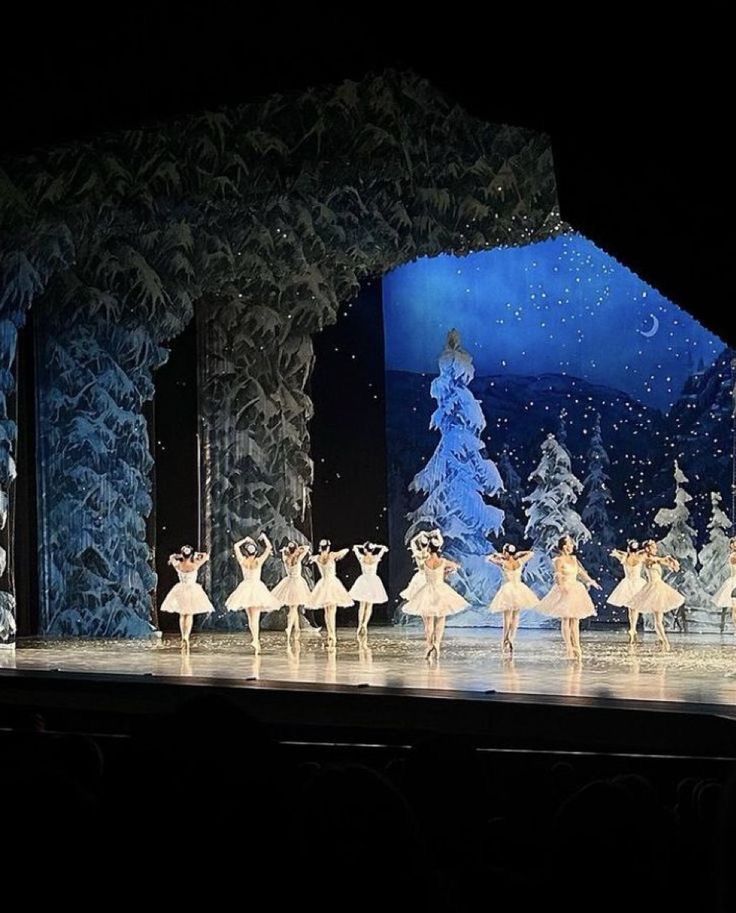
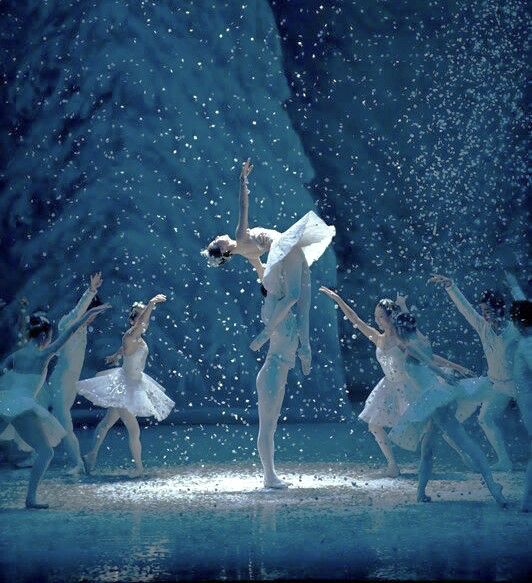
Winter festivals focus on new, short, and varied works presented in a tight schedule. You’ll notice:
- Multiple short plays or one-acts in a single program.
- Curated lineups chosen by artistic directors or panels.
- Emphasis on premieres and first-time stagings.
Logistics favor small venues and compact runs, often lasting one to three weeks. Festivals commonly include post-show discussions, artist Q&As, and awards to highlight standout pieces. Ticketing tends to be flexible, with package deals for seeing many shows or single-ticket options for individual performances.
Popular Theatre Productions at Winter Festivals
You’ll find plays that mix tradition, music, modern ideas, and kid-focused fun. These shows aim to match seasonal themes like family, snow, and celebration while fitting short festival runs.
Classic Winter Plays
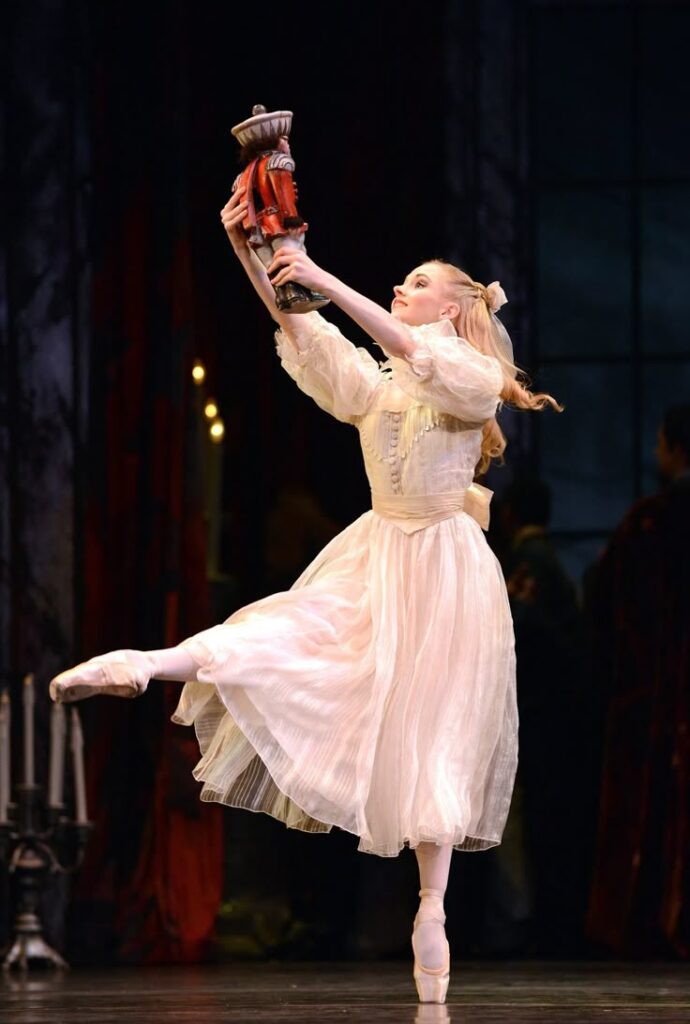
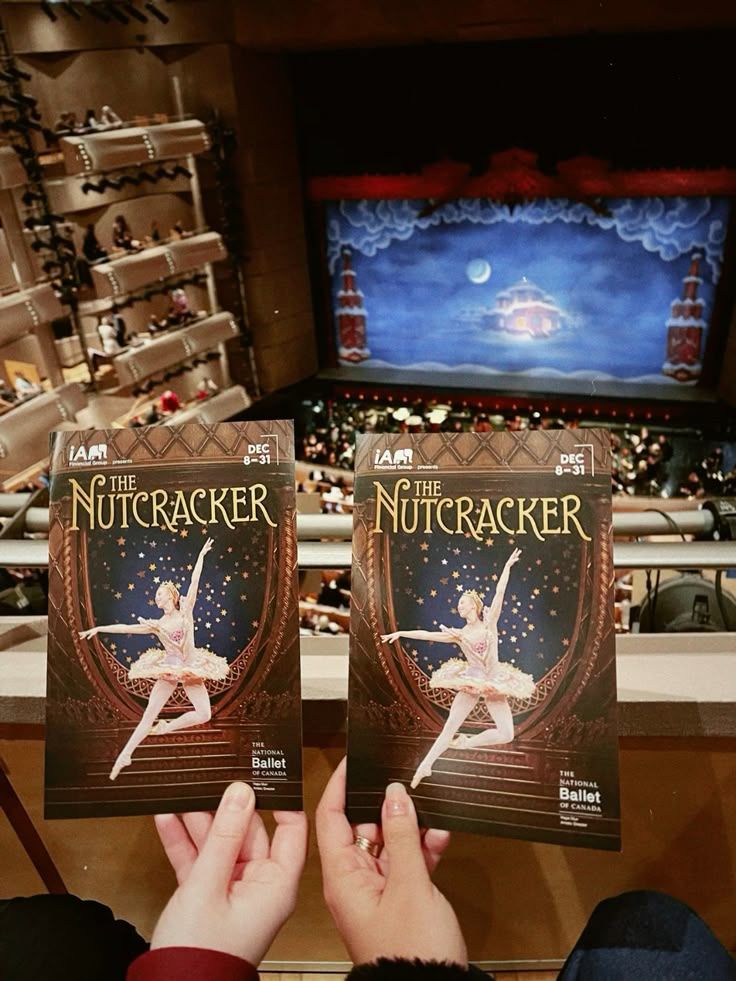
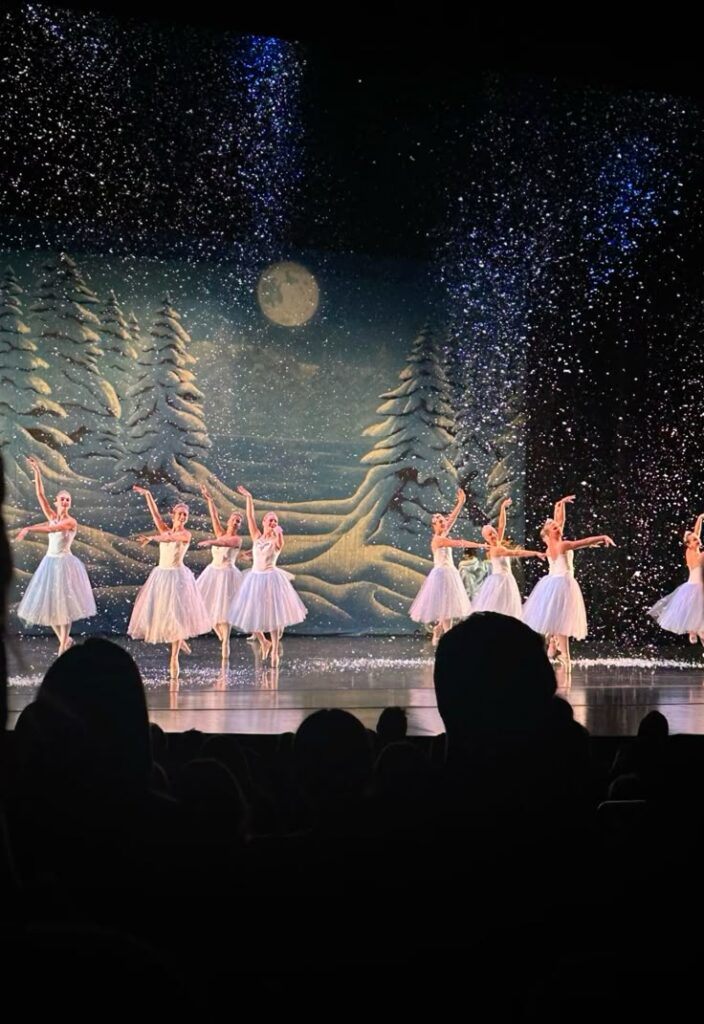
You often see time-tested titles that suit cold-weather moods and small festival stages. Productions such as A Christmas Carol and The Nutcracker-in-theatre adaptations return because they draw families and regular attendees.
Producers keep casts tight and sets flexible so shows can move between fringe venues and larger black-box stages. Expect trimmed run times, strong lead roles, and clear visual motifs—snow, candles, and warm interiors—to create instant seasonal atmosphere.
Musicals and Family Shows
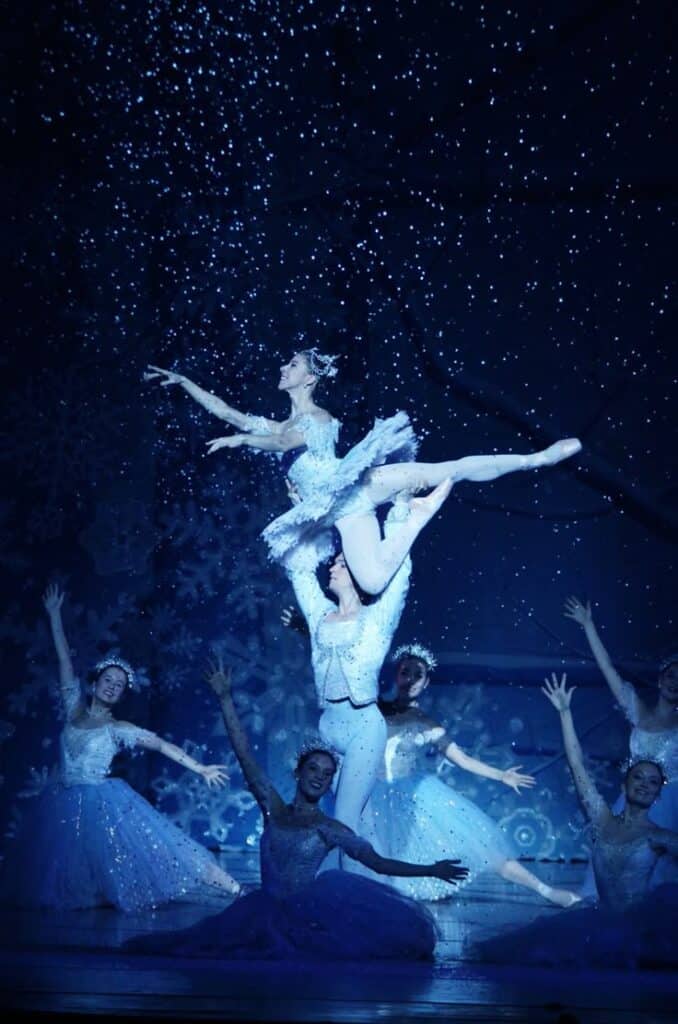
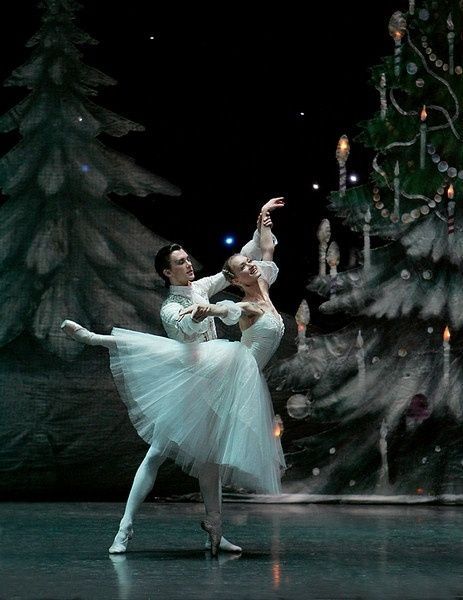
The festival program includes short musicals and family-friendly revues that appeal to broad age ranges. Look for condensed versions of holiday musicals and original song cycles about winter rituals, travel, or homecoming.
Music directors focus on memorable hooks and ensemble numbers that project well in small houses. Producers often schedule matinees and offer family pricing to boost attendance, making these shows practical for parents and groups.
Contemporary Performances
You’ll find new plays and experimental pieces that use winter as a theme rather than a setting. These works explore isolation, resilience, or holiday pressure through minimal sets, multimedia, and intimate staging.
Directors favor playwrights who write lean dialogue and strong central characters, letting actors carry the emotional weight. Festivals showcase many of these as premieres or short runs, so catching a performance can mean seeing a play before wider release.
Children’s Theatre Events
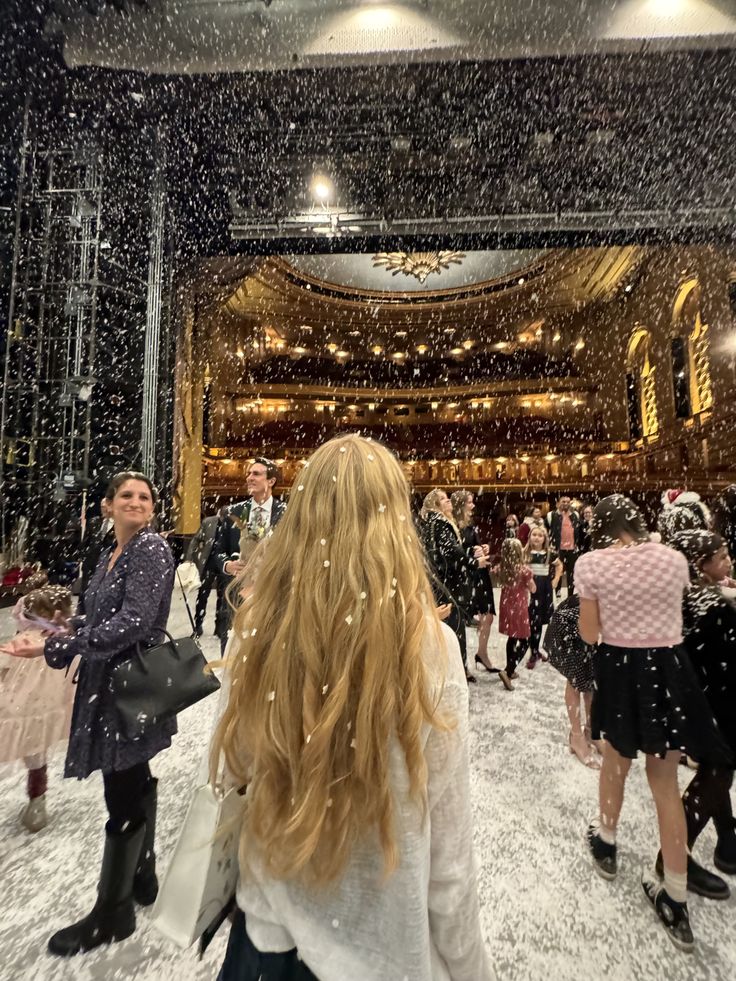

Children’s shows at winter festivals focus on interactive storytelling and visual spectacle. Puppet shows, short adaptations of beloved children’s books, and activity-driven performances are common choices.
Producers design these events to keep attention spans in mind: 30–50 minute runtimes, bright costumes, and a chance for audience participation. Schools and family groups often book blocks of seats, so check schedules early if you want to attend with a class or large family group.
Venues and Locations
You’ll find shows in heated indoor theatres, covered outdoor stages, and landmark historic playhouses. Each type offers different sightlines, seating, and atmosphere, so pick venues that match the show and your comfort needs.
Indoor Theatre Venues
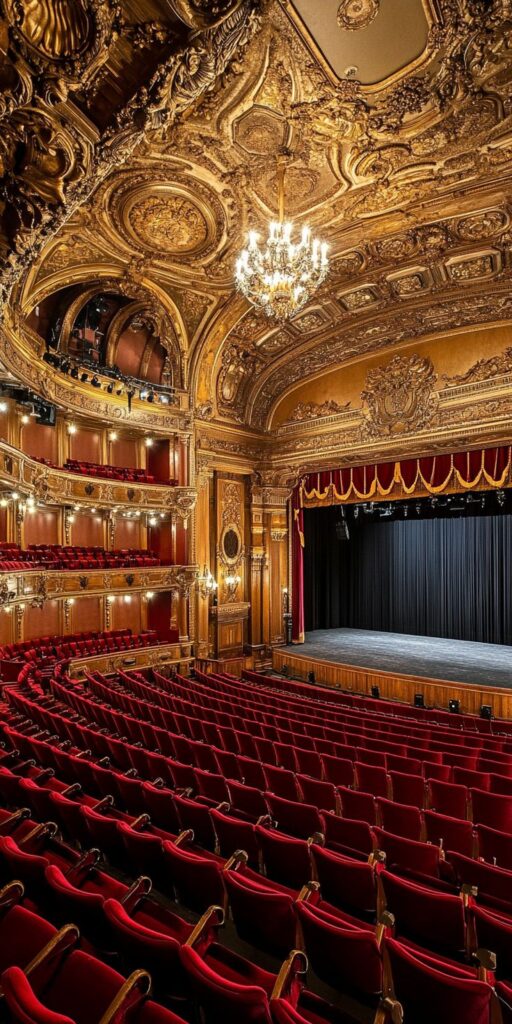
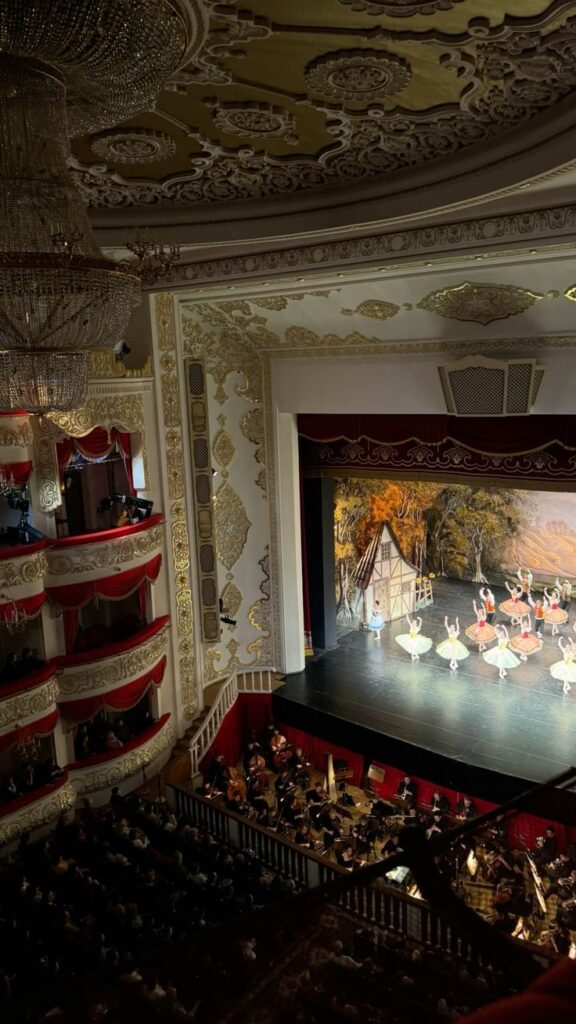
Indoor theatres give you controlled lighting, clear sound, and climate comfort. Look for mid-size black-box spaces for experimental plays, proscenium houses for full sets, and studio theatres when you want an intimate experience close to the actors.
Check technical specs before booking: seating capacity, accessibility, and whether the venue offers audio description or surtitles. Ticket booths often note running time and age guidance, which helps plan your evening. If you need wheelchair access or companion seating, call the box office ahead. Concessions and coat check vary by house; larger venues usually offer bars and restrooms on multiple levels.
Outdoor Stages
Outdoor stages appear in town squares, parks, and covered amphitheaters that keep you dry in light rain. Night air adds atmosphere, so dress warmly and bring a blanket for longer performances. Seating can be fixed rows, temporary stands, or open lawn; check whether chairs are provided or you must bring your own.
Sound and sightline issues are common outside, so pick seats near the center and slightly elevated. Weather policies matter: venues post refund or exchange rules for cancellations and offer covered alternatives when possible. Some festivals use portable lighting rigs and heated tents to extend season comfort into colder months.
Historic Theatres
Historic theatres offer ornate decor, exceptional acoustics, and a sense of occasion. These buildings often feature tiered balconies, box seats, and sloped stalls that give you classic sightlines. Expect lower seat widths and steeper stairways in older houses; if mobility is a concern, check for lifts or accessible seating options in advance.
Preservation rules can limit bag size, tripod use, or flash photography, so read house policies. Many historic houses stage revivals and period pieces that match their architecture, enhancing the experience. Buy tickets early for popular productions; these venues often sell out quickly because of limited seating and tourist interest.
Seasonal Themes and Traditions
You will find shows that tap into holidays, old tales, and local customs. Each choice shapes costumes, music, and audience expectations in clear, practical ways.
Holiday-Themed Plays
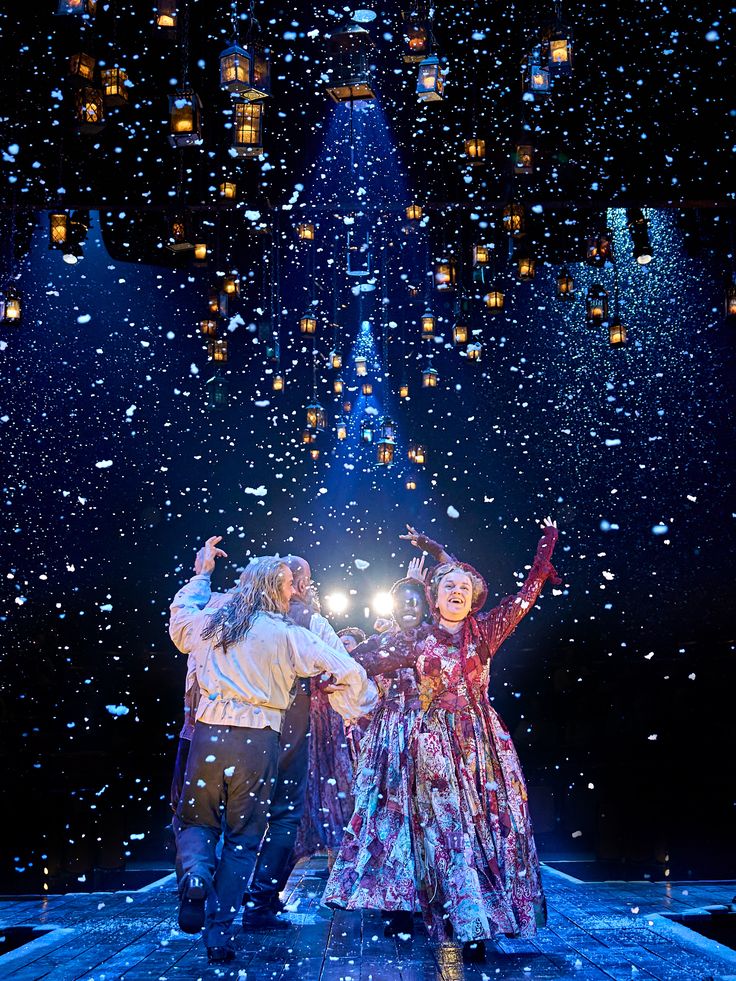

You can stage classic holiday stories like Dickens’ A Christmas Carol, or lean into modern holiday comedies and family dramas. These plays often use familiar plots, which helps attract families and seasonal tourists.
Design elements matter. Think warm lighting, evergreen garlands, and period costumes for Victorian pieces, or bright, contemporary sets for new comedies. Run-time and ticket pricing should match family schedules and budgets.
Plan special events around performances. Offer sing-alongs, post-show photos with characters, or themed concessions (hot cider, ginger cookies). These extras boost ticket value and make your theatre a seasonal destination.
Folklore and Legends
You can adapt regional winter myths—like solstice tales, snow spirits, or harvest-into-winter stories—into immersive productions. These pieces let you explore mood, ritual, and landscape without relying on well-known holiday icons.
Use music and movement to evoke natural elements: wind, snow, and long nights. Costumes and masks work well for mythical creatures and ritual scenes. Keep dialogue clear so younger or nonlocal audiences follow the story.
Community workshops invite local storytellers and elders to share versions of legends. That strengthens authenticity and gives you new material for narration, choreography, and program notes.
Cultural Celebrations
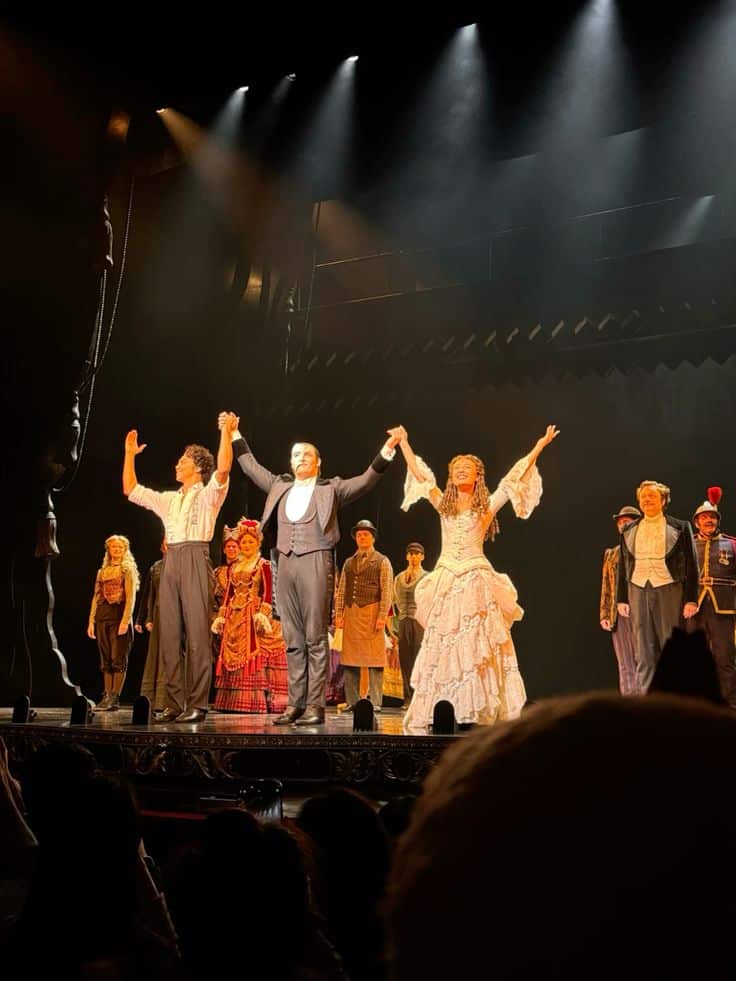
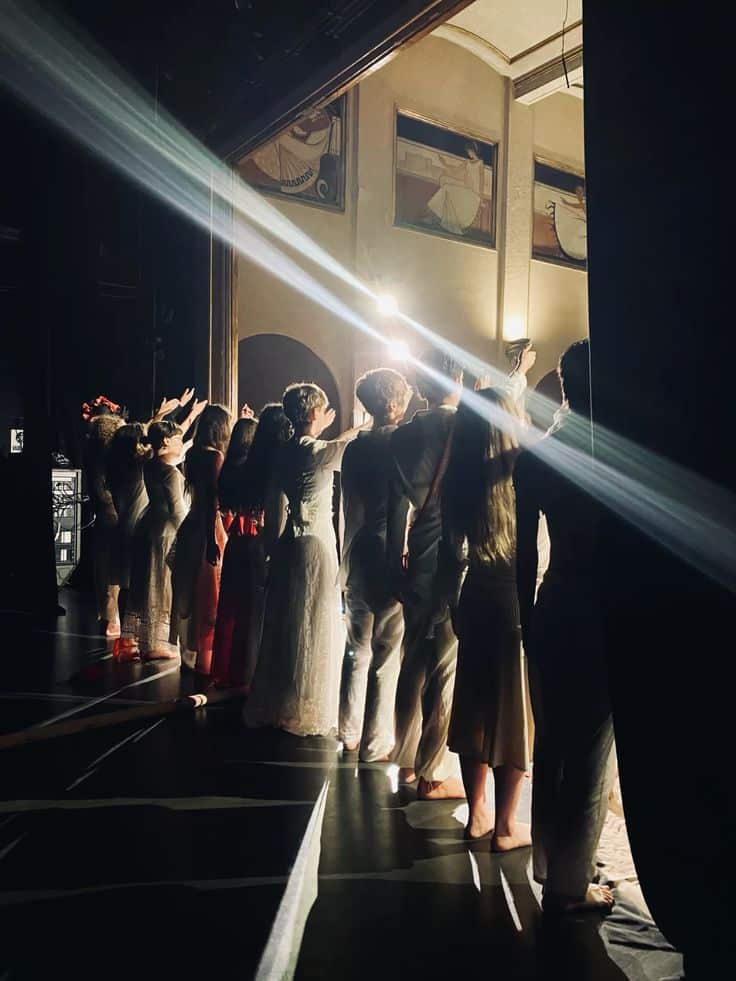
You should showcase seasonal practices from specific cultures, such as Scandinavian Lucia processions, Latin American posadas, or East Asian New Year customs. Present these with respect, detailed research, and community partners.
Collaborate with cultural groups for accurate music, dance, and costume. Display program notes that explain traditions, origins, and meanings. That helps audiences learn and reduces misinterpretation.
Offer bilingual materials and pre-show talks. These steps widen your audience and support cultural exchange while keeping the festival calendar rich and varied.
Community Involvement
You can connect your neighborhood to the festival through artist partnerships, volunteer roles, and hands-on learning. These actions help local performers, give you ways to help, and teach new skills that keep the festival growing.
Local Artist Collaborations
Invite nearby playwrights, musicians, and visual artists to co-create shows and installations. Book short runs for local plays, commission one-act pieces from local writers, and feature folk bands from the area on the outdoor stage.
Set clear terms: offer rehearsal space, a small honorarium, and shared marketing. List technical needs (sound, lighting, set) up front so artists know what you can provide. Plan joint promotional events — a gallery opening or a rehearsal sharing — to draw their audiences to your festival.
Provide professional support, like stage managers and designer,s when possible. That helps artists present higher-quality work and gives your festival a more polished program. Track ticket splits and merch sales so artists get fair pay.
Volunteer Opportunities
Create roles that match real needs: front-of-house, stagehand, box office, ushering, set build, and community outreach. Post clear role descriptions and shift times on your website so people can sign up easily.
Offer training sessions before the festival. Teach basic safety, customer service, and emergency procedures in short, practical workshops. Give volunteers a simple handbook and a single point of contact during events.
Recognize volunteers with perks like free entry, a meal per shift, and a certificate. Highlight standout volunteers in your program or on social media. That keeps people coming back and helps you staf,f future festivals.
Educational Workshops
Run short labs that match festival shows: acting basics, stage combat, scriptwriting, and community storytelling. Schedule daytime family workshops for kids and evening masterclasses for adults.
Partner with local schools and arts groups to provide discounted or free seats for students. Provide a clear supply list and expected learning outcomes for each workshop so participants know what they’ll gain.
Use workshop outcomes directly in the festival when possible. Have student scenes open a performance night or display workshop art in the lobby. That gives learners real-world experience and strengthens community ties.
Tips for Attending Winter Festival Theatre
Plan for short walks between venues, timed shows, and quick warm-up breaks. Bring proof of purchase and a small bag with layers, snacks, and a phone charger.
How to Choose Performances

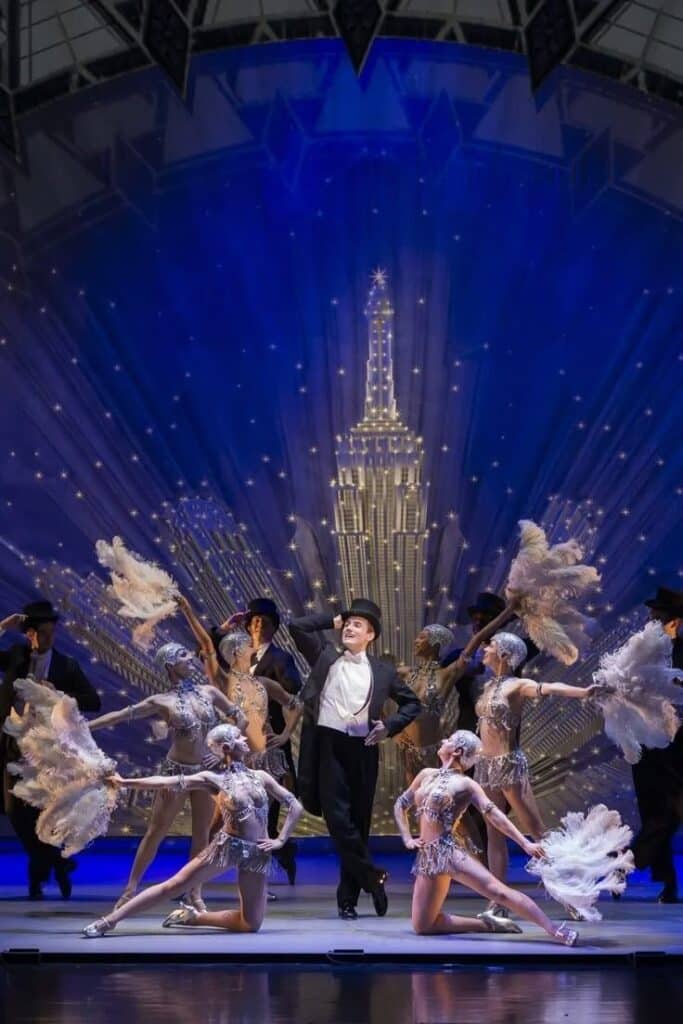
Pick shows by venue size and run time. Smaller black-box venues often offer closer seating and stronger sound, while larger theaters give more space and shelter from cold between shows. Check program notes for run times and age recommendations so you don’t get stuck outside waiting between long sets.
Look at seating charts and accessibility info. If you need step-free access or extra legroom, confirm those details before buying. Read a few short reviews or the festival’s daily highlights to spot standout productions and avoid repeats you’ve already seen.
Consider the schedule layout. Choose clusters of shows in the same neighborhood to reduce travel time in cold weather. Build a buffer of 30–45 minutes between events for transit, coat checks, and hot drinks.
Ticket Booking Advice

Book early for headline shows and weekend evenings; smaller matinees often have open seats even later. Use the festival box office for single-day or multi-show passes to save fees and get a physical pickup option if you prefer avoiding digital tickets in cold hands.
Check refund and exchange policies. Weather delays or travel issues are common in winter, so pick tickets that allow date changes or partial refunds when possible. Note start times and door-opening times on your ticket so you arrive before late-entry restrictions.
Keep ticket confirmations and ID in one easy-to-reach pocket. If the festival uses timed seating, show up 15–20 minutes early to find your seat and warm up. For groups, buy seats together or reserve adjacent single seats as soon as you can.
What to Wear
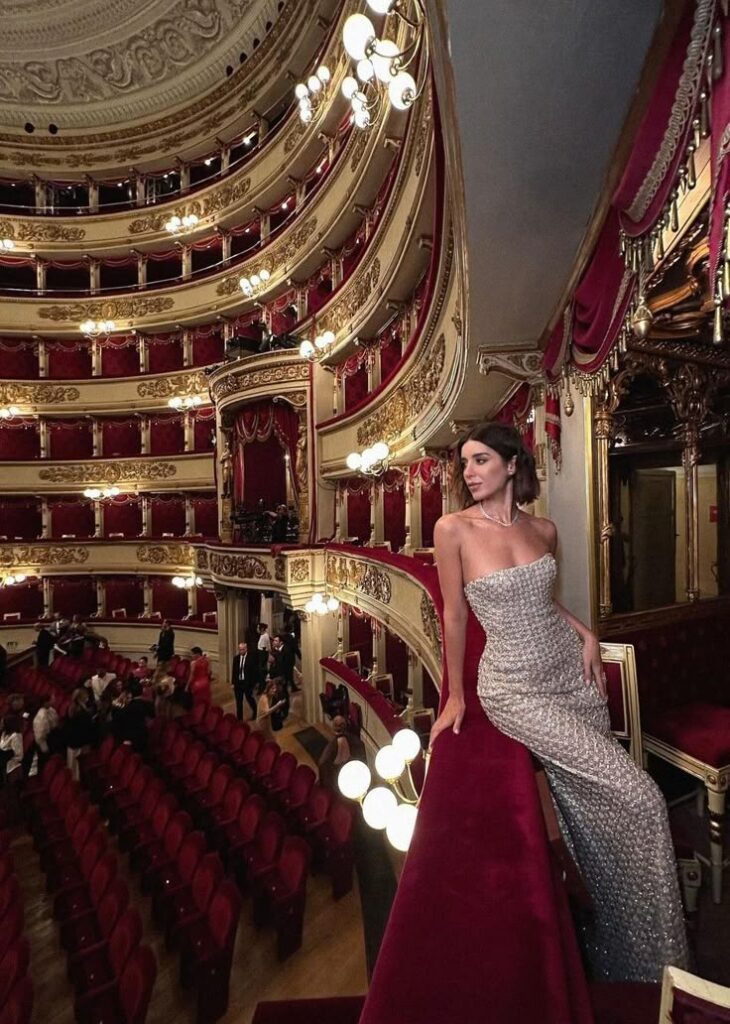
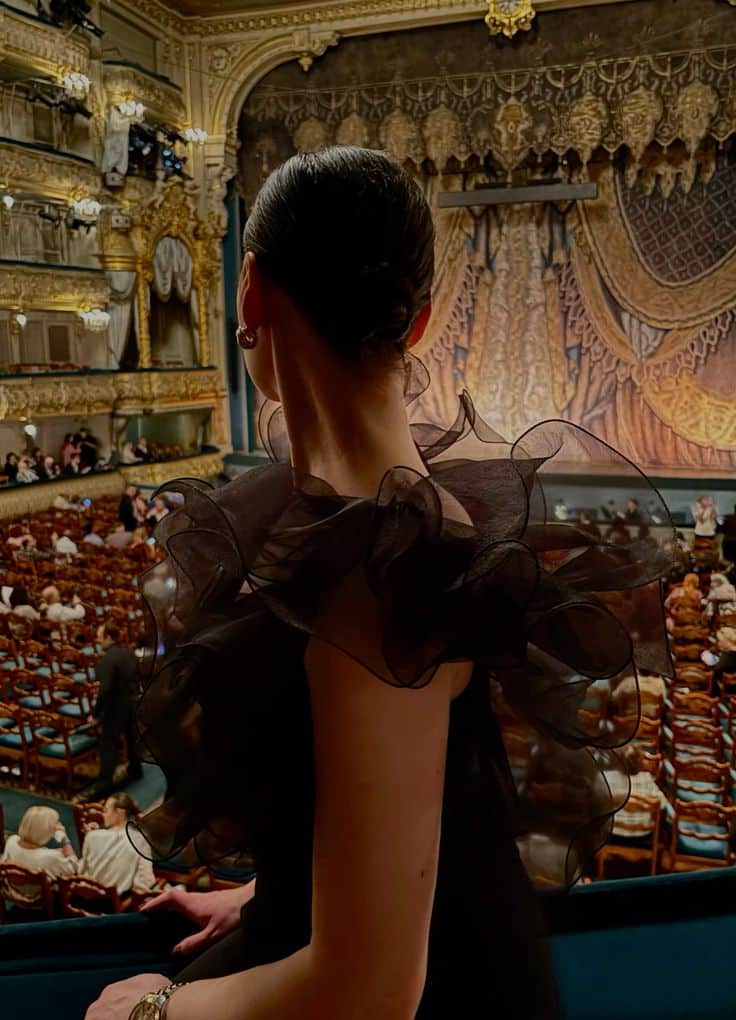
Layer for warmth and easy temperature changes indoors. Start with a thermal base, add a mid-layer like a fleece, and finish with a waterproof outer shell if you’ll be outside between venues. A compact scarf and thin gloves will keep you comfy and fit in pockets.
Pick quiet shoes with good traction for icy sidewalks and long standing queues. Avoid bulky backpacks; choose a small crossbody or bag that tucks under your seat. Bring a lightweight foldable blanket or a seat pad if outdoor performances list cold seating.
Keep a small emergency kit: hand warmers, a spare pair of thin socks, and any needed medication. Label your coat or bag with contact info if you plan to check items at a cloakroom.
Notable Winter Festival Theatre Events Worldwide
These events mix outdoor pageantry, experimental stage work, and community performances. They show how cold-weather settings shape productions, venues, and audience experience.
Europe’s Winter Theatre Festivals
In France, you can catch bold street theatre during the Fêtes de Saint-Vincent and various winter city festivals where open-air plays run alongside indoor shows. You’ll find adaptations of classics staged in historic halls, often with local companies adding regional music and dance.
In the UK, winter theatre often appears in fringe festivals and Christmas pantomimes. You can see small touring troupes in market towns as well as larger seasonal productions in cities like Edinburgh, where venues host winter runs and holiday family shows.
In Scandinavia, cold weather influences staging. You may attend minimalist indoor dramas or experimental performances using ice and snow as part of the set. Look for winter theatre programming in municipal festivals across Norway and Sweden that highlight local playwrights and folk tales.
North American Highlights
In Canada, Quebec City’s winter events mix theatre with parades and ice installations; expect outdoor performances aimed at families and community productions tied to the Quebec Winter Carnival period. Yellowknife stages the Snowking’s Winter Festival, where you can watch concerts and small-scale plays inside a snow castle.
In the United States, winter theatre shows often appear during holiday seasons. You’ll see classic holiday plays and modern adaptations in regional theatres from Boston to Atlanta. City winter festivals sometimes include pop-up theatre, puppet shows, and immersive evening performances that capitalize on festive lighting and seasonal crowds.
Unique International Events
China’s Harbin Ice and Snow Festival isn’t primarily theatre, but you can find staged cultural performances tied to the ice parks, including folk plays and choreographed pageants. These productions use dramatic lighting and large-scale ice sets.
In Quebec and parts of the Arctic, winter festivals blend ritual, sport, and staged scenes—ice canoe races and night parades sit beside community theatre and storytelling sessions. In Japan and Korea, local winter festivals may include Noh, kabuki excerpts, or contemporary works presented outdoors under lanterns or inside heated tents.
What exactly is Winter Festival Theatre?
Winter Festival Theatre is a series of short-run performances held during the colder months that showcase new works, experimental pieces, and local talent in small to mid-size venues, often including premieres, read-throughs, and curated lineups.
What are the key features of Winter Festival Theatre programs?
These festivals typically feature multiple short plays or one-acts in a single lineup, curated by artistic directors, and focus on premieres and first-time stagings, with activities like talkbacks and awards to engage the community.
What types of performances are common at winter festivals?
Expect a mix of classic winter plays like adaptations of A Christmas Carol, short musicals and family shows, contemporary experimental works, children’s theatre, and culturally themed performances based on folklore, folklore myths, or seasonal traditions.
How should I choose venues and plan my outings for Winter Festival Theatre?
Select venues based on comfort and accessibility, considering indoor theaters for controlled environments and outdoor stages for atmosphere, while planning your schedule with enough time between shows and dressing warmly for outdoor performances.
What practical tips should I keep in mind to enjoy winter festival performances?
Wear layered clothing suitable for indoor and outdoor weather, book tickets early especially for popular shows, arrive early for timed performances, bring essentials like snacks and a phone charger, and check venue policies to make your experience smooth and enjoyable.
- 48shares
- Facebook0
- Pinterest48
- Twitter0
- Reddit0