I change my wallpaper way more often than I probably should. It’s the fastest way to make a phone or laptop feel new again without buying anything.
For me, “aesthetic wallpaper” just means something I don’t get tired of looking at after two days. Sometimes that’s a super minimal gradient. Other times it’s a messy collage or some over-the-top artwork that makes no sense but somehow works.
- Key Takeaways
- What Is Aesthetic Wallpaper
- Types of Aesthetic Wallpaper
- Choosing The Right Aesthetic Wallpaper
- Best Platforms To Find Aesthetic Wallpapers
- How To Download and Set Aesthetic Wallpaper
- Customizing Your Own Aesthetic Wallpaper
- Trends in Aesthetic Wallpaper
- Copyright and Usage Guidelines
- Maintaining High-Quality Wallpaper Aesthetics
- Frequently Asked Questions
- Q: What makes an aesthetic wallpaper “aesthetic”?
- Q: How do I choose the best aesthetic wallpaper for my room or screen?
- Q: Why are minimalist aesthetic wallpapers so popular?
- Q: What are the best aesthetic wallpaper styles right now?
- Q: How much does aesthetic wallpaper cost?
- Q: Can I use my own photos to create aesthetic wallpaper?
- Q: What are common mistakes people make when choosing wallpaper?
- Q: How often should I change aesthetic wallpaper?
There isn’t one style that fits everyone. I’ve had phases—plain neutral backgrounds, then bright neon stuff, then those soft, grainy photos that look like they came from an old camera. What works on a phone lock screen might look terrible on a desktop, so you kind of figure it out as you go.
Most of the time I download wallpapers, but the ones I actually keep are the ones I tweak a bit. Crop it differently, darken it so icons pop, add a little blur. Small changes, but they make it feel like mine instead of something pulled straight off a random site.
Once you get used to it, switching wallpapers becomes less of a “task” and more like… adjusting the vibe of your space in 10 seconds.
Key Takeaways
- Aesthetic wallpaper sets the mood and shows personal style.
- Different styles suit different tastes and spaces.
- Finding and using wallpaper is simple with the right guidance.
What Is Aesthetic Wallpaper
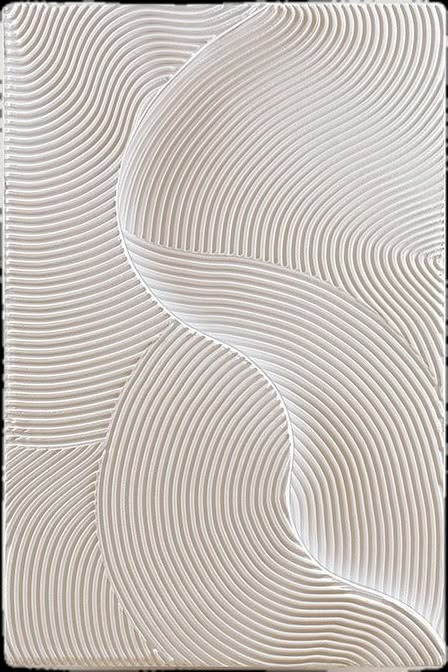
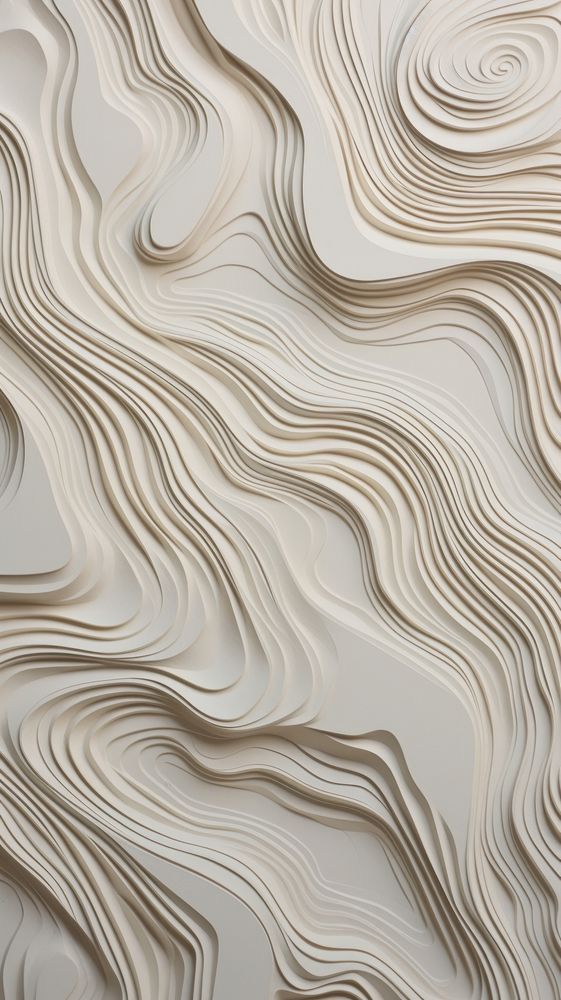
Aesthetic wallpaper blends visual appeal with design elements to create a pleasing background for any space. It combines patterns, colors, and textures that reflect a particular style or mood. These wallpapers are chosen for their ability to change the look and feel of a room quickly.
Defining Aesthetic Wallpaper
Aesthetic wallpaper starts with mood rather than coverage. The pattern, color palette, and visual references are chosen to push a room in a specific direction — calm and minimal, or dense and graphic, or somewhere with more cultural texture to it.
Plain wallpaper fills a wall. This kind changes how the room reads.
Key Characteristics
Aesthetic wallpaper is known for its distinct visual features. It usually includes:
- Balanced color schemes
- Repetitive or unique patterns
- Texture that adds depth, such as matte or glossy finishes
It is not random; each design targets a specific look. For example, some wallpapers use pastel shades for calmness, while others use bright colors to energize a room.
The wallpaper’s quality also matters. Durable materials with easy installation are common traits, allowing users to update their space without much hassle.
Popular Aesthetic Wallpaper Styles


Several wallpaper styles are favored for their aesthetic impact, including:
| Style | Description |
|---|---|
| Minimalist | Clean lines, neutral colors, simple patterns |
| Vintage | Retro patterns, faded colors, nostalgic vibe |
| Botanical | Leaf, flower, and natural motifs |
| Geometric | Shapes like triangles and hexagons, often symmetrical |
| Abstract | Non-representational forms, bold colors |
These styles suit different tastes and room functions. Choosing one depends on whether the user wants calmness, energy, or a creative touch in their space.
Types of Aesthetic Wallpaper
Aesthetic wallpaper can dramatically change the look and feel of a room. Some designs focus on simplicity, while others draw on past styles or natural elements. There are also wallpapers based on creative patterns that add unique visual interest.
Minimalist


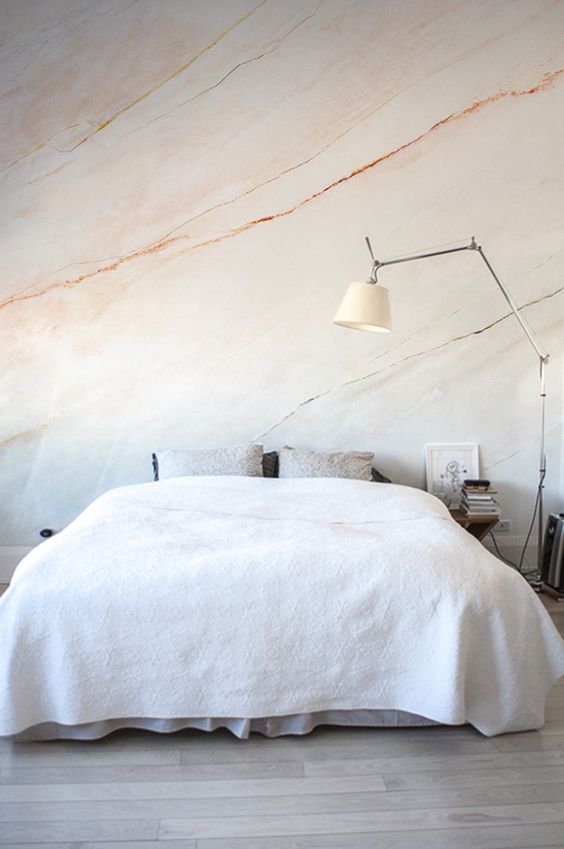
Minimalist wallpaper does more to a room than it looks like it should. I keep coming back to the soft end of the palette — warm white, beige, muted gray, those dusty pastels that don’t announce themselves when you walk in.
The patterns follow the same logic. Thin lines, tiny shapes, barely-there texture. A subtle stripe if you want something to look at without the wall taking over. Sometimes there’s almost no pattern at all — just enough surface variation that the room doesn’t feel like a rental.
A busy print shrinks a space. I’ve seen it happen in bedrooms especially, where you’re already surrounded by furniture and stuff and the last thing you need is the walls joining in. Minimalist wallpaper goes the other way. The room breathes. You stop noticing the walls, which is kind of the whole point.
Vintage

Vintage wallpaper draws inspiration from past decades. Popular prints include floral patterns, damask, and ornamental shapes.
Typical colors are muted or faded to create a worn, nostalgic look. It suits classic or retro-themed rooms. The style adds character to homes and can suit dining rooms, hallways, or cozy reading nooks.
Vintage wallpaper often uses bold textures and detailed designs. It can bring warmth and history into modern living spaces.
Nature-Inspired
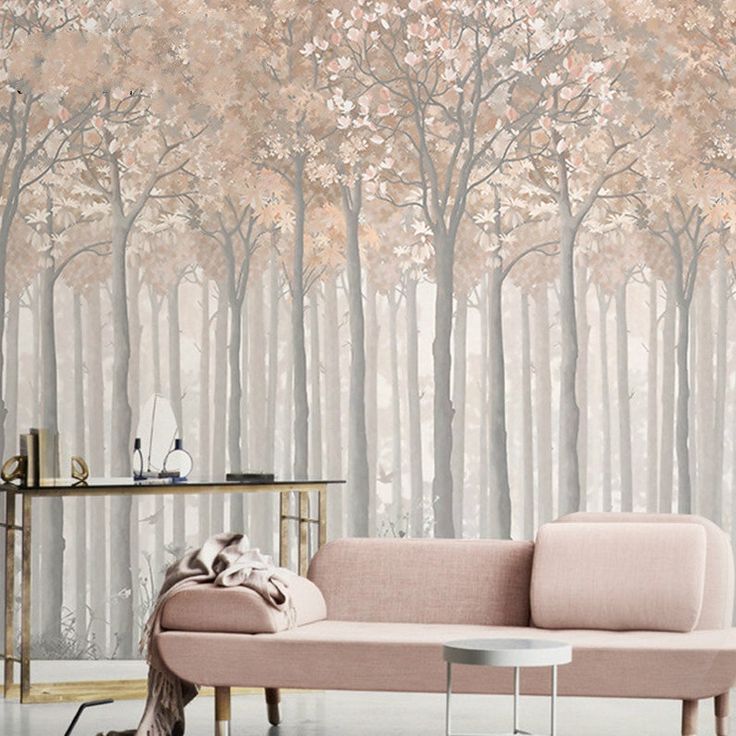

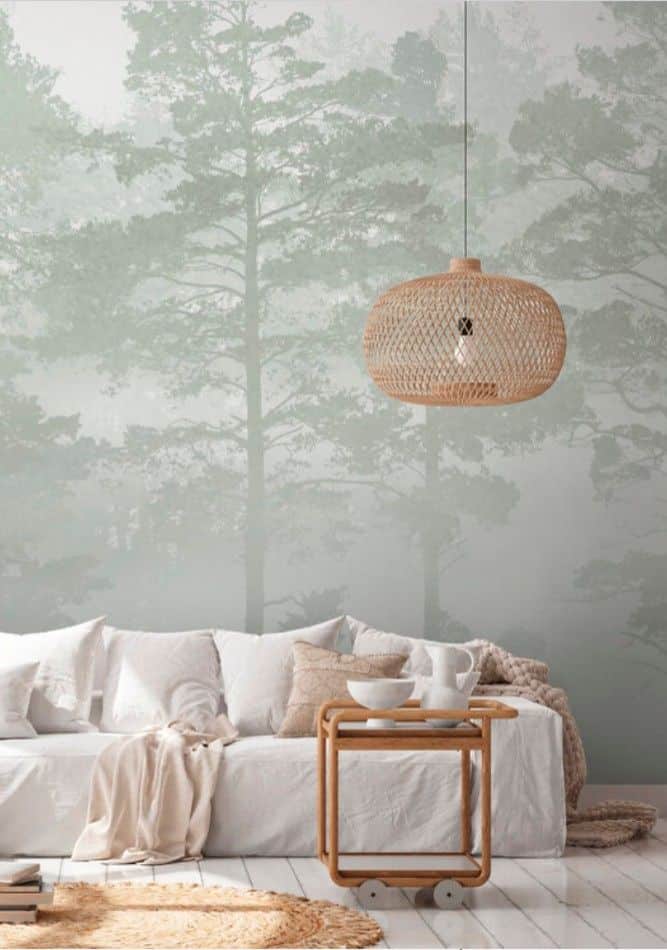
Nature-inspired wallpaper features leaves, flowers, trees, or landscapes. It uses colors like green, brown, blue, and earth tones.
This type of wallpaper creates a peaceful, outdoor feeling indoors. It fits well in spaces like sunrooms, bathrooms, or kitchens where freshness is wanted.
Some designs are realistic, while others are more stylized or abstract. This wallpaper type helps connect people to nature without needing a garden.
Abstract Art
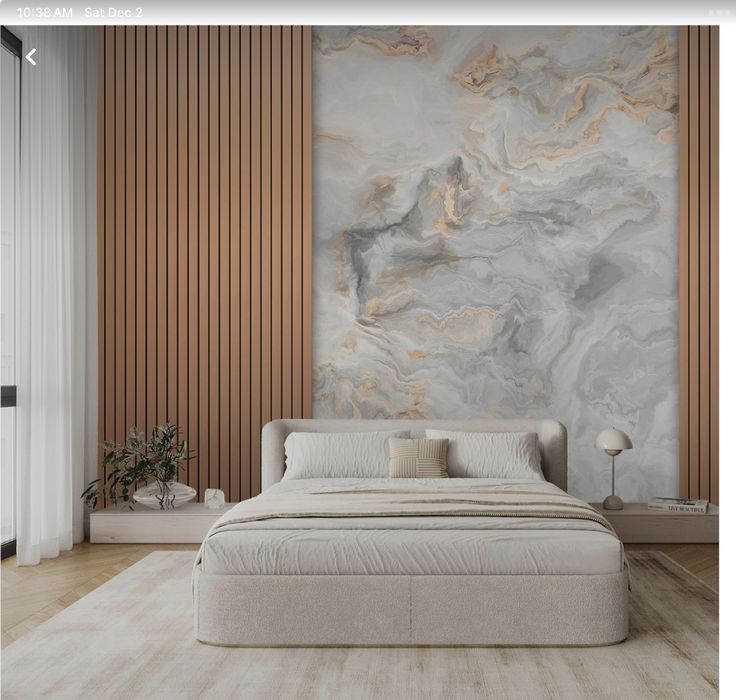

Abstract art wallpaper uses shapes, lines, and colors in a way that does not represent real things. It often features bold patterns with irregular forms and contrasting colors.
This style suits people who want to make a statement or add energy to a room. It works well in living rooms, studios, or creative spaces.
Abstract designs vary widely, from geometric patterns to free shapes. They can be colorful or monochrome, depending on the mood desired.
Choosing The Right Aesthetic Wallpaper

Choosing aesthetic wallpaper means thinking about how it fits with personal style, picking colors that work well, and making sure the image quality is good. Each part helps create a space that feels balanced and looks clear.
Matching Your Personal Style
I’ve always thought wallpaper gets easier to choose once you stop chasing trends and look at what you already like. Your style is usually sitting right in front of you anyway. If your clothes are mostly neutral and your furniture leans simple, a loud tropical print on the wall will probably feel wrong after a month.
Minimal spaces usually work better with softer colors and quieter patterns. Muted tones, clean lines, subtle texture — wallpaper that blends into the room instead of demanding attention. If you’re more into vintage interiors, though, florals, classic patterns, or something with a little age to it usually feels more natural.
I’d honestly start by looking around the room first. The couch, rugs, wood tones, artwork, even the lighting. Good wallpaper usually feels connected to what’s already there instead of acting like it belongs to a completely different house.
And texture matters way more than people think. Matte wallpaper feels soft and calm. Glossy finishes bounce light around differently. Some textured wallpapers almost feel architectural once they’re on the wall. Same color, completely different mood depending on the finish.
Selecting Color Schemes
Color has a strong effect on mood and space perception. Light colors like beige, pale blue, and soft gray make rooms feel bigger and calmer. Dark colors such as navy or charcoal add depth and create a cozy feeling.
Contrast is key. A wallpaper with colors that clash with furniture can make the room feel chaotic. Instead, colors should complement or match other elements.
Using a color wheel can help. Colors opposite each other (like blue and orange) create energy, while colors close to each other (like blue and green) feel peaceful.
Evaluating Image Quality

High image quality is crucial for aesthetic wallpaper. Low resolution images appear blurry or pixelated when printed on large surfaces.
Wallpaper should have a resolution of at least 150 dots per inch (DPI) for clear detail. The higher the DPI, the sharper the image.
Check the source of the wallpaper. Professional designs from trusted suppliers tend to offer clearer and more durable prints than free downloads.
Textures and finishes can also hide or highlight imperfections. Matte finishes reduce glare and hide flaws better than glossy ones.
Best Platforms To Find Aesthetic Wallpapers


Finding aesthetic wallpapers often means choosing the right place based on style, quality, and ease of use. Some platforms focus on a wide range of designs, while others highlight unique or artistic images. It’s important to pick sites or apps that offer good resolution and easy download options.
Wallpaper Apps
Wallpaper apps provide a large collection of images that users can browse and download quickly. Popular apps like Zedge and Walli often offer curated galleries with categories such as minimal, vintage, or nature. These apps usually allow users to set wallpapers directly from the platform.
Many apps support different screen sizes, so users get wallpapers that fit their devices properly. Frequent updates bring fresh content regularly. Some apps have free options, but they may include ads or require purchases for premium wallpapers.
Specialized Design Websites


Design websites like Unsplash and Pexels focus on high-resolution, free photos contributed by photographers and artists. These platforms offer clean, stylish images excellent for aesthetic wallpaper needs. People can download without signing up and find images sorted by themes or colors.
Users looking for unique and professional-quality wallpapers benefit from these sites. They are trustworthy for finding original content and having flexible use rights. Many websites also provide filters to search for the perfect wallpaper based on size and tone.
Social Media Communities
Social media sites such as Pinterest and Instagram host large communities that share aesthetic wallpaper collections. Users can follow artists, boards, or hashtags dedicated to wallpaper styles like pastel, retro, or abstract. These platforms offer constant updates and diverse versions.
Many creators provide free downloads through links or profiles. Social groups often share tips on customizing or combining wallpapers for a unique look. Interaction with creators allows readers to request specific types or themes directly.
How To Download and Set Aesthetic Wallpaper


Downloading and setting aesthetic wallpaper requires finding the right image, saving it properly, and adjusting device settings to fit the screen. Each device has specific steps to make this process smooth.
For Smartphones
To download wallpaper on a smartphone, open a web browser or wallpaper app. Search for the desired aesthetic image.
Tap and hold the image to open options. Select “Download” or “Save image” to store it in your photo gallery.
Next, open the phone’s Settings app. Find Wallpaper or Display settings. Choose Set Wallpaper, then select the saved image from the gallery.
Adjust the crop to fit the screen if needed. Confirm the selection and decide if it should be for the home screen, lock screen, or both.
For Desktop and Laptops

On desktops or laptops, use a web browser to find the wallpaper image. Right-click the picture and choose “Save image as” to download it to a known folder.
To set it, right-click on the desktop. Select “Personalize” or “Properties” depending on the operating system.
Click on Background or Desktop Background. Choose Browse and locate the saved wallpaper.
Select the picture and pick how it should display, such as Fill, Fit, or Stretch. Confirm the selection to apply the wallpaper.
Customizing Your Own Aesthetic Wallpaper
Creating personalized wallpaper means choosing the right tools and images to fit individual style. It involves selecting design elements and using photos that hold personal meaning or fit a visual theme. Custom wallpapers enhance any space with unique looks made by the user.
Using Graphic Design Tools

Graphic design software like Adobe Photoshop, Canva, or GIMP offers many options for making wallpaper. Users can combine shapes, colors, and textures to create patterns. These tools allow precise control over size, resolution, and layout, ensuring the wallpaper fits screens or walls perfectly.
Templates and pre-made elements can speed up the process. Adding text or graphic icons lets users further personalize the design. Exporting the file as PNG or JPEG keeps it ready for printing or digital use. Learning basic editing features is enough to make attractive wallpaper with these programs.
Personal Photography


I’ve always thought personal photos make better wallpaper than something random pulled off the internet. A travel photo you still love, a nature shot you took yourself, old film pictures, artwork, even a weird little moment that just makes you happy when you see it — it feels more personal right away.
The only thing I’d pay attention to is quality. I’ve definitely seen photos look perfect on a phone, then turn blurry the second they’re blown up bigger. Lighting matters. Focus matters. And if you’re printing wallpaper or using it on a large screen, resolution suddenly becomes very important.
I’d probably edit the image a little first too. Crop it, fix the colors, brighten darker spots if needed. Nothing dramatic, just enough so it looks intentional. And if one photo feels too empty, a collage can actually look really good when it’s done simply instead of trying to cram twenty memories into one wall.
Trends in Aesthetic Wallpaper
Aesthetic wallpaper often follows changes in design preferences and technology. Right now, natural themes are popular. Patterns with leaves, flowers, and landscapes help bring a calm, organic feel to rooms.
Bold geometric shapes are also common. These patterns use clear lines and simple forms to create a modern look. People like how these designs add structure without being too busy.
Color trends play a big role. Soft pastels like blush pink, mint green, and light blue are favored for their calming effect. Darker shades such as navy or charcoal are used to add depth and contrast.
Another trend is textured wallpaper. Materials that look like fabric, wood, or stone give a room extra character. These types of wallpaper add a sense of touch and warmth.
Minimalist styles remain strong. Designs with subtle patterns or solid colors fit many different spaces. They help create clean, uncluttered walls without too much effort.
Some prefer vintage-inspired wallpaper. Retro prints from the 70s or art deco styles bring a nostalgic feel. These patterns add personality but keep a classic tone.
| Trend Type | Description | Example Colors |
|---|---|---|
| Natural | Leaves, flowers, landscapes | Green, beige, brown |
| Geometric | Bold shapes, clean lines | Black, white, bright colors |
| Textured | Fabric-like, stone or wood look | Neutral tones |
| Pastel Colors | Soft, calming shades | Pink, mint, light blue |
| Vintage | Retro and classic patterns | Mustard, burnt orange, teal |
Copyright and Usage Guidelines


Aesthetic wallpapers are often protected by copyright law. This means users must respect the creator’s rights when using or sharing the images.
People should check if the wallpaper is free to use or if it requires permission. Some creators allow personal use only, while others may offer licenses for commercial use.
Important points to consider:
- Always credit the artist if required.
- Avoid selling or distributing wallpapers without permission.
- Read the terms of use on the website or source before downloading.
Some wallpapers are labeled under Creative Commons licenses. These licenses may allow free use with certain conditions like attribution or no changes.
If a wallpaper is marked “All Rights Reserved,” users must get explicit permission before using it beyond personal viewing.
For commercial projects, it is safer to buy licenses or use images from trusted stock sites that provide clear usage rights.
Ignoring copyright rules can lead to legal problems or removal of content by platforms.
Users should keep records of permissions or licenses to prove legal use if needed.
Maintaining High-Quality Wallpaper Aesthetics

Keeping wallpaper looking fresh requires regular care. Dusting with a soft cloth or a vacuum cleaner on low power helps remove loose dirt.
Stains should be cleaned quickly. Using a damp sponge and mild soap works well for most wallpapers. Avoid harsh chemicals that could damage the material.
Humidity can affect wallpaper quality. It is best to use wallpaper in rooms with good ventilation to prevent peeling or bubbling.
If minor tears or lifting occur, wallpaper glue or paste can fix them. Applying glue gently under the loose edge and pressing firmly restores the surface.
Sunlight can cause fading over time. Using curtains or blinds to limit direct sun exposure helps maintain the wallpaper’s colors.
Quick tips:
- Dust weekly
- Clean stains promptly
- Avoid strong cleaners
- Control room humidity
- Repair tears quickly
- Protect from direct sunlight
Regular attention like this helps wallpaper stay attractive longer. It allows homeowners to enjoy a neat and stylish environment.
Frequently Asked Questions
Q: What makes an aesthetic wallpaper “aesthetic”?
A: Aesthetic wallpaper usually focuses on mood, color harmony, and visual style rather than busy patterns. Popular options include minimalist beige tones, vintage florals, soft pastels, nature scenes, retro collages, and moody dark themes. On phones and desktops, many people prefer calming visuals like clouds, sunsets, flowers, or abstract textures because they feel less distracting and more personal.
Q: How do I choose the best aesthetic wallpaper for my room or screen?
A: Start with your personal style. If you love minimal interiors, neutral wallpapers with soft textures or muted tones work best. For cozy or vintage spaces, floral prints, warm browns, or retro patterns fit naturally. On digital devices, darker wallpapers often look cleaner and save battery on OLED screens, while brighter wallpapers make spaces feel more energetic.
Q: Why are minimalist aesthetic wallpapers so popular?
A: Minimalist wallpapers stay popular because they create a calm, uncluttered look. Clean lines, soft colors, and simple textures make rooms feel larger and phone screens feel less visually overwhelming. Neutral palettes like beige, white, gray, sage green, and pale pink are especially common because they pair easily with furniture, outfits, or app icons.
Q: What are the best aesthetic wallpaper styles right now?
A: Some of the most popular styles include coquette wallpaper (bows, lace, soft pinks), dark academia (moody books, vintage tones), nature-inspired designs (mountains, flowers, forests), Y2K retro aesthetics, and Japandi-inspired minimalist textures. For rooms, peel-and-stick botanical wallpapers from brands like Tempaper and RoomMates Decor are popular because they are removable and renter-friendly.
Q: How much does aesthetic wallpaper cost?
A: Costs vary depending on whether it is digital or physical wallpaper. Free phone wallpapers are easy to find online, while premium wallpaper apps may charge $5–20 monthly. For home wallpaper, peel-and-stick options typically cost around $25–$70 per roll, while premium textured wallpaper can cost $100+ per roll. Installation costs for rooms can add another $200–$800 depending on wall size.
Q: Can I use my own photos to create aesthetic wallpaper?
A: Yes, and it often looks more personal. Nature photography, travel photos, pets, sunsets, or favorite memories can work beautifully. The trick is using high-resolution images with good lighting and simple compositions. Editing apps like Canva or Adobe Express make it easy to adjust colors, blur backgrounds, or create a collage for a more polished aesthetic look.
Q: What are common mistakes people make when choosing wallpaper?
A: One big mistake is choosing overly busy patterns that feel trendy now but become overwhelming later. Another is ignoring lighting — dark wallpapers can make small rooms feel cramped if there is little natural light. For phones or laptops, wallpapers with too much detail can make app icons or text harder to see. Resolution matters too; low-quality images often look blurry on larger screens.
Q: How often should I change aesthetic wallpaper?
A: There is no rule, but many people update digital wallpapers seasonally or whenever their mood changes. Spring often means florals or pastel tones, while fall leans toward earthy browns and darker aesthetics. For home wallpaper, most people keep designs for 5–10 years unless trends or personal style change significantly.
- 764shares
- Facebook0
- Pinterest761
- Twitter3
- Reddit0