Public speaking ranks among the most valuable professional skills you can develop, yet many people struggle with anxiety and uncertainty when presenting to an audience. Online public speaking courses provide a flexible solution that lets you build confidence and master presentation techniques at your own pace. These digital programs combine video instruction, practical exercises, and often peer feedback to help you improve without the pressure of immediate in-person performance.
Online public speaking courses teach you effective communication strategies, audience engagement methods, and persuasive storytelling techniques through structured lessons you can access from anywhere. You’ll learn how to organize your thoughts, manage nervousness, and deliver compelling presentations for professional meetings, conferences, or personal events. The digital format allows you to practice repeatedly, review your progress, and fit learning into your schedule.
Whether you’re a professional looking to advance your career or someone who simply wants to feel more comfortable speaking in front of groups, these courses offer practical training from experienced instructors. Platforms like Coursera, Udemy, LinkedIn Learning, and edX provide options ranging from free introductory classes to comprehensive certification programs designed for specific industries or skill levels.
Key Takeaways
- Online public speaking courses help you develop presentation skills through flexible, self-paced learning that fits your schedule
- These programs teach structured techniques for organizing content, managing anxiety, and engaging audiences effectively
- Multiple platforms offer courses at various price points and specialization levels to match your specific goals and experience
What Is a Public Speaking Online Course?


Online public speaking courses provide structured training to develop communication and presentation skills through digital platforms. These programs range from self-paced video lessons to interactive sessions with live instructors, each designed to build confidence and technique.
Defining Online Public Speaking Education
An online public speaking course teaches you foundational and advanced presentation skills through internet-based platforms. You’ll learn to organize speeches, manage anxiety, use effective body language, and engage audiences without attending a physical classroom.
These courses typically include video lectures, practice exercises, and feedback mechanisms. Some programs offer peer review opportunities where you record speeches and receive critiques from other students or instructors. Many platforms like Coursera, Udemy, and LinkedIn Learning host these courses.
The curriculum usually covers speech structure, vocal delivery, persuasive techniques, and audience analysis. You might work through an introduction to public speaking that starts with basic concepts before advancing to specialized topics like business presentations or conference speaking. Most courses provide certificates upon completion that you can add to your professional profile.
How Online Courses Differ from In-Person Classes
Online public speaking courses offer flexible scheduling that lets you learn at your own pace and time. You can access materials whenever it suits your schedule rather than committing to fixed class times. This makes them ideal if you’re balancing work, family, or other responsibilities.
The learning format varies significantly. Self-study online courses feature pre-recorded videos you can pause and replay as needed. Live online sessions provide real-time interaction with instructors and classmates through video conferencing. In-person classes offer immediate physical presence and energy exchange that some find more engaging.
Personalized learning paths are more common in online formats. Digital platforms can track your progress and suggest specific modules to address your weaknesses. You also gain access to instructors who might be located anywhere in the world, expanding your options beyond local availability.
Types of Public Speaking Courses Available
You’ll find public speaking courses designed for different skill levels and goals. Beginner programs like intro to public speaking cover fundamental techniques including speech organization, delivery basics, and anxiety management. Advanced courses focus on persuasive communication, executive presence, or specialized formats like TED-style talks.
Professional development courses target specific careers. Engineers, business leaders, and academics can find programs tailored to their industry needs. Some courses concentrate on particular settings such as boardroom presentations, conference speaking, or virtual meetings.
The delivery methods include:
- Self-paced courses with recorded videos and downloadable resources
- Live instructor-led sessions with real-time feedback
- Hybrid programs combining recorded content with scheduled practice sessions
- Certification programs offering college credit or professional credentials
Platform options vary from free university courses on Coursera to comprehensive paid programs on specialized sites. Each format provides different levels of interaction, practice opportunities, and instructor access.
Core Skills Developed in Public Speaking Online Courses

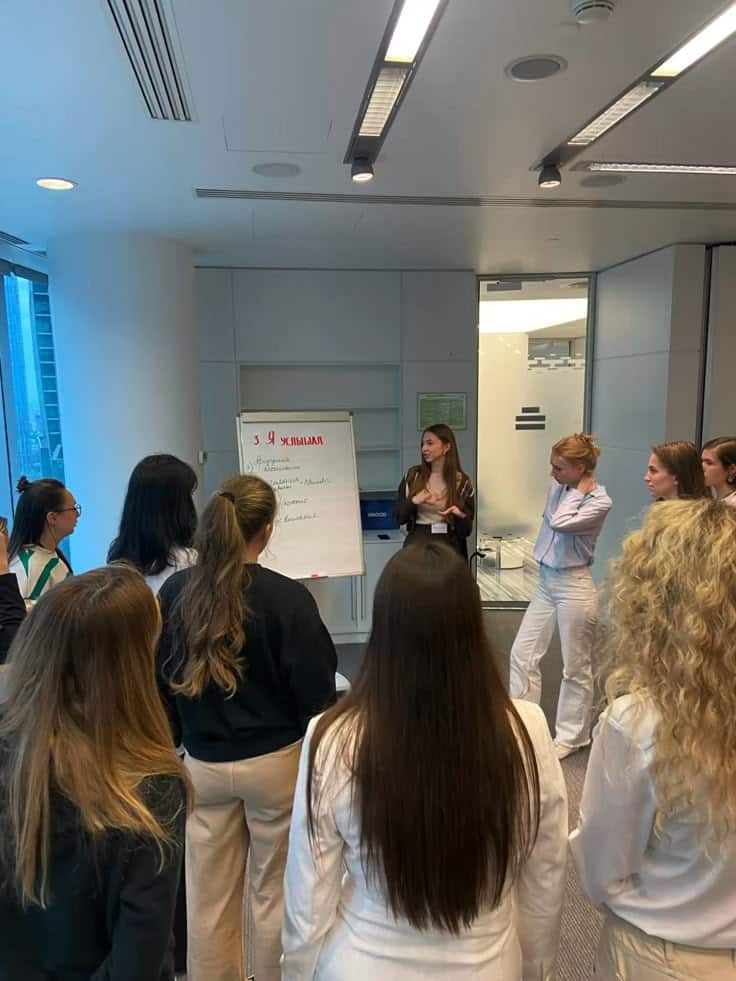
Online public speaking courses focus on developing practical abilities that extend beyond the podium, including how you structure messages, use your body to reinforce ideas, analyze information critically, and manage the psychological barriers that prevent confident delivery.
Building Communication Skills
Effective communication forms the foundation of every successful presentation. You’ll learn how to organize your thoughts into clear, logical structures that audiences can follow easily. These courses teach you to adapt your message for different listeners, whether you’re addressing colleagues in a boardroom or speaking at a conference.
You’ll develop skills in crafting persuasive arguments and engaging storytelling techniques. The training helps you understand pacing, tone variation, and word choice to maximize impact. Many programs include exercises where you practice distilling complex information into accessible language.
Key communication components typically covered:
- Message clarity and structure
- Audience analysis and adaptation
- Persuasive techniques
- Active listening skills
- Empathy development for connecting with diverse audiences
Body Language and Non-Verbal Communication


Your physical presence communicates as much as your words. Online courses teach you to control gestures, facial expressions, and posture to reinforce your message rather than contradict it. You’ll learn how to use hand movements purposefully and maintain eye contact that builds trust.
These programs often include video recording exercises where you analyze your own non-verbal habits. You’ll discover how stance affects your perceived confidence and authority. Training covers spatial awareness, including how to move effectively on stage or in virtual presentations.
The courses address common physical distractions like fidgeting or closed-off postures. You’ll practice techniques for appearing relaxed while remaining energized and engaged with your audience.
Critical Thinking and Self-Awareness
Strong presentation skills require analyzing your content objectively and understanding your strengths and weaknesses as a speaker. You’ll develop critical thinking abilities to evaluate arguments, anticipate audience questions, and adapt when presentations don’t go as planned.
Self-awareness training helps you identify personal speaking patterns that may undermine your message. You’ll learn to recognize your verbal fillers, rushed speech, or moments when you lose connection with listeners. This awareness extends to understanding how your emotional state affects delivery.
Courses encourage reflection through peer feedback and self-evaluation exercises. You’ll build skills in accepting constructive criticism and using it to improve your presentation skills continuously.
Overcoming Speaking Anxiety and Boosting Confidence
Most people experience nervousness before speaking publicly. These courses provide concrete techniques for managing anxiety, including breathing exercises, visualization, and reframing negative thoughts into optimism.
You’ll practice incremental skill development that builds confidence gradually. Starting with low-pressure exercises, you work toward more challenging presentations as your comfort grows. The training teaches you to channel nervous energy into dynamic delivery rather than letting it paralyze you.
Common confidence-building methods:
- Progressive exposure to speaking situations
- Preparation strategies that reduce uncertainty
- Techniques for recovering from mistakes gracefully
- Mental rehearsal and positive self-talk
The courses emphasize that confidence comes from preparation and practice, not from eliminating nerves entirely.
Presentation Techniques and Content Creation


Effective presentations require careful attention to structure, design elements, and narrative flow. Strong content creation skills help you deliver messages that resonate with audiences and achieve your communication goals.
Crafting Engaging and Impactful Presentations
Your presentation structure determines how well your audience absorbs and retains information. Start with a clear objective that defines whether you’re delivering a persuasive speech to change opinions or an informative speech to educate listeners.
Organize your content using the rule of three. Present three main points with supporting evidence for each. This structure makes your message memorable and easier to follow.
Key elements for impactful presentations:
- Opening hook that captures attention within 30 seconds
- Clear thesis statement that previews your main message
- Supporting data and examples for each point
- Transitions that connect ideas smoothly
- Call-to-action that tells audiences what to do next
Focus on audience needs rather than what you want to say. Research who will attend and tailor your content to their knowledge level, interests, and concerns.
Utilizing Visual Aids and Presentation Software
Presentation software like PowerPoint, Google Slides, and Keynote enhances your message when used correctly. Your slides should support your words, not replace them.
Apply the 6×6 rule: no more than six bullet points per slide with six words per point. Use high-quality images that reinforce your message instead of generic stock photos.
Visual design principles:
| Element | Best Practice |
|---|---|
| Fonts | Use 24pt minimum for body text, 36pt for headings |
| Colors | Limit to 3-4 colors maximum with high contrast |
| White space | Leave 30-40% of each slide empty |
| Animations | Use sparingly and only when adding clarity |
Visual aids extend beyond slides. Physical props, demos, charts, and handouts provide variety and accommodate different learning styles.
Storytelling for Audience Engagement
The art of storytelling transforms dry information into compelling narratives. Stories activate emotional responses and help audiences connect personally with your content.
Structure stories using the problem-solution framework. Present a relatable challenge your audience faces, build tension around the consequences, then reveal your solution.
Use specific details and sensory language. Instead of saying “the project was difficult,” describe the late nights, failed attempts, and breakthrough moment. Real examples from your experience build credibility and trust.
Character-driven stories work especially well for audience engagement. Feature people your listeners can identify with facing situations similar to their own. Include dialogue and specific scenes that bring the narrative to life rather than summarizing events.
Popular Online Public Speaking Courses and Platforms


Several major learning platforms host public speaking courses taught by universities and individual instructors, offering various formats from quick skill-building sessions to comprehensive specializations with official certificates.
Notable Course Providers and Universities
Coursera partners with accredited universities to deliver structured public speaking programs. The University of Washington offers the Dynamic Public Speaking Specialization, a multi-course program that covers fundamental techniques through advanced presentation skills. You’ll find the university also provides a standalone Introduction to Public Speaking course for beginners.
edX features courses from institutions like the Rochester Institute of Technology (RIT), which teaches Essential Public Speaking with a focus on professional communication. The platform emphasizes academic rigor and often includes verified certificates you can add to your resume.
Udemy hosts instructors like Nick Armstrong, who teaches popular courses focused on practical skills. Robin Roberts has also contributed content on storytelling and authentic communication. The platform contains hundreds of public speaking options ranging from niche topics like wedding speeches to comprehensive programs like Public Speaking Masterclass.
Skillshare takes a different approach with shorter, project-based classes. You’ll access courses on specific aspects like vocal delivery or presentation design rather than comprehensive programs.
Course Formats, Length, and Levels
Most platforms organize courses into beginner, intermediate, and advanced levels. Dynamic Public Speaking Specialization on Coursera spans multiple months with 4-6 courses, requiring approximately 3-5 hours per week. Each course in the specialization builds on previous material.
Udemy courses typically range from 2-10 hours of video content you can complete at your own pace. You get lifetime access to materials, allowing you to revisit lessons as needed. Some instructors include practice exercises and peer feedback components.
edX programs often follow university semester schedules, lasting 6-12 weeks with specific deadlines for assignments. Public Speaking Foundations courses usually require 2-4 hours weekly and include graded assessments.
Short-form courses on Skillshare run 30-60 minutes for focused skill development. These work best when you need quick tips on specific challenges rather than comprehensive training.
Course Reviews and Accreditations
University-backed courses on Coursera and edX provide certificates that carry more weight in professional development contexts. The Dynamic Public Speaking Specialization includes a final capstone project reviewed by instructors, resulting in a shareable certificate from the University of Washington.
Student ratings help you evaluate instructor quality and course effectiveness. Look for courses with 4.5+ star ratings and thousands of completed students. Read recent reviews to understand current course quality, as content updates vary by instructor.
Udemy displays lifetime student enrollment numbers and detailed feedback on course content, instructor responsiveness, and practical applicability. Courses with high completion rates generally indicate engaging material and appropriate pacing.
Professional development hours or continuing education credits are available through some edX and Coursera programs when you pay for verified certificates. Check with your employer or professional organization about which credentials they recognize for advancement purposes.
Choosing the Right Public Speaking Online Course


Selecting the right course depends on matching your personal goals with program structure, instructor credibility, and practical outcomes like certifications or career advancement opportunities.
Assessing Your Goals and Learning Style
Start by defining what you want to achieve through public speaking training. Are you preparing for workplace presentations, seeking professional development, or building skills for entrepreneurial pitches? Your specific objectives will determine whether you need a comprehensive program or targeted instruction in areas like persuasive writing and public speaking.
Consider how you learn best. Some courses offer live sessions with real-time feedback, while others provide pre-recorded lessons you can complete at your own pace. If you thrive on interaction, look for programs that include practice opportunities with peers or instructors.
Think about your current skill level. Beginners benefit from foundational courses that cover basics like vocal techniques and body language. Experienced speakers might prefer advanced programs focusing on storytelling, audience analysis, or specific contexts like business presentations or conference talks.
Evaluating Course Content and Instructors
Examine the curriculum to ensure it covers essential techniques like structure, delivery, audience engagement, and managing nervousness. Quality programs break these topics into manageable lessons with practical exercises rather than just theory.
Research instructor backgrounds thoroughly. Look for professionals with real-world speaking experience, not just academic credentials. A MasterClass taught by industry leaders or communication experts often provides insights you won’t find in generic courses. Check if instructors offer personalized feedback on your practice speeches.
Review student testimonials and completion rates. These reveal whether past participants gained actual skills or just watched videos. Programs with active communities or ongoing practice sessions typically deliver better results than isolated learning experiences.
Certification, Cost, and Career Impact
Determine whether you need formal certification for your career goals. Some employers value recognized credentials from established institutions, while others prioritize demonstrated ability. Professional development programs often provide certificates that enhance your resume or LinkedIn profile.
Compare pricing against what you’re getting. Free courses work well for basic skills, but paid programs usually offer more comprehensive content, instructor access, and practical exercises. Consider whether the investment aligns with potential career benefits like promotions, speaking opportunities, or increased confidence in client meetings.
Evaluate the course’s relevance to your industry. Programs designed for business professionals differ significantly from those targeting educators or community advocates. The right choice connects directly to situations you’ll face in your actual work or personal life.
Advancing Your Public Speaking Practice

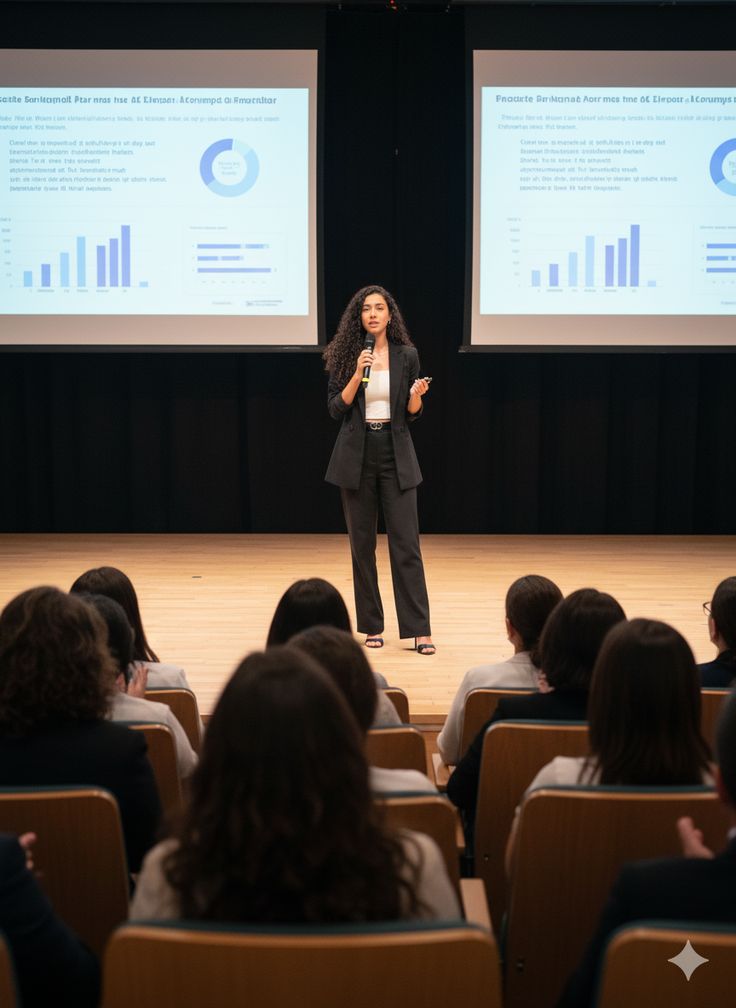
Completing an online public speaking course marks the beginning of your journey as a confident communicator. Real growth happens when you apply your presentation skills in authentic situations, connect with fellow speakers, and commit to ongoing professional development.
Applying Skills Beyond the Course
Your public speaking abilities need real-world testing to solidify what you’ve learned. Start by volunteering for presentations at work, whether it’s leading team meetings, delivering project updates, or presenting quarterly results. These low-stakes opportunities let you practice without excessive pressure.
Look for speaking chances in your community through local organizations, nonprofit boards, or volunteer groups. Many community events need speakers for workshops, panel discussions, or educational seminars. You can also create your own opportunities by hosting webinars, recording video content, or leading training sessions in your area of expertise.
Professional conferences and industry meetups provide excellent venues to showcase your presentation skills. Submit proposals to speak at these events, even if you start with shorter presentations or breakout sessions. Each speaking engagement builds your confidence and adds to your professional portfolio.
Networking and Speaking Communities
Joining Toastmasters International gives you structured practice with immediate feedback from experienced speakers. Their local clubs meet regularly and provide a supportive environment where you can test new techniques and refine your delivery. Many clubs now offer hybrid or virtual meeting options for flexible participation.
Online speaking communities on platforms like LinkedIn, Reddit, and specialized forums connect you with speakers worldwide. These groups share resources, offer critiques, and post about speaking opportunities. You’ll find accountability partners who understand your goals and challenges.
Local business networking groups and chambers of commerce frequently seek speakers for their events. Building relationships within these organizations can lead to paid speaking engagements and consulting opportunities.
Continuing Professional Growth


Advanced courses help you specialize in areas like persuasive communication, storytelling, or technical presentations. Platform-specific training for virtual presentations has become essential as remote work continues to shape professional communication. Consider certifications that demonstrate your expertise to potential clients or employers.
Recording and reviewing your speeches reveals patterns you might miss during delivery. Watch for filler words, body language habits, and pacing issues. You can hire a speaking coach for personalized feedback that accelerates your improvement beyond self-assessment.
Stay current by studying accomplished speakers through TED Talks, keynote addresses, and industry presentations. Analyze their techniques for engaging audiences, structuring content, and delivering memorable messages. Reading books on rhetoric, persuasion, and communication theory deepens your understanding of why certain approaches work.
What is an online public speaking course?
An online public speaking course provides structured training to develop communication and presentation skills through internet-based platforms, ranging from self-paced video lessons to interactive sessions with live instructors.
How do online public speaking courses differ from in-person classes?
Online public speaking courses offer flexible scheduling and self-paced learning, allowing access to materials at any time, whereas in-person classes provide immediate physical presence and direct interaction.
What types of public speaking courses are available online?
Available courses include beginner programs on fundamentals, advanced classes on persuasion and storytelling, professional development targeted at specific careers, and formats such as self-paced, live instructor-led, hybrid, and certification programs.
What core skills do online public speaking courses develop?
These courses focus on building communication skills, body language and non-verbal cues, critical thinking, self-awareness, overcoming anxiety, and confidence in delivering presentations.
How should I choose the right online public speaking course?
Select a course by assessing your personal goals, learning style, current skill level, evaluating the curriculum and instructors, and considering certification, cost, and the career impact of the program.
- 0shares
- Facebook0
- Pinterest0
- Twitter0
- Reddit0