Key Takeaways
- Continuing education is essential for maintaining licensure and enhancing patient care.
- Various formats, including online courses and in-person workshops, cater to diverse learning preferences.
- Staying informed about state-specific CE requirements is crucial for compliance.



Table of Contents
- Importance of Continuing Education
- Diverse Learning Formats
- State-Specific Requirements
- Benefits of Continuing Education
- Choosing the Right Courses
- Integrating Learning into Practice
- Staying Motivated
- Conclusion
Continuing education (CE) is an indispensable part of maintaining a successful and evolving dental career. Whether you’re a seasoned dentist, a dental hygienist, or an assistant, the commitment to lifelong learning ensures that you remain updated with the latest clinical techniques and regulatory standards. Opportunities to enroll in dental CE courses give practitioners access to essential developments in the dental field. Taking proactive steps to expand your knowledge base directly translates into more proficient patient care and increased career satisfaction.
With rapid advancements in dental technology, materials, and patient care protocols, the importance of professional development cannot be overstated. Dentists and their teams must regularly adapt and integrate new clinical methods, infection control standards, and patient communication techniques. By participating in CE, professionals demonstrate not only a dedication to regulatory compliance but also an enduring passion for excellence. This learning journey not only enhances your own capabilities but also builds greater trust with patients who expect high-quality, evidence-based care.
Beyond regulatory requirements, CE fosters innovation and leadership within dental teams, enabling professionals to collaborate effectively and deliver more personalized care. Embracing education throughout your career also strengthens the profession as a whole by raising the standard of care across the industry.
For those looking to deepen their dental knowledge or explore new specialties, continuing education serves as the primary vehicle for growth.
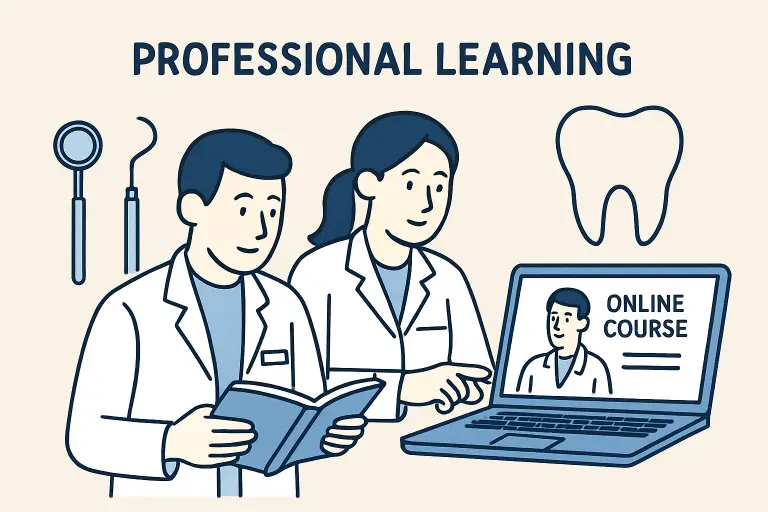
Importance of Continuing Education
Continuing education reflects a commitment to ongoing growth and quality care in dentistry. The dental landscape is marked by constant innovation, from emerging technologies to new regulatory frameworks. Practitioners who participate in regular CE can deliver safer, more effective treatment options and remain at the forefront of patient care. Moreover, staying current with industry trends and guidelines fortifies your practice against potential liability and ensures compliance with dental board licensing requirements.
Diverse Learning Formats
Continuing education plays a pivotal role for dentists and dental teams, offering numerous formats tailored to diverse learning preferences and schedules. Online courses are a prevalent option, with platforms like the American Dental Association’s CE Online enabling practitioners to access flexible training on an array of subjects, including clinical procedures and practice management. In-person workshops provide a unique opportunity for engagement, as dental professionals can connect with peers and industry experts during major conferences, such as those organized by the California Dental Association.


These events not only enhance practical skills but also facilitate valuable networking experiences. Additionally, webinars, such as those offered by the Ohio Dental Hygienists’ Association, offer a convenient learning option, allowing attendees to participate at their convenience and revisit sessions as needed, thereby reinforcing their understanding of essential topics. This multifaceted approach to continuing education ensures that dental professionals can stay current with advancements in the field while accommodating their individual educational needs.
State-Specific Requirements
Continuing education requirements for dental licensure vary significantly by state. Dental boards regulate the number of required CE hours, the subject areas, and, sometimes, the types of acceptable learning formats. For example, the Texas State Board of Dental Examiners maintains up-to-date guidelines and approves specific courses to fulfill state requirements. It is crucial for dental professionals to stay up to date on their state’s specific standards to avoid licensure issues. An overview of state dental CE requirements can often be found on the respective state dental board websites or professional association portals.
Benefits of Continuing Education
Enhanced patient care is achieved through staying informed about modern best practices, resulting in more accurate diagnoses and improved treatments, along with a focus on patient safety and well-being. Professional growth is supported by continuing education (CE), which creates opportunities for specialization, academic roles, and leadership expansion. Meeting CE requirements is crucial for maintaining active licensure and public trust in the profession. Additionally, ongoing education enhances the value of dental practices by developing a skilled, adaptable team, helping them stand out in a competitive environment.
Choosing the Right Courses
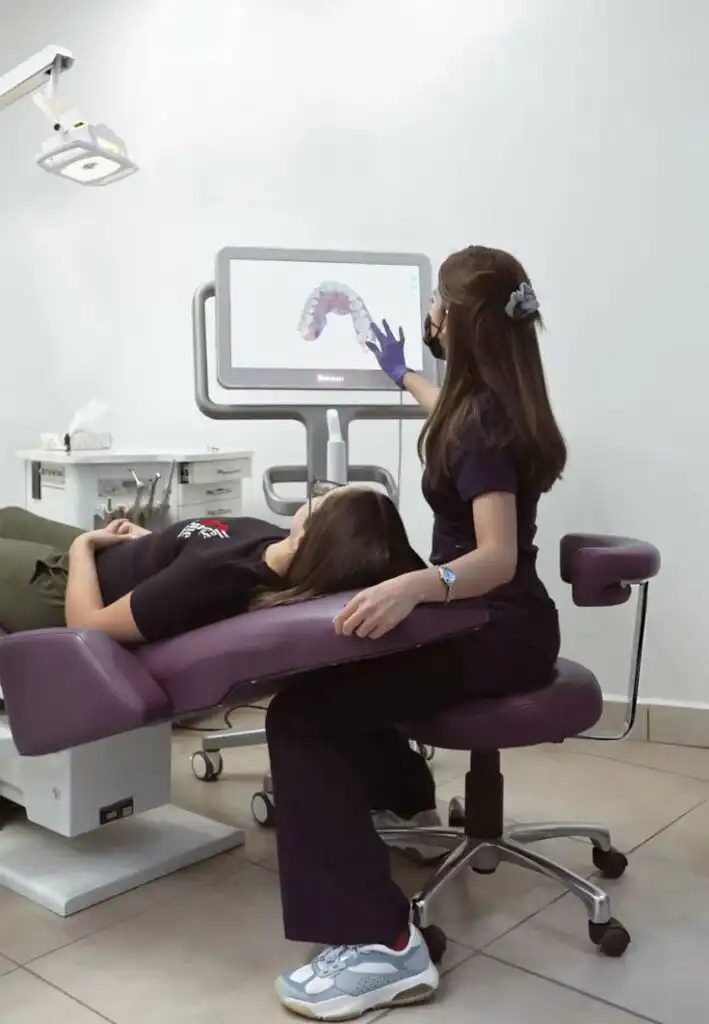

When selecting CE activities, align your choices with your clinic’s goals and your personal interests. Prioritize courses accredited by reputable organizations, such as the American Dental Association or state dental associations, and ensure content is evidence-based. Peer recommendations, course reviews, and learning through structured peer-led groups can also help find the most relevant and effective educational experiences.
Integrating Learning into Practice
The effectiveness of CE is ultimately measured by how well it’s implemented in your practice. After completing new courses, work with your team to integrate updated protocols or clinical innovations into the office workflow. Regularly reviewing and rehearsing new techniques ensures they become second nature, improving both efficiency and patient outcomes. Create a feedback loop for your team to discuss what works, what needs refinement, and how to further elevate care based on the insights gained from CE.
Staying Motivated
Maintaining enthusiasm for ongoing education is easier with clear targets and support from professional communities. Set measurable learning objectives and acknowledge milestones as you complete courses or obtain certifications. Engaging with colleagues at conferences, online forums, or study groups can offer encouragement and new perspectives. For many, the satisfaction of delivering high-quality, evidence-based care renews their passion for continuing to learn throughout their careers.
Conclusion
Continuing education is more than a regulatory obligation—it’s a pathway to professional excellence and fulfillment. By embracing a culture of continuous learning, every dental professional can improve patient outcomes, expand career horizons, and contribute to the growing credibility and impact of the dental profession. Take proactive steps today to explore new educational opportunities and to set a higher standard for care in your community.
- 21shares
- Facebook0
- Pinterest21
- Twitter0
- Reddit0