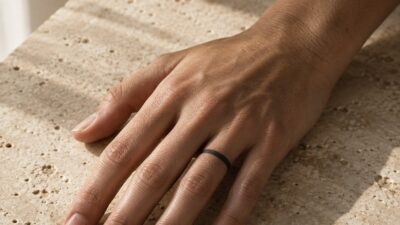
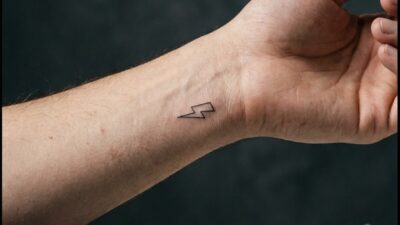
Fine line tattoos look quiet at first, but the best ones are carefully planned. Thin lines, clean negative space, and the right placement matter more than heavy shading. If the design is too tiny or sits on skin that rubs all day, the detail can soften faster than expected.
Fine line tattoos use slim, precise lines for delicate body art, from tiny symbols and script to florals, geometric marks, and soft illustrative pieces. They work best when the idea has enough breathing room to stay readable after healing.
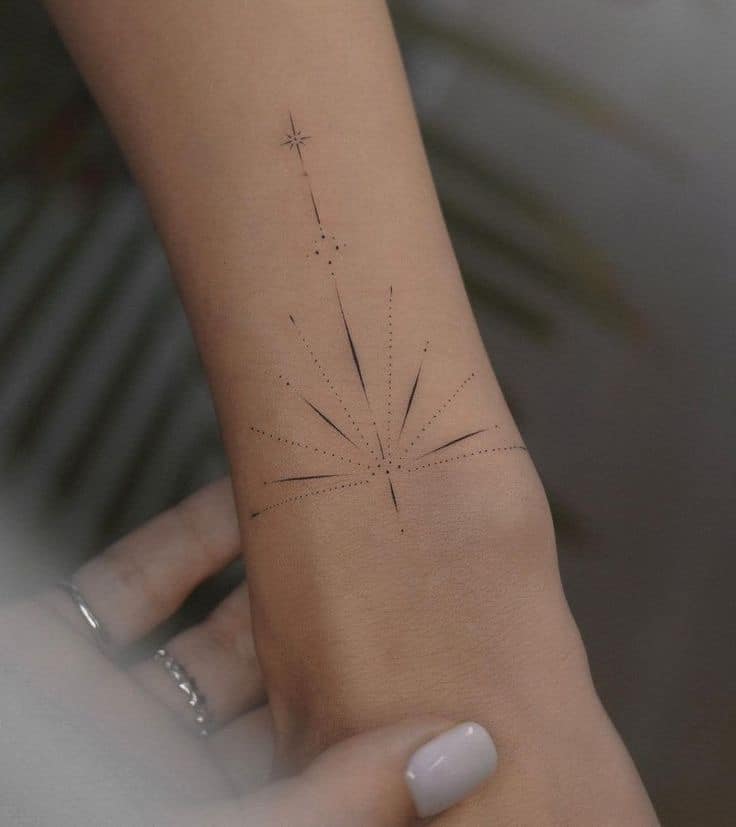
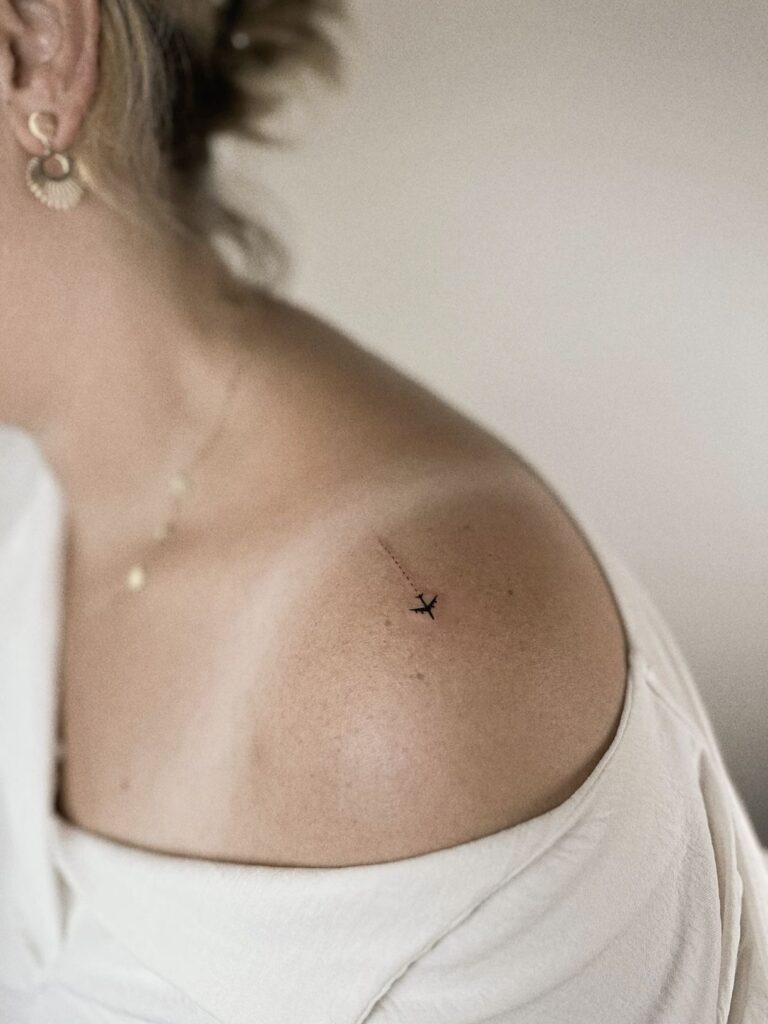
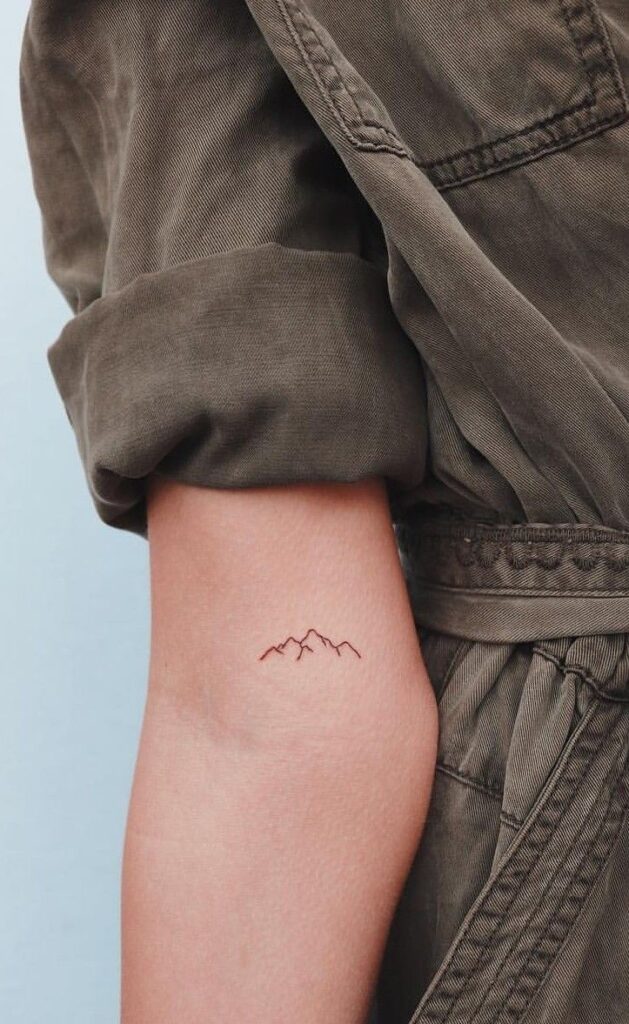
Notice how these designs leave open skin around the linework. That breathing room is one reason a small tattoo can stay readable instead of turning into a soft blur.
The artist’s hand matters a lot with fine line tattoos. I look at line weight first: if every detail is equally thin, the tattoo may photograph beautifully on day one but lose clarity after healing. A good fine line artist knows where to simplify, where to leave space, and when a mark needs a little more strength.
Key takeaways
- Fine line tattoos use thin, clean lines for delicate designs.
- They fit well on many parts of the body and suit simple or detailed art.
- Skilled artists are key to creating sharp and clear fine-line tattoos.
What Is a Fine Line Tattoo?

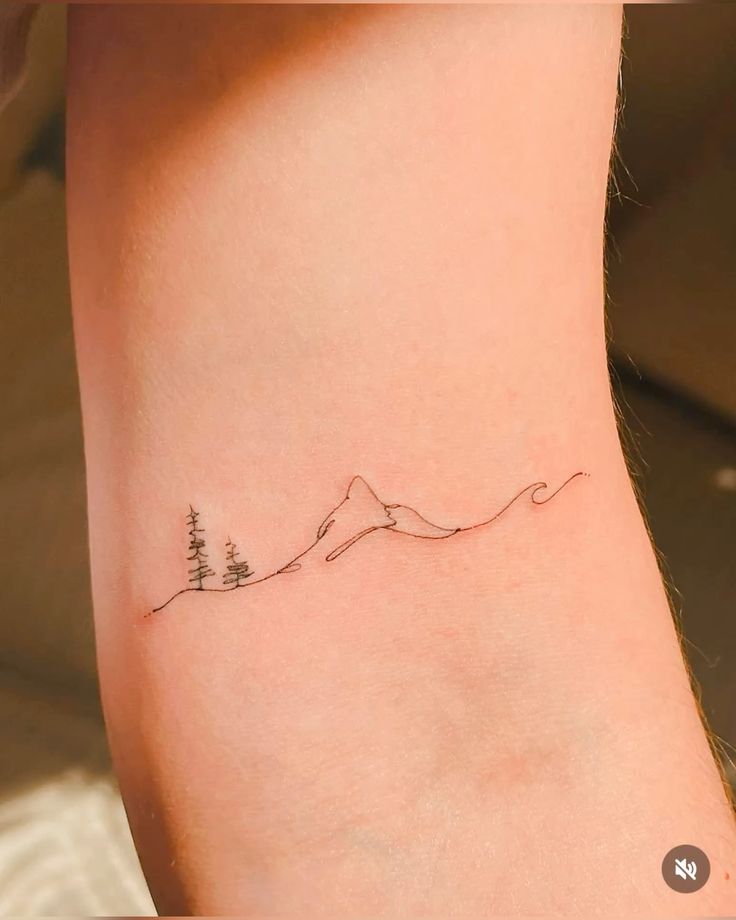
Mountain and nature motifs work well in fine line style when the silhouette stays simple and the tiny interior marks do not compete with each other.
Fine line tattooing is built from thin, precise lines — no bold outlines, no heavy shading, no color fills. Artists use a single needle or a tight grouping to get there, and the results can look strikingly close to a pencil sketch or botanical print on skin. That’s part of the appeal. It doesn’t read like a traditional tattoo from across the room.
The style works best with certain subjects: small symbols, script, florals, geometric marks, minimalist animals. Placement is its own consideration. Fine line holds up better on spots that stay relatively flat and don’t stretch or fold with movement — wrist, collarbone, ankle, ribs, behind the ear. The inner elbow and fingers are trickier.
Durability is the real conversation to have with your artist before committing. Lighter lines carry less pigment, so they tend to soften faster than traditional work, especially on high-friction areas. Some fine line tattoos hold beautifully for years. Others need a touch-up at 18 months. The difference usually comes down to artist skill, how much breathing room is built into the design, and whether you actually followed the aftercare instructions — which more people skip than admit. If you are hoping to use a fine-line tattoo as a cover up, ask first whether the old ink is light enough; thin lines rarely hide dark work on their own.
Defining Fine Line Tattooing
Fine line tattooing means using a single, very thin needle or a tight cluster of needles to create slender lines. The result is a delicate tattoo with sharp detail, often resembling fine drawing on paper. These tattoos tend to use minimal shading and no heavy black areas.
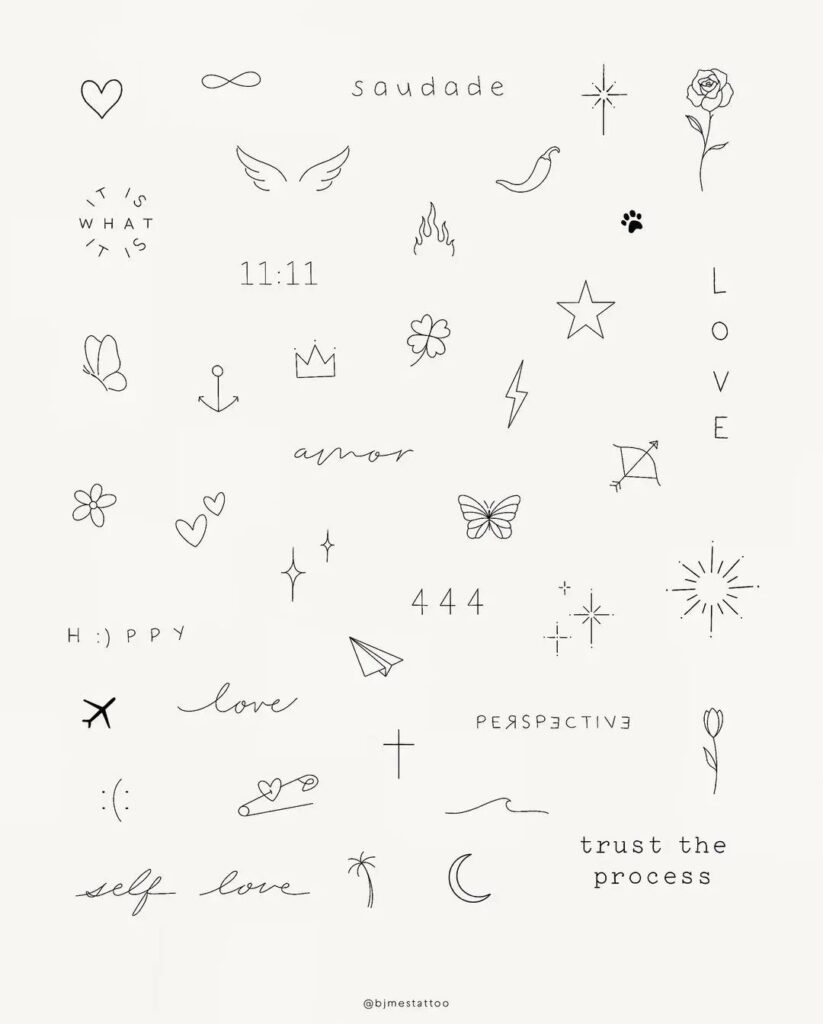

They are popular for minimalist tattoos and designs that require precision, like small symbols, text, or floral shapes. The skin shows more through the design, making the tattoo look light and airy. The focus is on clarity and subtlety rather than filling large spaces.
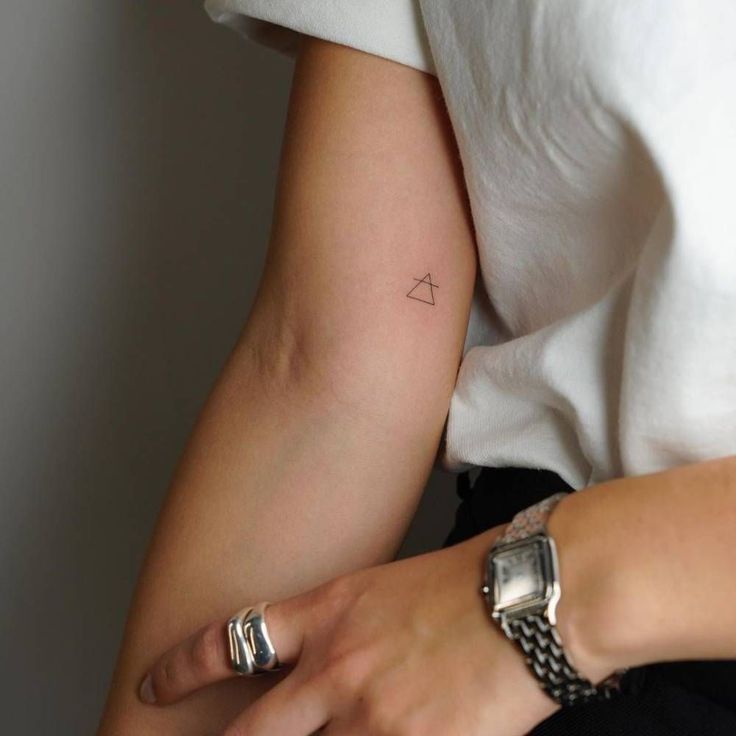
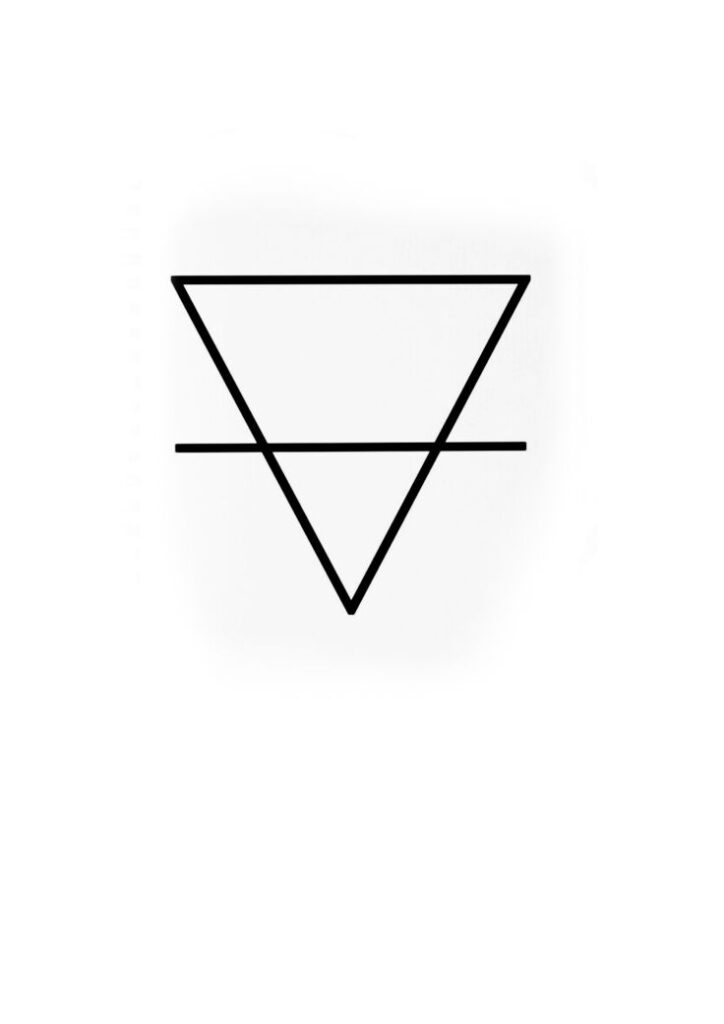
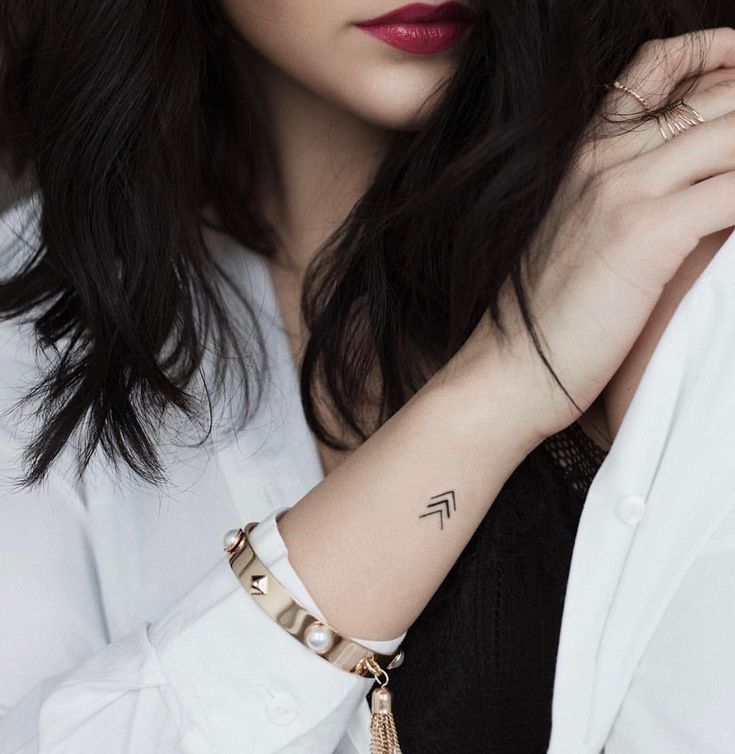
Because of their size and thin lines, fine line tattoos may fade faster than thicker tattoos. This requires careful aftercare and sometimes touch-ups to keep the design clear.
Do fine line tattoos age well?
Fine line tattoos can age well, but they need the right design, placement, artist, and aftercare. Thin lines contain less ink than traditional bold outlines, so they are more vulnerable to fading, spreading, or losing tiny details over time. Designs with clean negative space and fewer ultra-small details usually hold up better than dense micro tattoos. Low-friction placements such as the upper arm, shoulder, outer forearm, or calf tend to age more predictably than fingers, palms, feet, or areas that rub against clothing. Sun exposure also matters: UV light can fade tattoo pigment, so healed tattoos should be protected with sunscreen. Many fine line tattoos benefit from a touch-up after healing or after a few years, especially if the design uses very delicate lines.
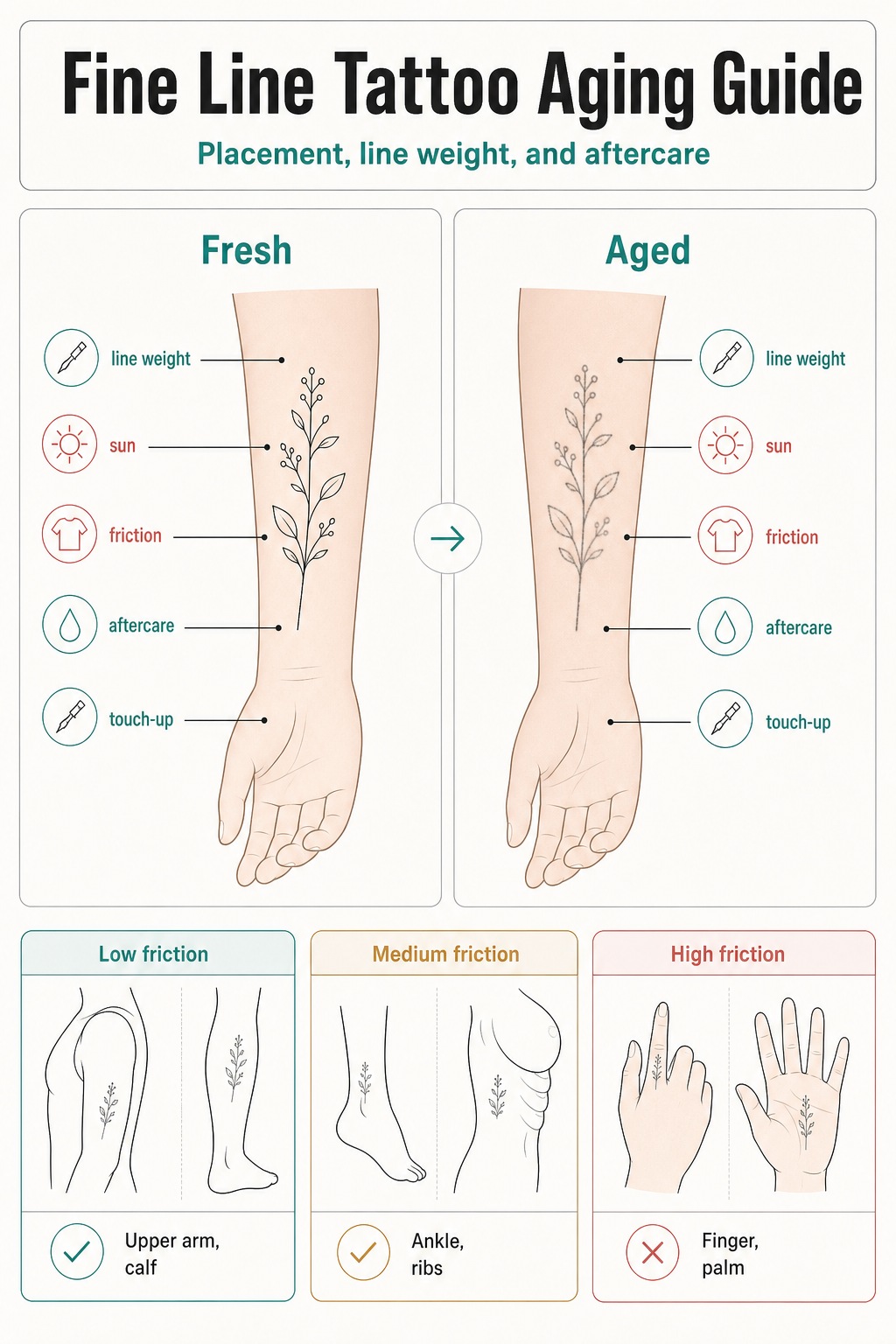
| Placement type | Good examples | Fading risk | Best design choice |
|---|---|---|---|
| Low friction | Upper arm, shoulder, calf | Lower | Florals, script, small illustrative work |
| Medium friction | Ankle, ribs, outer wrist | Medium | Simple symbols, clean line drawings |
| High friction | Finger, palm, foot, inner lip | Higher | Bolder marks with fewer tiny details |
Fine Line vs Traditional Tattoo Styles
Traditional tattoos use thicker lines, solid black shading, and bold colors. These styles are often more visible from a distance and have a heavier, more rugged look. Fine line tattoos, by contrast, are subtle and detailed.
While traditional tattoos may cover larger areas, fine line tattoos work best for small or medium pieces. They emphasize delicate tattoos that look like artwork drawn directly on the skin.
Here is a comparison of key features:
| Feature | Fine Line Tattoo | Traditional Tattoo |
|---|---|---|
| Line Thickness | Very thin, precise | Thick and bold |
| Color Usage | Often black or muted tones | Bright, solid colors |
| Design Style | Minimalist, detailed | Bold, heavy shading |
| Visibility | Subtle, close-up viewing | Clear from far away |
| Longevity | May need touch-ups | Longer-lasting due to bold ink |
Fine line tattooing is a style that highlights precision and fine detail, offering an alternative to traditional, bold tattoo art. It suits people who want elegant and light body art with a focus on thin lines and simplicity.
Popular Fine Line Tattoo Designs
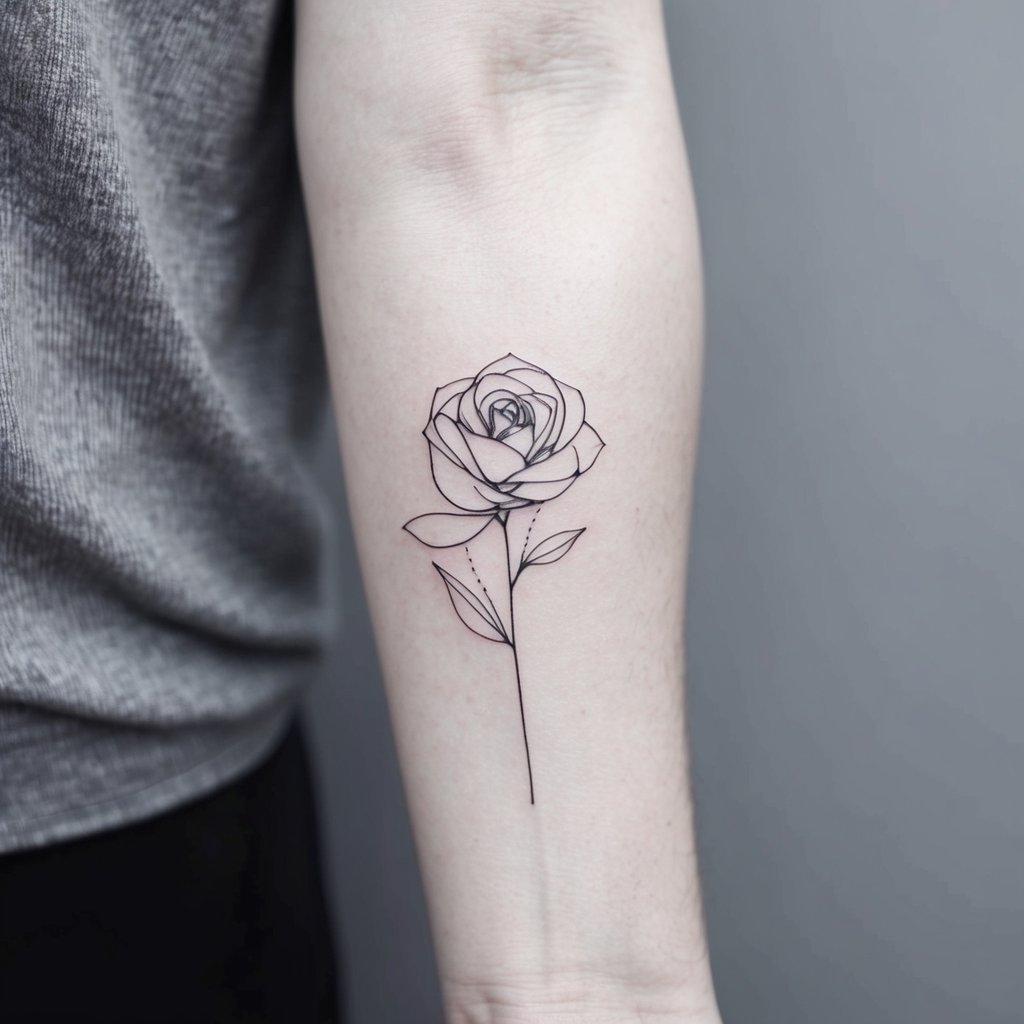
Floral and wave designs are good tests for fine line work: the outer shape should read first, then the delicate interior details can do their job.
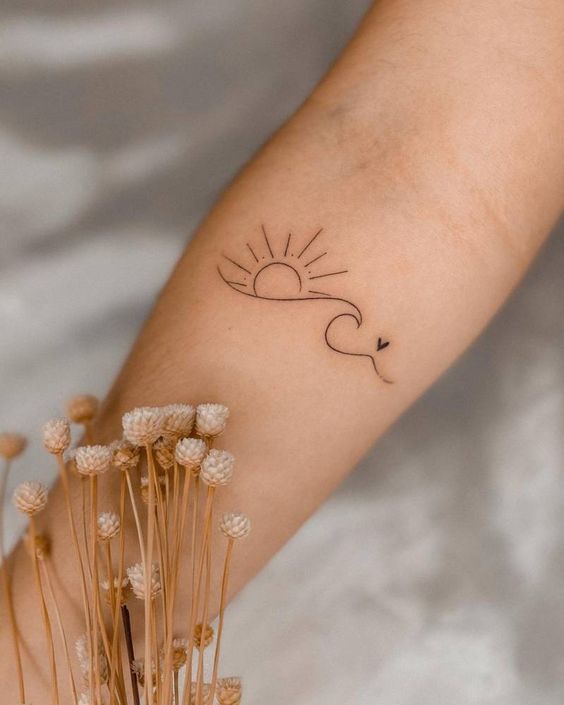
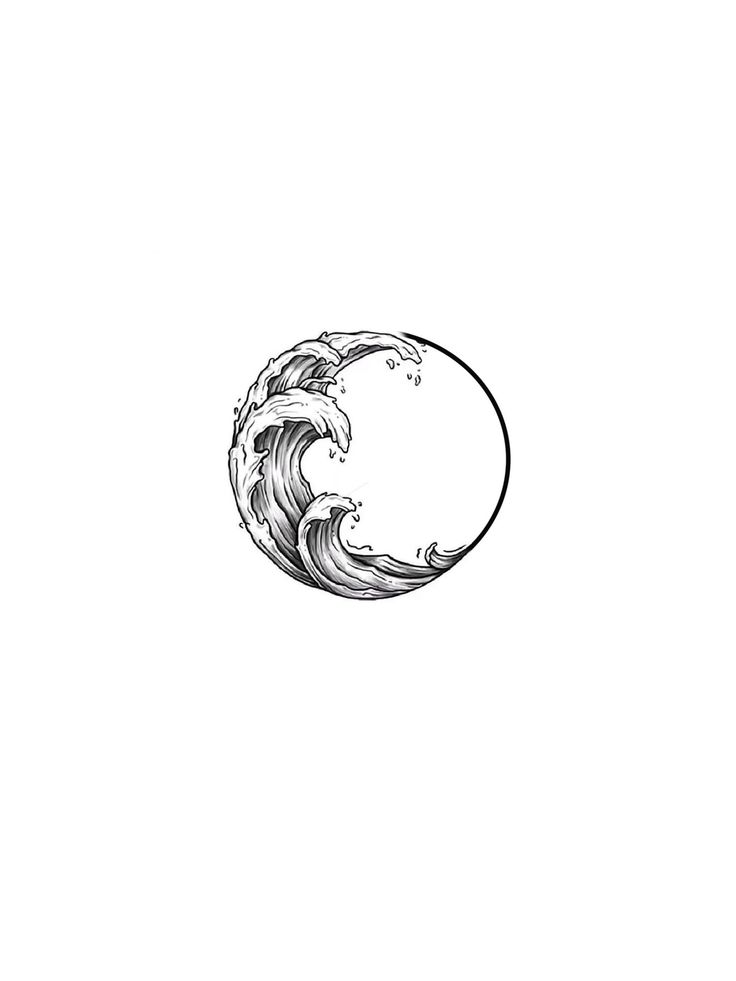

Fine line tattoos focus on clean, thin lines that create delicate and clear images. These tattoos vary from simple to detailed designs. They often use limited space and highlight creativity in small areas.
Minimalist Aesthetic
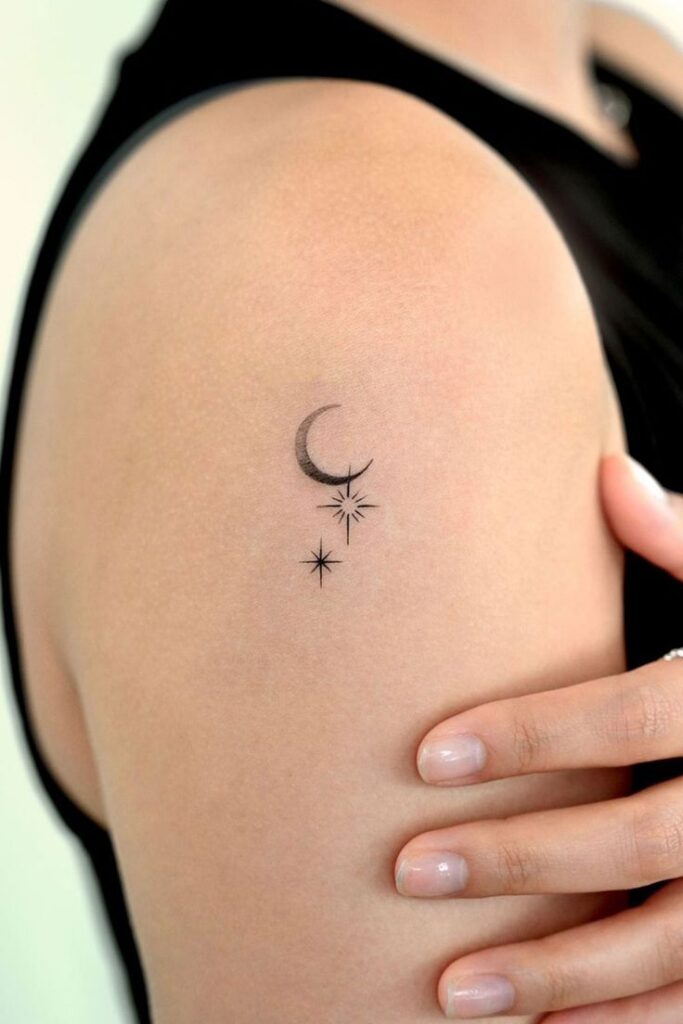
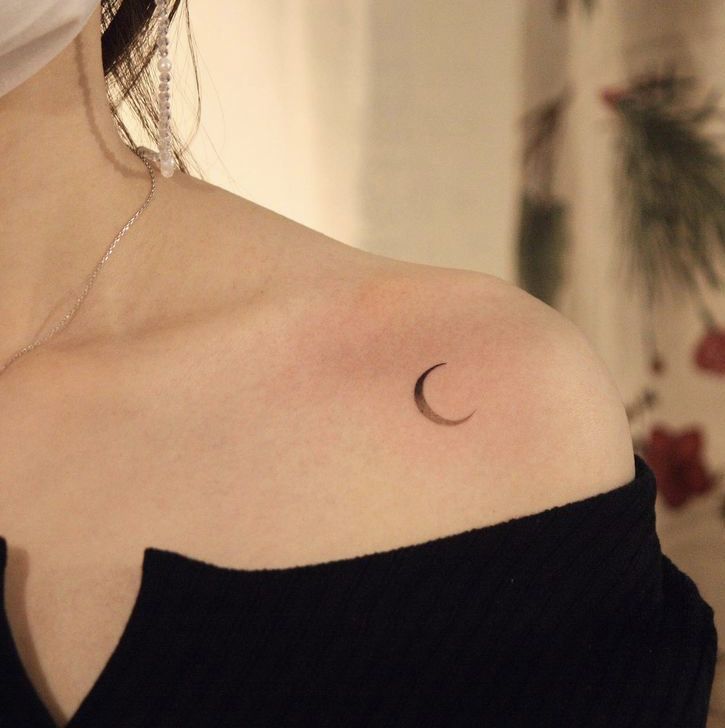
Minimalist fine line tattoos use very simple shapes and few details. This style often includes small symbols, geometric shapes, or single-line drawings.
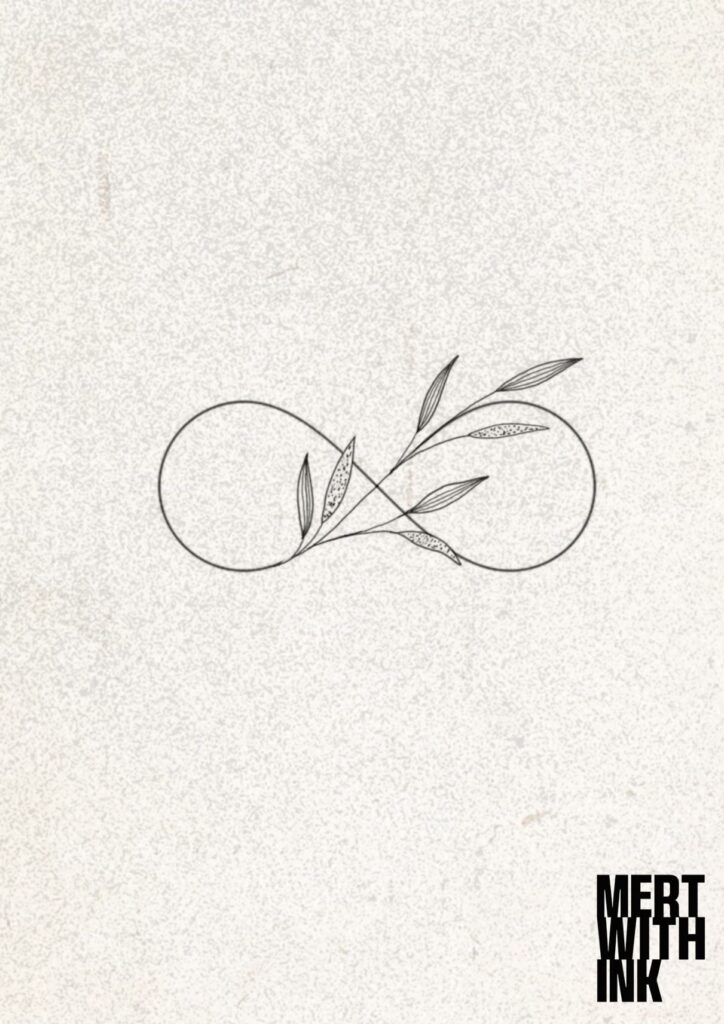
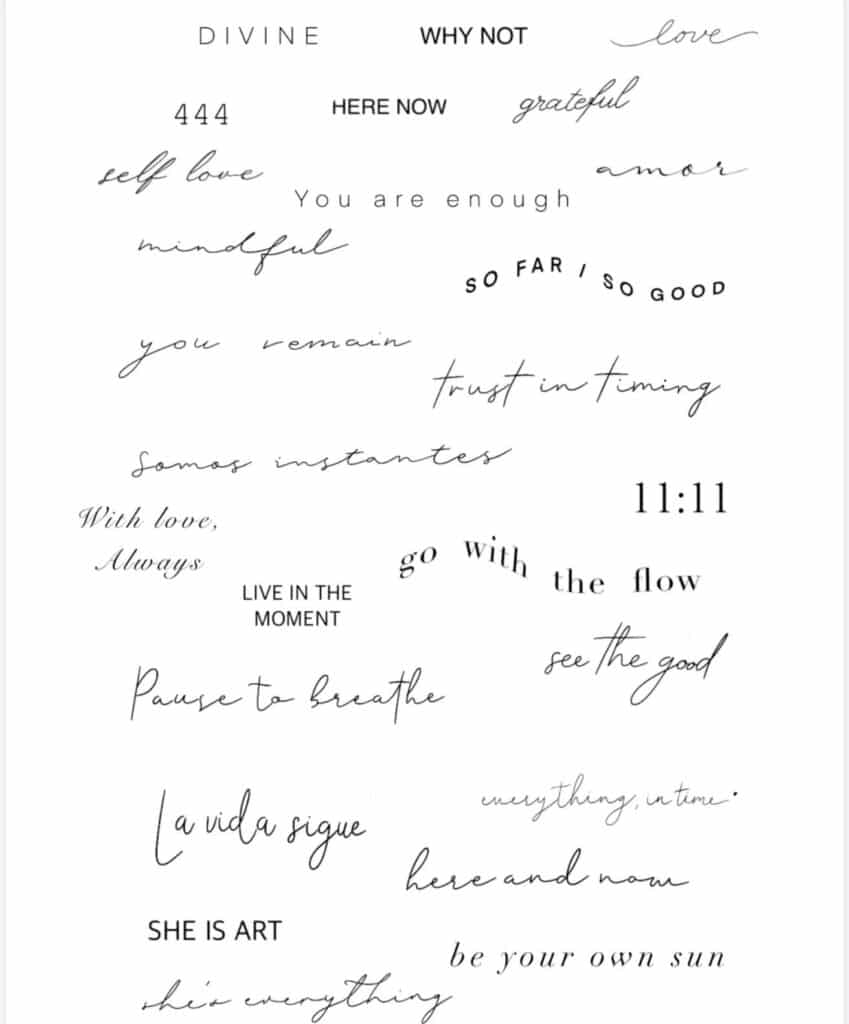
These tattoos are popular because they look clean and subtle. Many choose minimalist designs for their elegance and the ability to express an idea or feeling in a small space. The thin lines make the tattoo less noticeable but still meaningful.
Minimalist tattoos usually avoid heavy shading. They rely on precision and negative space to keep the design light. This approach suits first-time tattoo wearers or those who want a discreet look.
Intricate Designs
Intricate fine line tattoos use more detailed and complex line work. These designs can include patterns, nature-inspired images, or delicate portraits.
This style requires a skilled artist to create thin lines that hold detail over time without blurring. Intricate tattoos can appear like tiny sketches or drawings on the skin.
People choose intricate designs for their beauty and the way they mix fine art and tattooing. Such tattoos often show creativity through detailed elements like leaves, animals, or abstract shapes. The sharpness of the lines is key to keeping these designs clear.
Micro Tattoos

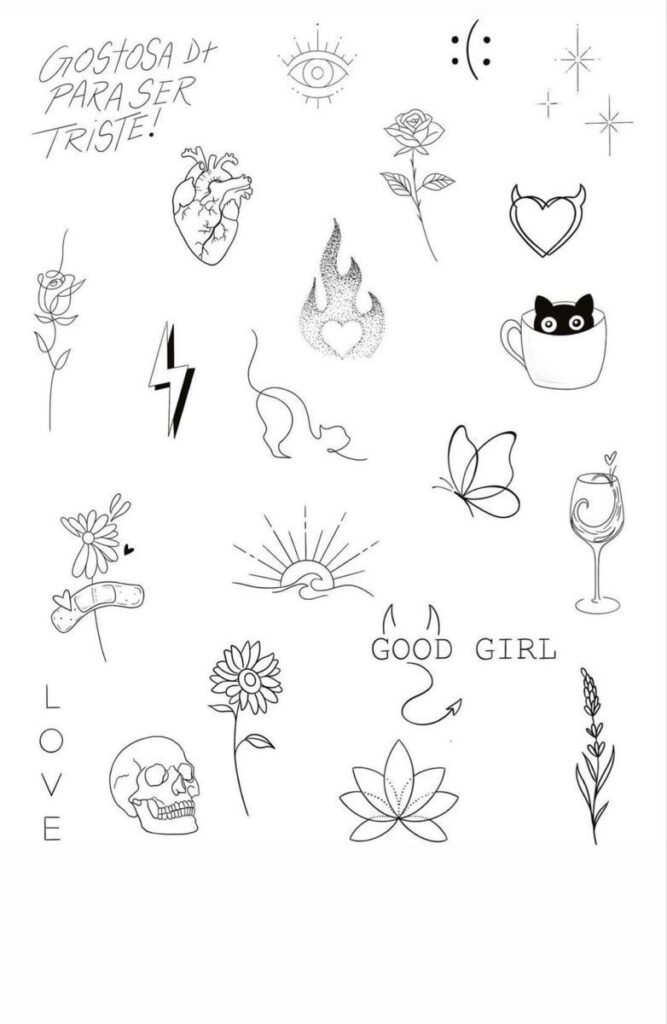
Micro tattoos are very small tattoos that fit into tight spaces on the body. They often use fine lines because the design must stay clear without crowding.
These tattoos can be symbols, words, or tiny pictures. Micro tattoos highlight precision and creativity in a small format.
Because of their size, micro tattoos tend to age well if done correctly. They require an artist who can work carefully with thin needles.
People like micro tattoos for their subtlety and flexibility. They work well on hands, fingers, behind ears, and other small areas.
Custom Designs
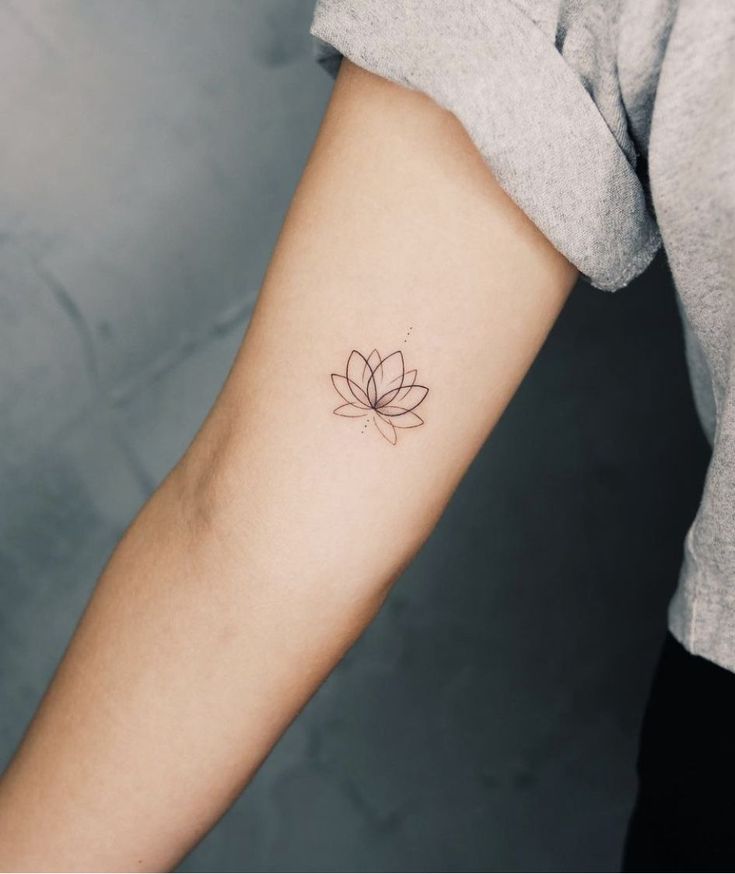

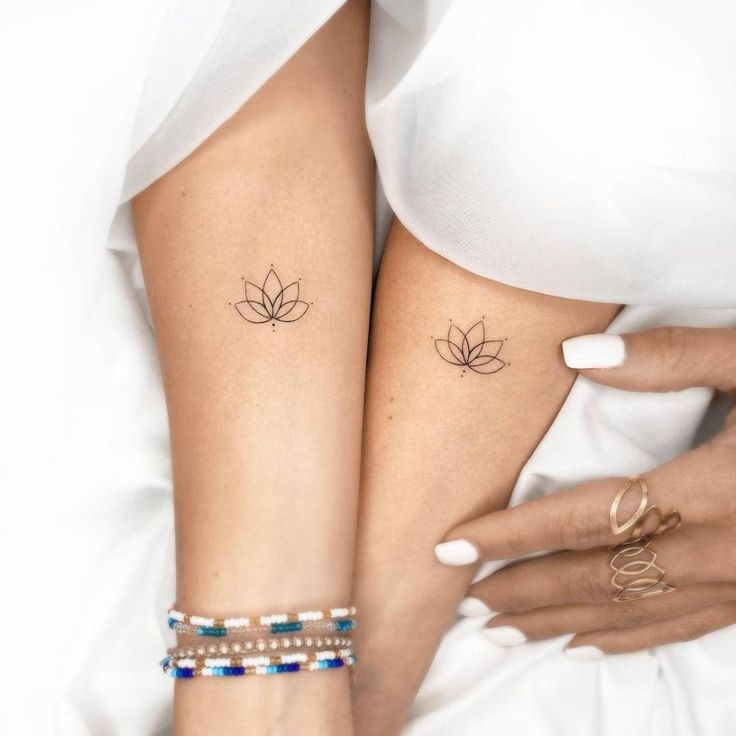
Custom fine line tattoos are unique designs made for the individual. Artists work with clients to create tattoos that fit personal ideas and styles.
Custom designs show a mix of creativity and skill. They can combine minimalist, intricate, or micro styles in one tattoo.
Clients often bring ideas from nature, culture, or art. The artist then adapts these ideas using fine lines to keep the tattoo both detailed and delicate.


Custom tattoos allow for personal expression with a focus on precision. The result is a tattoo that looks one-of-a-kind and suits the wearer’s personality.
Choosing a Fine Line Tattoo Artist
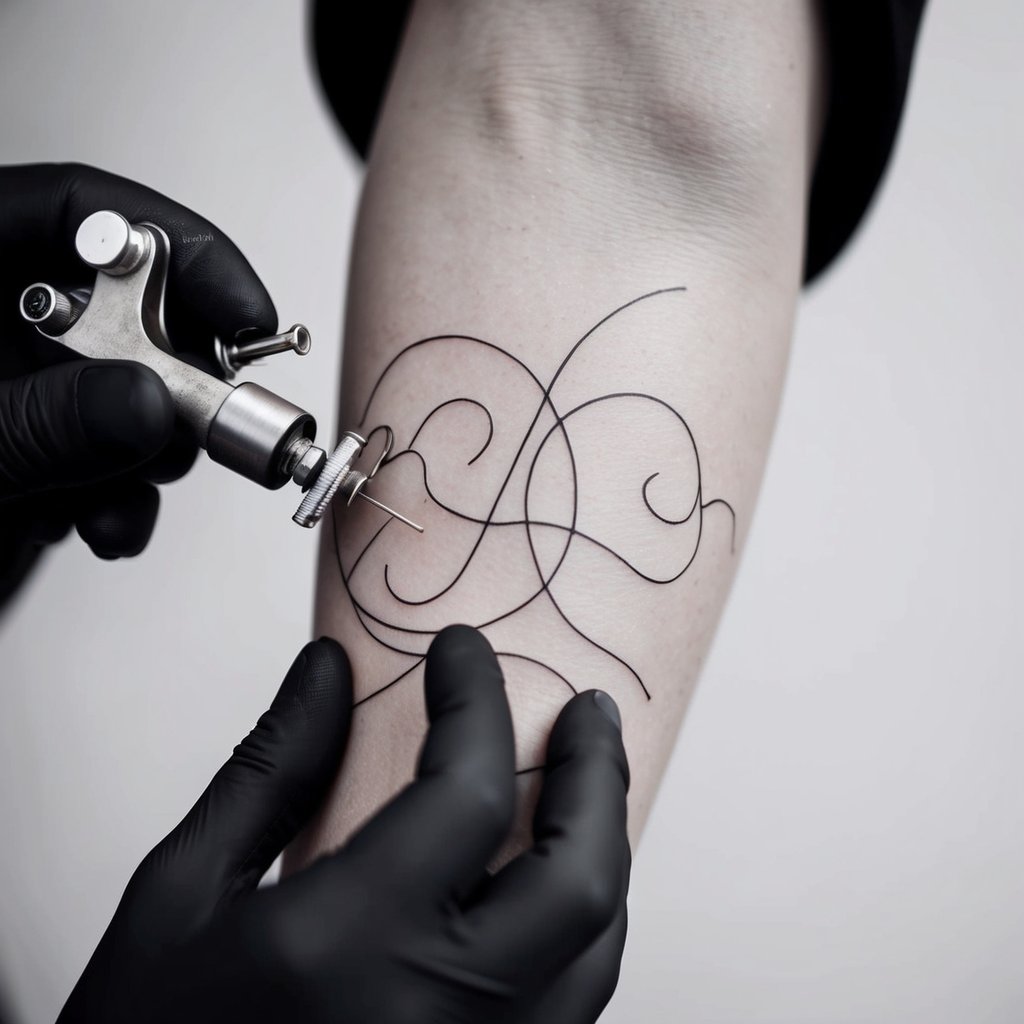
Finding the right fine line tattoo artist means looking closely at their skills and style. The process also involves clear talks before getting the tattoo. These steps help make sure the result matches what the tattoo enthusiast wants.
Qualities to Look For
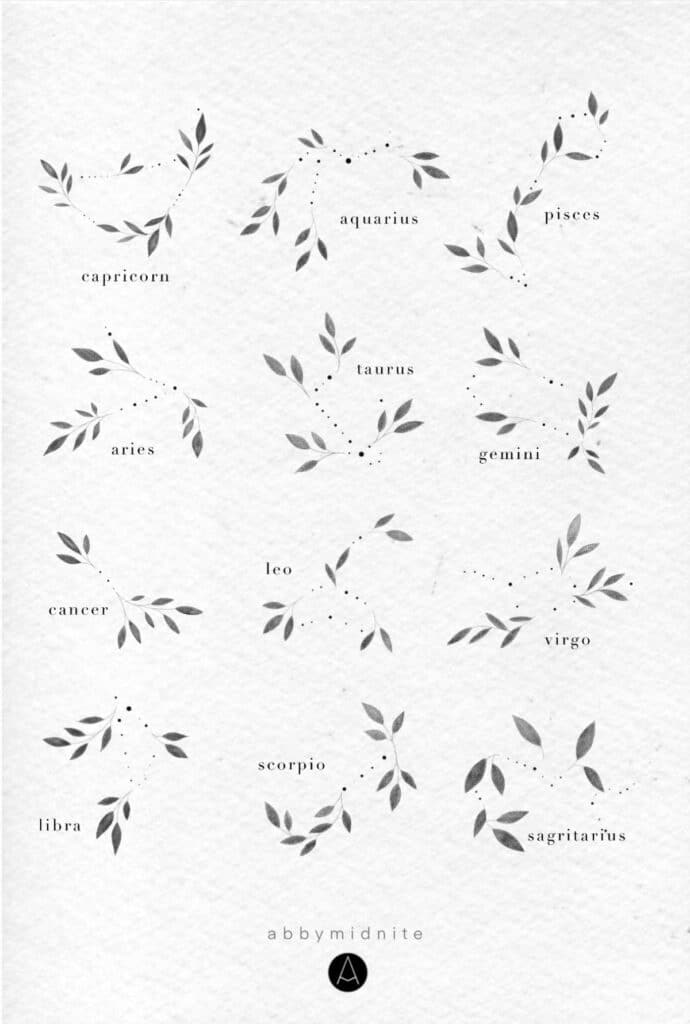
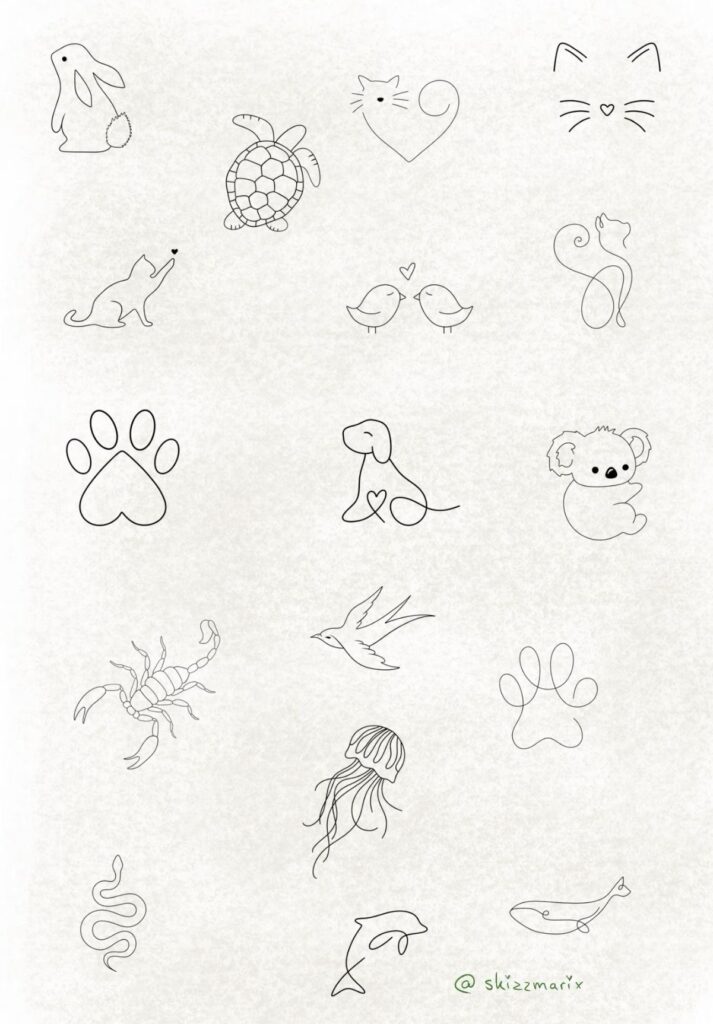
A fine line tattoo artist must have steady hands and great attention to detail. Their past work should show clean, thin lines that stay sharp over time. Tattoo enthusiasts should check portfolios for line consistency and clarity.
Experience in fine line tattoos is important since this style can fade or blur if not done well. The artist’s knowledge of skin types and healing also matters to avoid mistakes. Good artistry means balancing thin lines without losing image quality.
Trustworthy tattoo artists follow health rules and keep their tools clean. Positive reviews from clients show they respect safety and deliver good results. These qualities together make a tattoo artist a reliable choice.
Consultation Process
A clear consultation helps both tattoo artist and client understand the design and placement. The artist should listen to the enthusiast’s ideas and suggest adjustments for fine line work.
During the consultation, the artist explains how the tattoo will age and how thick the lines can be. They may show samples or sketches to make the design clearer. Tattoo artists also discuss costs and session length.
This meeting gives the client a chance to ask questions and express concerns. The right artist creates a space where the client feels confident before the tattoo begins. This step builds trust and helps avoid mistakes.
Body Placement and Versatility
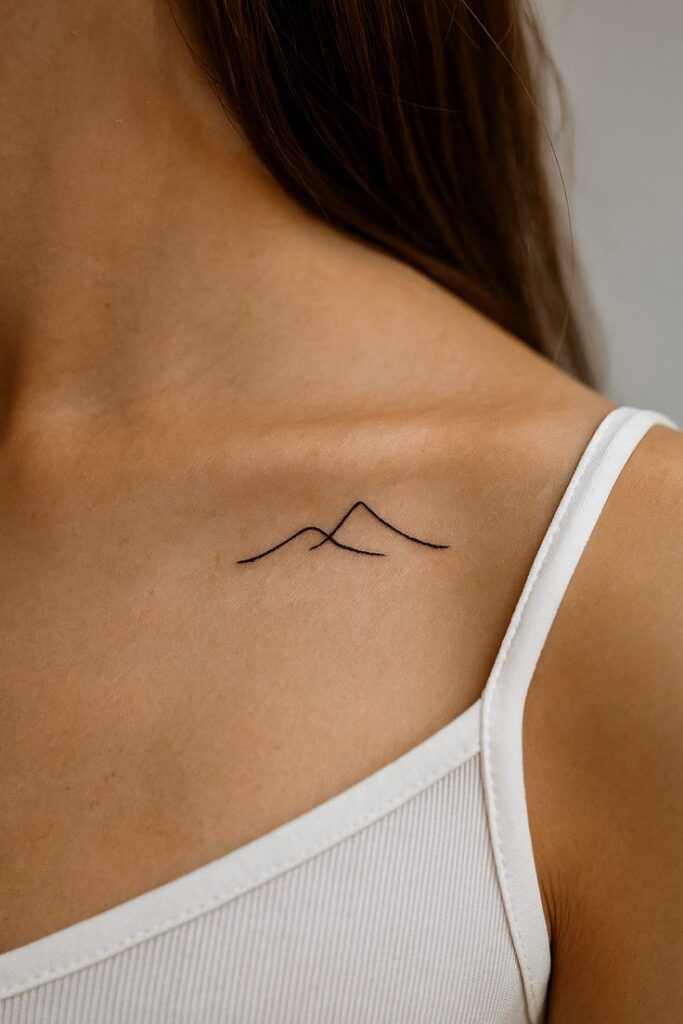
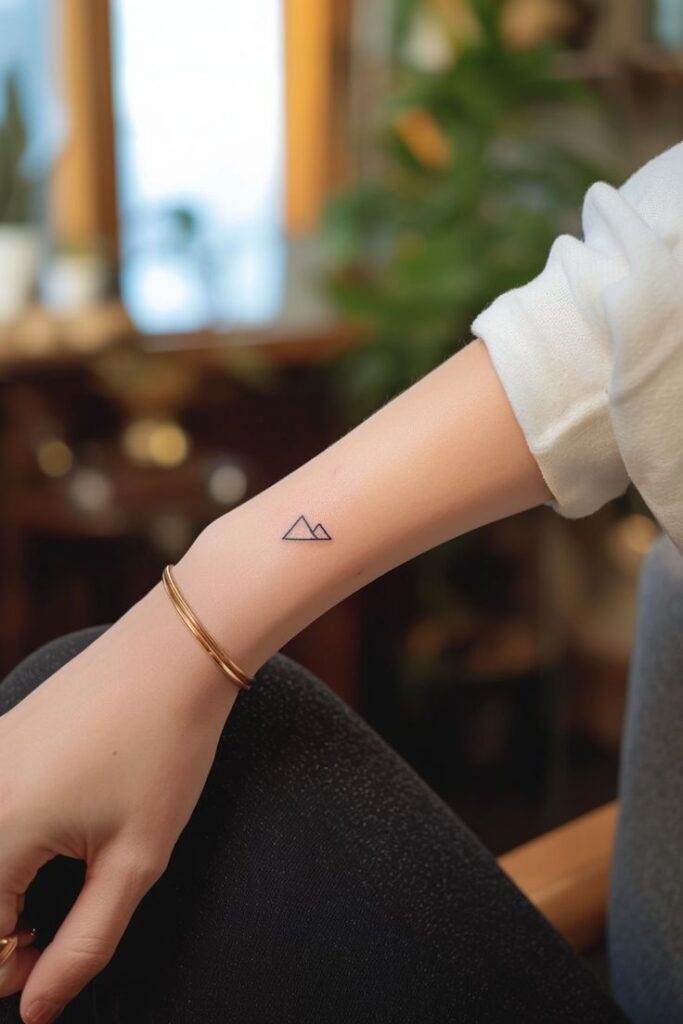
Fine line tattoos work well on many parts of the body. They fit nicely in small or delicate spaces, making them good for subtle or detailed body art. The choice of placement affects how visible and lasting the tattoo will be.
Best Areas for Fine Line Tattoos
Fine line tattoos suit areas with smooth, flat skin. Common spots include the inner forearm, wrist, collarbone, and back of the neck. These places allow the thin lines to show clearly. If that back-of-neck placement is the one you keep saving, compare fine-line neck tattoo ideas so the line weight, visibility, and movement of the skin all make sense together.
Fine line work can make a phoenix feel lighter, but a simple phoenix tattoo still needs enough structure in the wings and tail to stay readable after healing.
Fine line work is especially sensitive on hands, so checking minimal hand tattoo designs can help you keep the shape clean instead of overloading the space.


Because fine line tattoos rely on detail, areas with less movement and sun exposure help keep the design sharp. The ribs and upper thigh are also popular because they offer a flat canvas with less stretching.
Some artists avoid places where skin texture or body curves might blur fine lines, like joints or rough skin. Proper placement keeps the design clean and protects the delicate lines.
Tiny Tattoo Trends
Tiny tattoos often use fine lines to create small, clear images. They have grown popular for those who want body art that is discreet but personal.

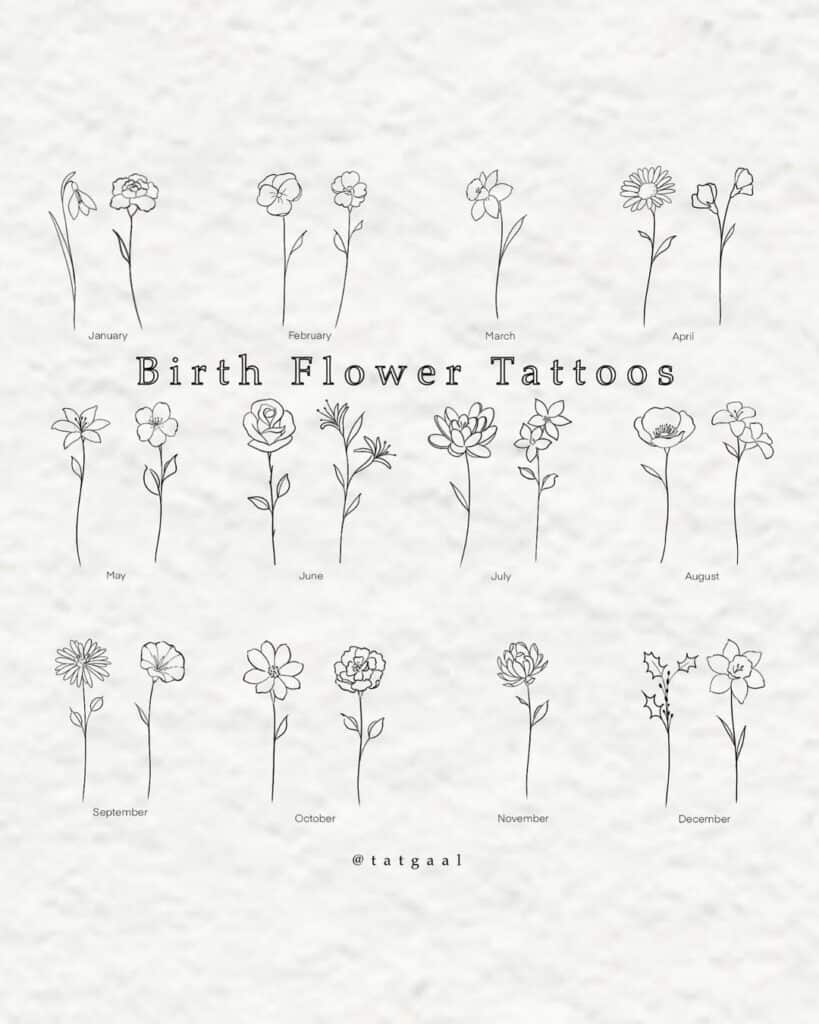
Small tattoos work on fingers, behind the ear, or the ankle. These spots offer visible yet subtle designs. People choose tiny tattoos for first designs or to add little details around bigger tattoos.
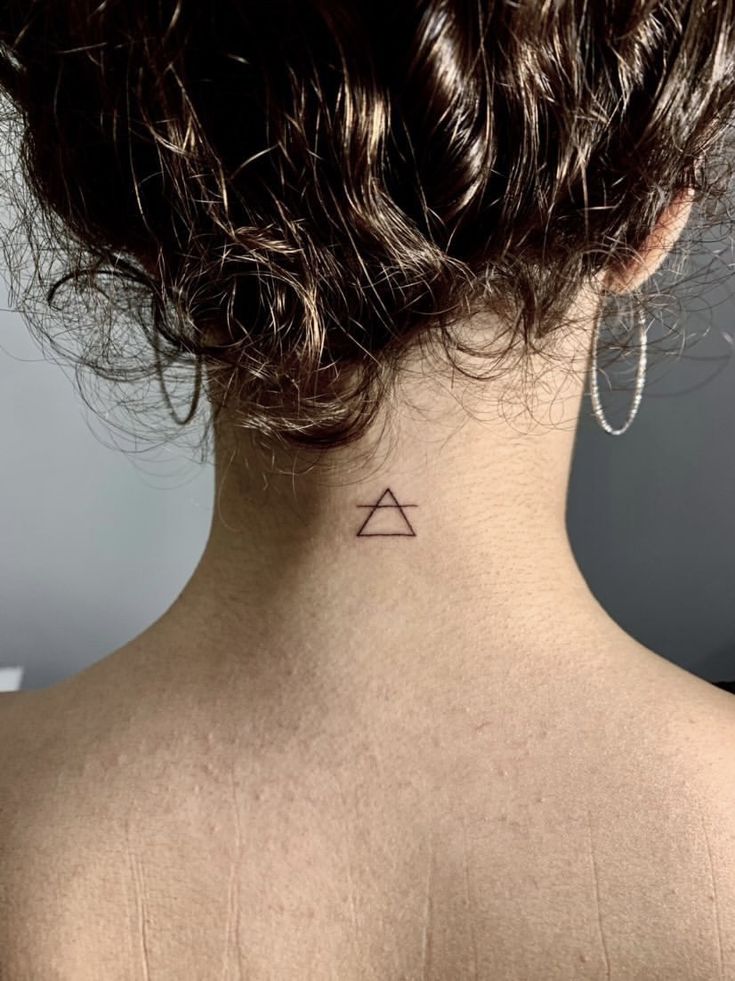
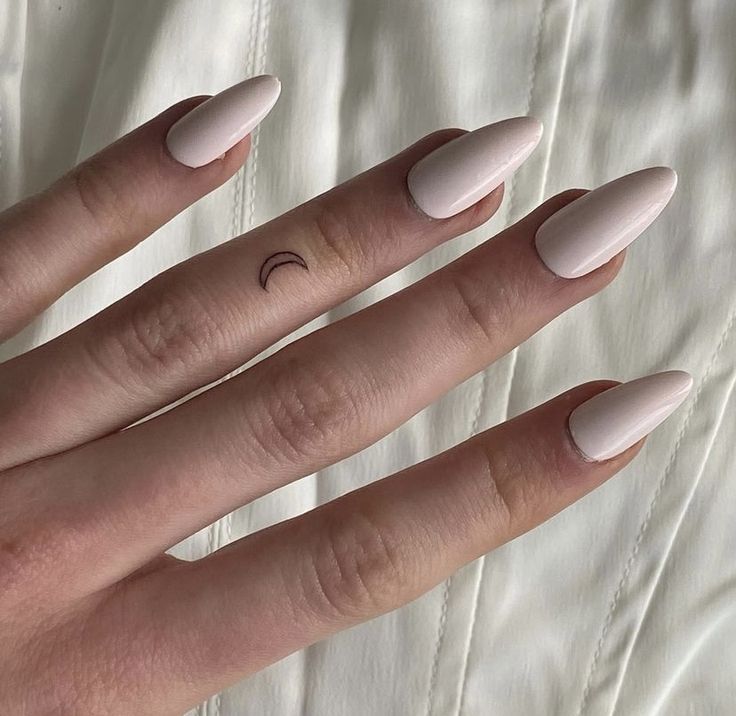

Fine line style fits tiny tattoos well since it allows detailed images without heavy ink. This style creates sharp, elegant shapes that stand out despite their size.
Versatility of Fine Line Styles
Fine line tattoos come in many styles, from simple outlines to detailed botanical or geometric designs. They adapt well to many themes because the lines can be straight, curved, or delicate.
Fine line work can look sharp on men, but simple tattoo designs for men still need enough size and contrast to age well instead of fading into a soft gray mark.
This tattoo style can blend with other art forms or be a standalone piece. It suits both black ink and soft colors. Artists often combine fine lines with shading or dot work for added depth.
Because of its precision, fine line tattooing works for both large and small tattoos. It fits tight spaces and large skin areas, making it flexible for many body art needs.
The Fine Line Tattoo Experience
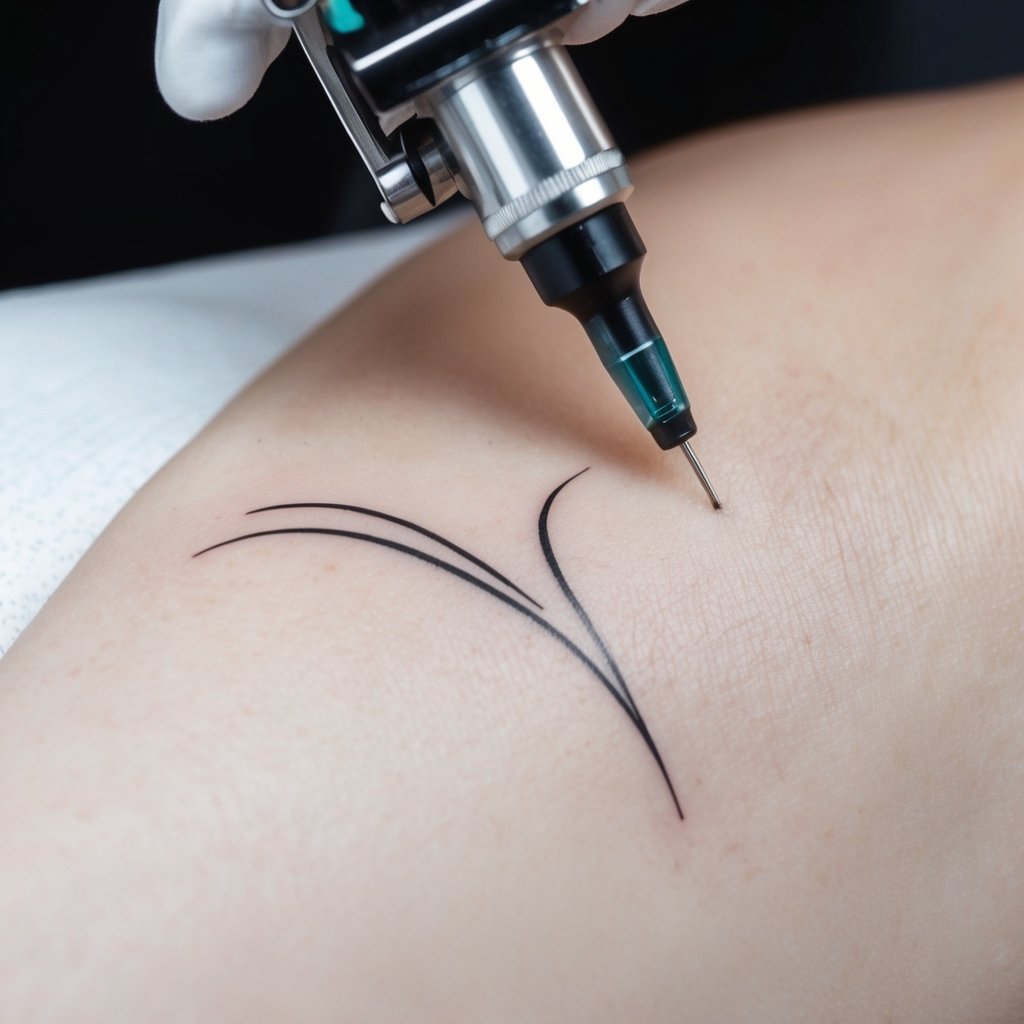
Fine line tattoos focus on thin, delicate lines that require skill and care. These tattoos often involve detailed designs with a subtle look, which means the process and healing differ from traditional thicker tattoos. Tattoo enthusiasts should know what to expect during their session and how the healing process may feel.
What to Expect During Your Session


The artist uses a single needle or a very small group of needles for fine line tattoos. This creates thin, precise lines. Sessions may take less time than larger or shaded tattoos, but require steady, slow work for accuracy. The skin area chosen is usually small with little shading involved.
Clients should wear loose clothing to give the artist good access to the area. Keeping still is important so the lines stay clean. Fine line tattooing demands patience from both the artist and the person receiving the tattoo. After the session, the tattoo will look sharp but light, sometimes appearing faint until it fully heals.
Pain Levels and Healing
Fine line tattoos often hurt less than larger or heavily shaded tattoos because the needles do not penetrate as deeply or cover wide areas. Pain varies by body part and personal tolerance, but many describe it as mild discomfort or a scratching feeling.
Healing usually takes about two weeks. The tattoo may peel or flake gently, similar to a small scrape healing on skin. It is important to keep the area clean and moisturized. Avoid picking at scabs to prevent line damage. Because fine line tattoos rely on thin lines, proper aftercare helps keep the tattoo clear and sharp for a long time.
Fine Line Tattoo Aftercare
Proper care after getting a fine line tattoo helps keep the lines sharp and prevents damage. Taking the right steps early and maintaining the tattoo over time supports good healing and lasting detail.
Immediate Aftercare Instructions
Right after getting the tattoo, the skin will be sensitive and need protection. The tattoo artist usually covers the area with a clean wrap. This wrap should stay on for 2-4 hours to block dirt and germs.
Once the wrap is removed, gently wash the tattoo with mild soap and lukewarm water. Avoid scrubbing. Pat it dry with a clean towel or let it air dry. Apply a thin layer of a fragrance-free, tattoo-safe ointment to keep the skin moist.
Avoid soaking the tattoo in water like pools or baths for at least two weeks. Direct sunlight should be avoided to prevent fading and irritation. Wearing loose clothing over the tattoo can help stop rubbing and irritation during healing.
For safety basics, the FDA tattoo fact sheet is a useful starting point for understanding tattoo ink, infection risk, and allergic reactions. For a practical healing overview, Healthline’s tattoo aftercare guide covers cleaning, moisturizing, and avoiding soaking while the skin settles.
Long-Term Maintenance
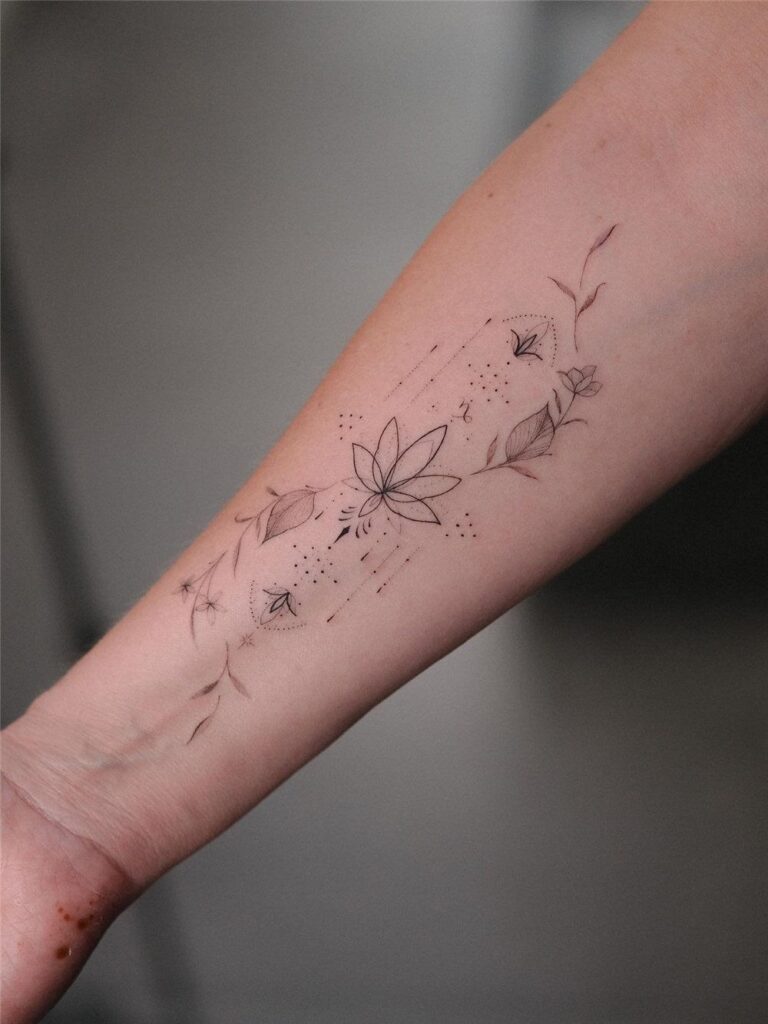

After the initial healing period, it’s important to keep the skin hydrated daily. Using a fragrance-free moisturizer will support skin health and prevent dryness, which helps keep fine lines clear.
Sun exposure will cause fading. Applying a high SPF sunscreen on healed tattoos when outside will protect the ink. Sunscreens with broad-spectrum protection work best.
Regularly inspecting the tattoo will help catch any changes or skin issues early. If any signs of infection or unusual reactions appear, consulting a doctor is advised.
Touch-Ups and Fading
Fine line tattoos are delicate and may lose sharpness over time. Fading happens naturally as skin ages and because of sun exposure.
Touch-ups can restore detail and color. Waiting until the tattoo is fully healed, usually after a few months, before a touch-up is important. Touch-ups should be done by a skilled artist familiar with fine line work to keep the original style.
Avoid heavy sun or chemical exposure to slow fading. Regular sun protection and moisturizing will extend the tattoo’s appearance before touch-ups are needed.
Fine Line Tattoos in Modern Body Art Culture

Fine line tattoos fit the way many people collect body art now: smaller, more personal, and easier to place around clothes, jewelry, and existing tattoos. The appeal is the subtle beauty, but the craft is still technical. A thin line has nowhere to hide a shaky hand.
Influences and Trends
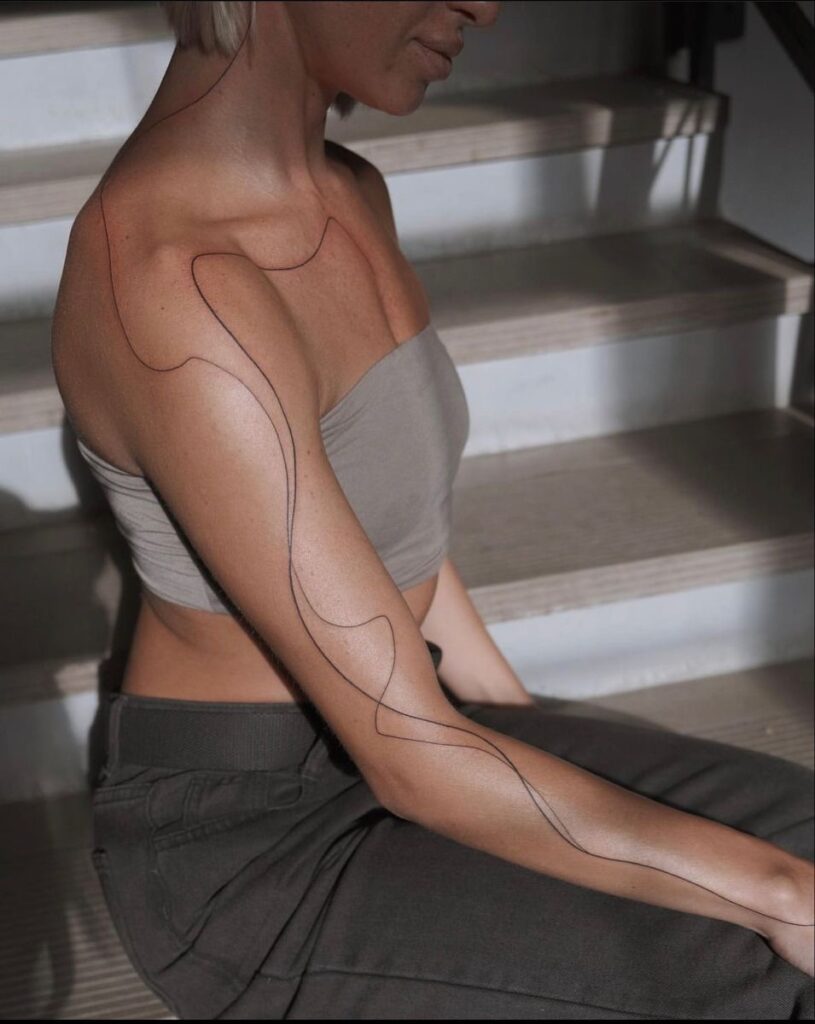

Fine line tattoos pull from traditional tattoo craft, illustration, lettering, and modern design trends. Most designs stay in black and gray, though soft color can work when the shape is simple. Many strong fine line artists think like illustrators: they simplify the silhouette first, then add detail only where it helps the design read.
The rise of social media has also boosted fine line tattoos. Platforms like Instagram allow artists to share their detailed work widely, making this style more visible and desirable. Fine line tattoos often reflect minimalist themes, nature, and delicate shapes.
Fine Line Tattoos for Tattoo Enthusiasts

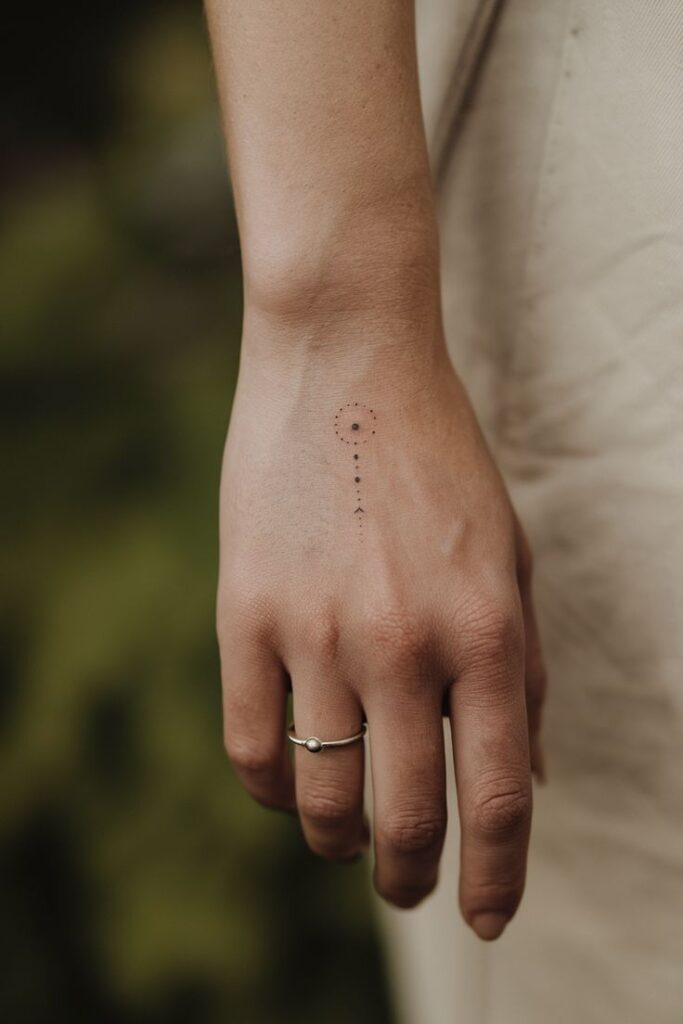
Tattoo enthusiasts choose fine line tattoos to get detailed but discreet body art. Because the lines are thin, these tattoos suit small or visible areas where bold designs might be too much. They also work well as first tattoos or additions to larger pieces.
The precision needed means tattooists must have steady hands and good control. Look for healed photos in the artist’s portfolio, not only fresh close-ups. Fresh fine line work can look perfect under studio lighting; healed work shows whether the artist understands spacing, depth, and skin movement.
If you want the fine-line version to feel tied to a real race, start with a small route line, shoe outline, or 26.2 mark. Our guide to minimalist running tattoo ideas shows how those details can stay clean without becoming generic.
Fine line tattoo FAQ
Do fine line tattoos fade faster?
Yes, they can fade faster than bold traditional tattoos because thin lines use less pigment and have less visual margin when they soften. Placement, sun exposure, artist skill, and aftercare make the biggest difference. A slightly simplified design usually ages better than a tiny design packed with small details.
For a broader shortlist, compare fine-line florals, script, butterflies, and celestial marks with these tattoo designs for women before choosing size and placement.
Are fine line tattoos good for first tattoos?
Fine line tattoos can be good first tattoos because they are often small, subtle, and flexible in placement. The safest first choice is a readable design with enough open space. Avoid choosing the smallest possible version of a complex image just because it looks delicate on a screen.
Where should you avoid fine line tattoos?
Fingers, palms, soles, inner lips, and other high-friction areas are risky if you want crisp long-term detail. These placements can fade, blur, or need more frequent touch-ups. If you love a tiny design, the upper arm, calf, shoulder, or outer forearm is usually more forgiving.
Do fine line tattoos hurt less?
They may feel lighter than heavy shading or large color packing, but pain depends more on placement, session length, and personal sensitivity than line thickness alone. Ribs, ankles, wrists, and areas near bone can still feel sharp even when the tattoo is small.
How do you keep a fine line tattoo crisp?
Choose an artist with healed fine line examples, keep the design readable, follow the aftercare instructions, avoid picking or over-moisturizing, and protect the healed tattoo from sun exposure. Crisp fine line work is usually a mix of good design, good technique, and boring but consistent care.
How often do fine line tattoos need touch-ups?
Some fine line tattoos never need a major touch-up, while others benefit from one after healing or after a few years. It depends on the artist, ink depth, placement, skin type, and how much sun or rubbing the tattoo gets. Wait until the tattoo is fully healed before judging the final line quality.
For more starting points, browse the tattoo ideas hub for placement guides, design styles, meanings, and beginner-friendly tattoo inspiration.
If you like fine-line work but want a gentler mood board, these soft aesthetic tattoo ideas show floral, moon, script, and watercolor options.
- 24.8Kshares
- Facebook0
- Pinterest24.8K
- Twitter3
- Reddit0