
Table Of Contents
- Introduction
- UI Vs UX Basics
- The Salary Landscape
- Key Salary Influencers
- Regional Comparisons
- Freelance Vs In-House
- AI’s Growing Impact
- Navigating The Job Market
- Salary Projections And Growth
- Frequently Asked Questions
- Conclusion

It begins under the hum of fluorescent lights in a bustling coworking space, while a foggy San Francisco morning nudges the city awake. Designers sit at scattered tables, sipping lattes and poring over prototypes. Their voices carry the promise of new products and user experiences not yet shaped. In that soft, predawn hush, a single question echoes through Slack chats and job listings alike: “What is the current state of UI vs UX design salary, and which path offers the best rewards?”
In this ultimate guide, we will take a confident, detailed look at the various salary trends defining UI and UX design roles. Through real data and thoughtful insights, we will unravel the layers behind compensation in this dynamic field. From seniority and location to freelancing and AI-driven expansions, each factor has its own story and ripple effect on earnings. By diving deep into these waters, you can better map out your path—whether as a newcomer forging a new career or a seasoned professional seeking to shift lanes.
UI Vs UX Basics
Before exploring pay scales and growth trajectories, it is crucial to clarify what UI and UX each encompass. Though UI and UX design often appear intertwined, they have distinct focal points that influence everything from daily tasks to how salaries are structured.


The Essence of UX
UX, or User Experience, zeroes in on usability, user flows, and the overall journey someone takes when interacting with a product. Whether mapping out wireframes or analyzing analytics data, a UX designer aims to ensure seamless, intuitive experiences. It is a role rooted in empathy: designers investigate user pain points, conduct testing, and iterate on solutions to guarantee an efficient interface.
The Aesthetics of UI

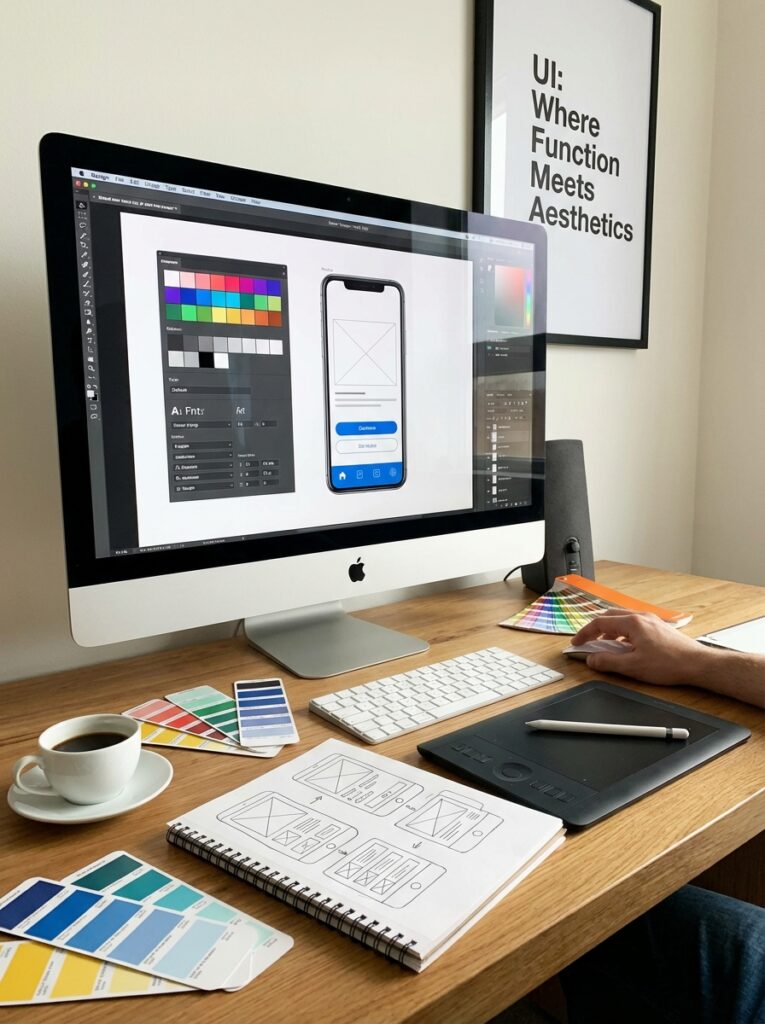
UI, or User Interface, hones in on the layout and visual appeal. Color palettes, typography, and interactive elements all fall under the UI designer’s domain. While UX deals with how a person feels about a product, UI addresses the surface that meets the eye—ensuring it is attractive, engaging, and on-brand.
In reality, many designers blend both disciplines, transitioning from wireframing to pixel-perfect mockups in a single afternoon. This overlap is why discussions about “ui vs ux design salary” often intermix, culminating in roles like UI/UX designer or Product Designer that straddle both worlds.
The Salary Landscape


Diving into hard numbers can reveal hidden truths about the field. The data below illuminates how UI and UX salaries compare, reflecting trends influenced by evolving technologies and market demands.
- In the United States, the average salary for a UX designer in 2025 or 2026 hovers between $84,000 and $149,000 per year (depending on seniority), whereas a UI designer’s average salary typically stands around $94,000, often spiking in tech hubs like San Francisco (Interaction Design Foundation).
- In San Francisco, a junior UX designer might see offers between $95,000 and $151,000, while mid-level roles range between $108,000 and $164,000, climbing higher for senior professionals (UX Design Institute).
- Meanwhile, UI designers in the same region frequently earn around $115,000 per year, with further increases based on experience and portfolio strength (Interaction Design Foundation).
Overall, “ui vs ux design salary” comparisons suggest UI design can fetch higher starting figures in some markets, whereas UX design can offer more extensive growth potential over time, particularly when factoring in managerial roles or specialized niches. Yet these figures are never static. They shift alongside technology waves—such as AI, tactile interfaces, and new consumer demands.
Key Salary Influencers
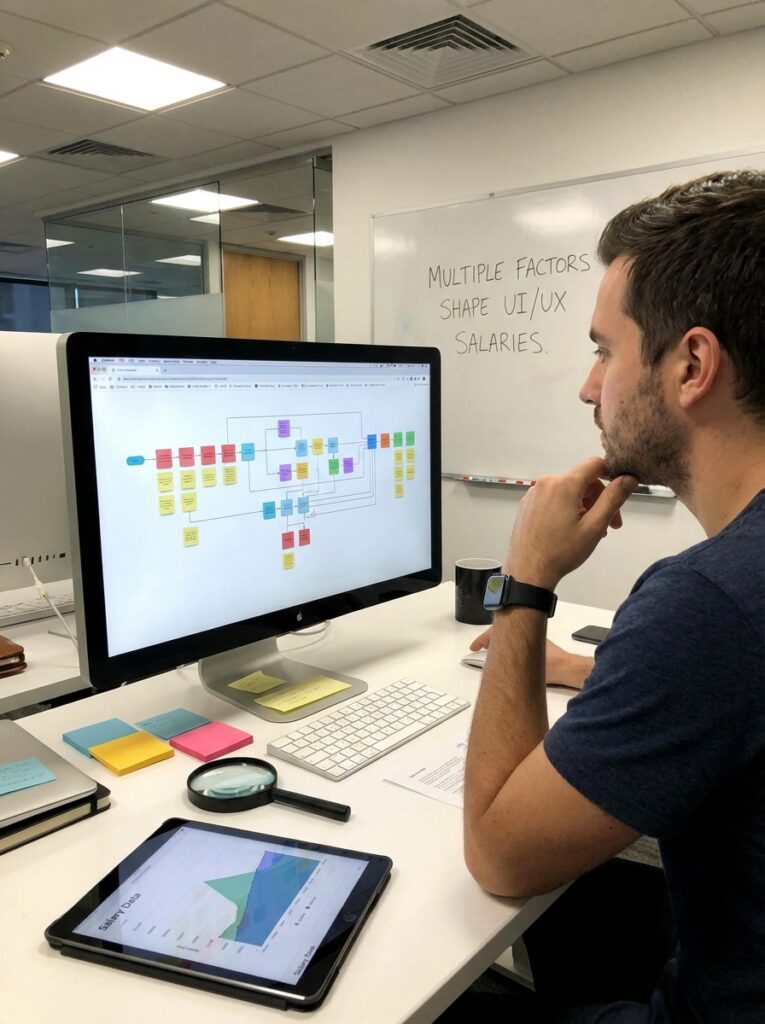
Just as each pixel or user flow reveals a new perspective on a digital product, multiple factors shape how salaries emerge for UI and UX professionals. Understanding these variables can be instrumental in navigating your career path.

1. Seniority and Experience
- Entry-level UX designers in the US often start between $67,000 and $73,000 per year, climbing to $126,000 or more for senior professionals (Nielsen Norman Group and Interaction Design Foundation).
- Junior UI designers might begin around $74,000 annually, with senior roles grossing up to $126,000 or more.
Experience not only expands technical skills, but also builds leadership and strategy. As designers progress, they may find themselves stepping into managerial roles or branching into new paradigms like voice UIs or augmented reality.
2. Skill Set and Specialization
Mastering design tools such as Figma, Sketch, and Adobe XD can boost salary prospects. Beyond that, designers with a flair for advanced prototyping, animation, or AI-enhanced user journeys often stand out in a crowded marketplace. Specializing in subfields like motion design, research, or accessibility can also command higher pay.
3. Location
Where a designer is based remains a core determinant of pay:
- Designers in Silicon Valley and large metropolitan areas earn more due to higher living costs and thriving tech ecosystems.
- Mid-tier markets like Chicago or Austin still offer above-average UI and UX salaries, but generally sit below San Francisco’s peak compensation.
Global differences loom as well. In the United Kingdom, average UX salaries in 2025 linger around £48,000 per year, while UI designers might see about £46,000, with London topping the charts among British cities (Interaction Design Foundation).
4. Company Size and Industry
Designers at large tech firms or well-funded startups can tap into higher salary bands, bolstered by equity and bonuses. Meanwhile, agencies and smaller businesses may offer lower salary bases, but sometimes provide faster career progression and a more diverse project portfolio.
5. Education and Certifications
While degrees in graphic design or human-computer interaction can open doors, the real currency is a strong portfolio that demonstrates empathy-driven solutions. Certifications from reputable institutions or platforms (e.g., specialized UI/UX boot camps) can sweeten the deal, signaling up-to-date skills.
Regional Comparisons
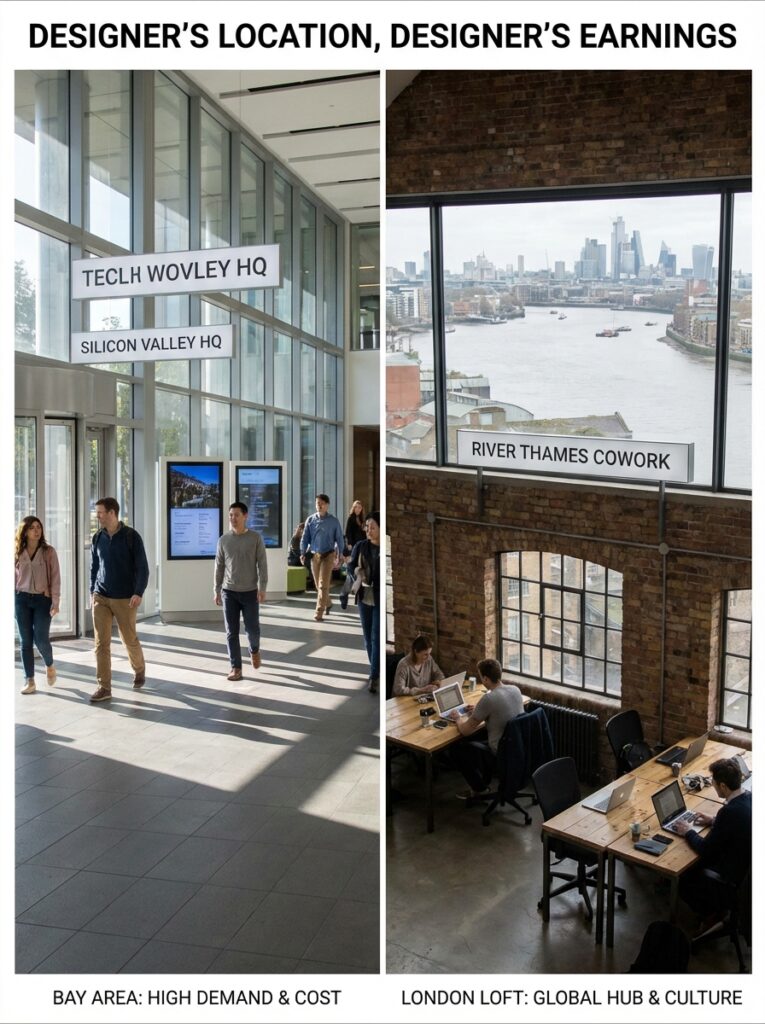
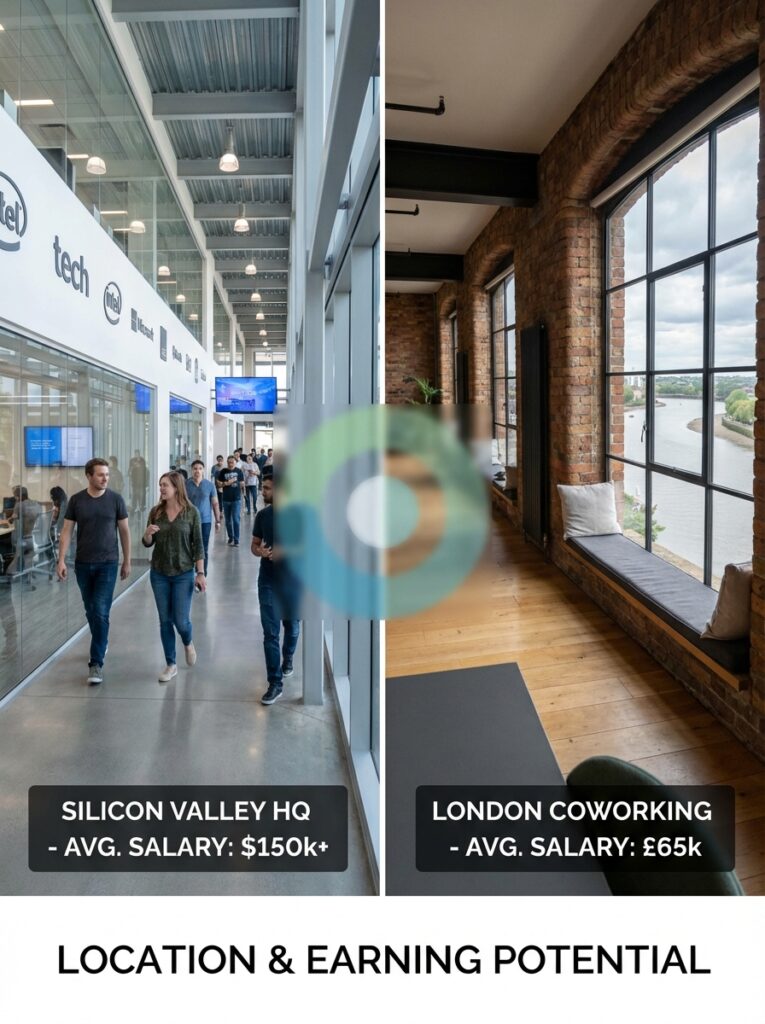
From the bustling corridors of a Silicon Valley headquarters to a coworking loft overlooking the River Thames—location frames a designer’s earning potential. Local demand, cost of living, tax structures, and cultural attitudes toward design roles all play pivotal parts.
United States
The US market remains a juggernaut for designers. Cities such as San Francisco, New York, and Seattle lead salary rankings. A mid-level UI/UX designer in California, for instance, could command $100,000 to $140,000, depending on expertise (UIUXJobsBoard).
In midwestern hubs like Chicago, average pay is a bit lower—hovering in the $80,000 to $95,000 range for UX roles and up to $94,000 for UI. Meanwhile, remote positions can broaden a designer’s reach, though they also expand the competition pool.
Canada
Though initial salaries for early-career designers in Canada may be lower (around $30,000 USD in the first year), many see a swift 80 percent salary jump within four years (Reddit r/UX_Design). Steady increases reflect a growing tech scene in cities like Toronto, Vancouver, and Montreal, which are investing heavily in digital innovation.
United Kingdom
UI/UX professionals in the UK earn roughly £46,000 to £48,000 per year on average. Salaries in London stay higher, driven by a mix of global tech firms and corporate headquarters. Outside London, wages typically drop—yet so does the cost of living, making roles in Manchester or Birmingham fairly competitive.
Elsewhere
Rapidly expanding markets in Asia, the Middle East, and Eastern Europe provide exciting opportunities, often at lower salaries than in the US. However, experienced designers can find excellent leadership roles and global collaboration in these regions, highlighting that monetary figures alone do not define a career.
Freelance Vs In-House


Not all designers walk the path of a full-time office setting. Some choose freelancing to chase variety, autonomy, or the sweet possibility of controlling their schedules. The decision to go solo, however, impacts compensation in nuanced ways.
- Freelance UX designers in the US earn around $92,000 per year on average, while freelance UI designers stand at about $80,000 (Interaction Design Foundation).
- Hourly rates often exceed those of full-time staff, compensating for the lack of health benefits, paid leave, and other perks (UIUXJobsBoard).
- Freelancers manage their own taxes and business expenses, which can temper the higher base rates.
Freelancing can open doors to broad project experiences, from designing e-commerce sites to handling niche app prototypes. But it also introduces an intermittent revenue stream, requiring consistent self-promotion and client outreach. Designers who thrive in uncertain environments may flourish as freelancers, though they might face intense competition in global marketplaces.
AI’s Growing Impact


In the hush of a late-night deadline, designers once toggled between wireframe tools and user research data. Now, conversation often shifts to “How can AI accelerate iterative testing?” and “Which analytics tools deliver the best personalization?” This AI infusion directly influences how “ui vs ux design salary” lines shift over time.
Designers who can harness machine learning insights—such as predictive user journeys or automated interface adjustments—can command premium salaries. According to the UX Design Institute, professionals integrating AI-driven personalization and automation into their workflows in 2026 are increasingly valuable on the job market (UX Design Institute).
While AI will not replace human intuition and creativity, it can alleviate repetitive tasks, freeing designers to focus on strategy and innovation. Employers pay more for those at the forefront of these tools, recognizing the competitive edge they bring to product development.
Navigating The Job Market


Fluctuations in the tech sector have ripple effects across design roles. Over the past few years, investment in emerging technologies—like the Metaverse and self-driving cars—caused a hiring spree in UX from 2021 to late 2022. At the same time, new graduates flocked to the field, lured by the promise of creative job opportunities.
- By 2025, the industry tallied more than 2 million UX professionals globally (UX Collective).
- When tax credits expired and interest rates rose in 2023 and 2024, the tech sector contracted, causing layoffs across engineering, product, and design departments.
- Remote work trends eased geographical constraints. Consequently, when a UI or UX role opens, it often draws applicants from across the country, or even worldwide, saturating the talent pool.
Still, opportunities are strong—user interface and experience roles are projected to grow 8 percent from 2023 to 2033 (Interaction Design Foundation). Designers who position themselves with robust portfolios, specialized skills, and tangible business cases stand a stronger chance of landing roles in a congested market.
Salary Projections And Growth
Like a sunbeam breaking through morning fog, salary growth in design can seem to appear gradually, then all at once. Historically, UX professionals have seen larger raises in the first five to ten years of their careers, leveling out afterward. Early-career gains can average a $6,000 raise annually, while mid-career sees about a $3,000 incremental boost (Nielsen Norman Group).


Key Growth Milestones
- First Two Years
A designer might move from entry-level tasks into specialized projects, likely elevating their salary in a short window. - Years Three to Five
Confidence in user testing, data analytics, and stakeholder presentations soars. Compensation often reflects this jump. - Years Six to Nine
Designers frequently transition to senior roles or begin managing small teams. Pivotal influences on overall pay can include managing budgets, guiding brand strategy, or adopting emergent AI tools. - Beyond Ten Years
Many expand into Director-level positions or pivot to specialized consultancy. Top-tier professionals have reported salaries beyond $144,000 or $150,000, especially in leadership or principal roles, confirming that design can reward longevity.
The moral of this journey is that consistent skill-building, strategic thinking, and forging strong relationships with cross-functional teams all play critical roles in shaping a designer’s earning arc.
Frequently Asked Questions

Below are some frequent questions about “ui vs ux design salary,” especially for designers looking to plot their next move or pivot into a new specialty.
1. Is UI Or UX More Lucrative?
Both roles can pay well, but the gap depends on region, experience, and specialization. In the United States, average UI salaries can slightly outpace UX at entry-level, but UX managers, directors, and specialists may surpass UI salaries at more advanced stages.
2. Do I Need A Degree In Design To Earn A Higher Salary?
A formal degree is helpful, but not mandatory. Employers focus on portfolios, proven UX or UI problem-solving, and tool proficiency. Certifications from recognized bodies or completion of intensive boot camps can also bolster a designer’s marketability.
3. How Does AI Integration Affect My Salary Potential?
Employers increasingly value designers who understand AI-driven technologies. Skills like automated testing or data analytics can position you for specialized roles with higher pay. AI will not replace human creativity, but it can elevate a designer’s strategic worth.
4. Can Freelancing Really Earn Me More Than A Full-Time Role?
Freelancing offers higher hourly rates and schedule flexibility, but does not guarantee a stable pipeline of projects. Overhead costs and time spent on client acquisition can erode profit margins. Designers who balance consistent clients, overhead control, and strong rates often out-earn their full-time counterparts.
5. Are Salaries Likely To Keep Climbing?
UI and UX roles maintain healthy growth trends, but economic shifts and global competition can introduce volatility. Over the long haul, the continued digitization of services suggests an ongoing demand for skilled designers—particularly those evolving with new tech and user needs.
Conclusion


From the glow of a late-night deadline to the first sip of morning coffee in a shared workspace, the path of a UI or UX designer is both creative and data-driven. It blends empathy and artistry, shaping technology into something people can connect with. Salary figures—whether $73,000 for a junior role or $169,000 at the director level—are mere echoes of the unseen hours, the subtle color changes, and the prototypes tested or abandoned along the way.
Ultimately, “ui vs ux design salary” is no static concept. It responds to skill sets, city skylines, emerging technologies, and the designer’s willingness to explore new horizons. For anyone stepping onto the design stage or those years into the journey, an ever-growing field awaits, brimming with stories to tell, screens to shape, and experiences that make life smoother for millions of users. The numbers reflect the world’s recognition that behind every intuitive product lies a dedicated UI or UX professional, weaving function and form into one seamless tapestry.
- 148shares
- Facebook0
- Pinterest145
- Twitter3
- Reddit0