Introduction
A space for creativity combines your physical environment with the mental clarity and psychological safety needed to generate new ideas and produce meaningful creative work. Whether you’re an artist seeking inspiration, a writer battling blocks, or an entrepreneur developing the next business concept, understanding how to design and cultivate this space is essential for consistent innovation.
This guide covers three interconnected dimensions: physical workspace design, mental space cultivation, and environmental factors that support the creative process. The target audience includes artists, writers, remote workers, entrepreneurs, and anyone whose job or life demands original thinking. If you’ve ever felt stuck at your desk or wondered why ideas flow freely in certain places but not others, this content addresses those pain points directly.

A creative space is the intersection where physical environment meets psychological freedom—a zone where your brain can explore without constraint and your body feels comfortable enough to focus deeply.
By the end of this guide, you will gain:
- Core principles for designing physical spaces that support creativity
- Techniques for cultivating mental space and clarity
- Personalization strategies based on your creative process
- Solutions for common obstacles like limited room or budget constraints
- A clear implementation process to transform your current workspace
Understanding Creative Spaces
Creative space operates at the intersection of physical environment and mental state. Research in environmental psychology demonstrates that human minds react to subtle cues in light, sound, color, and layout—these elements either energize creative thinking or slow it down. The moment you sit in a cramped, dimly lit office versus a bright, open room, your brain responds differently, affecting your ability to generate ideas.
Traditional workspaces often fail to support creativity because they optimize for standardization rather than exploration. Cubicle farms and rigid desk arrangements prioritize uniformity over the varied conditions that different spaces in the creative process demand.
Physical Creative Space
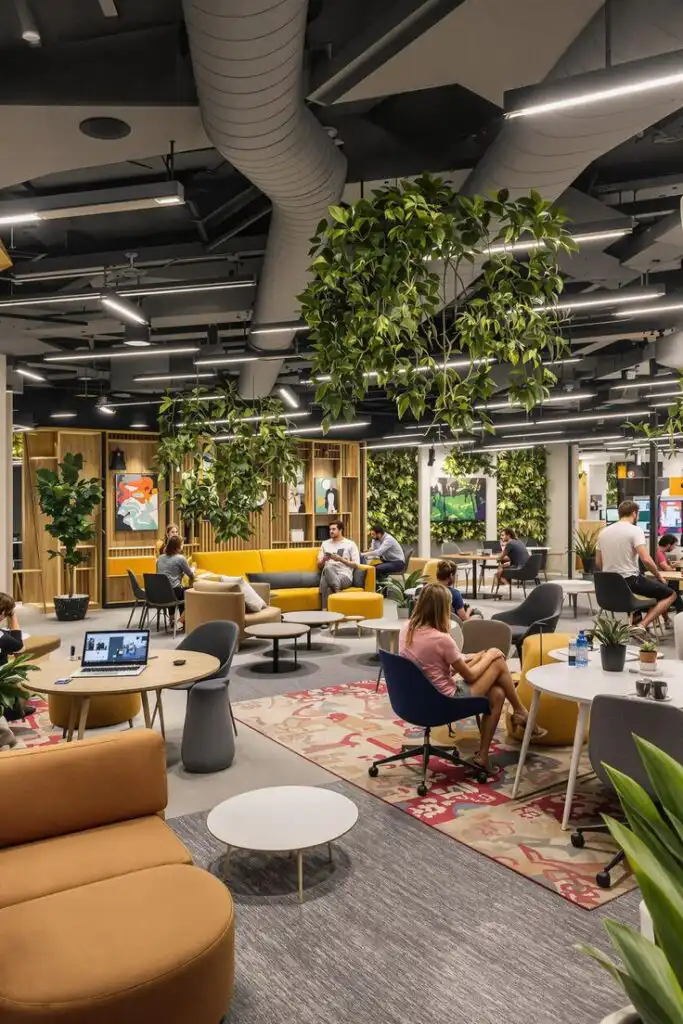
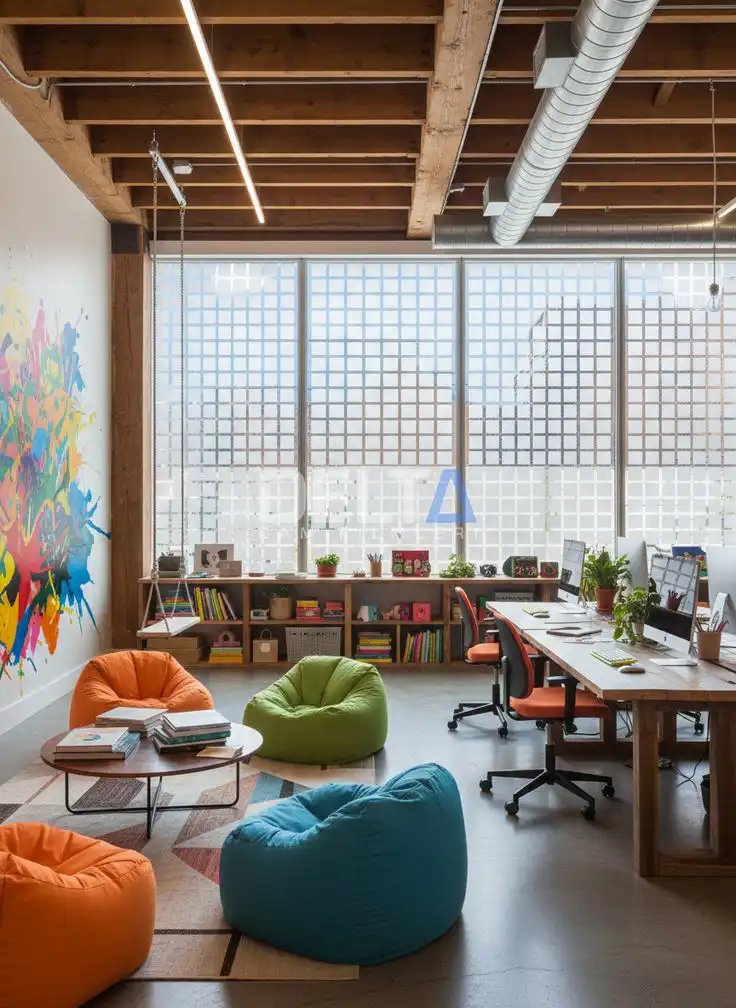
Physical space encompasses the tangible elements surrounding you: lighting quality, layout configuration, materials within reach, and comfort features like seating and temperature. These components shape your sensory experience and workflow optimization throughout the day.
The connection between physical environment and creativity operates through direct sensory influence. A room with natural light affects mood and alertness differently than fluorescent overhead fixtures. The ability to walk around or shift positions impacts how freely your imagination wanders. Environmental psychology confirms that design elements—art on walls, greenery in corners, textures you can touch—invite fresh thought without overwhelming focus.
Mental Creative Space
Mental creative space refers to psychological safety, the capacity for focus, and the clarity that allows ideas to form without immediate judgment. This dimension is where you feel comfortable taking risks, pushing beyond your comfort zone, and exploring concepts that might initially seem impractical.
The relationship between mental state and physical environment runs deep. A 2015 study found that environments where individuals can socialize and share ideas boosted creative outcomes—demonstrating that physical design shapes psychological experience. When your space supports rather than constrains you, your head clears, and the creative juices begin flowing.
Understanding both dimensions prepares you to make intentional choices about where and how you create.
Essential Elements of Creative Space Design
Designing effective creative spaces requires attention to specific environmental factors that influence the creative process. Each element below builds upon the physical and mental space concepts established above, offering practical details for implementation.
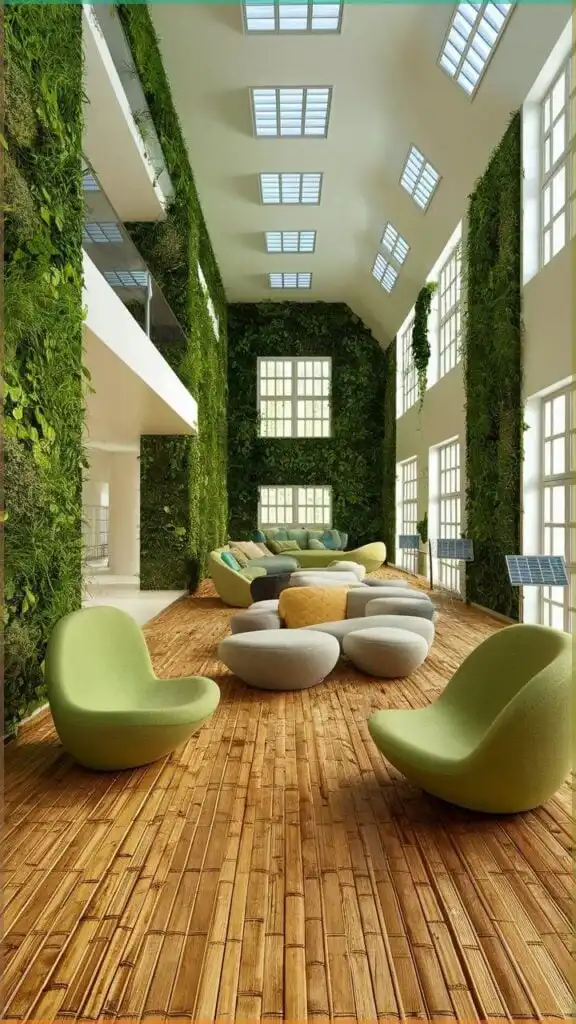
Lighting and Ambiance
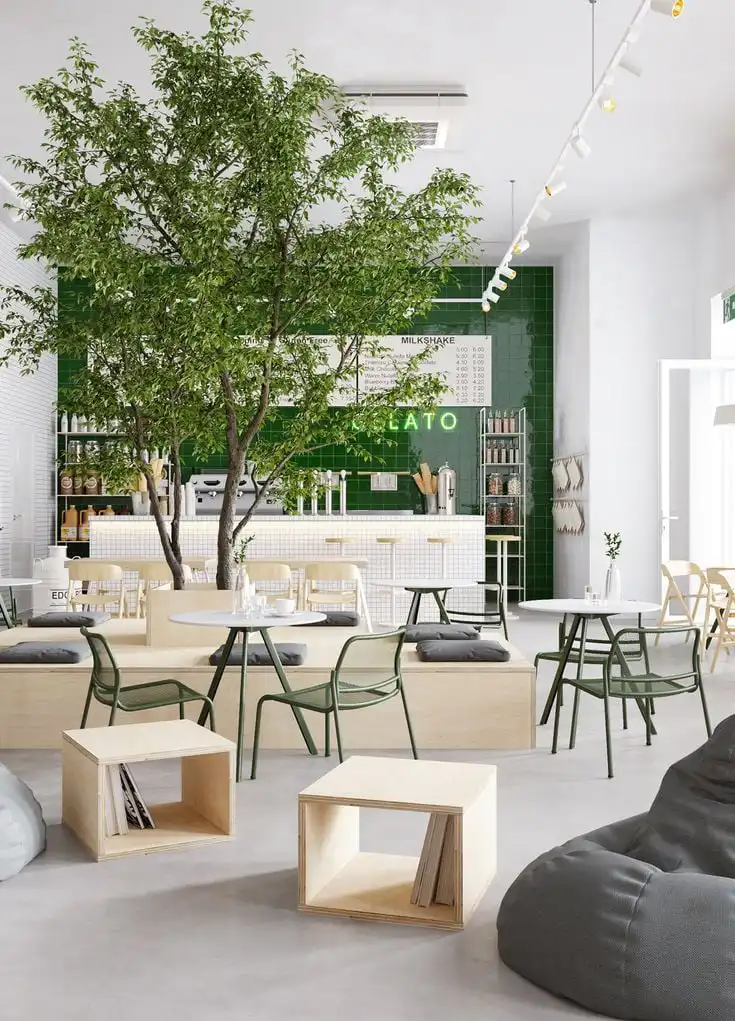
Natural light remains the single most valuable lighting element for creative work. Research consistently shows that exposure to daylight improves mood, alertness, and cognitive function. Position your workspace near windows when possible, and consider how light changes throughout the week and across seasons.
When natural light isn’t sufficient, layer artificial lighting to create zones within your space. Task lighting for detailed work, ambient lighting for ideation, and adjustable options let you match illumination to your current process stage. The key point is intentionality—your lighting should serve your creative needs rather than defaulting to whatever fixture came with the room.
Ambiance extends beyond light to include sound, scent, and visual texture. Some artists prefer complete silence; others find that ambient noise or music helps them focus. The goal is discovering what conditions inspire your best work.
Layout and Flow
Space organization directly impacts how ideas move from your brain to paper, computer, or canvas. Layout considerations include movement patterns—can you walk freely, or does furniture create obstacles? Accessibility matters too: are your most-used tools within arm’s reach, or do you interrupt your flow searching for a pen or reference material?
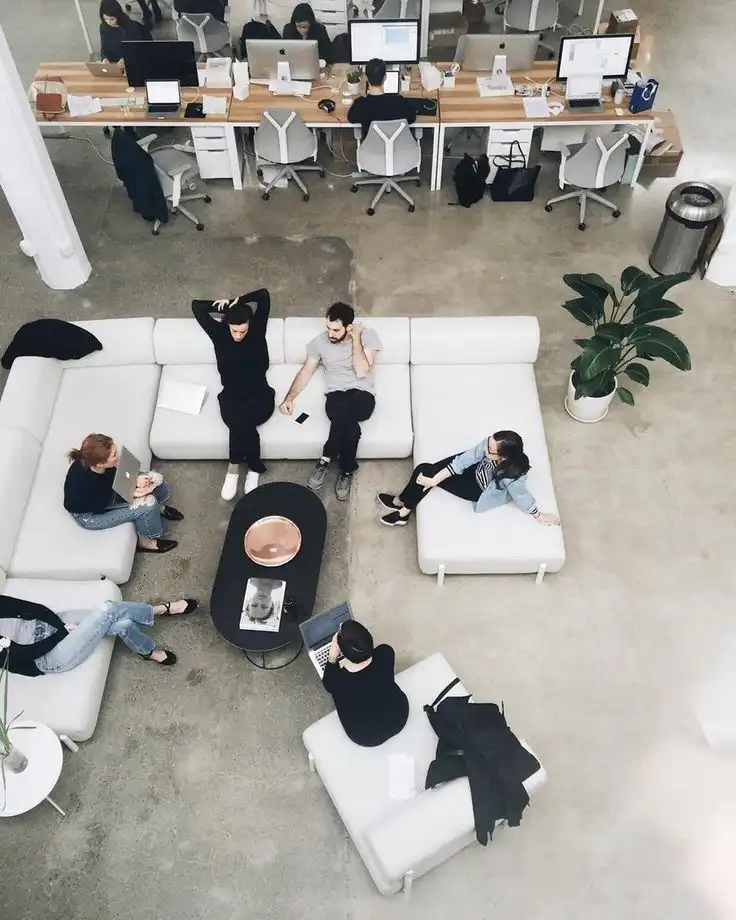
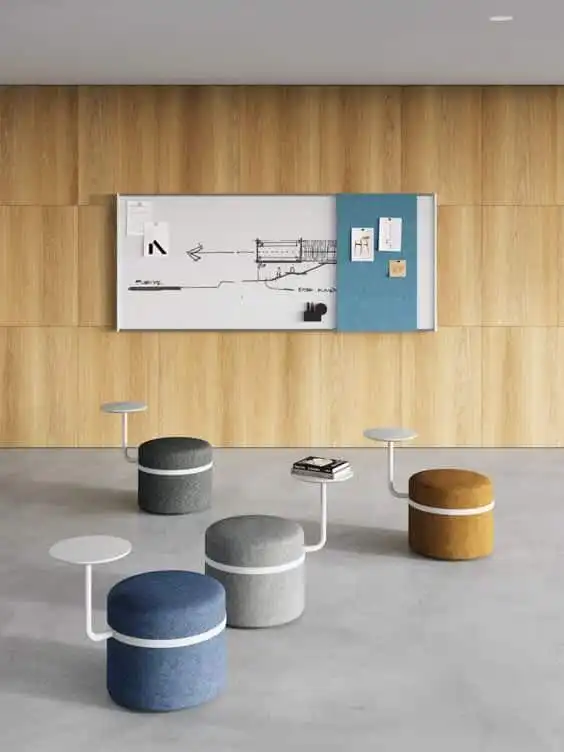
Create zones within your space for different activities. A brainstorming corner with whiteboards and flexible seating serves ideation, while a dedicated desk supports execution. This approach mirrors research showing that stimulating environments benefit idea generation, while focused, less stimulating spaces support implementation. Even a small room or kitchen table setup can incorporate this principle through intentional arrangement.
The connection to lighting becomes clear when you consider environmental cohesion—layout and lighting work together to support your creative rhythm.
Materials and Tools Access
Creative work requires materials. Whether your medium is writing, art, business strategy, or innovation in any field, having supplies organized and visible removes friction from the process.
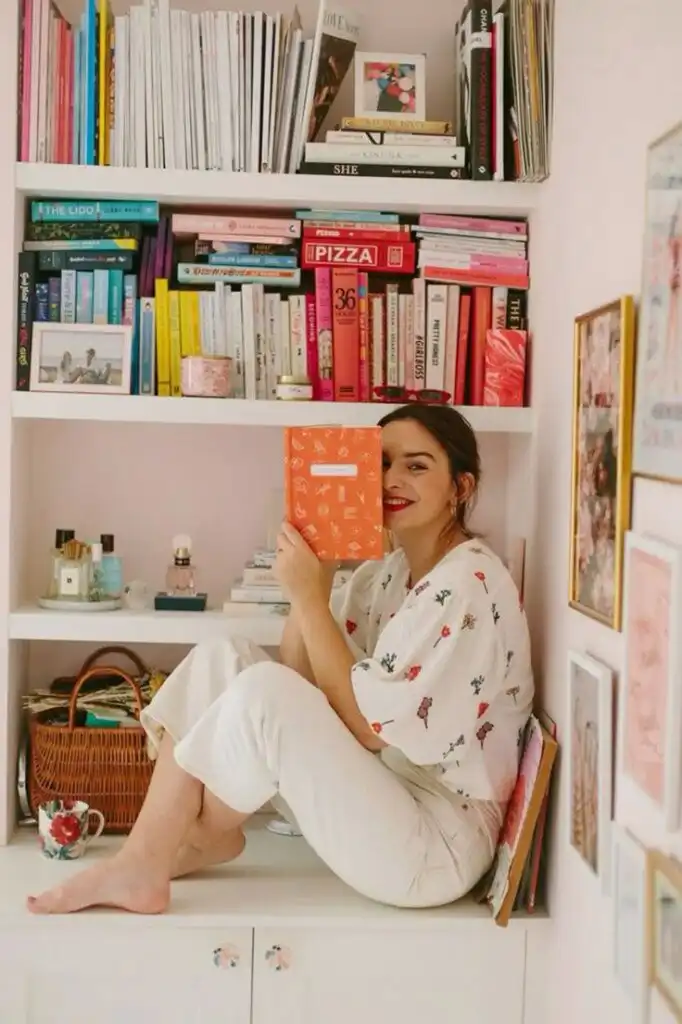
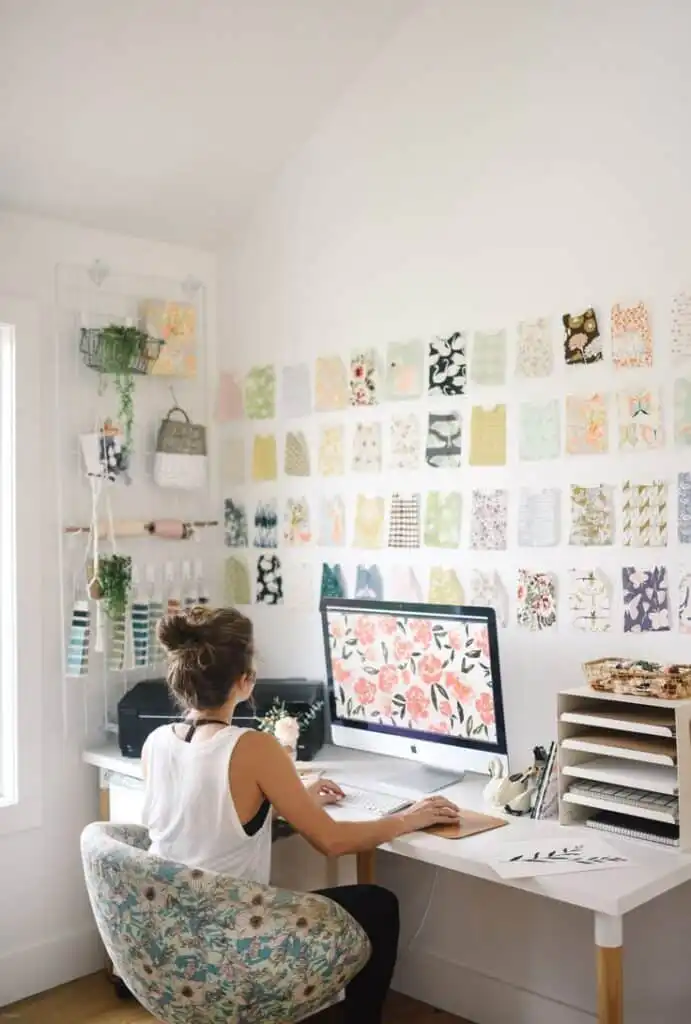
Storage solutions should balance accessibility with order. Open shelving keeps inspiration materials visible—books, paper samples, reference images—while closed storage prevents visual clutter from overwhelming focus. Tool organization systems (pegboards, drawer dividers, desktop organizers) ensure you can grab what you need in the moment without breaking creative momentum.
The essential principle across all design elements: choose components that encourage imagination without overwhelming your ability to concentrate. Random “fun” stuff cluttering surfaces creates distraction; intentional placement of meaningful objects creates support.
These design principles form the foundation for setting up your personal creative space.
Setting Up Your Creative Space: Methods and Approaches
Moving from concepts to action requires systematic approaches. The methods below build on the design elements discussed, offering structured paths to transform your environment.
The Space Audit Method
Use this approach when you have an existing space that isn’t supporting your creative process effectively. The audit reveals what’s working, what’s blocking you, and where to prioritize improvements.
- Assess current space: Spend one week observing when and where you feel most creative versus stuck. Note lighting conditions, noise levels, and physical comfort during productive and unproductive moments.
- Identify creativity blockers: List specific obstacles—poor lighting, distracting noise, inaccessible tools, uncomfortable seating, visual clutter. Be honest about what actually interrupts your flow.
- Prioritize improvements: Rank blockers by impact and feasibility. Some fixes are free (repositioning your desk near a window); others require investment (purchasing better lighting or storage solutions).
- Implement changes: Address one improvement at a time, giving yourself a week to evaluate each change before moving to the next. This prevents overwhelm and helps you understand what actually makes a difference.
Creative Space Comparison
Different space types offer distinct advantages. This comparison helps you choose the right approach based on your circumstances.
| Criterion | Home Office | Dedicated Studio | Shared Creative Space |
|---|---|---|---|
| Cost | Low (existing space) | High (additional rent) | Medium (membership fees) |
| Privacy | High | Very High | Low |
| Inspiration | Variable (requires curation) | High (purpose-designed) | High (community energy) |
| Flexibility | High (24/7 access) | High (your schedule) | Medium (hours/availability) |
| Team Collaboration | Limited | Possible | Built-in |
For solo creative work requiring deep focus, home offices or dedicated studios typically excel. For projects benefiting from community energy and team interaction, shared spaces offer companies and independent creators valuable networking and inspiration opportunities. Many creative professionals use different spaces for different phases—brainstorming at a café, executing at a quiet home office.
Understanding common challenges prepares you to address obstacles as they arise.
Common Challenges and Solutions
Every creative space faces obstacles. Anticipating these challenges and having solutions ready prevents frustration from derailing your creative work.

Limited Physical Space
Not everyone has a dedicated studio or extra room. When space is constrained, think vertically and multi-functionally.
Use wall-mounted storage, floating shelves, and pegboard systems to free floor space while keeping tools accessible. Invest in multi-purpose furniture—a table that serves as both desk and dining surface, storage ottomans that double as seating. Even without a dedicated room, you can create a designated creative corner that signals to your brain: this is where creation happens. A bit of intentional arrangement transforms a bed nook or kitchen table into a functional workspace.
Budget Constraints
Creating an inspiring space doesn’t require expensive purchases. The world offers free resources if you explore creatively.
DIY solutions using repurposed items often work as well as purchased alternatives. Mason jars for supplies, cardboard boxes covered in attractive paper for storage, thrift store frames for displaying inspiration images—these cost little while supporting your environment. Implement improvements gradually, addressing one element per month rather than attempting a complete transformation. Nature provides free inspiration: a branch in a vase, collected stones, pressed leaves bring organic elements without cost.
Distractions and Interruptions
Managing interruptions requires both physical and psychological boundaries.
If you share your space with family or roommates, establish clear signals (closed door, headphones on, specific work hours) that communicate “creative work in progress.” Digital distractions require similar boundary-setting: dedicated focus apps, phone in another room, browser blockers during creation time. Sometimes the answer is leaving your usual environment entirely—many artists and writers find that removing themselves to neutral locations eliminates the stuff that typically interrupts their process.
With challenges addressed, you’re ready to implement your creative space systematically.
Conclusion and Next Steps
Creating the perfect space for creativity requires balancing physical environment with mental clarity. Your physical space—lighting, layout, materials—shapes the sensory conditions for creative work, while psychological safety and focus enable the risk-taking that innovation demands. Neither dimension alone is sufficient; both working together create the conditions where new ideas emerge naturally.
To begin transforming your creative space:
- Assess your current space using the audit method: observe for one week, noting when creativity flows and when it stalls
- Identify one improvement that addresses your biggest creativity blocker—whether lighting, organization, or distraction management
- Establish a creative ritual that signals to your brain the transition into creative mode, linking your physical space to focused mental state
Related topics worth exploring include productivity systems that complement your creative space, habit formation for consistent creative practice, and workspace ergonomics for long-term physical health during extended creative sessions.
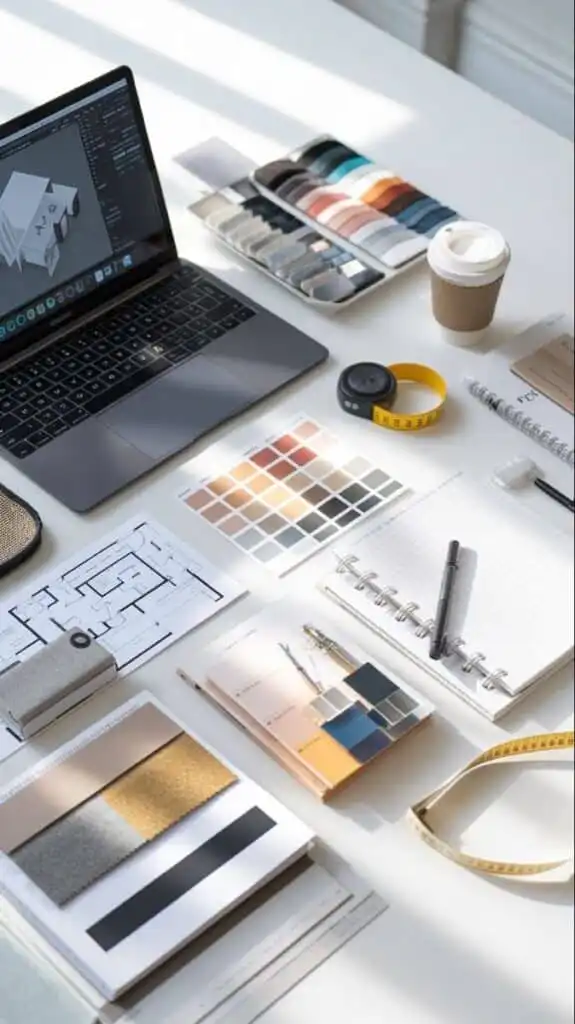
Additional Resources
Space Planning Tools
- Graph paper or free online room planners for layout experimentation (e.g., Roomstyler, Planner 5D)
- Light meter apps to assess lighting conditions in different areas (e.g., Lux Light Meter)
- Noise level apps to identify quiet zones in your environment (e.g., Decibel X)
Recommended Approaches
- Start with the “one-week observation” before making any changes
- Document your current setup with photos to reference during redesign
- Create a wish list organized by priority and budget range
Measurement Guides
- Desk height: typically 28-30 inches for comfortable seated work
- Monitor distance: arm’s length from your face
- Task lighting: positioned to eliminate shadows on your primary work surface
These resources support implementation without requiring significant investment—helping you transform knowledge into action.
Frequently Asked Questions
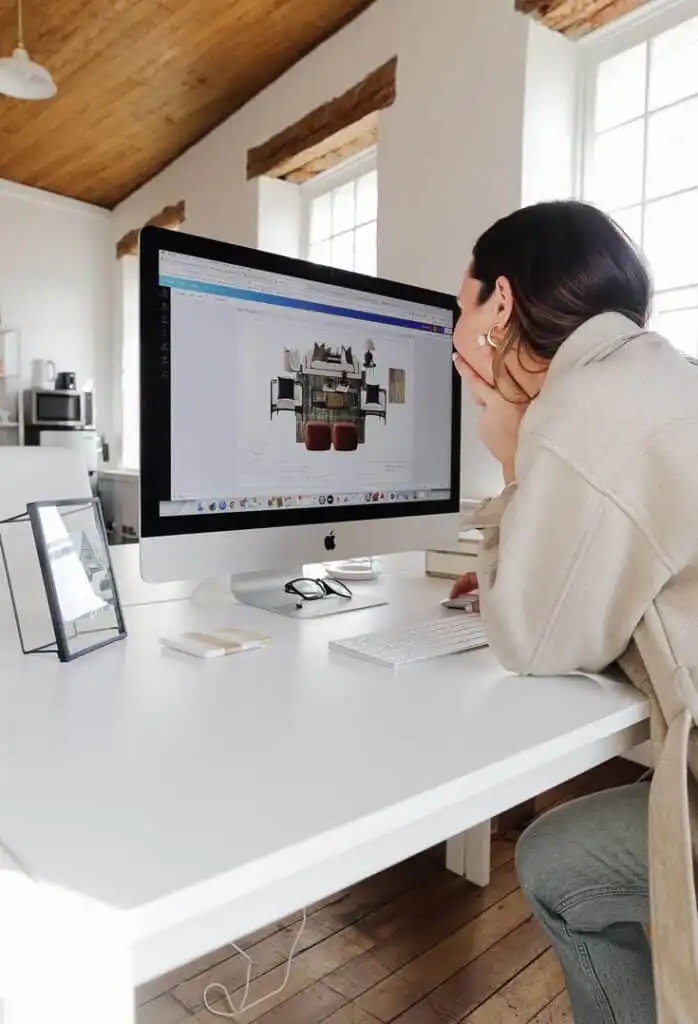
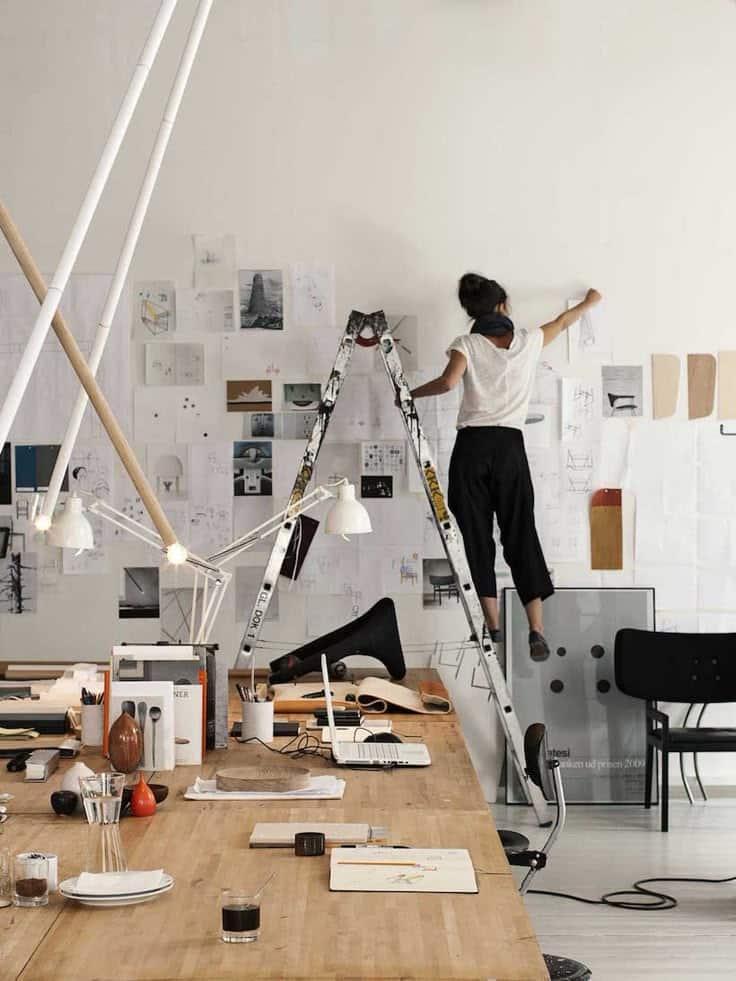
How to make space for creativity?
Making space for creativity involves both physical and mental adjustments. Physically, create an environment that supports your creative process by optimizing natural light, organizing materials for easy access, and designating specific areas for different creative activities. Mentally, cultivate psychological safety by allowing yourself to explore ideas without judgment, embrace failure as a learning opportunity, and set aside dedicated time to focus without distractions. Regularly assess and adjust your space and habits to maintain an atmosphere where new ideas can flourish.
What are the 7 C’s of creativity?
The 7 C’s of creativity are key traits and processes that foster creative thinking: Curiosity, Confidence, Courage, Collaboration, Communication, Commitment, and Celebration. These elements encourage asking questions, trusting your abilities, taking risks, working with others, sharing ideas effectively, persevering through challenges, and acknowledging successes—all essential to nurturing and sustaining creativity.
What are the 4 P’s of creativity?
The 4 P’s of creativity refer to Person, Process, Product, and Press (environment). ‘Person’ involves the individual’s traits and abilities; ‘Process’ covers the cognitive activities involved in generating ideas; ‘Product’ is the outcome or creation itself; and ‘Press’ describes the environmental and contextual factors that influence creativity. Understanding these dimensions helps in designing spaces and strategies that support creative work.
What does creative space mean?
Creative space is the intersection of physical surroundings and mental state that collectively foster creativity. It includes the tangible environment—such as lighting, layout, and materials—and psychological factors like focus, freedom from judgment, and comfort. A well-designed creative space enables individuals to explore new ideas, take risks, and produce meaningful creative work effectively.
- 324shares
- Facebook0
- Pinterest324
- Twitter0
- Reddit0