Choosing the right colors for your logo shapes how people see your brand from the very first glance. Every shade carries meaning, and the palette you select can instantly signal trust, energy, sophistication, or creativity. The right colors make your logo memorable, communicate your brand’s personality, and create a lasting connection with your audience.
You don’t need to be a designer to make smart choices. By understanding how colors influence emotions and associations, you can align your logo with the values and message you want to express. A thoughtful approach ensures your logo feels consistent, relevant, and adaptable across different platforms.
Color decisions go beyond what looks appealing on screen. They reflect your identity, resonate with your audience, and work across cultural and practical contexts. With the right strategy, your logo colors become a powerful tool that supports recognition and trust.
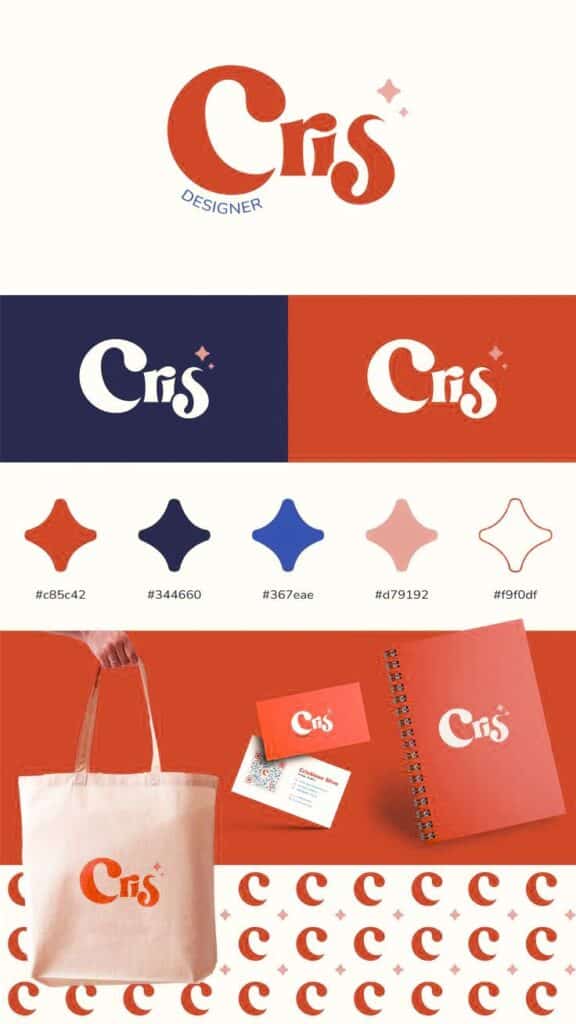

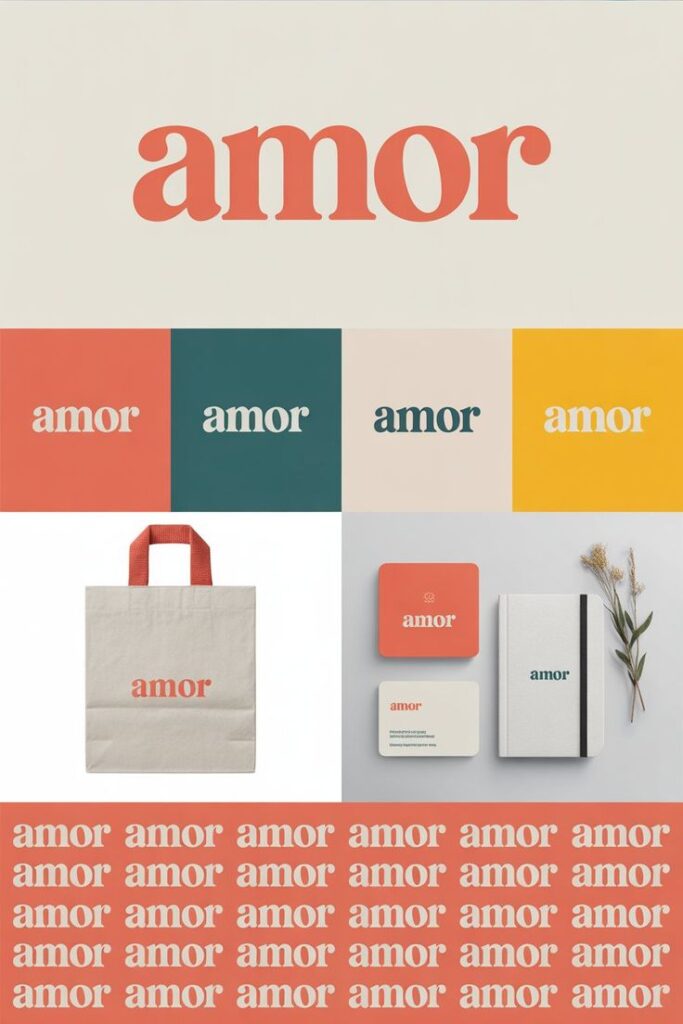
Key Takeaways
- Color choices shape how people perceive your brand
- Understanding color psychology helps align design with identity
- A strategic palette builds recognition and consistency
The Importance of Color in Logo Design
Color plays a central role in how people respond to your logo design. The shades you choose influence how customers perceive your brand identity and can determine whether your branding feels trustworthy, exciting, or professional.
Why Logo Colors Matter
Your logo colors do more than decorate your design—they communicate meaning. Each color carries associations that shape how people interpret your brand. For example, blue often signals trust and reliability, while green can suggest growth or eco-friendliness.
When you pick colors carefully, you align your branding with the emotions and values you want customers to connect with. This makes your logo color choices a direct extension of your brand identity.
Using the wrong colors, however, may create confusion. A playful color palette may not suit a financial institution, just as muted tones might not fit a children’s brand. By understanding color psychology, you give your logo design a stronger foundation.
A quick reference of common associations:
| Color | Common Associations |
|---|---|
| Red | Energy, passion, urgency |
| Blue | Trust, reliability, calm |
| Green | Growth, health, nature |
| Black | Sophistication, authority |
| Yellow | Optimism, friendliness |
First Impressions and Brand Recognition
Your logo colors are often the first detail people notice. Before they read your name or slogan, the color palette sets the tone. This first impression can create an instant sense of familiarity or hesitation.
Consistent use of colors across your branding builds recognition. Think of how certain companies are identified by their signature shades alone. When customers repeatedly see the same colors in your logo design, packaging, and marketing, they begin to associate those hues with your business.
Strong color recognition also helps you stand out in crowded markets. Distinct logo colors make it easier for people to recall your brand identity when faced with multiple options. This visual memory can influence buying decisions and long-term loyalty.
To maximize recognition, ensure your chosen colors remain consistent across digital and print materials. Even slight variations in shade can weaken the connection customers form with your brand.
Understanding Color Psychology and Brand Identity
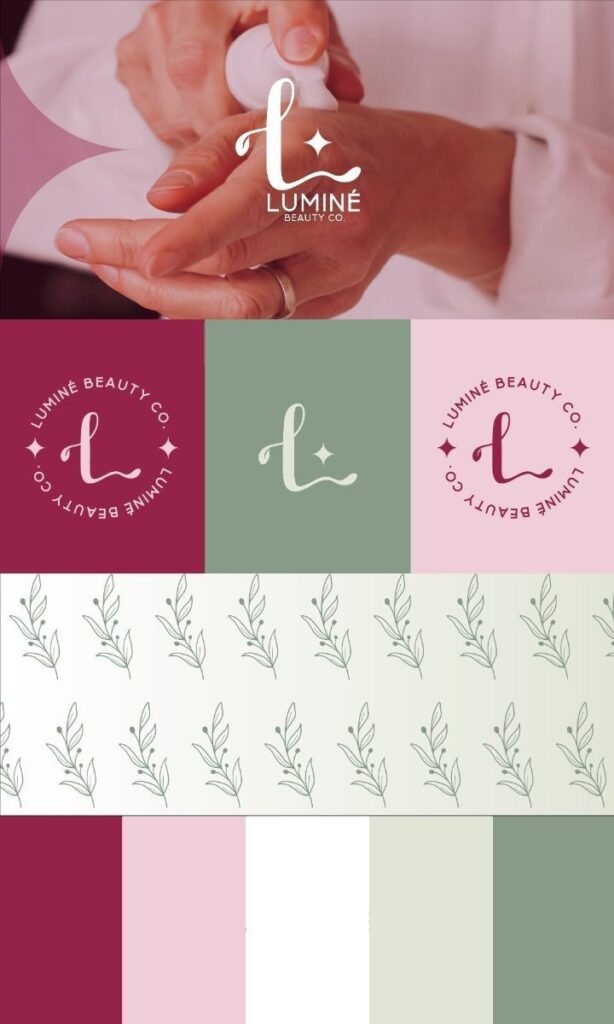

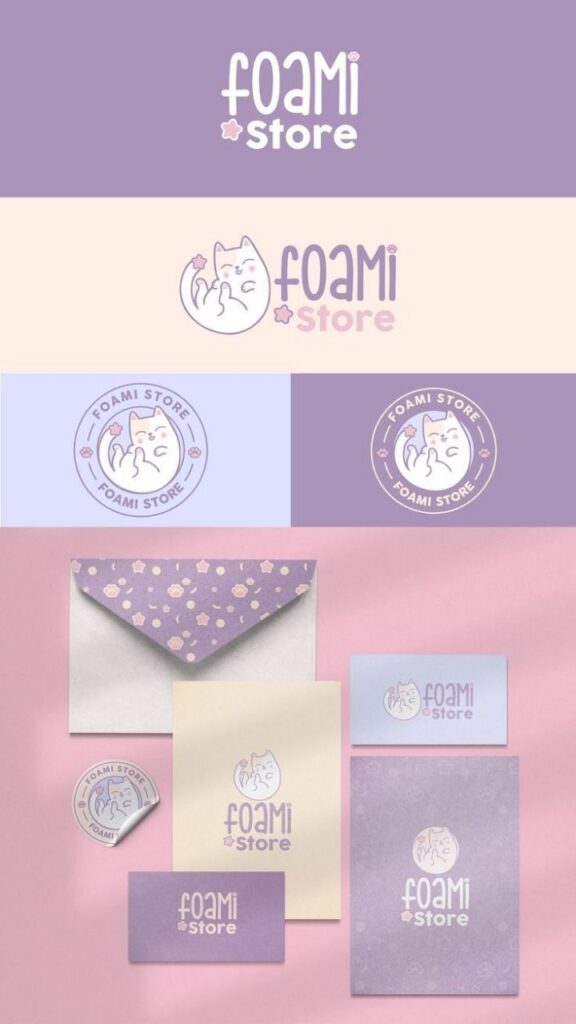
Your choice of logo colors influences how people feel about your brand, how they remember it, and how they compare it to competitors. Each color carries psychological meaning, connects to personality traits, and often aligns with industry expectations.
Emotional Impact of Colors
Colors trigger emotional responses that shape how customers view your brand. For example, red often signals urgency, energy, or passion, while blue communicates trust, calmness, and professionalism. These associations are not random—they are rooted in how people process visual cues.
When you pick your logo colors, think about the emotions you want to inspire. A wellness brand may lean toward green for growth and balance, while a luxury brand might use black to convey sophistication and exclusivity.
Here’s a quick reference:
| Color | Common Associations | Example Use |
|---|---|---|
| Red | Passion, urgency, excitement | Food, retail |
| Blue | Trust, calmness, reliability | Finance, tech |
| Green | Growth, health, eco-friendly | Wellness, sustainability |
| Black | Elegance, power, prestige | Fashion, luxury |
| Yellow | Optimism, energy, warmth | Entertainment, children’s products |
By focusing on the emotional impact of each brand color, you can create a logo that connects with your audience on a deeper level.
Aligning Colors with Brand Personality
Your brand identity should guide your color choices more than trends. If your brand personality is playful, bright shades like yellow or orange may reinforce that energy. If it’s serious and professional, muted tones or darker shades may feel more consistent.
Think about your brand as a person. Would it be bold and adventurous, or calm and thoughtful? Aligning logo colors to these traits ensures your branding feels authentic and consistent across different touchpoints.
You can also use secondary colors to add flexibility. For example, a tech company might use blue as its primary color for trust but add green accents to highlight innovation and growth. This layering approach keeps your branding adaptable without losing personality.
Industry Color Associations
Different industries often lean on specific color palettes because customers expect them. For instance, blue dominates finance and technology due to its link with trust and reliability. Green is common in health, wellness, and environmental sectors since it signals balance and sustainability.
In contrast, red frequently shows up in food and beverage branding because it stimulates appetite and excitement. Black and gold often appear in luxury branding to represent exclusivity and prestige.
While following these patterns can help you build credibility, breaking away strategically can also make you stand out. If most competitors use blue, choosing a fresh alternative like teal or purple might differentiate your logo while still aligning with your brand identity.
By being aware of industry color psychology, you make informed choices that balance recognition with individuality.
Applying Color Theory to Logo Design

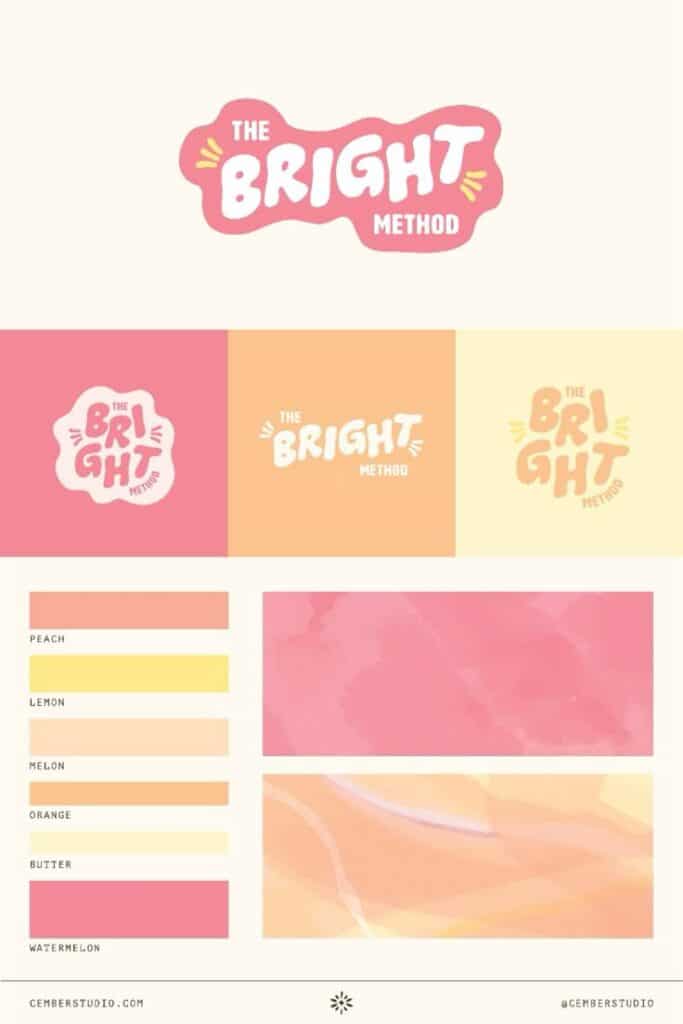

When you apply color theory to logo design, you make decisions that affect how people perceive your brand. By understanding how different color combinations work, you can create a color palette that feels balanced, professional, and visually memorable.
Basics of the Color Wheel
The color wheel is the foundation of color theory. It organizes primary, secondary, and tertiary colors in a circle, making it easier to see how hues relate to one another.
Primary colors (red, blue, yellow) form the base. Mixing them creates secondary colors (green, orange, purple). Combining secondary with primaries produces tertiary hues.
You can use the wheel to identify harmonious color combinations. For example, colors next to each other feel unified, while those across from each other create contrast.
A simple way to start is by picking one dominant color and then using the wheel to find supporting tones. This helps you build a consistent color palette for your logo design without guesswork.
Complementary and Analogous Colors
Complementary colors sit opposite each other on the wheel, such as blue and orange or red and green. These pairs create strong contrast, making logos stand out. However, using them in equal amounts can feel harsh, so balance is key.
Analogous colors, on the other hand, sit side by side on the wheel. Think of blue, teal, and green. These combinations feel natural and cohesive because the hues share similar undertones.
When choosing between complementary and analogous colors, consider your brand’s personality. Complementary palettes work well for bold, energetic logos. Analogous palettes suit brands that want a calm, unified look. Both approaches can succeed if you adjust saturation and brightness carefully.
Triadic and Monochromatic Schemes
Triadic color schemes use three colors evenly spaced around the wheel, such as red, blue, and yellow. This creates a balanced but vibrant look. To avoid overwhelming your design, you can pick one dominant color and use the other two as accents.
Monochromatic schemes rely on variations of a single hue. By adjusting lightness, saturation, and shade, you can create depth without introducing new colors. This approach often feels clean and professional.
Here’s a quick comparison:
| Scheme Type | Example Colors | Effect on Logo Design |
|---|---|---|
| Triadic | Red, Blue, Yellow | Energetic, balanced, eye-catching |
| Monochromatic | Light Blue, Blue, Navy | Simple, cohesive, professional |
Using these schemes helps you control how your logo communicates mood and personality through its color palette.
Building Your Logo Color Palette


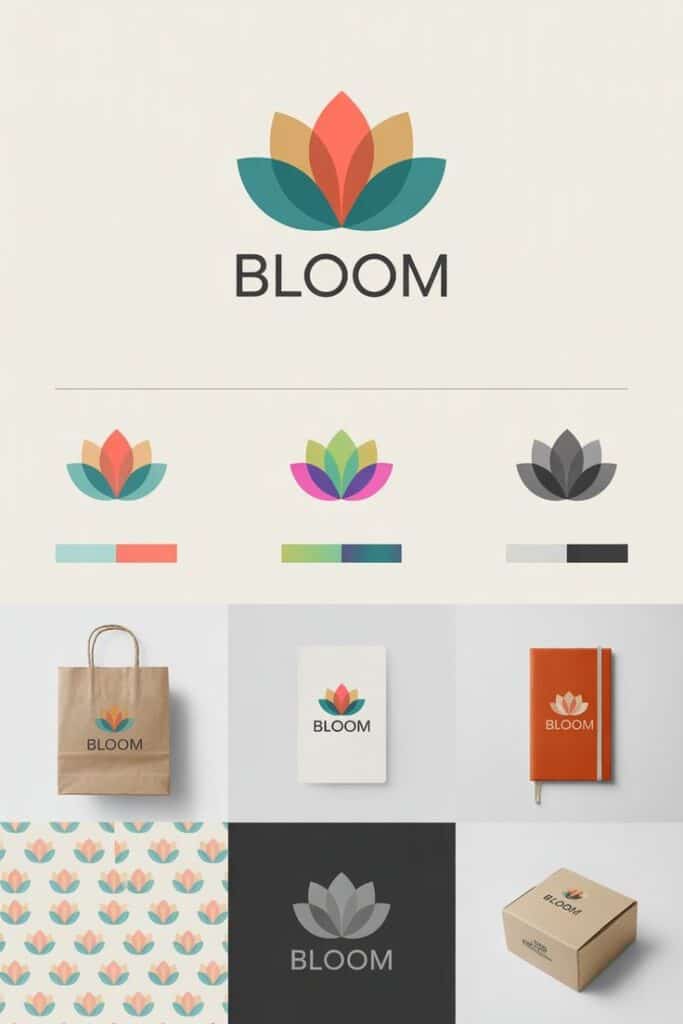
A strong logo color palette comes from selecting colors with purpose, limiting them to a practical number, and testing how they work in real situations. Your choices should fit your brand identity while staying functional across digital and print formats.
Choosing Primary and Secondary Colors
Start by identifying your primary color, the one most closely tied to your brand personality. This color should appear most often in your logo and act as the anchor for your overall color scheme. Think about how it connects to your values and how it will be perceived by your audience.
Once you have a primary color, add secondary colors to support and balance it. These can provide contrast, highlight key elements, or create variety across marketing materials. A secondary color should never overpower the primary one but instead complement it.
For example:
| Role | Purpose | Example Use Case |
|---|---|---|
| Primary | Core identity, main recognition | Logo symbol or text |
| Secondary | Support, contrast, flexibility | Backgrounds, accents, icons |
When you combine primary and secondary colors thoughtfully, you create a flexible palette that works across multiple applications without losing coherence.
Deciding How Many Colors to Use
A good guideline is to limit your logo color palette to two or three main colors. Too many colors can make the design look cluttered and reduce brand recognition. A smaller set helps ensure consistency across packaging, websites, and social media.
Use one dominant color, one supporting color, and an optional accent. The accent can highlight details but should be used sparingly. This approach keeps your design process simple and repeatable.
If you need variety, you can extend your palette with lighter or darker shades of your main colors. These tints and tones add depth while still maintaining harmony.
Keeping your palette restrained also makes it easier to apply your brand colors in different formats, such as print materials or digital screens, without losing clarity.
Testing Color Combinations in Context
Before finalizing your color selection, test your color combinations in real-world settings. Place your logo on light and dark backgrounds to see if it remains clear. Check how it looks in grayscale for situations where color printing isn’t available.
It’s also important to test across devices. Colors can appear differently on screens, so view your logo on both desktop and mobile. This helps confirm that your color scheme stays consistent.
You should also consider accessibility. Use online tools to check if your palette provides enough contrast for readability. A logo that looks good but fails to be legible in certain contexts can weaken your brand identity.
By running these tests, you ensure your logo colors remain functional, versatile, and recognizable in every situation.
Cultural and Practical Considerations
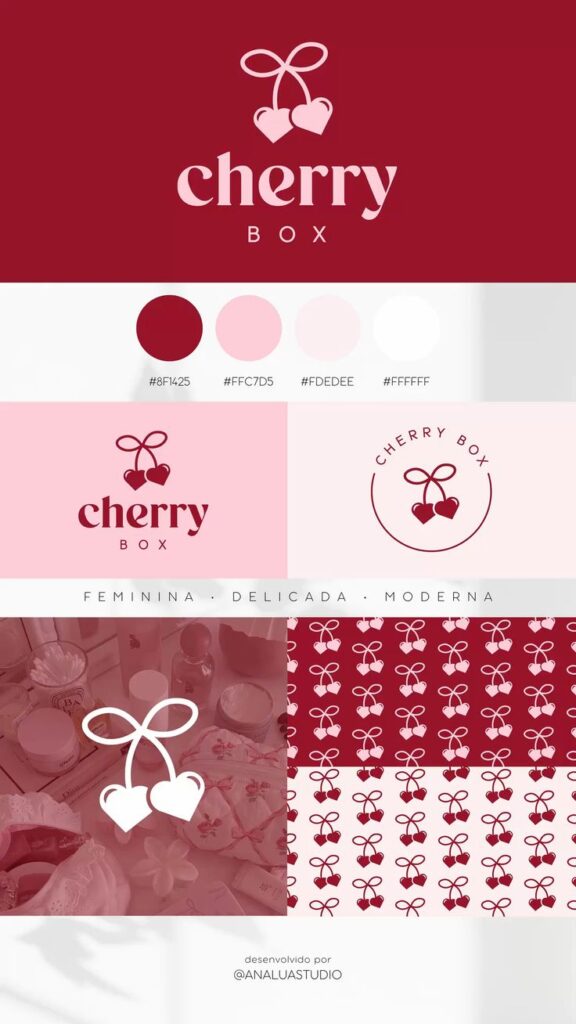

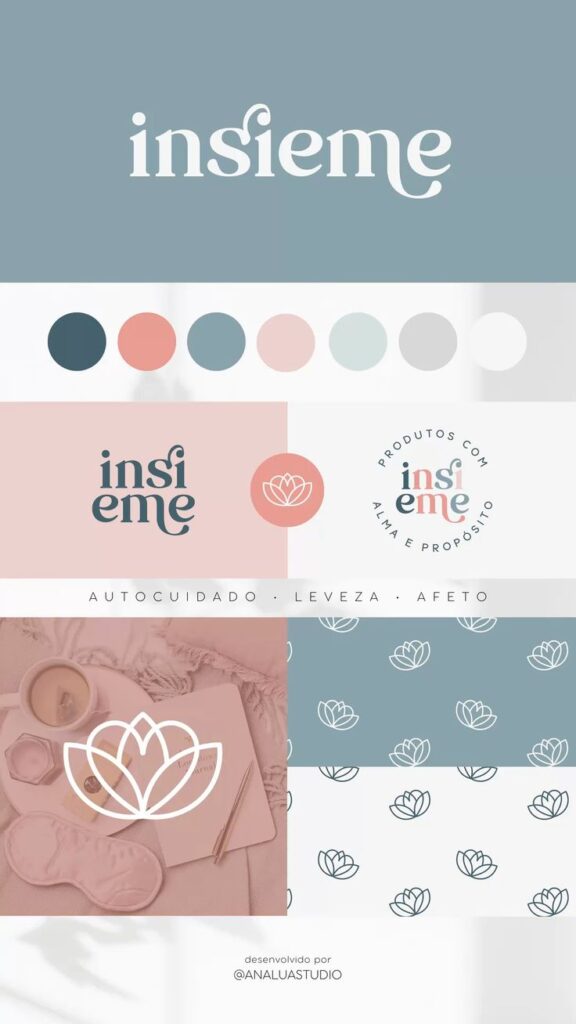
When selecting logo colors, you need to think about how different audiences interpret color and how well your choices will work across various applications. Both cultural context and technical flexibility affect how your branding will be received and remembered.
Cultural Meanings of Colors
Colors carry different associations depending on cultural background, which makes color selection more complex than simply choosing what looks good. For example, red often represents luck and celebration in China, while in Western contexts it may suggest urgency, passion, or danger.
If your brand operates internationally, ignoring these differences can create mixed signals. A color that feels trustworthy in one region could feel negative in another. For instance, white is commonly linked to purity in North America, but in parts of Asia it can symbolize mourning.
To make informed choices, research how your target audience interprets colors. You can start with a simple table of associations:
| Color | Common Western Meaning | Common Eastern Meaning |
|---|---|---|
| Red | Passion, urgency | Luck, prosperity |
| White | Purity, simplicity | Mourning, loss |
| Blue | Trust, calm | Immortality, healing |
By considering these cultural nuances, you reduce the risk of sending unintended messages and strengthen your branding across markets.
Ensuring Versatility Across Mediums
A logo color that looks great on a screen may not translate well to print, packaging, or merchandise. You need to test your color scheme in multiple formats to confirm it remains clear, legible, and consistent.
Check how your colors appear in CMYK for print, RGB for digital, and Pantone for standardized reproduction. This ensures your branding maintains a consistent look, whether on a website, business card, or billboard.
It also helps to create a primary palette and a secondary palette. The primary palette should include your main brand colors, while the secondary palette gives you flexibility for backgrounds, accents, and seasonal campaigns.
By planning for adaptability, you avoid issues like poor contrast, faded tones, or inaccessible designs. This makes your logo more reliable and professional across every medium.
- 6.2Kshares
- Facebook0
- Pinterest6.2K
- Twitter3
- Reddit0