

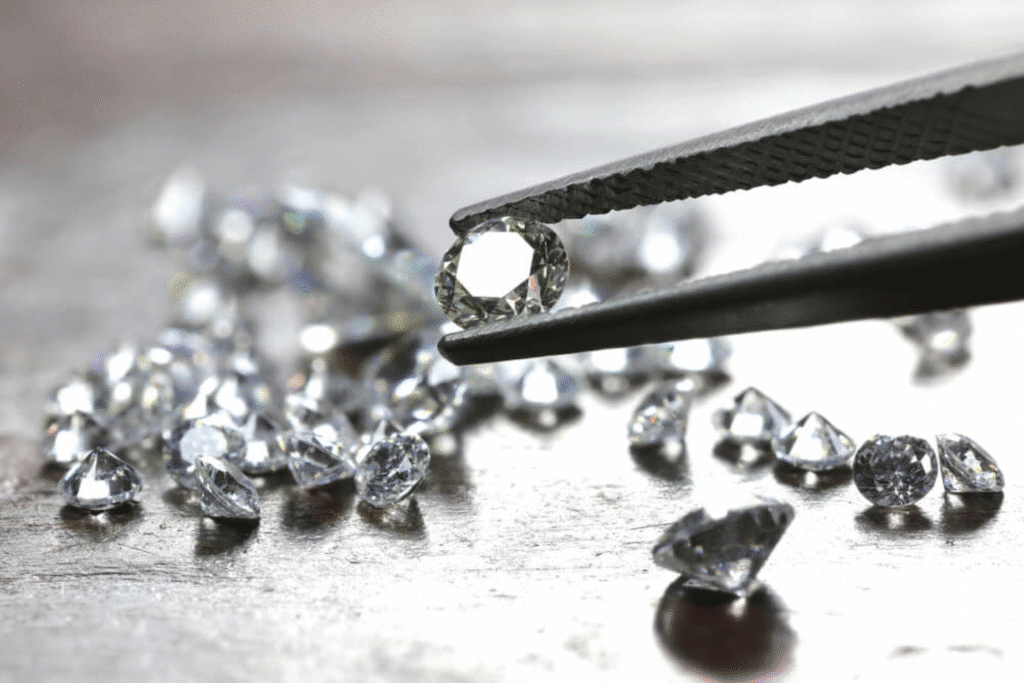
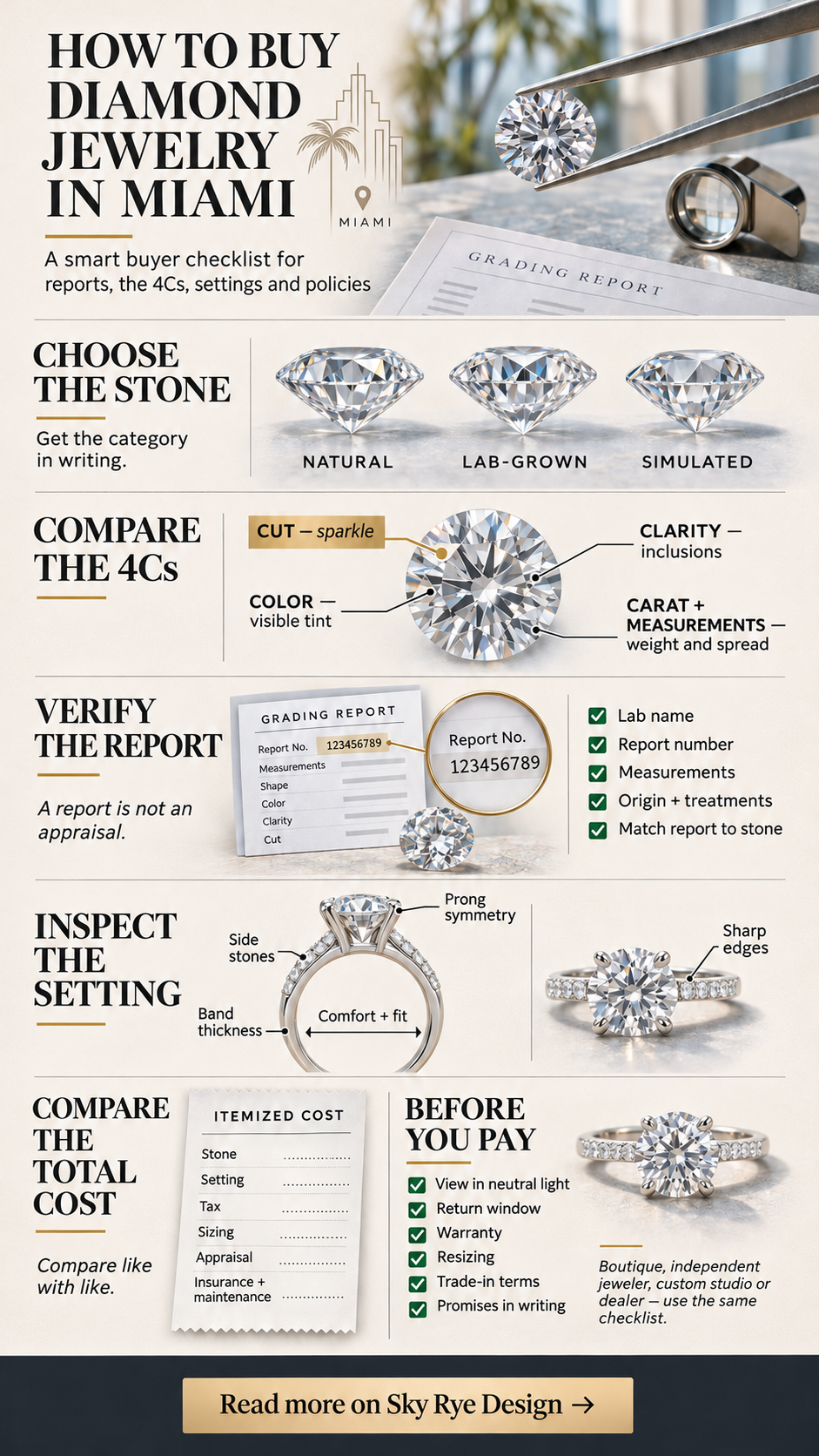
To buy diamond jewelry in Miami, start with the stone’s documentation, not the showroom lighting. Decide whether you want a natural, laboratory-grown, or simulated stone; set a total budget that includes the setting, sales tax, resizing, insurance, and future maintenance; then compare at least two jewelers using the same specifications. Ask for a grading report from a recognized independent laboratory and verify the report number online when that service is available.
For a ring, inspect cut quality, measurements, fluorescence, setting construction, and how the piece looks in daylight. Get the return window, warranty, resizing policy, trade-in terms, and every verbal promise in writing. Miami offers luxury boutiques and independent jewelers, but location and branding do not replace documentation. If two stones have similar carat weights, compare diameter, cut, color, clarity, and total price side by side. Buy the piece that looks right and is described clearly, not the one under the brightest spotlight.
Diamond jewelry buying checklist
| Check | What to request | Why it matters |
|---|---|---|
| Stone type | Natural, laboratory-grown, or simulated in writing | These are different product categories. |
| Grading | Laboratory name, report number, and matching details | The grades need traceable documentation. |
| Appearance | Neutral light and side-by-side comparison | Showroom spotlights can hide practical differences. |
| Setting | Metal, prongs, side stones, measurements, and sizing | The jewelry must protect the stone and fit the wearer. |
| Policies | Returns, warranty, resizing, maintenance, and trade-in terms | The service terms affect the real purchase value. |
| Total cost | Itemized price including tax and extra services | A stone-only price is not the final budget. |
1. Decide what type of stone you are buying
The words used in the listing matter. The FTC consumer guide to gemstones and diamonds recommends getting details such as origin, weight, size, treatments, and care requirements in the sales paperwork. It also distinguishes mined diamonds, laboratory-grown diamonds, and imitation stones. If a description is vague, ask the seller to rewrite it before you pay.
Natural, laboratory-grown, and simulated are not interchangeable
- A natural diamond formed in the earth and should be described and documented as such.
- A laboratory-grown diamond has essentially the same optical, physical, and chemical properties as a mined diamond but must be clearly disclosed as laboratory-grown or laboratory-created.
- A simulated stone, such as cubic zirconia, resembles a diamond but is a different material and should be identified clearly.
Do not compare these categories using carat size and ticket price alone. Compare the description, grading document, setting, warranty, return policy, and long-term service terms. If origin matters to you, make it a written requirement rather than relying on what was said during the appointment.

2. Compare the 4Cs in the right order
The GIA diamond buying guide explains cut, color, clarity, and carat weight. For most buyers comparing standard round brilliant diamonds, cut is a sensible first filter because it strongly affects brightness, fire, and scintillation. Then compare color and clarity at normal viewing distance, not only through a loupe or on a certificate.
| Factor | Compare | Practical question |
|---|---|---|
| Cut | Brightness, fire, scintillation, polish, and symmetry | Does the stone stay lively when it moves away from the spotlight? |
| Color | Grade plus appearance next to the chosen metal | Can you see a difference between the two grades in this setting? |
| Clarity | Grade, inclusion position, and visibility | Is anything distracting without magnification? |
| Carat and measurements | Weight, diameter, length-to-width ratio, and depth | Does the stone face up as expected for its weight? |
From a product-design perspective, I look at the complete silhouette before the specification sheet. A well-proportioned stone in a balanced setting can read larger and cleaner than a heavier stone with awkward depth or a bulky mount. Compare face-up dimensions and side profile, then decide whether the setting supports the shape instead of swallowing it.
3. Choose where to shop in Miami
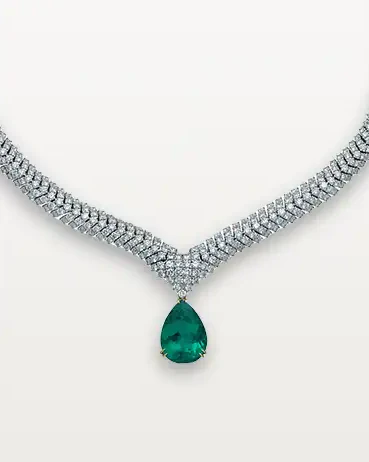
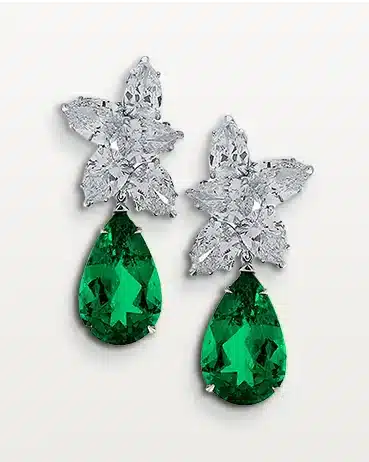
Miami offers luxury brand boutiques, independent jewelers, custom studios, and appointment-based dealers. The official Miami Design District watches and jewelry directory is useful for confirming current luxury storefronts and addresses. It is a directory, not a quality ranking, so use the same comparison checklist wherever you shop.
| Shopping format | Useful for | What to verify |
|---|---|---|
| Luxury boutique | Brand-specific design, service, and packaging | Whether the premium is tied to the piece, brand, or both |
| Independent jeweler | Broader stone and setting comparisons | Lab reports, written policies, repair capability, and itemized pricing |
| Custom studio | A specific setting, heirloom redesign, or unusual proportion | Design approval, deposit terms, timeline, revisions, and remake policy |
| Appointment dealer | Focused loose-stone comparison | Business identity, secure location, documentation, returns, and payment terms |
The original article referenced Vivid Diamonds as one commercial Miami example. Treat any seller mentioned in an article as a starting point, not an endorsement or substitute for comparison. Check the current address, appointment rules, inventory ownership, policies, and written documentation yourself.
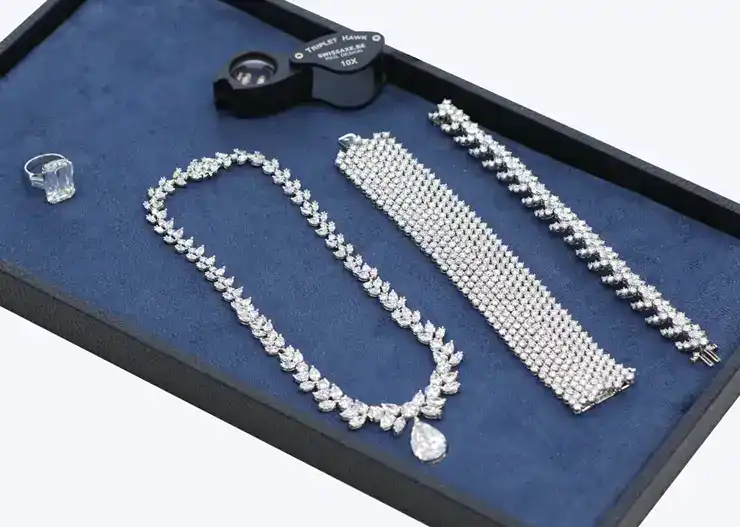
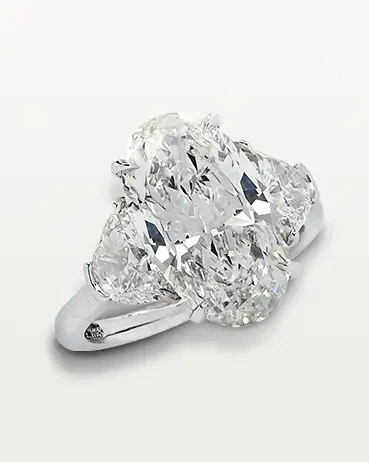
4. Verify the grading report and sales paperwork
If the stone has a GIA report, use GIA Report Check to confirm that the report number and archived data match. A valid online record is useful, but it does not prove that a loose report belongs to the stone in front of you. Ask the jeweler to show how the report matches the stone through measurements, inscription, or other identifying details where applicable.
- Match the laboratory name and report number to the sales document.
- Compare measurements, shape, carat weight, color, clarity, and any treatment notes.
- Ask whether the center stone, side stones, and setting are covered by the same paperwork.
- Make sure the invoice states whether the diamond is natural, laboratory-grown, treated, or simulated.
- Keep copies of the receipt, grading report, appraisal, warranty, return policy, and service history.
A grading report and an appraisal do different jobs. The report describes the stone; the appraisal assigns a value for a stated purpose and may cover the full piece. For an expensive purchase, ask who prepared the appraisal and whether that person is independent from the sale.
5. Inspect the setting, not only the diamond
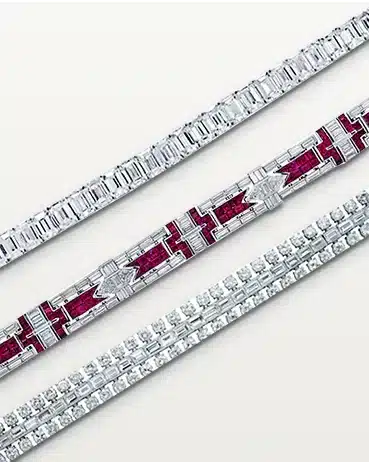
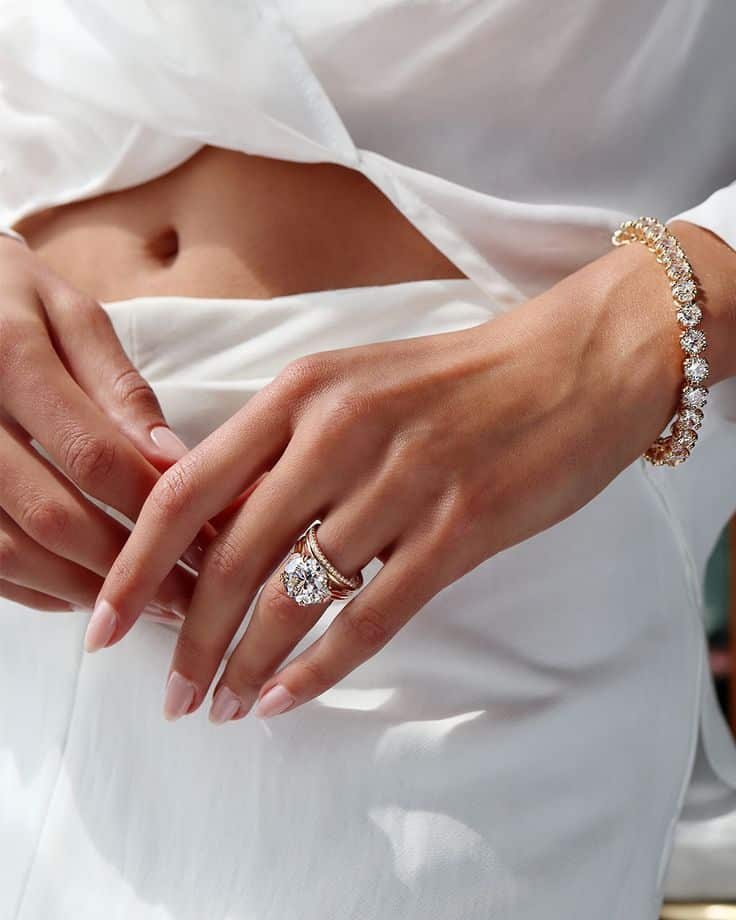
A strong stone can still be mounted poorly. Look at prong symmetry, the space under the stone, the thickness of the band, the transition into the shoulders, and whether the piece sits level. Run a fingertip gently around the setting to check for sharp edges or snagging points. On pavé work, inspect the spacing and ask how missing side stones are repaired under the warranty.
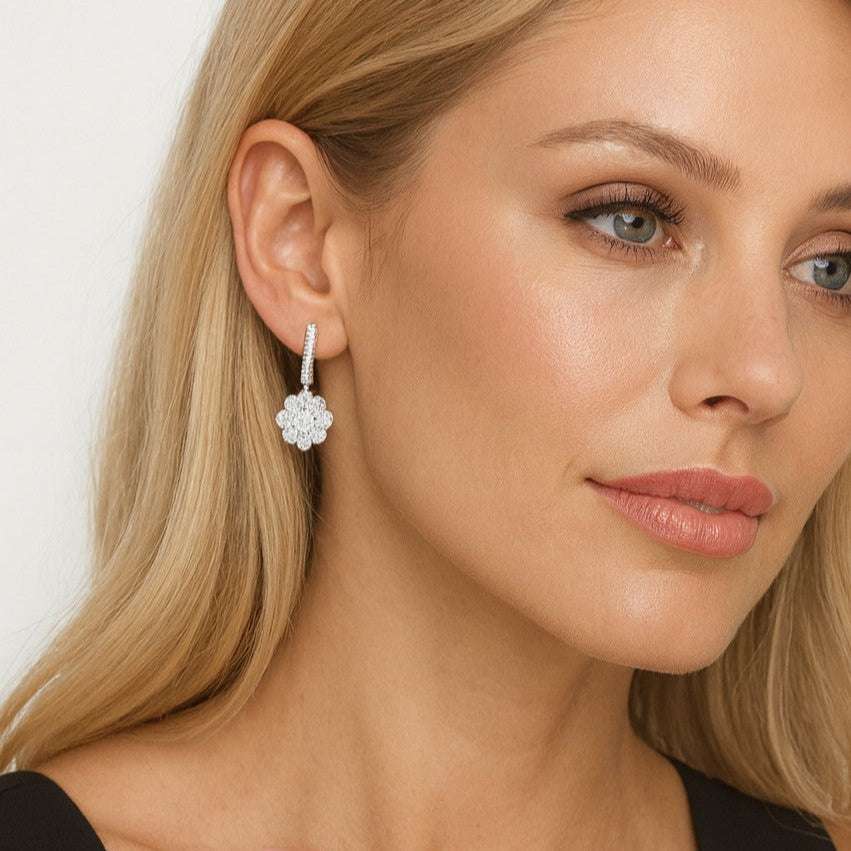
For earrings, check post thickness, back security, pair weight, and whether the stones face forward. For necklaces and bracelets, inspect the clasp, hinge, jump rings, solder points, and how the piece moves on the body. These details are less dramatic than carat weight, but they decide whether the jewelry is comfortable and serviceable.
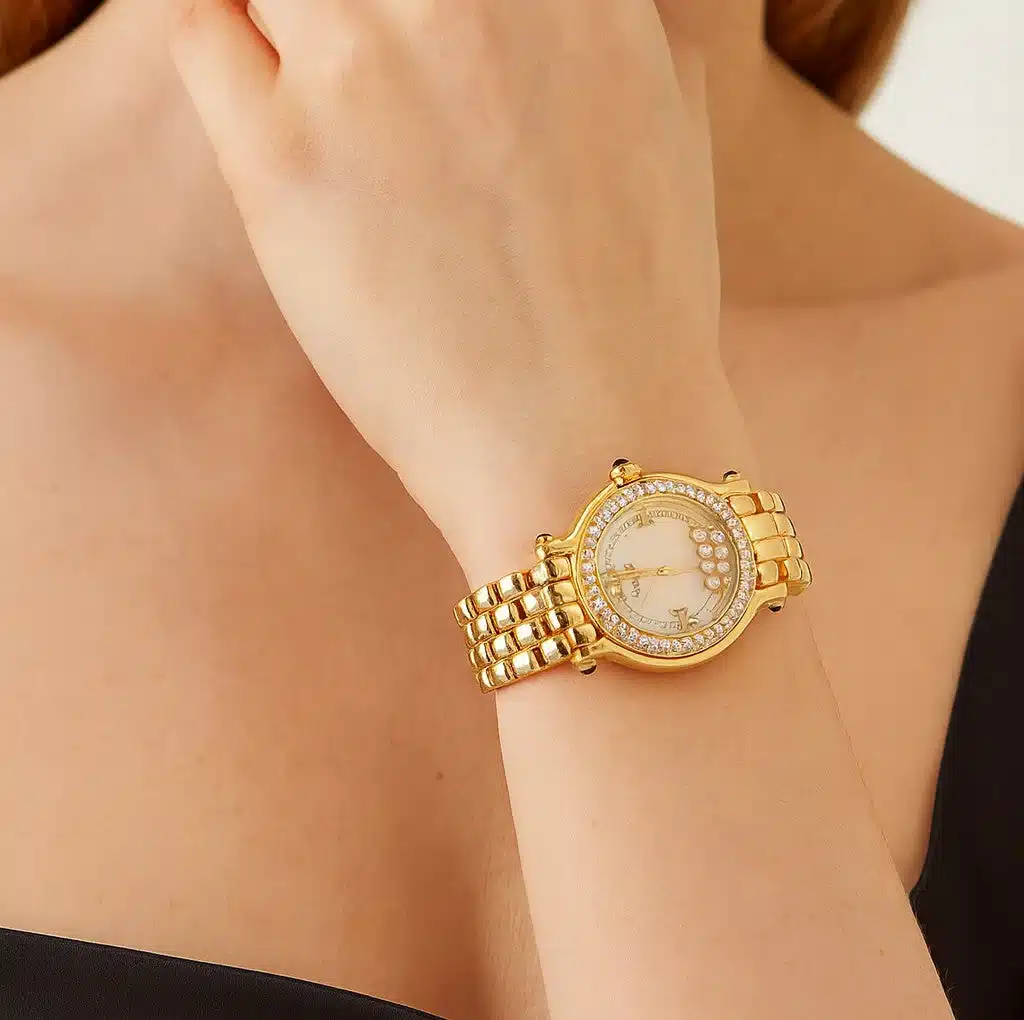
The original post also linked to a commercial collection of gold earrings. If you compare matching pieces, use the same metal specification, construction checks, return rules, and maintenance questions instead of choosing by color alone.

6. Compare the complete purchase, not one headline number
| Record for each option | Why it belongs on the comparison sheet |
|---|---|
| Stone type and grading laboratory | Prevents unlike products from being compared as equivalents |
| Carat weight and face-up measurements | Shows both weight and visible spread |
| Cut, color, clarity, fluorescence, and treatments | Keeps the quality differences visible |
| Setting metal, construction, and side stones | Captures the part that protects and presents the diamond |
| Itemized total with tax, sizing, delivery, and appraisal | Shows the actual amount due |
| Return, warranty, maintenance, and trade-in terms | Shows what happens after the sale |
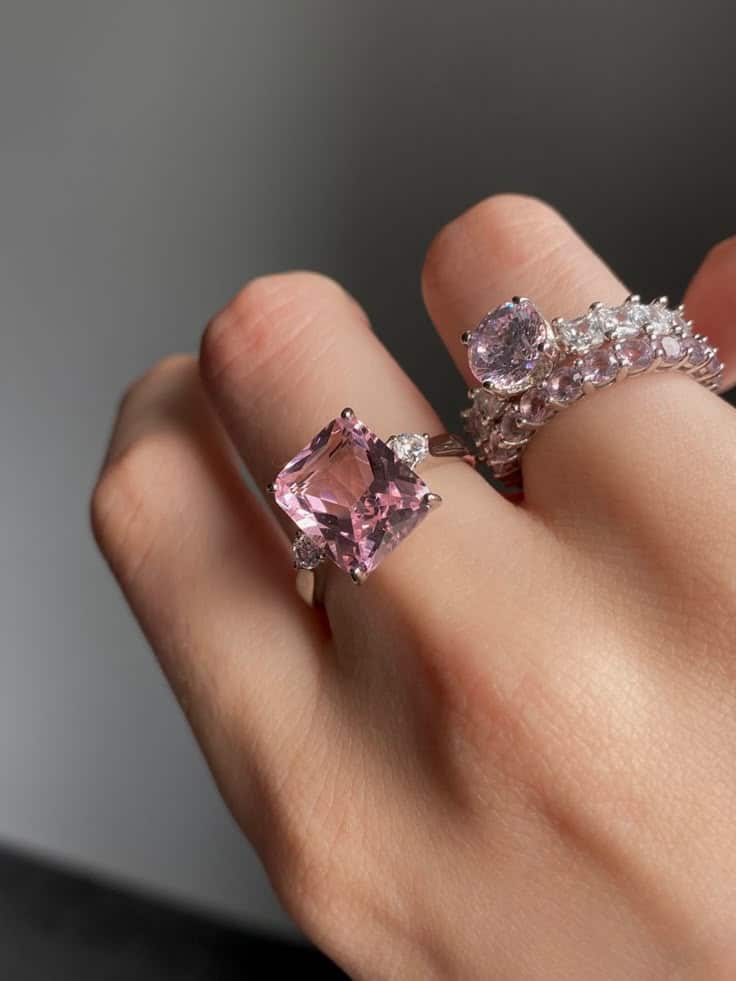
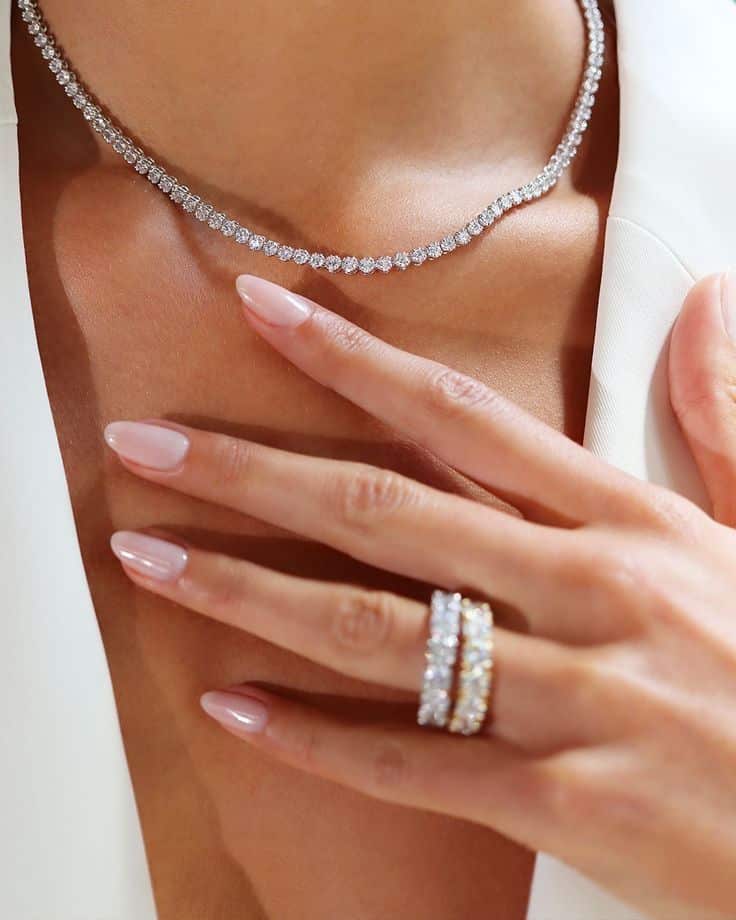
Take photos of the candidates in similar light if the store permits it, then review them after the appointment. A short pause helps separate what you genuinely like from the pressure of presentation, scarcity language, or a limited-time offer. If a seller will not put an important claim in writing, leave it out of your decision.
Common diamond-buying mistakes
- Comparing carat weight without checking face-up measurements and cut.
- Assuming a grading report is the same as an insurance appraisal.
- Accepting natural, laboratory-grown, or simulated descriptions only verbally.
- Judging the stone only under intense showroom spotlights.
- Ignoring prongs, clasps, sizing, comfort, and repair access.
- Comparing sticker prices while leaving tax, setting, service, and return terms out.
- Treating a sponsored mention, directory listing, or luxury address as proof of quality.
A practical final check
Before paying, read the invoice one more time and compare it with the stone, setting, grading report, and written policies. You should be able to explain what the piece is, why you chose its specifications, what the total includes, and what happens if the fit or condition is wrong. That is a more reliable sign of a good purchase than a dramatic discount or bright showroom presentation.
Related jewelry guides
- Jewelry design principles — evaluate custom settings, proportions, and redesign decisions.
- How to choose jewelry for your style — narrow the silhouette before comparing stones.
- Diamond color grading explained — understand the D-to-Z scale and practical tradeoffs.
- FL vs. IF diamonds — compare two top clarity grades without paying for a label alone.
- Internally flawless vs. flawless diamonds — inspect what the grades mean in practice.
- Rare and unusual gemstones — compare diamond alternatives and colored center stones.
- Styling diamond rings — balance ring scale with clothing and other accessories.
- How to wear gold-plated jewelry — coordinate warm metal tones without overloading the look.
- Fashion archive — browse more jewelry and accessory guides.
Buying diamond jewelry in Miami: FAQ
What should I ask before buying diamond jewelry in Miami?
Ask whether the stone is natural, laboratory-grown, or simulated; which laboratory issued the grading report; whether the report number can be verified; and whether any treatments are disclosed. Get the total price, return period, warranty, resizing terms, maintenance coverage, and trade-in policy in writing. For mounted jewelry, also ask whether side stones are included in the documentation and how replacement stones are handled.
Is a diamond grading report the same as an appraisal?
No. A grading report describes the diamond's measurable characteristics, such as carat weight, color, clarity, cut information, measurements, and identifying details. An appraisal assigns a monetary value for a stated purpose, often insurance, and may include the setting. Ask who prepared each document, what it covers, and whether the appraiser is independent from the seller. Keep both documents with the sales receipt.
Should I buy a natural or laboratory-grown diamond?
Choose based on your budget, preferences, documentation, and expectations rather than assuming one option is automatically better. Laboratory-grown diamonds should be clearly disclosed as not mined, while simulated stones such as cubic zirconia are a different product category. Compare stones using the same specifications and ask how the seller describes origin, grading, warranty, buyback, and trade-in terms in writing.
Which of the 4Cs should I prioritize?
Cut is usually the first quality to compare for a standard round brilliant because it strongly affects brightness, fire, and scintillation. After that, balance color and clarity against what you can actually see, then compare carat weight with the stone's face-up measurements. The best balance depends on shape and setting, so compare stones side by side under neutral light instead of buying from the grade line alone.
How can I verify a GIA diamond report?
Use GIA Report Check and enter the report number from the document. Confirm that the archived information matches the report and the stone you are considering, including measurements and identifying details where available. Verification confirms the report record; it does not replace checking that the report belongs to the actual stone. Ask the jeweler to show the inscription or other matching identifiers when applicable.
How much should I budget for diamond jewelry in Miami?
Set a total purchase budget rather than a stone-only number. Include the center stone, side stones, setting, metal, sales tax, resizing, delivery, appraisal, insurance, and future maintenance. Prices vary too widely by specifications and seller for one useful universal figure. A comparison sheet with identical criteria is more reliable than comparing two pieces that differ in cut, measurements, grading, or return terms.
What return and warranty terms matter most?
Confirm the return deadline, whether worn or resized pieces are excluded, who pays return shipping, and whether refunds go back to the original payment method. For warranties, ask what happens if a prong bends, a side stone loosens, or the piece needs routine inspection. Get verbal promises in writing, and keep copies of the receipt, grading report, appraisal, warranty, and service history.
- 21shares
- Facebook0
- Pinterest21
- Twitter0
- Reddit0