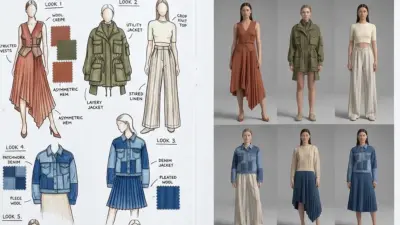

Fashion designer education requirements span a mix of formal degrees, certificates, and real-world experience. Whether you’re sketching your first silhouette or refining runway-ready collections, here’s your go-to list of credentials to secure your spot in the fashion world.
Associate degrees
An associate of arts or science in fashion design lays your foundation in key skills like garment construction, patternmaking, and design theory. These two-year programs—often offered at community colleges—guide you through hands-on workshops and basic CAD training. Many students use this credential to land entry-level roles or transfer into a bachelor’s program. To find a nearby campus, explore fashion design schools near me.
According to Academic Info, associate tracks cover everything from textile fundamentals to sustainable practices [1].
Bachelor programs
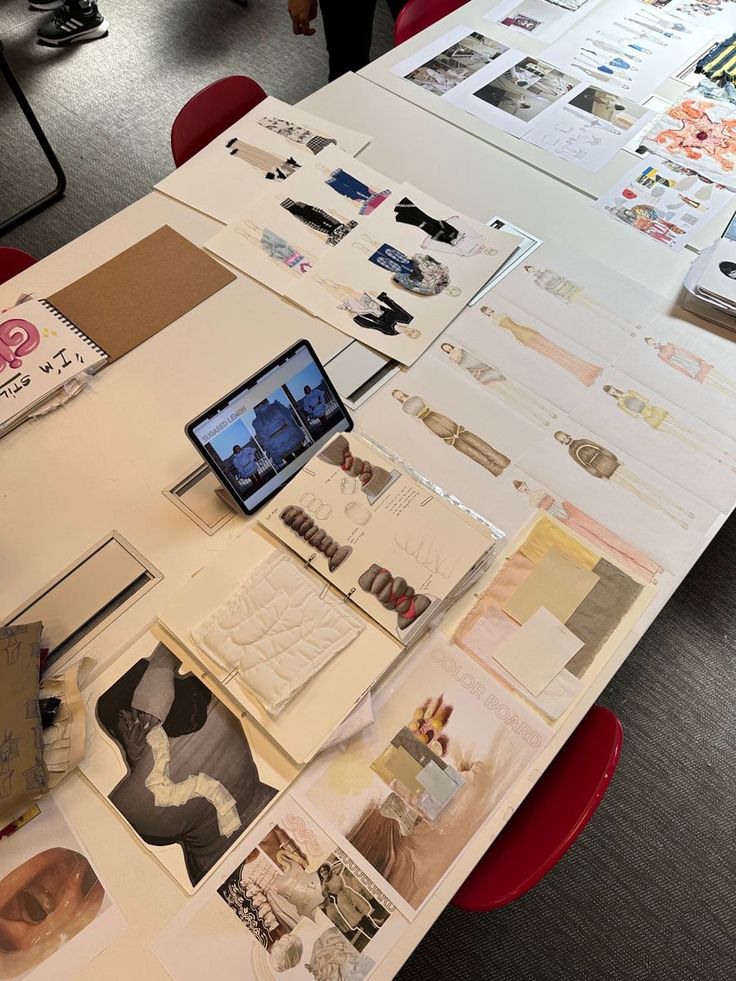
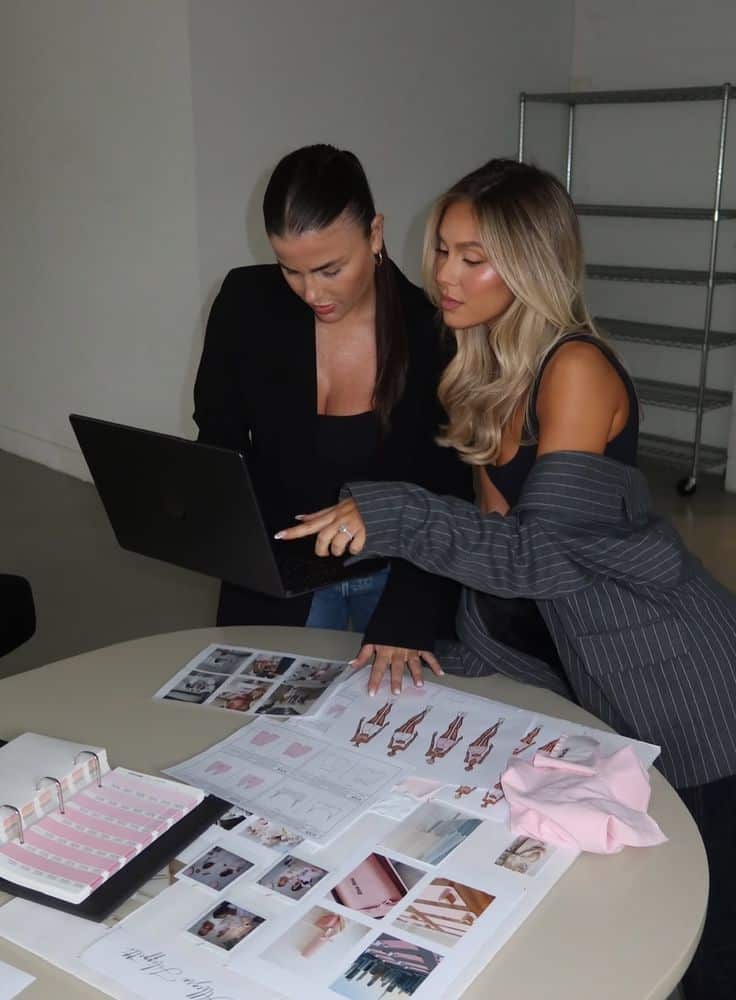
A bachelor’s degree—whether it’s a BFA or BA in fashion design—remains the gold standard. Over four years, you’ll dive into advanced sketching, fabric technology, computer-aided design (CAD), and portfolio development. Curricula often include merchandising, marketing, and ethics to round out your industry savvy. Graduates leave with a polished portfolio and internship résumé in hand. For a curated list of top picks, check out our guide to best fashion design colleges and browse fashion design degrees.
Most fashion designers need a bachelor’s degree to enter the field, with employers favoring candidates who blend creative flair and technical know-how [2].
Master programs
If you’re aiming for leadership roles or high-profile creative director gigs, a master of fine arts in fashion design can set you apart. MFA tracks emphasize research, concept development, and advanced material experimentation. Programs at Parsons or FIT culminate in thesis collections and industry showcases—often in partnership with brands like Kering or Tory Burch [3]. Expect seminars led by veteran designers and cross-disciplinary collaborations in technology and sustainability.

Combined degrees
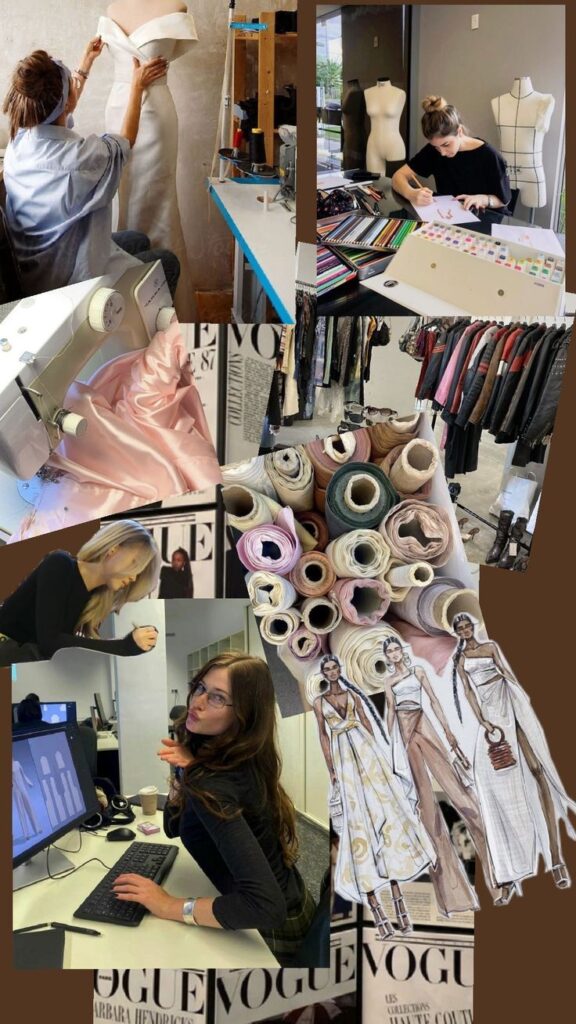
Looking to blend creativity with commerce? Combined fashion design and merchandising degrees marry your artistic vision with retail management, consumer behavior, and digital marketing. Offered at associate, bachelor, and master levels, these programs prepare you for roles in buying, promotions, and product development. Coursework may cover supply chain logistics, trend forecasting, and sustainable sourcing [1]. For a deeper dive, visit our overview of fashion designer education requirements.
Specialized certificates
Certificates in areas like fashion illustration, textile design, or fashion law let you hone niche skills in less than two years. The Parsons Fashion Design Certificate, for example, requires six core courses and two electives, offering a 360-degree immersion in sketching, draping, patternmaking, and textile selection [4]. These credentials are ideal if you’re pivoting careers or seeking to validate existing skills without a full degree.
Hands-on internships
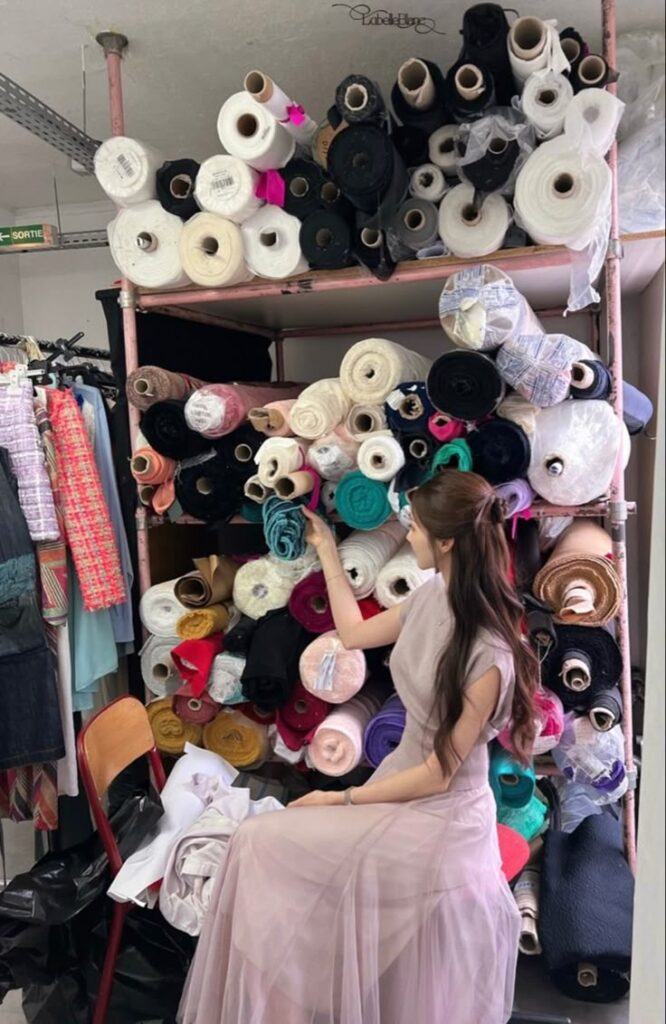
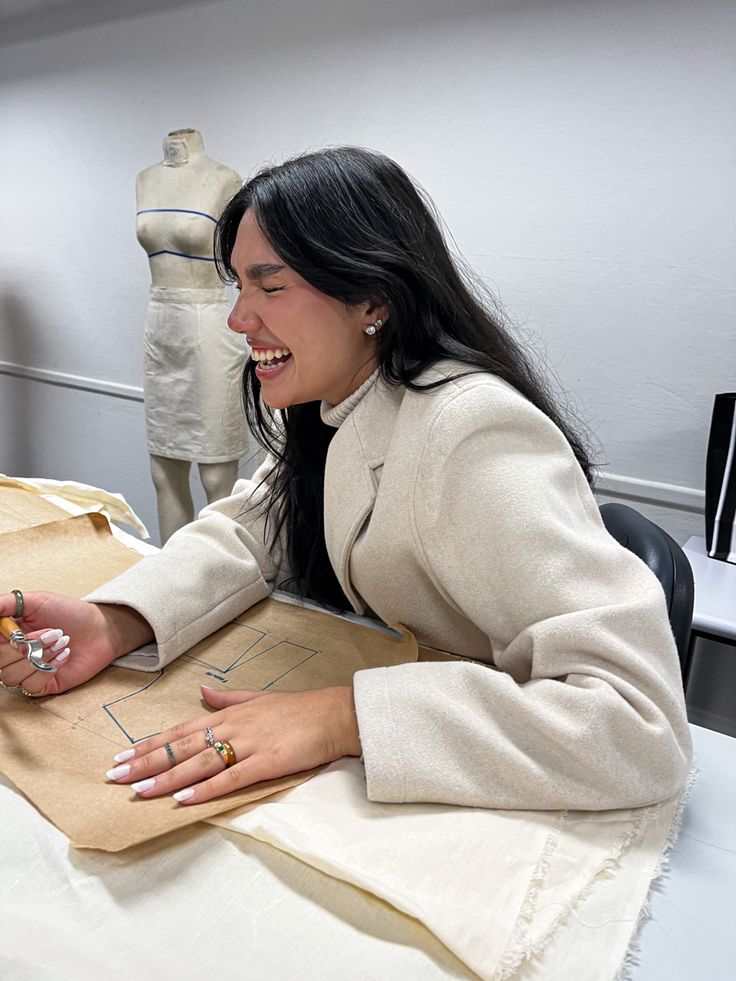
No credential beats real-world experience. Internships and co-op placements teach you the nuts and bolts of studio life—fabric sourcing, sample reviews, and collection rollouts. Drexel University, for instance, requires a six-month co-op, placing students in fashion capitals like New York and Los Angeles [3]. Start building connections early by checking out fashion design internships. Employers often rate internship experience as highly as formal degrees.
Online courses
Flexible online programs let you tackle CAD software, digital illustration, and fashion business fundamentals at your own pace. From short workshops in sustainable textiles to multi-week bootcamps in runway styling, remote courses can supplement your formal training or kickstart your journey. Browse options in our roundup of fashion design courses online to find the best fit for your schedule.
Now that you know the core fashion designer education requirements, it’s time to map out your journey. For a step-by-step roadmap, explore our steps to become a fashion designer.

Frequently asked questions
What degree do I need to become a fashion designer?
Most designers hold a bachelor’s degree in fashion design, fine arts, or a related field. This credential covers textiles, CAD, sketching, and portfolio work, aligning you with industry expectations.Is an associate degree enough to start my career?
An associate degree can land you entry-level roles and set you up to transfer into a bachelor’s program. If you build a standout portfolio, it may speed your entry into small studios.Do I have to complete an internship?
Internships or co-ops are critical for hands-on skills and networking. Many top programs require a placement; employers often view this experience as a must-have on your résumé.Can I learn fashion design online?
Yes, online courses cover everything from CAD and illustration to fashion marketing. They’re perfect for adding specialized skills or fitting coursework around other commitments.How important is my portfolio?
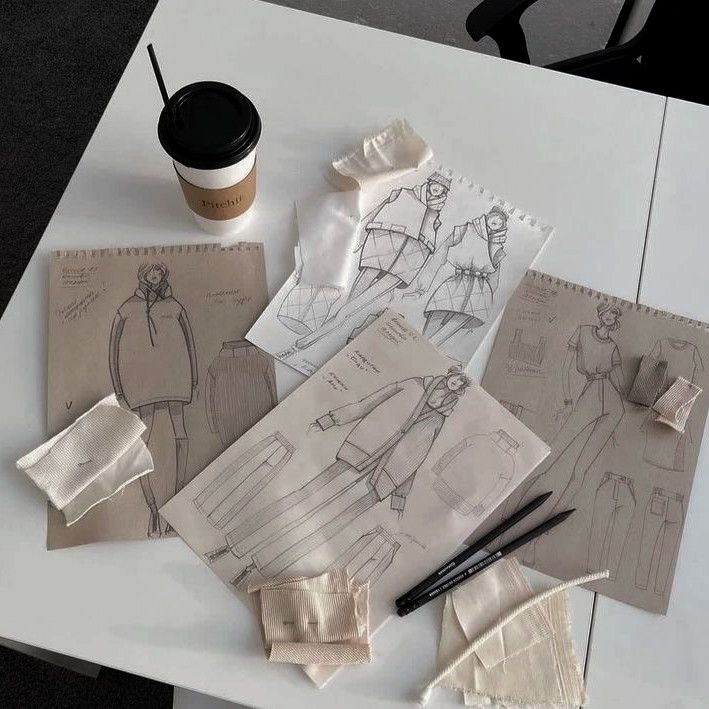
Your portfolio is your calling card. Employers and clients assess creativity and technical ability through your best work. Start building it in school and refine it with internships.

References
- (Academic Info)
- (BLS.gov)
- (Vogue)
- (The New School)
RV
- 0shares
- Facebook0
- Pinterest0
- Twitter0
- Reddit0