Italian painter Emanuele Dascanio and hyperreal portraits
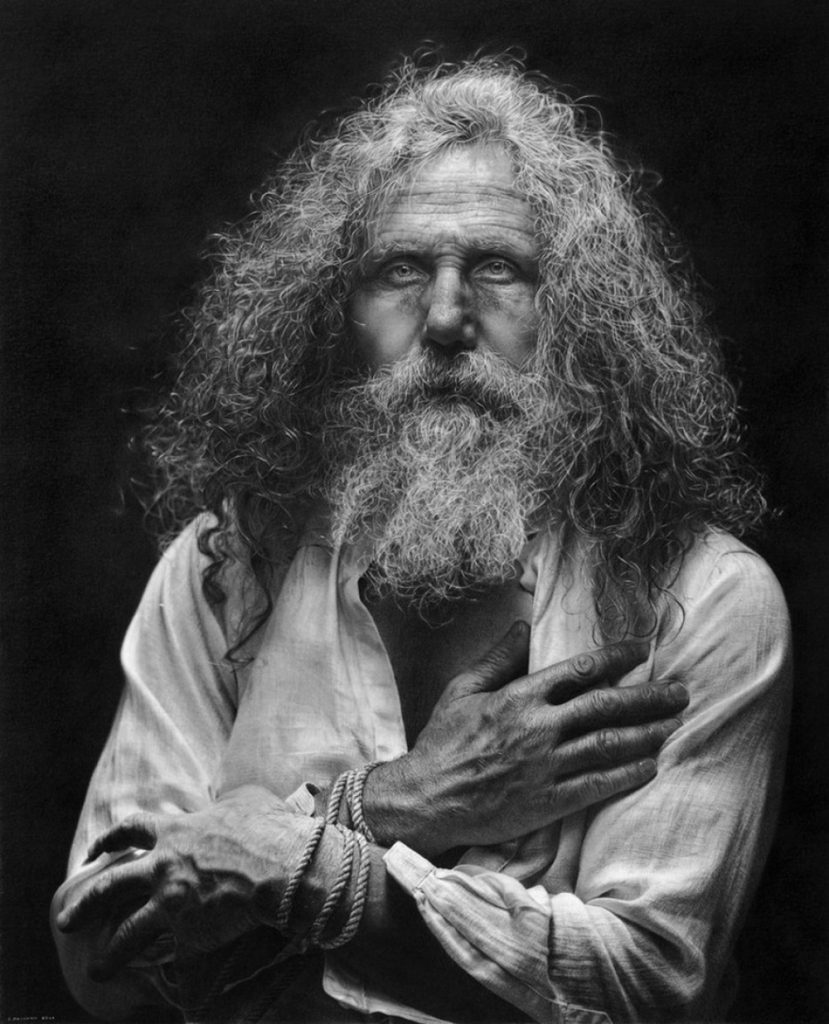
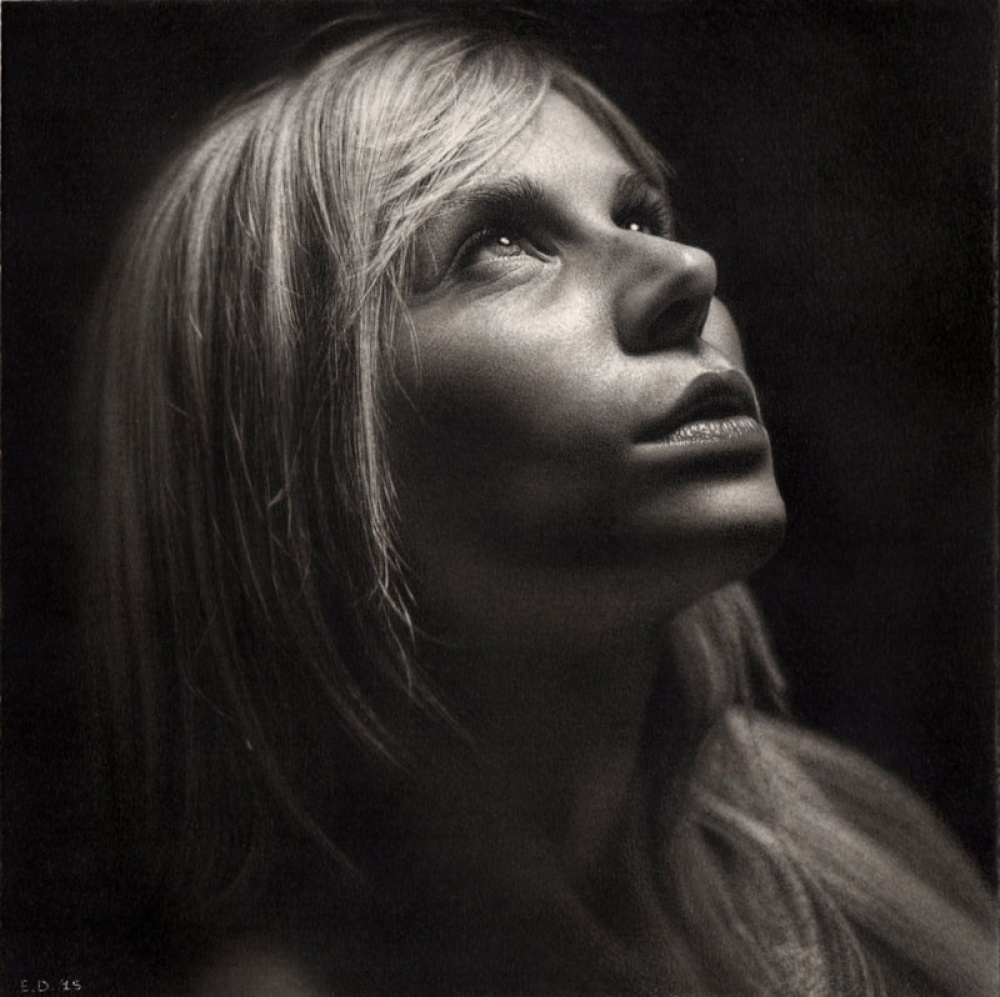
Italian painter Emanuele Dascanio is known for hyperreal portraits that make charcoal, graphite, and paint feel almost photographic. The strongest work here is not just technically impressive; it is disciplined. Dark backgrounds, controlled highlights, and slow transitions do most of the visual work before the tiny details arrive.
- What makes Dascanio's hyperreal work feel so convincing
- Materials for studying this Italian painter's style
- Technique notes from the gallery
- Gallery of hyperreal portraits and painting details
- Frequently asked questions about Italian painter Emanuele Dascanio
- Q: Who is Emanuele Dascanio?
- Q: Why is Italian painter a good keyword for this article?
- Q: What materials are associated with this kind of hyperreal portrait work?
- Q: What should artists study in Emanuele Dascanio's portraits?
- Q: Does Emanuele Dascanio only paint portraits?
- Q: How can beginners practice a similar hyperreal look?
- Conclusion
This rewrite turns the old gallery note into a useful study guide. Instead of only saying the portraits are realistic, it points out what artists can learn from the images: value control, material contrast, fabric rendering, edge variety, and the patience needed for modern hyperreal painting.
What makes Dascanio’s hyperreal work feel so convincing
When I look at these portraits, I check the big light pattern first. The faces and figures read clearly because the black shapes are strong, the midtones are patient, and the brightest accents are saved for places that matter: eyes, wet skin, lace, hair, and reflective objects.
If you are practicing similar portrait work, pair this gallery with our portrait drawing tips and pencil drawing pictures. The useful habit is the same in both drawing and painting: solve the value structure first, then decide where detail deserves attention.
Materials for studying this Italian painter’s style
The list below is not a private studio inventory. It is a practical materials guide for artists who want to study the kind of hyperreal portrait effect shown in this draft: deep blacks, soft skin, precise highlights, and careful fabric texture.
| Material or tool | Why it matters | Where to notice it |
|---|---|---|
| Charcoal and graphite range | Builds the deep blacks, midtones, and soft skin transitions that make the portraits feel dimensional. | Beards, hair, dark backgrounds, and large figure shadows. |
| White pencil or chalk accents | Lets small highlights sit on top of dark values without overworking the whole surface. | Eyes, lips, wet surfaces, lace, and fabric sheen. |
| Smooth drawing surface | Supports gradual blends and clean edge control, which are essential for hyperreal skin and fabric. | Cheeks, shoulders, hands, and soft reflected light. |
| Kneaded eraser and blending tools | Useful for lifting highlights, softening transitions, and correcting tiny value shifts. | Foreheads, noses, cloth folds, and reflective details. |
| Strong reference lighting | Creates a clear value map before the artist begins rendering detail. | Portraits with black backgrounds, side light, and high-contrast fabric. |
Technique notes from the gallery
| Visual feature | What it does | Artist takeaway |
|---|---|---|
| Deep black background | Pushes the face, hands, or figure forward without adding distracting scenery. | Use background value as part of the composition, not as empty space. |
| Soft skin transitions | Keeps the face believable while still leaving room for sharp focal points. | Blend large planes first, then place pores, lashes, and small marks sparingly. |
| Hair and beard texture | Adds intensity and patience to the portraits without flattening the form. | Group strands into masses before drawing individual hairs. |
| Fabric and lace | Shows how realism depends on edge variety and rhythm, not only detail count. | Alternate soft folds with small crisp accents where light catches the material. |
| Reflective details | Makes shells, eyes, wet surfaces, and mirrors feel luminous. | Protect the brightest highlights and build dark values around them. |
| Still-life color | Proves the same hyperreal discipline works beyond portraiture. | Study the value structure first, even when color is present. |
Gallery of hyperreal portraits and painting details

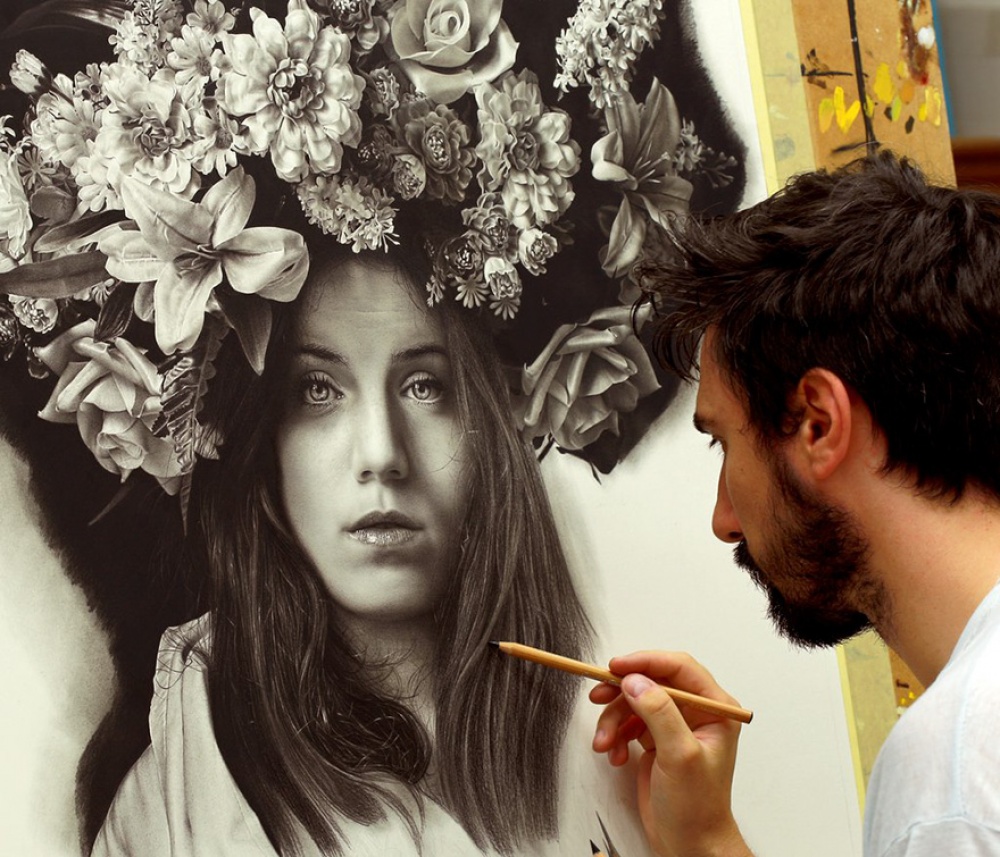

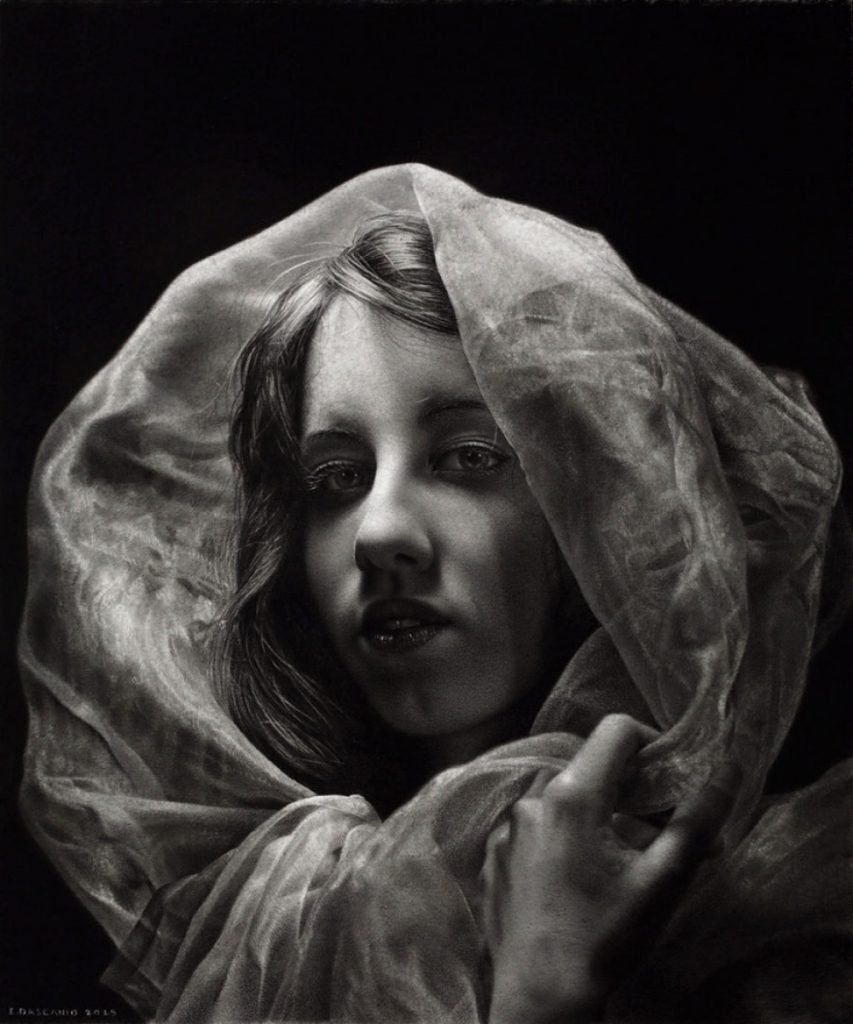
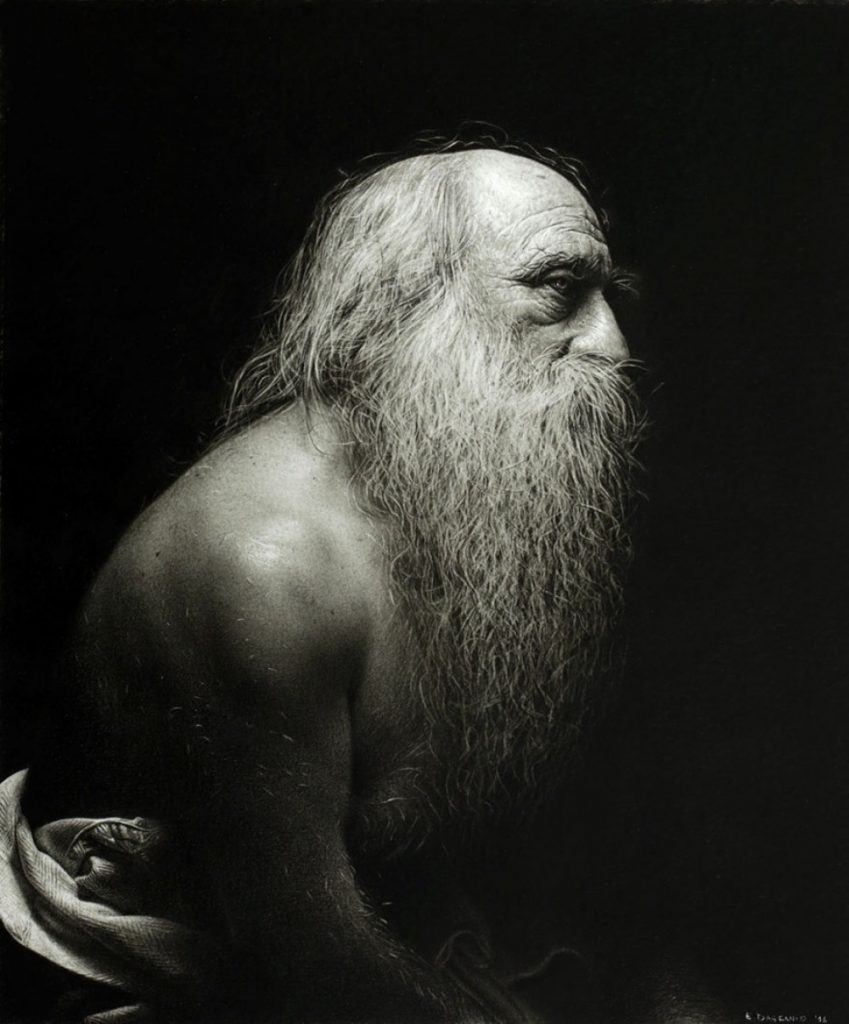


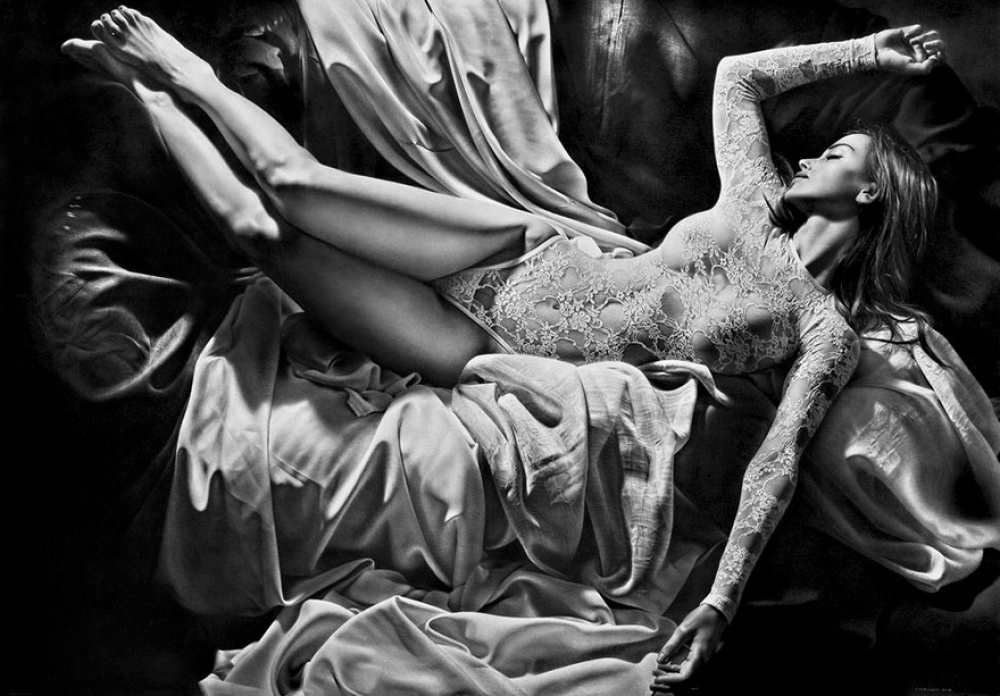


Frequently asked questions about Italian painter Emanuele Dascanio
Q: Who is Emanuele Dascanio?
A: Emanuele Dascanio is an Italian painter known for hyperreal portraits, figure work, and still-life pieces with extremely controlled light and texture. This article looks at the visual lessons in his work: value range, skin transitions, fabric, hair, reflective surfaces, and the patience behind slow realism.
Q: Why is Italian painter a good keyword for this article?
A: The phrase Italian painter matches the core search intent because the page is about an Italian artist and his painting and drawing practice. It also leaves room for related searches around hyperrealism, portrait painting, charcoal, graphite, and modern realistic art.
Q: What materials are associated with this kind of hyperreal portrait work?
A: For studying this style, think in terms of charcoal, graphite, white pencil or chalk highlights, smooth drawing paper, blending tools, kneaded erasers, and careful photographic reference. The exact studio setup can vary, but the visual result depends on dark values, soft transitions, and sharp highlights.
Q: What should artists study in Emanuele Dascanio’s portraits?
A: Start with the big value pattern before the details. Notice how the portraits use a deep black background, bright highlights on skin or fabric, and selective sharpness around eyes, lips, hands, hair, and lace. The realism comes from hierarchy, not from making every inch equally detailed.
Q: Does Emanuele Dascanio only paint portraits?
A: No. The gallery also includes a still-life painting and large figure compositions, so the useful lesson is broader than portrait likeness. His work is about observation, material surfaces, light control, and the discipline needed to make black, gray, and white feel dimensional.
Q: How can beginners practice a similar hyperreal look?
A: Do not start with a full large portrait. Choose one small section: an eye, a lock of hair, a hand, a fabric fold, or a small still-life object. Match the value range first, then add texture. Beginners usually improve faster when they practice edges and contrast before tiny marks.
Conclusion
Emanuele Dascanio’s work is a useful reminder that hyperrealism is not only about patience. It is about choices. The Italian painter uses strong value design, quiet transitions, and carefully placed sharpness so the viewer feels texture, light, and presence before noticing the labor behind the image. For artists, that is the real lesson: make the structure convincing first, then let the detail earn its place.
- 3.4Kshares
- Facebook0
- Pinterest3.4K
- Twitter0
- Reddit0