Luxury craftsmanship is the reason a $400 wallet and a $4,000 wallet can use nearly identical leather, yet only one holds its shape after twenty years of daily use. The difference sits in the hours: hand-stitching instead of machine seams, hide matched by eye instead of by batch, edges burnished by hand instead of sealed with spray.
That gap in labor shows up directly in the price. Mass production optimizes for speed and a predictable unit cost. Craftsmanship optimizes for a result a machine can’t fully replicate, and buyers pay for that difference whether or not they can name what they’re seeing.
A well-made luxury piece isn’t priced on materials alone. It’s priced on the hours of a trained hand, the years it took to train that hand, and the fact that no two pieces come out identical. That’s what turns an object into something you keep instead of something you replace.
What Is Luxury Craftsmanship?
Luxury craftsmanship is the hand-applied skill, material selection, and attention to detail that separates a handmade or hand-finished product from a mass-manufactured one. It shows up in the stitch density on a leather bag, the hand-polishing on a watch case, or the hours a jeweler spends setting a single stone under magnification.
Most people searching for this compare brands or try to figure out what actually justifies a price tag before they buy. Craftsmanship answers that question with physical evidence: stitching, weight, and finish you can check yourself, not marketing copy you have to take on faith.
The Art of Craftsmanship: More Than Aesthetic
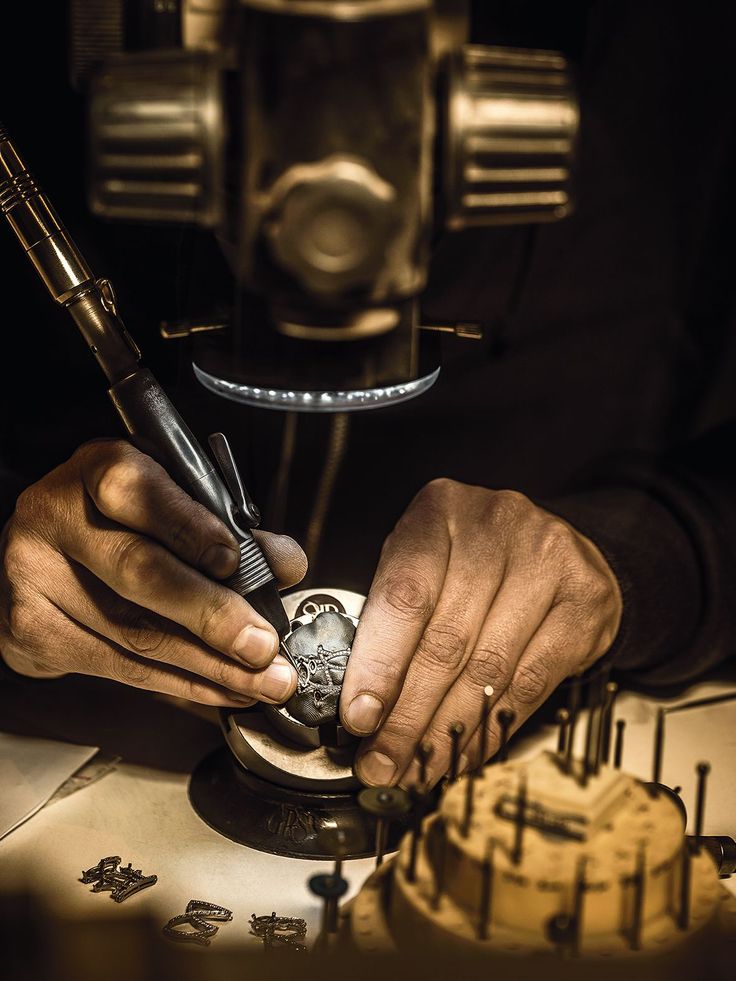
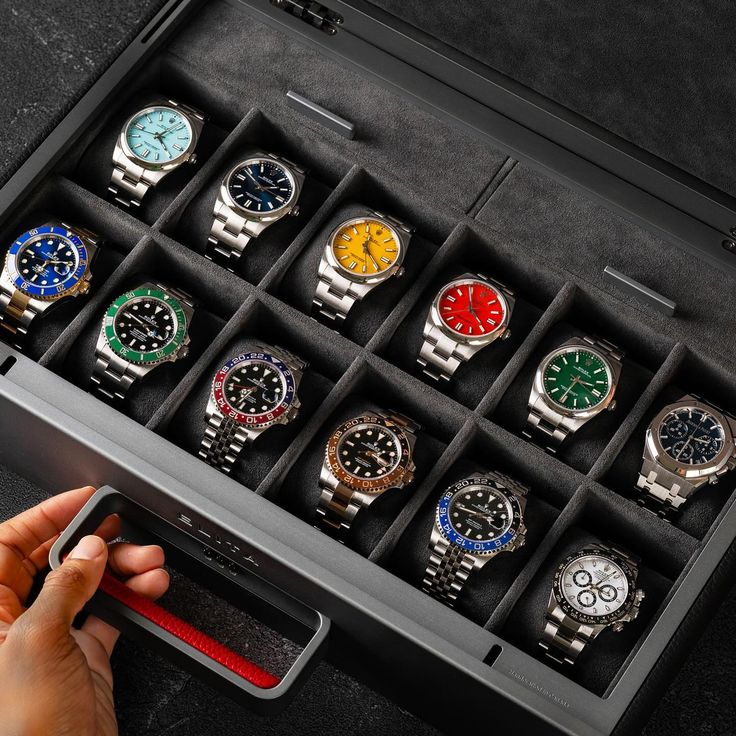
Craftsmanship isn’t a word brands use to sound exclusive. It’s a specific combination of trained hands, patience, and a low tolerance for flaws, and those three things are what turn a raw material into something that reads as luxury the moment you pick it up.
Picture a jeweler checking a sapphire under a loupe from a dozen angles before deciding it’s good enough to set. That same standard shows up in Cullen Jewellery’s lab-grown diamonds, where every stone is graded and set against a fixed quality bar rather than approved just because it’s available.
The difference is easiest to feel side by side. A hand-finished piece and a machine-stamped one can look identical in a photo, but only one holds up to close inspection: even seams, consistent weight, and no filler material hiding under the finish.
How Craftsmanship Drives Price and Value

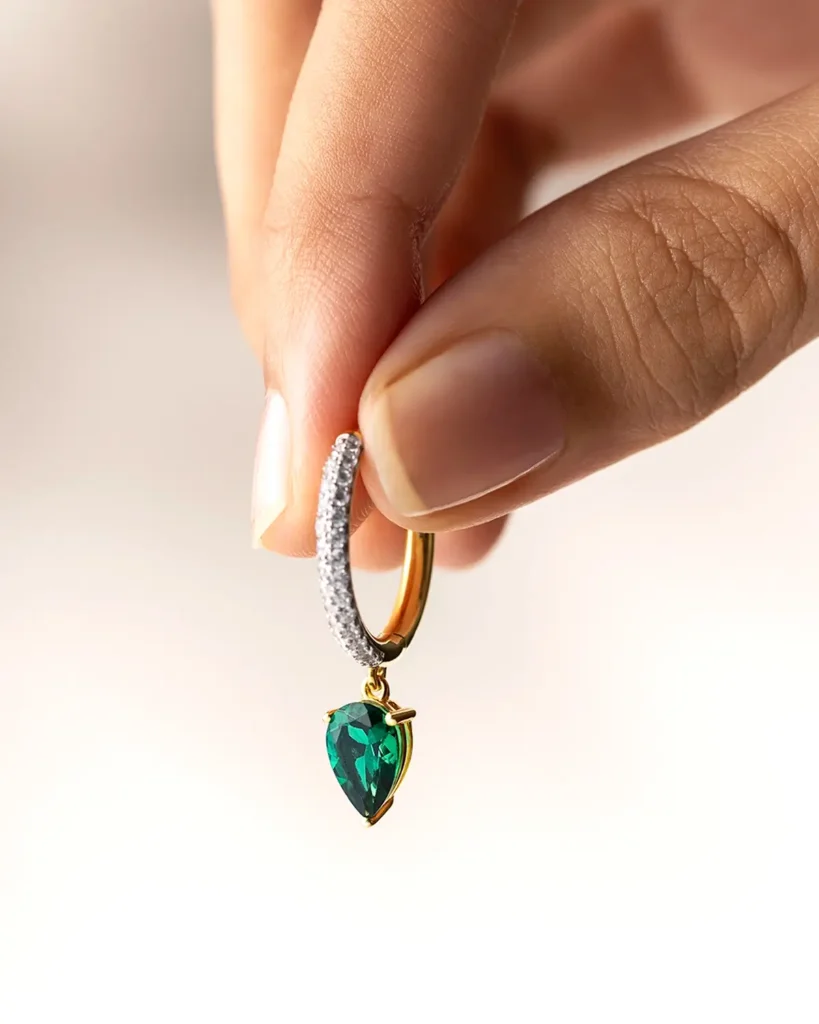
Craftsmanship is the biggest lever behind a luxury item’s price, because skilled labor is the one input that doesn’t scale. A factory can double its output by running a second shift. A master engraver can’t double the speed of their hands without losing the precision that makes the work worth buying in the first place.
That scarcity is real, and it’s why hand-finished pieces command premium prices that mass production can’t touch. Vogue’s reporting on craft as luxury’s most valuable currency makes a similar point: brands are leaning harder into visible craftsmanship because it’s becoming their clearest way to justify cost in a market full of look-alike goods.
None of that guarantees a piece will last forever. But it does mean the price reflects real, non-repeatable labor instead of a markup on the same components everyone else uses.
The Story Behind the Product


Every well-made luxury item carries a record of who made it and how. That’s not just marketing flavor. It’s usually documented, from the mine a stone came from to the workshop that set it.
Diamondere’s sapphire rings are one example: each stone is sourced from named mines in Sri Lanka, Madagascar, and Thailand, and that origin travels with the piece the same way a vintage watch comes with its service history. The same principle applies to well-documented handmade jewelry, where the maker’s process is part of what you’re paying for.
If you want that same level of documentation on a custom piece, ManlyBands has a breakdown of where to source a custom wedding ring.
None of this requires an elaborate showroom experience to matter. What matters is whether you can trace a piece back to a specific process and person, not just a product line.
Authenticity Over Mass Production
Mass production optimizes for identical units at the lowest cost per piece, which is the opposite goal of craftsmanship. Standardized manufacturing has its place, but it isn’t built to reproduce the small variations that come from a human hand.
Here’s what to check if you want to tell the two apart before you buy:
- Stitch or seam consistency: hand-finished pieces show tiny, natural variation; machine seams look perfectly uniform.
- Weight and material feel: solid metals and full-grain leather feel denser than plated or bonded alternatives.
- Maker’s marks or hallmarks: a stamped hallmark, serial number, or workshop signature usually means someone stands behind the piece.
- Finishing on hidden edges: check the inside of a bag or the underside of a ring setting. Rushed production skips finishing where buyers won’t look first.
- Documentation: provenance, warranty length, and repair policy tend to track with how much craftsmanship actually went into the piece.
The Emotional Connection
Craftsmanship changes how a piece feels to own, not just how it looks in a photo. A ring set by hand or a watch case polished by hand carries a level of intention that mass-produced versions don’t, and people notice that difference even without being able to explain it.
That’s part of why heirloom pieces get passed down instead of replaced. The object represents a decision someone made about quality, not just a purchase.
Luxury Craftsmanship FAQ
What is luxury craftsmanship?
Luxury craftsmanship refers to hand-applied skill and attention to detail in making a product: hand-stitching, hand-polishing, and manual quality checks that a machine can’t fully replicate. It’s the labor and expertise behind a piece, not just its raw materials.
What makes a product “luxury” instead of just expensive?
Price alone doesn’t make something luxury. A product earns that label when its cost reflects scarce materials, skilled labor, and a level of finishing you can verify by inspecting it closely, such as consistent stitching, solid weight, and no shortcuts on parts buyers don’t usually check.
How can you tell if a luxury item is well-crafted?
Check stitch or seam consistency, material weight, hidden finishing like the inside of a bag or the underside of a ring, and whether the piece has a maker’s mark, hallmark, or documented provenance. Well-made pieces hold up to this kind of close inspection; mass-produced ones usually show shortcuts once you look past the surface.
Why does craftsmanship raise the price of a product?
Skilled labor doesn’t scale the way factory output does. A machine can produce thousands of identical parts per hour; a trained artisan can’t speed up hand-finishing without losing precision. That scarcity of skilled time gets reflected directly in the price.
Is handmade always better than machine-made?
Not automatically. Machines can outperform hands on precision-cut components like gears or lenses. Craftsmanship earns its premium in the finishing and judgment calls, such as matching material grain, hand-polishing curves, or setting a stone, where human skill still beats automation.
What are examples of brands known for luxury craftsmanship?
Heritage names like Hermès, Chanel, Rolex, and Louis Vuitton built their reputations on visible hand-finishing and in-house workshops. Independent jewelers and small studios apply the same standards at a smaller scale, often with more transparency about who actually made the piece.
Does craftsmanship affect resale value?
Yes. Well-crafted pieces tend to hold value better because they’re built to be repaired and refinished rather than replaced, and provenance, like a maker’s mark, papers, or service history, gives buyers confidence the piece is what it claims to be.
Wrapping Up
Craftsmanship is the clearest signal of value in a luxury product, because it’s the one input a factory can’t fake. Skilled hands, real materials, and a documented process are what separate a piece built to last decades from one built to be replaced.
Next time you’re deciding whether a price tag is justified, look past the branding and check the details: the stitching, the weight, the finishing you weren’t meant to notice. That’s where the actual value lives.
If you’re weighing craftsmanship in other categories, this guide to jewelry design principles breaks down how professional jewelers price custom work, and this roundup of luxury home decor accessories applies the same quality checks to furniture and object design.
- 132shares
- Facebook0
- Pinterest132
- Twitter0
- Reddit0