Ever felt that undeniable pull to create something beautiful, something alive, but weren’t quite sure where to start? Maybe you’ve admired the serene beauty of an aquarium or the wild majesty of marine life and thought, “I wish I could capture that! “You’re in luck! Exploring fish drawing ideas is a rewarding artistic journey. Whether you’re an experienced artist seeking inspiration or a beginner picking up a pencil, fish provide a diverse range of shapes, colors, and textures to explore.”
From the simplest cartoon goldfish to the most intricate deep-sea creature, drawing fish can teach you a ton about form, movement, and light. It’s a fantastic way to flex your creative muscles and connect with the natural world, all from the comfort of your sketchbook. So, grab your drawing tools, let’s splash into some fantastic ideas, and get those creative juices flowing!
Pros and Cons
Drawing fish, like any artistic endeavor, comes with its own set of unique advantages and challenges. Let’s weigh them up!
| Pros | Cons |
|---|---|
| – Incredible diversity in shapes, sizes, and colors. | – Capturing fluid movement can be tricky. |
| – Excellent for practicing basic shapes and anatomy. | – Scales can be repetitive and time-consuming. |
| – Allows for a wide range of artistic styles (realism to cartoon). | – Depicting underwater environments effectively requires practice. |
| – Can be a very relaxing and meditative drawing subject. | – Achieving realistic water reflections and refractions is a skill. |
| – Inspires creativity through fantasy and mythical fish designs. | – Some exotic species have very complex patterns. |
Your Essential Drawing Toolkit: Getting Started
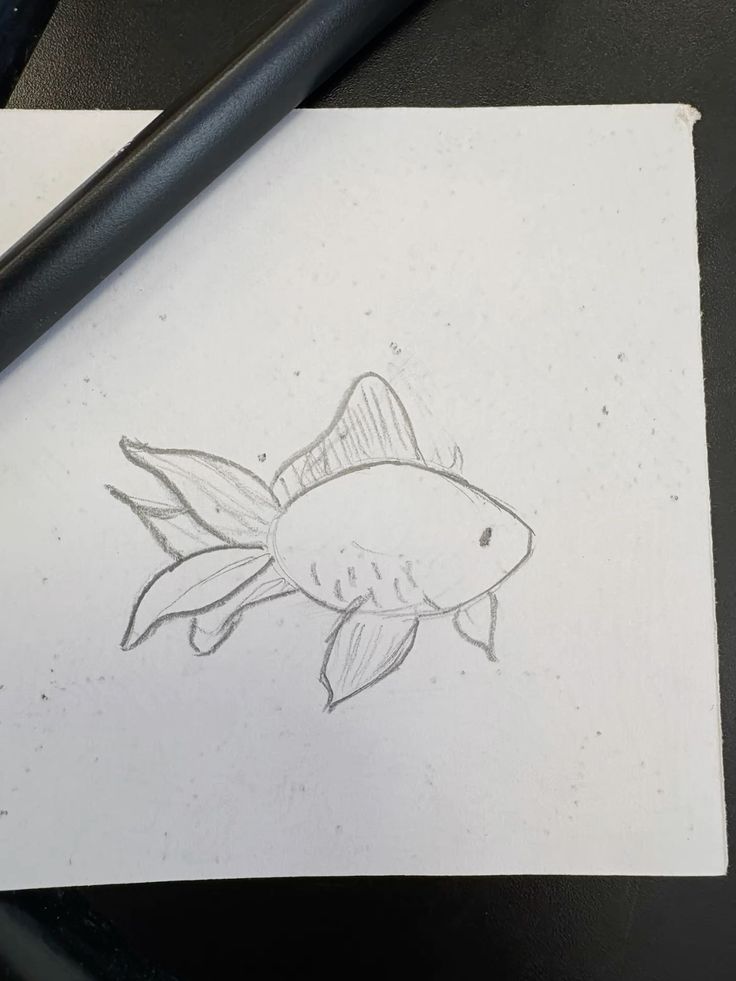
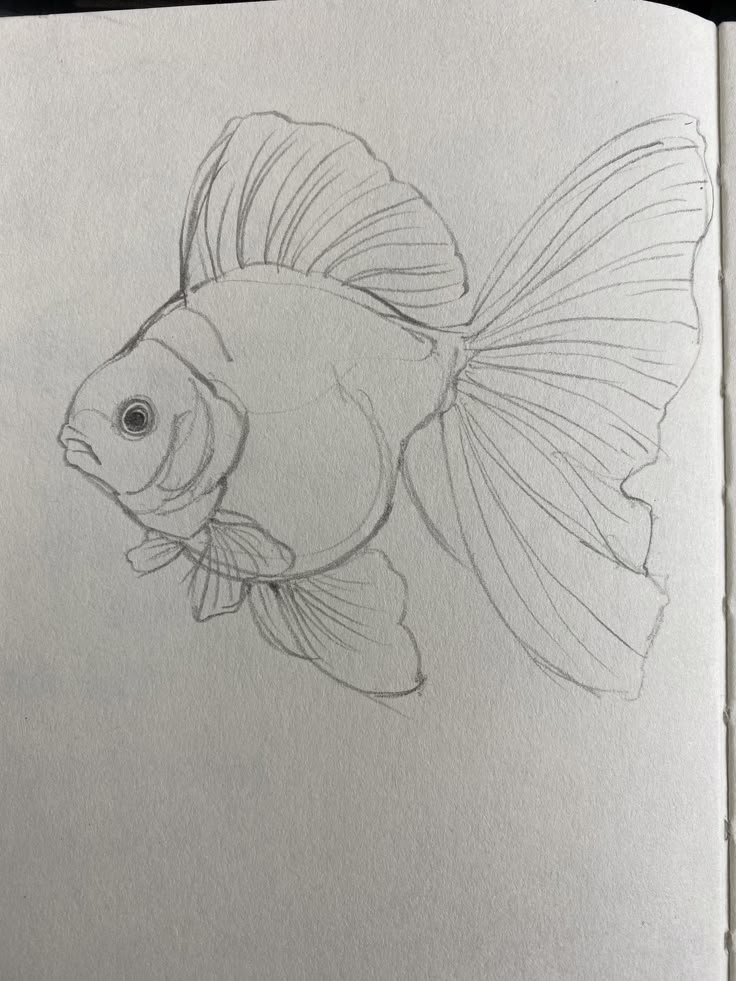
Before we dip our toes into the vast ocean of fish drawing ideas, let’s talk about the essentials. You don’t need a fancy art studio to get started; a few basic items will do the trick!
First up, a good old graphite pencil set. Having a range of hardness (like 2H for light sketches, HB for general drawing, and 2B or 4B for darker lines and shading) is beneficial. Next, paper! Any standard drawing paper will work, but if you’re planning to use inks or watercolors later, consider something a bit thicker. An eraser (kneaded or vinyl) is your best friend for fixing mistakes and lifting graphite. And finally, a reliable pencil sharpener.
For those who lean towards digital art, a drawing tablet and stylus, along with software such as Procreate, Photoshop, or Clip Studio Paint, will open a whole new world of possibilities. Digital tools offer endless colors, brushes, and the ability to undo mistakes with a tap, making experimentation a breeze.
Breaking Down Fish Anatomy: Simple Shapes First
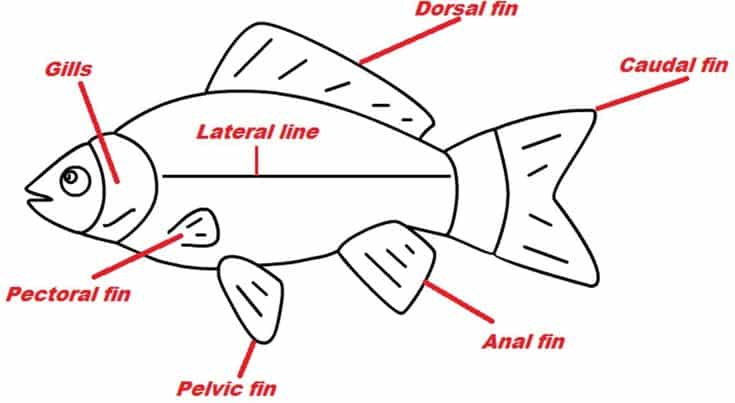
Don’t let the idea of drawing a complex creature intimidate you. The secret to drawing anything, especially fish, is to break it down into simple geometric shapes. Think of a fish’s body as an oval or a stretched diamond. Its head might be a smaller circle or a tapered wedge.
Fins are usually triangular, curved, or fan-shaped, attached to these basic forms. The tail (caudal fin) can be a simple fan or more complex, like a crescent or lyre shape. Eyes are typically circles, and the mouth can be a small line or a more prominent, expressive shape. Start with these foundational shapes, sketch them lightly, and then gradually refine them, adding curves and details. It’s like building blocks for your art!
Easy Fish Drawing Ideas for Beginners: Dip Your Toes In!
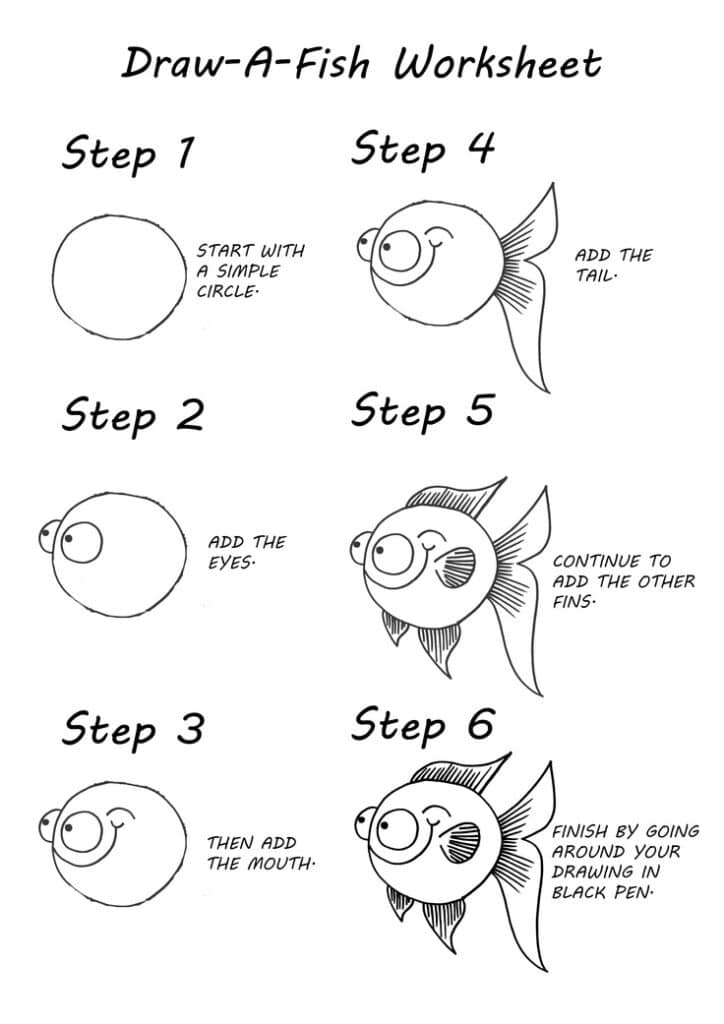
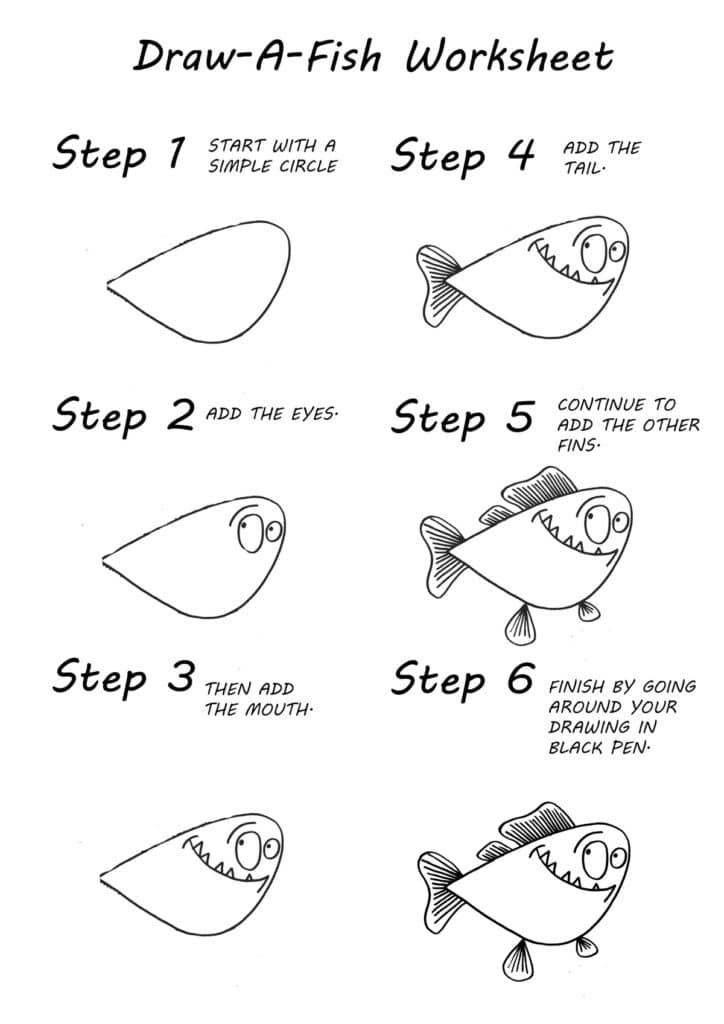
Okay, let’s start with some simple, fun projects that are perfect for beginners. The goal here is to build confidence and get comfortable with your tools.
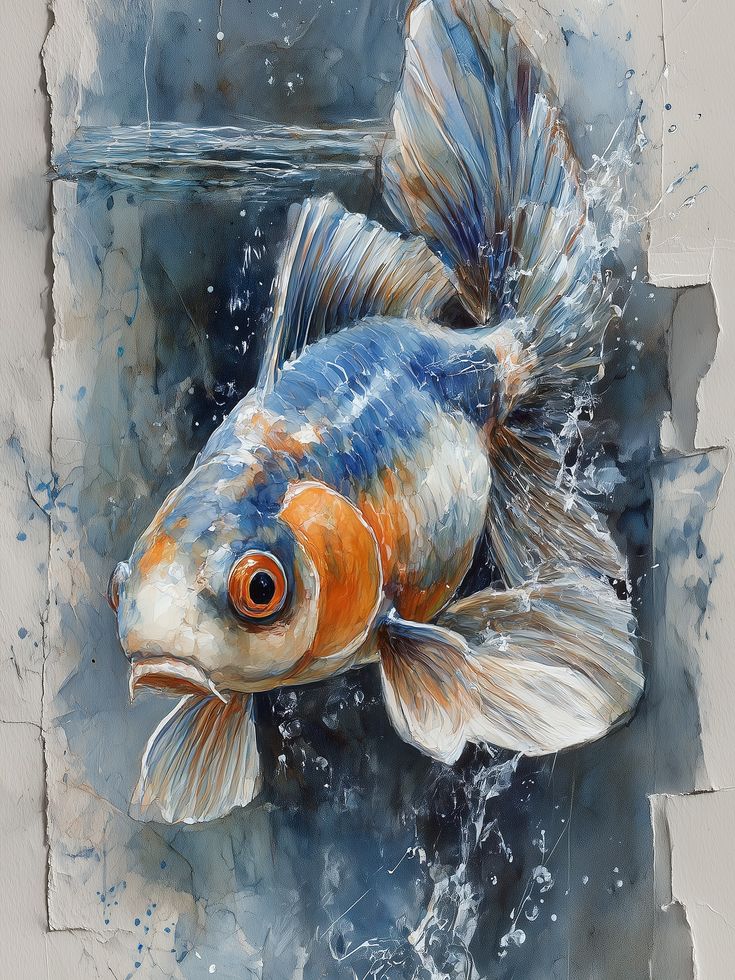
- The Classic Goldfish: a fantastic starting point. Goldfish have rounded bodies, flowing tails, and distinct fins. Start with an oval for the body, add a triangular tail, and then small curved triangles for the other fins. Their simple, expressive eyes are usually just two dots.
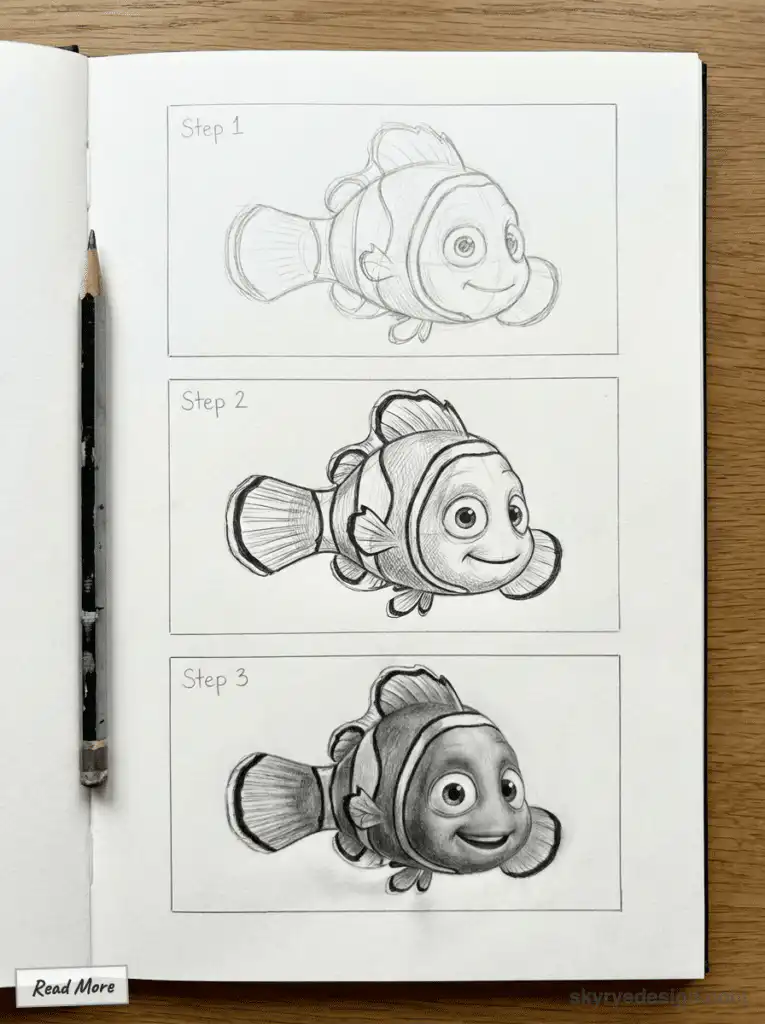
- Simple Cartoon Fish: Think Nemo or Dory! These often have exaggerated features, bright colors, and clear outlines. Their bodies are typically pear-shaped or oval, with large, friendly eyes and broad smiles. They’re great for practicing basic shapes and bold lines.
- Fish Silhouettes: These are surprisingly effective and easy. Focus solely on the outline of a fish. You can choose a standard shape, like a bass, or a more exotic one, like a seahorse. Fill the shape in with solid color or a simple pattern. This helps you understand the overall form and proportions without getting bogged down in detail.
- Bubble Buddies: Draw a simple fish and then add a stream of bubbles. Bubbles are just circles, often overlapping. This adds a sense of movement and environment without being too complex.
- Pattern Play Fish: Draw a basic fish shape, then fill its body with repetitive patterns like stripes, dots, zigzags, or even checkerboards. This is a fun way to experiment with design and add visual interest.
Exploring Different Fish Species: A World of Inspiration
Once you’re comfortable with the basics, it’s time to explore the incredible variety of fish out there. Each species offers unique characteristics that can challenge and inspire you.
The Elegant and Exaggerated
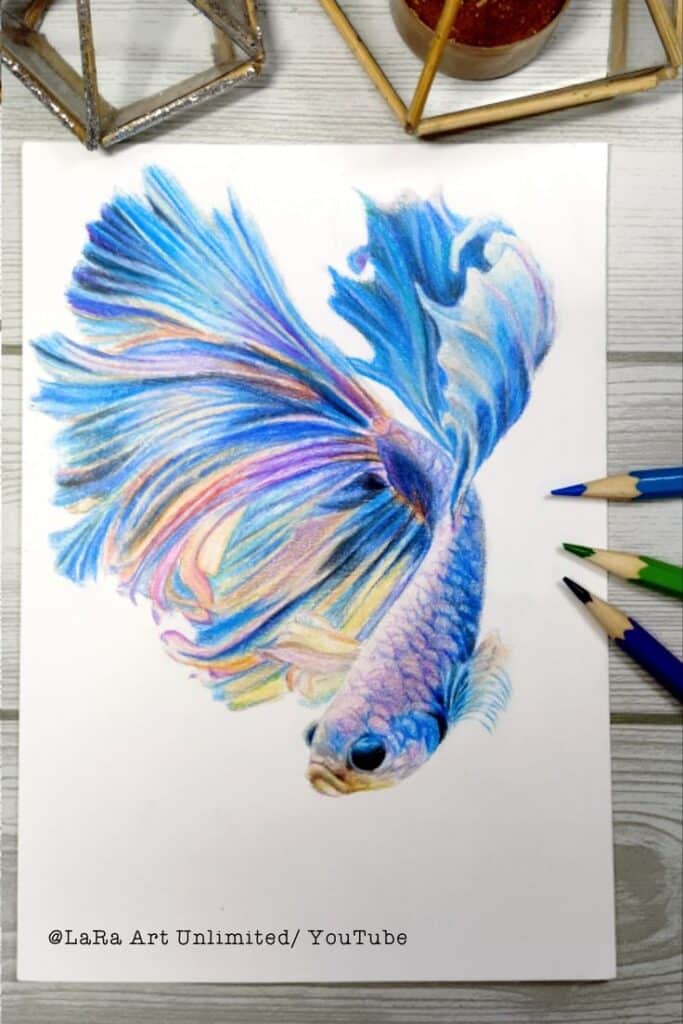
- Betta Fish (Siamese Fighting Fish): Known for their stunning, flowing fins and vibrant colors. These are a joy to draw because you can really exaggerate their drapery-like fins, making them look majestic and almost ethereal. Focus on long, graceful fins and a more compact body.
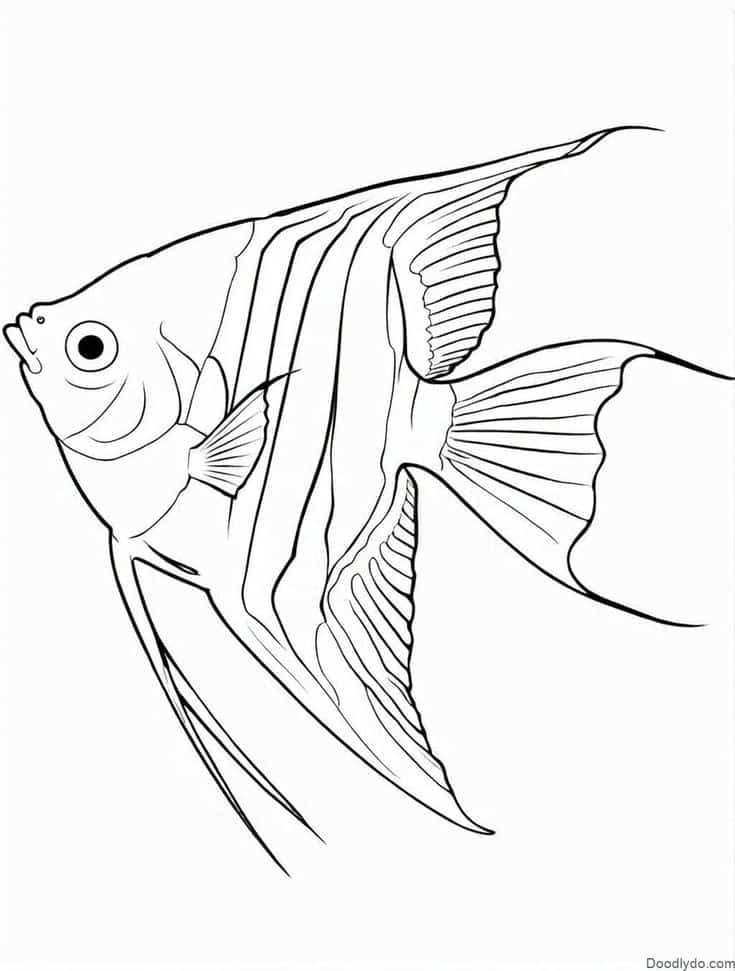
- Angelfish: With their tall, triangular bodies and long, delicate fins, angelfish are the epitome of aquatic elegance. Their vertical stripes offer an excellent opportunity to practice shading and contouring.
- Lionfish: These venomous beauties have dramatic, spiky fins that fan out, creating a striking silhouette. Their striped patterns are complex but incredibly rewarding to render.
The Bold and Beautiful
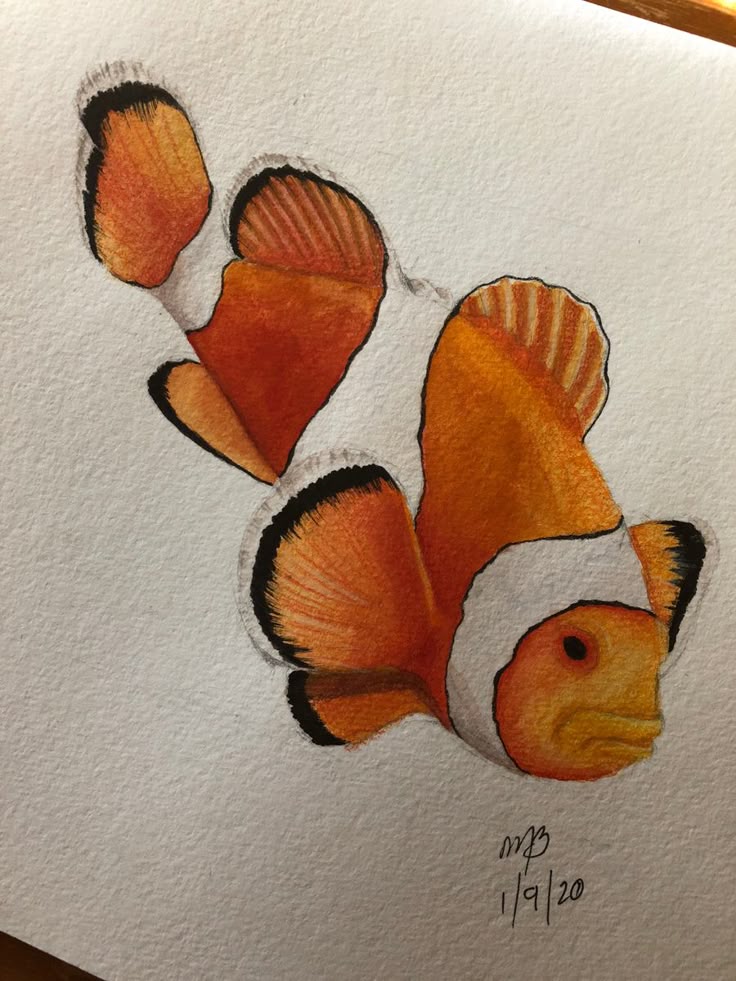
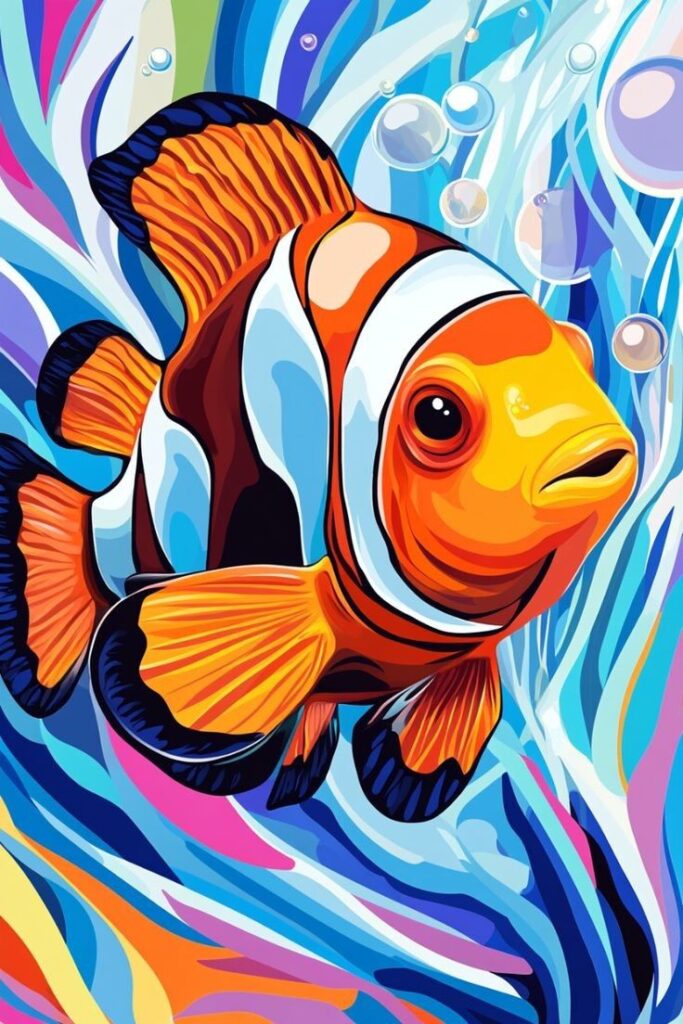
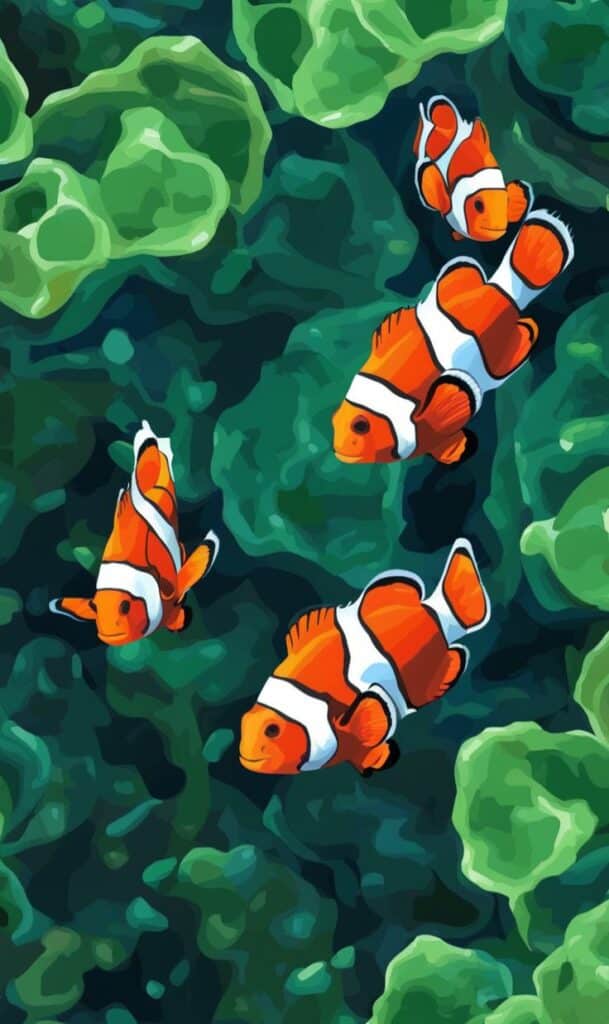
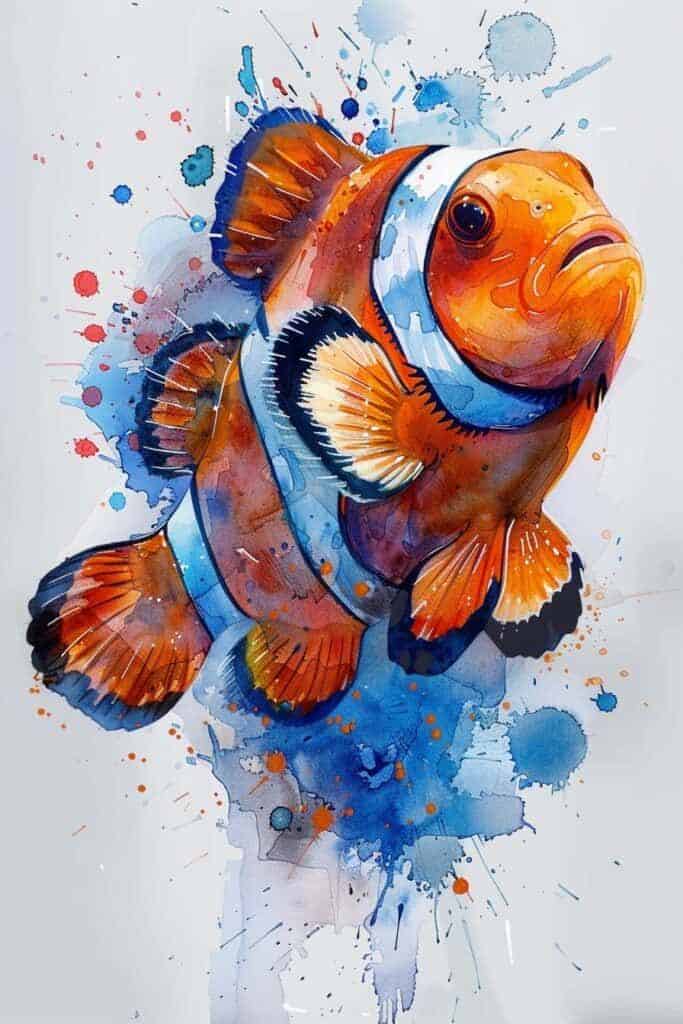
- Clownfish: Immediately recognizable with their bright orange and white stripes, outlined in black. These are great for practicing clear, defined patterns and a more rounded, friendly appearance.
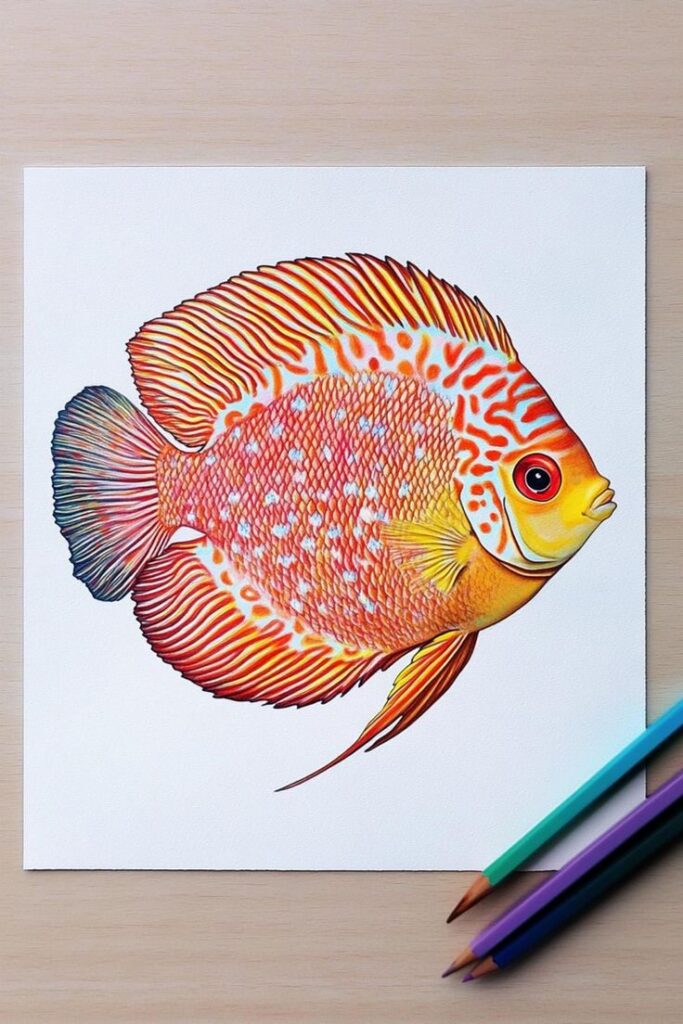
- Discus Fish: Often called the “King of the Aquarium,” discus fish are almost perfectly circular and come in a dazzling array of colors and patterns. They’re excellent for practicing symmetry and intricate color blending.
- Moorish Idol: Famous for its bold black, white, and yellow bands, and a long, flowing dorsal fin. This fish offers a fantastic challenge in capturing distinct patterns and unique proportions.
The Powerful and Predatory


- Sharks: From the sleek great white to the hammerhead, sharks embody power and grace. Focus on their streamlined bodies, sharp fins, and menacing expressions. Use strong, decisive lines to convey their strength.
- Barracuda: Known for their long, slender bodies and impressive teeth, barracudas are all about speed and precision. Capturing their elongated form and predatory gaze can be a thrilling drawing exercise.
- Tuna: These powerful open-ocean swimmers have incredibly muscular bodies. Drawing tuna can help you understand how to depict strength and movement through subtle curves and defined muscle groups.
Adding Movement and Dynamism: Making Your Fish Swim
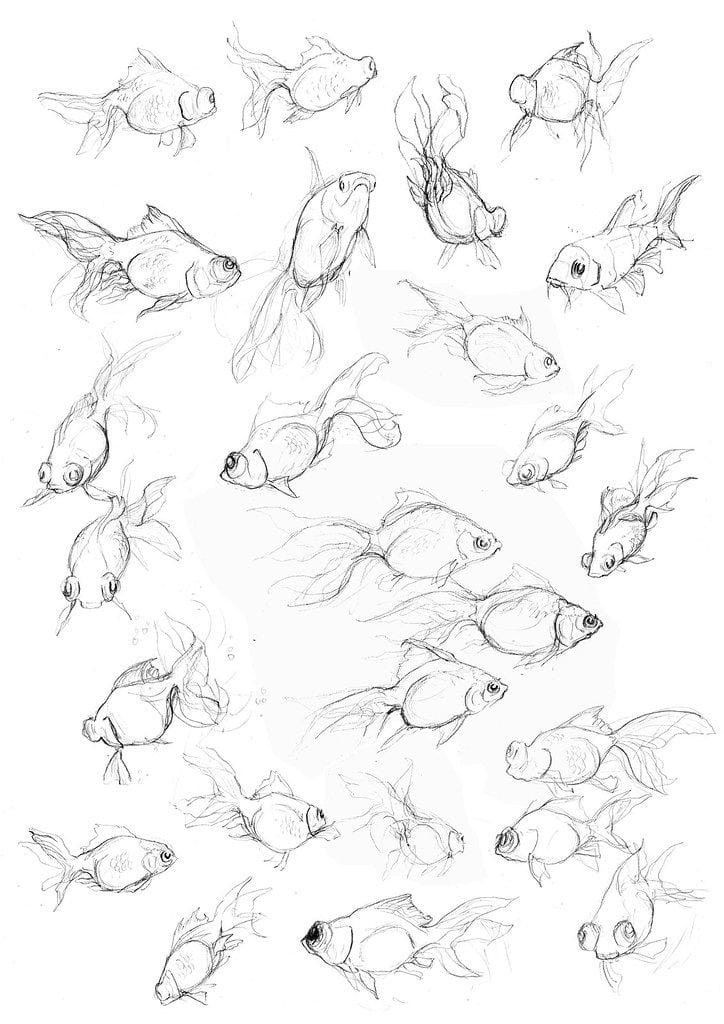
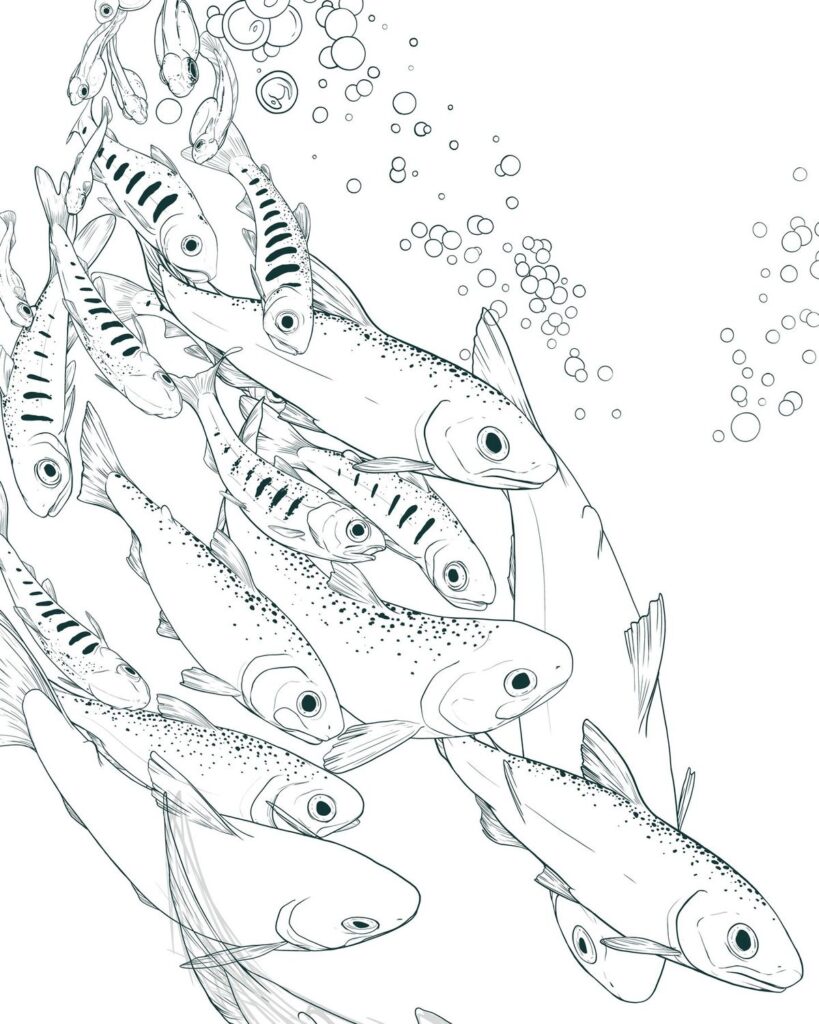
A static fish drawing is nice, but a fish that looks like it’s actually swimming? That’s next level! Here’s how to inject some life into your aquatic art.
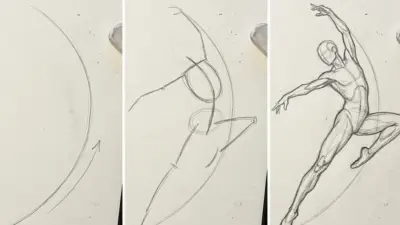
- The S-Curve: The most common way to show movement in fish is through an S-curve for the body. Imagine the fish propelling itself forward, with its body subtly arcing.
- Trailing Fins: As the fish moves, its fins will trail behind, catching the water. Make them slightly wavy or curved to suggest this flow.
- Bubbles and Ripples: Adding bubbles escaping from the mouth or gills immediately conveys an underwater scene. Ripples or subtle currents in the water around the fish also enhance the sense of movement. Consider how light would interact with the water, creating distortions.
- Perspective and Foreshortening: Experiment with drawing fish from different angles. A fish swimming towards you will appear shorter and wider (foreshortened), while one swimming away will have its tail prominent. This adds depth and dynamism to your composition.
Creative Styles and Techniques: Beyond Realism
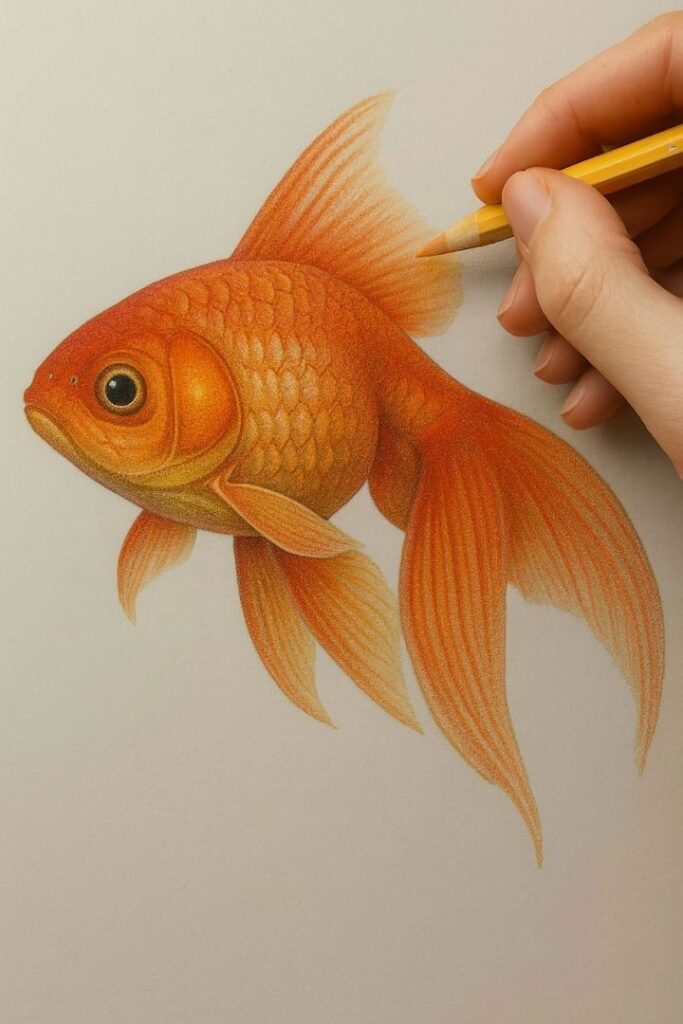
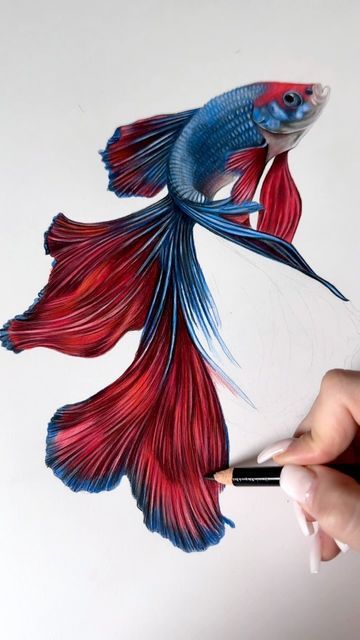
Drawing fish isn’t just about perfectly replicating what you see. It’s also about expressing your unique artistic voice! There are countless styles and techniques to explore.
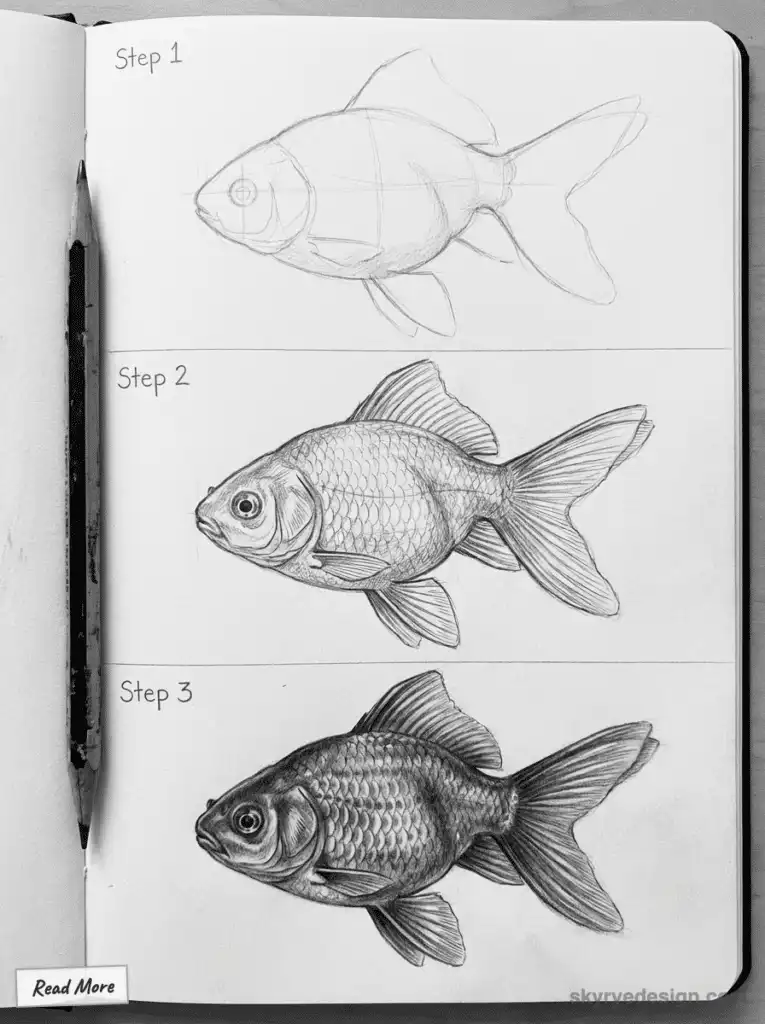
- Cartoon and Anime Style: If you love exaggeration and vibrant characters, try drawing fish in a cartoon or anime sketching technique. Think big eyes, expressive mouths, and simplified forms. This approach often uses bold outlines and flat colors, making it super fun and accessible.
- Abstract Fish Art: Don’t feel confined by realistic shapes! Break down the fish into geometric forms, use non-traditional colors, or focus on patterns and textures inspired by fish, rather than the fish itself. This can lead to some truly unique and thought-provoking pieces.
- Zentangle Fish: Zentangle is a meditative drawing method using structured patterns. Outline a fish, then fill it with intricate, repetitive designs. This creates stunning, complex artwork that’s both calming to make and beautiful to behold.
- Tribal or Indigenous Art-Inspired Fish: Look to traditional art forms for inspiration. Tribal fish designs often feature strong, stylized lines, symbolic patterns, and a focus on essential forms. This can be a powerful way to explore cultural aesthetics through your fish art. You might even find inspiration from unique styles like Chicano art drawings for bold outlines and artistic motifs.
- Line Art and Hatching: Focus on using only lines to create your fish. Experiment with cross-hatching, stippling, or contour lines to add depth and texture to your drawing. This is a fantastic way to practice your control and preciIf you’re seeking to improve your drawing precision and capture finer details, I understand that it can sometimes feel challenging.
- Practicing basic skills, like drawing hair, can enhance your fine motor control, which is vital for depicting details like fish scales or fins. With patience and practice, you’ll see improvement in your art!
Bringing Your Fish to Life with Color
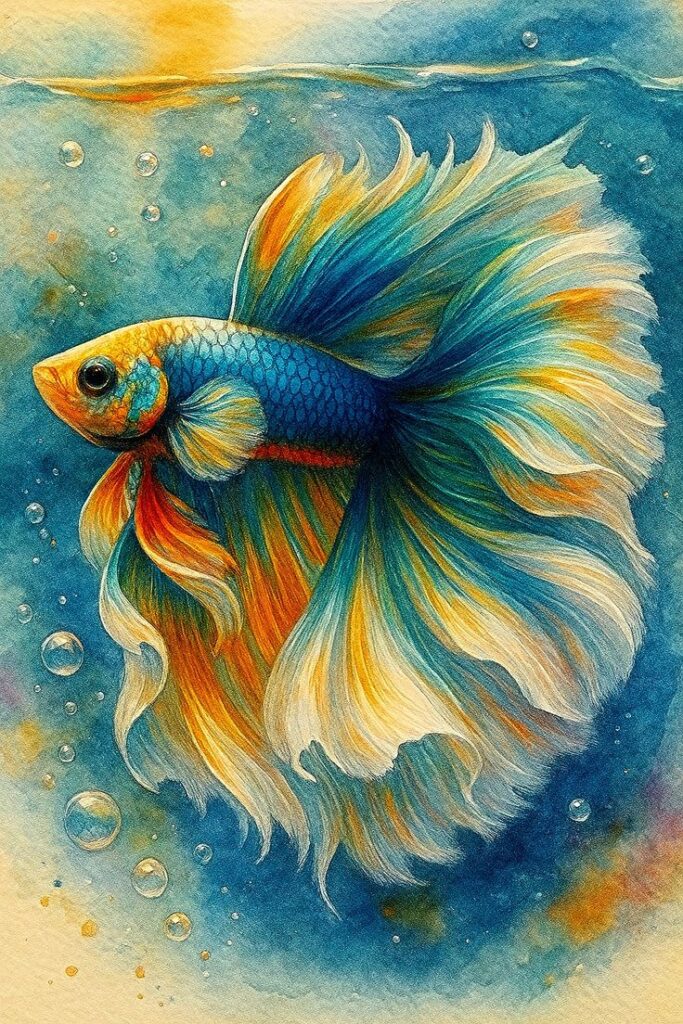
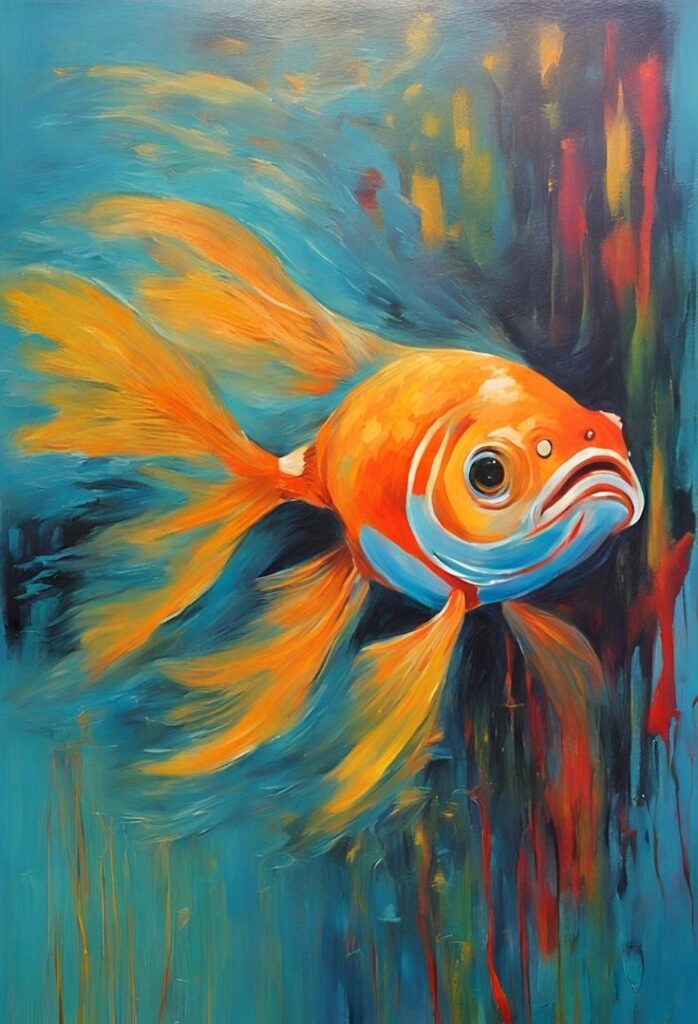
Color is where fish truly come alive! The aquatic world is bursting with an incredible spectrum of hues.
- Understanding Color Theory: Grab your tools and unleash your creativity! Exciting masterpieces await your imagination. Enjoy every moment of your artistic journey!A basic understanding of color theory can transform your fish drawings. Learn about primary, secondary, and tertiary colors, as well as complementary and analogous colors. For example, using a bit of orange (complementary to blue) in a predominantly blue fish can make it pop.
- Shading and Highlights: Don’t just color your fish flat! Think about where the light source is coming from. Add darker shades in areas turned away from the light or in shadow (like under fins or beneath the belly). Use lighter tones or even white highlights on scales, the top of the head, or the edge of fins where the light hits directly. This creates a sense of form and dimension.
- Color Blending: Whether you’re using colored pencils, markers, or digital brushes, learn to blend colors smoothly. Fish often have gradients of color that shift from one hue to another, especially on their bodies and fins.
- Vibrancy vs. Subtlety: Decide on the mood you want to convey. Tropical fish often demand vibrant, high-contrast colors, while a deep-sea creature might benefit from more muted, mysterious tones. For a fun way to experiment with color and pattern, consider exploring resources like ColoringBook AI to generate different coloring options and ideas.
Setting the Scene: Aquatic Environments
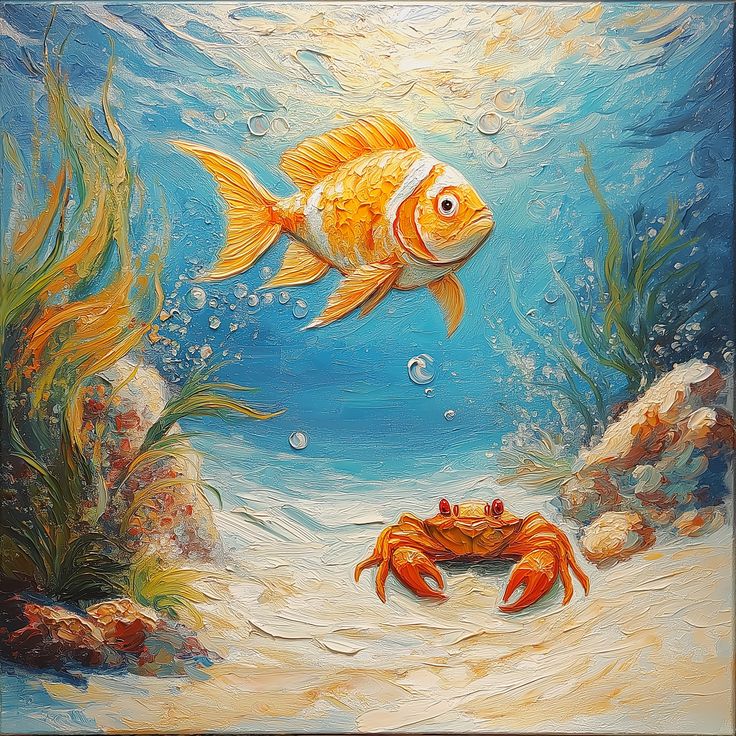
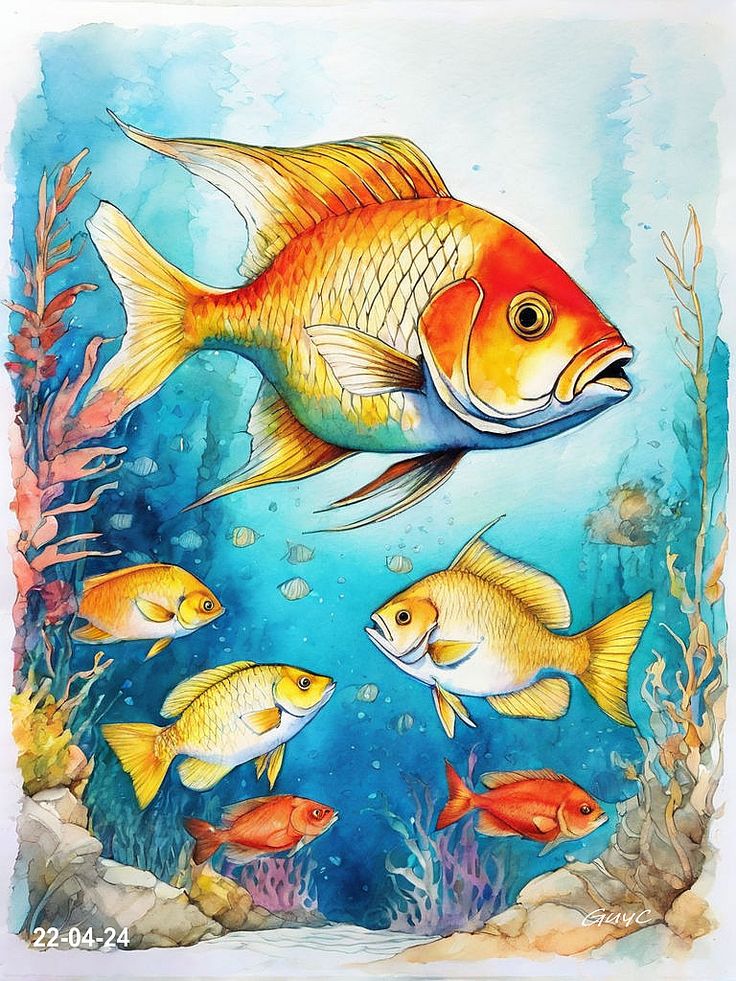
A fish swimming in a blank space is fine, but a fish in its natural habitat tells a story. Adding an environment can significantly elevate your drawing.
- Coral Reef: This is a fantastic setting for colorful fish. Draw vibrant corals, anemones, and other reef life. Focus on contrasting colors and intricate textures.
- Deep Sea: For a mysterious and dramatic vibe, draw a deep-sea environment. Think dark blues and blacks, with bioluminescent creatures and faint light filtering from above. This is great for drawing anglerfish or jellyfish.
- Murky Pond or River: If you’re drawing freshwater fish like bass or catfish, a pond or river setting with reeds, submerged logs, and cloudy water can be very effective. Use muted greens, browns, and grays.
- Underwater Plants: Simple kelp, seaweed, or other aquatic plants can add depth and realism to any underwater scene.
- Bubbles and Light Rays: Don’t forget the small details! Streams of bubbles add movement, and rays of light piercing through the water’s surface can create a magical atmosphere.
Advanced Fish Drawing Challenges: Push Your Limits!
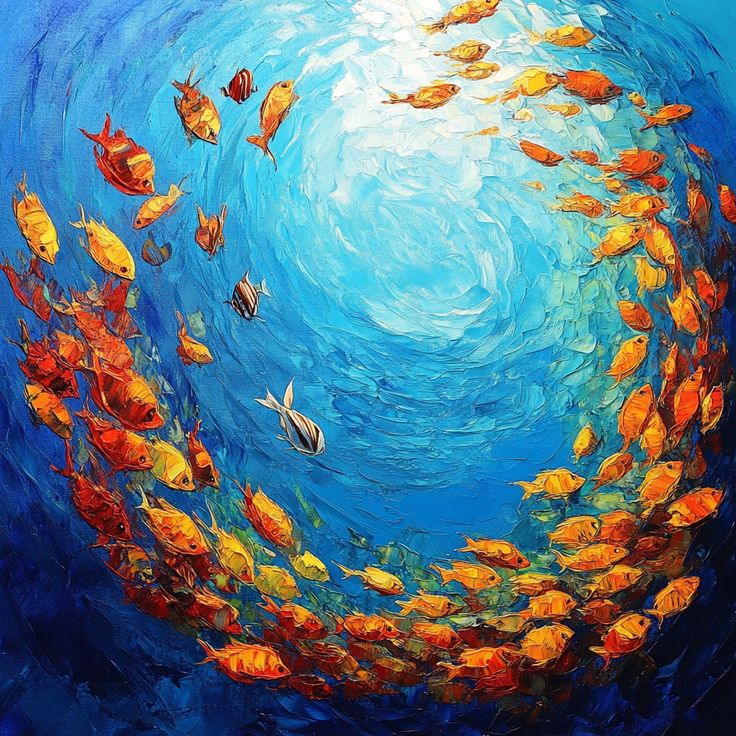
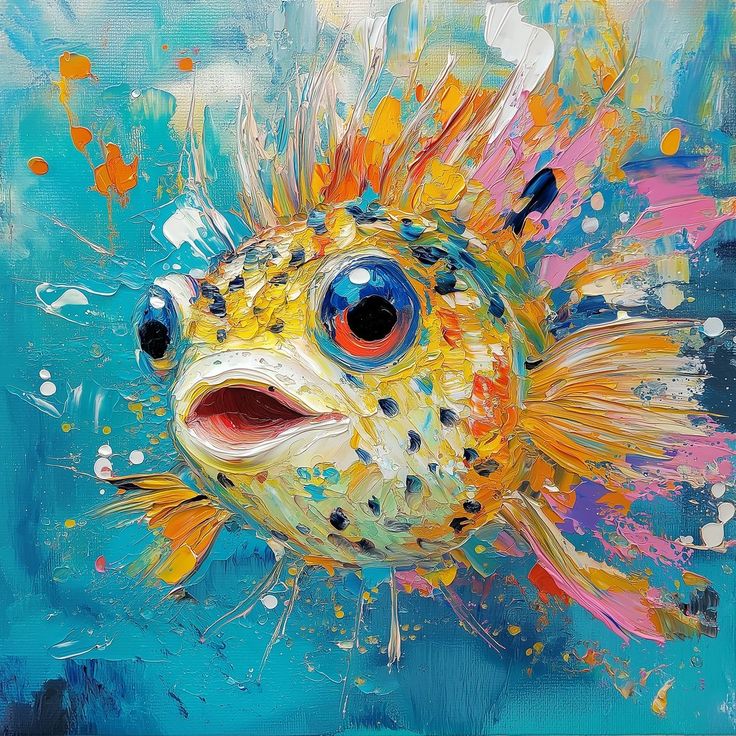
Ready for some serious artistic growth? These ideas will challenge your skills and push your creativity.
- Intricate Scales: Drawing realistic scales can be painstaking but incredibly rewarding. Study different types of scales (cycloid, ctenoid, placoid) and how they overlap. This requires patience and attention to detail.
- Bioluminescence: Many deep-sea fish produce their own light. Experiment with creating glowing effects using bright colors against dark backgrounds, along with subtle blurs and light flares.
- Reflective Surfaces: Drawing fish with highly reflective scales or wet skin can be a challenge. Observe how light bounces off these surfaces and how highlights form.
- Complex Compositions: Instead of a single fish, try drawing a school of fish, or a predatory fish interacting with its prey. This involves understanding perspective, composition, and dynamic interaction.
- Mythical Fish Creatures: Let your imagination run wild! Combine features of different fish, add wings, multiple tails, or human-like elements to create your own fantastical aquatic beings. Think mermaids, sea serpents, or hybrid fish.
Beyond the Pencil: Digital Fish Art
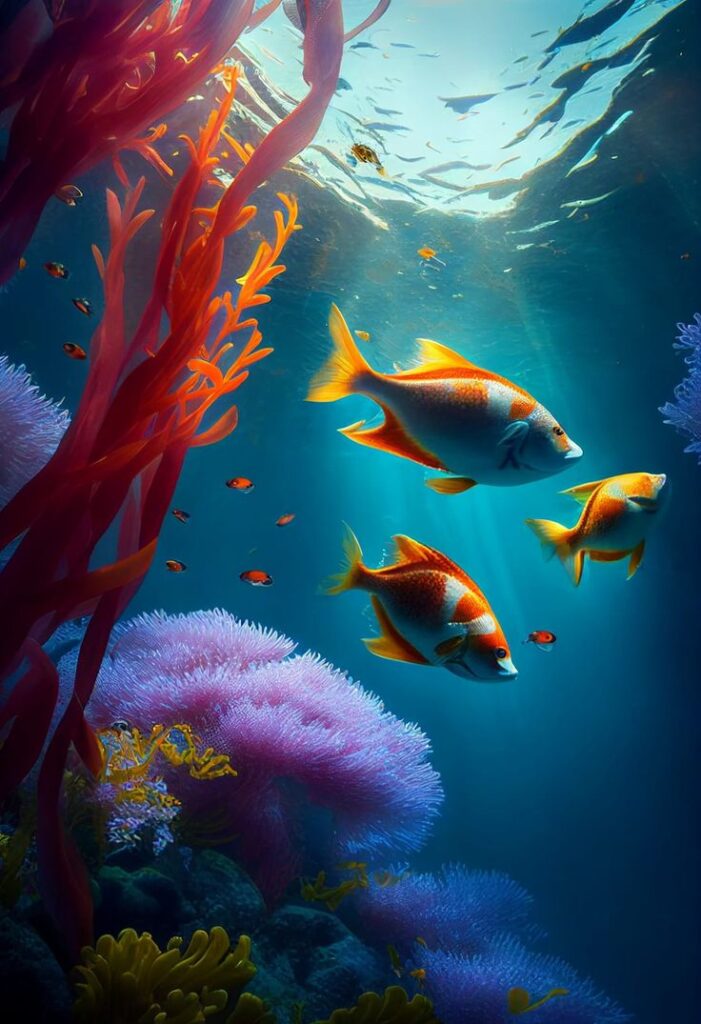
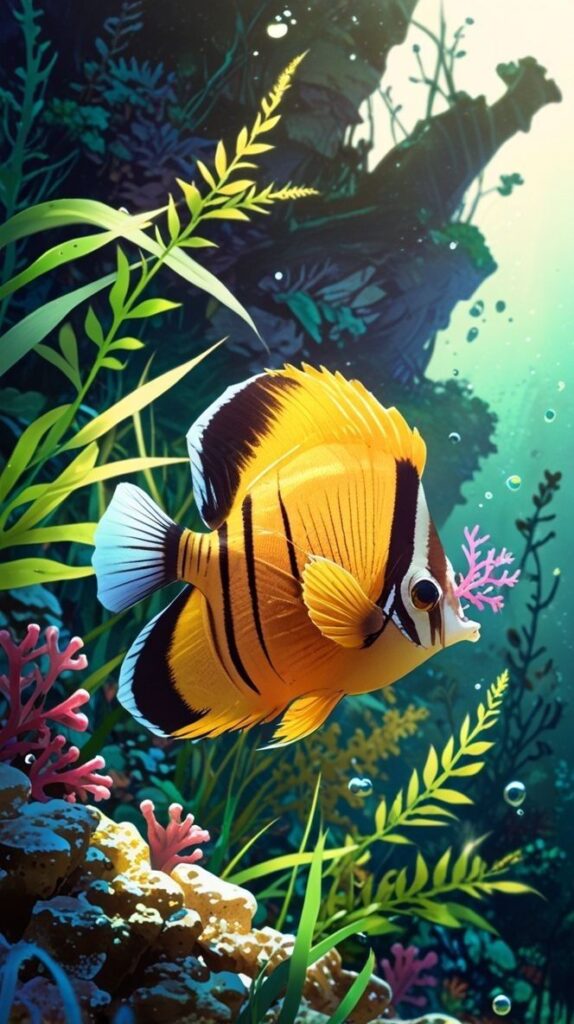
Digital art offers a powerful platform for fish drawing. The ability to layer, blend, and experiment with colors and textures without commitment makes it incredibly versatile.
- Software and Tablets: As mentioned, programs like Procreate (for iPad), Photoshop, Clip Studio Paint, and Krita (free) are excellent choices. Pair them with a pressure-sensitive tablet (Wacom, Huion, XP-Pen) for the best experience.
- Brushes and Textures: Digital art software offers a vast array of brushes. Experiment with brushes that mimic watercolors, oil paints, or even textured surfaces to create unique fish skins or watery effects.
- Layering for Depth: Use layers to build your drawing. Start with a sketch layer, then add base colors on another layer, shading on a third, and highlights/details on top. This non-destructive workflow allows for easy adjustments.
- Animation (Bonus!): If you’re feeling adventurous, many digital art programs also let you create simple frame-by-frame animation. Imagine your fish swimming across the screen!
Practice Makes Perfect (and Fun!)
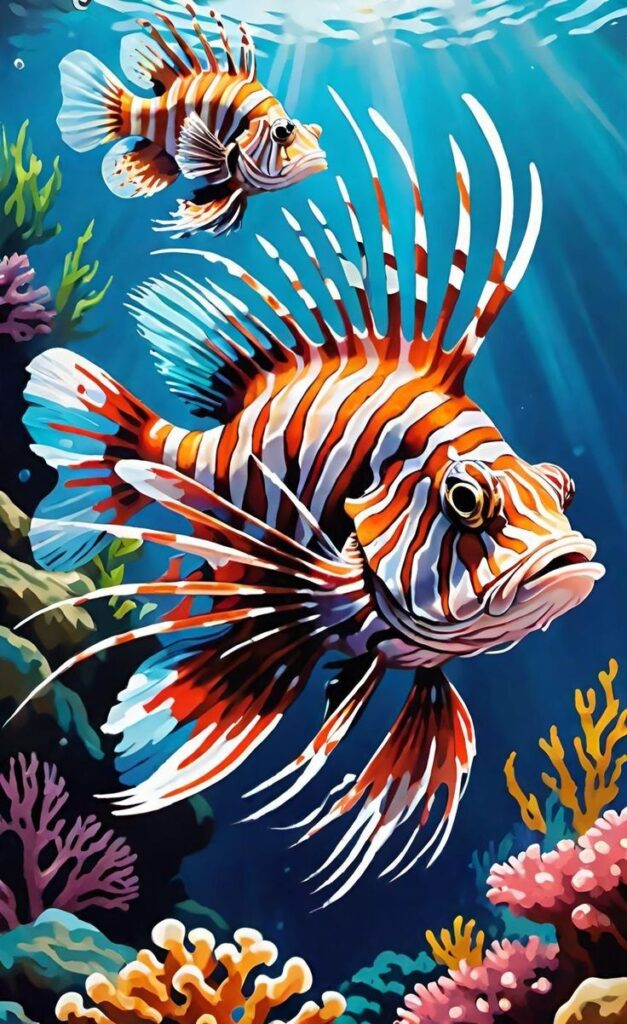
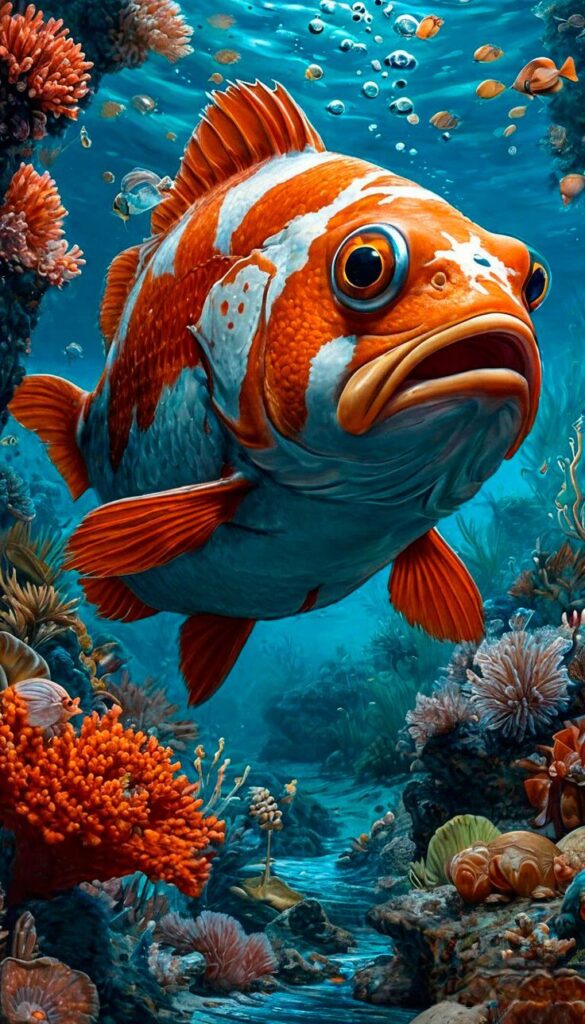
Like any skill, drawing fish improves with practice. Don’t be afraid to make mistakes – they are learning opportunities!
- Draw from Reference: Use photos, videos, or even live aquariums as reference. Observing real fish helps you understand their forms and movements.
- Sketch Regularly: Dedicate a few minutes each day to sketching. Even quick, rough sketches can help you develop your eye and hand-eye coordination. You might even find it helpful to practice general drawing techniques, such as those for hand drawing, to improve your fundamental skills.
- Experiment with Medium: Try different pencils, pens, markers, watercolors, or pastels. Each medium has its own unique qualities and can open up new artistic avenues.
- Join a Community: Share your work online or with friends. Getting feedback can be incredibly valuable, and seeing others’ art can be a massive source of inspiration.
Dive In and Create!
There you have it – a whole ocean of fish drawing ideas to inspire your next masterpiece! From simple goldfish to majestic sharks, the aquatic world offers endless wonder for artists. Remember, art is a journey, not a destination. Embrace the process, enjoy the challenge, and don’t be afraid to experiment. Each stroke of your pencil or brush is a step towards expressing your unique vision.
Pick up your tools and let your creativity flow. Who knows what amazing creations you’ll make! Happy drawing!
What essential tools are needed for starting to draw fish?
A basic graphite pencil set, standard drawing paper, an eraser, and a sharpener are sufficient for traditional drawing; digital artists can use a drawing tablet, stylus, and software like Procreate or Photoshop.
How can I simplify fish anatomy before drawing more complex designs?
Begin by breaking the fish down into basic geometric shapes, such as ovals or diamonds for the body, circles for the head, and triangles or fan shapes for the fins. Gradually refine these shapes into more detailed features.
How can I make my fish drawings look more dynamic and lifelike?
Add a sense of movement by drawing the body in an S-curve, including trailing fins, bubbles, ripples, and using perspective or foreshortening to create depth, making the fish appear as if it’s actively swimming.
- 198shares
- Facebook0
- Pinterest198
- Twitter0
- Reddit0