Consistent practice is the secret ingredient that fuels creativity. If you’re excited to level up your art, having a collection of sketching tips and tricks right at your fingertips can make all the difference. Instead of feeling stuck, you’ll find yourself experimenting, learning, and watching your skills blossom with every stroke. Below, you’ll find a friendly, step-by-step approach to help you start drawing sketches with confidence while keeping the fun factor alive.
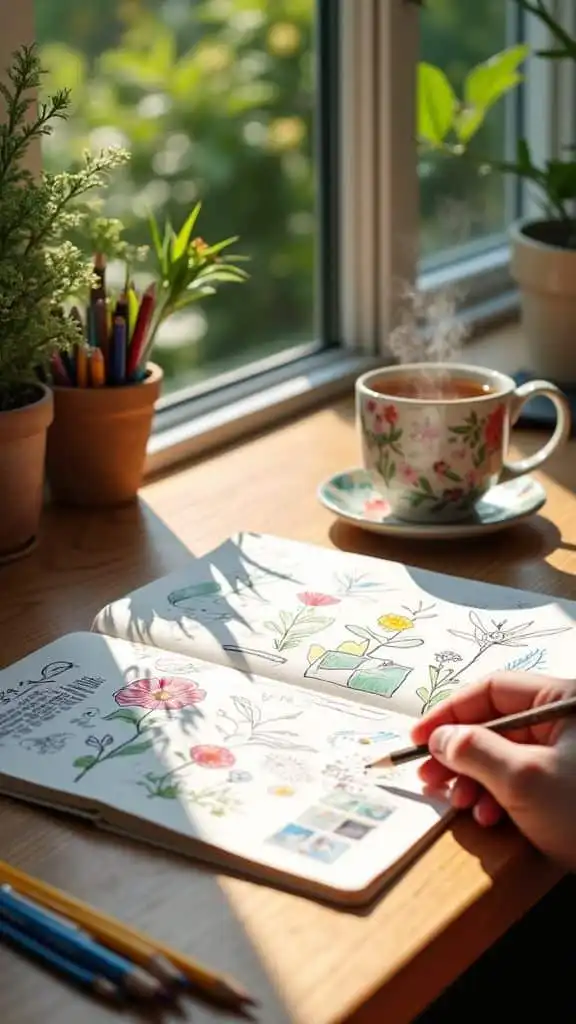

Gather Your Drawing Essentials
Choose the Right Paper
- Pick paper designed for your medium. Heavier, textured paper can handle pencils, charcoal, or even Neocolors. Trying different surfaces is key to finding a comfortable match [1].
- Experiment with various textures (smooth, rough, colored) to see which one supports your personal style.
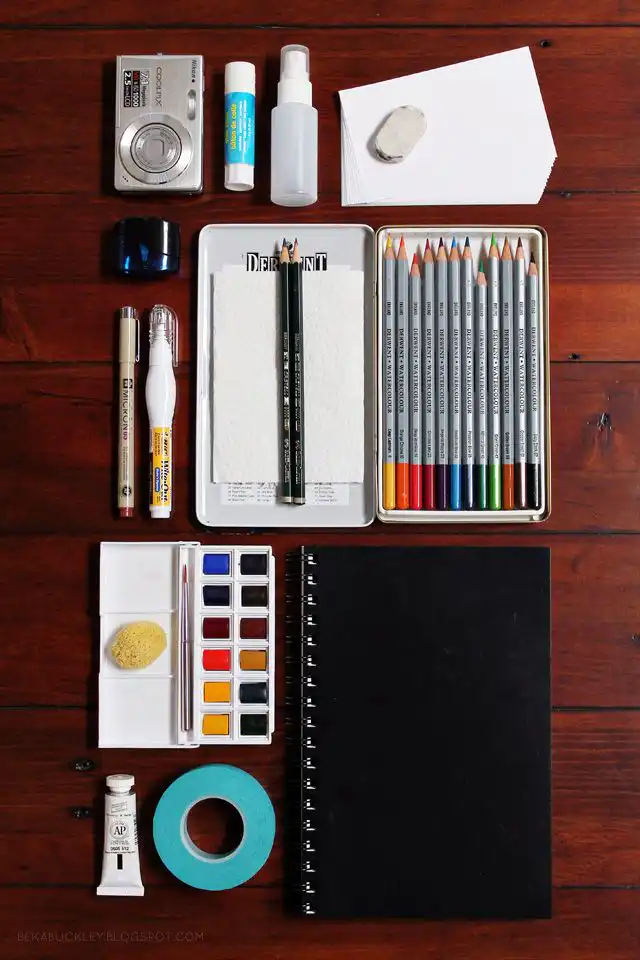
Pick a Variety of Tools
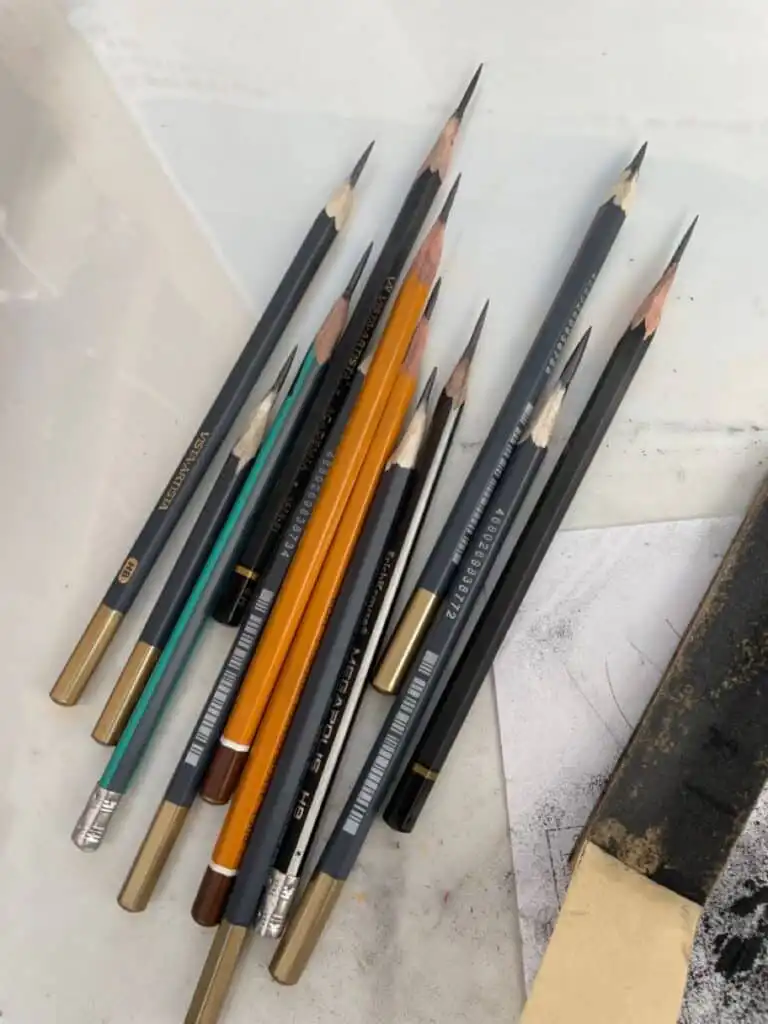
- Stock up on a range of graphite pencils, from harder (2H) to softer (4B or 6B), so you can explore different values in your sketches [2].
- Use pens, felt tips, or even dip pens to strengthen your line work. Mark-making with pens promotes deliberate strokes and enhances your overall drawing efficiency.
Warm Up Before You Draw
Loose Mark-Making
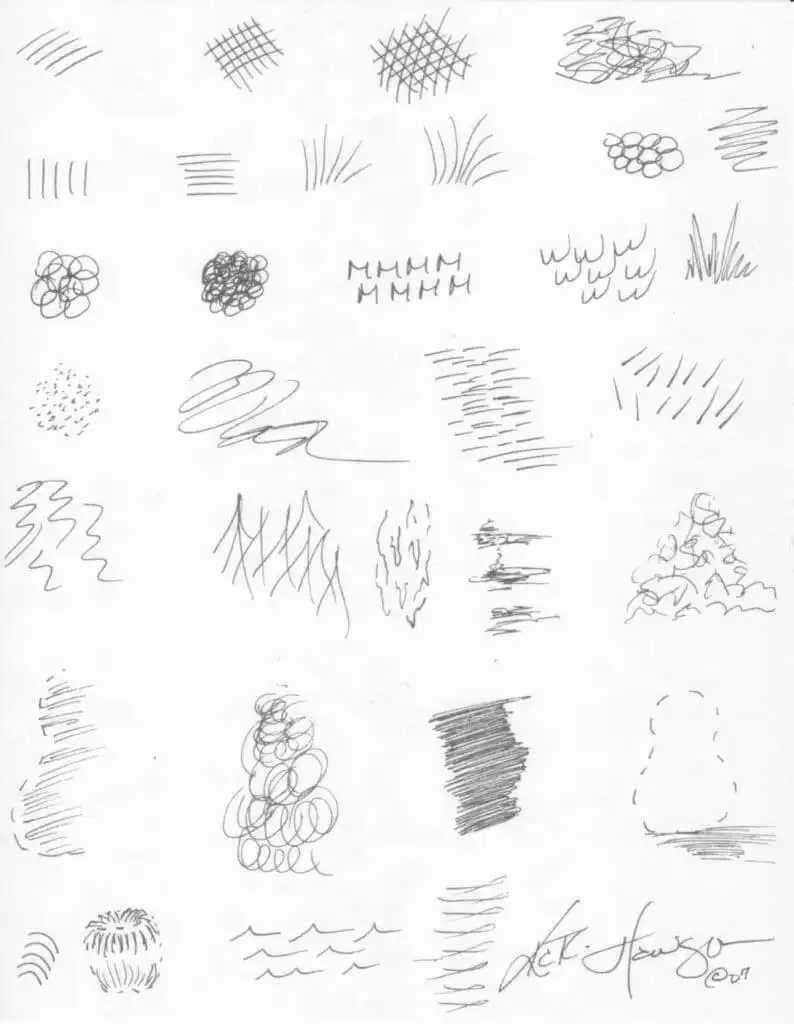
- Begin each drawing session with simple scribbles or doodles. Quick circles, lines, or repetitive shapes help loosen your wrist and sharpen hand-eye coordination [3].
- Experiment with pressure: lightly pressing for faint lines or pressing harder for dark strokes. This flexibility fosters better control and a smoother flow.
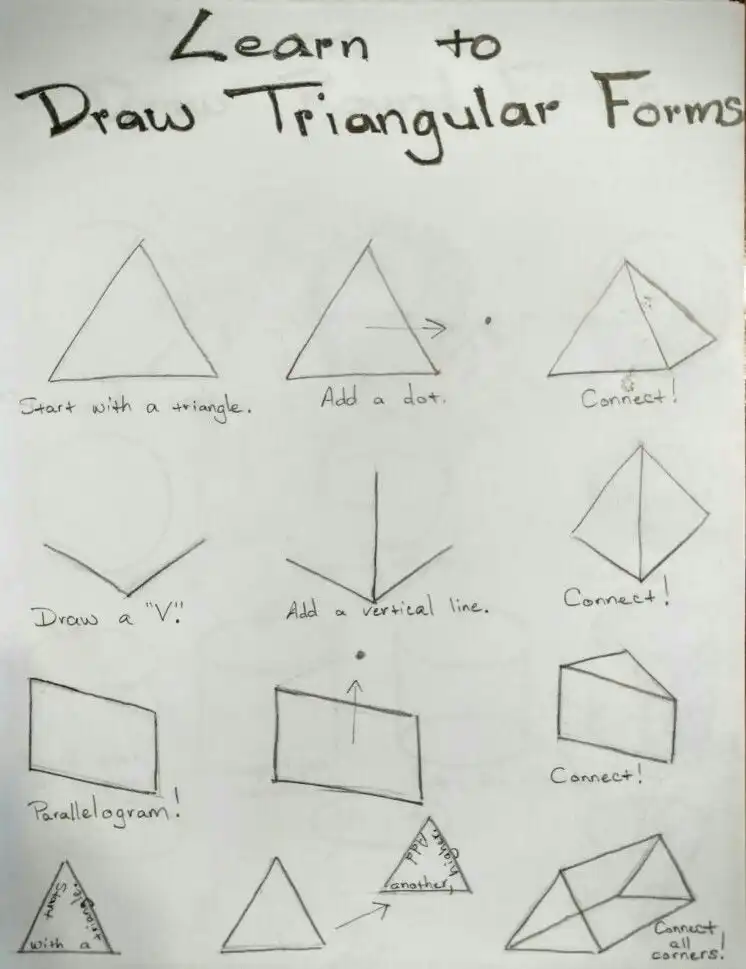
Basic Shapes As Building Blocks
- Break down subjects into circles, squares, or triangles. Start lightly while focusing on their rough proportions [3].
- Gradually refine angles and outlines so your final shape looks more accurate.
Follow A Four-Step Sketching Approach
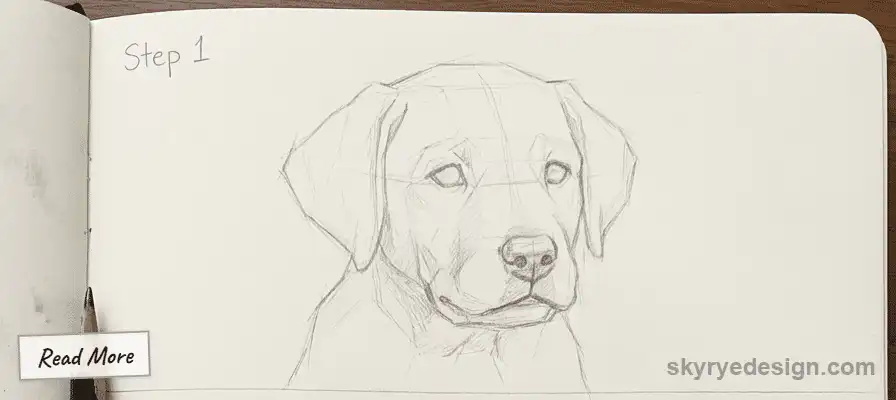
1. Rough Sketch
- Create a loose outline, placing the major elements without fussing over details or correct proportions yet [4].
- Use a hard pencil (4H) so you can erase easily if you need to reshape anything.
Optional Black Spotting
- If you plan to emphasize strong shadows or highlights, lightly fill in your darkest areas on a separate layer or piece of paper to preview the tonal balance of your design.
2. Construction
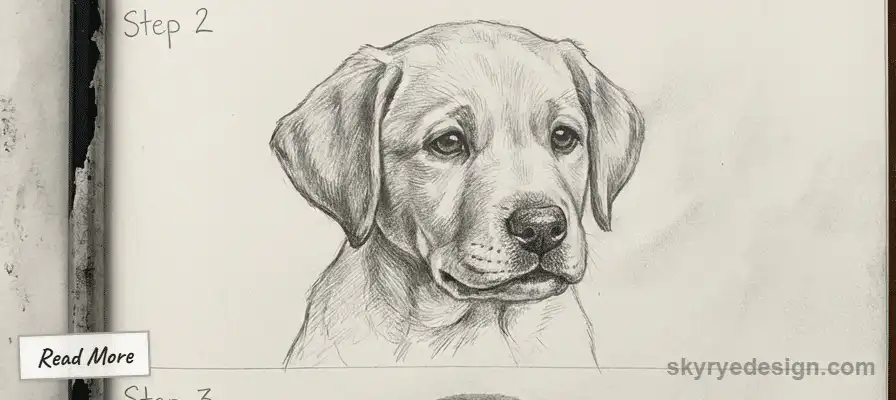
- Hone the proportions by measuring angles and relationships. Keep lines light and be ready to adjust as needed.
- Emphasize alignment between elements (like eyes on a portrait or limbs on a figure) before adding details.
3. Tight Sketch
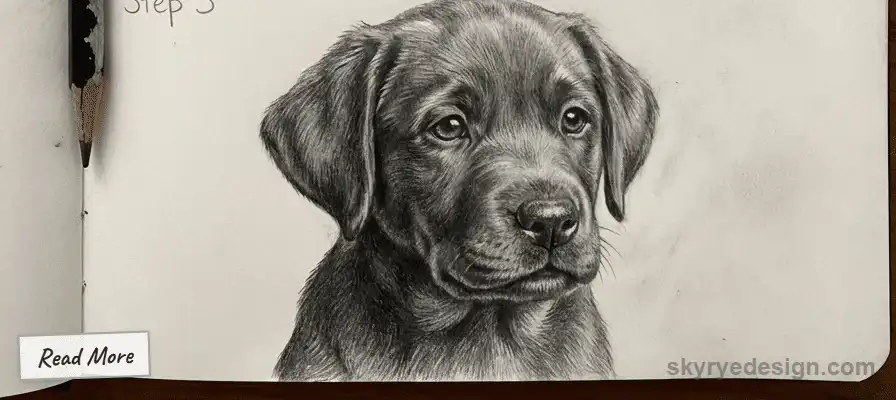
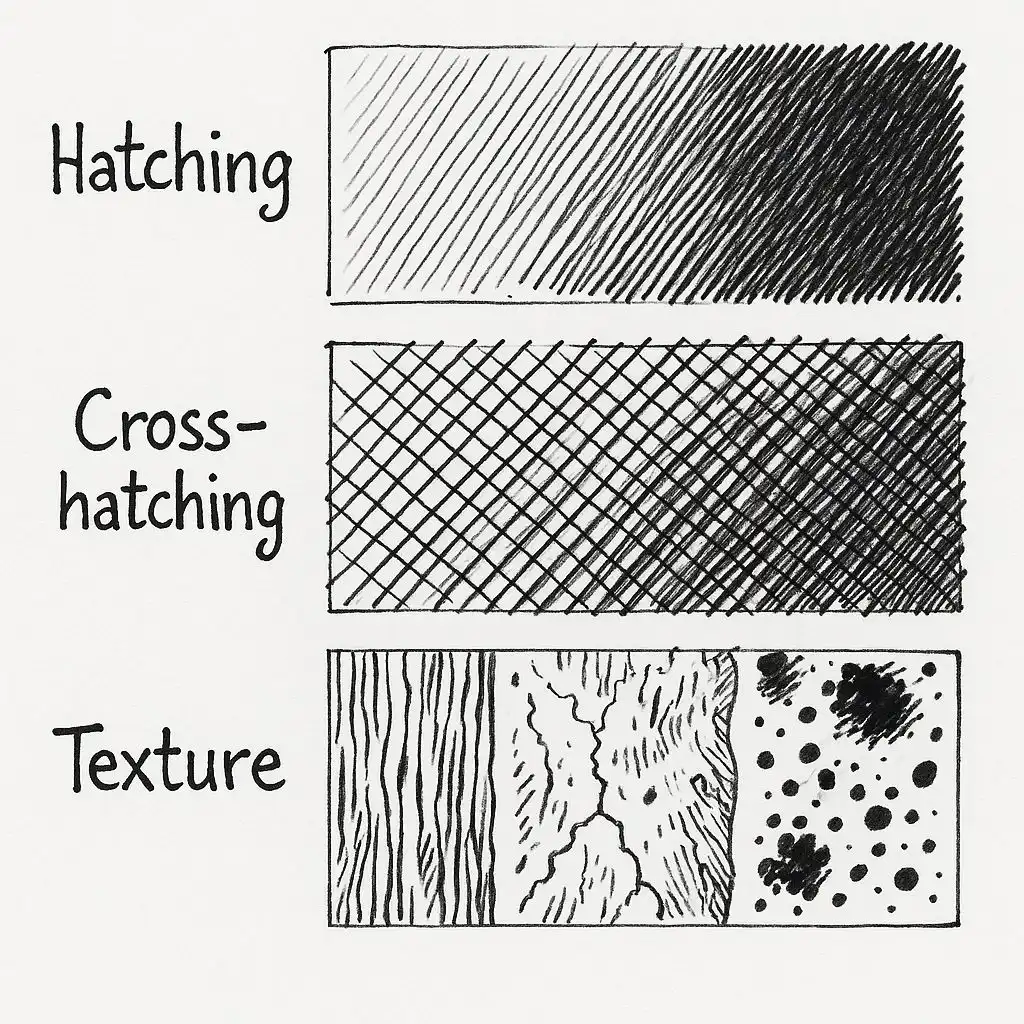
- Refine individual elements, define clear lines, and start shading with gentle pencil strokes or hatching.
- Apply a range of values, from dark tones to pale highlights, to communicate depth and volume [1].
- Darken focal areas and shapes that need emphasis.
- Erase stray lines, and add small texture details (like fur direction or leaf veins) to bring your sketch to life [5].
Experiment With New Techniques
Stippling And Cross-Hatching
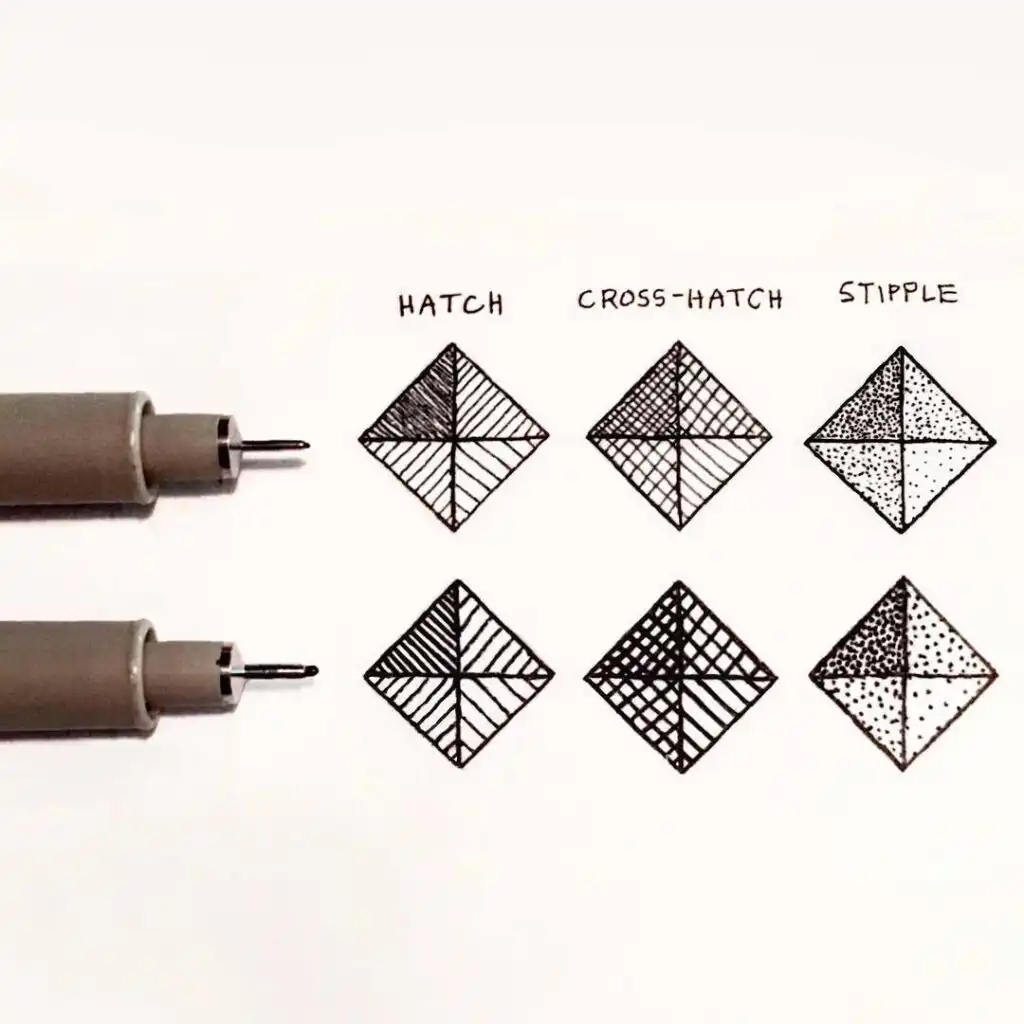
- Try stippling by making small dots more densely in dark areas and more sparingly in light sections. This technique gives gentle, painterly shading [5].
- Broken cross-hatching adds a gritty, industrial vibe by overlaying perpendicular lines in a rough, patchy style.
Frottage For Texture
- Place your paper over a textured surface (like tree bark or a tiled floor) and lightly rub your pencil or charcoal across it. This method can lend dramatic flair to backgrounds or add realistic texture to your sketches [5].
Practice Little And Often
- Even just 15–30 minutes of daily drawing directly boosts your skill level over time [6].
- Capture everyday items on the spot. Sketch coffee mugs, patterns, or anything that catches your eye. This habit helps you see lines, shapes, and textures in ordinary surroundings.
FAQs About Sketching Tips And Tricks
How Long Should I Practice Each Day?
Aim for at least 15–30 minutes. Consistency makes a huge difference in building foundational drawing skills.Do I Need Expensive Supplies To Start?
Not at all. Simple pencils, affordable paper pads, and a good eraser are enough for beginners. You can always upgrade as your style evolves.How Do I Make My Sketches Look More Realistic?
Focus on values—light, midtones, and shadows—rather than outlines alone. Gradual shading with proper highlights brings depth and realism to your sketch.What If I Get Frustrated With My Progress?
Sketching is a gradual skill. Set achievable goals and celebrate small victories. Take breaks, explore new techniques, or loosen up with fun doodles.Can I Use Pens Instead Of Pencils?
Yes. Pens push you to commit to each line, boosting your confidence and mark-making skills. They’re also great for quick, on-the-go sketches.
With these sketching tips and tricks, you’ll feel more inspired and confident every time you pick up a pencil (or pen). Embrace the journey, enjoy the process, and watch your creativity flourish.
References
- (The Virtual Instructor)
- (The Virtual Instructor)
- (Julia Bausenhardt)
- (reddit.com)
- (Mont Marte)
- (Daisy Yellow)
- 12shares
- Facebook0
- Pinterest12
- Twitter0
- Reddit0