Drawing architectural details has a way of feeling overwhelming—but don’t worry, you’re not alone. Whether it’s a home renovation or a larger commercial project, getting the details right makes all the difference. Below, you’ll find eight practical tips to boost your confidence and speed when drawing architectural details.
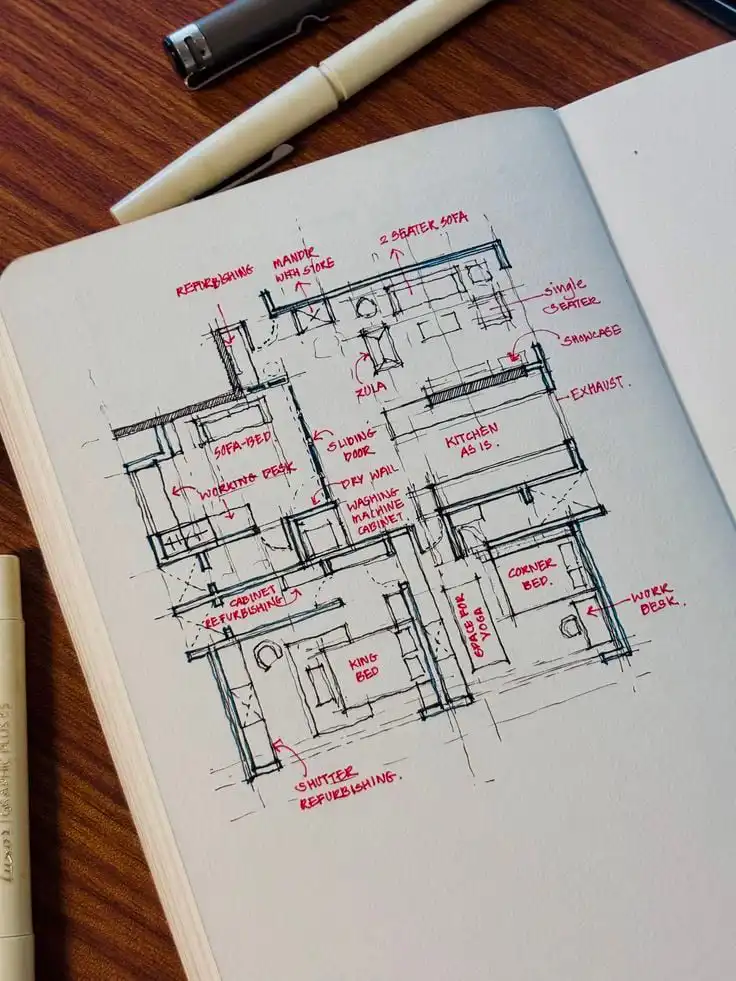
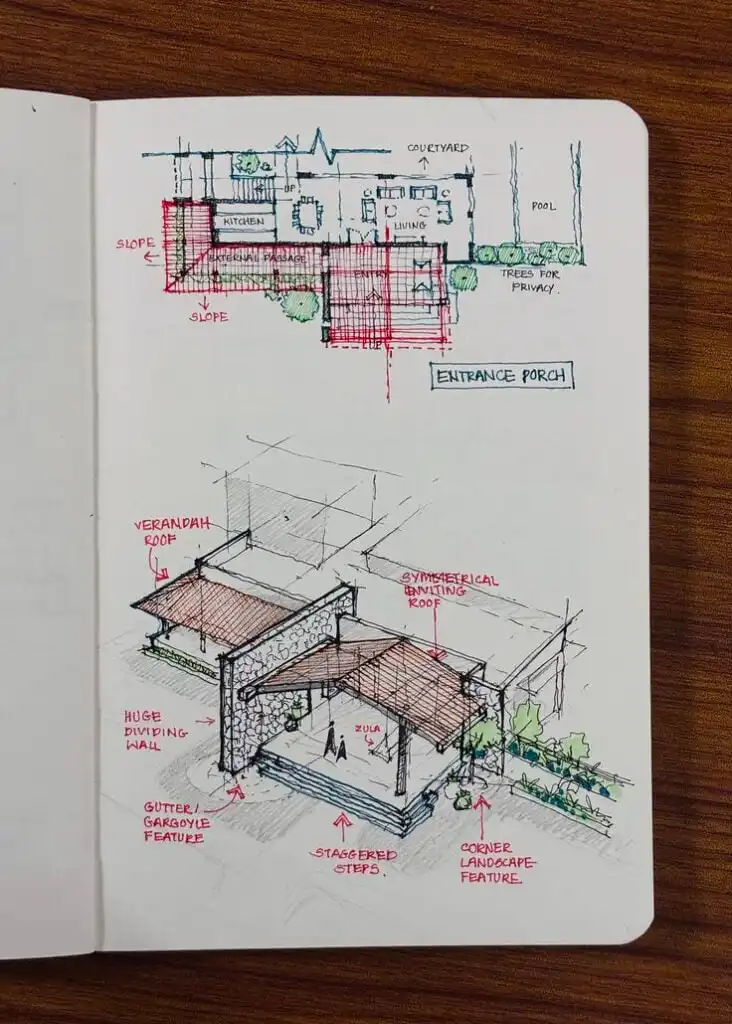
Gather essential tools
Nothing supercharges your confidence like having the right gear. If you’re opting for manual drafting, invest in a T-square, drafting triangles, and mechanical pencils with varied lead thickness (0.3 mm or 0.5 mm are common) for precise line work (Drafting Supplies DEW). For artistic flair, fineliner pens and color markers can highlight specific elements or convey material finishes (Sketch Like An Architect).
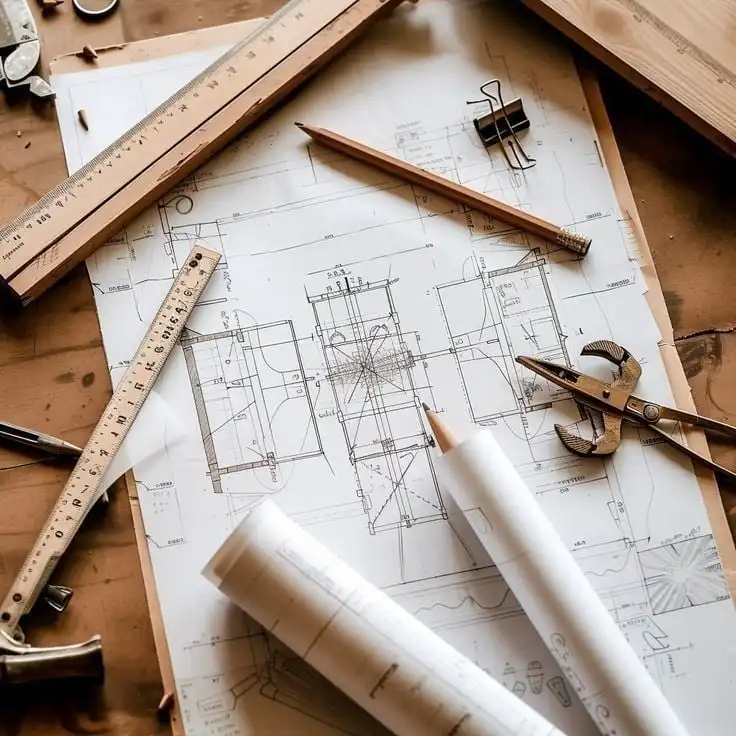
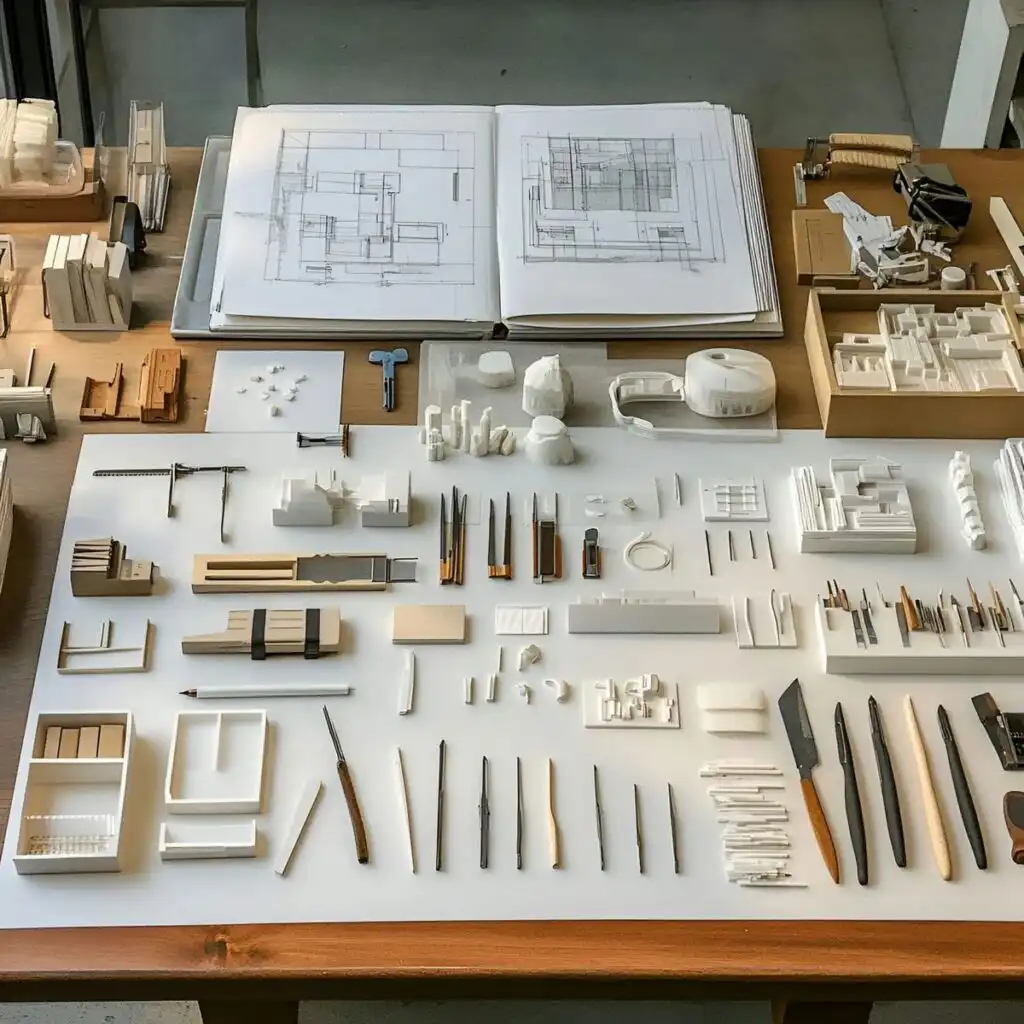
Master your line weights
When drawing architectural details, varied line weights create visual clarity. Heavier lines often define sections or borders, while lighter lines show underlying elements or background details (Architizer). This layer of depth helps everyone reading your drawings understand which parts demand the most attention.
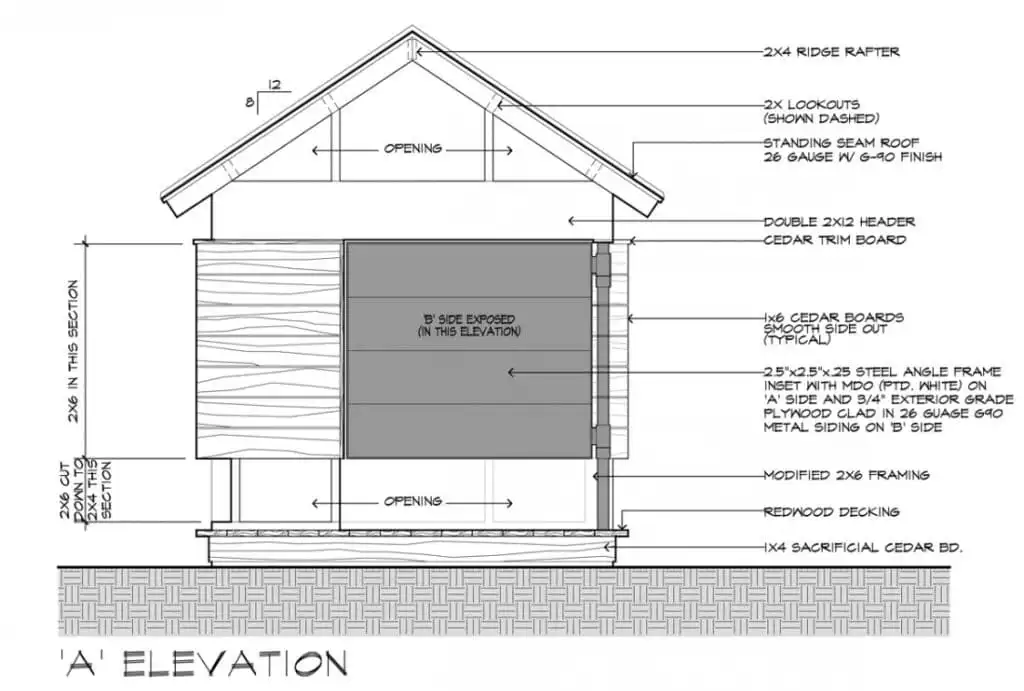
Study real precedents
A great way to learn is by examining how other structures were built. Visit completed projects or review architectural case studies to see how details like roof eaves or window frames come together. Websites like Architizer outline the importance of researching local climate, materials, and building codes so you can anchor your details in real-world performance.
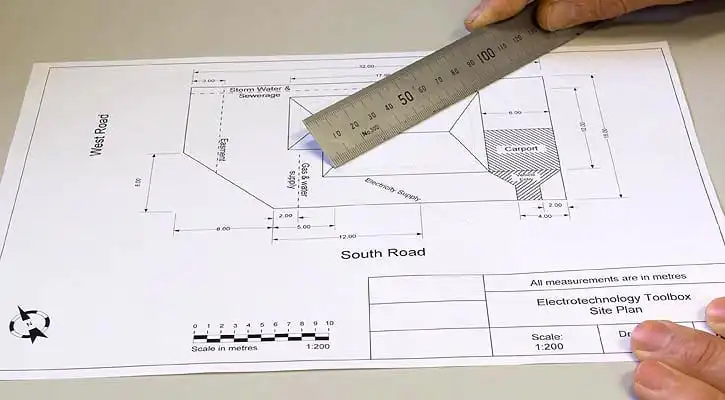
Use a consistent scale
A standard scale makes your drawing more predictable and prevents guesswork on site. In many construction projects, 1:100 is common for floor plans, 1:10 or 1:5 works for close-up details, and 1:500 is often used for site plans (Cedreo). Choose one that fits your page size and ensures all relevant information remains clear.
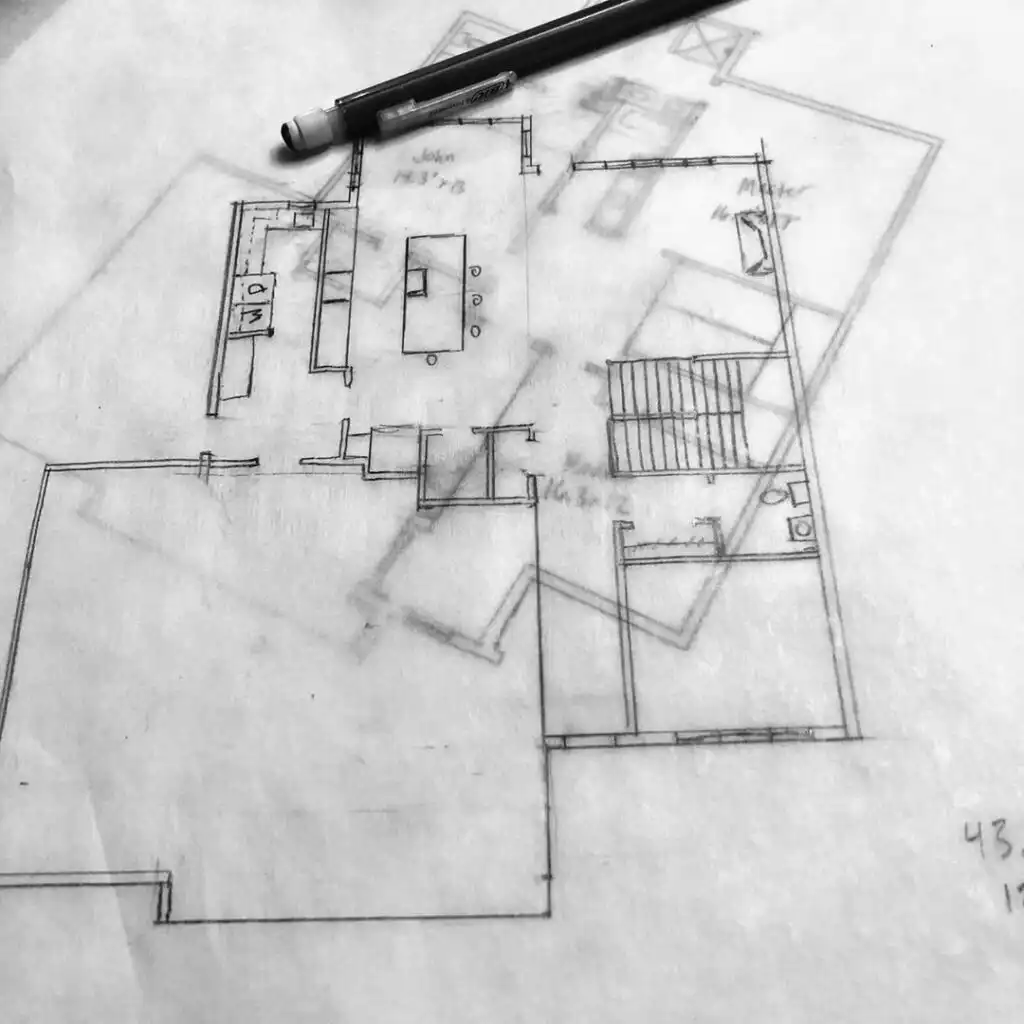
Layer with tracing paper
Tracing paper is your friend when iterating ideas. It’s easy to overlay new details or test different material textures without redoing everything from scratch (Sketch Like An Architect). If you’re working on a complex area, simply stack another tracing sheet to explore alternatives for window details, roof lines, or ornamental trim.

Focus on function and style
Architectural detailing is about making things look beautiful and making them perform. Differentiating between “technical detailing” and “design detailing” means addressing water barriers, thermal breaks, and structural integrity while ensuring aesthetics shine through (Archisoup). Keep both elements in mind so your drawings stay attractive and realistic.
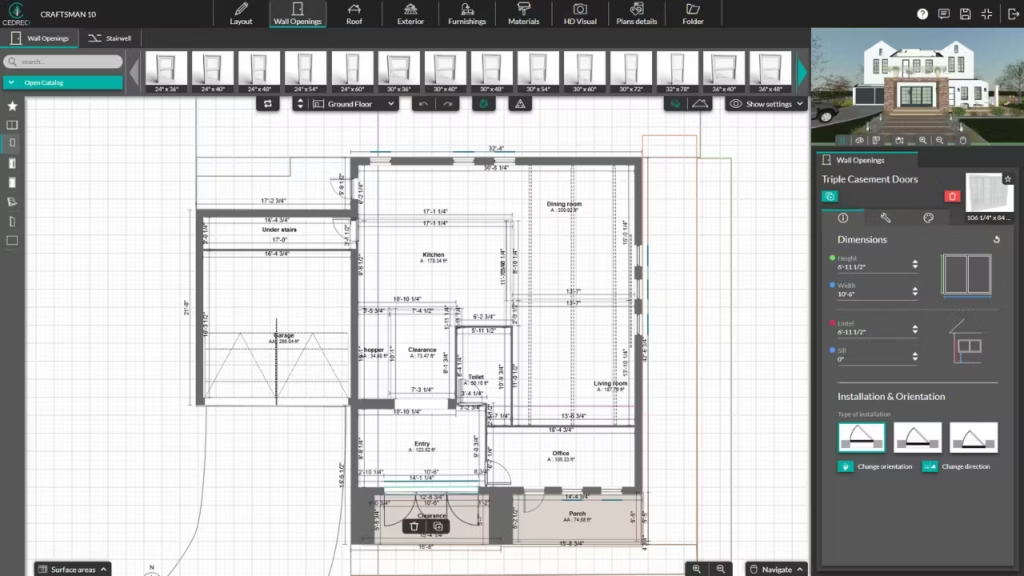
Leverage digital software
When time is tight, architecture software can be a lifesaver. Tools like Cedreo offer 2D and 3D rendering so you can map out everything from structural walls to interior furnishings in a few hours (Cedreo). Digitally generated visualizations showcase your ideas quickly and help clients see the final look before construction begins.
Iterate for improvement
Even the most seasoned architects rarely get every detail right on the first pass. Keep redlines handy and review them often, crossing out what doesn’t work and polishing ideas that stay (Archisoup). This practice not only sharpens your technical accuracy but also helps you spot creative opportunities you might have missed.
FAQs
1. How do I pick the right scale?
Match the scale to the level of detail you’re showing. Larger scales like 1:10 reveal detailed construction elements, while smaller scales like 1:500 are better for overall site plans.
2. What’s the main benefit of tracing paper?
Tracing paper lets you draft multiple options without redoing entire drawings. It saves time and encourages experimentation.
3. Why are line weights so important?
Line weights give your drawings depth and clarity. By distinguishing major load-bearing walls from tertiary background elements, you provide a clear reading of the design.
4. Should I learn manual or digital first?
Both skills help you grow. Manual drafting hones your precision and understanding of design fundamentals, while digital software speeds up visualization and client presentations.
5. How often should I revise my architectural details?
Revisit them whenever significant changes occur or when redlines reveal an oversight. Iterative improvement refines both technical performance and design appeal.
Use these tips to streamline your process and feel at ease when drawing architectural details. Practice a few of them today to build momentum and see your confidence soar.
- 6.6Kshares
- Facebook0
- Pinterest6.6K
- Twitter0
- Reddit0