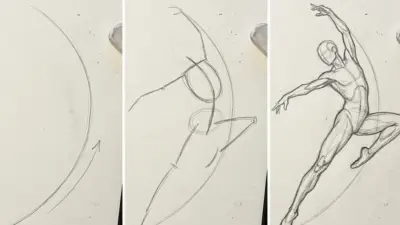
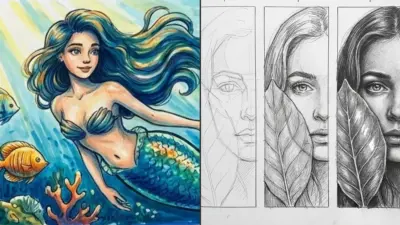
Gather Ideas Constantly
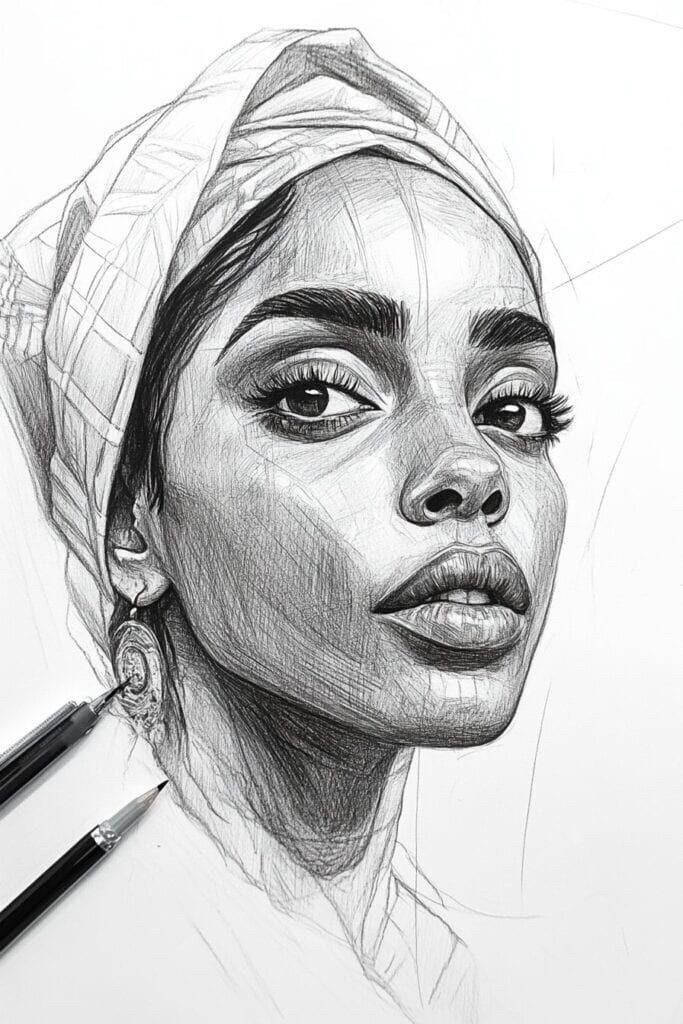

Your best portrait drawing ideas often spark when you stay open to new influences. According to Dan Scott, it’s helpful to carry a camera or small sketchbook wherever you go [1]. Snap photos of intriguing people in everyday settings, make quick sketches on the go, or jot down notes about eye-catching lighting. Even brief observations add up over time, helping you build an inspiring reference library.
Tips For Quick Inspiration
- Capture spontaneous poses during coffee breaks or walks.
- Experiment with quick studies of friends or family members.
- Keep a digital folder of images, so you can review them when you need fresh ideas.
- Try mixing real-life references with imaginative additions.
If you’d like more suggestions on practicing figure studies, explore figure drawing ideas to boost your skills.
Choose A Subject That Excites You
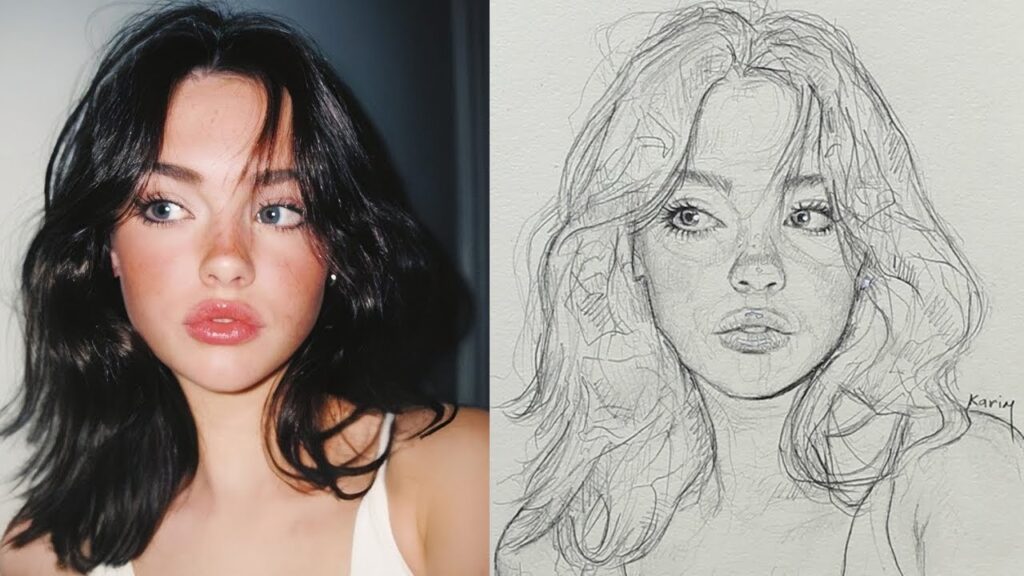
Before you pick up a pencil, Dan Scott recommends asking if the subject carries emotional significance or sparks genuine excitement [1]. The more enthusiasm you bring, the more likely your final portrait will shine. You can even blend multiple references for dynamic subjects—an approach Matthew James Taylor used for capturing children and animals that couldn’t pose still [2].
Questions To Ask Yourself
- Does this face or pose inspire you?
- Are you ready for the complexity the subject requires?
- Could you add your own creative twist?
- What story do you want your portrait to tell?
If you’re looking for other ways to get brave with your art, explore ideas for drawing people that focus on diversity in style and subject.
Use Proven Drawing Methods
Drawing methods help you break down the human face so you can tackle each feature with confidence. Each method suits different learning styles, so feel free to experiment until you find your favorite.
Loomis Method
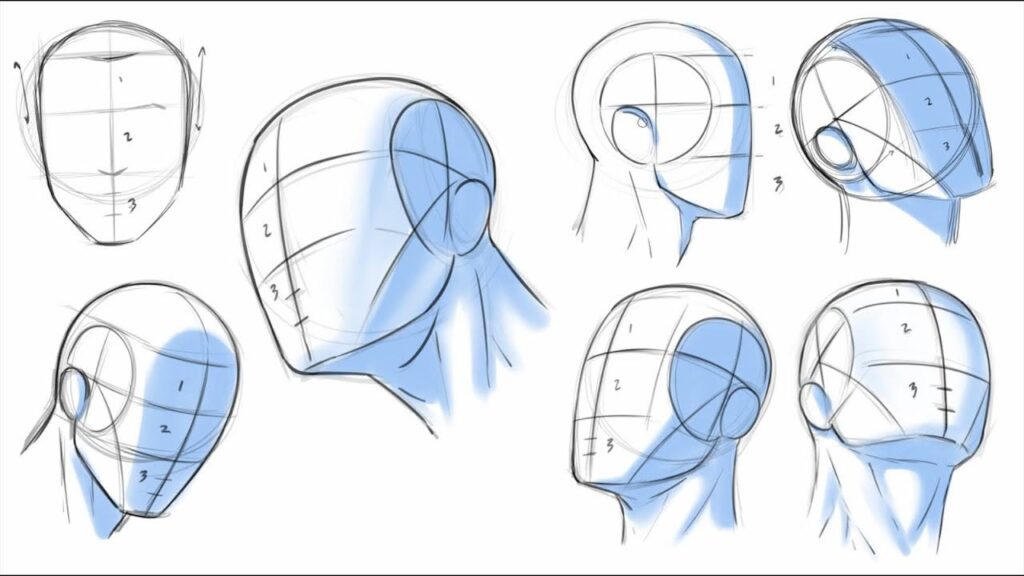
This classic approach starts with a circle and vertical guideline to accurately place the eyes, nose, and mouth [3]. It helps you maintain correct proportions from the start.
Straight-Line Block-In
By sketching only straight lines for the head’s outer edges, you can quickly spot angles, then refine them into more natural curves. This helps ensure solid structure before you dive into details.
3D Cube Approach
Start with a cube to establish perspective, especially if your subject is at a three-quarter angle. This technique offers a structured way to gauge depth and orientation [3].
Grid Method
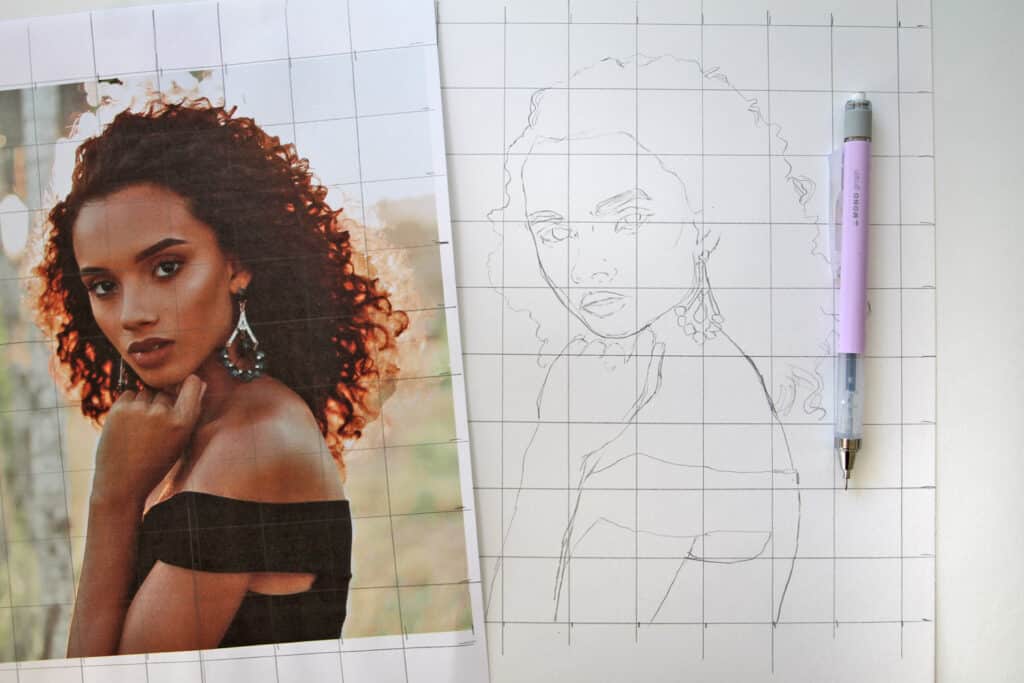
For enhanced accuracy, draw a grid over your reference picture and replicate it on your paper. Focus on each small square to capture precise details without feeling overwhelmed. Give it a try when you want to control proportions meticulously.
Intuitive Drawing
Combine any of these foundational methods in a way that feels natural to you. Mix and match to adapt to each portrait’s unique challenges. Intuitive drawing encourages you to develop a personalized flow that keeps you excited about the result.
For more step-by-step guidance, check out how to draw people step by step.
Embrace Styles For Flair
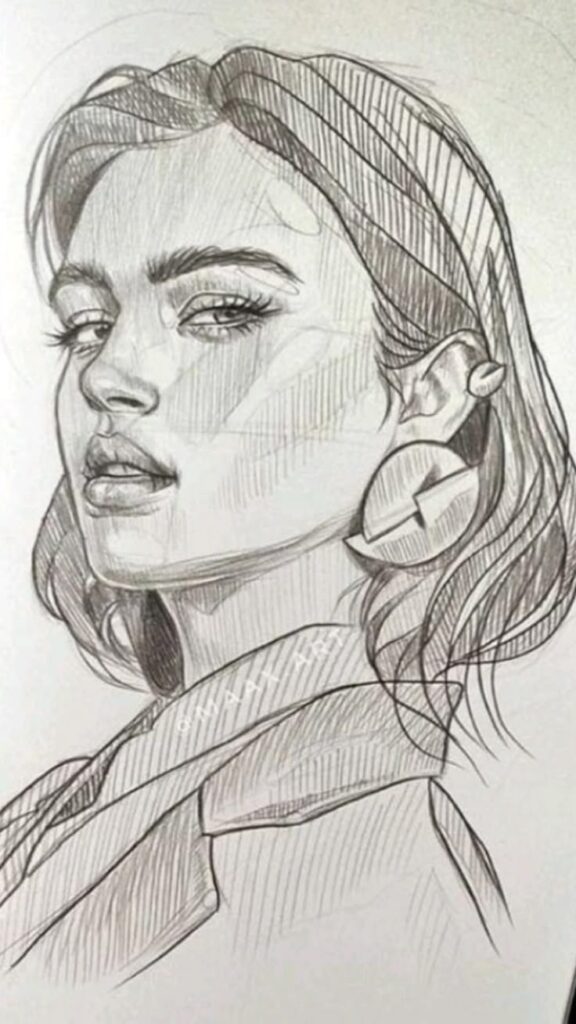
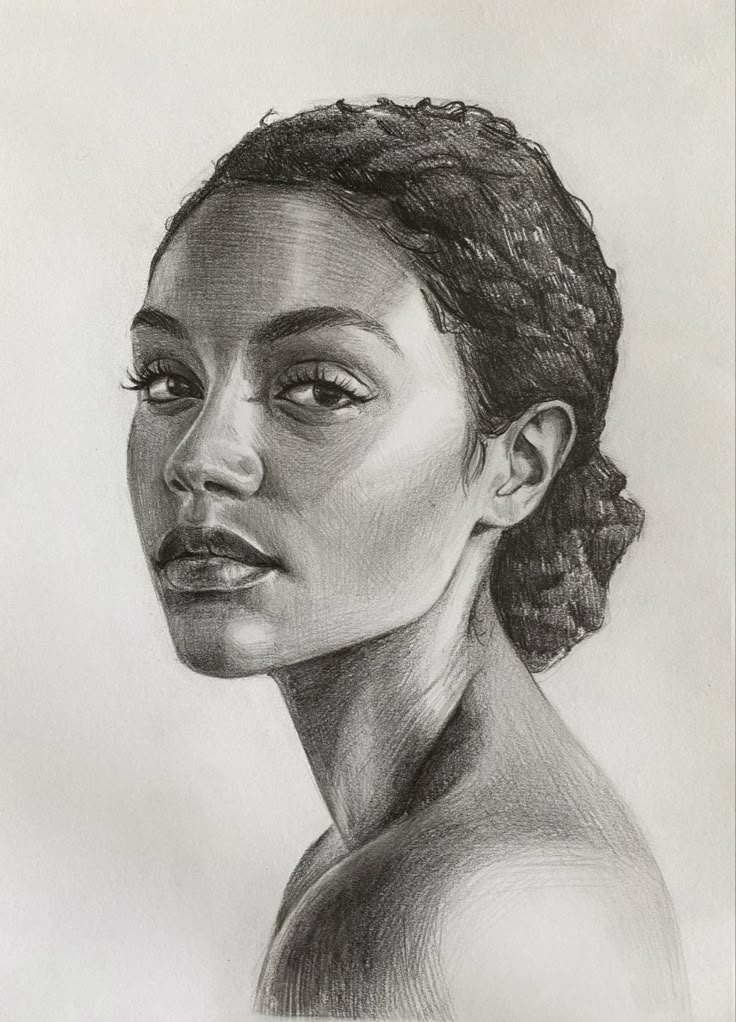
Your portrait drawing ideas can take on new life when you experiment with different art styles. Maybe you love realistic portraiture, or perhaps you’re intrigued by surreal or abstract elements.
Try Cubism And Surrealism
Use geometric shapes to re-imagine facial features in a Cubist style or drift into dreamy distortions in a Surrealist style. For instance, try placing an eye in an unusual position or morphing everyday items into facial features [4].
Blend Mixed Media And Digital Tools
Combine pencil sketches with digital layering software for more flexible editing options. This approach lets you test out bold colors, overlay textures, or fine-tune highlights non-destructively. Experiment with charcoal, pastel, watercolor—or anything that sparks your curiosity [2].
If you’re into different art tools, have a look at our tips on drawing people with charcoal.
Master Essential Techniques
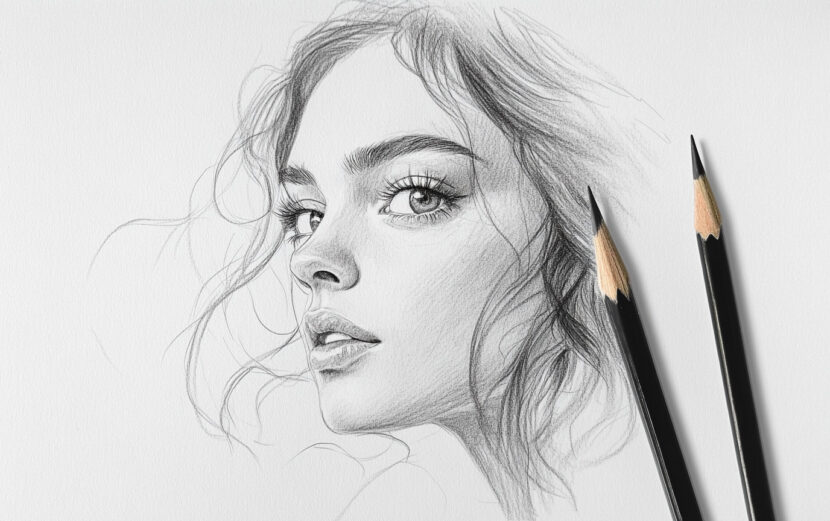
Once you have a method and style in mind, it’s time to tackle the finer points that make your portrait pop.
Capture Emotion
Great portraits convey mood. A 7-day portrait challenge—where you draw a face reflecting a different emotion each day—sharpens your ability to depict feelings like joy, sorrow, and surprise [4].
Shade Like A Pro
When working with pencil, build up tone through layers of fine lines instead of rubbing, which can smudge and dull the paper surface. This technique preserves brightness and avoids greasy fingerprints [5].
Highlight Accurately
A battery-powered electric eraser can remove graphite in precise areas like hair highlights or bright reflections in eyes. Smaller eraser tips (about 2.5mm) help you refine tiny details without risking over-erasing [5].
Use Toned Paper
Experiment with drawing on gray or colored paper. Charcoal pencils let you sketch mid-tone shadows and add white charcoal for highlights to create depth more quickly [2].
If you’re aiming to refine your fundamental skills, consider our resources on drawing people for beginners.
FAQs About Portrait Drawing
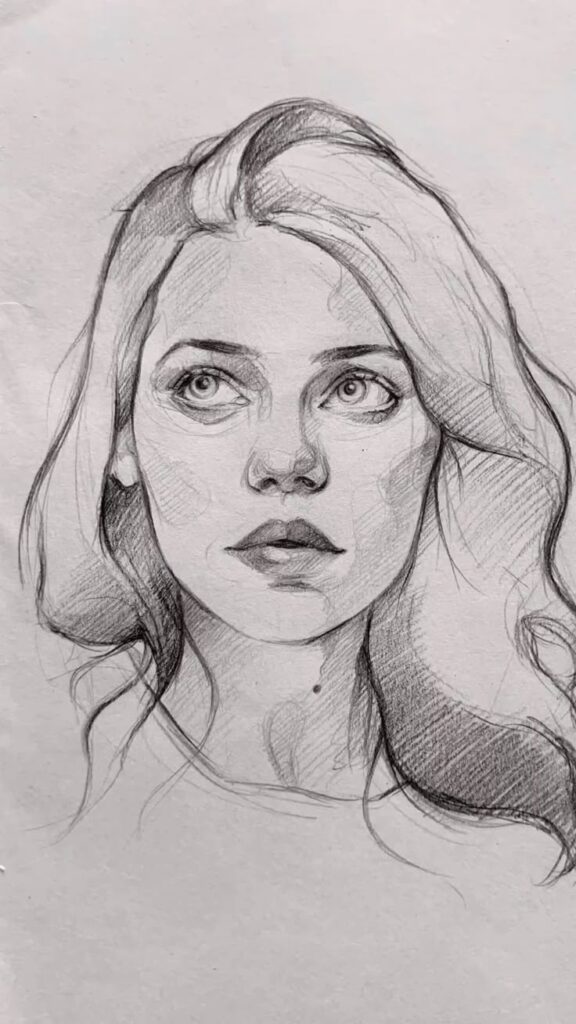
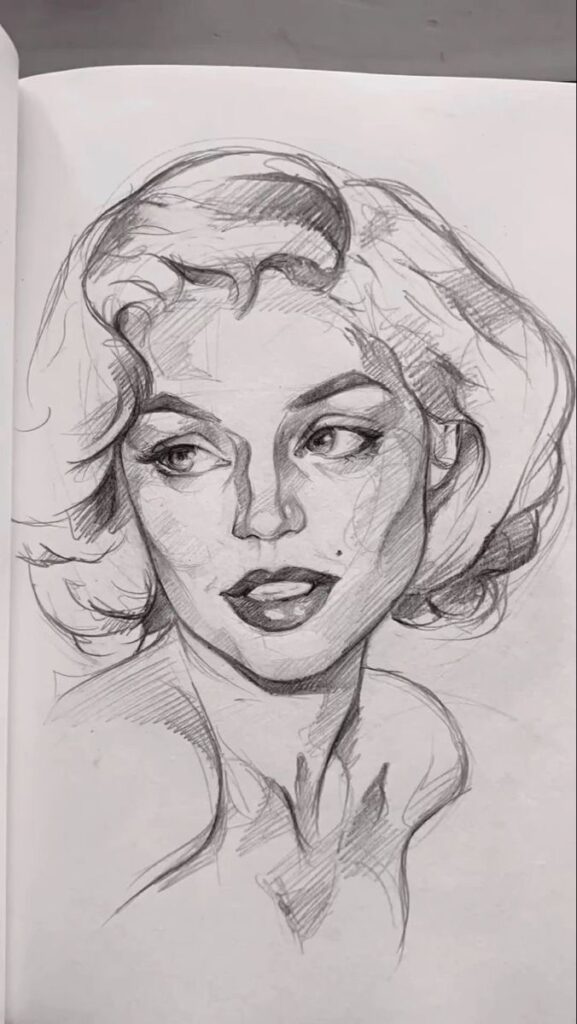
- How Do I Start My First Portrait?
Begin with a simple method like the Loomis Method or the Grid Method to keep proportions in check. Focus on basic shapes, then refine details slowly. - What If My Faces Look Flat?
Check your shading technique. Squint at your reference to spot shadow shapes, then use layered pencil strokes rather than smudging. This helps you create realistic depth. - Can I Combine Different Methods?
Absolutely. Many artists enjoy mixing methods. You might start with a grid for accuracy, then switch to intuitive drawing for the finishing touches. - Should I Draw From Photos Or Live Models?
Both options are valuable. Photos allow you to study details at leisure, while live models help you observe real-time angles and lighting challenges. Use whichever best fits your current practice. - How Do I Keep My Work Fresh?
Explore new art styles, tools, and challenges. Try sketching in coffee shops or sign up for a local portrait club. Viewing other people’s art can spark your creativity and help you grow.
Keep experimenting with these portrait drawing ideas, and don’t forget to enjoy the process. If you want to explore moving subjects, check out drawing people in motion. With practice, patience, and plenty of inspiration, you’ll develop a style that’s uniquely yours. Have fun creating portraits that stand out!
References
- (Draw Paint Academy)
- (matthewjamestaylor.com)
- (Schaefer Fine Art)
- (Full Bloom Club)
- (Anna Bregman Portraits)
- 136shares
- Facebook0
- Pinterest133
- Twitter3
- Reddit0