Beginners often struggle to know which drills will build solid skills from the start. These ten beginner drawing exercises focus on foundational techniques—strokes, shapes, observational studies, and perspective—that help novices develop muscle memory, control, and confidence in their sketches. They can slot into a daily 15-minute routine even on busy days, turning short, focused sessions into lasting progress.
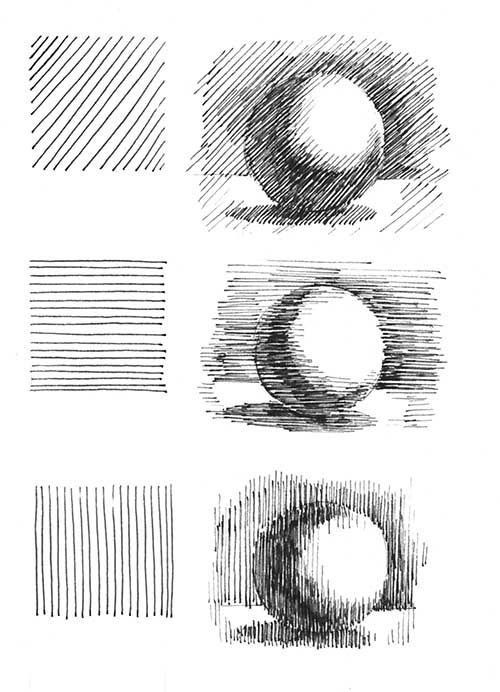
Practice basic strokes
Repetition of hatching, cross-hatching, stippling, scribbling, and contouring in two-minute intervals builds fluency and precision in line work. This exercise trains muscle memory and helps artists handle different tools more confidently [1].
Pros
- Builds control over a pen or pencil
- Lays the groundwork for shading and texture
Cons
- Can feel repetitive without variation
- May be tedious without a timer
Practice basic shapes
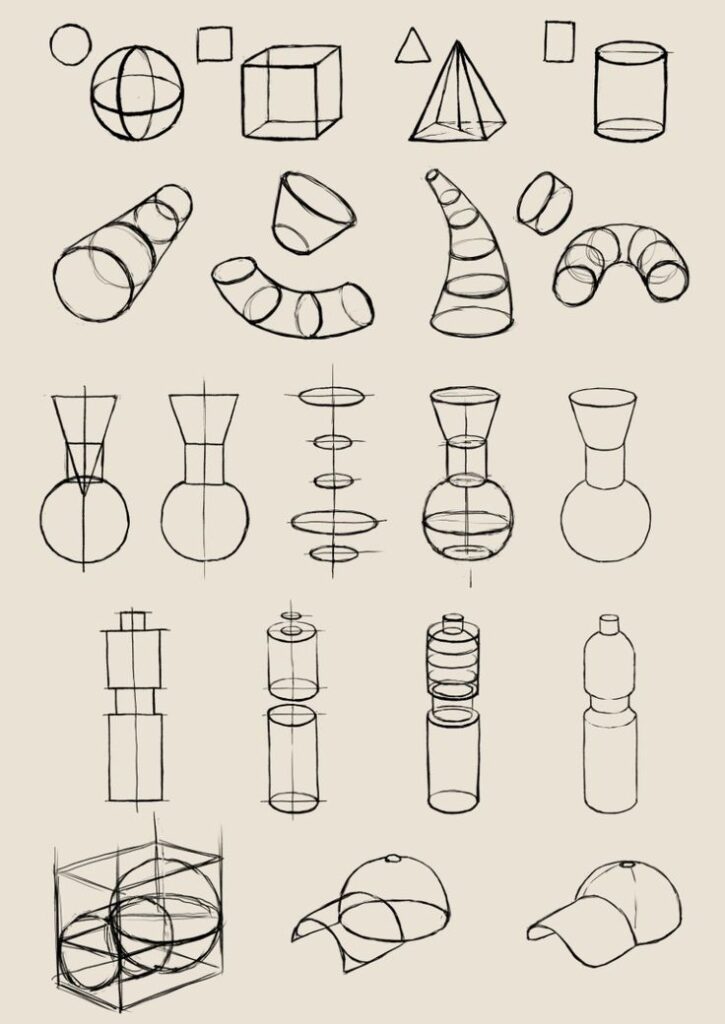
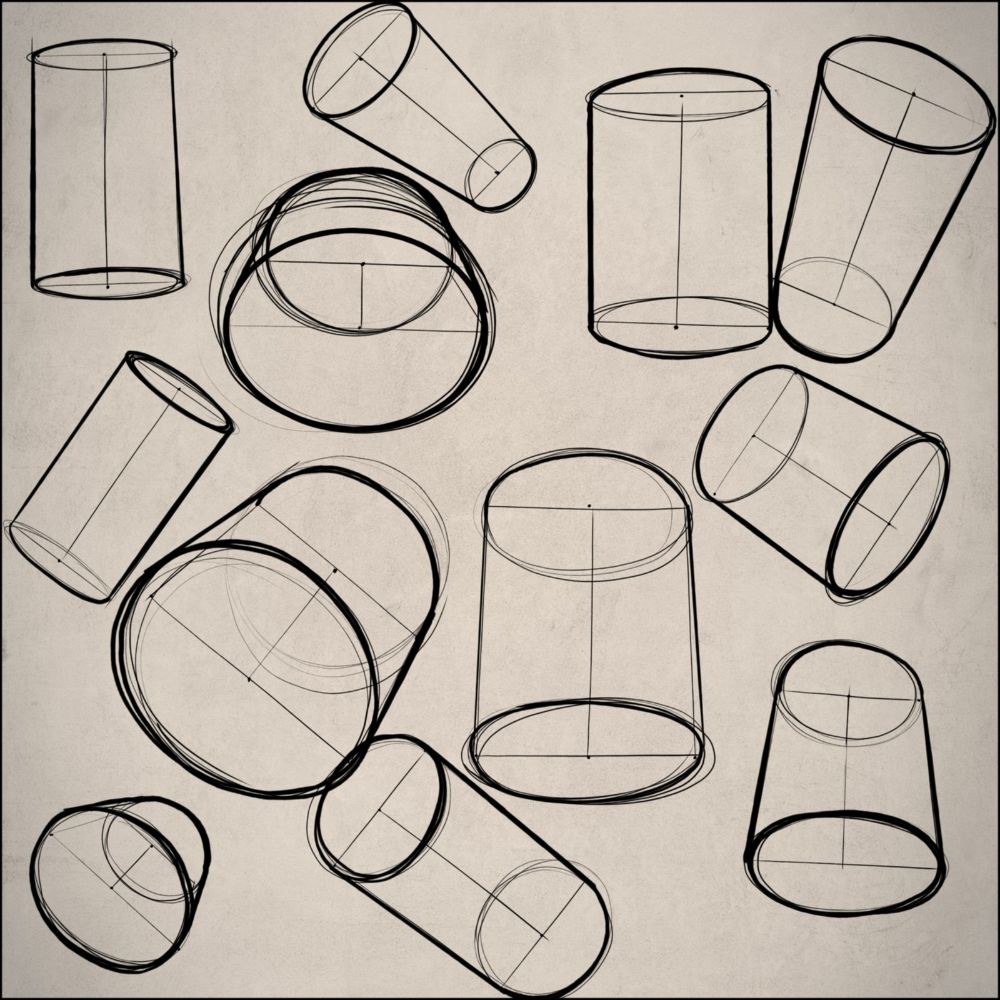
Drawing circles, ellipses, and rectangles for two minutes each, varying size, pressure, and direction, strengthens accuracy and control. This drill helps beginners break complex subjects into simple forms before adding detail [1].
Pros
- Improves proportion awareness
- Prepares artists for complex compositions
Cons
- Less engaging for those seeking immediate results
- Requires focus to avoid sloppy shapes
Draw quick sketches
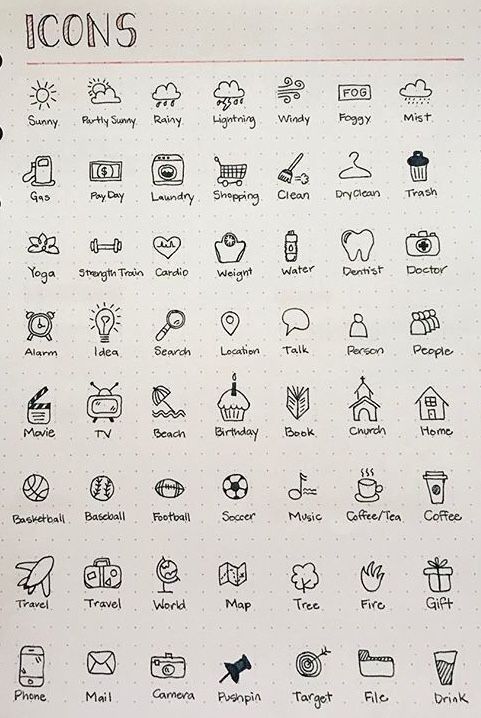
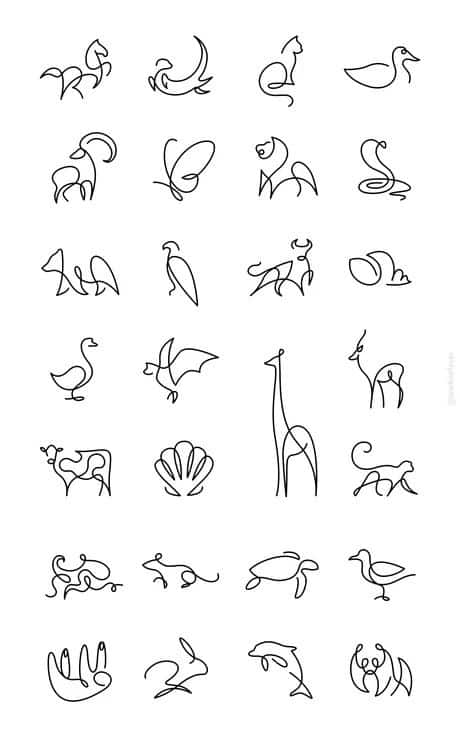
Making multiple fast sketches—around eight in four minutes—encourages focus on speed and energy rather than perfection. This practice enhances observational skills and reduces the pressure to produce flawless lines [1].
Pros
- Trains eye-hand coordination
- Boosts confidence by lowering stakes
Cons
- May lead to sloppy habits if rushed
- Less emphasis on refined detail
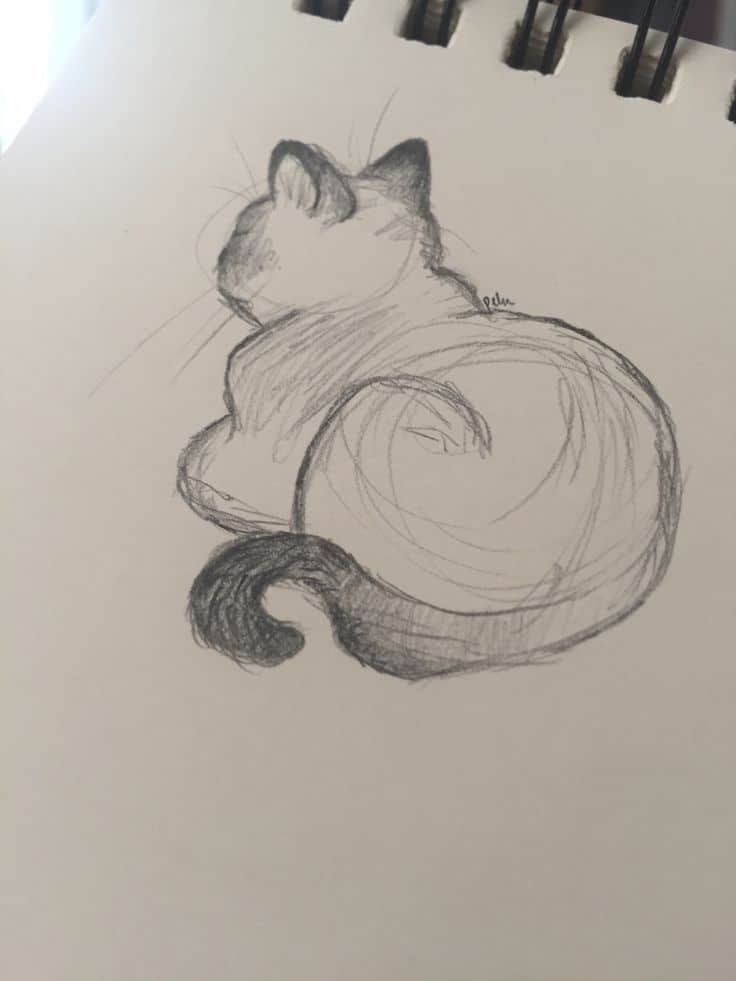
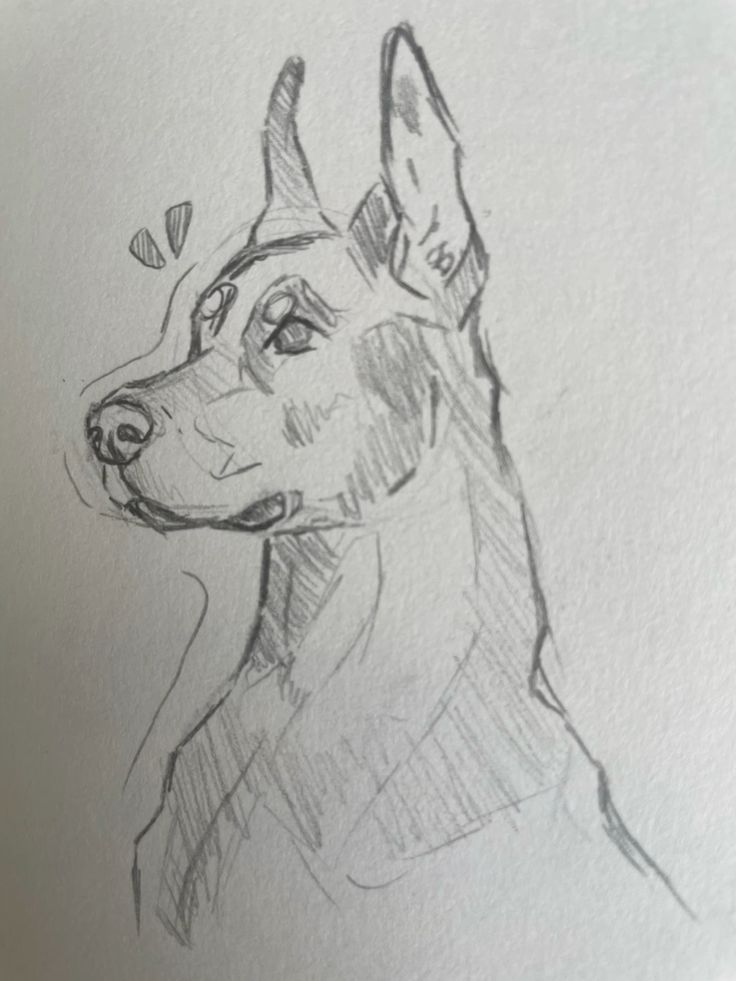
Try the five-minute burn
Spending five minutes drawing whatever is in front of them, beginners concentrate on capturing as much detail as possible without worrying about mistakes. This sharpens observational drawing skills and builds endurance for longer sessions [2].
Pros
- Enhances focus under time pressure
- Improves the ability to see subtle shapes
Cons
- Can be frustrating for absolute novices
- May require breaks to avoid eye strain
Do blind contour exercises
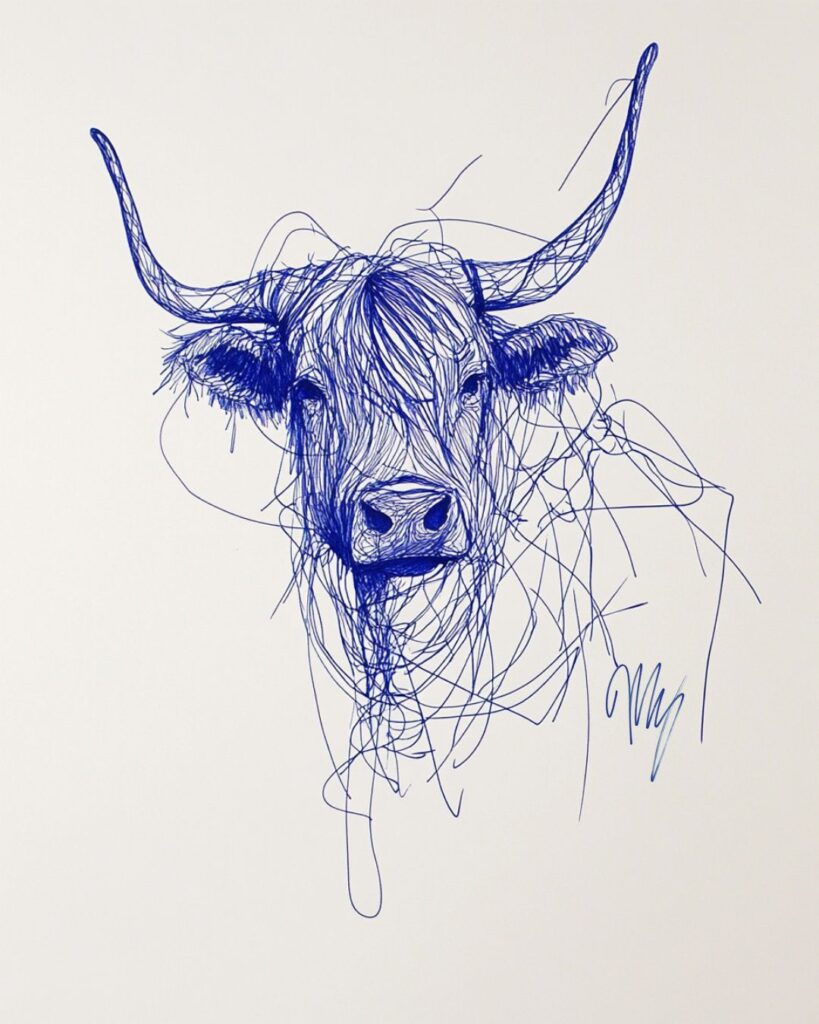
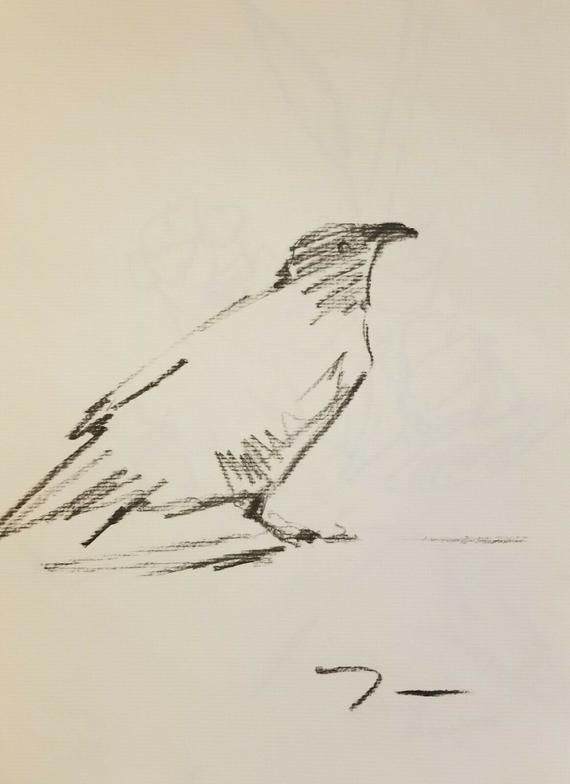
In blind contour drawing, artists sketch a subject without looking at their paper. This drill forces close observation and strengthens the connection between sight and hand movement [2].
Pros
- Sharpens observational accuracy
- Improves hand-eye coordination
Cons
- Results can look messy
- Requires a willingness to embrace imperfect outcomes
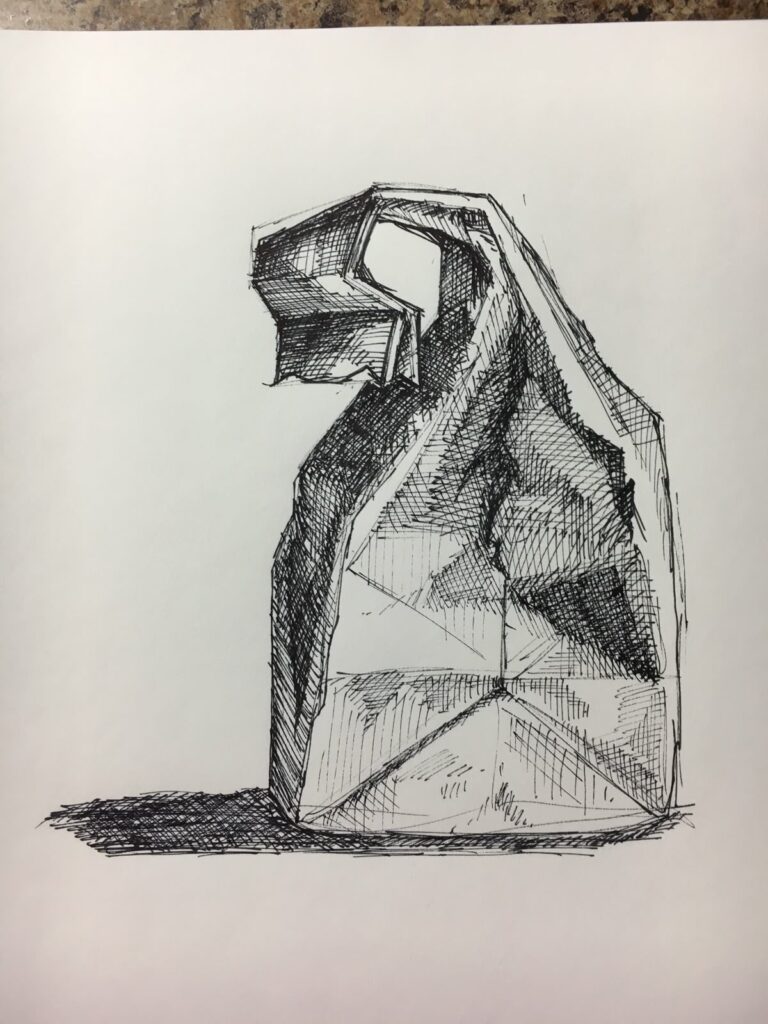
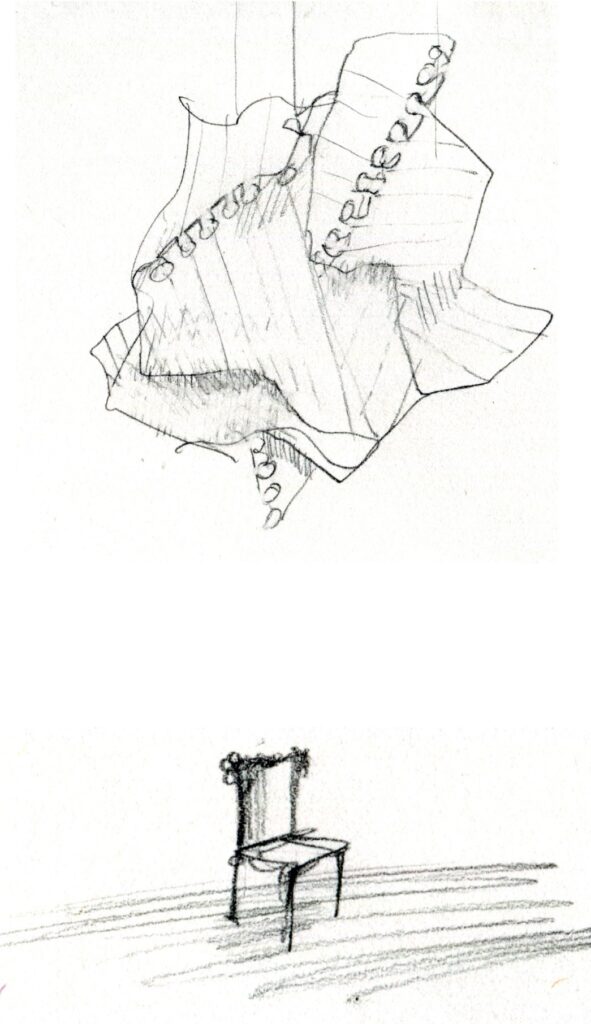
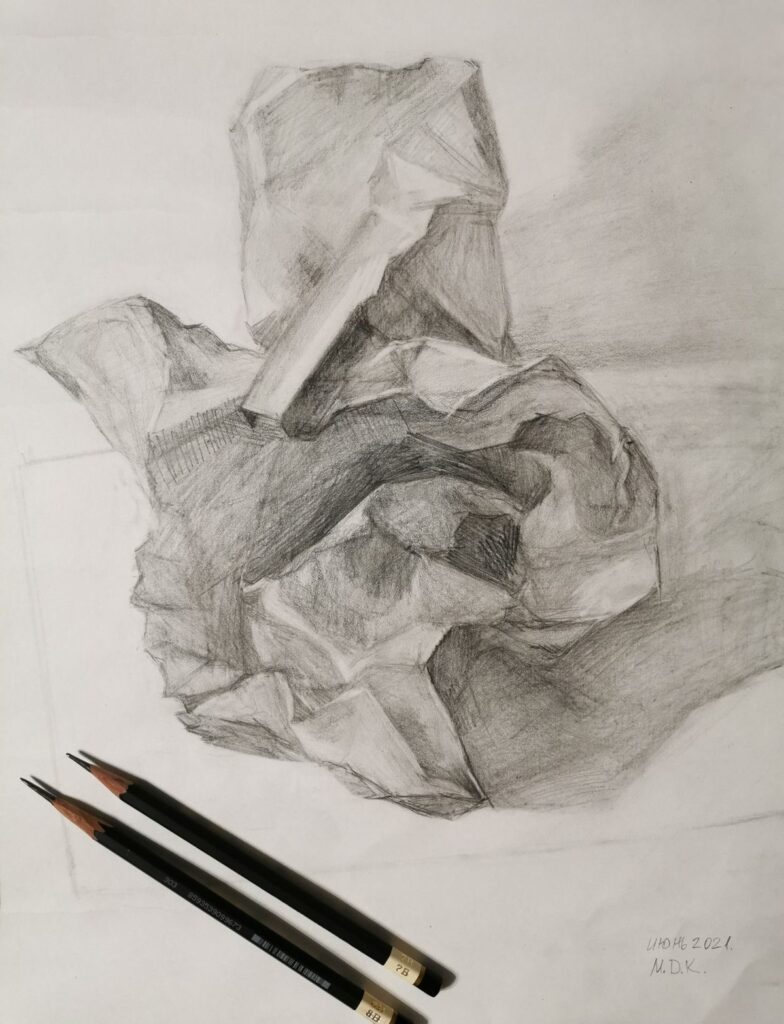
Study crumpled paper
Rendering a crumpled piece of paper trains beginners to see and capture subtle value shifts and irregular forms. This exercise is ideal for mastering light, shadow, and texture in still-life studies [2].
Pros
- Builds confidence with tonal variation
- Trains attention to small details
Cons
- May feel abstract compared to drawing living subjects
- Can be challenging to choose clear light sources
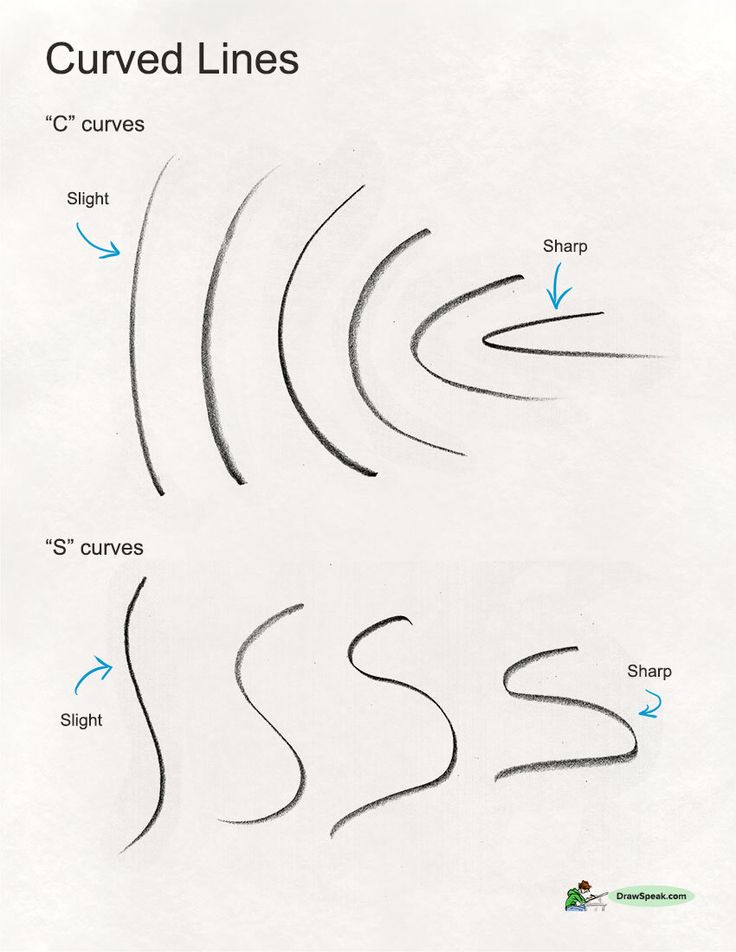
Practice straight and curved lines
Drawing long straight lines and varied curved forms, then adding shading or lengthening strokes, lays the foundation for architectural and organic drawing. Beginners can ramp up difficulty by combining line types and pressures [3].
Pros
- Reinforces control over line weight
- Applicable to many subjects
Cons
- Limited alone for full compositions
- Requires self-discipline to increase the challenge
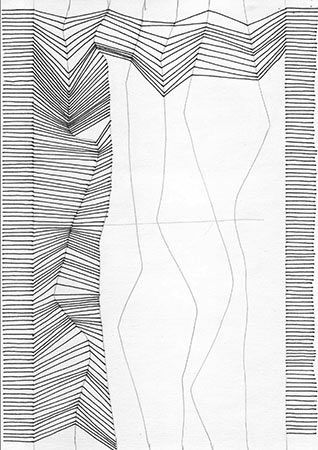
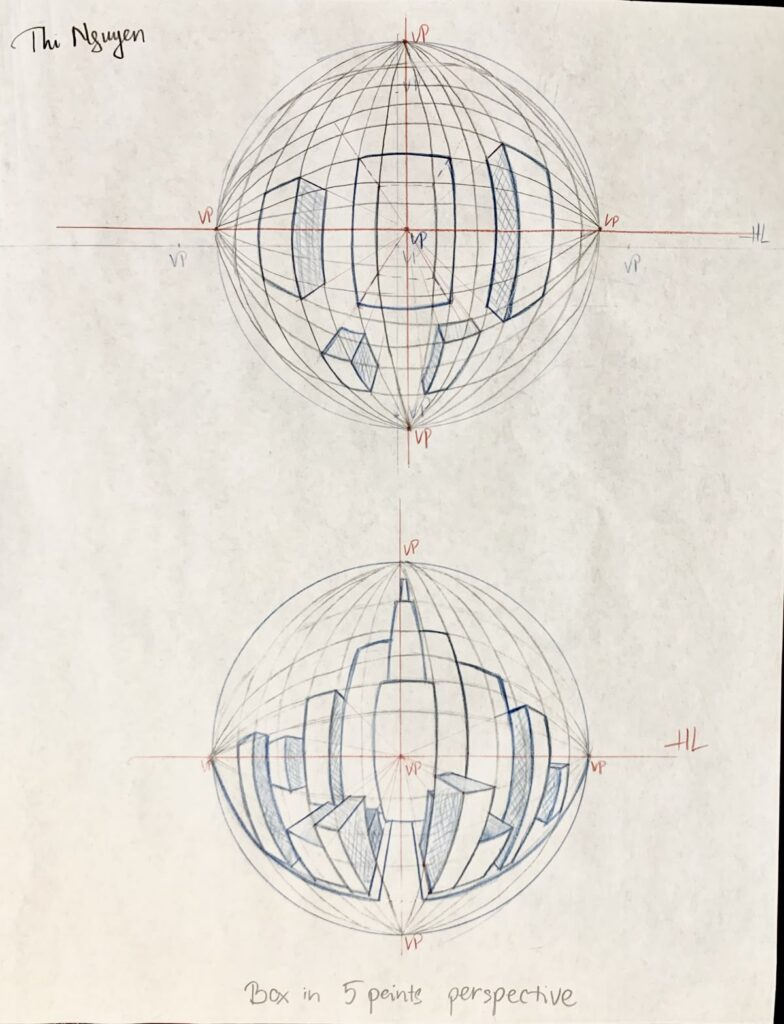
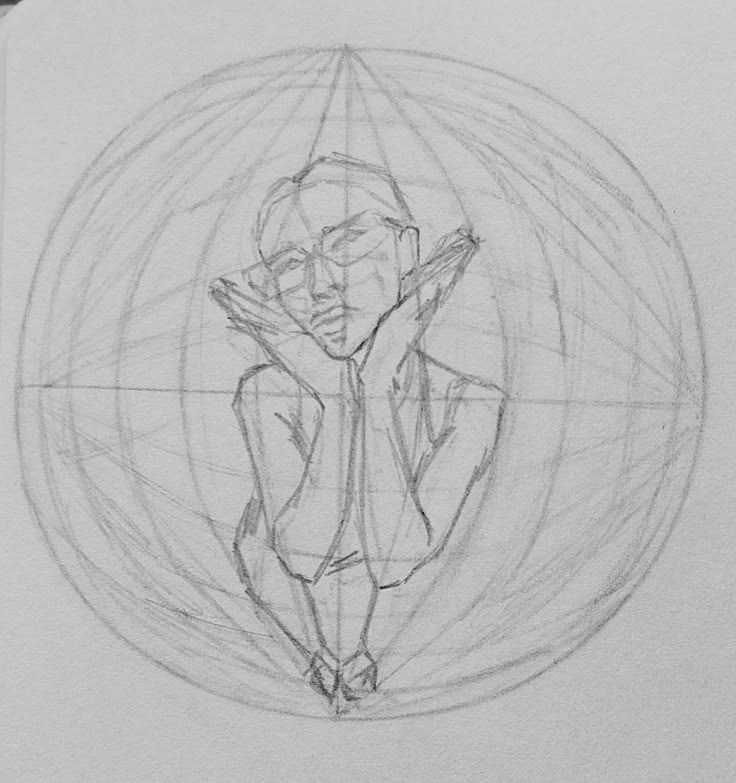
Explore perspective practice
Starting with two-point perspective and advancing to three-point, four-point, and fisheye, this exercise prevents common perspective errors. It teaches beginners how to construct space and depth accurately [3].
Pros
- Improves realism in scenes
- Teaches spatial reasoning
Cons
- Can be technical and dry
- Demands precise measuring
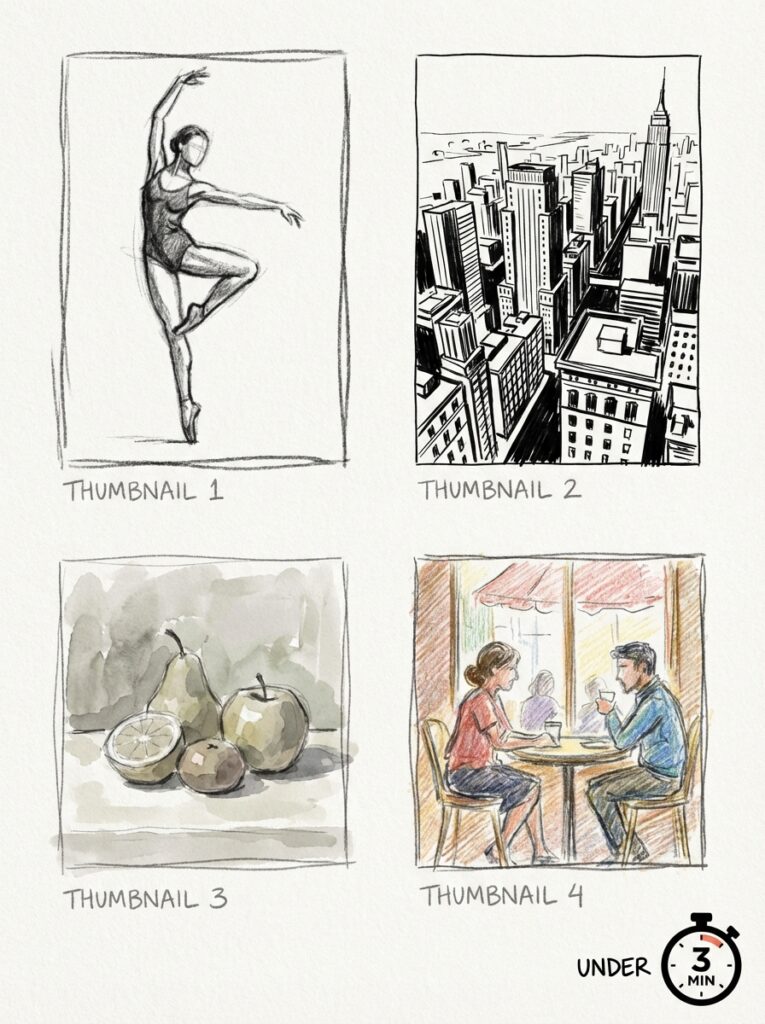
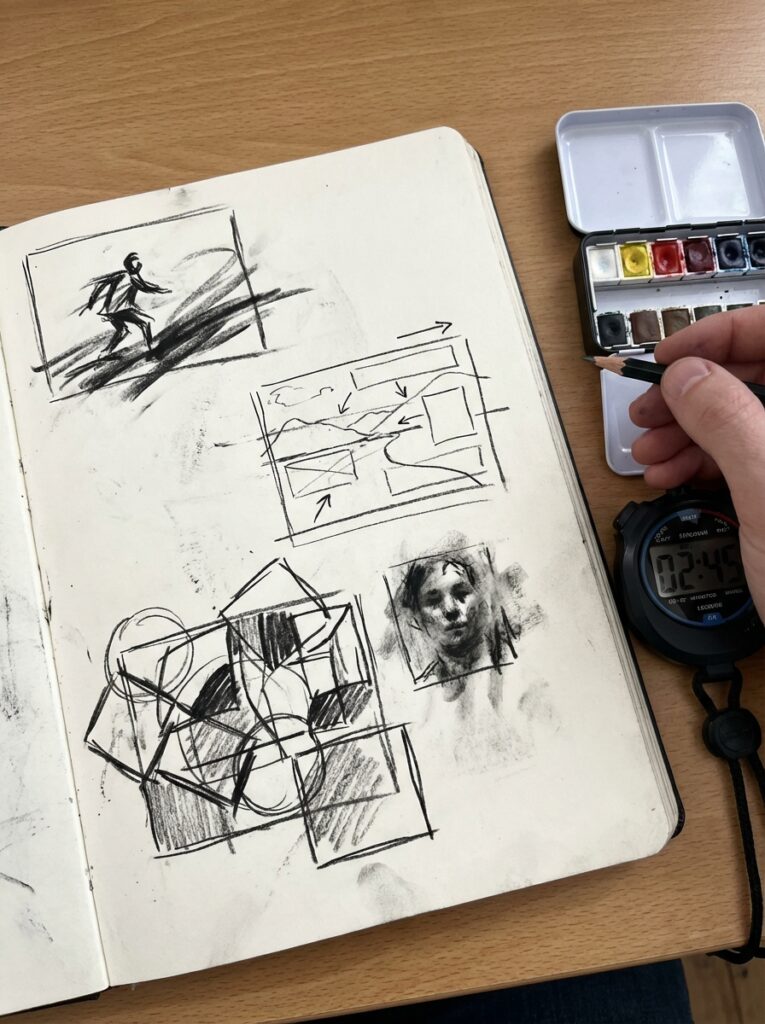
Create gestural thumbnails
Quick gestural and compositional thumbnails help artists capture poses and plan layouts in under three minutes. Varying subjects, angles or experimenting with black and white versus color increases the challenge and creative range [3].
Pros
- Speeds up compositional planning
- Encourages expressive mark-making
Cons
- May overlook fine details
- Thumbnail sketches can become too rough
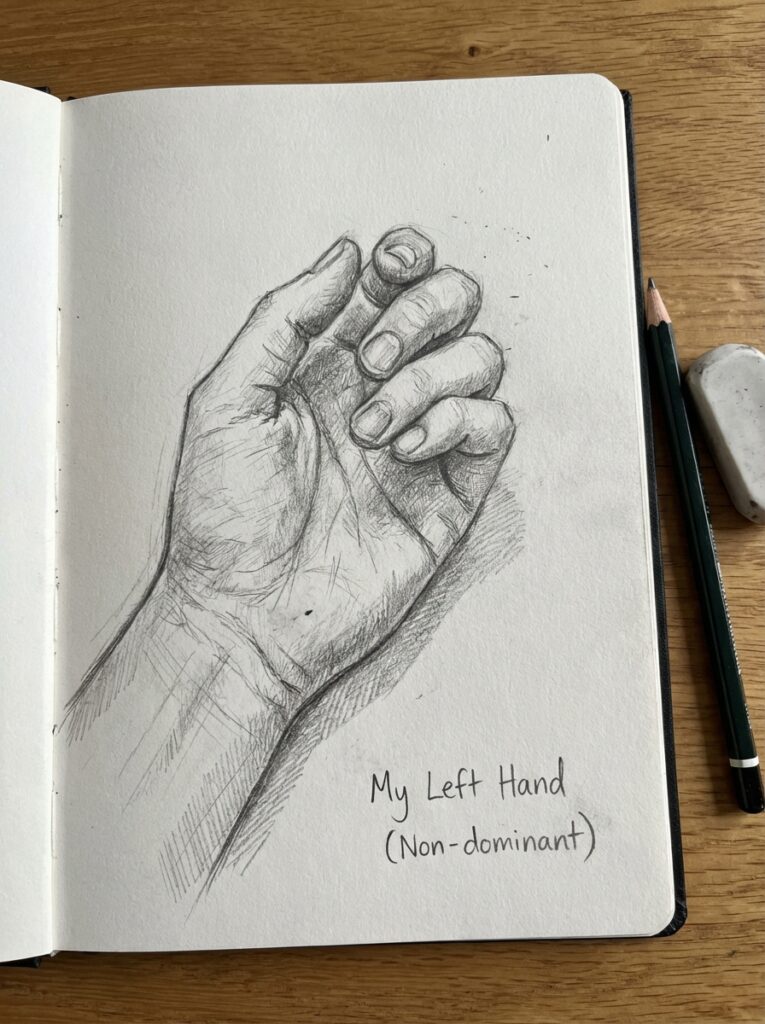
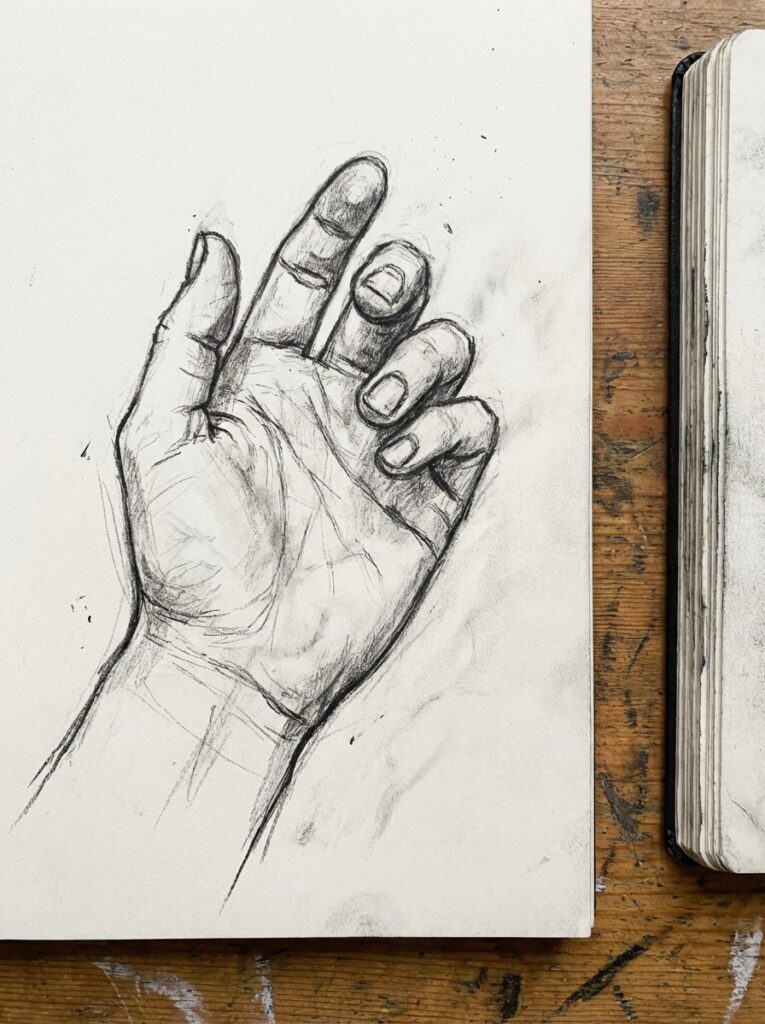
Draw your non-dominant hand
Sketching the non-dominant hand or feet challenges beginners to translate unfamiliar forms onto paper. This drill improves observational accuracy and coordination with an added cognitive challenge [2].
Pros
- Strengthens hand-eye communication
- Highlights overlooked anatomical details
Cons
- Frustrating at first
- Takes patience to see improvement
Frequently asked questions
What are beginner drawing exercises?
They are targeted drills—like strokes, shapes, and observational studies—that build foundational skills for sketching. Consistent practice of these exercises fosters muscle memory, improves control,l and lays the groundwork for more advanced techniques.
How long should beginners practice daily?
A focused 15-minute routine is ideal for consistent progress, even on busy days. Splitting sessions into short two- to five-minute exercises helps maintain concentration and prevents fatigue [1].
Which exercises improve observational skills the most?
Blind contour drawing, the five-minute burn, crumpled paper studies, and sketching non-dominant hands are especially effective. They force close attention to detail and train the brain to accurately translate visual information.
How can beginners progress from basic drills?
Once basics feel comfortable, they can add complexity: longer line exercises, advanced perspective points, tonal studies, or full compositional thumbnails. Gradual difficulty increases ensure steady improvement without overwhelm.
Can beginners skip warm-ups?
No. Warm-up drills, such as basic strokes and shape exercises,s prepare muscles and focus the mind. Skipping them can lead to inconsistent lines and slower progress in more complex drawings.
References
- 8.0Kshares
- Facebook0
- Pinterest8.0K
- Twitter0
- Reddit0