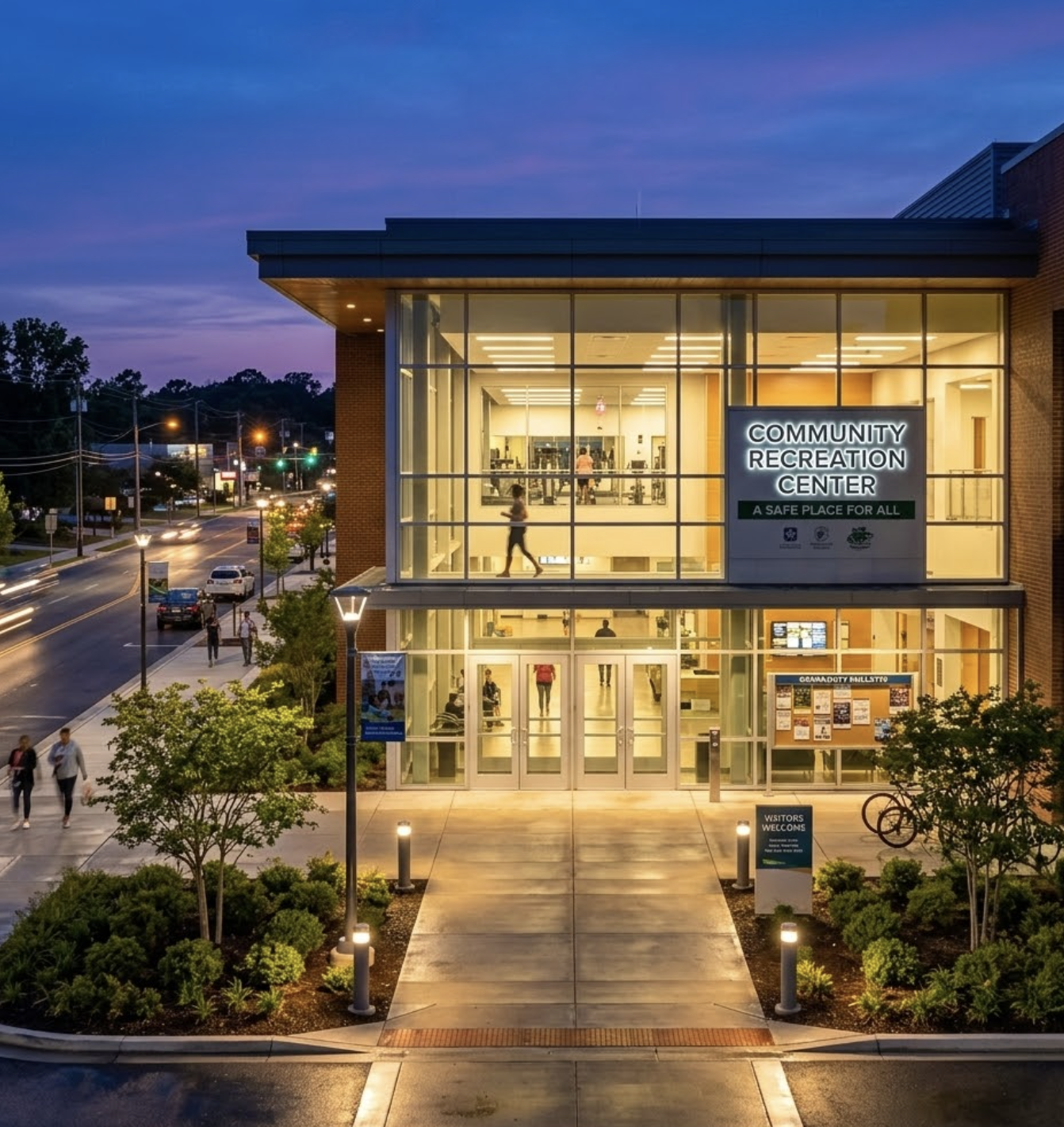
In 2019, the city of Tucson completed a 3.2 million dollar renovation of Quincie Douglas Community Center – one of the most deliberate CPTED projects in the American Southwest. Architects removed sight-blocking shrubs, repositioned the entrance to face the street, widened the corridors, and installed continuous lighting across every pathway. The physical transformation was considered a model of evidence-based community design.
- What CPTED Gets Right – and Where It Stops
- The Operational Safety Gap in City Recreation Programs
- How Coach Background Closes the Gap
- Why City Departments Face Different Stakes
- Safety Culture as Community Infrastructure
- Designing Complete Safety: Architecture Plus Operations
- FAQ: Safe Public Spaces and Operational Screening
- Q: What is CPTED, and how does it relate to community safety?
- Q: Why is a local background check insufficient for youth program staff?
- Q: Should volunteers face the same screening standards as paid staff?
- Q: What components make up thorough background screening for recreation programs?
- Q: How does documented screening help city departments manage legal risk?
- The Full Picture of a Safe Public Space
Within eighteen months, the center had a serious incident involving a youth program volunteer who had passed through a cursory, paper-based screening process. A records check limited to the current county of residence had missed a prior offense from a different state.
The building was right. The process was wrong.
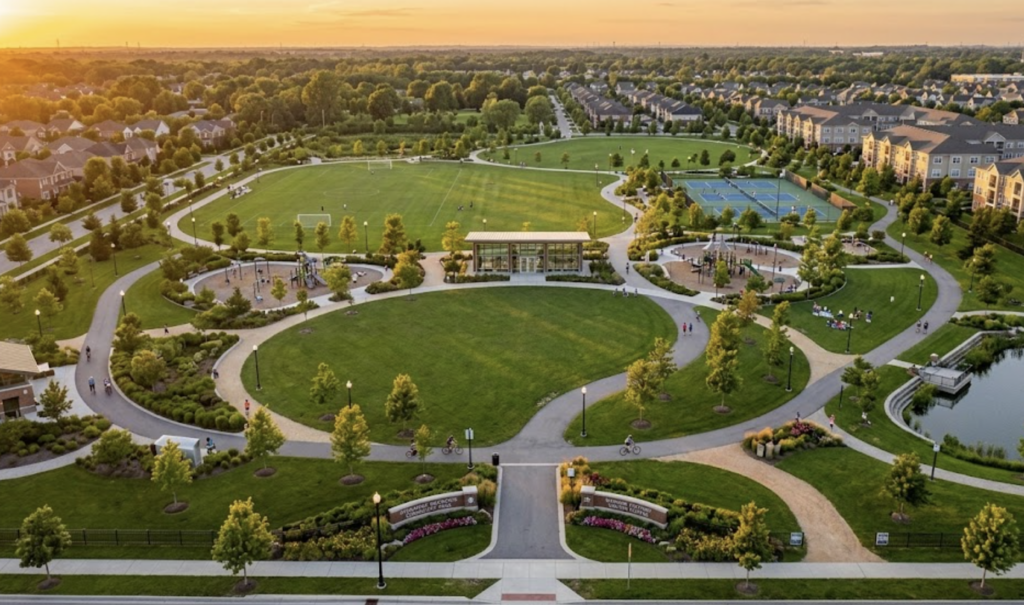
That gap – between the physical design of a safe space and the operational systems that actually protect the people inside it – is where most cities are still losing ground. Urban designers have spent decades refining how built environments can deter crime, encourage natural surveillance, and create psychological safety. But a park shelter with perfect sightlines still depends on the people running programs inside it. A recreation center with LED-lit entrances and open common areas is only as safe as the screening process that determines who gets to work there.
What CPTED Gets Right – and Where It Stops
The Built Environment as a Safety Tool
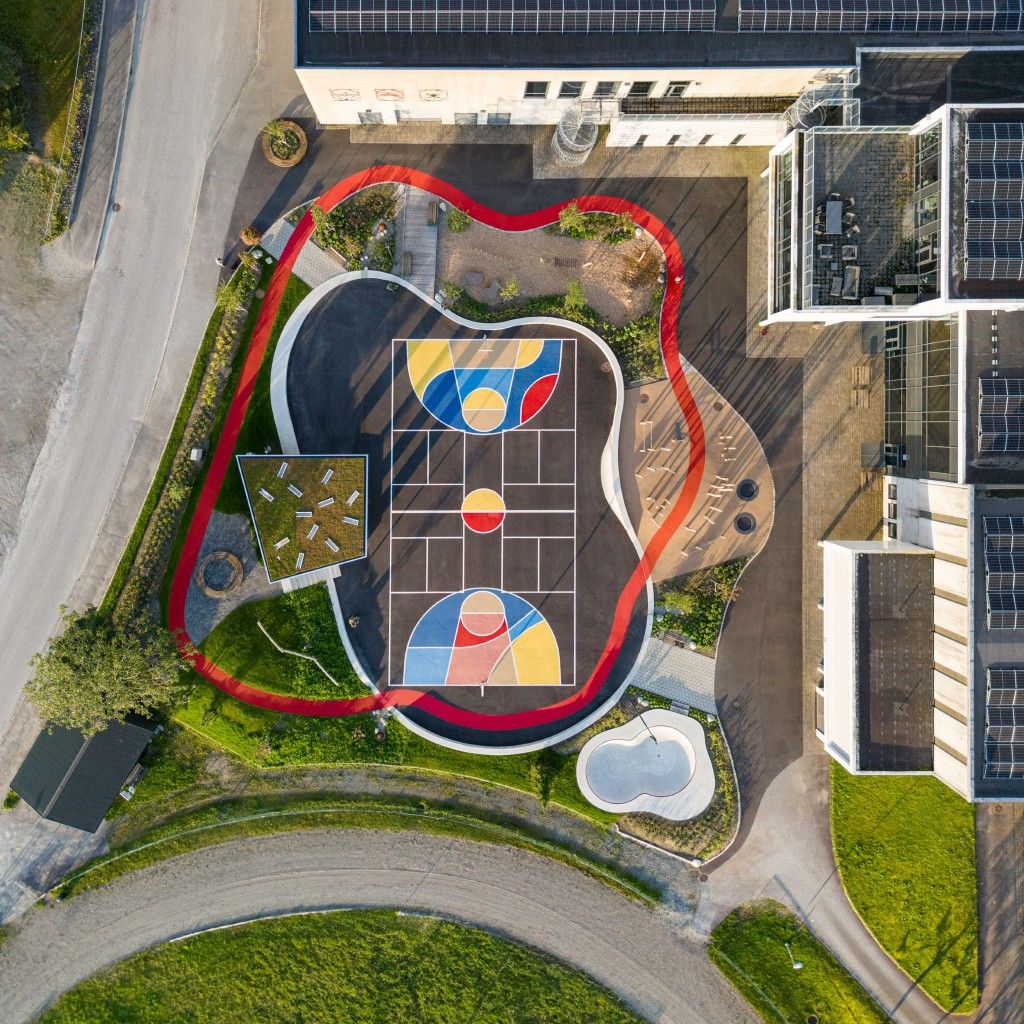
Crime Prevention Through Environmental Design has been shaping public space architecture since Oscar Newman published his foundational research on defensible space in the early 1970s. The core insight remains durable: physical environments can be designed to reduce crime opportunity by increasing natural surveillance, establishing clear territorial boundaries, and maintaining the visual order that signals active community stewardship.
Modern CPTED practice has expanded considerably. Landscape architects and urban planners now work with concepts like place attachment – the emotional investment residents develop in well-designed spaces, which correlates strongly with informal surveillance and community self-policing. A park where people feel they belong is a park where people notice what happens there.
The outcomes are documented. Studies tracking communities before and after CPTED renovations consistently show reductions in property crime, vandalism, and reports of personal threat. The architecture works.



The Boundary of What Design Can Do
CPTED operates primarily on the behavior of strangers – people who pass through a space and make decisions based on what they observe. It has limited purchase on the behavior of known participants: the soccer coach, the summer camp counselor, the after-school volunteer who has been deliberately invited into a position of trust.
For people intentionally placed in charge of children, the physical design of the building is nearly irrelevant to the risk they may carry. No sightline optimization changes whether a volunteer disclosed their full history. No lighting upgrade surfaces a record from a previous state of residence. The architecture sets the container. The operational systems determine who fills it.

The Operational Safety Gap in City Recreation Programs
How Traditional Screening Failed
Ask anyone who has worked in parks and recreation administration, and the description of legacy screening is remarkably consistent: paper forms, manual tracking, local-only records searches, weeks of waiting, and no reliable way to know who had been cleared and who had not. For a department managing dozens of coaches, referees, and volunteers across multiple programs, that process was less a safety system than a documentation ritual.
The gaps were structural. A name-based search through a single county is blind to history from prior addresses. A check conducted once at onboarding provides no mechanism for surfacing incidents that occur afterward. Volunteers – who often have as much direct contact with youth participants as paid staff – were frequently screened with less rigor because they exist outside formal HR structures.
The result was what safety researchers describe as a paper shield: a process that generates the appearance of due diligence without consistently delivering its substance.
What Thorough Screening Actually Requires
Child safety advocates and recreation professionals describe a comprehensive screening program as requiring four components: a national criminal background check rather than a local one, a sex offender registry search covering the national database rather than a single state, Social Security number verification to confirm the applicant is who they claim to be, and a previous address review that extends the records search to every jurisdiction where the applicant has lived.
That last element deserves attention in the context of urban populations. Metropolitan residents move frequently – for work, education, and family. Someone who relocated to a city two years ago carries history that a current-county search will never surface. In a country where interstate mobility is routine, a screening system that does not follow those moves is systematically incomplete.

How Coach Background Closes the Gap
The platform built specifically to address this for leagues, recreation departments, and city agencies is Coach Background – a software system designed to bring the same systematic rigor to operational screening that CPTED brings to physical design.
What the Platform Actually Does
Each report run through Coach Background includes the four components that define thorough screening: national criminal background check, national sex offender registry search, Social Security number verification, and previous address listing. These are standard components of every applicant review, whether that applicant is a paid coach, a part-time referee, or a seasonal volunteer.
The national scope of both the criminal check and the sex offender search is significant. Offenses in states other than the current one, registry entries maintained by other jurisdictions – these are the records that local-only searches miss by design. For youth-serving organizations in cities with mobile populations, the difference between a local check and a national one is not marginal. It is the difference between a screen and a screen with gaps.
SSN verification closes a vulnerability that paper processes rarely address: confirmation that the applicant is actually the person they represent themselves to be. Self-reported identity tied to no verifiable record is exploitable. Tying that identity to real records is how the exposure gets closed.
Online Registration and the Efficiency Case
Recreation departments operate on seasonal timelines. Youth sports leagues have opening days. Summer programs have registration windows. A screening process requiring coordinators to collect physical forms, manage mail-in submissions, and manually track clearance status introduces delays that compound under volume.
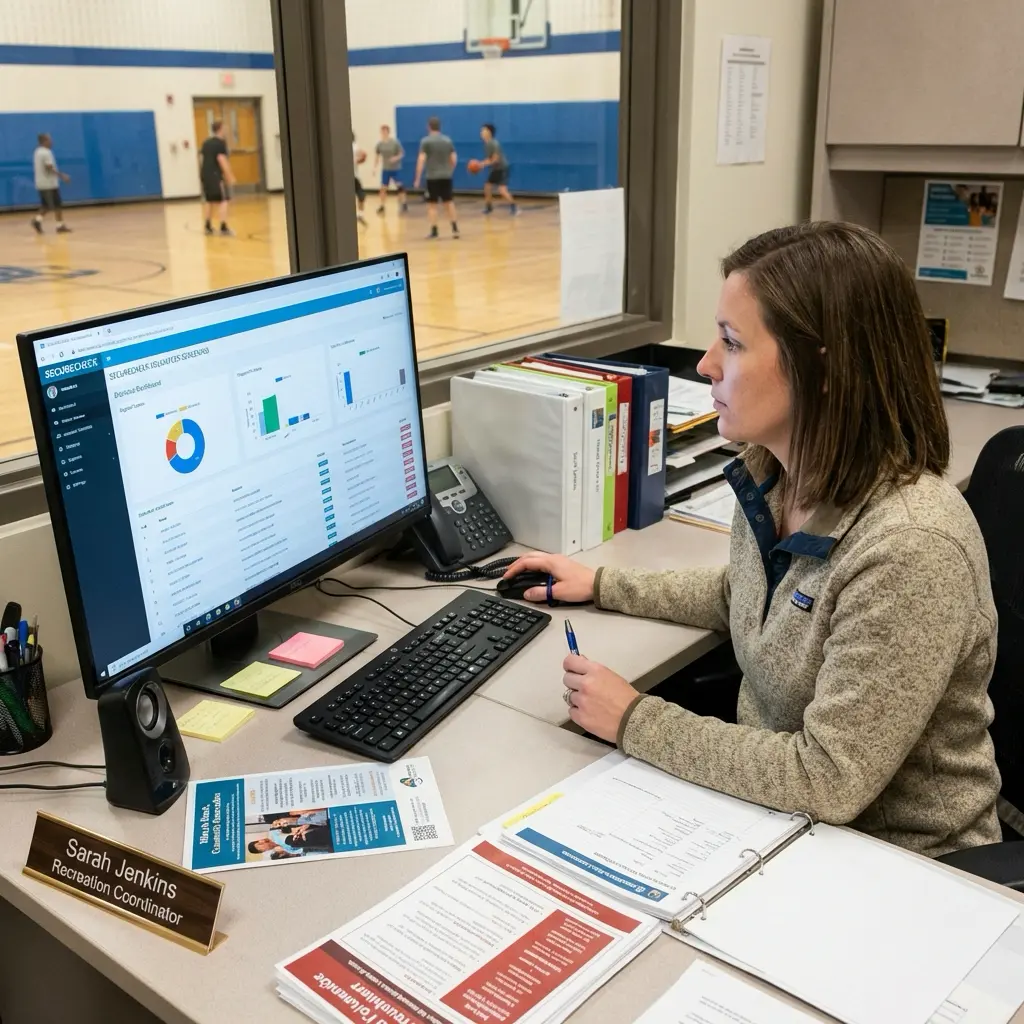
Coach Background allows applicants to complete their own intake through the platform directly, removing significant administrative burden from department staff. The platform also includes a direct pay option, so applicants cover their own screening costs without requiring the organization to front costs or chase reimbursements. When you need fifty coaches cleared before opening day, the difference between a paper process and a platform-driven one is measured in weeks.
For departments managing multiple simultaneous programs – youth basketball, summer camps, adult leagues – the ability to oversee all screening from a single platform replaces fragmented approaches with consolidated visibility and consistent standards.
Why City Departments Face Different Stakes
Public Accountability and Legal Exposure
Private organizations that fail in their screening processes face serious consequences. City departments face those and additional ones: accountability to elected officials, exposure under public records law, and the particular weight that attaches when a government agency places an inadequately screened person in charge of children in a publicly funded program.
The legal landscape has shifted materially. State laws in a growing number of jurisdictions now mandate background checks for anyone working with minors in organized programs – not as a best practice but as a statutory requirement. Insurance providers increasingly require documentation of screening processes as a condition of coverage. The baseline expectation of adequate due diligence has risen, and city departments whose processes have not kept pace carry exposure they may not fully recognize.


A platform like Coach Background helps city departments build a defensible process: documented, consistent, comprehensive, and auditable. When a city can demonstrate that national criminal checks, sex offender registry searches, SSN verification, and previous address reviews were conducted for every coach and volunteer – and that it can produce those records – it has created a standard that protects participants and the department simultaneously.
Volunteers: The Underscreened Category
The volunteer population is where traditional screening most consistently fails. Because volunteers fall outside formal HR processes, many organizations have historically applied lower standards to their review. This is a significant error. Volunteers in youth programs often have direct, sustained contact with participants – sometimes more than paid staff who carry administrative responsibilities limiting their program time.
The relevant question is not whether a person is on payroll, but what access and contact they have. Coach Background applies the same screening rigor to volunteers as to paid staff, treating access and contact as the governing factor rather than employment status. That alignment reflects actual risk rather than administrative convenience.
Safety Culture as Community Infrastructure


What Visible Standards Communicate
There is a parallel between what CPTED teaches about physical environments and what thorough screening communicates about organizational culture. Well-maintained, clearly designed public spaces send a signal: this place is watched, claimed, and cared for. That signal shapes behavior.
When coaches and volunteers know that every person working alongside them has gone through a real, documented screening process, it establishes a baseline of accountability. When parents see that a city recreation department has a formal, technology-driven approach to checking the people it puts in charge of children, it builds the kind of trust that paper forms cannot match.
That trust appears in program outcomes. Recreation departments with visible, credible safety standards tend to see stronger registration numbers, higher volunteer retention, and greater community support for program funding. Operational safety infrastructure is part of what makes a recreation program worth participating in.
Implementation Without the Headache
Recreation departments sometimes raise a legitimate concern about new software: staff turnover means constant onboarding, and a system requiring intensive training for every new administrator creates its own friction. Coach Background is designed for practical use by people who are not dedicated IT staff. The online portal works without specialized training. Applicant self-registration means coordinators are not manually managing every step of intake.
For departments currently managing screening through paper forms and spreadsheets, the transition to a platform-driven process typically reduces administrative time while expanding the scope and consistency of what gets checked.

Designing Complete Safety: Architecture Plus Operations
Urban design has spent decades building the evidence base for how physical environments protect the people who use them. That work is valuable, and its influence on how cities plan public spaces is genuinely positive.
But safety in public spaces – particularly in youth-serving programs – is never only a design problem. The park shelter with perfect sightlines still depends on who is running the program inside it. The recreation center with a well-lit, street-facing entrance still depends on the process that determined which coaches were cleared to walk through it.
Physical design creates the conditions for safety. Operational systems – including thorough, consistent, technology-driven applicant screening – determine whether those conditions are actually realized. The cities and departments getting this right are working on both dimensions simultaneously.
For any city department or recreation agency still relying on outdated paper-based screening, the tools to close the operational gap exist. Coach Background was built specifically for the organizations that carry the most responsibility for getting this right. The architecture of your public spaces deserves an operational system worthy of it.
FAQ: Safe Public Spaces and Operational Screening
Q: What is CPTED, and how does it relate to community safety?
CPTED – Crime Prevention Through Environmental Design – is a framework for designing built environments to reduce crime opportunity and increase natural surveillance. It addresses the behavior of strangers in public spaces through sightline optimization, territorial reinforcement, and activity support. It does not address the risk posed by individuals deliberately invited into programs in those spaces, which is where operational screening is essential.
Q: Why is a local background check insufficient for youth program staff?
A local check covers records from the current county or state only. People who have relocated carry a history that a local search will not surface. A national criminal background check combined with a national sex offender registry search and previous address review closes the geographic gaps that local-only screening leaves open by design.
Q: Should volunteers face the same screening standards as paid staff?
Yes. Volunteers in youth programs often have as much or more direct contact with participants than paid staff. Best practice – and an increasing number of state laws – applies equivalent screening standards to volunteers and employees in youth-serving programs. The relevant factor is access and contact, not employment status.
Q: What components make up thorough background screening for recreation programs?
Four components are identified as essential: a national criminal background check, a national sex offender registry search, Social Security number verification to confirm identity, and a previous address review extending the search to all prior jurisdictions. Platforms like Coach Background include all four as standard in every report.
Q: How does documented screening help city departments manage legal risk?
A consistent, auditable screening record demonstrates that the organization followed established best practices for every applicant. State laws and insurance requirements increasingly mandate this level of documentation. City departments able to produce records showing national checks, SSN verification, and sex offender registry searches for every coach and volunteer are in substantially stronger legal and reputational positions than those relying on paper-based processes.
The Full Picture of a Safe Public Space


The Tucson community center that opened this piece eventually updated its screening process. A platform-driven approach replaced the paper-based county check. The building was already doing its job. The operational system caught up.
That is what a complete approach to public space safety looks like: environments designed to discourage harm, paired with processes designed to prevent it from being introduced in the first place. Neither substitutes for the other. Both are infrastructure. Both require investment. Both are part of what it means to take the community’s trust seriously.
The architectural half of that equation has well-developed professional standards and decades of research. The operational half has tools equal to the task. The only question is whether organizations choose to use them.
- 207shares
- Facebook0
- Pinterest207
- Twitter0
- Reddit0