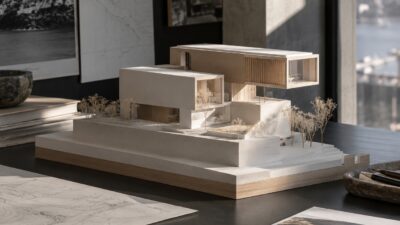
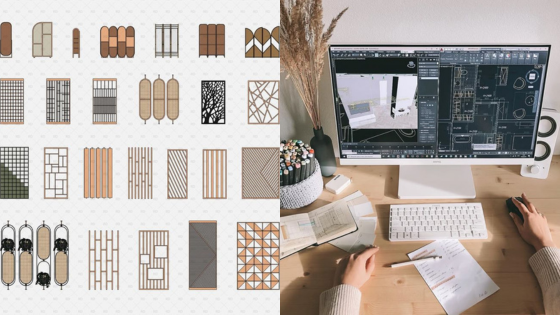
Making a home actually work for you — not just look good in the listing photos — usually comes down to a few decisions. Here are the five I kept coming back to.
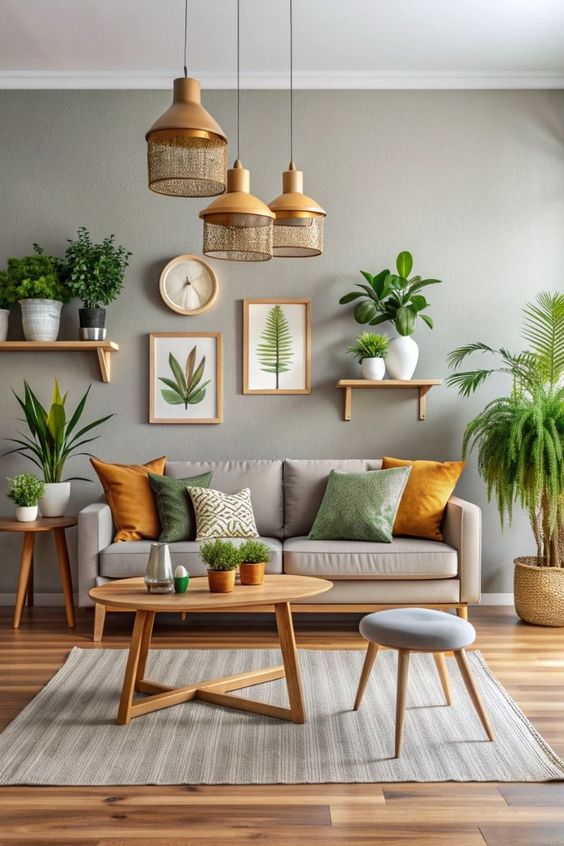
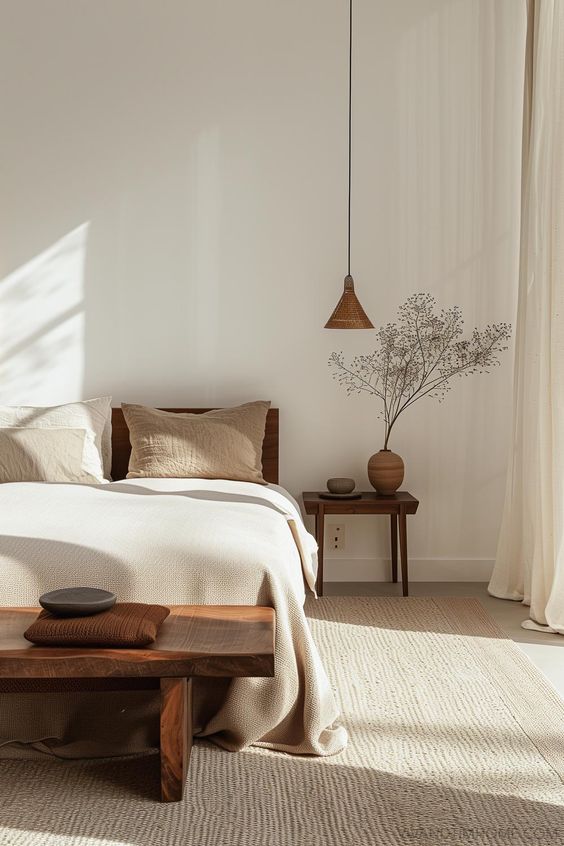
Storage that does something. Built-in shelving, ottomans with lids, beds with drawers underneath. I spent an embarrassing amount of money on decorative baskets before accepting that the stuff going into them was the real problem. Good storage is invisible. Bad storage is a basket full of things you don’t want to deal with.
Light over curtains. Heavy drapes make rooms feel smaller and darker, which is exactly what you don’t want. Sheers let daylight through and still give you privacy. If you’re rearranging a room, place seating near windows first, then figure out everything else.
Neutral walls aren’t a cop-out. A warm white or a greige gives you room to change textiles, art, and accents without picking up a roller every time your taste shifts. I’ve repainted twice chasing the “right” color. Both times I landed back near where I started.
Scale your furniture to the room. This is the mistake I see most often. An oversized sofa in a small living room doesn’t make the room feel cozy — it makes it feel blocked. Measure, then measure again. A room with breathing space around each piece reads as bigger than it is.
One plant you won’t kill. Not five. One. Pothos, snake plant, ZZ plant — something that actually thrives on neglect. Get it established, see how it goes. Plants shift the feeling of a room in a way that’s hard to explain until you try it.
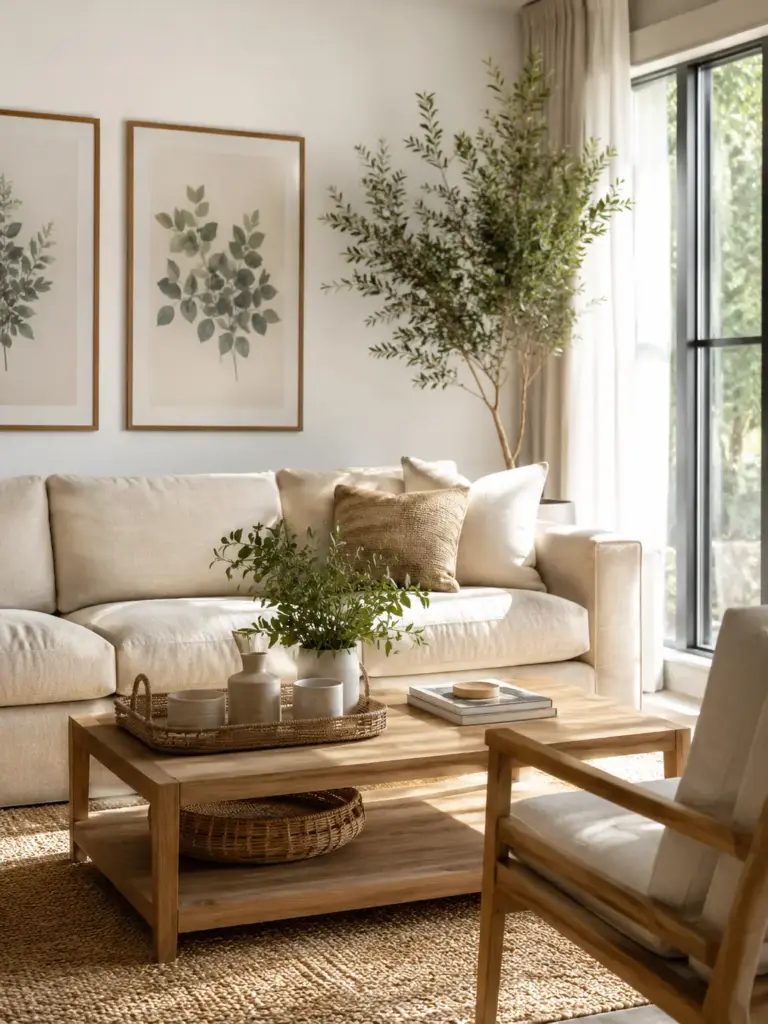
Rekindle Your Love for Your Home Through Design
Your home should be a place that makes you feel comfortable, inspired, and happy. However, over time, you may find yourself falling out of love with certain spaces in your home. A great way to rekindle your love for your home is by reimagining its design with simple changes that make a big impact.
Small design updates like adding fresh paint, changing up the layout, or introducing new decor elements can breathe new life into any room. By reassessing the functionality of your space and adding different elements that reflect your personal style, you can reimagine a home environment that feels both fresh and welcoming. Whether it’s decluttering, rearranging furniture, or adding a few accent pieces, these small changes can help you fall in love with your home all over again.
Wall Calendars a Functional and Stylish Addition to Your Home
Incorporating stylish yet practical items into your home design is key to achieving a functional space that still feels personalized. One such item is a wall calendar. While digital calendars have their place, wall calendars offer a tangible, visual way to stay organized and add a simple, decorative touch to your space.
The best wall calendars come in many different designs. This allows you to choose one that goes with your home’s aesthetic. Whether you hang it in your kitchen, office, or living room, a wall calendar serves a dual purpose: it helps you stay on top of your schedule while enhancing the visual appeal of your space. When you pick a design that reflects your style, you can transform a functional item into a piece of art, adding character to your home while keeping your life organized.
Strategically placed mirrors are one of the cheapest ways to make a room feel bigger, and most people get the placement wrong.Strategically placed mirrors are one of the cheapest ways to make a room feel bigger, and most people get the placement wrong. A mirror on a random wall does almost nothing. Put one directly opposite a window and the room picks up twice the light and a borrowed view of whatever’s outside — a garden, a street, even just the sky.
Narrow spaces are where this really pays off. Hallways, entryways, tight corridors. I used to have a rental apartment with a genuinely oppressive hallway — windowless, about a meter wide — and a single large mirror facing the far wall made it feel like a different space. Not an illusion exactly. Just less punishing.
What also works in mirrors’ favour: they don’t add clutter. A well-chosen mirror reads as a design decision, not as another object competing for attention. In smaller homes that distinction matters more than people think.
Open Shelving to Maximize Storage and Style

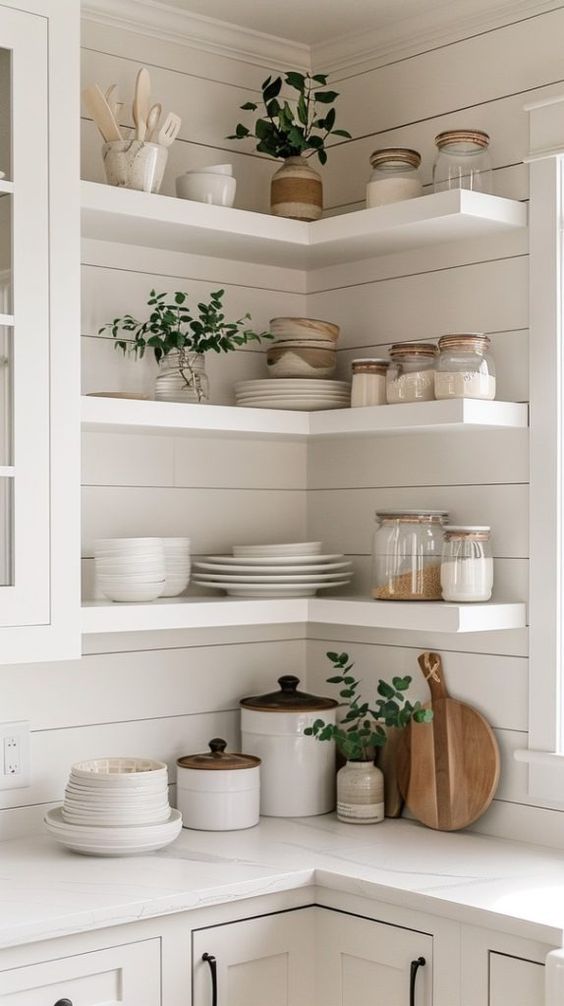
If you’re looking for a design idea that’s both functional and stylish, consider adding open shelving to your home. Open shelves are a great way to maximize storage while keeping your space organized and visually appealing. They work well in almost any room—whether it’s your kitchen, living room, or bathroom—offering a practical solution to display items without the bulk of closed cabinetry.
One of the benefits of open shelving is that it forces you to stay organized, as your belongings are on display. You can use shelves to store everyday items like dishes, books, or toiletries, but they also provide an opportunity to showcase decorative pieces such as plants, artwork, or vases. The combination of storage and decoration makes open shelving a versatile design feature that can enhance both the functionality and aesthetics of your home.
Natural Light Can Elevate Your Home’s Design
A key element in any stylish and functional home design is the use of natural light. Natural light not only makes a space feel more open and welcoming, but it also has practical benefits, such as improving your mood and reducing the need for artificial lighting. Large windows, glass doors, and strategically placed mirrors can all help to maximize the amount of natural light that enters your home.
To make the most of the natural light in your space, consider using light, airy curtains or even some shades that allow sunlight to filter through while still providing privacy. You’ll also want to arrange your furniture to take advantage of the sunlight that can enhance the atmosphere of your home, making it feel brighter and more spacious. Embracing some natural light is a simple yet effective way to elevate your home’s design and improve its functionality.
Multi-Functional Furniture Pieces Essential for Small Spaces
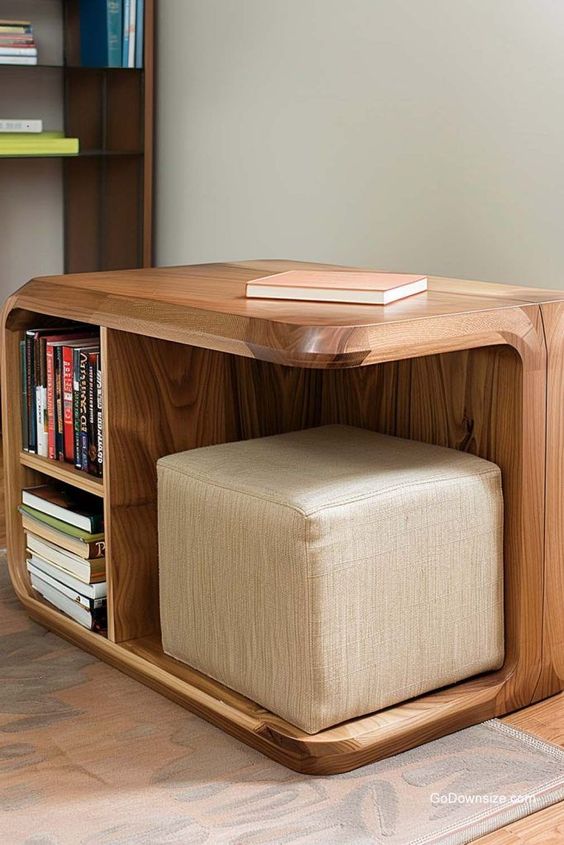

It’s essential to make the most of every square foot, and multi-functional furniture pieces can help you do just that. Whether it’s a sofa that turns into a bed, a useful dining table with built-in storage, or an ottoman that’s also a coffee table, multi-functional furniture allows you to maximize both space and style without compromising on either.
These pieces are perfect for creating flexibility in your living space that can adapt to your needs. For example, a fold-out desk in a small bedroom can transform a corner into a home office, while a sofa bed in the living room can provide extra sleeping space for guests. Multi-functional furniture helps you make the most of your home’s layout, ensuring that every piece serves a purpose while maintaining a cohesive and stylish design.
Frequently Asked Questions
Q: What is a simple home design?
A: A simple home design focuses on clean layouts, functional spaces, and practical features rather than excessive decoration. It often includes open floor plans, natural light, efficient storage, and durable materials. Popular styles include minimalist, Scandinavian, modern farmhouse, and contemporary homes. The goal is to create a comfortable living environment that is easy to maintain while maximizing space and usability.
Q: How can I make my home design more functional?
A: Start by evaluating how you use each room daily. Add built-in storage, choose multifunctional furniture, and keep pathways clear. Open-concept living areas, kitchen islands with storage, and under-stair cabinets are common solutions. Even small changes, such as wall-mounted shelves or foldable tables, can significantly improve functionality without increasing square footage.
Q: Why are open floor plans so popular in modern homes?
A: Open floor plans create a sense of spaciousness by combining the kitchen, dining, and living areas into one connected space. They allow more natural light to flow throughout the home and improve social interaction among family members. Many homeowners also appreciate the flexibility to rearrange furniture and adapt the space as their needs change over time.
Q: What are the best materials for a simple and stylish home?
A: Durable, timeless materials tend to work best. Hardwood flooring, engineered wood, natural stone, quartz countertops, and neutral paint colors remain popular choices. Materials such as oak, walnut, concrete, and matte black metal accents can add character while maintaining a clean, modern appearance. Choosing quality materials often reduces long-term maintenance costs.
Q: How much does it cost to build a simple modern home?
A: Costs vary depending on location, size, and materials, but a simple modern home typically ranges from $150 to $350 per square foot in many markets. A 2,000-square-foot home could cost between $300,000 and $700,000 or more. Factors such as custom features, energy-efficient upgrades, and local labor rates can significantly influence the final budget.
Q: What are the most common mistakes in simple home design?
A: One of the biggest mistakes is prioritizing appearance over functionality. Other common issues include insufficient storage, poor lighting, overcrowded rooms, and choosing trendy features that quickly become outdated. Homeowners should also avoid creating spaces that look minimal but fail to meet everyday practical needs.
Q: How can I make a small home feel larger?
A: Use light color palettes, maximize natural light, and select furniture that fits the scale of the room. Mirrors can help reflect light and create the illusion of more space. Built-in storage, sliding doors, and open shelving can also reduce visual clutter. Keeping a consistent design style throughout the home helps create a more spacious feel.
Q: Are energy-efficient features worth adding to a simple home design?
A: Yes. Energy-efficient windows, proper insulation, LED lighting, smart thermostats, and Energy Star appliances can lower utility bills and improve comfort. While some upgrades increase upfront costs, many homeowners recover their investment through long-term energy savings. Energy-efficient homes may also have higher resale value and appeal to environmentally conscious buyers.
When the goal is a cleaner exterior, this list of simple modern house design ideas is a useful companion to the simple planning rules above.
- 35shares
- Facebook0
- Pinterest35
- Twitter0
- Reddit0