Tattoo styles are easier to compare when you look at line weight, shading, color, subject matter, and how the design will age on skin. American traditional uses bold outlines and simple color. Fine line depends on delicate spacing. Realism needs a strong reference and a tattoo artist who understands value, contrast, and skin tone. None of these choices is only about taste; each style asks for a different level of detail, placement, maintenance, and artist skill.

The most popular tattoo styles include American traditional, neo-traditional, Japanese irezumi, blackwork, fine line, realism, micro-realism, watercolor, geometric, tribal, ornamental, illustrative, new school, biomechanical, and trash polka. If you are choosing your first tattoo, start with the style that matches the amount of detail you want, then check whether the design still reads clearly at the size and placement you can commit to.
15 tattoo styles at a glance
| Tattoo style | Best visual cue | Good fit for |
|---|---|---|
| American traditional | Bold black outline, limited color, simple shading | Classic flash, anchors, roses, eagles, daggers |
| Neo-traditional | Traditional structure with richer color and detail | Animals, portraits, florals, decorative pieces |
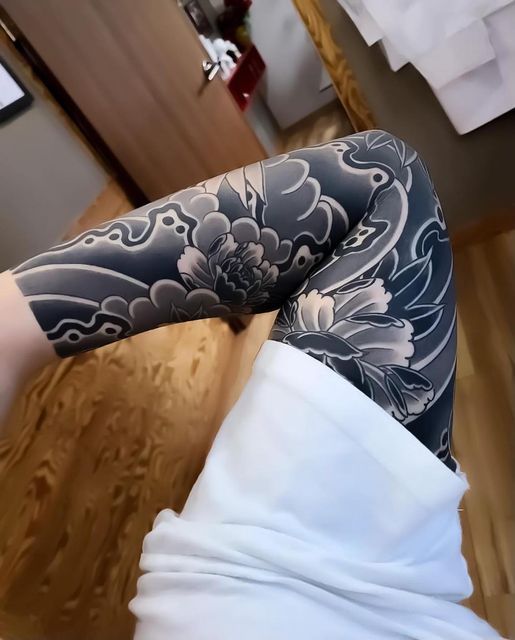
| Japanese irezumi | Flowing composition, large motifs, background movement | Sleeves, back pieces, koi, dragons, waves, peonies |
| Realism | Photo-like value, soft transitions, accurate proportions | Portraits, animals, statues, cinematic references |
| Micro-realism | Tiny realistic detail with careful contrast | Small portraits, pets, objects, delicate keepsakes |
| Fine line | Thin needles, clean spacing, light visual weight | Minimal symbols, script, botanical work |
| Watercolor | Soft color washes, painterly edges | Florals, abstract pieces, light illustrative designs |
| Geometric | Symmetry, repeated shapes, clean spacing | Mandalas, sacred geometry, pattern-based tattoos |
| Blackwork | Solid black fills, heavy contrast, graphic shapes | Sleeves, abstract work, ornamental designs |
| Tribal | Black shapes built around rhythm and body flow | Large readable designs, heritage-inspired work |
| Ornamental | Jewelry-like pattern, symmetry, decorative flow | Chest, sternum, hands, back, cuffs |
| Illustrative | Drawn quality, visible line style, artistic interpretation | Story-based designs, animals, fantasy motifs |
| New school | Cartoon energy, exaggerated proportions, bright color | Pop culture, playful characters, bold statement pieces |
| Biomechanical | Mechanical forms blended with anatomy | Arms, legs, shoulders, high-impact custom work |
| Trash polka | Black and red collage, sketch marks, graphic chaos | Large expressive designs with strong contrast |
Key takeaways
- Pick the tattoo style before you fall in love with a reference image; the same subject can look completely different in fine line, blackwork, realism, or traditional.
- Size matters. Detailed styles need room, while bold graphic styles usually stay readable at smaller sizes.
- Ask the artist to show healed work, not only fresh photos. A tattoo style only succeeds if it still looks good after the shine is gone.
The Evolution of Tattoo Styles
Historical Significance
Tattooing has moved through many roles: ritual mark, status symbol, punishment, sailor souvenir, fashion statement, and personal archive. That history matters because many styles still carry cultural weight. Japanese irezumi, Polynesian-inspired tribal work, and sacred-symbol designs should be researched before they are copied from a mood board.
Cultural Impact
Over time, tattoos have evolved from a symbol of rebellion to a mainstream form of self-expression. Traditional tattoo styles such as American traditional and Japanese tattoo style have remained popular, while newer styles like hyper-realistic and watercolor tattoos have emerged. Polynesian and tribal tattoo styles have also gained popularity, often representing cultural heritage and identity.
One influential figure in the evolution of tattoo styles is Sailor Jerry, a prominent tattoo artist in the mid-20th century. Sailor Jerry’s work was heavily influenced by traditional American tattooing, and his designs have become iconic within the tattoo community.
The design lesson is simple: style is not decoration added at the end. It controls the line, the size, the contrast, the placement, and even how much blank skin the tattoo needs around it.
Traditional Tattoos
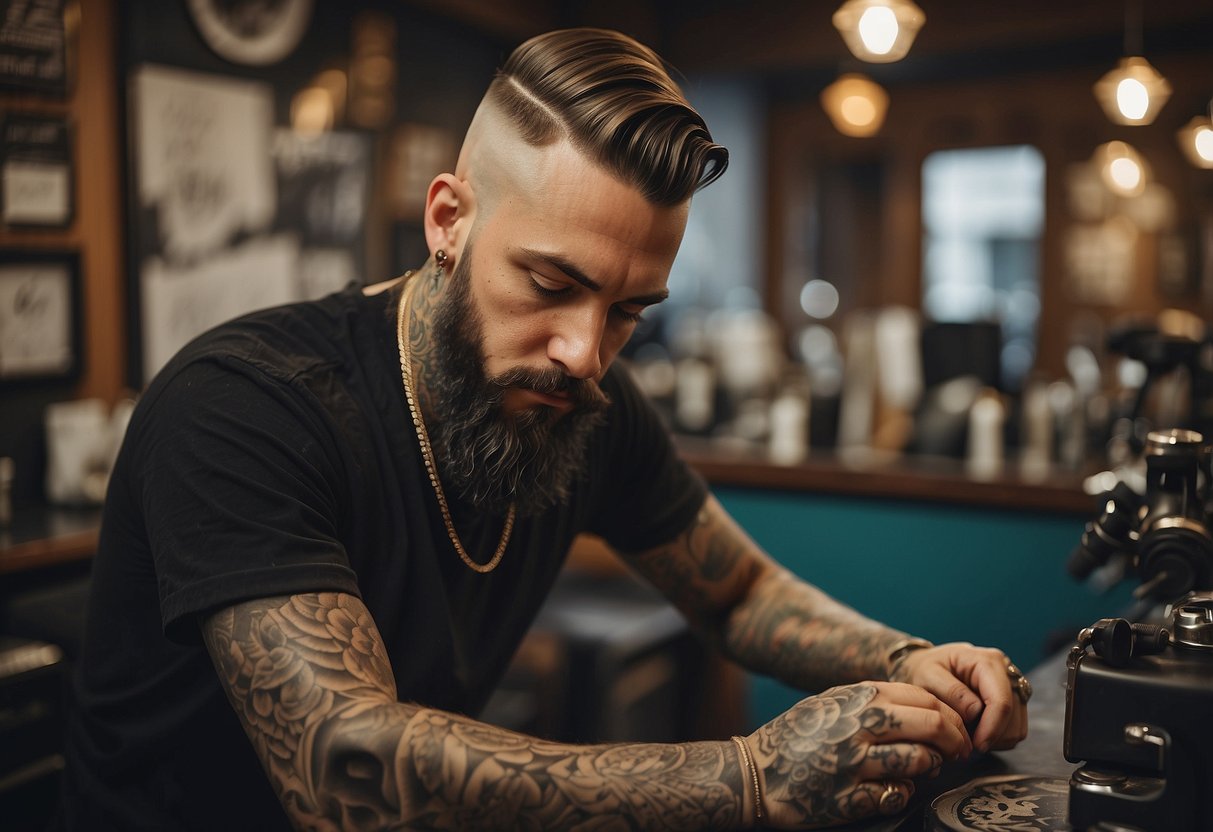
Traditional tattoos are some of the most popular tattoo styles around the world. They’re characterized by bold lines, bright colors, and black outlines. Traditional tattoos typically include nautical themes, pin-up girls, and other classic designs.
American Traditional
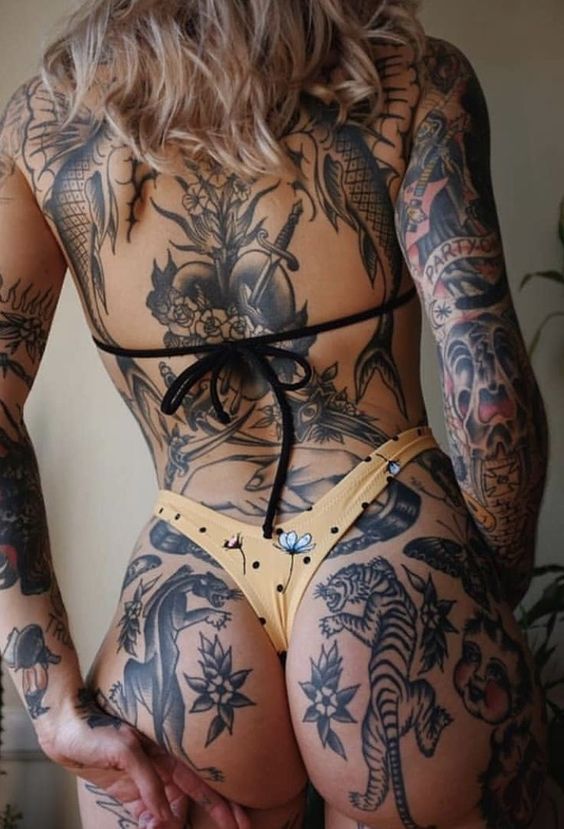
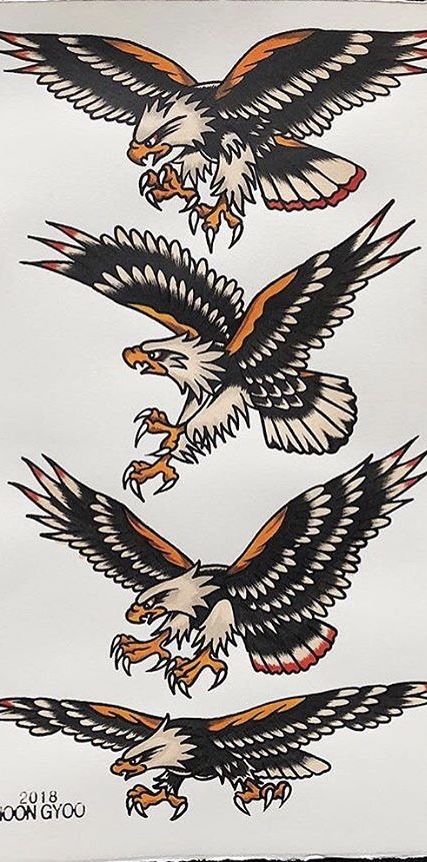
American Traditional tattoos, also known as Old School tattoos, are a classic style that originated in the United States in the early 1900s. They’re known for their bold lines and bright colors, and often feature nautical themes such as anchors, ships, and mermaids. Sailor Jerry is one of the most famous American Traditional tattoo artists, and his designs continue to be popular today.
Japanese Irezumi
Japanese Irezumi tattoos are a traditional style that originated in Japan. They often feature samurai, dragons, and koi fish, and are known for their intricate designs and use of negative space. Irezumi tattoos are typically done in black and gray, and can take many sessions to complete.
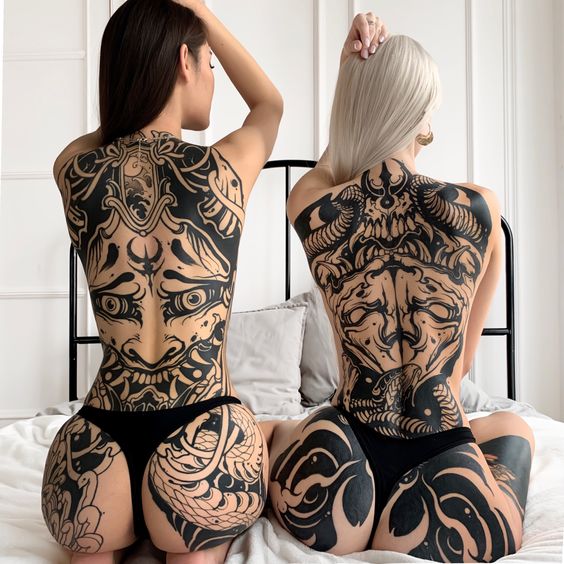
Overall, traditional tattoos are a timeless style that continue to be popular today. Whether you’re looking for a classic American Traditional tattoo or a detailed Japanese Irezumi design, there’s a traditional tattoo style for everyone.
Modern Tattoo Movements

Realism Tattoos
Realism tattoos, also known as hyper-realistic tattoos, aim to create an image that is as close to reality as possible. These tattoos often depict portraits of people and animals, landscapes, and objects.
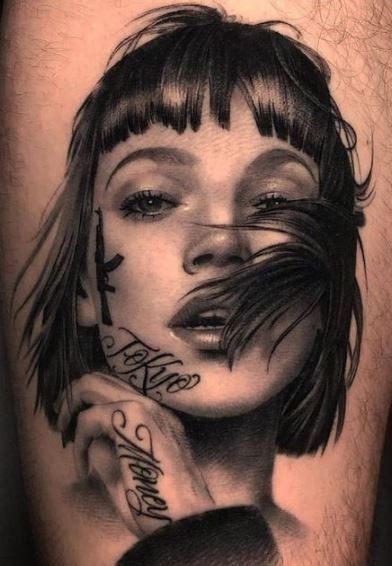
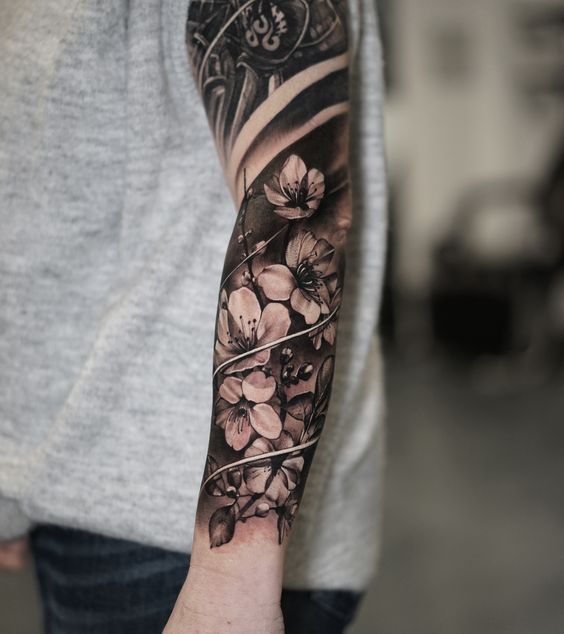
The artists who specialize in realism tattoos use a range of techniques to create a lifelike image, including shading, color blending, and fine details. The color palette used in realism tattoos is often muted and natural, with a focus on creating depth and dimensionality. Negative space is also used to create contrast and highlight the subject.
Geometric Tattoos
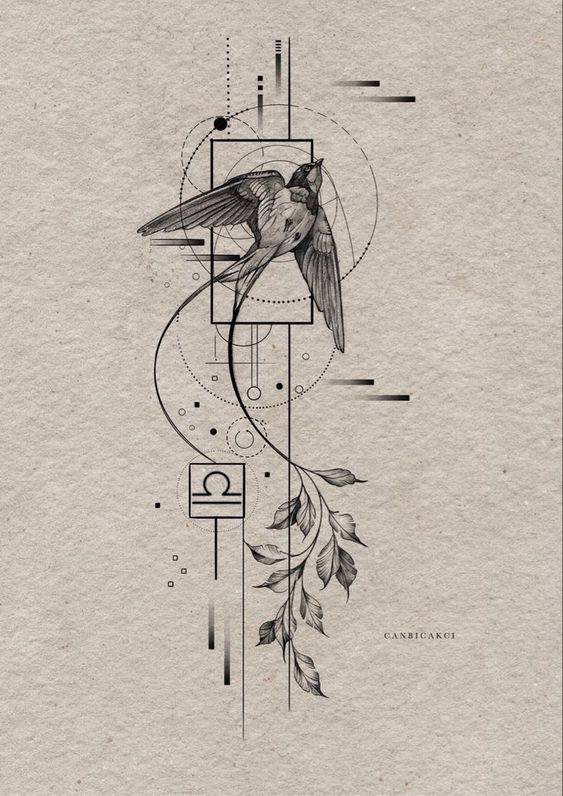
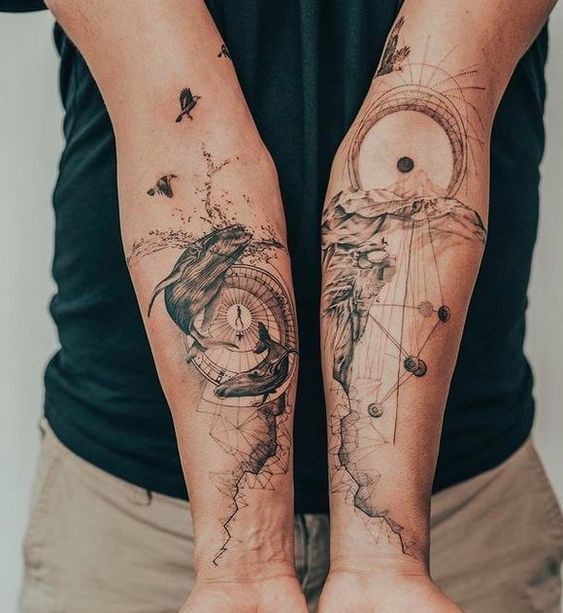
Geometric tattoos are inspired by mathematical shapes and patterns. These tattoos often feature intricate designs that are made up of simple shapes, such as triangles, circles, and squares. The artists who specialize in geometric tattoos use a range of techniques to create precise lines and shapes, including dotwork and blackwork. Geometric tattoos often use a limited color palette, with a focus on black ink. Negative space is also used to create contrast and highlight the shapes.
Watercolor Tattoos
For a smaller subject in this style, small butterfly tattoo designs are a natural fit because the wings give the artist room for soft color without needing a large composition.
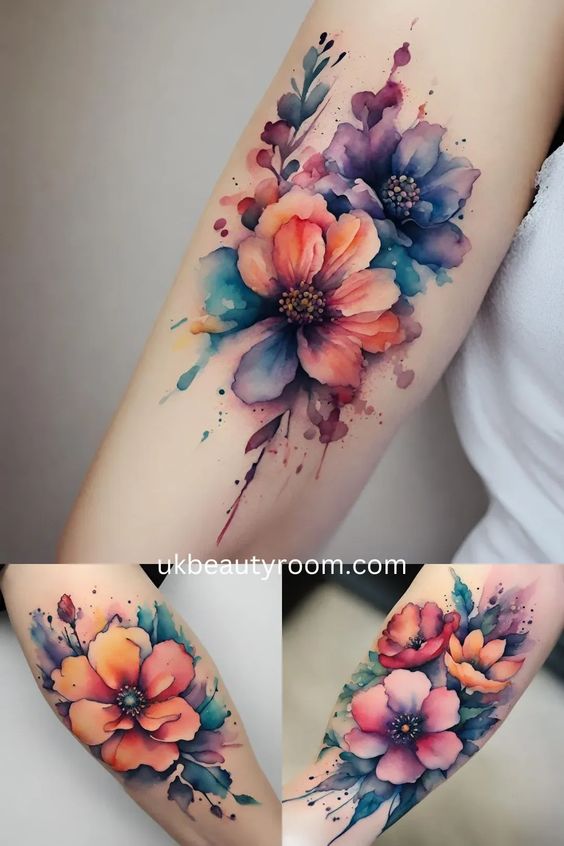
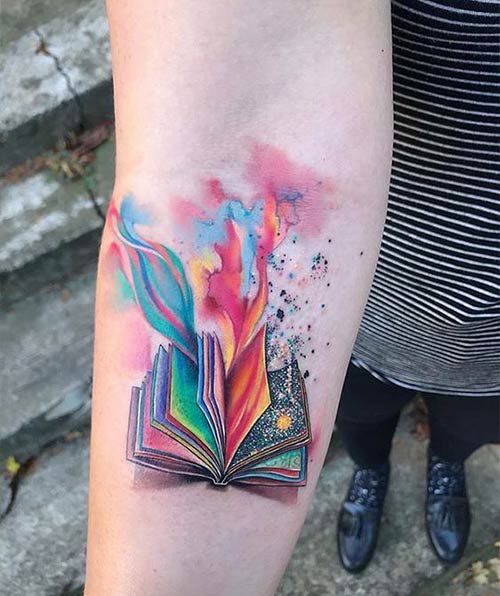
Watercolor tattoos are inspired by the fluid and organic shapes of watercolor paintings. These tattoos often feature bright and bold colors that blend together to create a soft and dreamy effect. The artists who specialize in watercolor tattoos use a range of techniques to create a watercolor effect, including blending, shading, and splattering. Watercolor tattoos often use negative space to create contrast and highlight the subject.
Blackwork Tattoos
Blackwork tattoos are inspired by the use of black ink to create bold and graphic designs. These tattoos often feature intricate patterns and designs that are made up of solid black lines and shapes. The artists who specialize in blackwork tattoos use a range of techniques to create precise lines and shapes, including dotwork and linework. Blackwork tattoos often use negative space to create contrast and highlight the subject.
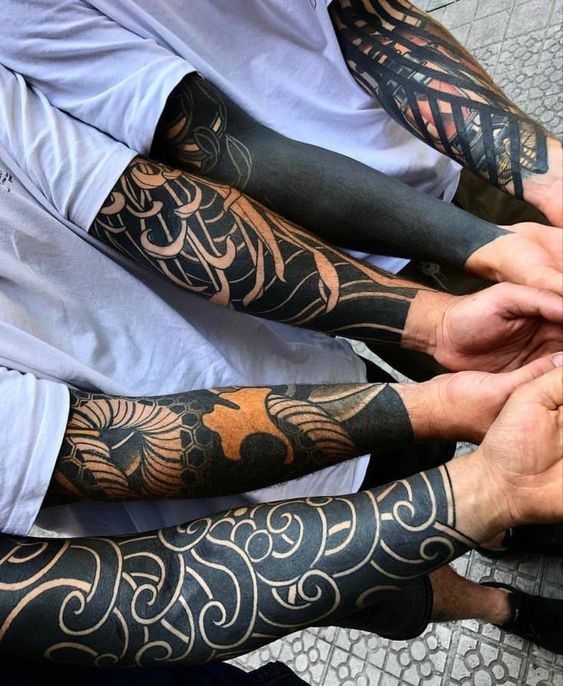
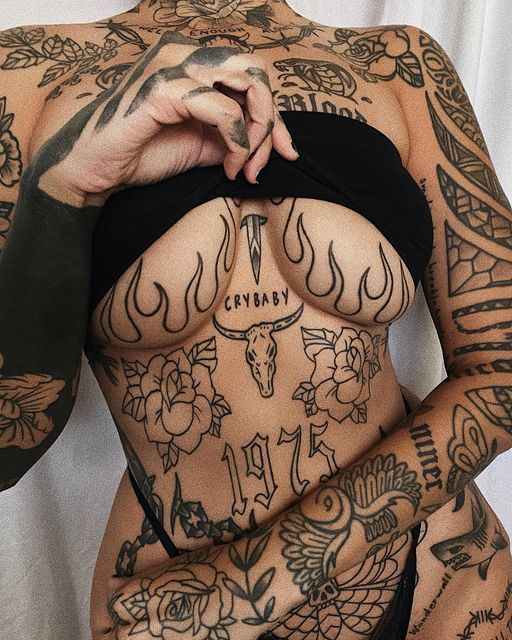
In modern tattoo movements, artistry and technique have reached new heights. Tattoo artists are constantly pushing the boundaries of what is possible, creating stunning and unique designs that reflect their clients’ personalities and passions. Whether it’s realism tattoos, geometric tattoos, watercolor tattoos, or blackwork tattoos, there is a style for everyone.
Specialized Tattoo Styles
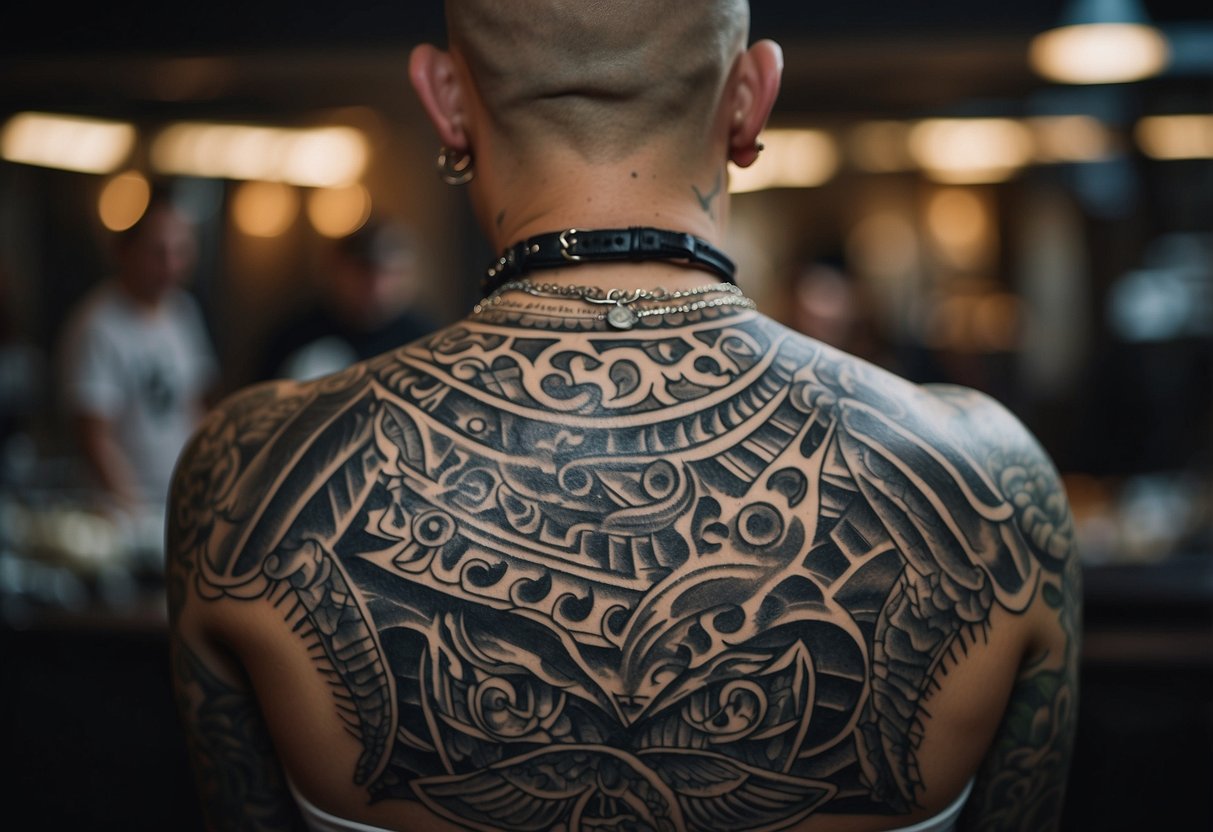
Trash Polka Tattoos
Trash Polka is a relatively new tattoo style that originated in Germany in the early 2010s. It is characterized by a combination of realistic and abstract elements, such as photographs, typography, and geometric shapes. The style typically uses monochromatic black and red ink, with occasional splashes of other colors.
Trash Polka tattoos are striking and attention-grabbing, due to their bold designs and vivid colors. They often feature a high level of detail and dimensionality, with elements that appear to be emerging from or receding into the skin.
Biomechanical Tattoos
Biomechanical tattoos are a type of tattoo that combines mechanical and organic elements. They often feature designs that mimic the appearance of machinery or cyborgs, with gears, wires, and other mechanical components interwoven with organic tissue such as muscle and bone.
Biomechanical tattoos are typically done in monochromatic black ink, although some artists may incorporate other colors for added effect. They are known for their striking, three-dimensional designs that create the illusion of depth and movement.
Overall, specialized tattoo styles such as Trash Polka and Biomechanical tattoos offer a unique and eye-catching alternative to traditional tattoo styles. Whether you prefer the bold, vivid colors of Trash Polka or the intricate, three-dimensional designs of Biomechanical tattoos, there is a specialized tattoo style out there to suit your individual taste and personality.
Tattoo Style Elements
Tattoo style elements are the building blocks of a tattoo design. They are the different components that come together to create a unique tattoo that represents the wearer’s personality, beliefs, and experiences. In this section, we will explore the most important tattoo style elements and how they contribute to the overall look and feel of a tattoo.
Symbolism and Meaning
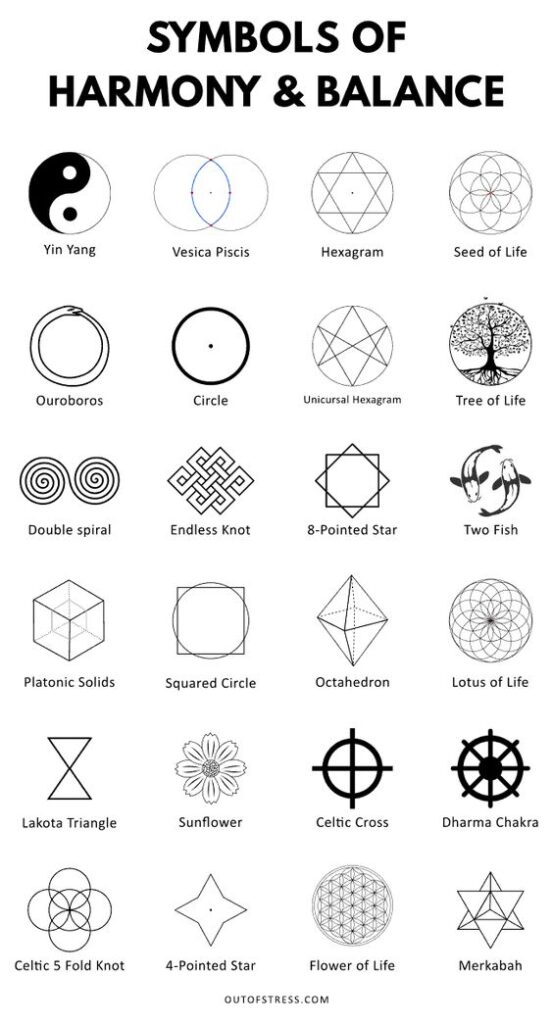
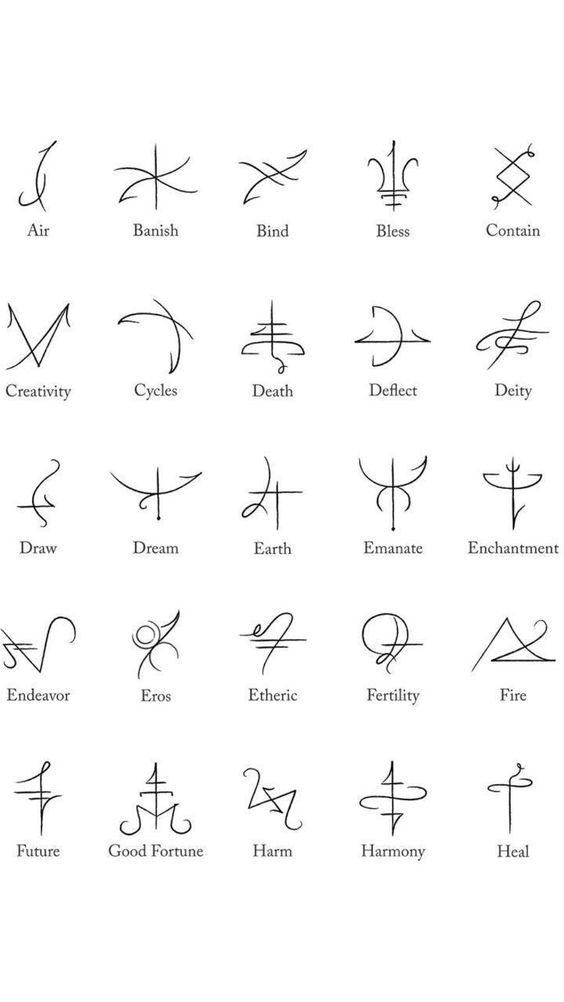
Symbolism and meaning are perhaps the most important elements of a tattoo design. They give a tattoo its depth and significance, and can make it a powerful expression of the wearer’s identity. Many tattoos are designed to represent something specific, such as a loved one, a favorite animal, or a cultural symbol. Others are more abstract, representing emotions or ideas that are important to the wearer.
Color and Black & Grey
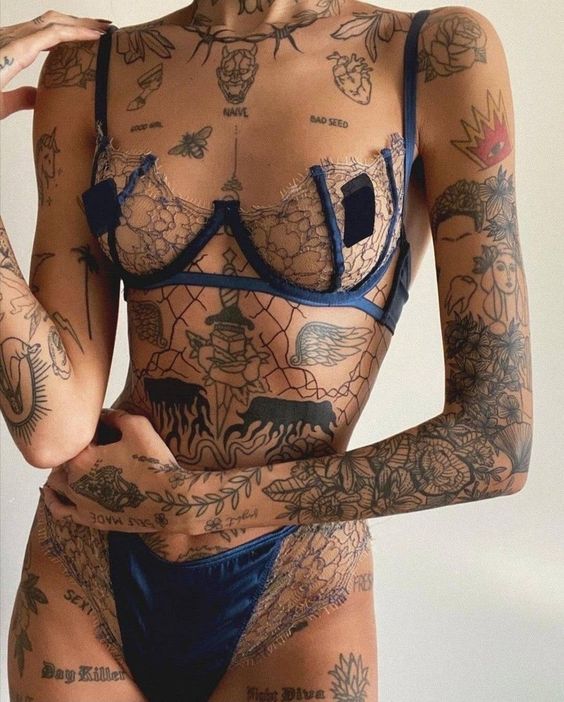
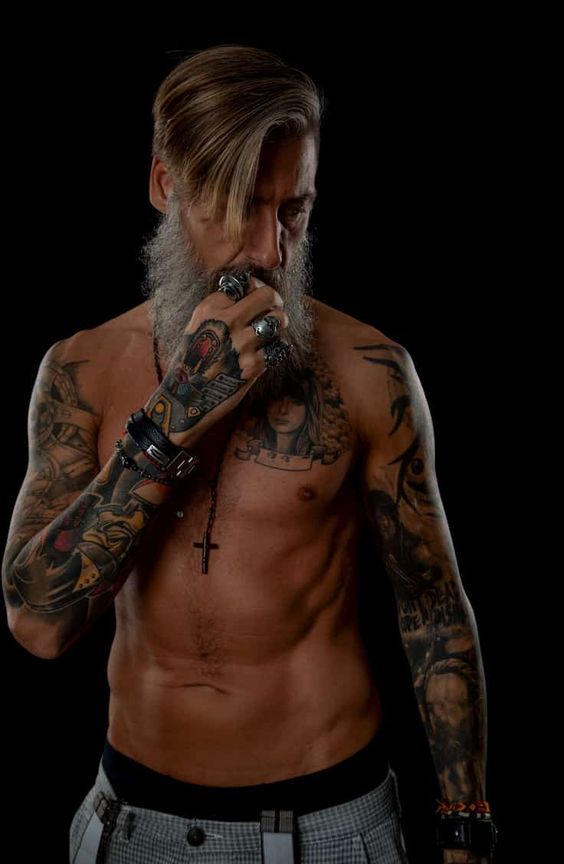
Color and black & grey are the two main color palettes used in modern tattooing. Color tattoos are vibrant and eye-catching, and can be used to create a wide range of effects, from bold and graphic to soft and subtle. Black & grey tattoos, on the other hand, are more understated and elegant, relying on shading and texture to create depth and dimension.
Placement and Size
Placement and size are important considerations when designing a tattoo. The placement of a tattoo can have a significant impact on its meaning and symbolism, and can also affect how visible it is to others. Size is also important, as it can determine how much detail can be included in the design, and how well it will hold up over time.
In conclusion, understanding the different elements of tattoo style is essential for creating a tattoo that is both visually appealing and meaningful. Whether you choose a traditional style or a hyper-realistic design, the key is to find a balance between aesthetics and symbolism, and to choose a design that truly represents who you are.
How to choose the right tattoo style
Understanding Your Preferences
Choosing the right tattoo style is a crucial decision that requires careful consideration. It is important to understand your preferences and what you want to convey through your tattoo. Your personality and artistic expression should also be taken into account.
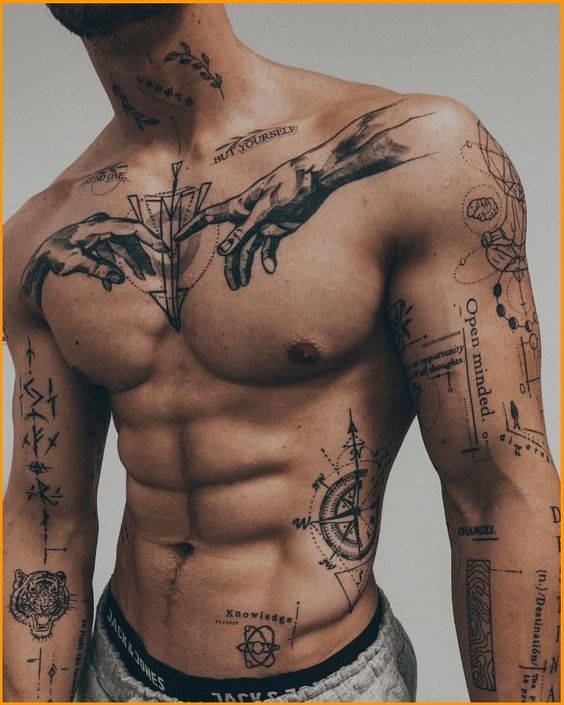
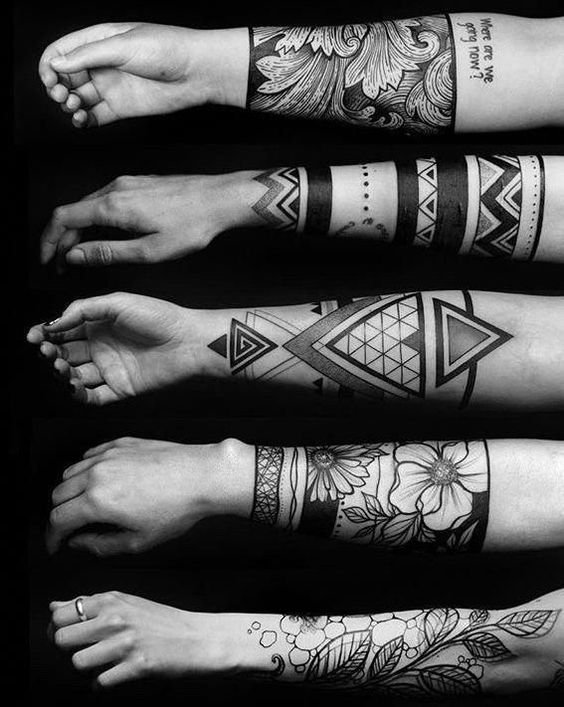
There are various tattoo styles to choose from, ranging from traditional to hyper-realistic. Each style has its own unique characteristics and meanings. For instance, traditional tattoos are known for their bold outlines and bright colors, while watercolor tattoos are known for their soft, dreamy appearance.
To help you understand your preferences, it is recommended that you research different tattoo styles and ideas. You can also browse through tattoo artist portfolios to get a sense of their style and expertise.
Consulting with Tattoo Artists
Consulting with a tattoo artist is another important step in choosing the right tattoo style. A good tattoo artist can guide you through the process and offer expert advice on what will work best for you.
When consulting with a tattoo artist, be sure to bring in any ideas or references that you have. This will help the artist understand your vision and create a design that meets your expectations. It is also important to communicate your preferences and any concerns you may have.
In addition, it is recommended that you choose a tattoo artist who specializes in the style you are interested in. This will ensure that you get the best possible result and that your tattoo looks exactly as you envisioned it.
Overall, choosing the right tattoo style requires careful consideration and consultation with a professional tattoo artist. By understanding your preferences and working with an experienced artist, you can create a tattoo that reflects your personality and artistic expression.
Tattoo Styles in Pop Culture
Influence of Celebrities and Media
Tattoos have always been a part of popular culture, but in recent years, they have become even more mainstream. This is largely due to the influence of celebrities and media. Many famous actors, musicians, and athletes have tattoos, and they often show them off in public. This has helped to make tattoos more acceptable and even fashionable.
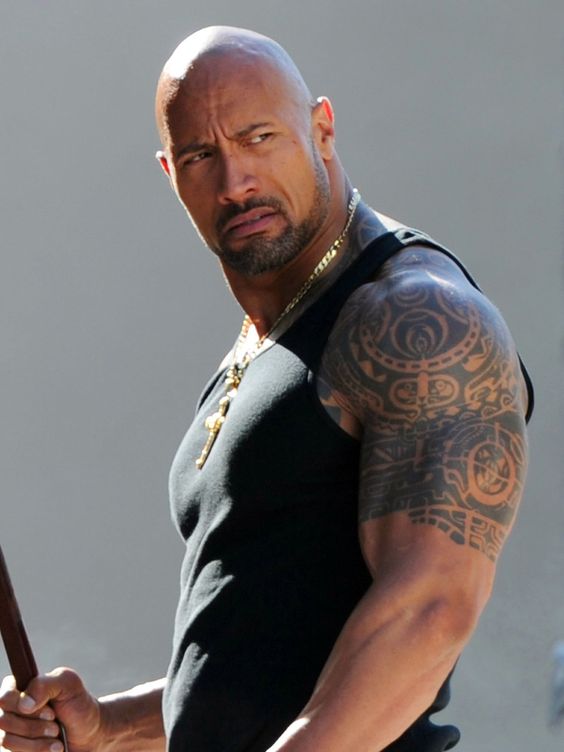
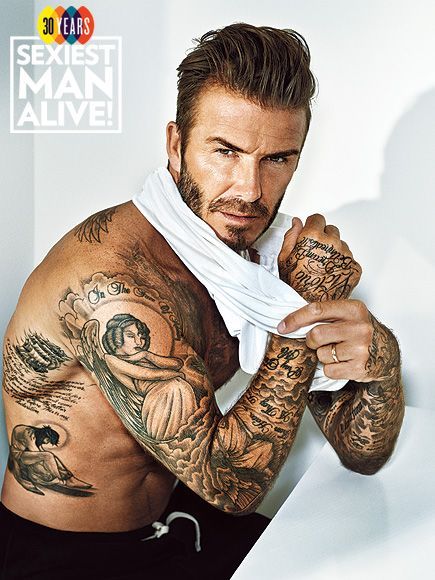
One example of a celebrity who has had a big impact on the tattoo industry is David Beckham. He has a large number of tattoos, including a sleeve tattoo on his right arm. This has helped to popularize the new school tattoo style, which features bright colors and bold designs.
Another way that celebrities have influenced the tattoo industry is through social media. Platforms like Instagram have made it easier for people to share their tattoos with others. This has helped to create a community of tattoo enthusiasts who can share ideas and inspiration.
Tattoos on Social Media
Social media has also had a big impact on the way that people view tattoos. In the past, tattoos were often seen as something that only criminals or rebels would get. But now, they are seen as a form of self-expression and art.
One of the most popular hashtags on Instagram is #tattoo. This has helped to create a huge online community of tattoo enthusiasts who share their tattoos with others. Many tattoo artists also use social media to showcase their work and attract new clients.
Overall, tattoos have become more accepted and mainstream in recent years, thanks in part to the influence of celebrities and social media. Whether you prefer traditional tattoos or hyper-realistic ones, there is a style out there for everyone.
What is changing in tattoo styles now

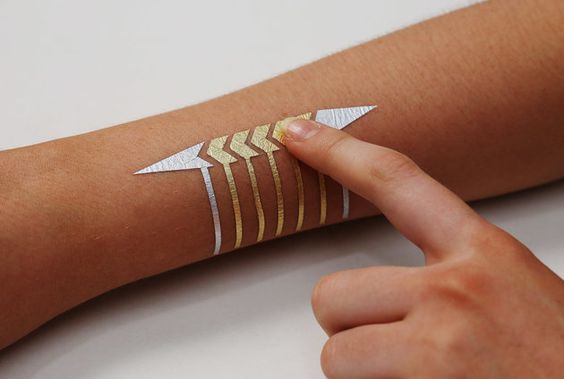
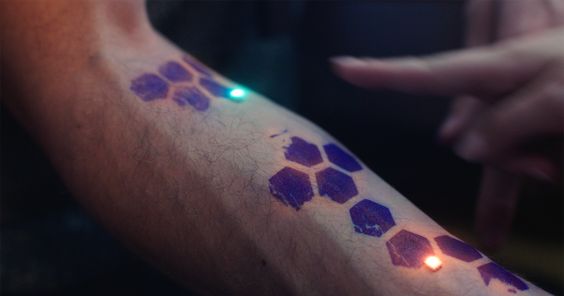
The biggest shift is not a single new tattoo style. It is how people research, save, and compare references before they ever speak to an artist. Clients now arrive with mood boards, healed-photo screenshots, placement ideas, and a stronger sense of what they do not want. That can be useful, as long as the final design is still built for the body rather than copied from a flat image.
Micro-detail and bigger custom work
Micro-realism and fine line tattoos are still popular, but the best versions leave breathing room around tiny details. At the other end, large custom pieces are becoming more thoughtful: fewer random stickers, more planned flow across the arm, back, ribs, or leg.
Style mixing with clearer rules
Mixed-style tattoos work when one style leads. A blackwork tattoo can include ornamental details. A realism piece can sit inside a graphic frame. A Japanese-inspired sleeve can use modern color handling. The problem starts when every reference gets equal volume and the design loses a clear visual hierarchy.
The body is still the real canvas
A tattoo has to move with skin, muscle, joints, and age. Before choosing a style, ask where the design will sit when your arm bends, when your shoulder turns, or when the piece wraps around the forearm. Flat references are useful, but placement decides whether the tattoo feels designed or pasted on.
Frequently asked questions about tattoo styles
What are the main tattoo styles?
The main tattoo styles include American traditional, neo-traditional, Japanese irezumi, realism, micro-realism, fine line, watercolor, geometric, blackwork, tribal, ornamental, illustrative, new school, biomechanical, and trash polka. Most tattoos also mix influences, so use these labels as a starting point rather than a strict rulebook.
Which tattoo style is best for a first tattoo?
For a first tattoo, choose a style that stays readable at the size you want. American traditional, blackwork, fine line, small illustrative designs, and simple geometric tattoos are common starting points. Avoid tiny hyper-realistic portraits unless the artist has strong healed examples at that scale.
What tattoo styles age best?
Styles with clear contrast, enough spacing, and strong silhouettes usually age best. American traditional, blackwork, Japanese-inspired large pieces, and bold geometric work tend to hold up well because the design does not rely on tiny details alone. Fine line and micro-realism can age beautifully, but they need careful placement and an artist who understands healed line work.
What is the difference between realism and micro-realism tattoos?
Realism tattoos aim for photo-like detail and usually need more space to show values, texture, and proportion. Micro-realism uses the same idea at a much smaller scale, which makes contrast and placement more important. If the design is too small, the details can blur together as the tattoo heals.
Are watercolor tattoos hard to maintain?
Watercolor tattoos can need more planning because soft color edges and pale washes may fade faster than bold black outlines. A good artist will usually build enough structure into the design so it does not disappear into the skin. Ask to see healed watercolor tattoos, not only fresh photos.
How should I choose a tattoo artist for a specific style?
Choose the artist by healed portfolio, not by general popularity. Look for multiple examples in the exact style you want, with similar skin placement and size. A strong realism artist is not automatically the right person for traditional flash, and a fine line specialist may not be the best choice for heavy blackwork.
What should I check before booking a tattoo?
Check the artist portfolio, studio hygiene, healed work, pricing structure, placement advice, and aftercare instructions. For safety basics, the FDA has a helpful overview of tattoo and permanent makeup risks. A good studio will answer practical questions before you pay a deposit.
For more placement ideas, meanings, and visual references, browse the Sky Rye Design tattoo ideas hub.
- 7.8Kshares
- Facebook0
- Pinterest7.8K
- Twitter0
- Reddit0