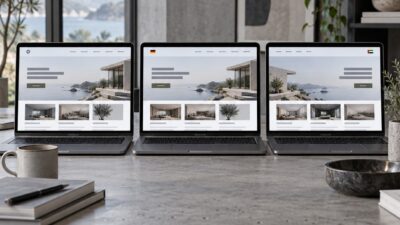
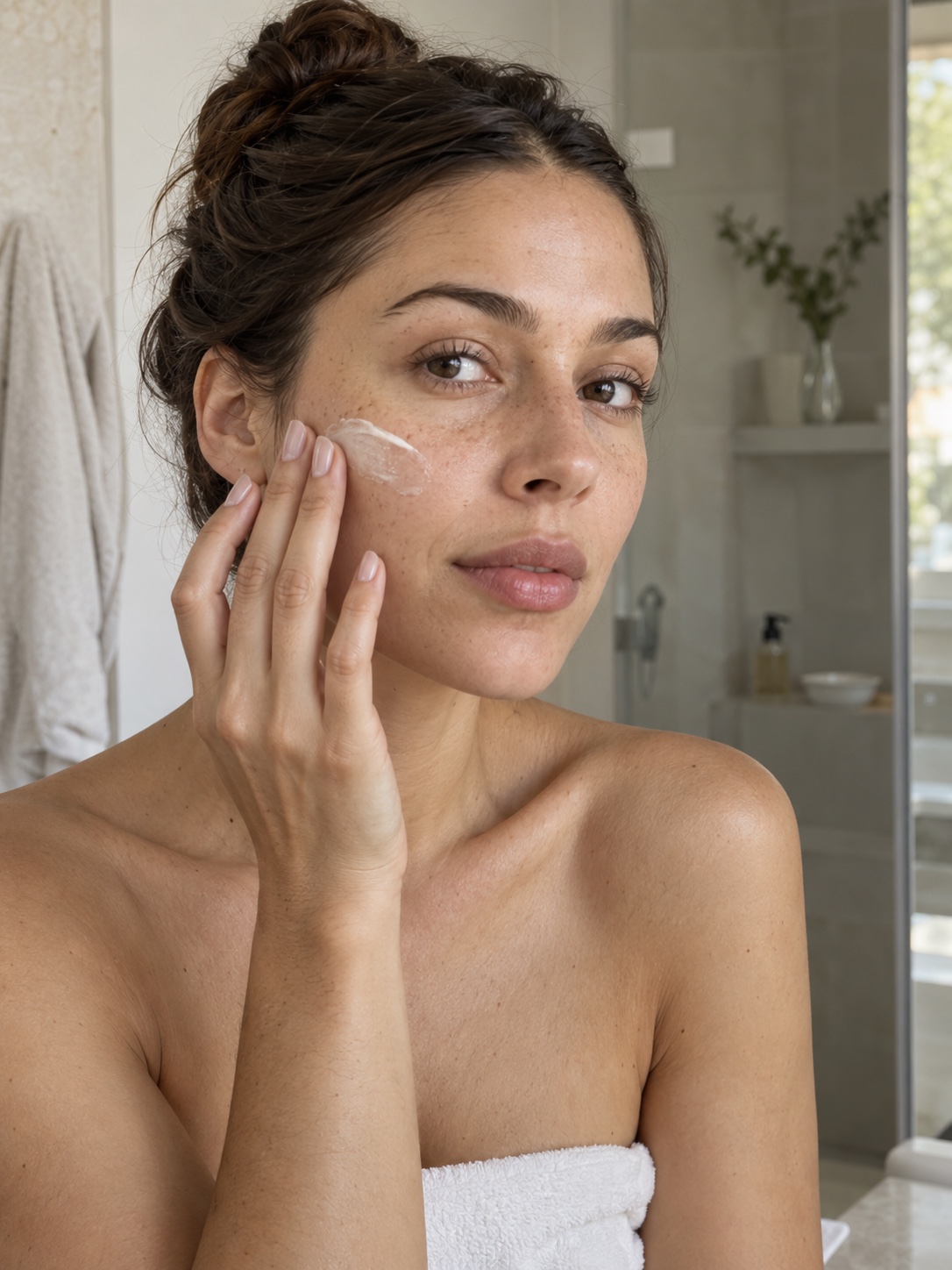
Blogger outreach for beauty and fashion brands works best when the right creator can show a product in a setting that feels more personal than a campaign image ever could. Think of a skincare routine filmed in someone’s real bathroom, a styling idea built around clothes they already own, or a review that admits a product did not quite work for a particular skin tone.
After more than fifteen years working across visual and product design, I have learned to trust that first impression. Authenticity reads instantly, and audiences can tell when they are looking at a genuine recommendation rather than a performance written for a brief.
A useful collaboration rarely starts with a mass email. It starts with knowing who you want to reach, why a particular blogger fits the brand, and what you can offer beyond free product and a vague promise of exposure.
- Start blogger outreach with a clear collaboration goal
- Look past follower counts to find real fit
- Make the first message personal
- Agree on the details before work begins
- Measure what the partnership actually does
- Build relationships instead of a one-off list
- Match the creator aesthetic to the brand visual language
- Common blogger outreach mistakes
- Blogger outreach FAQ
- How many bloggers should a small beauty or fashion brand start with?
- Should I pay bloggers, or is gifted product enough?
- How do I know if a blogger's audience is real?
- What response rate should I expect from outreach emails?
- Do I need a written contract for a small gifted-product collaboration?
- How soon should I follow up if a blogger does not respond?
Blogger outreach is the process of building relationships with writers and creators whose audiences overlap with yours. Blogs now stretch across newsletters, Instagram, TikTok, and long-form video, but the basic principle has not changed: a small group of relevant partners will usually beat a long list copied from a media database. This article focuses on the choices that matter most to visually driven beauty and fashion brands.
Start blogger outreach with a clear collaboration goal
Before you search for a single blogger, decide what success looks like for this campaign. Skipping that step is how brands end up with a scattered creator list that never quite serves the goal.
A new label launching its first collection may need to introduce its point of view to people who have never heard of it. That is an awareness goal, so look for creators with strong personal style and a trusted eye, not simply the largest following.
A skincare brand releasing a serum may need demonstrations of texture, application, and results over several weeks. That is an education goal, and it calls for creators who publish detailed routines and follow-up reviews rather than one glossy post. A boutique hotel or homeware brand hosting a launch event may care more about atmosphere and editorial coverage than an immediate sale.
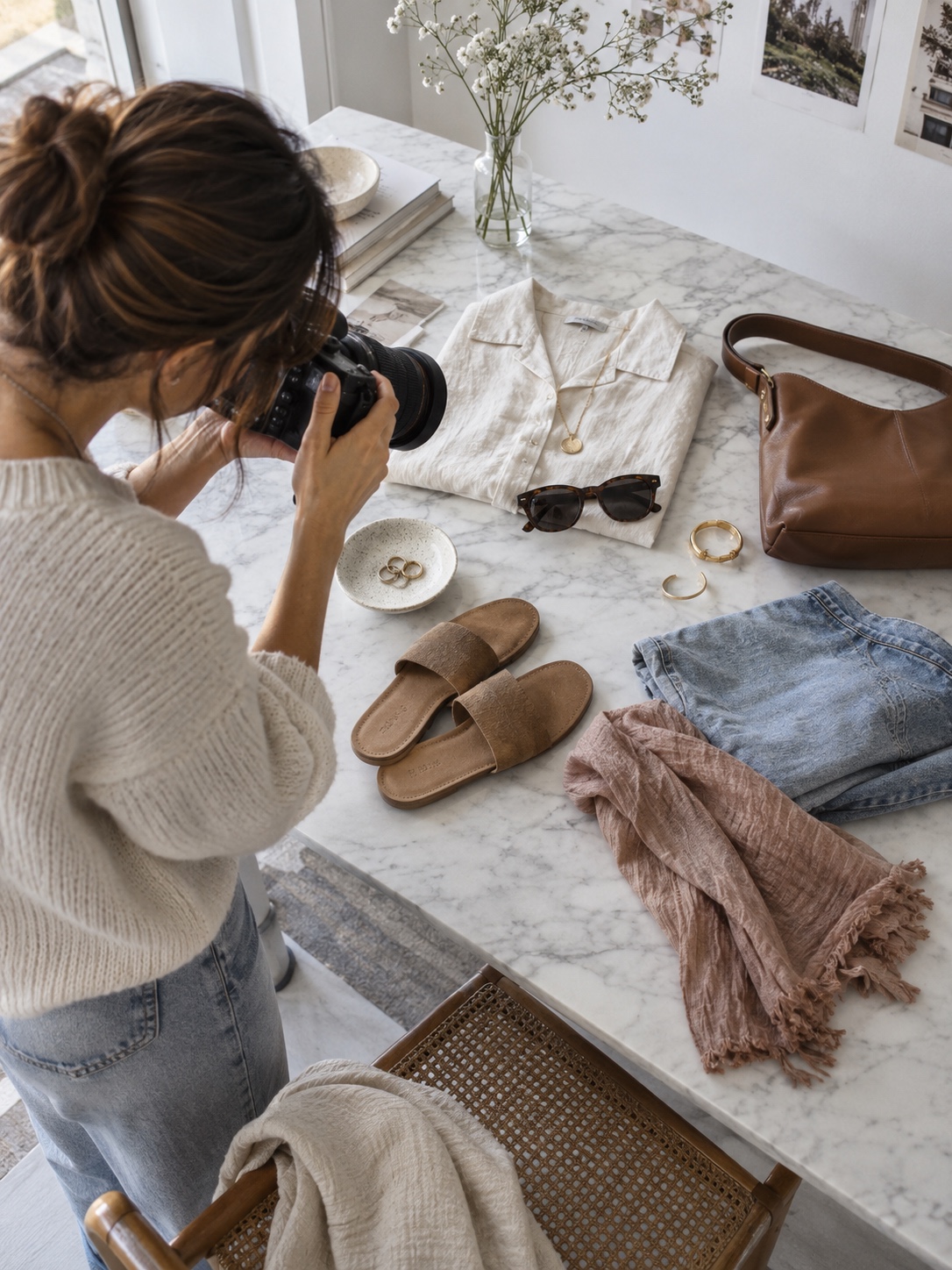
I approach this the same way I would brief a photographer. You do not hand over a product and say, “Make it look nice.” You explain what the image must communicate, then the lighting, composition, and styling decisions follow. Outreach works the same way: decide what the content needs to communicate before choosing who should make it.
Turn the goal into a one-sentence brief
Write one sentence that names the audience, the action or impression you want, and the product truth the content must communicate. For example: “Show people with sensitive skin how the serum fits into a simple evening routine without making medical claims.” That sentence is specific enough to guide creator selection and loose enough to leave room for a real point of view.
If the sentence keeps expanding, the campaign probably has too many goals. Split awareness, education, and conversion into separate phases rather than asking one post to introduce the brand, explain every feature, deliver a tutorial, and produce immediate sales.
Look past follower counts to find real fit
Audience size is easy to compare on a spreadsheet, but it says little about whether a partnership will work. Read several recent posts before reaching out, not just the creator’s most popular one.
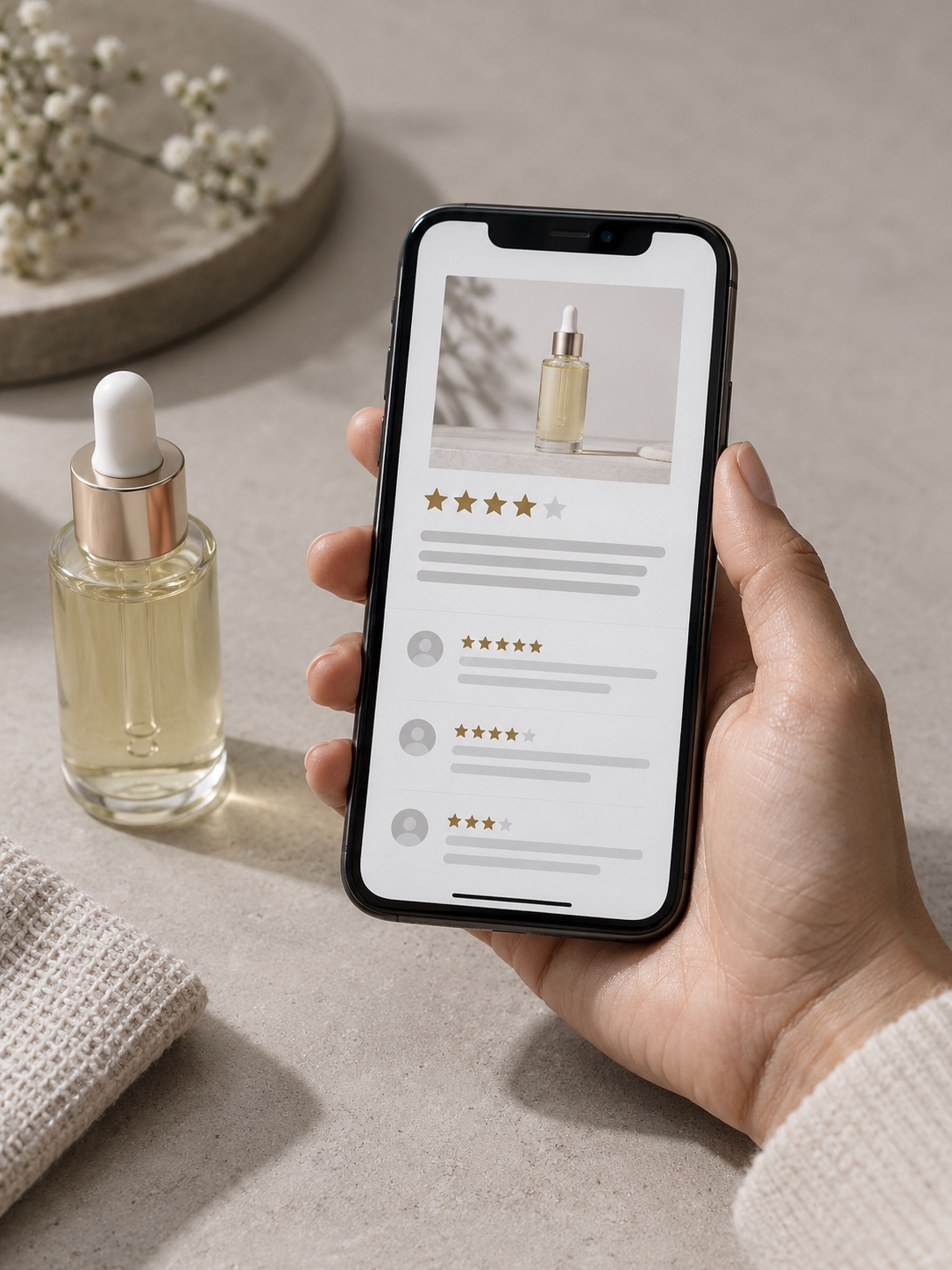
Pay attention to how they write, photograph products, and respond when readers ask questions. Do they explain what they like and dislike, or does every post read like an ad? Check whether their price point, tone, and quality expectations match the experience your brand can deliver.
Look at recent publishing frequency, recurring topics, usual formats, and any audience information they share. A creator known for curly-hair care, second-hand styling, sensitive-skin routines, or sustainable denim may reach fewer people overall but far more of the people who matter to your campaign.

Fit does not mean forcing every creator to match a polished mood board exactly. Their independent perspective is part of the reason readers trust them. Look for shared values and a compatible audience, then leave room for the creator’s own way of shooting and writing about the product.
Make the first message personal
A strong outreach email proves in its first two sentences that you have read the person’s work. Mention a specific article, video, or recurring subject, then explain the connection you see with your brand. Introduce yourself briefly and state what kind of collaboration you have in mind.
Keep the message easy to judge quickly. Include the product or project, proposed timing, expected content, and whether there is a budget. Vague lines such as “We’d love to explore a partnership” are hard to act on when none of those details follow.
If you are open to different formats, say so. A creator often knows whether a written feature, a styling story across several outfits, or a short video will serve their audience best.
Give the recipient room to decline. One polite follow-up after about a week is reasonable; a third unprompted message turns a possible relationship into an interruption. Keep a simple contact record so two team members do not pitch the same person or reopen a conversation that already ended with a no.
Use an email structure that is easy to answer
- Open with the real connection. Refer to one specific post, series, or visual choice and explain why it made you think of the campaign.
- Introduce the brand in one line. Give enough context to make the product understandable without pasting a company biography.
- State the proposed collaboration. Name the product, likely format, timing, and budget or gifting terms.
- Ask one clear question. Find out whether the creator is interested and invite them to suggest a format that suits their audience.
- Close without pressure. A short, respectful sign-off is stronger than manufactured urgency.
Before sending, read the email on a phone. If the offer is still unclear without scrolling through a dense wall of text, shorten it. The first message only needs to earn a reply; the full creative brief can follow once there is mutual interest.
Agree on the details before work begins
Even a friendly, low-pressure collaboration benefits from a written brief that both sides can reference. Confirm what each side will provide, the format and timing, any factual review step, usage rights, payment, and the disclosure required for gifted or paid work in your market.
Specific expectations make the creative work easier. Share accurate product information, useful brand context, and anything that cannot legally be claimed, such as a medical benefit or an unverified sustainability statement. Set a fair deadline for factual corrections, but do not rewrite a creator’s opinion into brand-safe language. Readers notice when every sentence sounds approved by committee.

Some brands need help with the production around a campaign: writing outreach messages, designing launch assets, or editing footage. A freelance marketplace such as Osdire can connect a team with independent writers, designers, photographers, and marketers. Its flat pricing and escrow-style payment process can make expectations easier to manage than an open-ended arrangement. The brand should still own the strategy and review anything that will represent it publicly.
For a wider view across industries, this complete guide to blogger outreach covers campaign planning, prospecting, and relationship building beyond the beauty and fashion context.
Measure what the partnership actually does
Choose a small number of useful measures before the content goes live. Depending on the campaign goal, that could mean referral visits, newsletter sign-ups, saves, product questions, or sales tracked through a link or discount code.
Numbers need context. A post with modest traffic can still prompt a valuable conversation or bring in a small group of highly relevant readers who convert better than a much larger, less-focused audience. Ask for the reporting you agreed on, then compare the result with the campaign objective rather than a generic benchmark.
Review the qualitative signals too. Save the questions people asked, note which product details they repeated, and look for phrases that reveal hesitation or interest. Those comments can sharpen the next product page, email campaign, or creator brief in a way that a reach number cannot.
Keep the reporting proportional to the collaboration. A small gifted project does not need a twelve-page deck, while a paid multi-channel launch deserves agreed screenshots, link data, and a short debrief. The point is to learn enough to make the next campaign better without turning the creator into an unpaid analyst.
Build relationships instead of a one-off list
The best outreach often begins an ongoing connection instead of ending with one post. Thank creators properly, share their work through your own channels when it makes sense, and record what worked for both sides.

If the collaboration felt natural and the work performed well, bring the creator a genuinely new idea for the next project. Repeating the same request six months later can feel mechanical. A fresh product angle, seasonal story, or new format gives the relationship somewhere to go.
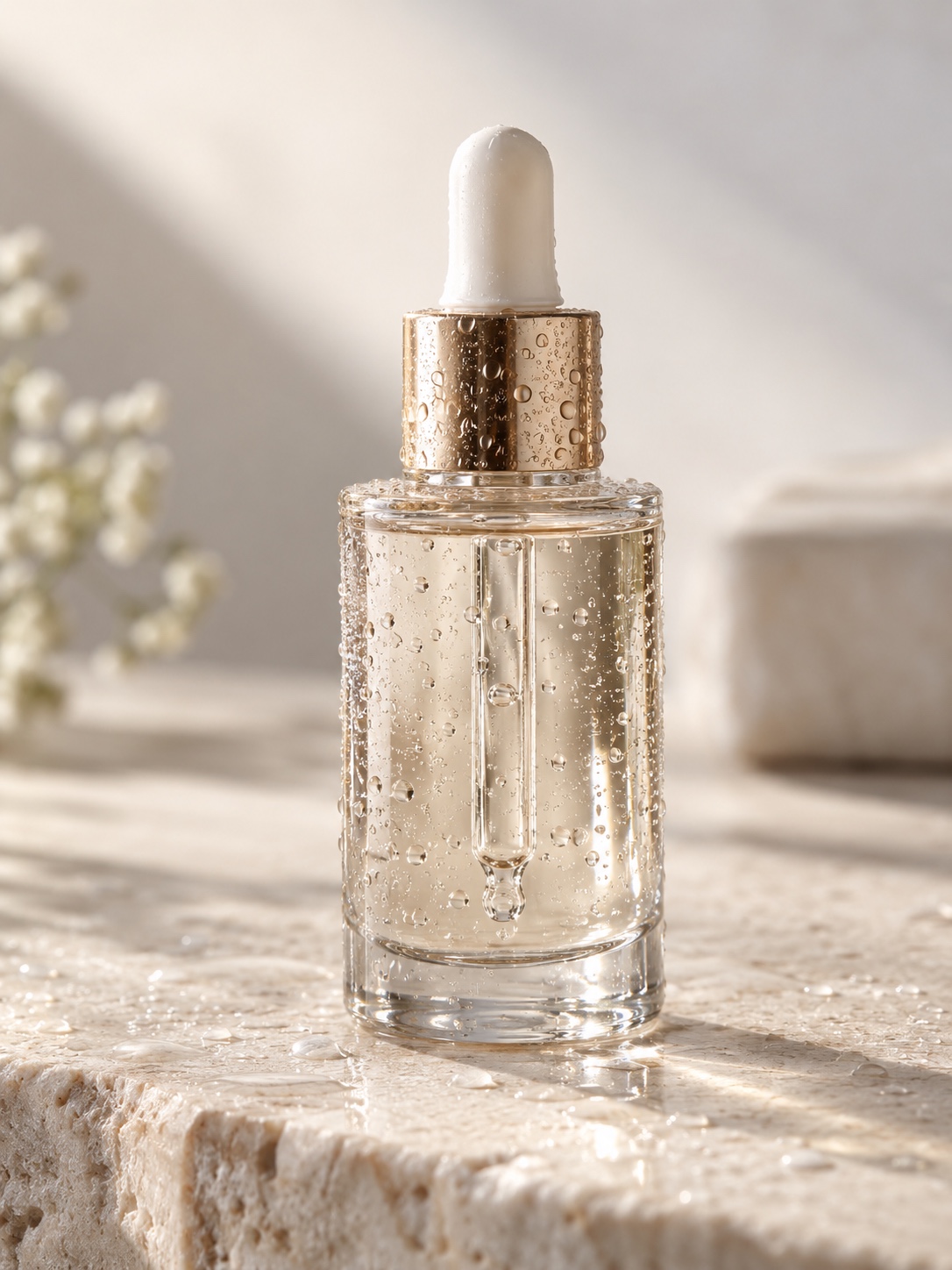
This is familiar in design work: a second project with someone who already understands the visual language usually moves faster because the team is no longer rebuilding trust or explaining every reference from scratch.
Match the creator aesthetic to the brand visual language
For beauty and fashion brands, visual compatibility matters almost as much as audience fit. A minimalist skincare label with clean, clinical photography may look jarring in a feed built around warm, crowded, maximalist flat lays. The reverse is true as well. Readers often notice the mismatch before they can explain why the sponsored post feels wrong.
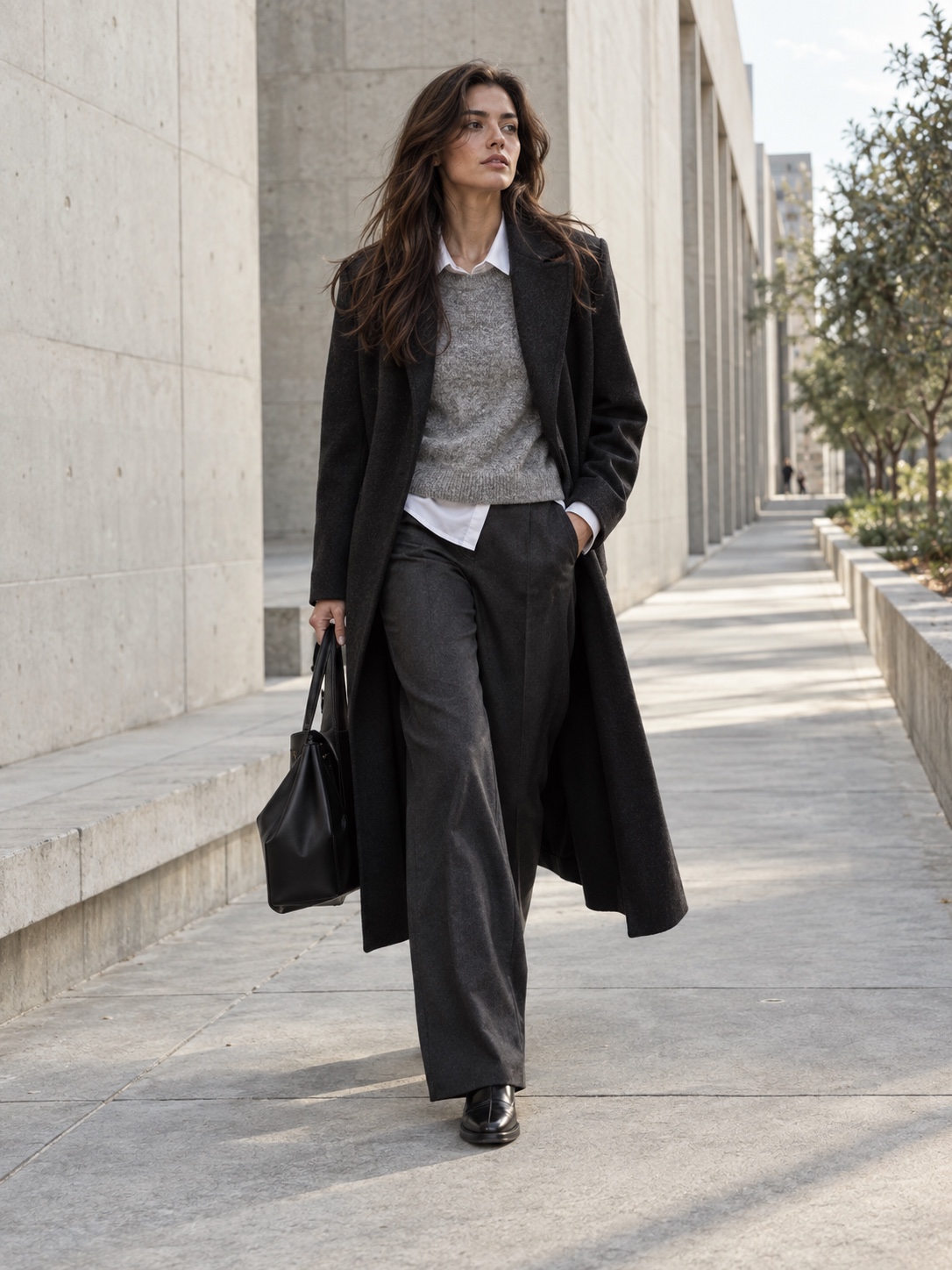
Review a creator’s grid or recent video thumbnails as you would review a photographer’s portfolio. Compare lighting, color grading, framing, and the way products sit in the scene. A visual gap does not automatically rule someone out; contrast can be interesting. It should simply be a deliberate choice rather than a surprise after the content is live.
A clear, light-touch brief helps here. Share the brand palette, a few reference images, and the mood you want, then let the creator translate those cues into their established style. Copying a mood board line for line is less convincing than adapting the brand language in a way their audience already recognizes.

Common blogger outreach mistakes
A few patterns appear again and again when blogger outreach falls flat.
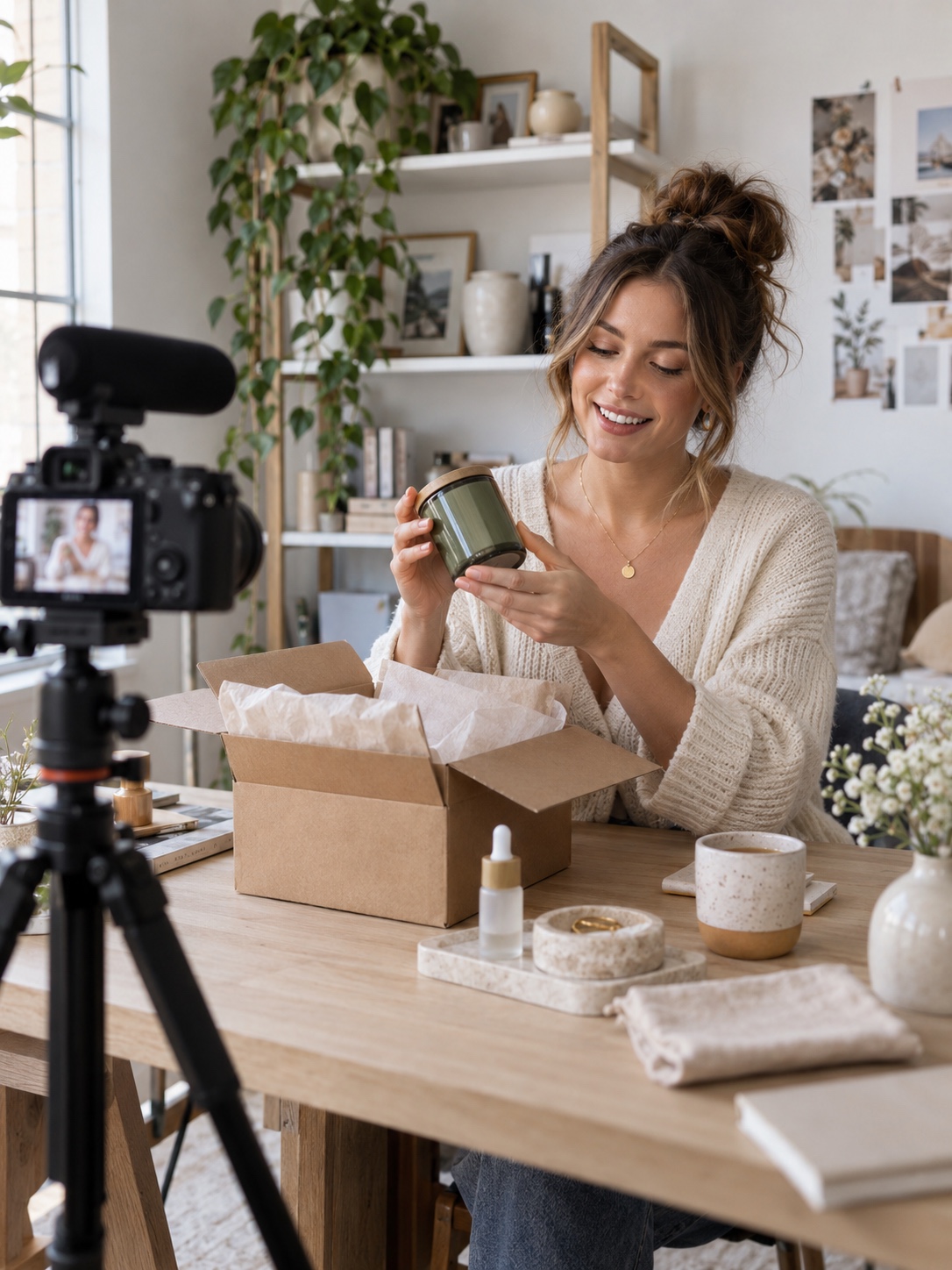
- Leading with follower count instead of audience fit. A creator with 8,000 engaged followers in your niche may outperform one with 80,000 scattered followers for anything beyond broad awareness.
- Sending the same pitch to everyone. A template is obvious within one sentence and tells the recipient that you did not study their work.
- Over-scripting the content. Requiring a creator to read a paragraph word for word removes the authenticity that made their audience trust them.
- Skipping the written agreement. Most disputes begin with an assumption about timing, usage rights, payment, or disclosure that nobody confirmed.
- Treating one post as the whole relationship. Long-term value usually comes from working with a small group of creators across several projects, not chasing a new name every month.
Blogger outreach FAQ
How many bloggers should a small beauty or fashion brand start with?
Start with a small, well-matched group, often three to six creators. That is enough to compare formats and audience response while keeping the research and outreach personal. A larger list is only useful if the team can still study each creator properly and manage every conversation without turning the process into an assembly line.
Should I pay bloggers, or is gifted product enough?
It depends on the creator and the work involved. A casual mention may sometimes be covered by gifted product, but a detailed tutorial, styled shoot, usage rights, or anything that requires real production time usually deserves payment. Many established creators will not accept gift-only work, regardless of audience size.
How do I know if a blogger’s audience is real?
Look for consistent, specific engagement instead of relying on the follower number. Genuine comments ask questions, reference details from the post, or tag someone for a clear reason. A feed filled with short, generic comments repeated across every post can signal an inactive or artificially inflated audience.
What response rate should I expect from outreach emails?
Response rates vary by niche, offer, timing, and the quality of the pitch, so one universal benchmark is not very useful. Track your own results. If replies are consistently low, review creator fit, personalization, budget clarity, and the amount of work you are asking for before assuming the audience is not interested.
Do I need a written contract for a small gifted-product collaboration?
Use a written agreement even for a small collaboration. It can be brief, but it should confirm what each side is providing, the rough timing, any content or usage expectations, and how compensation and disclosure will work. A few clear lines prevent most of the misunderstandings that damage an otherwise promising relationship.
How soon should I follow up if a blogger does not respond?
Send one polite follow-up after about a week. Keep it short and make it easy to decline. If there is still no reply, treat the silence as an answer and move on rather than risking the relationship with repeated messages.
- 6shares
- Facebook0
- Pinterest6
- Twitter0
- Reddit0