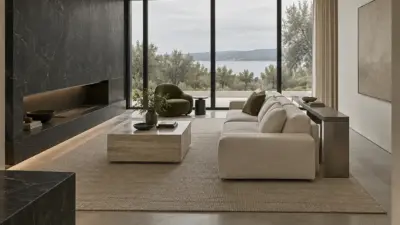
Three years ago I spent a weekend painting every room in my apartment before putting it on the market. Two walls of trim, one accent wall in the living room, fresh white in the kitchen. Total cost: $180 in paint and supplies.
The estate agent said it was the single most commented-on thing during viewings. Two competing offers later, I was a believer.
Most homeowners assume increasing their property’s value requires major renovation — new bathrooms, kitchen overhauls, structural work. But the upgrades with the best return on investment are almost always the simplest ones: a fresh coat of paint, a properly maintained yard, a modernized kitchen that doesn’t require ripping out a single cabinet.
This guide covers three low-effort, high-return upgrades that work whether you’re preparing to sell or simply want a home that looks and feels better to live in. No contractor required for most of it. Just the right priorities.
1. Refresh Your Walls with Interior Painting
There’s a reason professional house stagers do one thing before anything else: they paint.
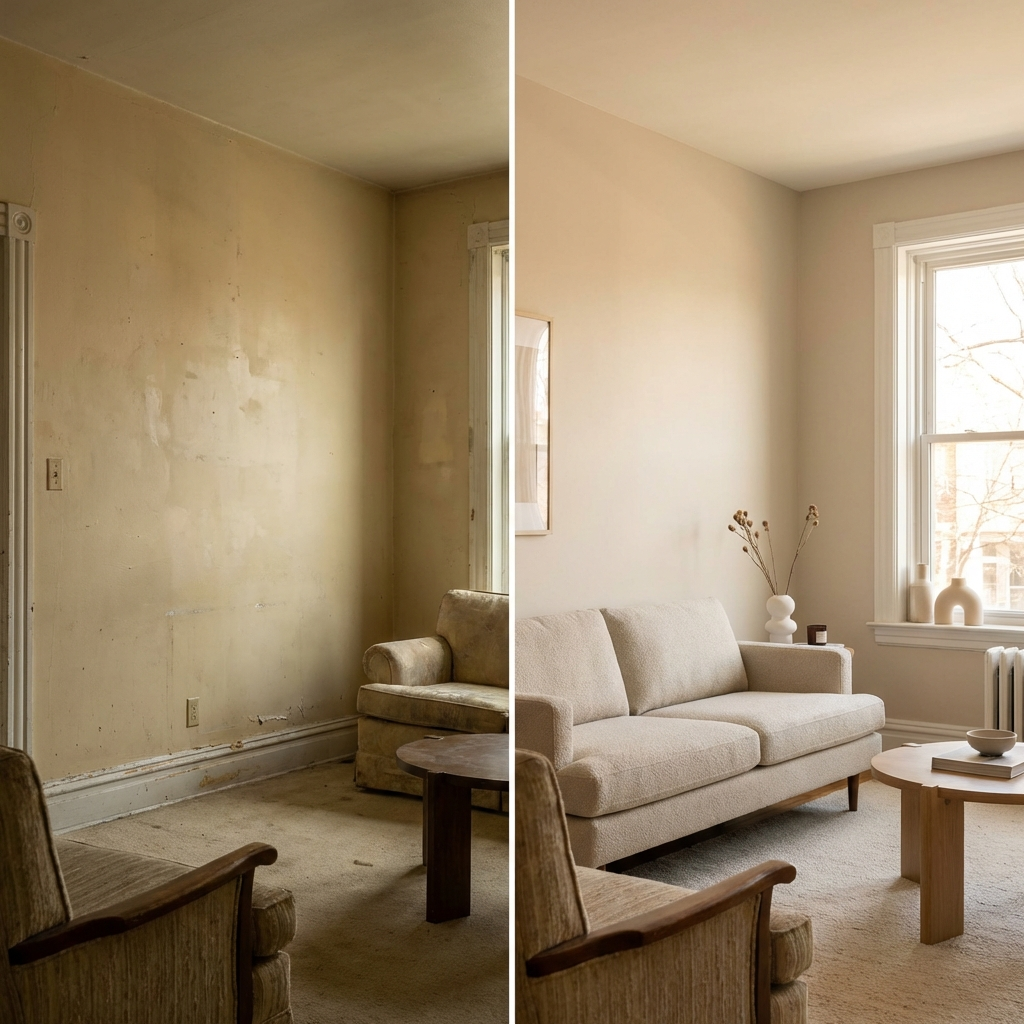
A fresh coat of paint is the cheapest transformation available to a homeowner. It eliminates scuffs, yellowing, and the subtle visual noise of a lived-in space. It makes rooms look larger, cleaner, and more intentional — none of which requires expensive furniture or fixtures.
The Color Question
The instinct to paint in your favorite color is understandable but counterproductive if resale is the goal. Neutral tones — warm whites, soft greiges, light sage — do two things simultaneously: they make spaces feel larger, and they give viewers a mental blank canvas to project their own furniture and style onto.
Specific colors that consistently perform well in resale:
- Warm white (Benjamin Moore White Dove, Sherwin-Williams Alabaster) — universally usable
- Greige (a warm gray-beige) — the most popular neutral of the last decade for good reason
- Soft sage or muted green — trending upward in 2026, pairs with natural wood tones
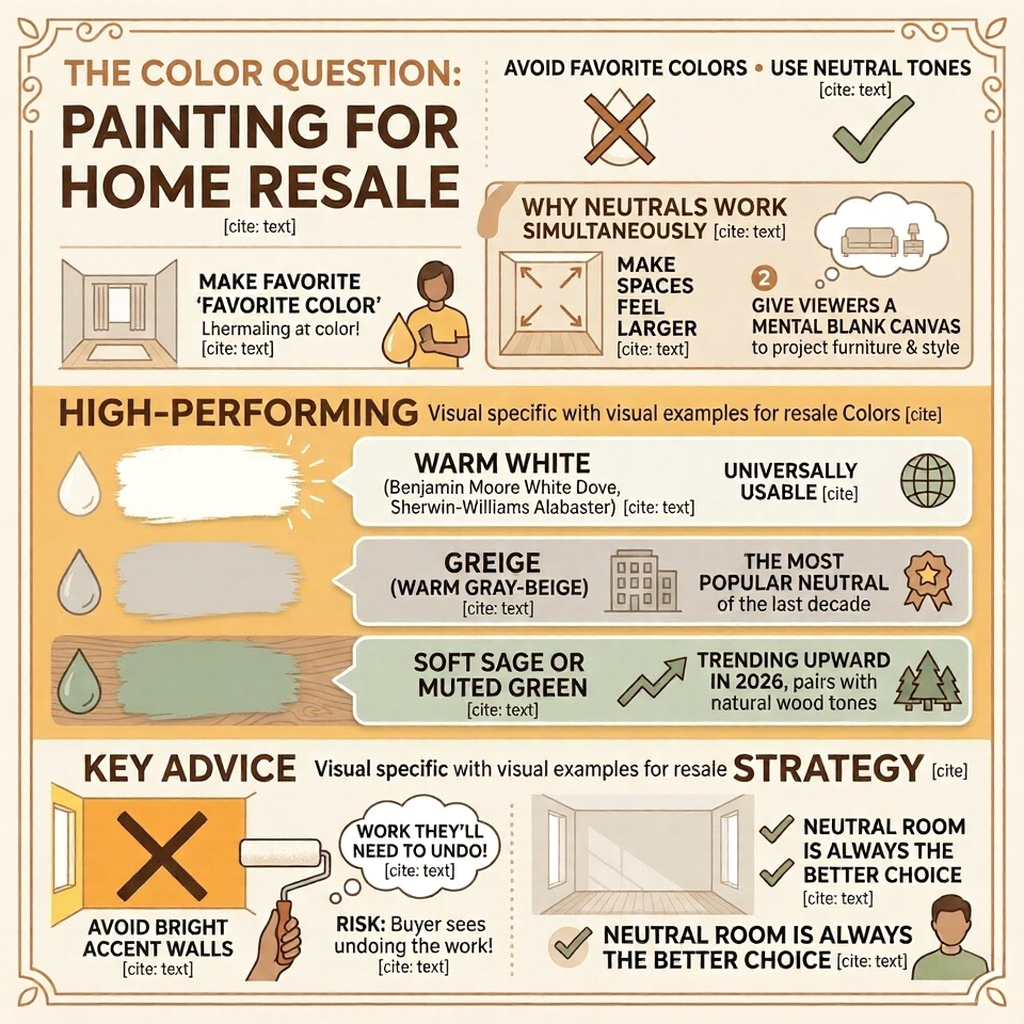
Avoid bright accent walls unless the room is specifically designed around them. The risk isn’t that buyers dislike the color — it’s that they see it as work they’ll need to undo.
Where Painting Has the Most Impact
Not every room returns equally. The spaces worth prioritizing:
Living room and hallway — the first impressions rooms. Scuffed or yellowed walls here signal neglect across the whole property, even if the rest is pristine.
Kitchen — even a simple repaint of the walls (and potentially the cabinets) modernizes a kitchen faster than almost any other intervention.
Primary bedroom — buyers spend the most time mentally placing themselves in this room. A fresh, calm neutral here does real work.
Front door — often overlooked as part of “painting,” but a freshly painted front door in a strong color (charcoal, deep navy, forest green) is one of the highest-ROI single actions in home preparation.
The financial case is clear: according to data on interior painting returns, this upgrade typically achieves a 100% return on investment — meaning the cost of paint and labor can be fully recovered at sale. For a $500 painting weekend, that’s $500 back in your pocket, plus a home that shows better in every photo and every viewing.
DIY vs. Hiring a Painter
For most rooms, DIY is genuinely viable. The tools that matter: a quality angled brush ($8–$15) for cutting in around edges, a 3/8″ nap roller for smooth walls, painter’s tape, and a drop cloth. The time investment for an average-sized room is 3–4 hours including prep and drying time between coats.
Where hiring makes sense: high ceilings, stairwells, or if you want a professional-quality finish in rooms that will be photographed for listings. Expect to pay $200–$400 per room depending on your region.
2. Enhance Outdoor Spaces and Landscaping
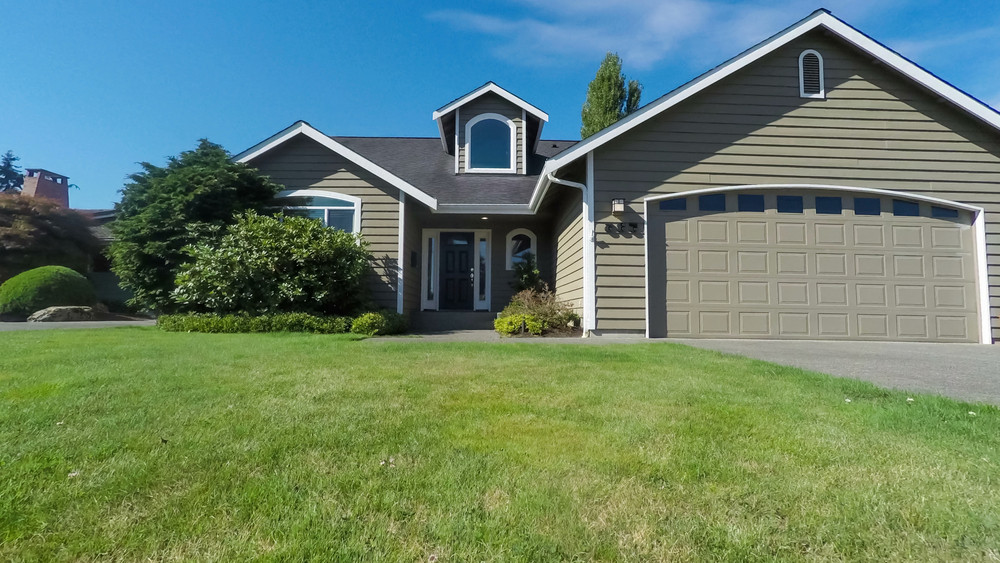
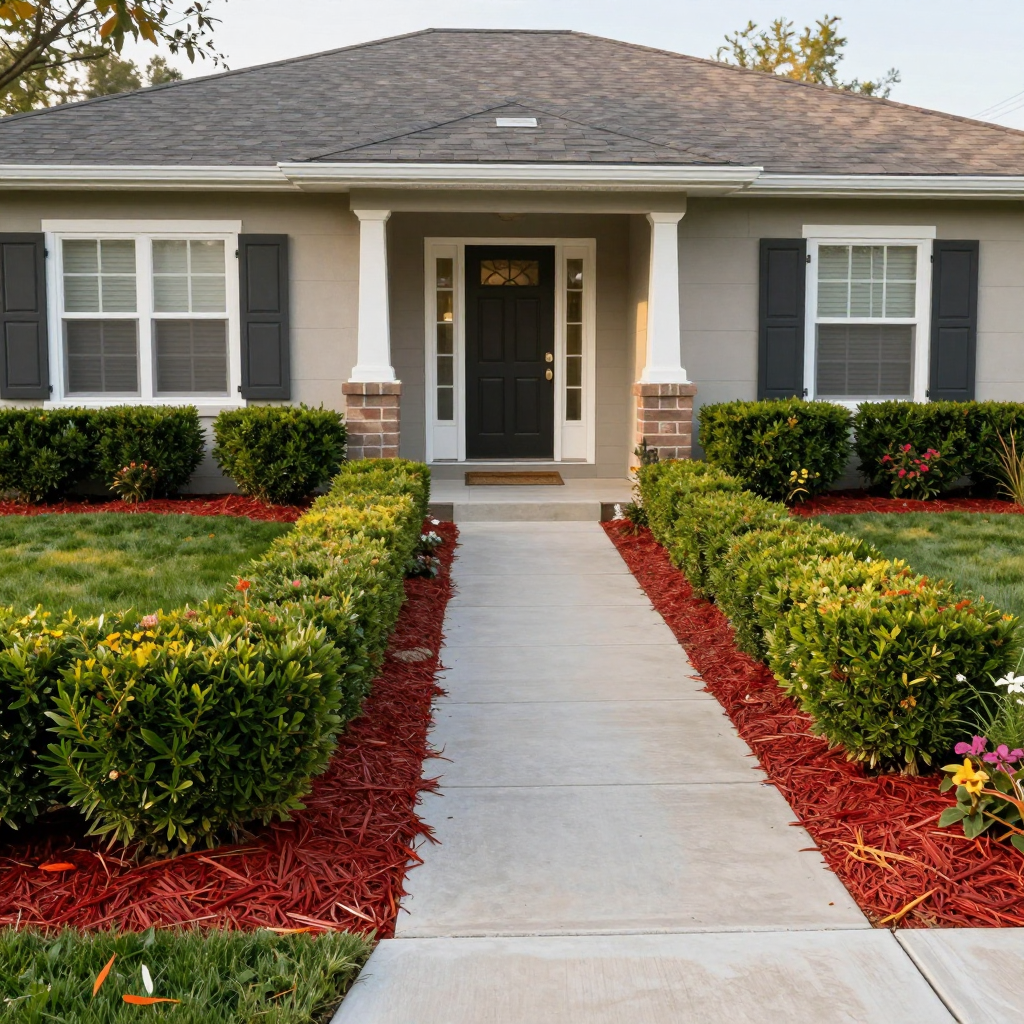
Your front yard sets the expectation for everything inside. Before a buyer or visitor sees a single room, they’ve already formed an impression from the street — and that impression is hard to reverse once made.
Curb appeal isn’t about having a showpiece garden. It’s about communicating that the property is cared for. Overgrown hedges, a cracked pathway, dead plants in pots — these signal neglect, regardless of what’s happening inside. Conversely, a clean, well-maintained yard creates a sense of welcome that buyers carry through the entire viewing.
The Hierarchy of Outdoor Improvements
Not all landscaping investment returns equally. Start with maintenance before adding anything new:
High priority (maintenance):
- Mow, edge, and trim everything — a neat lawn communicates effort even if nothing else changes
- Remove dead plants and replace with simple, inexpensive annuals
- Clear debris, clean gutters, and power-wash hard surfaces
- Replenish mulch in any existing beds (a $40 investment that makes beds look intentional)
Medium priority (low-cost additions):
- Add a defined pathway if one doesn’t exist — gravel or stepping stones from $50–$200
- Plant a simple seasonal border along the front of the house
- Install solar stake lights along a pathway — $30–$60 for a set of eight, no wiring required
Higher investment (if budget allows):
- A small patio or seating area extends the functional square footage of the home
- Privacy hedging or screening adds value in dense neighborhoods
- Outdoor lighting on the house itself (up-lighting or soffit lights) dramatically improves evening curb appeal
The return on landscaping investment is one of the most striking in home improvement. Research on landscape upgrades and home value puts the ROI at 200% to 400% — meaning a $1,000 investment in outdoor improvements can add $2,000–$4,000 to your sale price. This makes landscaping, pound for pound, one of the most financially efficient upgrades a homeowner can make.
The Front Door as Part of Curb Appeal
Don’t overlook the door itself. A freshly painted front door, a new door handle set (~$60–$120), a clean doormat, and one or two potted plants flanking the entrance transforms the entry from functional to welcoming. This specific cluster of changes — door + hardware + plants — is what staging professionals call the “moment of arrival” and it has an outsized influence on first impressions.
3. Update Your Kitchen with Simple Touches
The kitchen is the room buyers spend the most time evaluating. It’s also the room where the gap between “dated” and “modern” is most immediately felt. The good news: modernizing a kitchen doesn’t require a full remodel. Some of the most effective kitchen upgrades cost under $500 and take a weekend.
The Three Quickest Kitchen Upgrades
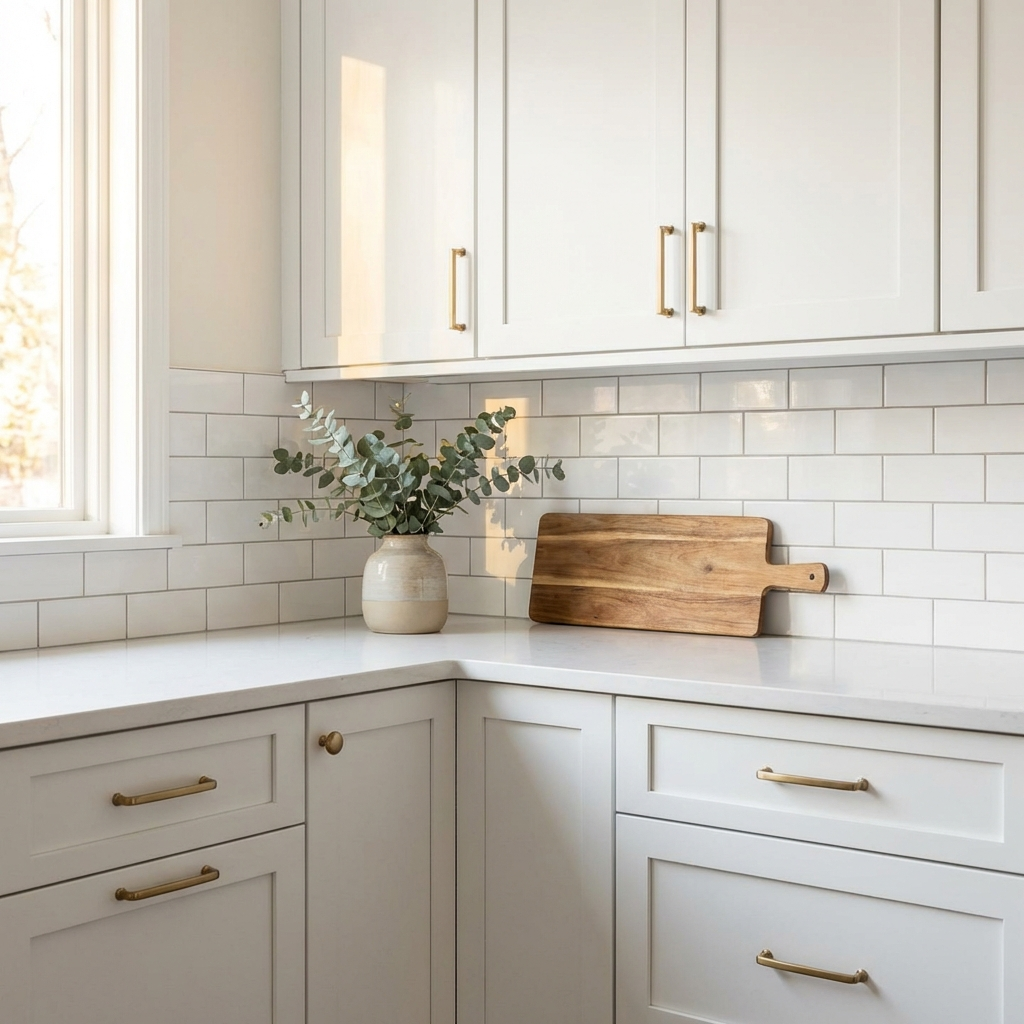
Cabinet hardware: This is the single fastest kitchen upgrade with the most visible return. Replacing outdated handles and pulls with modern alternatives (brushed brass, matte black, brushed nickel) costs $3–$8 per handle — under $150 for a typical kitchen — and takes two hours with a screwdriver. The visual impact is disproportionate to the effort.
Faucet replacement: An outdated faucet ages a kitchen more than almost any other single fixture. A good-quality replacement from Moen or Delta (~$120–$200) is a straightforward DIY swap that immediately modernizes the sink area. The difference between a chrome two-handle faucet from 2005 and a contemporary single-handle matte black or brushed nickel version is striking.
Backsplash: A tile backsplash is the kitchen upgrade most visible in listing photographs — and photographs are where most buyer decisions begin in 2026. A simple subway tile installation in white or a warm neutral costs $200–$400 in materials and a weekend of work. The ROI data is compelling: according to research on kitchen tile and renovation returns, adding a backsplash returns approximately 81% of the investment — a strong return for an upgrade that also genuinely improves how the kitchen looks and feels to use every day.
Cabinet Painting vs. Replacement
If the cabinet boxes are solid but the finish is dated or stained, painting is a vastly more cost-effective option than replacement. A professional cabinet paint job costs $1,000–$3,000 depending on kitchen size. New cabinets start at $5,000 and can reach $20,000+.
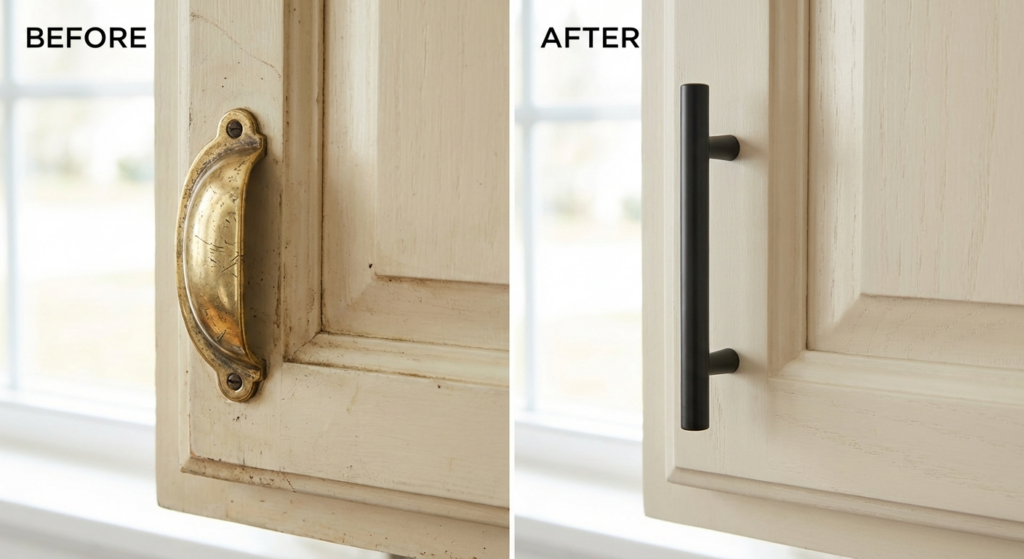
The key to a good cabinet paint job: proper prep. Sand, prime with a bonding primer, and use a water-based alkyd enamel for a hard, durable finish. Skipping the prep is why most DIY cabinet paint jobs look amateur. Take the time — or hire a painter who specializes in cabinetry.
Lighting
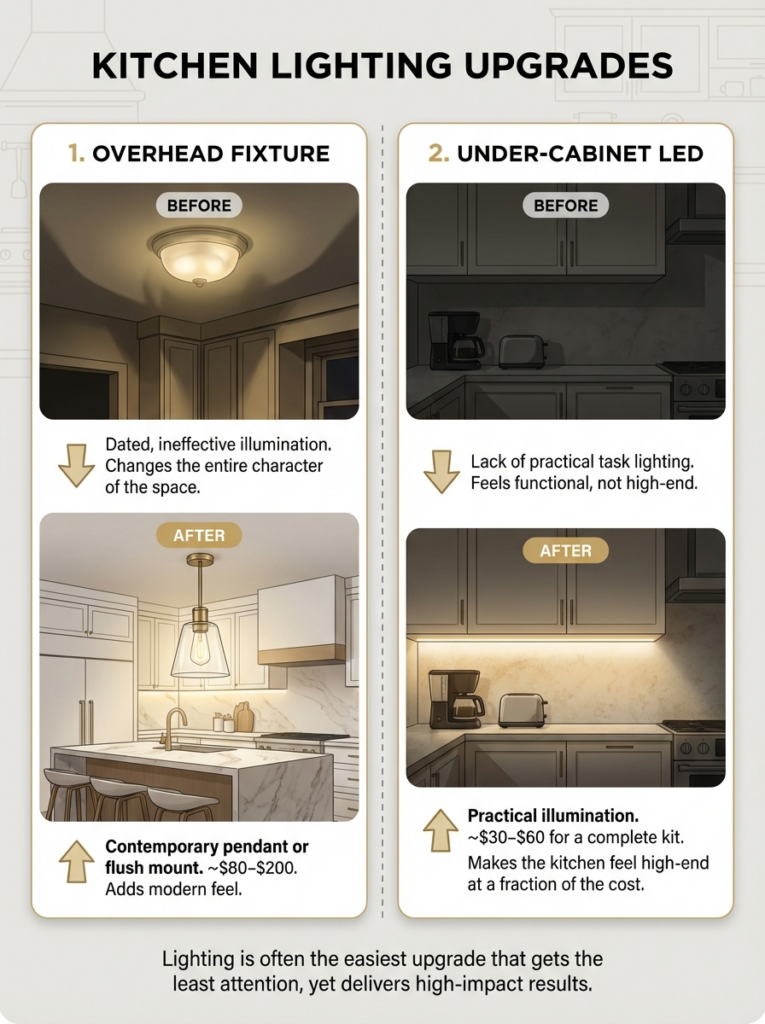
Kitchen lighting is often the easiest upgrade that gets the least attention. Replacing a single dated overhead fixture with a contemporary pendant or flush mount (~$80–$200) changes the entire character of the space. Under-cabinet LED strip lighting (~$30–$60 for a complete kit) adds practical illumination and makes the kitchen feel high-end at a fraction of the cost of a renovation.
Where to Start: Prioritizing Your Upgrades
If you’re working with limited time or budget, the order matters. Here’s how to sequence:
| Priority | Upgrade | Estimated Cost | Expected ROI |
|---|---|---|---|
| 1 | Interior painting (key rooms) | $200–$800 | ~100% |
| 2 | Landscaping maintenance | $100–$500 | 200–400% |
| 3 | Cabinet hardware + faucet | $150–$300 | High |
| 4 | Kitchen backsplash | $200–$400 | ~81% |
| 5 | Front door refresh | $50–$150 | Very high |
| 6 | Outdoor lighting | $50–$200 | High |
The pattern: start with paint and maintenance (the foundation), then add specific details that photograph well (hardware, backsplash, door). The upgrades that show in photos — listing photos, real estate portals, social sharing — create the first impression that drives viewings.
For a room-by-room value plan, kitchens deserve their own checklist; these kitchen upgrades that add value focus on changes buyers can see and use immediately.
Small upgrades work better when the starting purchase price is sensible, so buying a house for maximum value should come before committing to paint, fixtures, landscaping, or staging projects.
Conclusion
You don’t need to spend $30,000 on a kitchen renovation to meaningfully increase your home’s value. The upgrades with the best returns are almost always the ones that require the most attention and the least money: keeping things clean, fresh, and cared for.
Paint the rooms that matter. Maintain the yard that makes the first impression. Update the kitchen details that date the space without replacing anything structural.
The goal isn’t a showpiece — it’s a home that communicates it’s been looked after. Buyers and visitors respond to that signal immediately and emotionally, long before they calculate square footage or compare room dimensions.
Start with one room this weekend. The momentum builds faster than you’d expect.
- 20shares
- Facebook0
- Pinterest20
- Twitter0
- Reddit0