In the realm of interior design, the initial excitement of decorating a room often overshadows the long-term reality of living in it. We frequently focus on the visual impact of a space, such as the color palette, the silhouette of the furniture, and the arrangement of art, while neglecting the practical aspects of stewardship.
However, a truly beautiful home is not just one that looks pristine on the day it is finished, but one that ages gracefully alongside its inhabitants. The philosophy of modern living has shifted from a desire for showroom perfection to an appreciation of lived-in luxury, where comfort and durability are paramount.

To achieve this balance, homeowners must cultivate a dual mindset. On one hand, there is the creative curator who selects textures and hues to tell a personal story. On the other hand, there is the diligent caretaker who understands that materials require respect and maintenance to retain their integrity. This article explores the intersection of these two roles, offering insights into how to protect your investment in furniture while ensuring your home remains a stylish and welcoming sanctuary.
The Foundation of Longevity in Design
The longevity of a living space is primarily determined by the quality of the foundational pieces and how they are treated over time. The sofa – the very heart of the living room – takes a beating in ways both big & small. Morning coffee spills, lazy Sunday afternoons on the couch with a good book, and weekend gatherings with friends & family all take their toll. In the end, keeping the sofa looking & feeling its best isnt always just about looks – its crucial for the overall vibe of the room.
Doing some basic maintenance on a regular basis is the best way to keep the sofa in good shape. And we’re not just talking about the occasional swish of a vacuum cleaner. A good deep clean is a must, yes – but so too is setting up a routine that keeps dirt & dust from building up on the upholstery in the first place. You see, dust – even when you cant see it on all that dark-colored fabric – is a real nasty piece of work.
Its way too soft to worry about, until its not. Its got a way of acting like tiny little sandpaper, and with every sit down, its cutting into those delicate fibers a little bit more. By doing a weekly once-over with a soft brush attachment on the vacuum cleaner, you’re not just doing yourself a solid favour, you’re actually extending the very life of that fabric.


However, even with the best care, fabrics can fade or style preferences can change. This is where the concept of adaptability becomes a powerful tool for the homeowner. Rather than discarding a high-quality frame because the fabric is worn or the color no longer suits the room, savvy decorators look for solutions that bridge the gap between old and new. Exploring ideas to match Kivik sofa covers with your decor allows homeowners to seamlessly integrate their existing furniture into fresh color schemes. This approach not only solves the problem of wear but also provides an opportunity to experiment with new textures and tones without the environmental and financial cost of purchasing entirely new furniture.
The Ritual of Fabric Maintenance
Understanding the specific needs of different materials is crucial for effective care. A one size fits all approach to cleaning can lead to disastrous results, such as water stains on silk or flattened pile on velvet. The modern home often features a mix of natural and synthetic fibers, each requiring a distinct protocol.
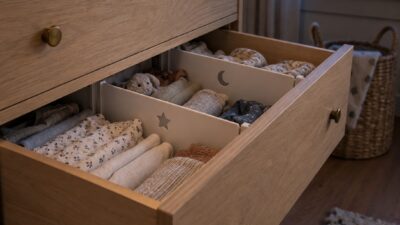
Comfort also depends on maintenance routines you can actually keep up with. A better wardrobe room layout reduces dust traps, keeps textiles off the floor, and makes the room easier to reset after busy weeks.
Velvet is one of those fabrics that really begs for a gentle touch. Yes, modern performance velvets are pretty tough – but even so they will still get a bit worn down if they don’t get some regular TLC in the form of a good brush to lift and polish the pile. You’re best using a soft-bristled clothes brush to gently sweep the dust away and bring out the sheen – and make sure you’re brushing in the direction of the nap. On the other hand, linen is often prized for its laid back, organic look – but it’s also got a tendency to get all crumpled and wrinkly. Embracing a bit of that natural creasing is all part of the linen look, but when it comes to spills – you really have to act fast to stop them from setting in and making the fabric look all streaked and messy.
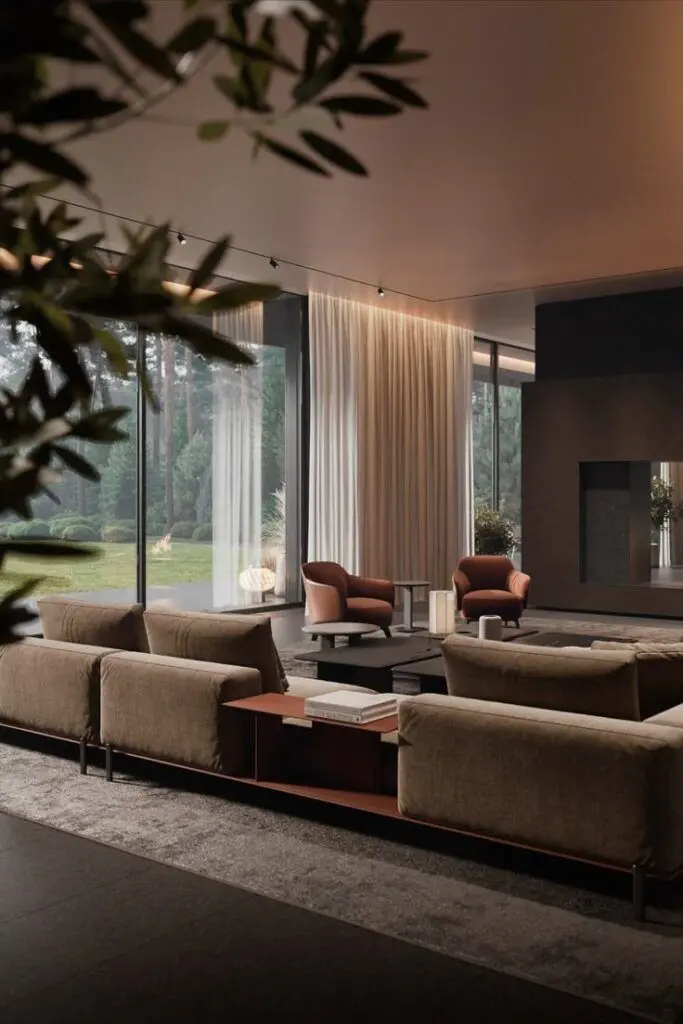
The way you position your furniture can make a big difference to how easy it is to keep things looking their best. Sunlight is pretty much a guarantee that your favourite colour is going to fade – UV rays can strip even the best quality textiles of their colour and weaken their fibres to the point where they get all brittle & frayed.
So, if you can, try to put your furniture in a spot where it’s not right in the middle of a beam of direct sunlight. If that’s not possible, then a set of sheer curtains or a UV-protective window film can do a lot to slow things down a bit. And one other thing to keep in mind – if you’ve got cushions on your sofa, give them a bit of a turn every now & again – that way the wear and tear is spread out a bit more evenly, and one side of the sofa doesn’t end up looking several shades more faded than the other.
A Strategic Approach to Deep Cleaning
When accidents happen, the immediate reaction is often to scrub, but this is frequently the wrong instinct. Blotting is the golden rule of spill management. Applying pressure with a clean, white cloth helps to lift the liquid out of the fabric rather than pushing it deeper into the padding. However, for more thorough maintenance or stubborn issues, a systematic approach is required.
Knowledge of your furniture’s cleaning codes is the most critical step in this process. These codes, typically found on a tag under the cushions, dictate whether a fabric should be cleaned with water-based solvents, dry cleaning fluids, or simply vacuumed. Ignoring these guidelines can result in permanent water rings or shrinkage. For those facing the challenge of refreshing a tired piece of furniture, following a comprehensive protocol is essential. As detailed in the guide by The Spruce on how to clean a couch the right way, using the correct methods—such as utilizing baking soda to neutralize lingering odors or steaming to lift deep-set grime—can make the difference between a ruined sofa and one that looks brand new. The article emphasizes that tackling stains requires patience and the right agents, ensuring that you finally get those stains off without damaging the integrity of the material.
Furthermore, testing any cleaning product on an inconspicuous area is a step that should never be skipped. Waiting twenty-four hours to see if there is any reaction allows for peace of mind before tackling the visible stain. This methodical approach to care transforms a potentially stressful event into a manageable task.

Harmonizing Textures and Tones
Maintenance is the silent partner of design, but styling is its public face. Once the condition of the furniture is secured, the focus shifts to how it interacts with the rest of the room. A well-styled room relies on the interplay of texture and color to create depth and interest. The goal is to create a visual harmony where no single element overwhelms the others.
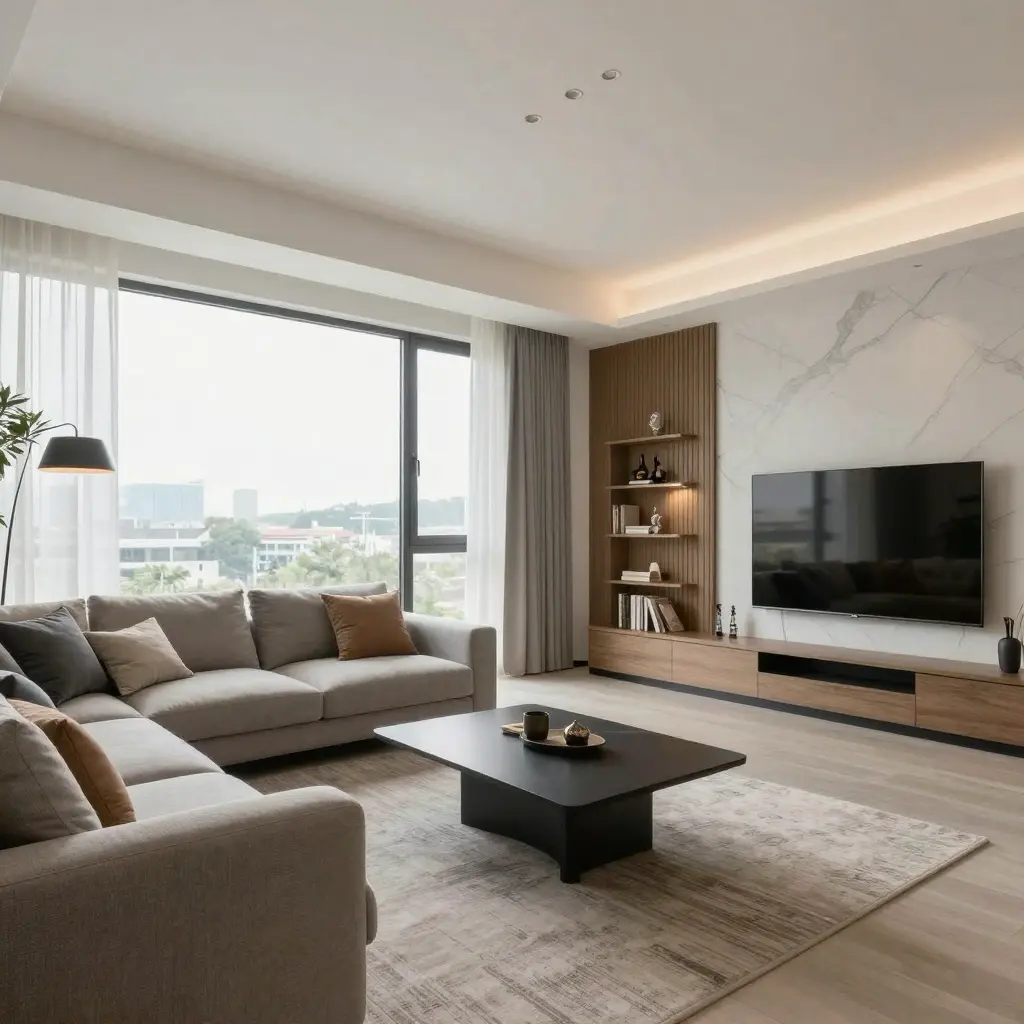
When working with a dominant piece of furniture, such as a large sofa, the surrounding elements should act as supporting characters. If the sofa features a bold color or a heavy texture like corduroy, the rugs and curtains might benefit from being more neutral and understated. Conversely, a neutral sofa serves as a blank canvas, inviting the addition of vibrant throw pillows, patterned rugs, and statement artwork.
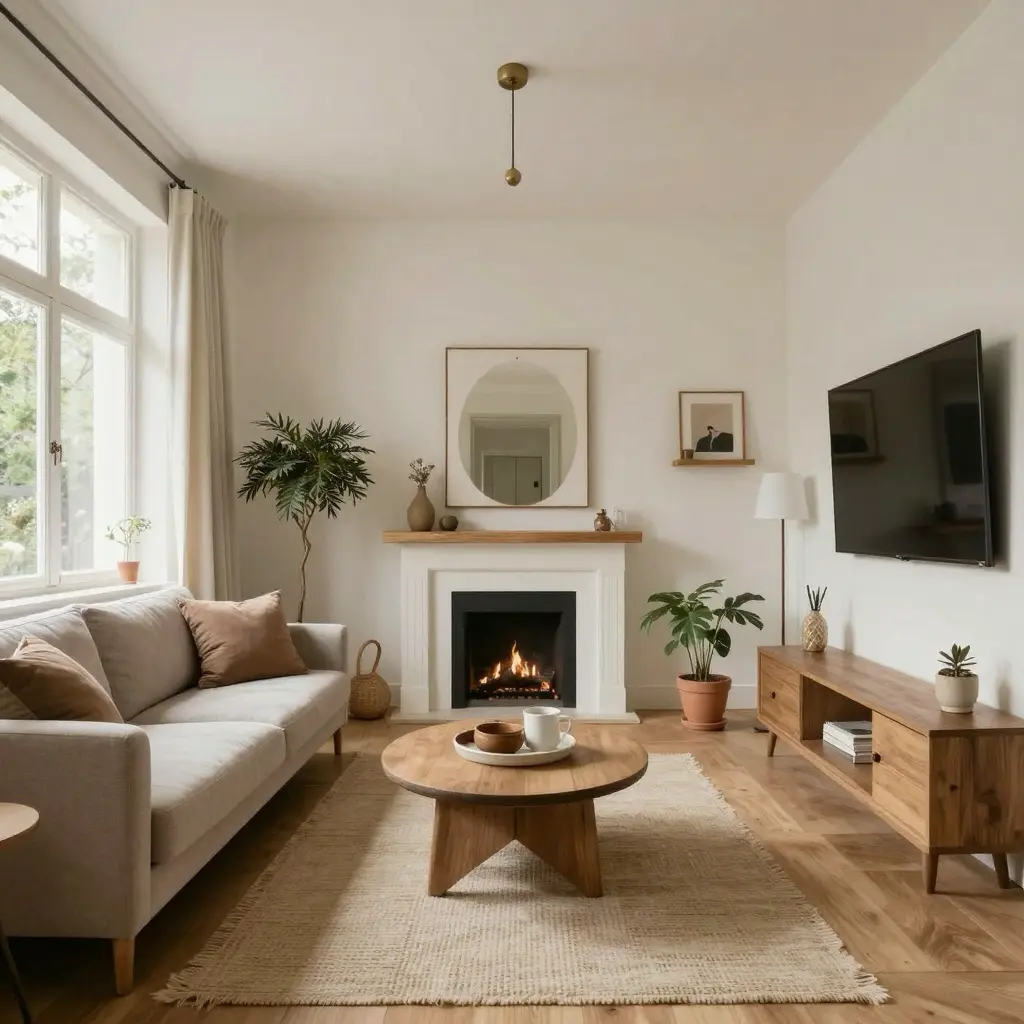
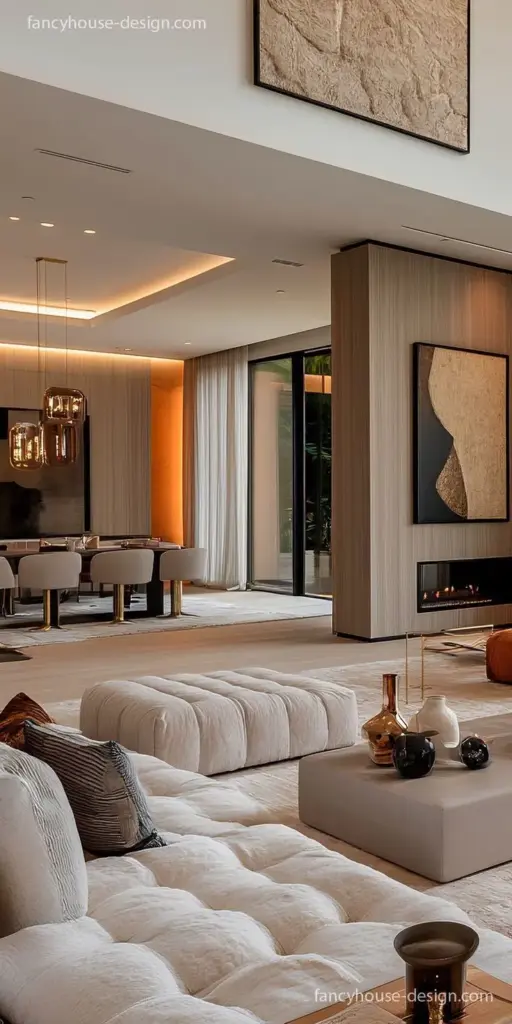
The concept of layering is essential here. Mixing materials, such as placing a wool throw on a linen sofa or a leather ottoman on a jute rug, creates a tactile richness that makes the room feel warm and inviting. This sensory complexity not only looks beautiful, but it also hides the signs of daily life better than flat, uniform surfaces. A room with varied textures is more forgiving of the occasional wrinkle or speck of dust, making it a practical choice for busy households.
The Impact of Seasonal Rotations
One of the most effective ways to maintain interest in your home and reduce wear on specific items is through seasonal rotation. Just as we change our wardrobes to suit the weather, our homes benefit from a seasonal refresh. This does not mean redecorating from scratch, but rather making small, strategic swaps that alter the mood of the space.
In the warmer months, lighter fabrics and cooler tones help to create a sense of airiness. Replacing heavy velvet drapes with linen sheers allows more light to filter in, while swapping out dark cushion covers for pastels or botanical prints brings the energy of the outdoors inside. In the winter, the focus shifts to hygge and containment. Introducing heavier throws, darker colors, and richer textures creates a cozy, protective atmosphere.
This rotation serves a dual purpose. Aesthetically, it keeps the home feeling fresh and aligned with the natural rhythms of the year. Practically, it gives certain items a rest. By rotating cushion covers and rugs, you reduce the continuous wear on them, effectively doubling their lifespan. It is a strategy that honors both the need for novelty and the imperative of conservation.
Conclusion
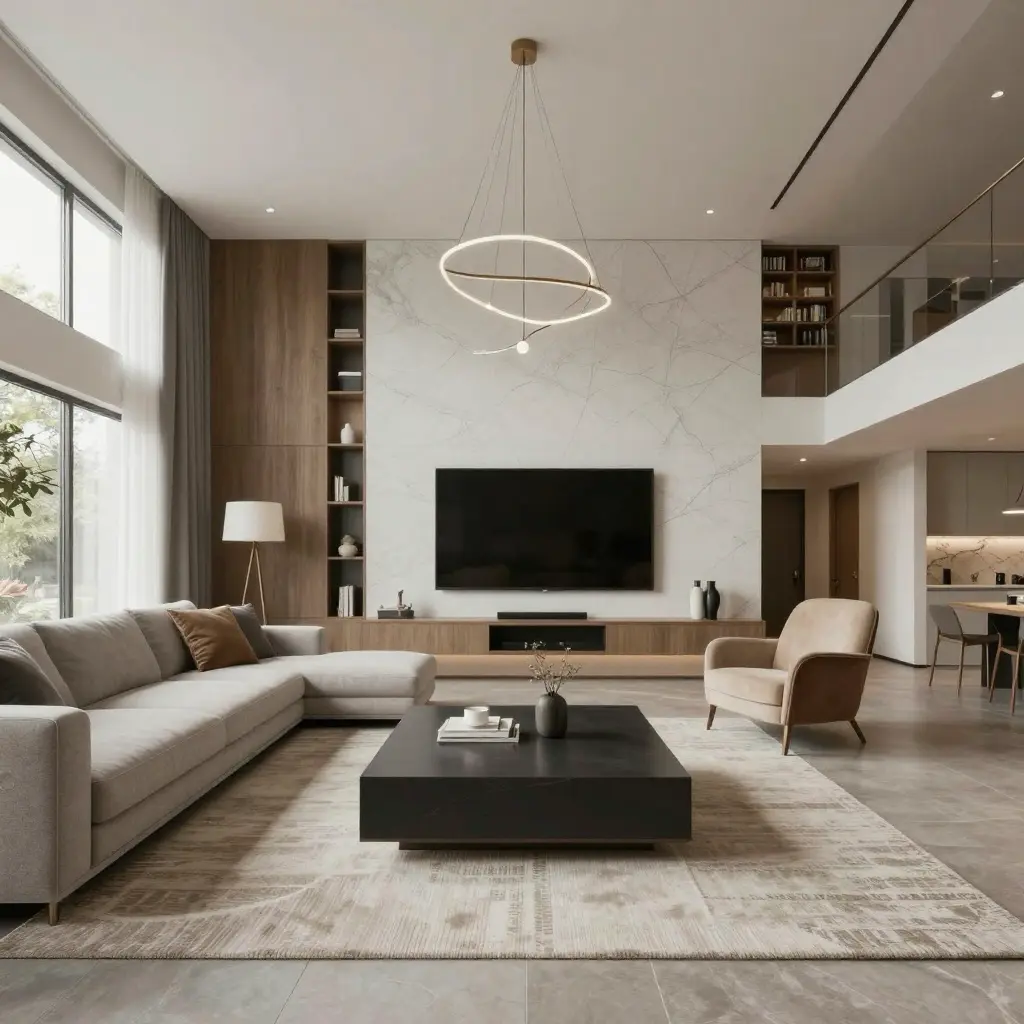
The art of maintaining a beautiful home lies in the intersection of care and creativity. It is about recognizing that furniture is not merely functional equipment, but a collection of objects that hold memories and define our daily experience. By adopting a proactive approach to maintenance, from regular vacuuming to the strategic use of protective covers, we honor the resources that went into making these pieces.
Simultaneously, by viewing our interiors as adaptable spaces, we open ourselves up to the joy of design. We learn that a room is never truly finished but is always evolving. Whether through the simple act of rotating cushions or the transformative power of a new slipcover, we have the tools to ensure our homes remain vibrant and welcoming for years to come. In the end, a well-cared-for home is the ultimate expression of personal style, reflecting a life lived with intention and respect for one’s surroundings.
- 78shares
- Facebook0
- Pinterest78
- Twitter0
- Reddit0