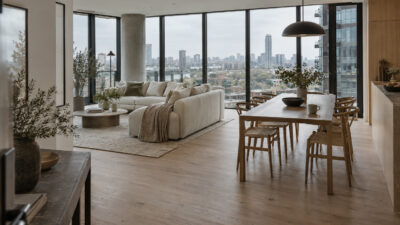
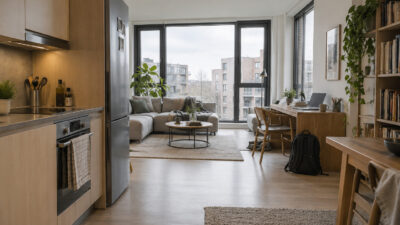
Earthy tone interior design has become one of the most enduring and emotionally resonant styles in modern interiors. Rooted in nature-inspired colors and organic textures, this design approach creates spaces that feel calm, balanced, and effortlessly inviting. As homeowners increasingly prioritize wellness, sustainability, and authenticity, earthy interiors offer a timeless alternative to fast-moving design trends.
This guide explores what earthy tone interior design really means, why it works so well across climates and regions, and how to apply it room by room—whether you live in a city apartment, a suburban home, or a rural retreat.
What Is Earthy Tone Interior Design?
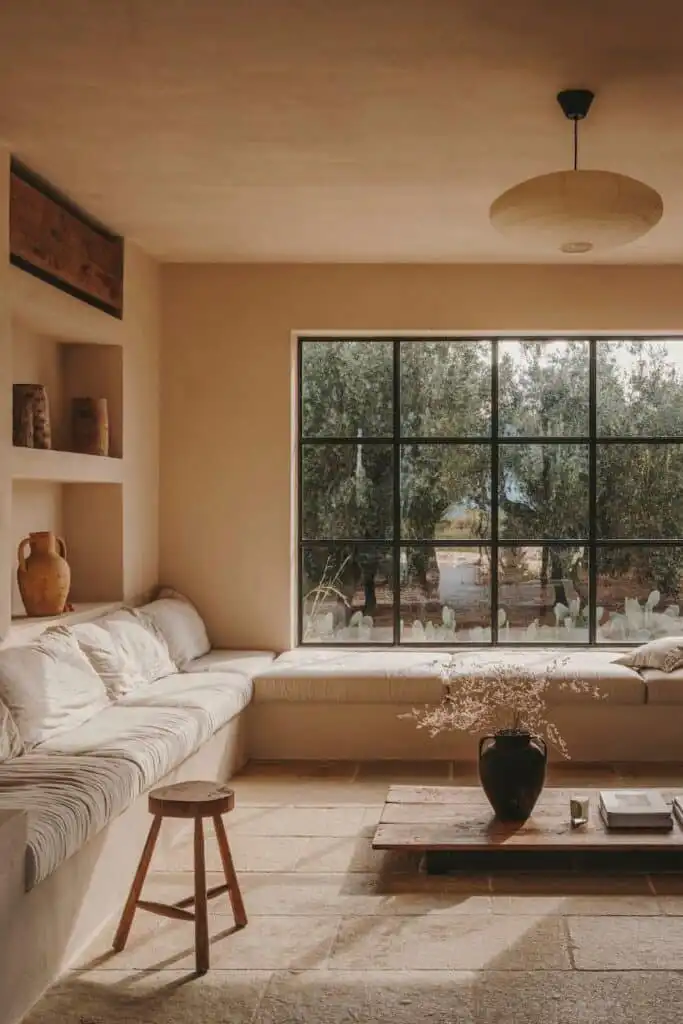
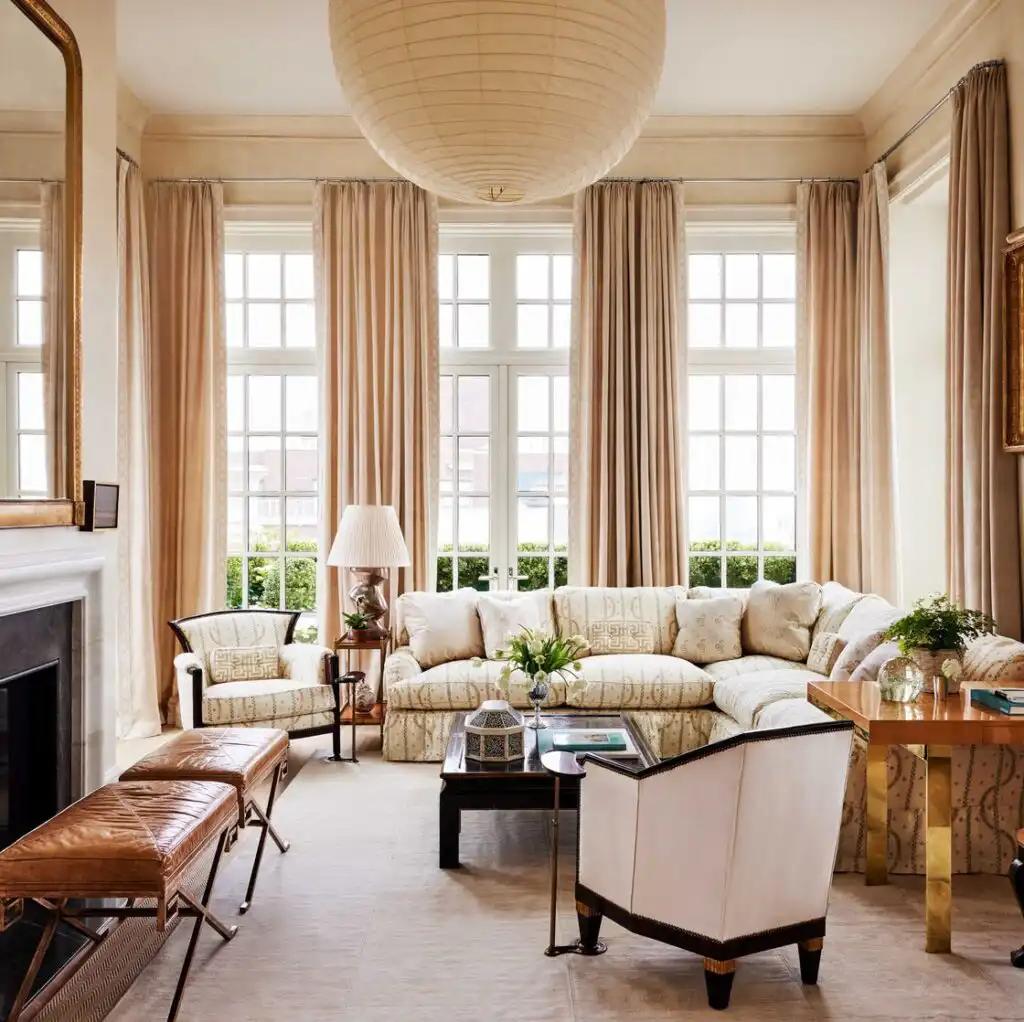
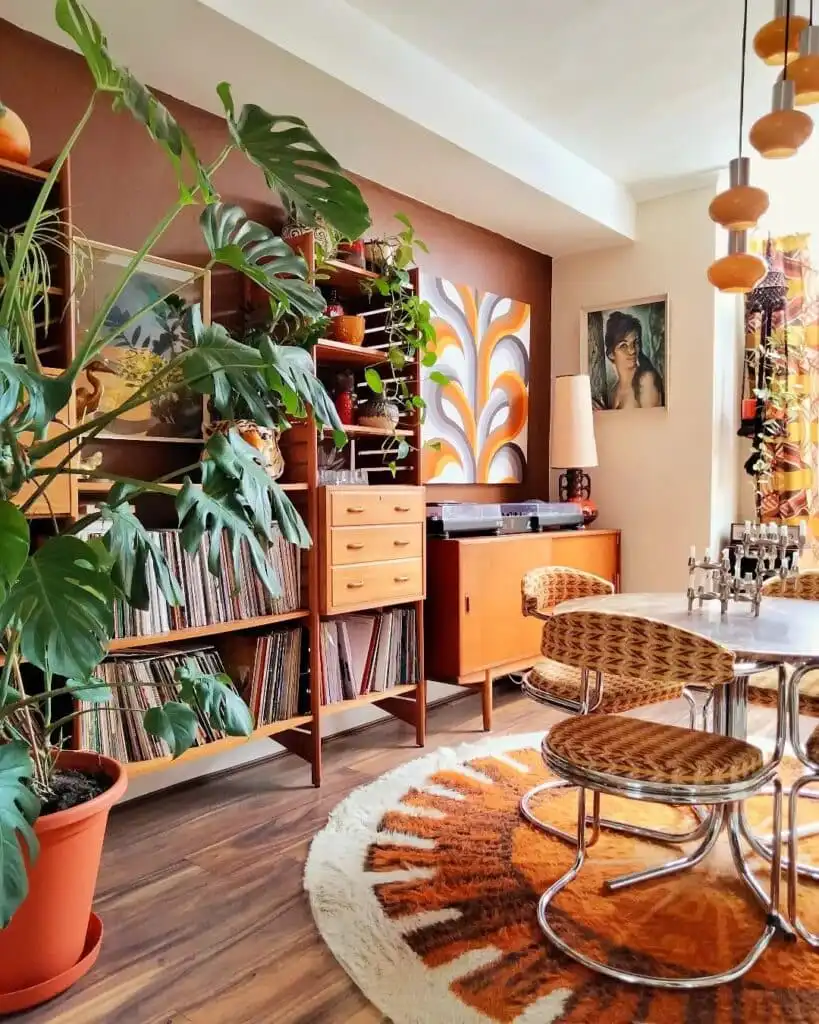
Earthy tone interior design draws inspiration directly from the natural world. It uses colors, materials, and finishes that echo soil, stone, clay, wood, sand, and vegetation. Rather than relying on stark contrasts or artificial hues, earthy interiors feel grounded and harmonious.
Core characteristics include:
- Warm, muted color palettes
- Natural and raw materials
- Soft lighting and layered textures
- A sense of comfort over perfection
Unlike minimalist or ultra-modern styles, earthy interiors prioritize how a space feels, not just how it looks.
The Earthy Color Palette Explained
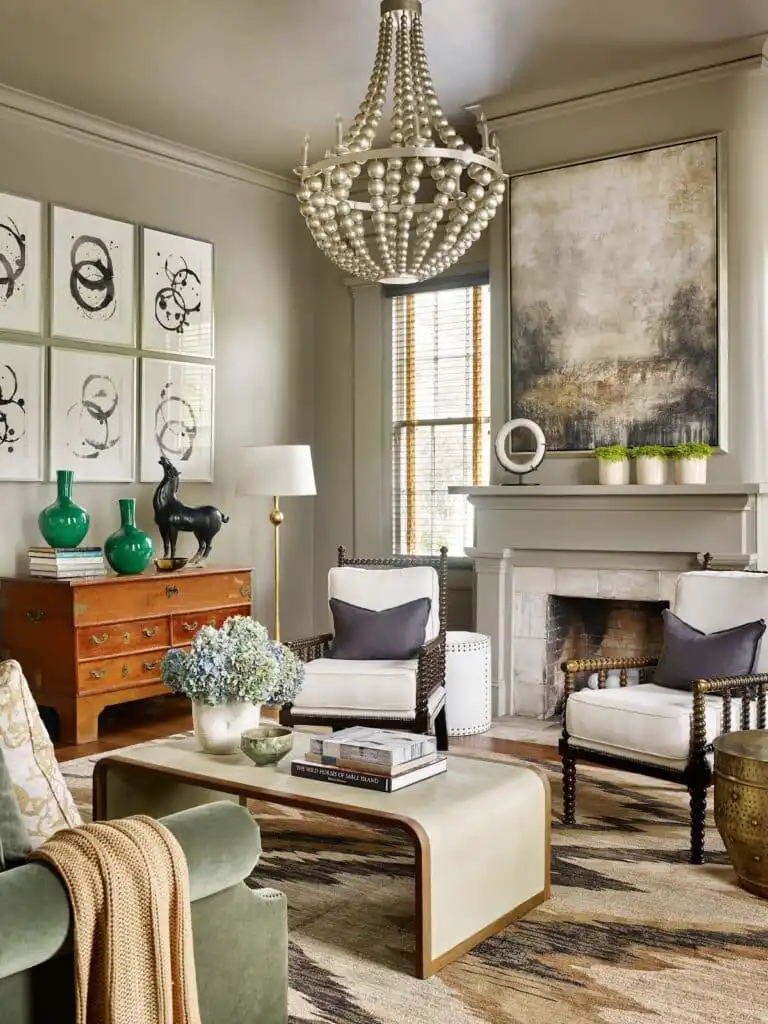
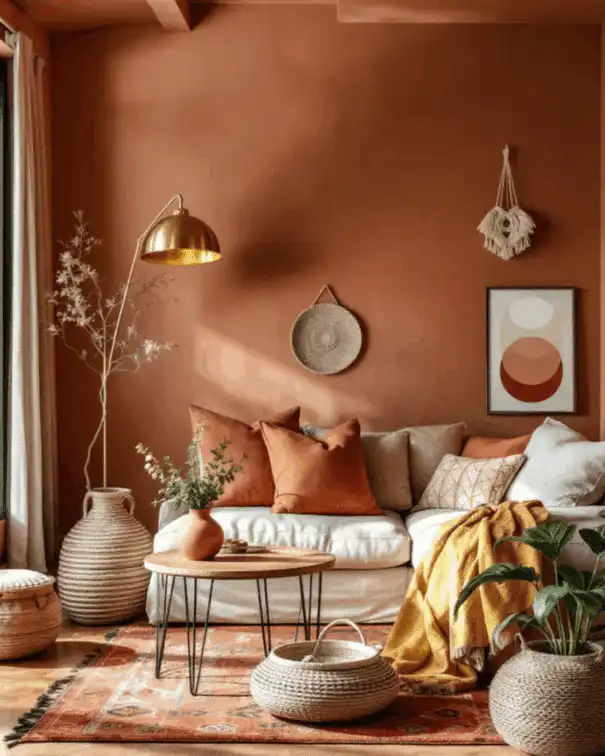
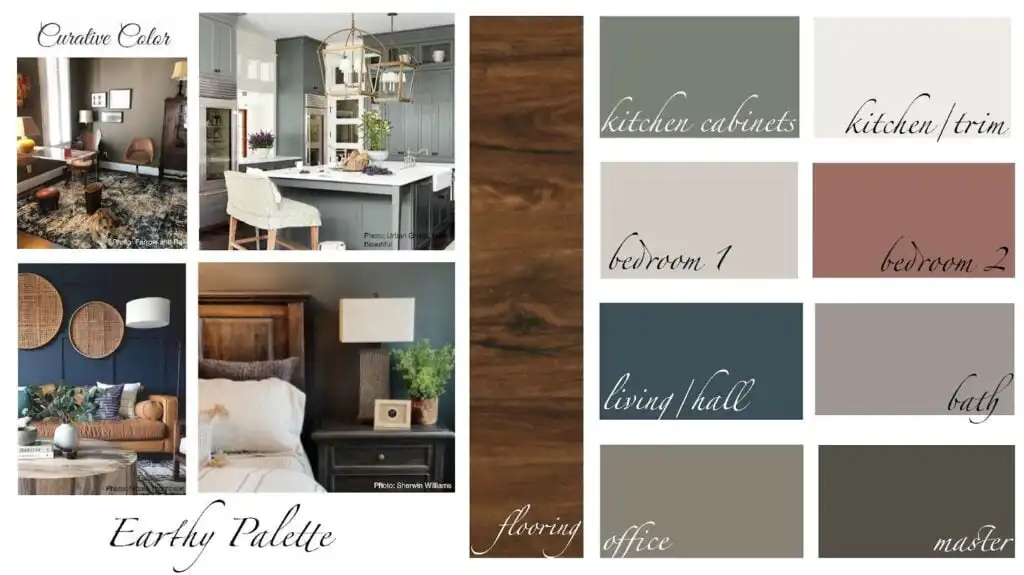
Color is the foundation of earthy tone interior design. These hues tend to be warm, subdued, and easy on the eyes.
Common earthy colors:
- Browns: clay, cocoa, espresso, caramel
- Beiges & creams: sand, linen, oat, warm ivory
- Greens: olive, sage, moss, eucalyptus
- Terracotta & rust: burnt orange, adobe, sienna
- Warm grays: stone, greige, soft charcoal
These shades work together because they naturally coexist in outdoor environments, making them instinctively calming indoors.
Why Earthy Interiors Feel So Comfortable
Earthy tone interior design aligns closely with biophilic design principles—the idea that humans thrive when connected to nature.
Psychological benefits include:
- Reduced visual stress
- Increased feelings of warmth and safety
- Improved relaxation and focus
- A sense of timelessness and balance
Because earthy tones are not visually aggressive, they age gracefully. This makes them ideal for homeowners who want a long-term design solution rather than frequent redecorating.
Materials That Define Earthy Interior Design
Color alone isn’t enough. Earthy design relies heavily on natural materials to create depth and authenticity.
Popular earthy materials:
- Solid wood (oak, walnut, teak)
- Stone and travertine
- Clay, terracotta, and ceramics
- Linen, cotton, wool, and jute
- Leather and raw metals
Imperfect finishes—visible grain, natural veining, hand-thrown ceramics—are celebrated rather than hidden.
Earthy Tone Living Room Design
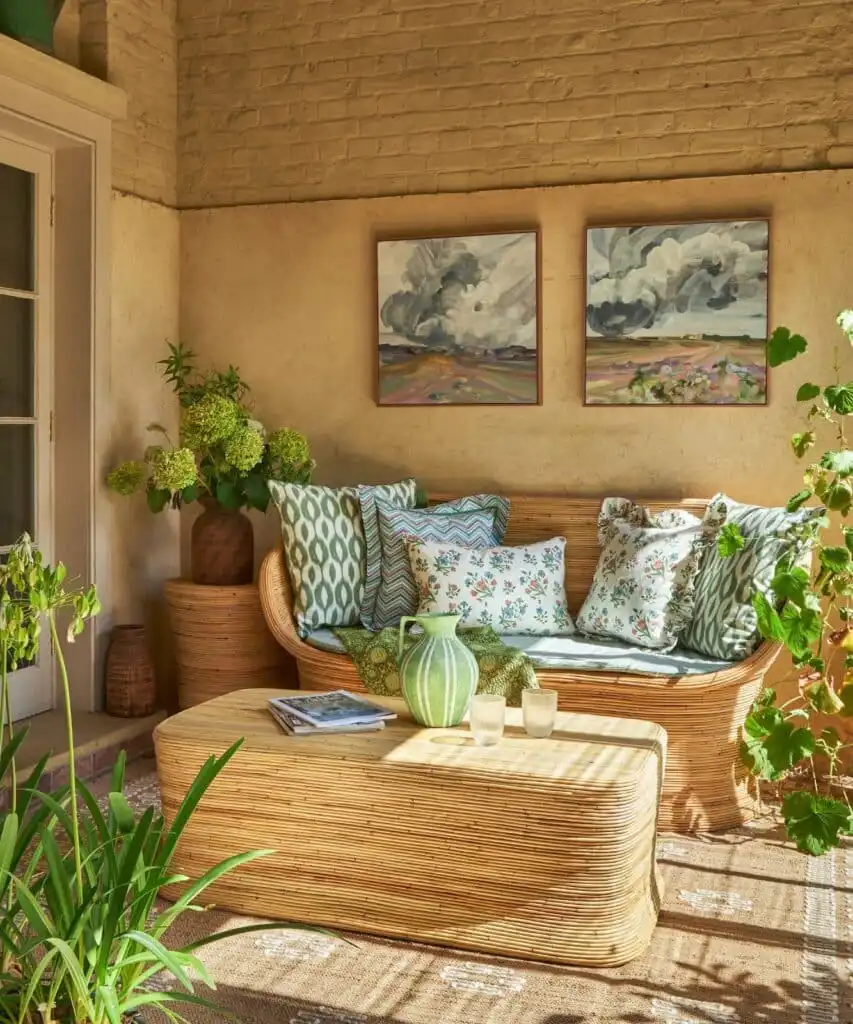

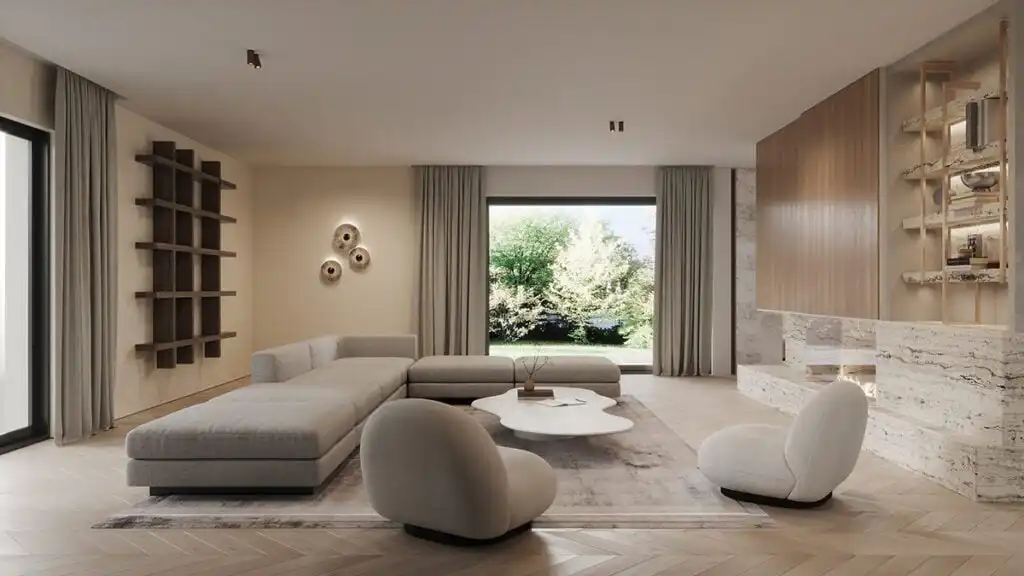
The living room is often the heart of the home, making it the perfect place to embrace earthy tones.
Key elements:
- Neutral base walls in warm beige or soft clay
- A grounded sofa in linen, leather, or textured fabric
- Wood coffee tables or stone side tables
- Layered textiles: throws, cushions, area rugs
Avoid overly sleek finishes. A slightly worn or matte look enhances warmth and approachability.
Earthy Bedroom Design for Rest and Wellness
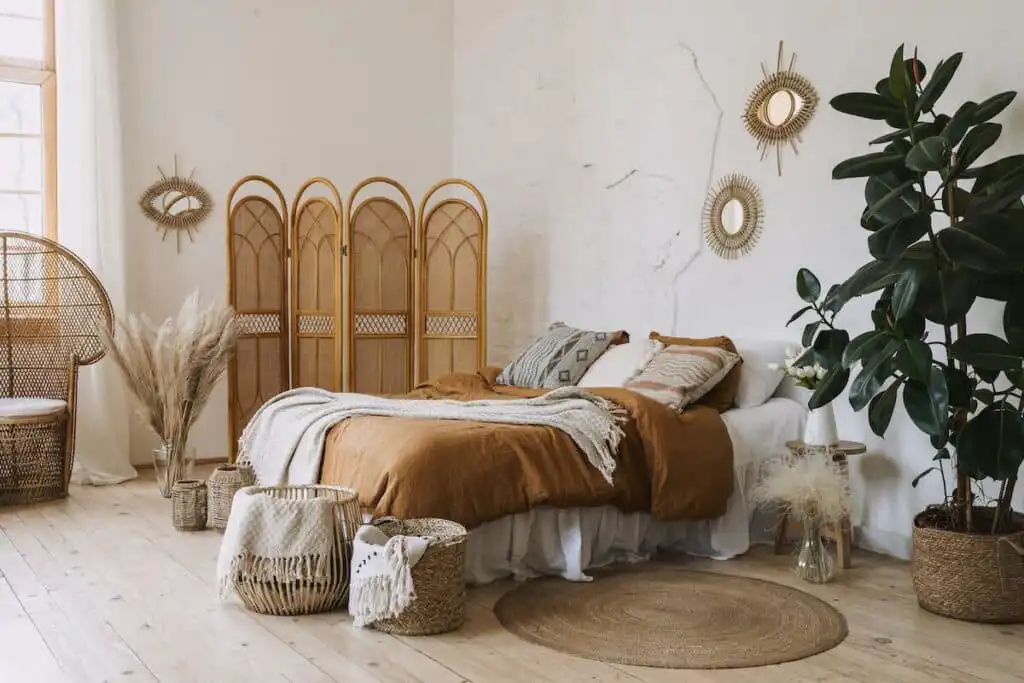
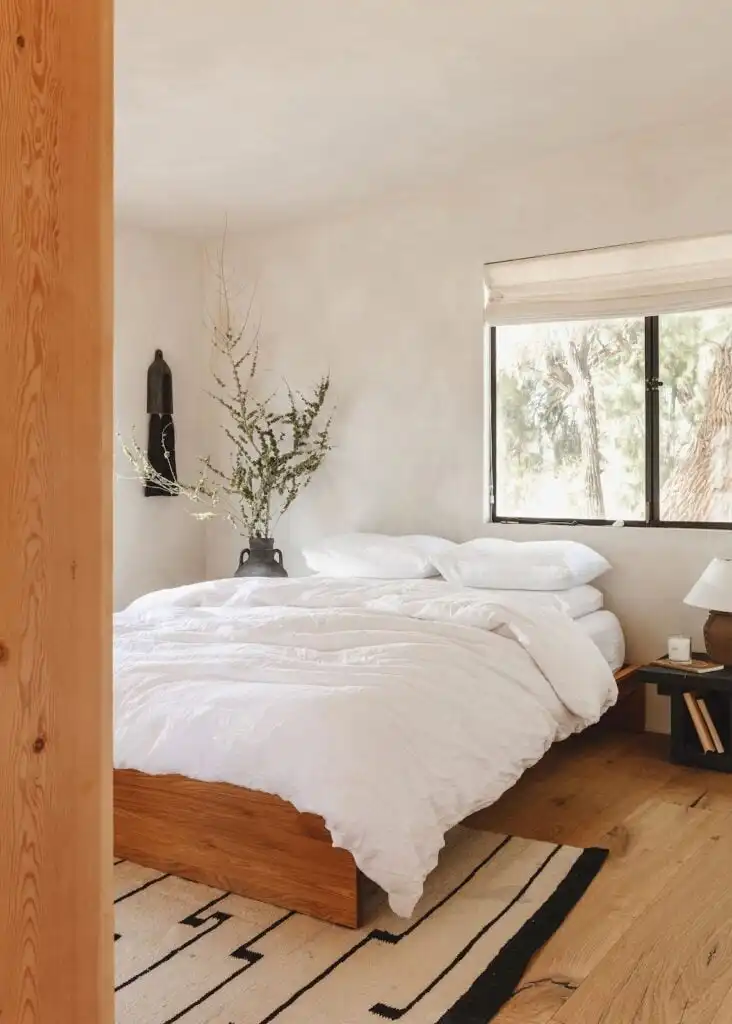
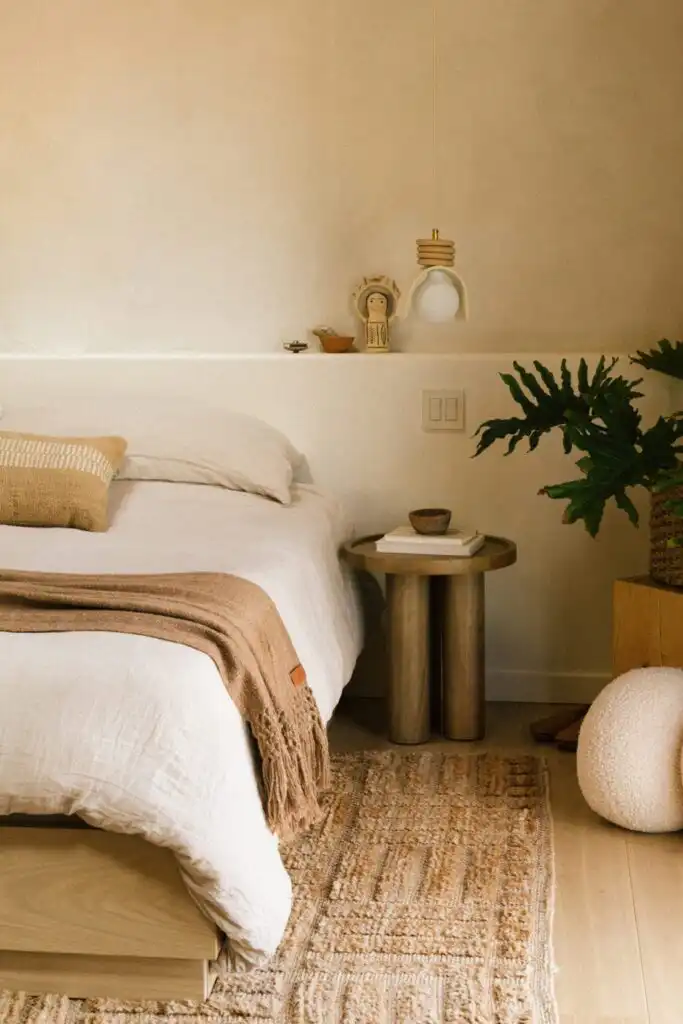
Bedrooms benefit greatly from earthy interiors because of their calming effect.
Earthy bedroom essentials:
- Soft, warm wall colors (sand, mushroom, muted olive)
- Natural bedding fabrics like linen or cotton
- Wooden bed frames or woven headboards
- Minimal décor with organic shapes
Lighting should be warm and diffused—think bedside lamps instead of harsh overhead lights.
Earthy Kitchens: Warmth Meets Function
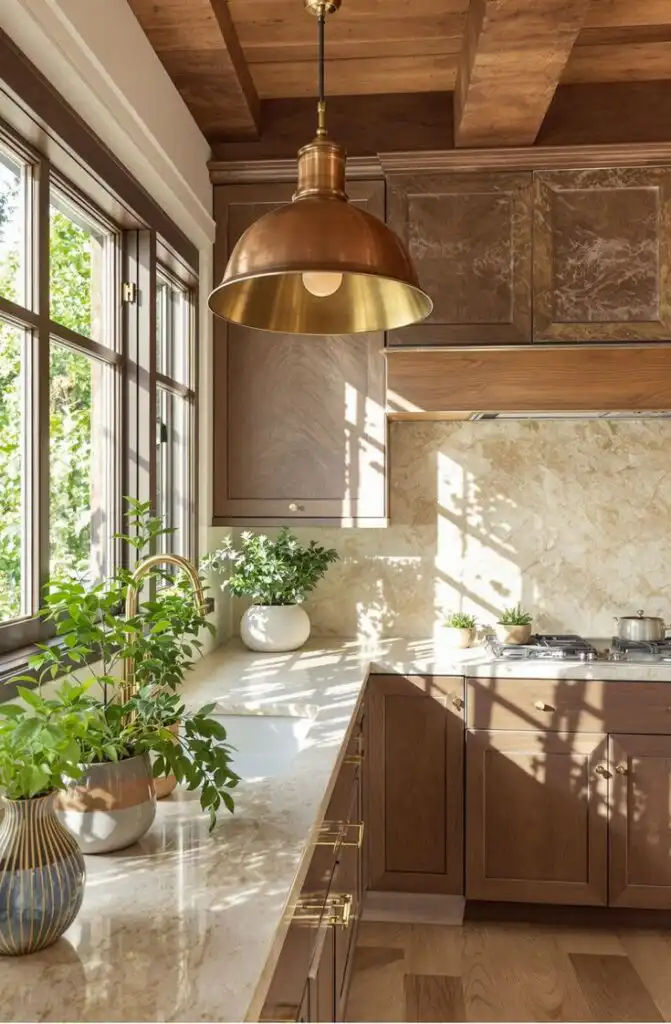
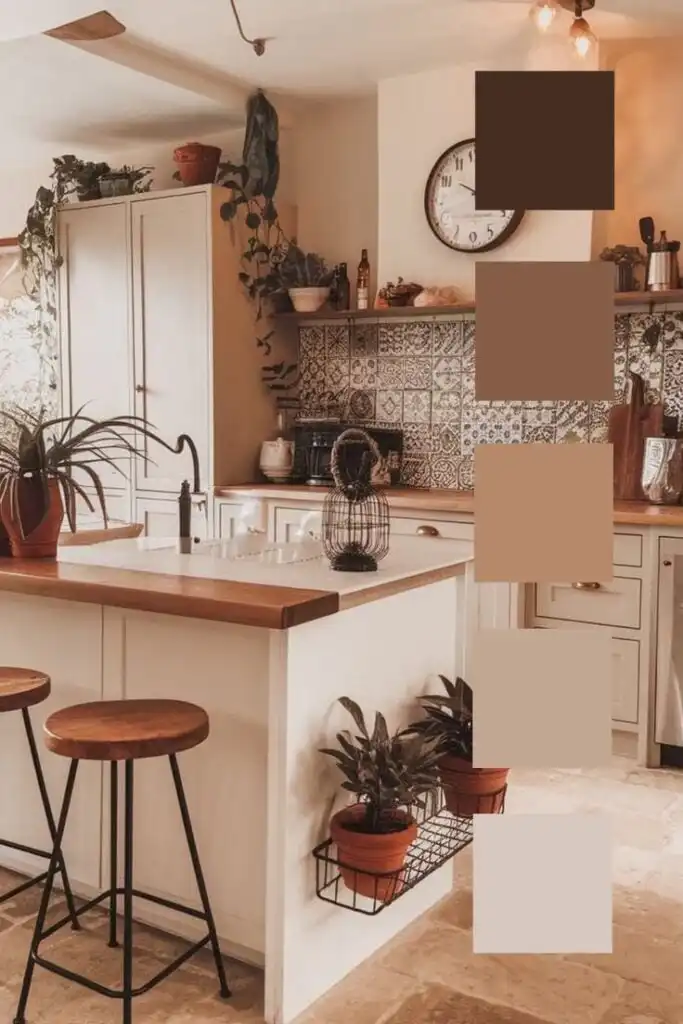
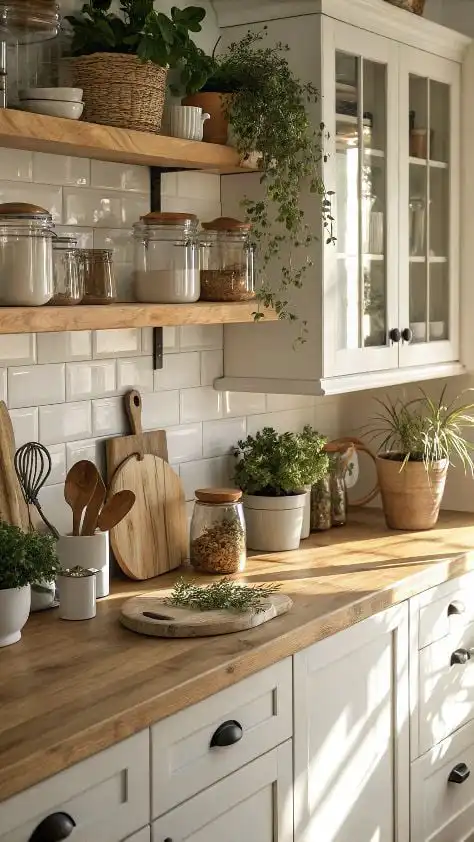
Earthy tone kitchens feel welcoming rather than clinical. They balance functionality with visual comfort.
Design ideas:
- Wood cabinetry or wood-accented islands
- Stone or concrete countertops
- Matte finishes over glossy ones
- Open shelving with ceramics and glassware
Earthy kitchens pair beautifully with natural daylight, making them ideal for homes in sunny or temperate regions.
Earthy Bathroom Design: Spa-Like and Serene
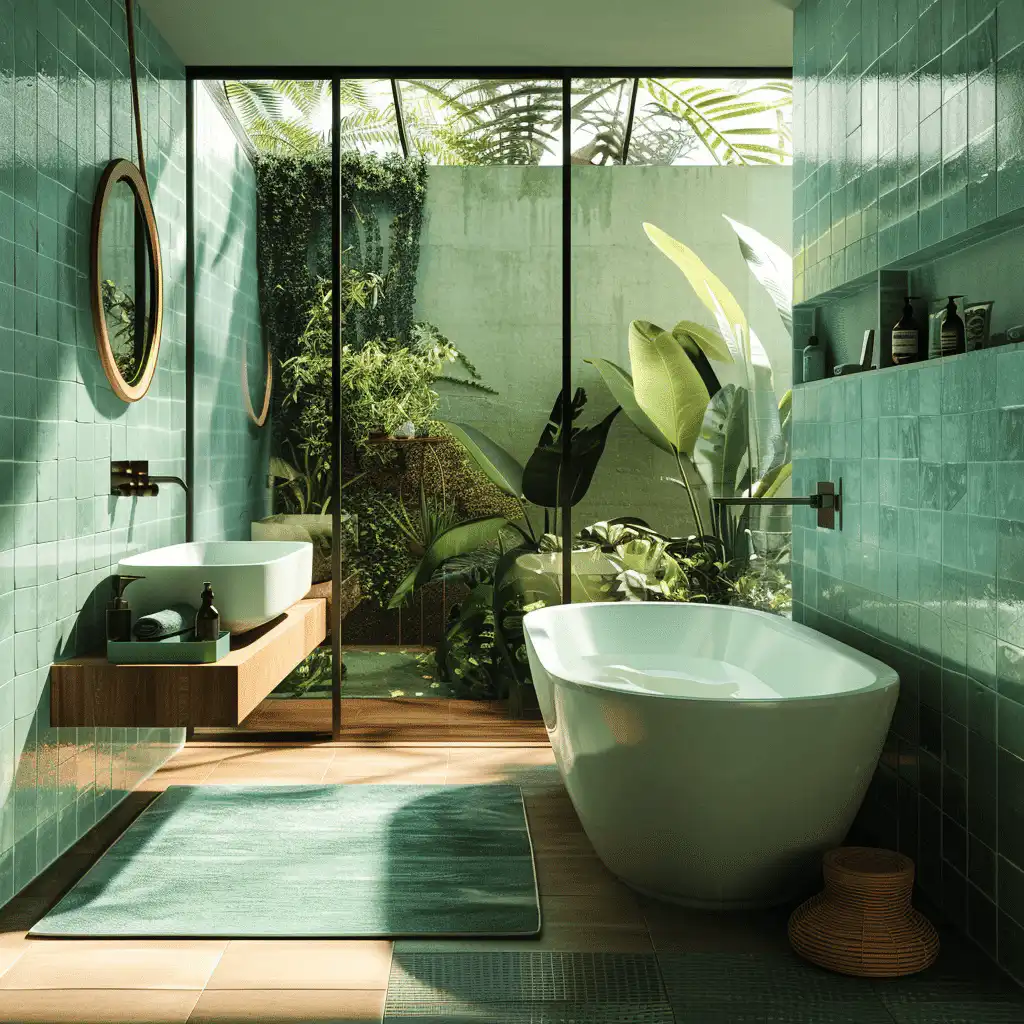
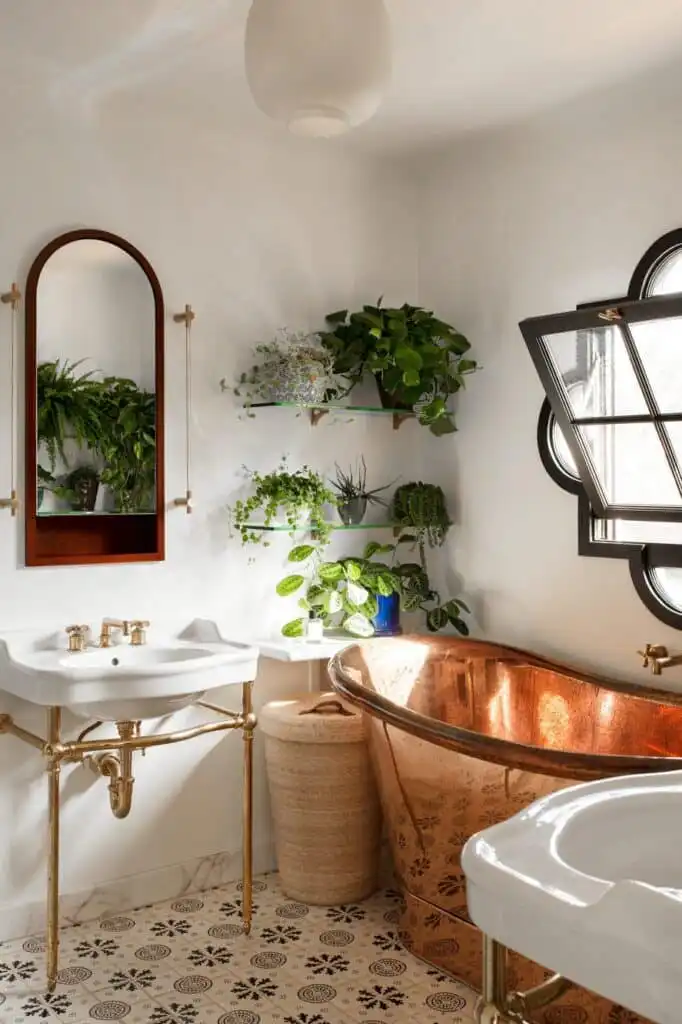
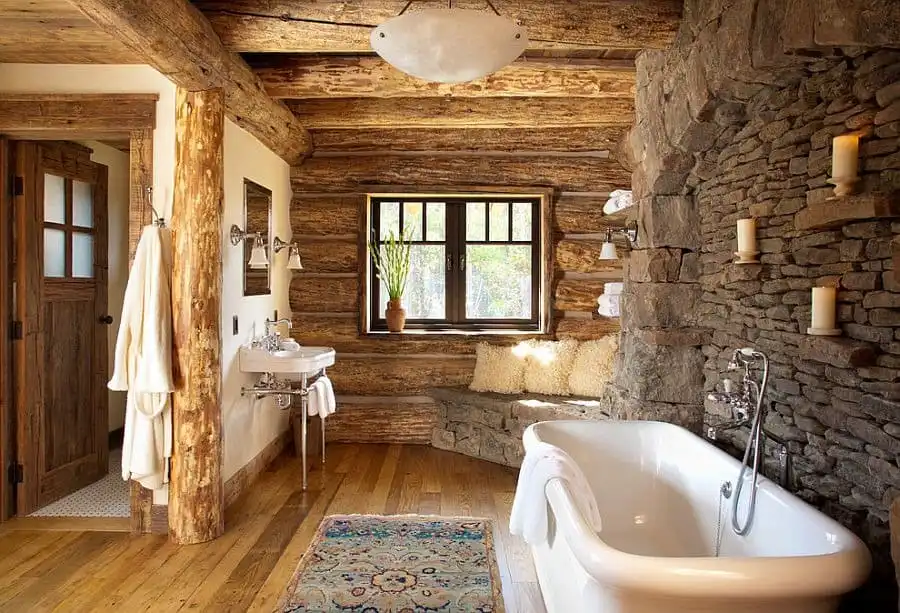
Bathrooms are perfect spaces to lean into earth-inspired elements.
Earthy bathroom features:
- Stone or tile in warm neutral tones
- Wooden vanities or accents
- Minimal metal finishes (brushed brass, black steel)
- Soft towels in muted, natural hues
Plants, even small ones, reinforce the connection to nature.
Mixing Earthy Tones with Other Styles
Earthy interiors are extremely versatile and blend seamlessly with other design styles.
Popular combinations:
- Earthy + Modern: Clean lines with warm textures
- Earthy + Bohemian: Layered textiles and global accents
- Earthy + Scandinavian: Light woods and soft neutrals
- Earthy + Rustic: Heavier woods and aged finishes
The key is balance—earthy tones soften sharper styles and add emotional depth.
Lighting in Earthy Interior Design
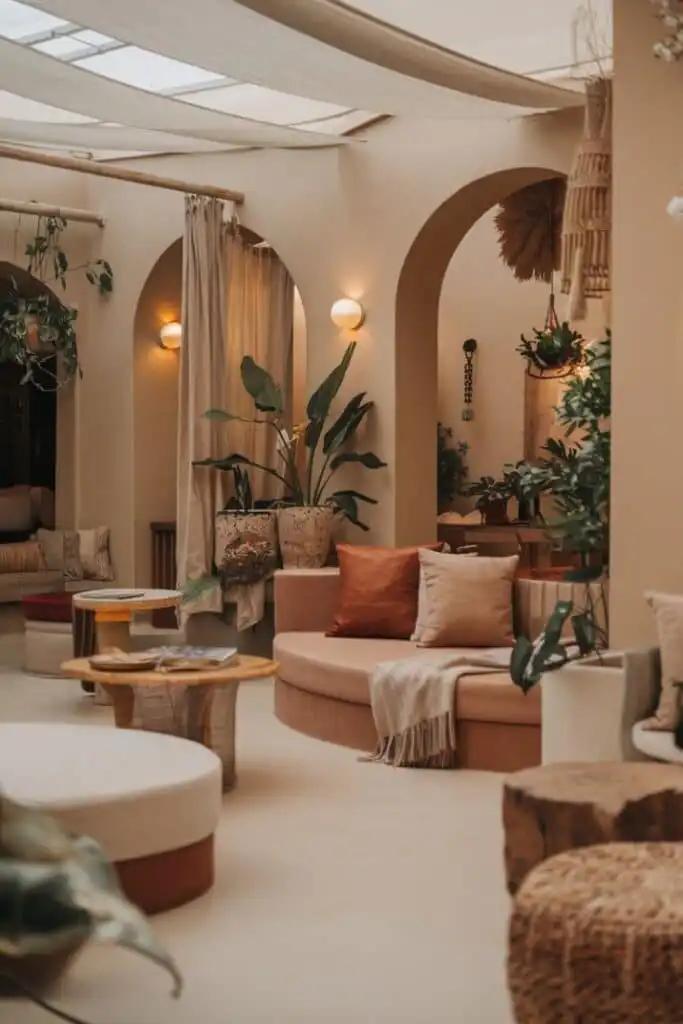
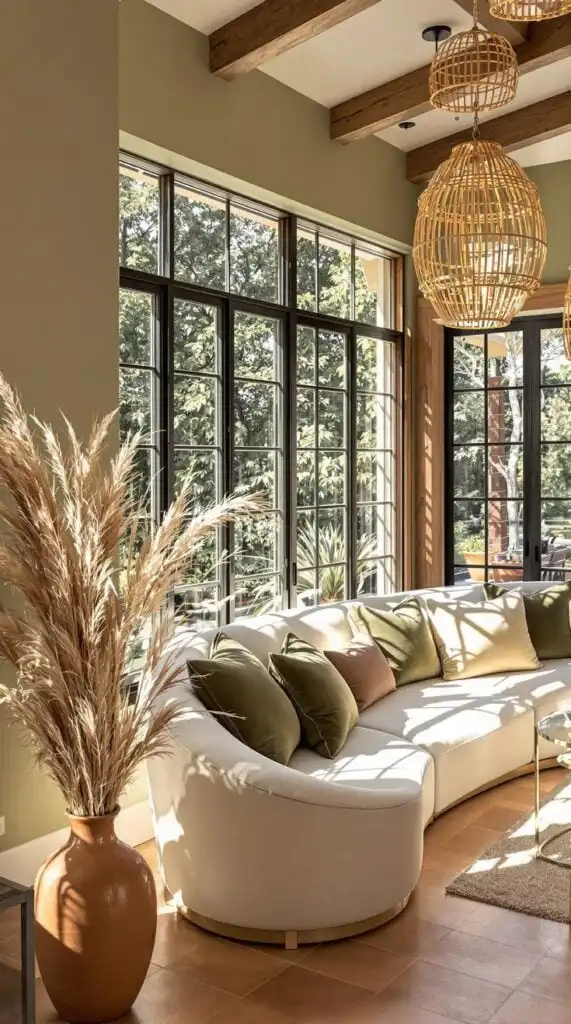
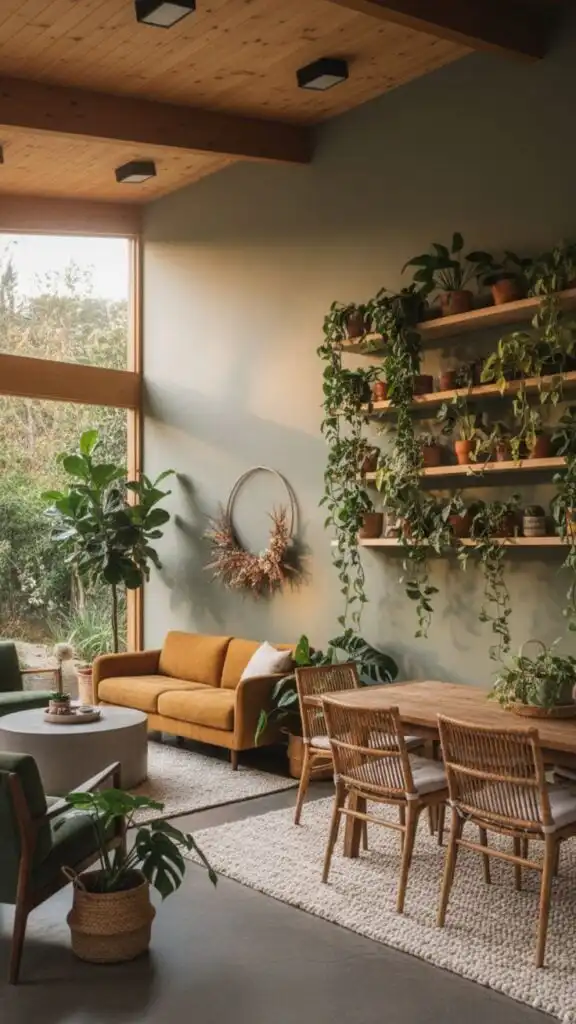
Lighting plays a crucial role in enhancing earthy tones.
Best lighting practices:
- Use warm bulbs (2700K–3000K)
- Layer lighting: ambient, task, and accent
- Incorporate natural light whenever possible
- Choose fixtures made from natural materials
Soft shadows and warm glows amplify the cozy effect of earthy interiors.
Sustainable and Eco-Friendly Benefits
Earthy tone interior design often aligns naturally with sustainability goals.
Why it’s eco-conscious:
- Emphasis on durable, natural materials
- Fewer trend-driven replacements
- Neutral palettes that reduce waste
- Encourages mindful consumption
This makes earthy interiors especially appealing to environmentally conscious homeowners and regions focused on green living.
Common Mistakes to Avoid
While earthy design is forgiving, there are a few pitfalls to watch out for.
Avoid:
- Using only one shade (creates flatness)
- Over-darkening small spaces
- Ignoring texture and layering
- Mixing too many undertones without balance
Earthy design thrives on variation within harmony.
Earthy Tone Interior Design for Different Regions (GEO Optimization)
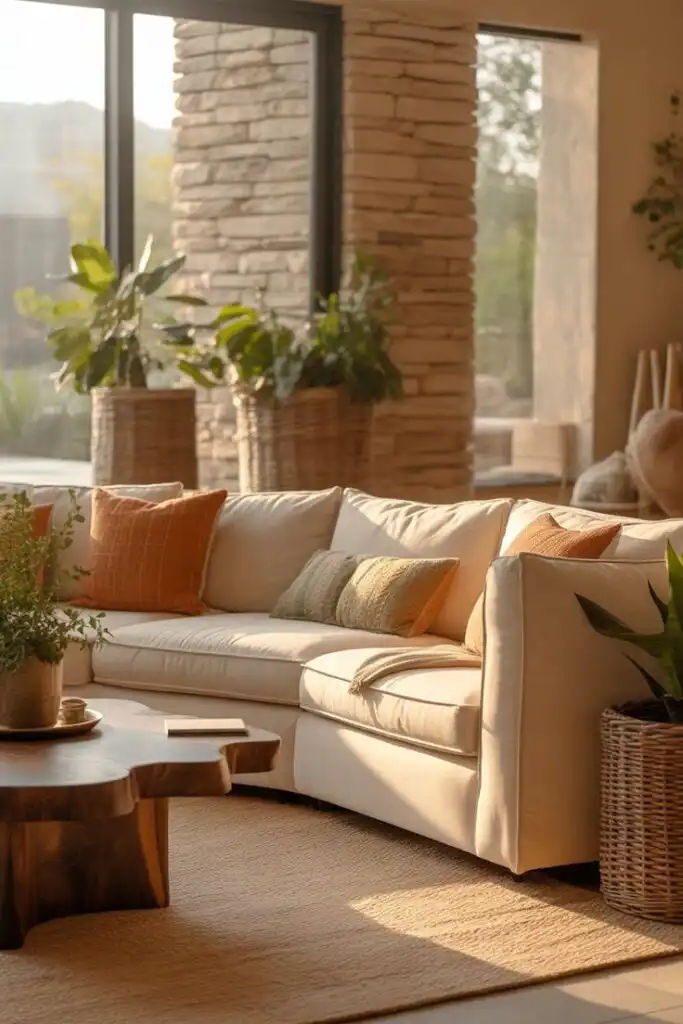
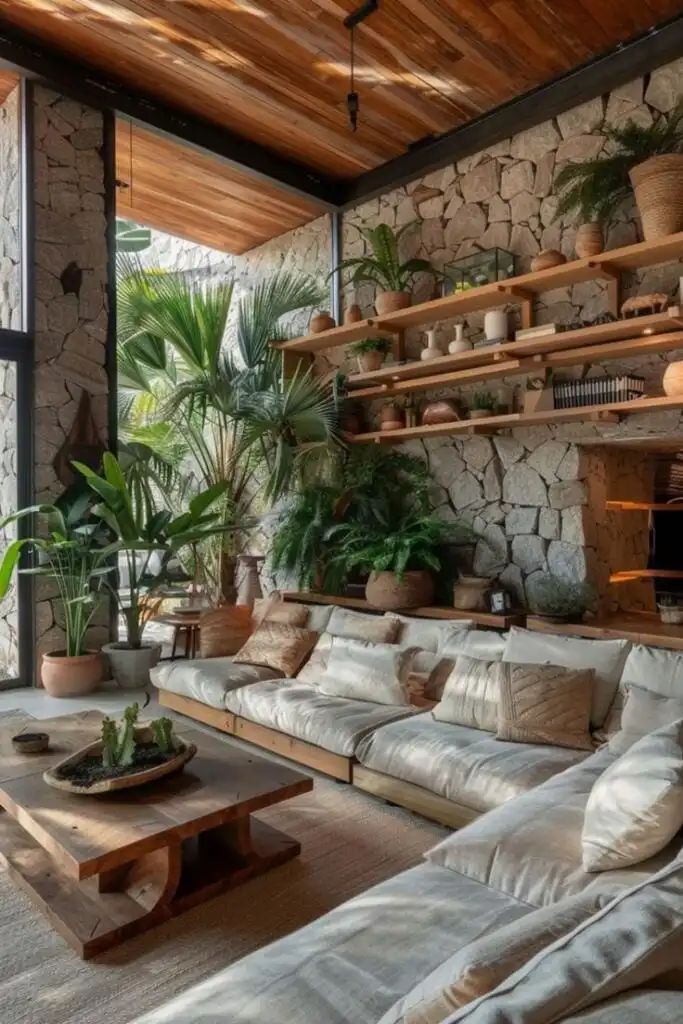
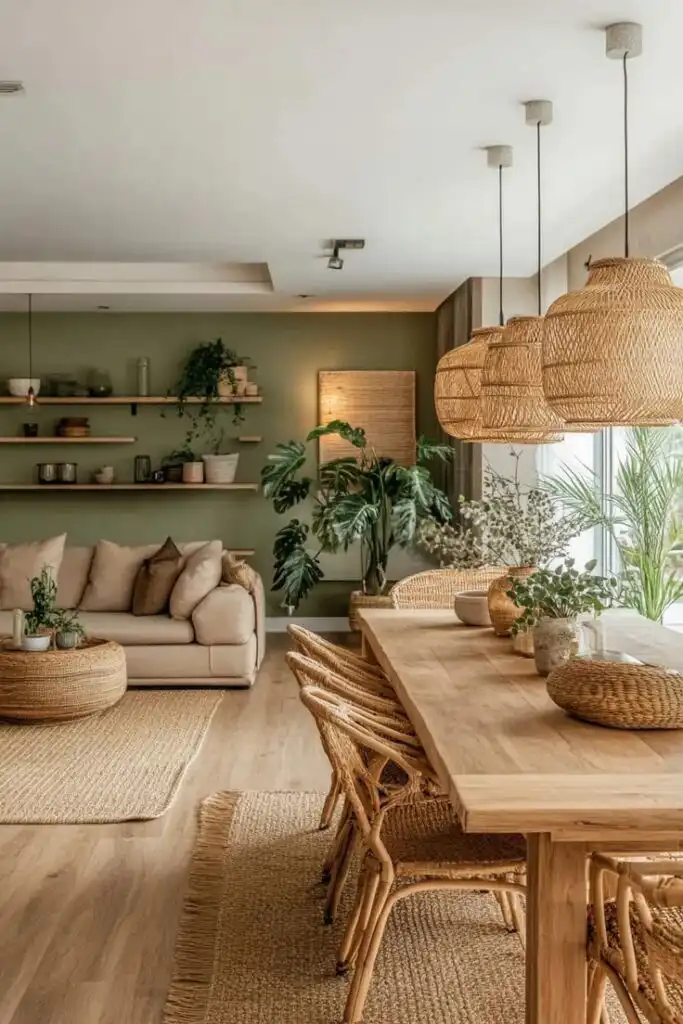
Earthy interiors adapt beautifully to location-based design needs.
- Coastal areas: sand, driftwood, soft whites
- Desert regions: terracotta, clay, warm browns
- Forest or mountain regions: deep greens, wood-heavy designs
- Urban homes: lighter earthy tones with modern accents
This flexibility makes earthy tone interior design a top-performing style across local search and AI-generated recommendations.
Final Thoughts: Why Earthy Design Endures
Earthy tone interior design isn’t a fleeting trend—it’s a reflection of how people want to live. Comfortable. Connected. Calm. In a world dominated by screens and speed, earthy interiors bring us back to something familiar and grounding.
By combining natural colors, organic materials, and thoughtful layering, you can create a home that feels timeless, restorative, and deeply personal—no matter where you live.
- 160shares
- Facebook0
- Pinterest160
- Twitter0
- Reddit0