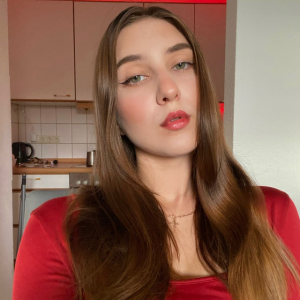
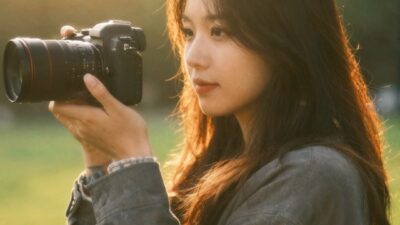
Your photography style isn’t something you discover overnight or copy from someone else’s Instagram feed. It develops naturally through the choices you make with your camera, from the subjects that catch your eye to how you edit your final images. Finding your photography style means identifying the consistent patterns in your creative decisions and intentionally building on them through practice and experimentation.
Many photographers feel pressured to have a defined style from day one, but this expectation is unrealistic. Your style emerges from shooting regularly, trying different techniques, and paying attention to what resonates with you. It reflects how you see the world and what you want to communicate through your images.
The process involves looking at your existing work to spot recurring themes, experimenting with different genres and editing approaches, and permitting yourself to evolve. Your style today might look different in a year, and that’s completely normal. What matters is developing work that feels authentic to you rather than chasing trends or mimicking other photographers.
Key Takeaways
- Your photography style emerges from consistent creative patterns in your work, not from copying others or following trends
- Experimentation with different subjects, techniques, and editing approaches helps you discover what feels authentic to your vision
- Developing a personal style takes time and practice, and it will naturally evolve as you grow as a photographer
What Makes a Photography Style Unique?
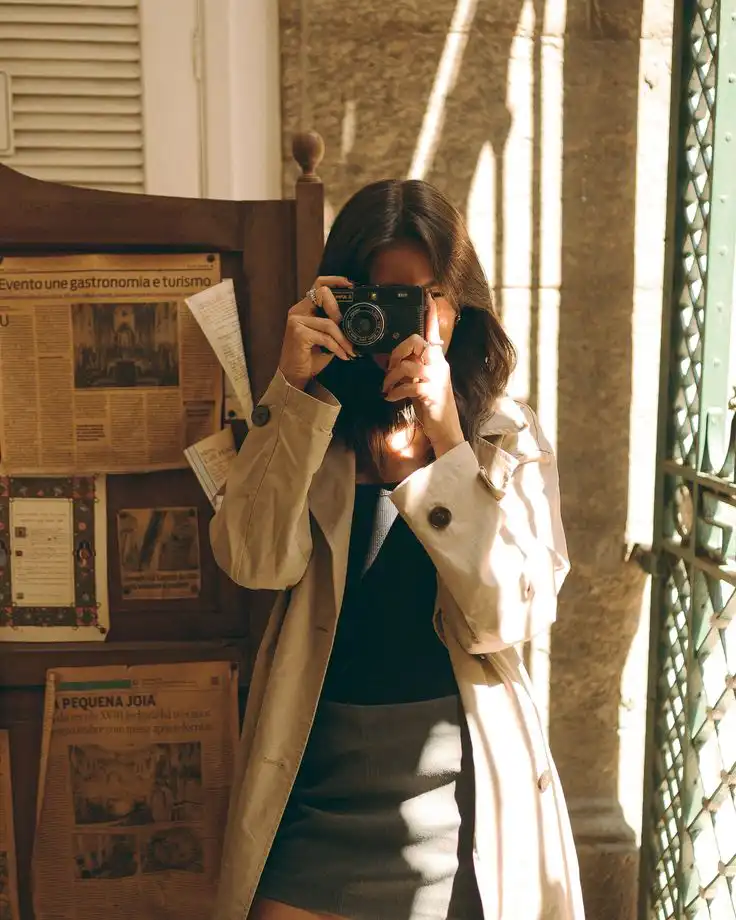
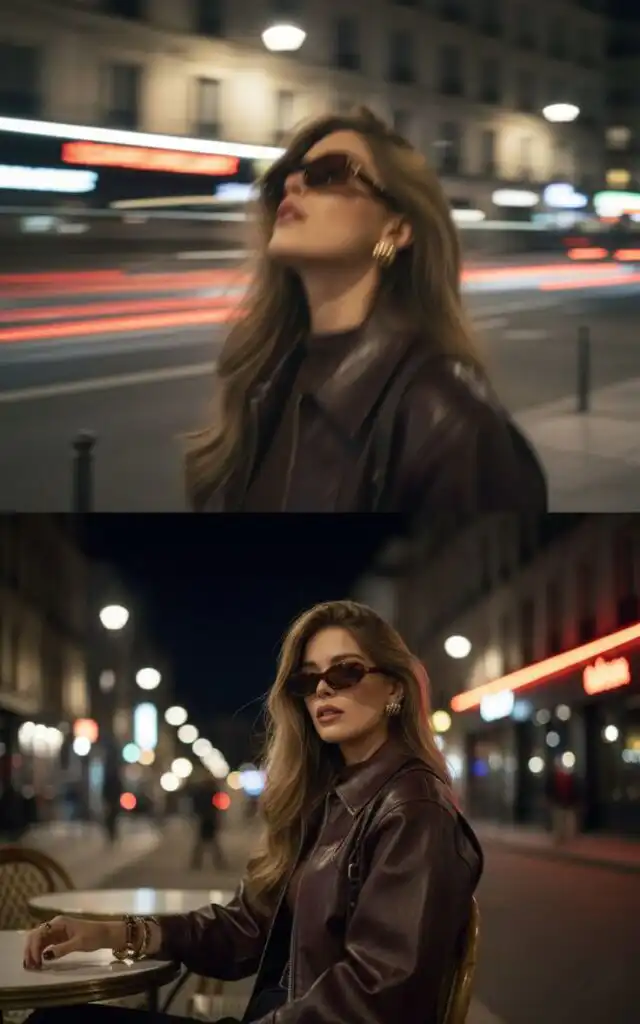
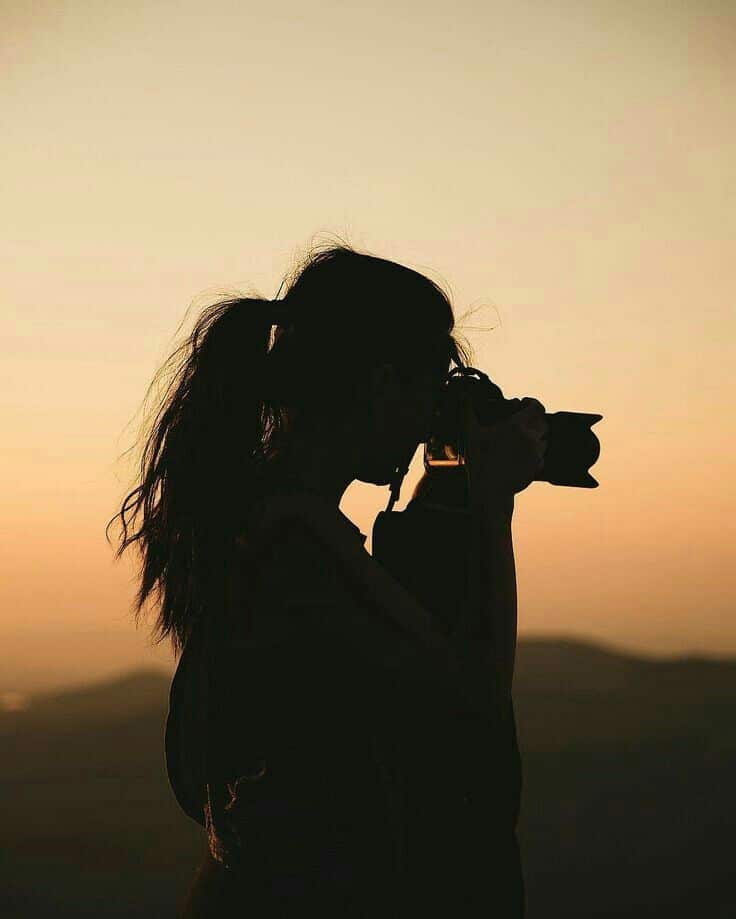
A photography style becomes unique through the consistent creative choices you make across your work, shaped by your personal vision rather than technical skills alone. Your style reflects how you see the world and translates that perspective into images that others can recognize as distinctly yours.
Exploring the Definition of Photography Style
Photography style represents the recognizable patterns in your creative decisions when making images. It encompasses your choice of subjects, color palettes, composition approaches, and the mood you create in your photographs.
Your unique photography style emerges from combining multiple elements: how you frame scenes, the lighting conditions you prefer, your editing choices, and the emotions you aim to convey. These elements work together to create a visual signature.
A well-developed style means someone can identify your work without seeing your name attached. This recognition comes from consistency in your approach rather than copying trends or mimicking other photographers.
Your personal photography style evolves naturally as you photograph more and make deliberate choices about what resonates with you. It’s not something you force but rather discover through practice and reflection.
How Style Differs From Photography Technique
Photography technique refers to the mechanical and technical skills you use to capture images. These include understanding exposure, mastering focus, controlling depth of field, and operating camera equipment properly.
Key Differences:
| Photography Technique | Photography Style |
|---|---|
| Aperture settings and shutter speed | Mood and atmosphere you create |
| Focus and exposure control | Subject selection and framing choices |
| Camera operation skills | Consistent visual approach |
| Universal technical rules | Personal creative decisions |
You can master every photography technique available and still lack a distinctive style. Technique provides the tools, but style determines how you use those tools to express something uniquely yours.
Two photographers can use identical technical settings in the same location yet produce completely different images based on their individual styles. Your developing a style happens when you move beyond technical competence to intentional creative expression.
The Role of Personal Vision
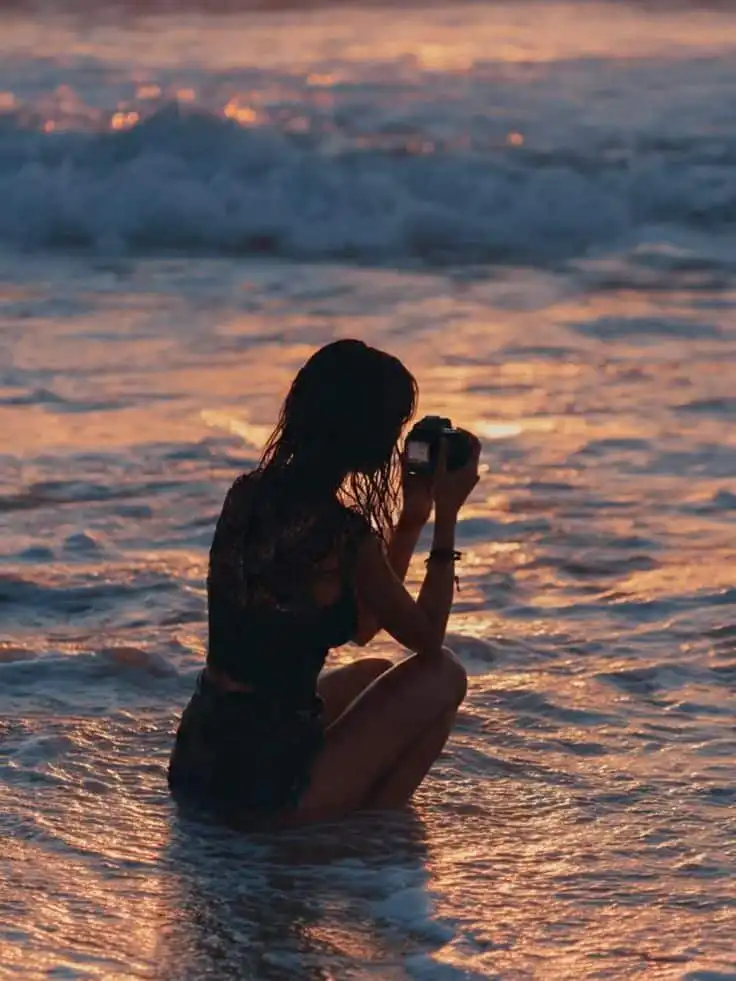
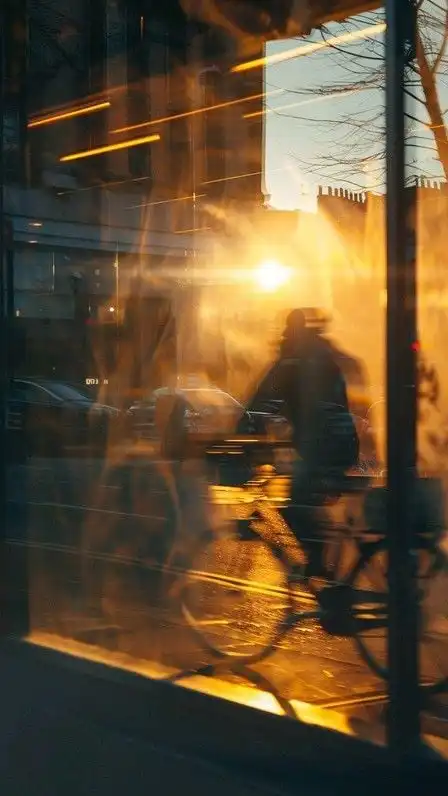
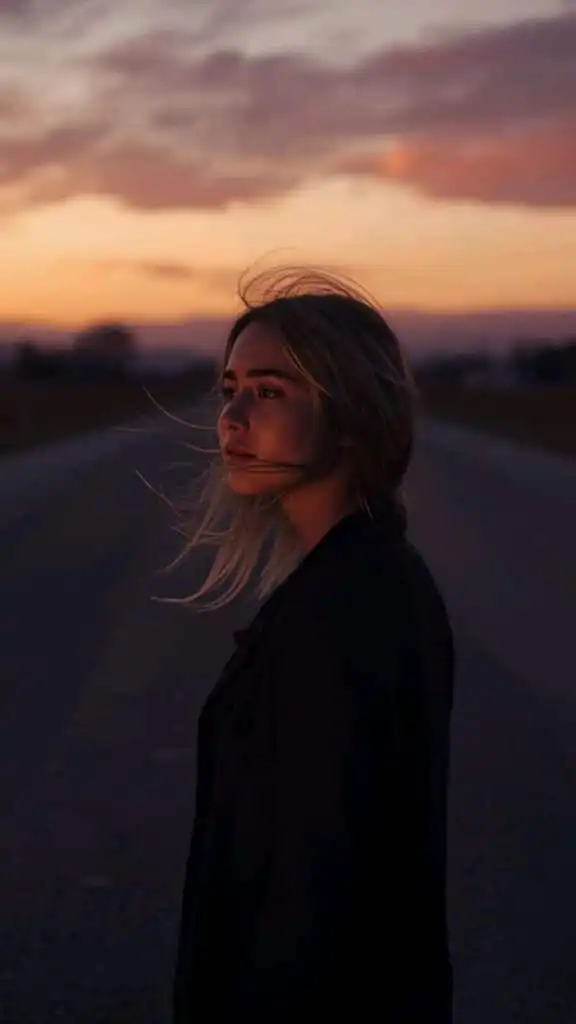
Personal vision is how you interpret the world through your camera lens. It’s influenced by your experiences, values, interests, and the way you naturally notice details others might overlook.
Your vision determines what you choose to photograph and what you ignore. Some photographers gravitate toward bold colors while others prefer muted tones. Some seek out geometric patterns while others focus on organic forms and natural chaos.
This vision isn’t something you invent artificially. It already exists within you through your daily preferences and habits. The way you decorate your space, the routes you take when walking, and the moments that catch your attention all reflect your underlying aesthetic preferences.
Developing a personal vision requires paying attention to what genuinely interests you rather than what you think should interest you. Your creative voice strengthens when you trust your instincts about what matters in a scene.
Why Your Creative Voice Matters
Your creative voice distinguishes your work in a field where millions of images are created daily. It transforms technical competence into meaningful artistic expression that connects with viewers on an emotional level.
A strong creative voice builds recognition and trust with your audience. People return to photographers whose perspective resonates with them, creating opportunities for both personal satisfaction and professional growth.
Your creative voice also guides your decision-making process during shoots and editing. Instead of second-guessing every choice, you develop confidence in your approach because it aligns with your authentic perspective.
Without developing a style rooted in your creative voice, you risk creating generic images that get lost among countless similar photographs. Your unique viewpoint is the one thing no other photographer can replicate, making it your most valuable asset.
Discovering Your Visual Preferences
Understanding what draws your eye helps you recognize the elements that consistently appear in your work. This awareness forms the foundation for developing a cohesive style.
Building Mood Boards for Inspiration
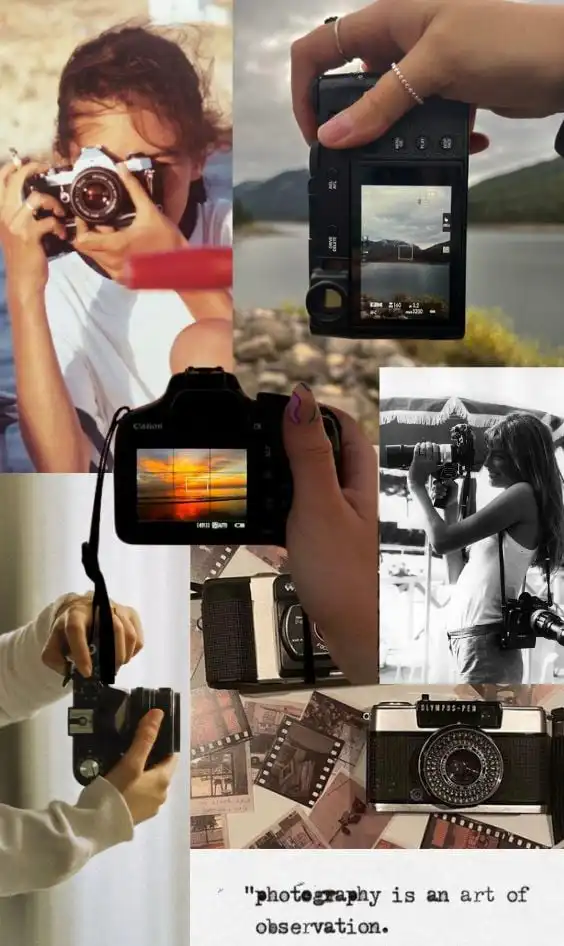
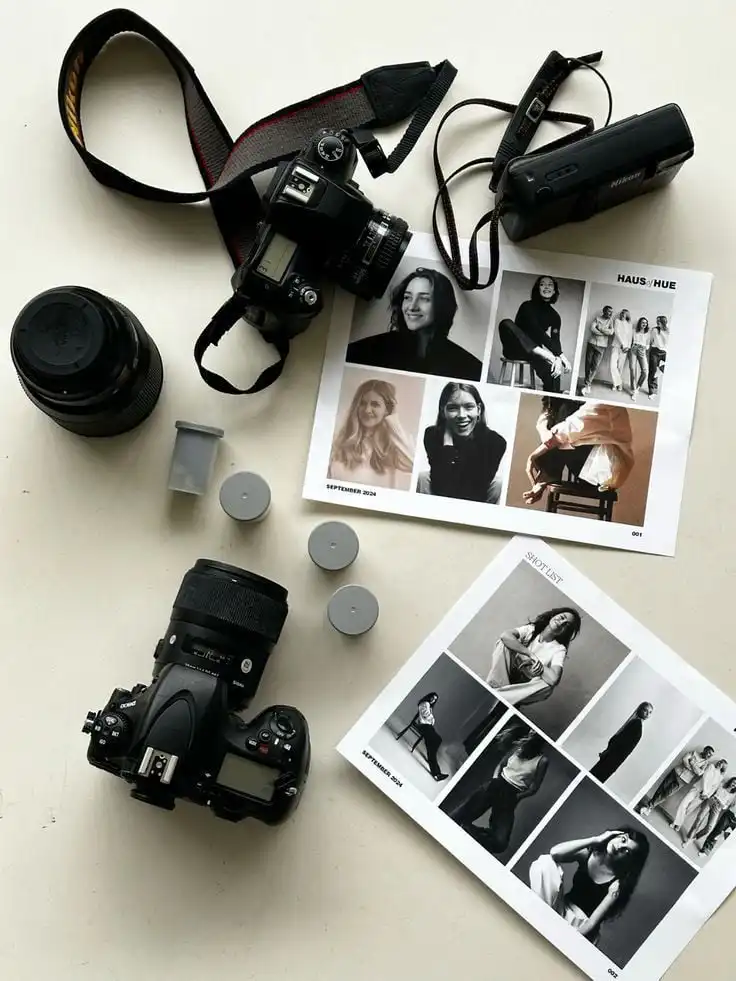
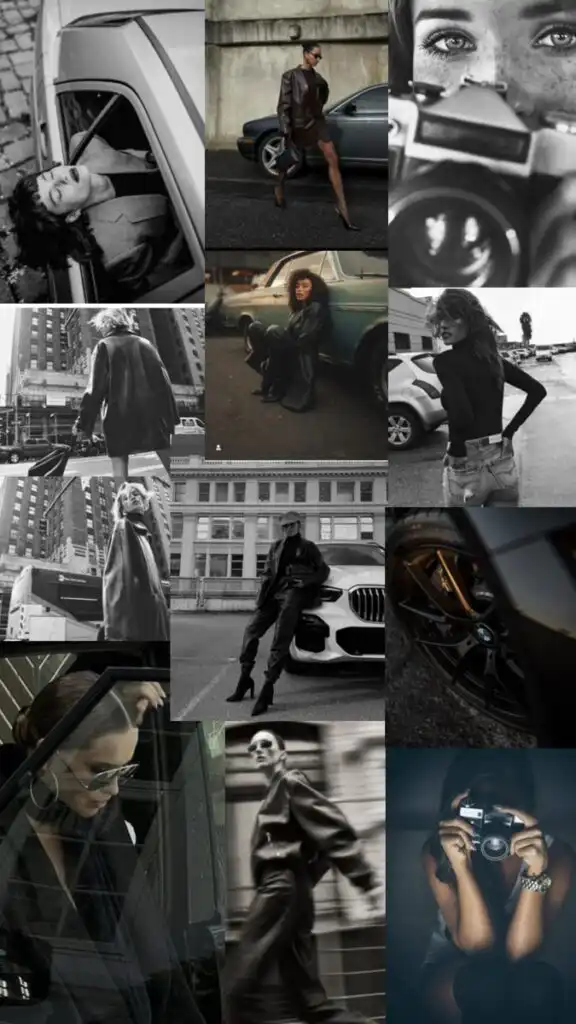
Creating visual collections gives you a tangible reference for your aesthetic leanings. Start by gathering images that resonate with you on Pinterest, where you can organize boards by themes like lighting, color palettes, or subject matter. Instagram collections work similarly, letting you save posts that catch your attention.
Don’t limit yourself to photography alone. Include paintings, film stills, architecture, and graphic design that speak to you. The goal is to collect without overthinking your choices.
After gathering 50-100 images, step back and observe what connects them. You might notice preferences for warm tones over cool, natural light versus dramatic shadows, or minimalist compositions instead of busy scenes. These patterns reveal your visual language before you consciously define it.
Analyzing Your Favorite Work
Examining photographers whose work you admire provides insights into specific techniques and approaches. Choose three to five photographers whose images consistently appeal to you. Study their portfolios with intention rather than casual scrolling.
Ask yourself specific questions about their work:
- What shooting angles do they favor?
- How do they use negative space?
- What emotional qualities emerge from their images?
- Which lighting conditions appear most often?
Write down your observations. This process helps you articulate why certain images work for you beyond a simple “I like it” response. Understanding these preferences accelerates your creative growth by giving you concrete elements to experiment with in your own photography.
Identifying Patterns and Themes
Your existing photo library contains clues about your natural style. Review your favorite shots from the past six months to a year. Look beyond technical quality to find recurring elements.
Common patterns include subject matter you return to repeatedly, consistent color schemes, or particular moods you capture well. You might discover you gravitate toward candid moments over posed shots, or that your strongest images share similar composition structures.
Create a separate folder for images that feel most authentically “you.” When you find your photography style, these photos will likely share visual DNA. Pay attention to which images get the strongest reactions from viewers, as external feedback sometimes highlights strengths you overlook in your own work.
If landscape and travel scenes keep appearing in your mood boards, study a few beautiful places to photograph and notice which colors, light, and textures feel most like your style.
Exploring Photography Genres and Subjects
Discovering your photography style requires hands-on experimentation with different genres and subjects while learning from established photographers who’ve mastered their craft.
Trying Different Photography Genres
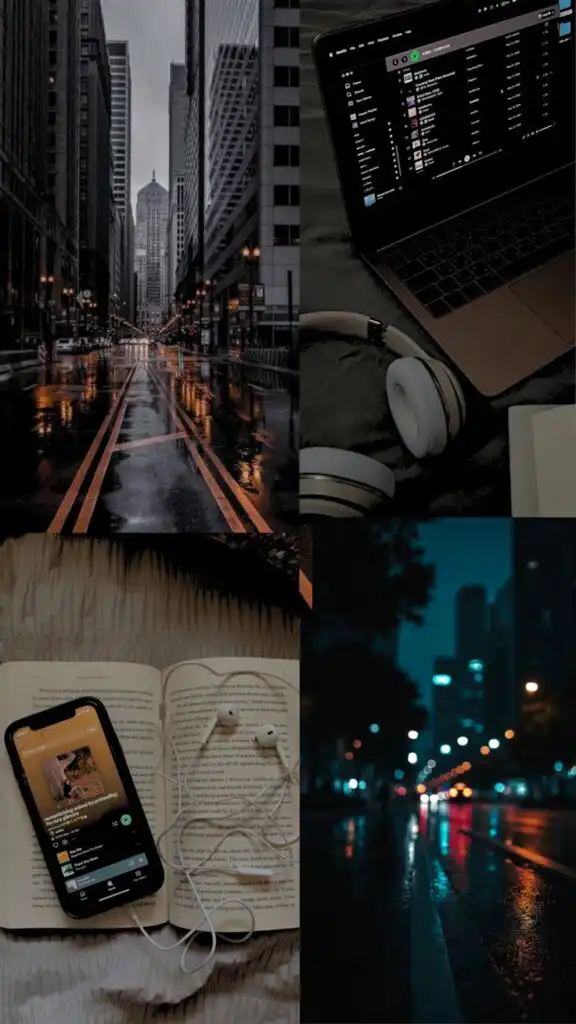
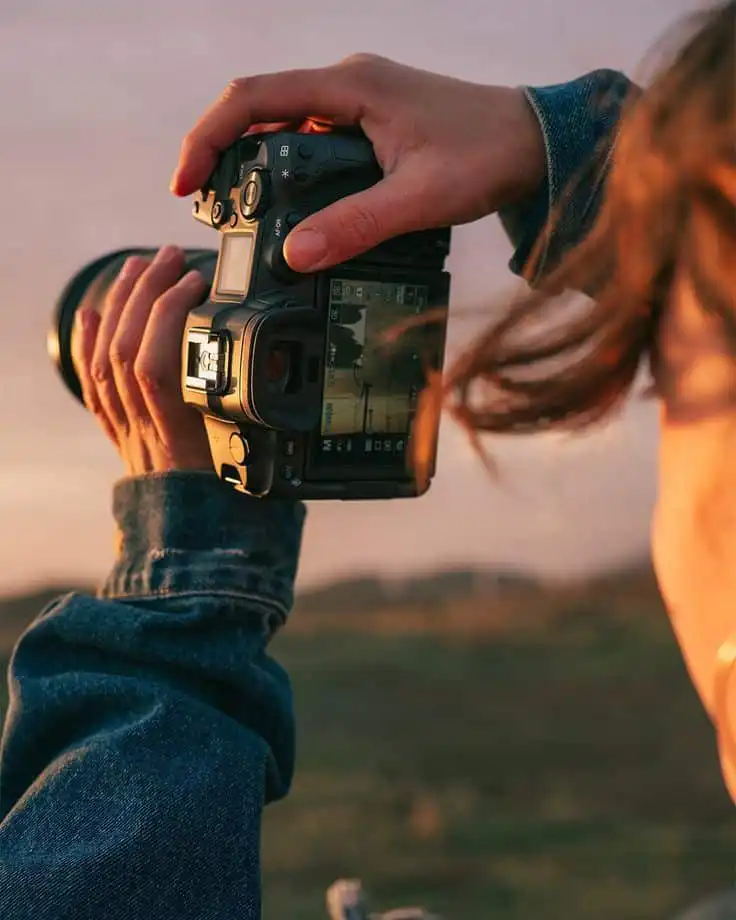
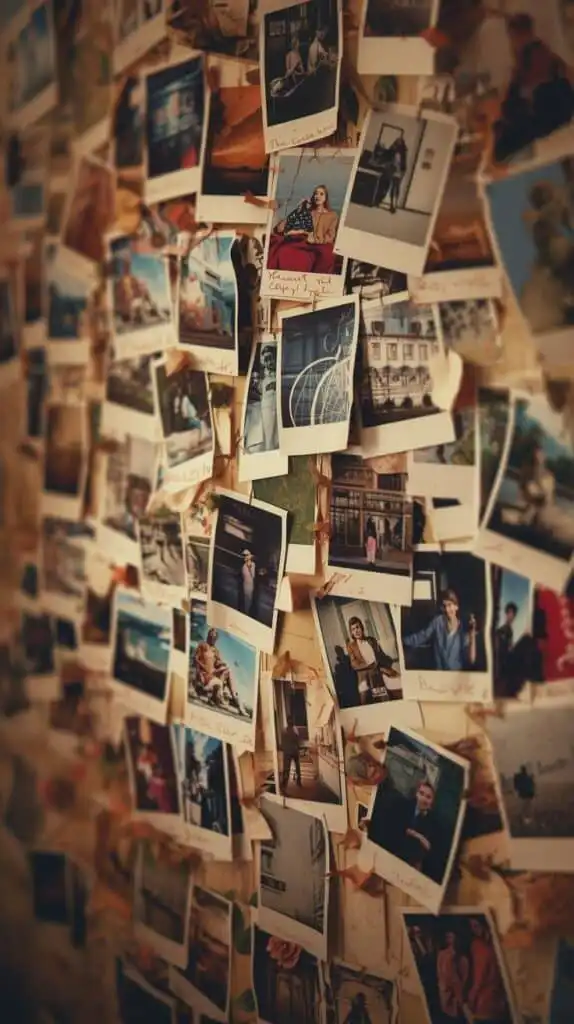
Experimenting with multiple photography genres helps you discover what naturally draws your attention and where your strengths lie. Start with accessible genres like street photography, which teaches you to anticipate moments and work quickly in unpredictable environments. Move into portraits to understand lighting, composition, and how to connect with subjects.
Landscape photography develops your patience and technical skills with longer exposures and careful framing. Try travel photography to combine storytelling with cultural documentation. Photojournalism pushes you to capture authentic moments that tell complete stories without staging.
Consider these practical genre experiments:
- Dedicate one week to shooting only candid street scenes
- Schedule portrait sessions with friends to practice directing subjects
- Wake up early for landscape work during golden hour
- Document a local event to practice photojournalism techniques
Product photography might seem commercial, but it sharpens your attention to detail and lighting control. Each genre teaches different technical and creative lessons that feed into your developing style. Don’t commit to one genre immediately—shoot broadly for several months before identifying patterns in what excites you most.
Learning From Other Photographers
Study photographers whose work resonates with you, but focus on understanding their approach rather than copying their results. Analyze how they use light, compose their frames, and sequence images into photo series that tell cohesive stories.
Join photography communities where you can receive constructive feedback on your work. Online forums and local camera clubs expose you to diverse perspectives and techniques you might not discover alone.
Pay attention to how successful photographers approach their subjects. Notice their choice of focal lengths, their distance from subjects, and their timing. This analytical viewing trains your eye to see possibilities in your own shooting scenarios.
Finding Subjects That Resonate With You
Your photography style emerges most naturally when you photograph subjects that genuinely interest you. Review your existing photos to identify recurring themes—perhaps you’re drawn to architectural details, human expressions, or natural textures.
Choose subjects you can access regularly for consistent practice. If urban environments energize you, street photography and architectural work might suit your style better than landscape photography requiring remote locations.
Test your emotional connection to different subjects by creating a small photo series around specific themes. Shoot the same subject multiple times under varying conditions to see if your interest sustains beyond initial novelty. Your authentic enthusiasm shows in the final images and guides you toward your natural style.
Experimentation and Technical Choices
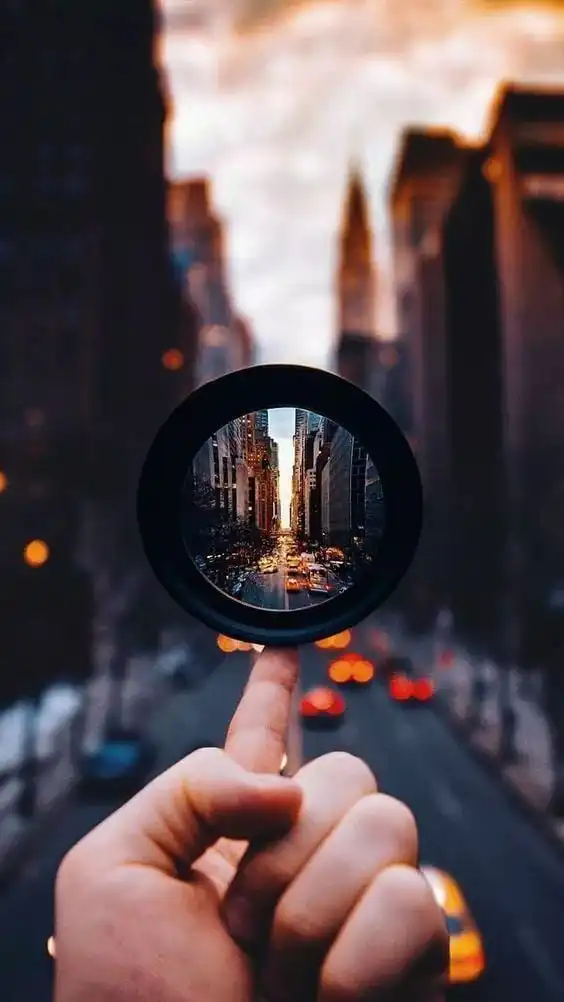
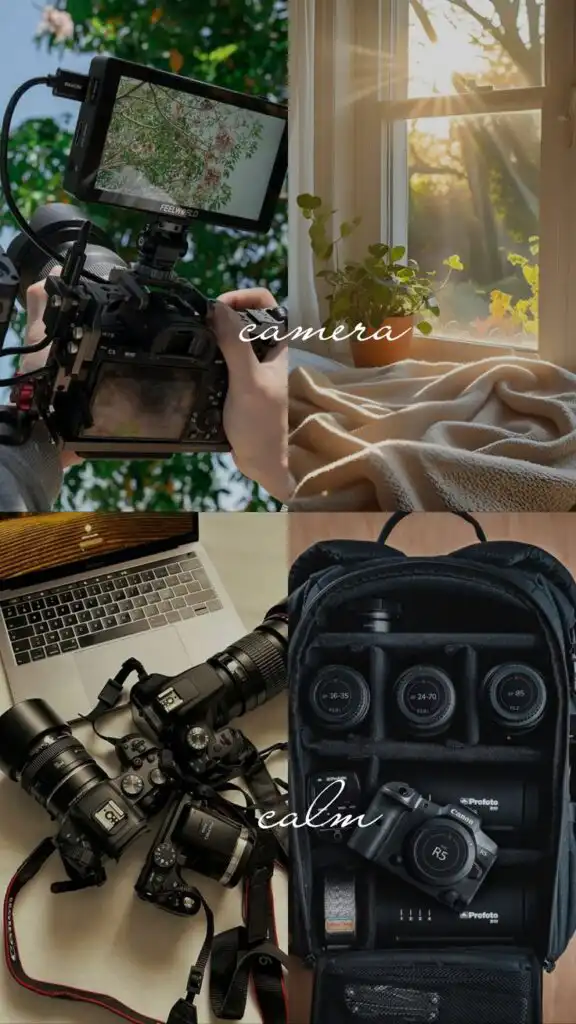
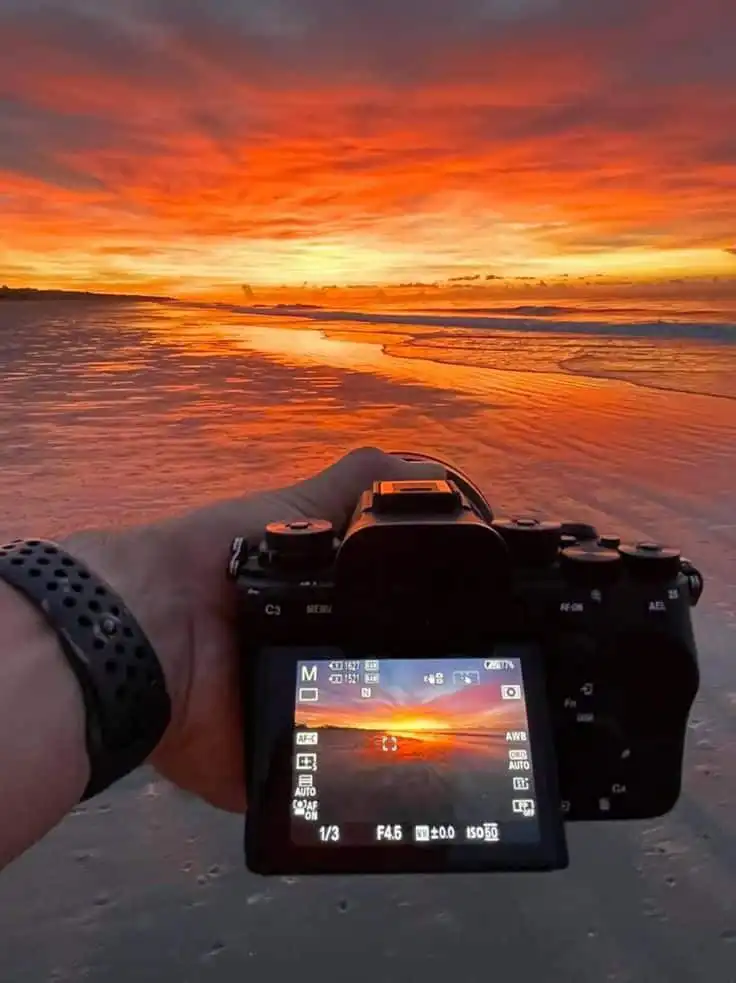
Finding your photography style requires deliberate testing of different technical approaches and making intentional choices during capture and post-processing. Your camera settings, editing decisions, and color treatments work together to create a recognizable visual signature.
Testing Camera Settings and Shooting Styles
Your camera settings directly influence the mood and feel of your images. Start by experimenting with aperture to control depth of field—shoot portraits wide open at f/1.8 for creamy backgrounds, then try f/8 for sharper environmental context. Test different shutter speeds to either freeze motion or introduce intentional blur.
ISO choices affect grain structure, which can become part of your aesthetic. Some photographers embrace higher ISO values for a grittier feel, while others prioritize clean, noise-free images.
Try shooting in manual mode to gain full control, then compare results with aperture priority or shutter priority modes. Experiment with metering modes—spot metering for high-contrast scenes versus evaluative metering for balanced exposures. Test various white balance settings beyond auto, as these affect your in-camera color rendering.
Shoot the same subject in different lighting conditions and times of day. Document what works and what doesn’t appeal to you visually.
How Editing Choices Shape Your Style
Your editing style often becomes the most recognizable element of your photography. Photo editing software like Adobe Lightroom gives you control over exposure, contrast, highlights, shadows, and clarity—each adjustment shapes your visual identity.
Develop a consistent approach to exposure adjustments. Do you prefer bright and airy images or moody, darker tones? Test how far you push contrast and whether you favor matte or punchy looks. Pay attention to how you handle highlights and shadows across different images.
Lightroom presets can help you understand editing patterns, but avoid relying on them entirely. Instead, use them as starting points and modify them to match your vision. Create your own presets once you identify consistent adjustments you apply.
Experiment with local adjustments using brushes and gradient filters. Some photographers heavily retouch, while others prefer minimal editing. Your choices here communicate your artistic approach.
For anyone trying to define a softer fashion portrait photography style, Belyaeva’s gallery is a useful study in color discipline and controlled drama.
Experimenting With Color and Tone
Color grading and tonal choices create immediate visual recognition. Warm tones produce inviting, nostalgic feelings, while cooler tones suggest calm or drama. Test how shifting your temperature and tint sliders affects emotional response.
Work with individual color channels in photo editing tools. Try desaturating specific colors while boosting others, or shift hues entirely—making blues more cyan or greens more yellow creates distinct looks.
Experiment with saturation and vibrance levels. Some styles feature muted, earthy palettes, while others embrace bold, saturated colors. Test split toning by adding different colors to highlights and shadows.
Consider whether you prefer true-to-life color accuracy or stylized color grading. Create test edits of the same image with dramatically different color treatments to identify what feels authentic to your vision.
Developing and Evolving Your Personal Style
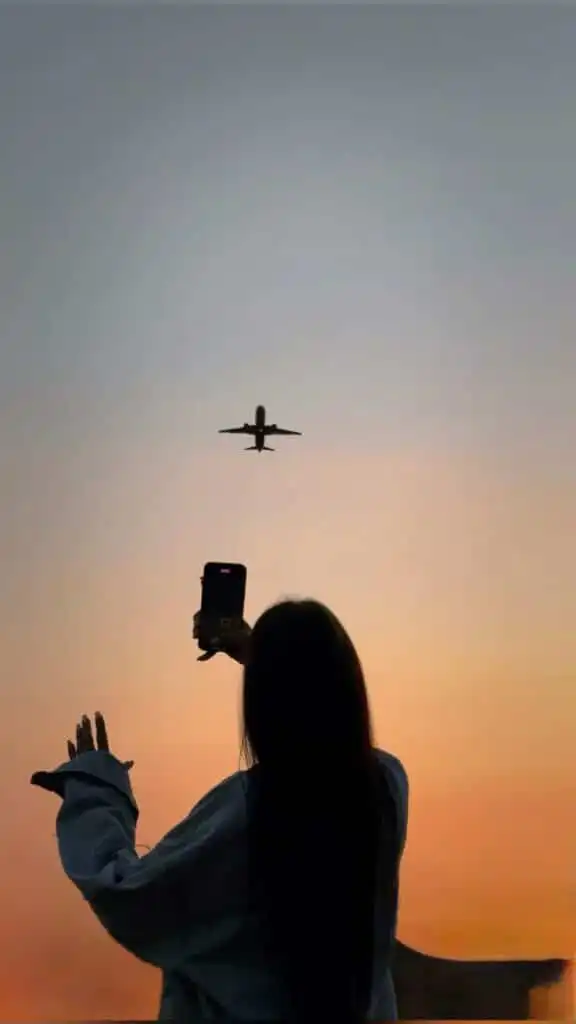
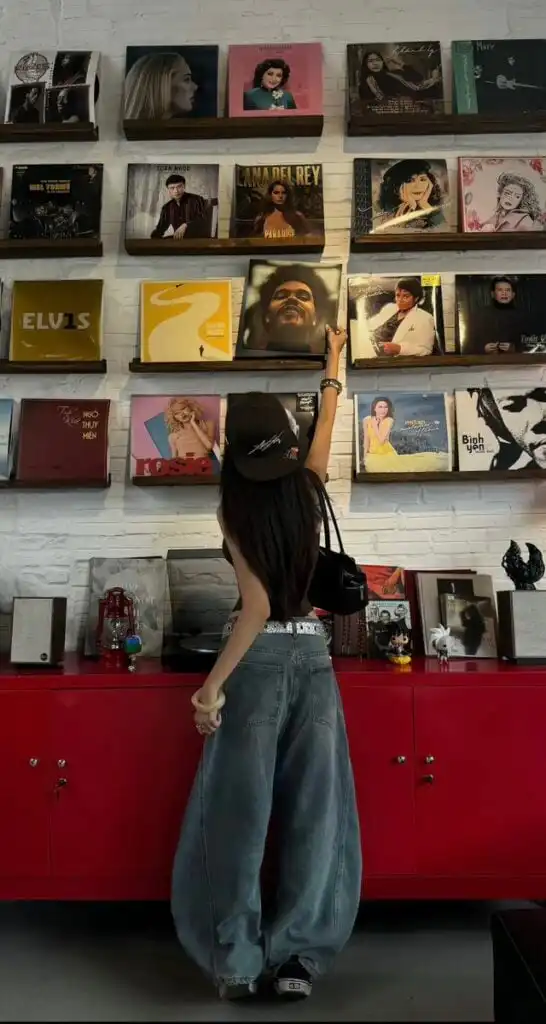
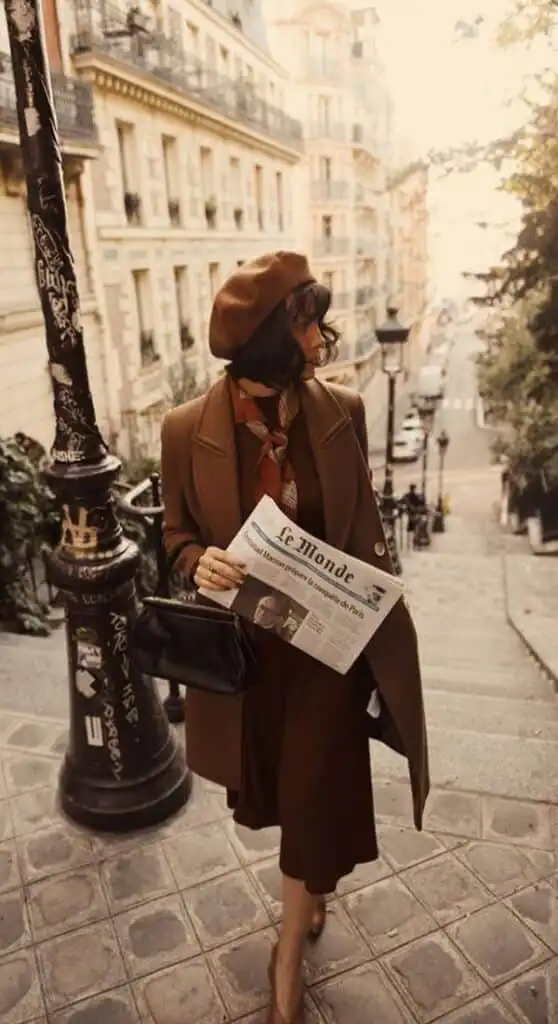
Once you begin recognizing patterns in your work, the next step involves building consistency while remaining open to creative growth and learning how to present your unique photography style to the world.
Creating Consistency in Your Portfolio
Consistency helps viewers recognize your work instantly and strengthens your identity as a photographer. Start by identifying recurring elements in your favorite images, such as specific color palettes, lighting approaches, or compositional techniques.
Focus on 2-3 core elements that define your approach. These might include always shooting during golden hour, favoring certain angles, or processing images with similar contrast levels. Apply these elements deliberately across your portfolio to create visual cohesion.
Review your portfolio every few months to ensure new work aligns with your established style. Remove images that don’t fit or feel disconnected from your current direction. This curation process strengthens your visual message and helps potential clients or followers understand what to expect from you.
Document your technical preferences in a simple reference guide. Note your preferred camera settings, editing workflows, and compositional rules you follow. This creates a framework you can return to while still leaving room for experimentation.
Allowing Your Style to Grow and Change
Your photography style isn’t set in stone. Creative growth happens naturally as you gain experience, learn new techniques, and encounter different subjects or environments.
Permit yourself to experiment without abandoning what makes your work distinctive. Try new genres or approaches as personal projects separate from your main portfolio. This exploration often leads to discoveries you can integrate into your existing style.
Pay attention to how your interests shift over time. What excited you two years ago might not resonate today, and that’s normal. Let your style evolve alongside your personal development rather than forcing yourself into an outdated approach.
Set aside time quarterly to assess whether your current style still feels authentic. If something feels forced or uninspiring, identify specific changes you want to explore. Small adjustments compound over time into meaningful stylistic evolution.
Curating and Sharing Your Work
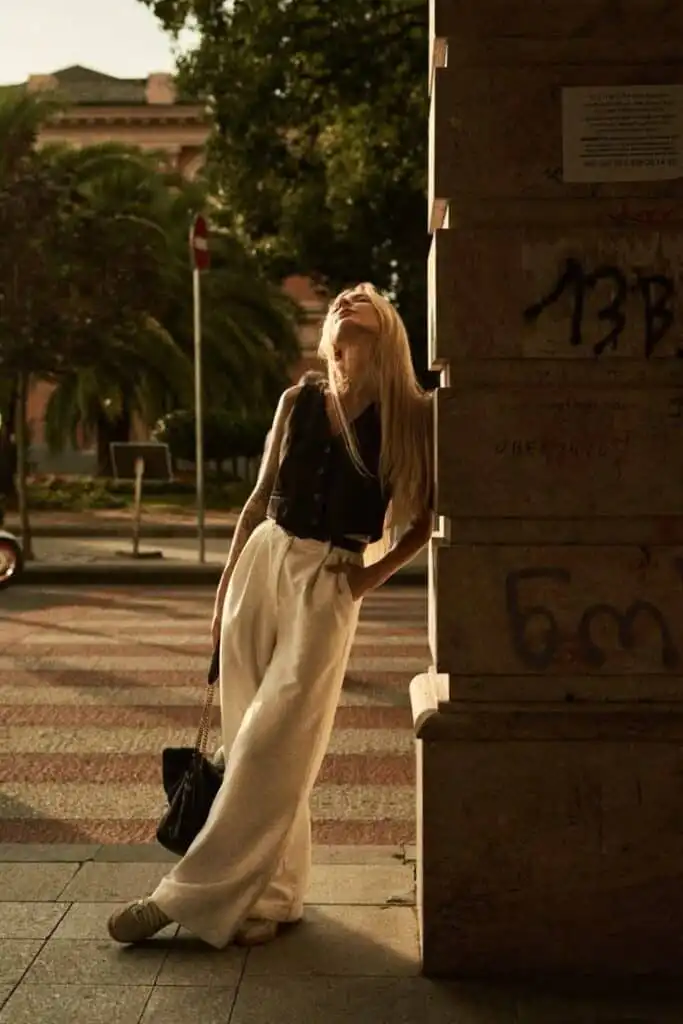
Selective sharing amplifies the impact of your unique photography style. Present only your strongest images that clearly represent your visual approach rather than everything you create.
Choose platforms that align with your photographic focus. Gallery websites work well for fine art photography, while Instagram suits documentary or lifestyle work. Tailor your presentation format to match where your intended audience spends time.
Create collections or series that demonstrate your style’s depth. Grouping related images shows you can develop your style consistently across multiple shoots rather than achieving it accidentally in single frames.
When sharing online, consider:
- Posting 10-15 carefully selected images rather than 50 mediocre ones
- Writing brief descriptions that explain your creative choices
- Maintaining consistent posting schedules without sacrificing quality
- Engaging with photographers whose work inspires you
Request specific feedback from trusted peers about whether your portfolio communicates a clear style. Ask what elements they notice recurring and whether any images feel disconnected from the rest.
A consistent editing style starts with consistent light; this guide explains how to use natural light in photography.
What is the most effective way to discover my unique photography style?
Discovering your unique photography style involves consistent practice, exploring different subjects and techniques, analyzing your favorite work, and paying attention to recurring patterns and themes in your images.
How does photography style differ from technical skills?
Photography style refers to the creative and aesthetic choices you make, such as subjects, color palettes, and mood, while technical skills involve understanding camera settings, focus, and exposure; the style is how you apply these skills to create a distinctive visual identity.
Why is personal vision important in developing a photography style?
Personal vision shapes how you interpret and capture the world through your camera, influencing your subject choices, composition, and mood, ultimately creating a recognizable and authentic style rooted in your unique perspective.
What role does experimentation play in shaping my photography style?
Experimentation with different genres, subjects, and editing techniques allows you to identify what resonates with you, helps develop your skills, and uncovers the visual elements that define your authentic style.
How can I ensure my photography portfolio reflects my personal style consistently?
To maintain consistency, identify 2-3 core elements that characterize your approach, apply them deliberately across your work, review and curate your portfolio regularly, and adapt as your style evolves naturally over time.
- 1.3Kshares
- Facebook0
- Pinterest1.3K
- Twitter0
- Reddit0