You can absolutely create boudoir photography that feels personal, powerful, and beautiful—whether you hire a pro or just mess around at home.
This post shares ideas for styles, poses, outfits, lighting, and some simple DIY tips. You’ll be able to plan a session that fits your comfort and mood, not someone else’s.
Expect practical advice on what to prep, wardrobe picks that flatter, and pose guides for every body type.
There are creative themes to spark your vision, plus lighting tricks and at-home setups that help you get stunning results—no fancy gear needed.
What Is Boudoir Photography?
Boudoir photography is all about intimate, personal portraits that reflect your comfort, mood, and choices.
It’s based on consent, atmosphere, and the keepsakes you want to create.
Essence and Purpose of Boudoir
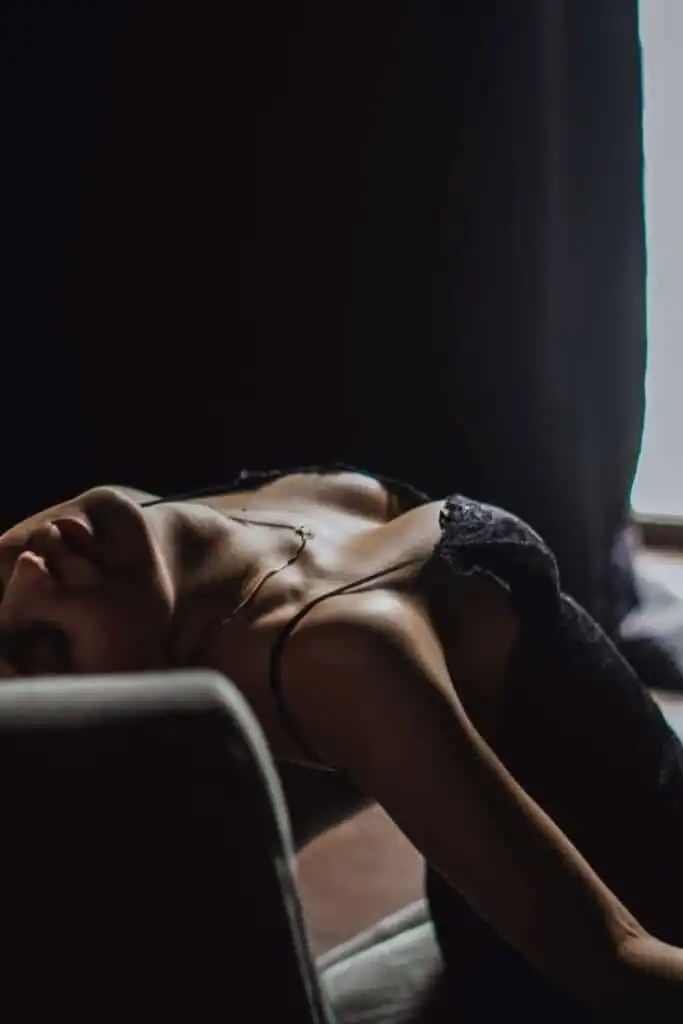
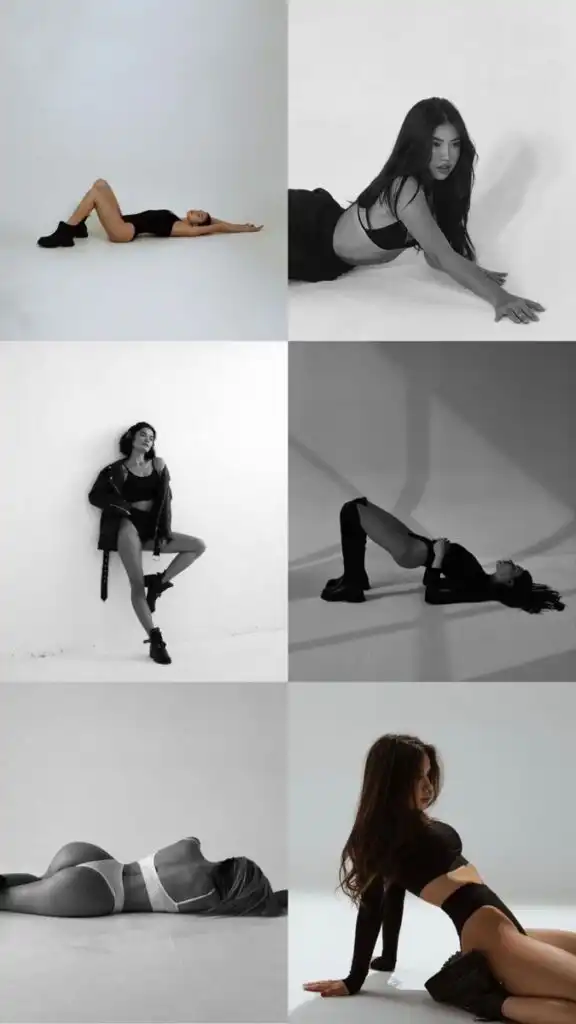
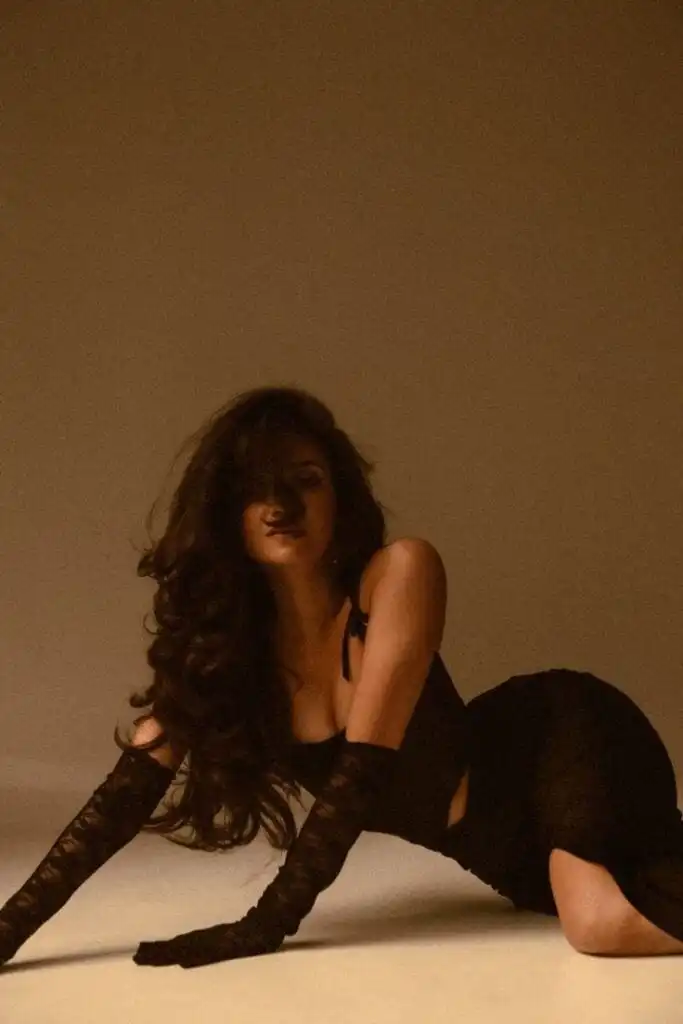
Boudoir is a portrait style where you lead the way, highlighting your self-image and private stories.
You pick the look, the wardrobe, and how much skin you want to show. The photographer shapes the light, helps you pose comfortably, and protects your boundaries so the images truly feel like yours.
Sessions usually happen in a bedroom, studio, or another private space. Lighting, music, and a relaxed pace help you settle in.
In the end, you choose your keepsakes—prints, albums, or a private online gallery—with privacy settings you agree on.
Empowerment and Self-Expression
Boudoir sessions let you decide how you want to be seen. Use wardrobe, props, and poses to express confidence, vulnerability, playfulness, or whatever mix feels right.
Even a simple shirt can feel intimate; a bold outfit might feel powerful. Many people book a boudoir for milestones—birthdays, anniversaries, body changes, or just because.
You set boundaries, approve images, and decide who gets to see them. That control often boosts confidence and helps you see your body with new respect.
Essential Preparation for a Boudoir Session
Good prep keeps you calm and confident.
Think about what you’ll wear, where you’ll shoot, and how you’ll talk things through with your boudoir photographer.
Setting Expectations and Comfort
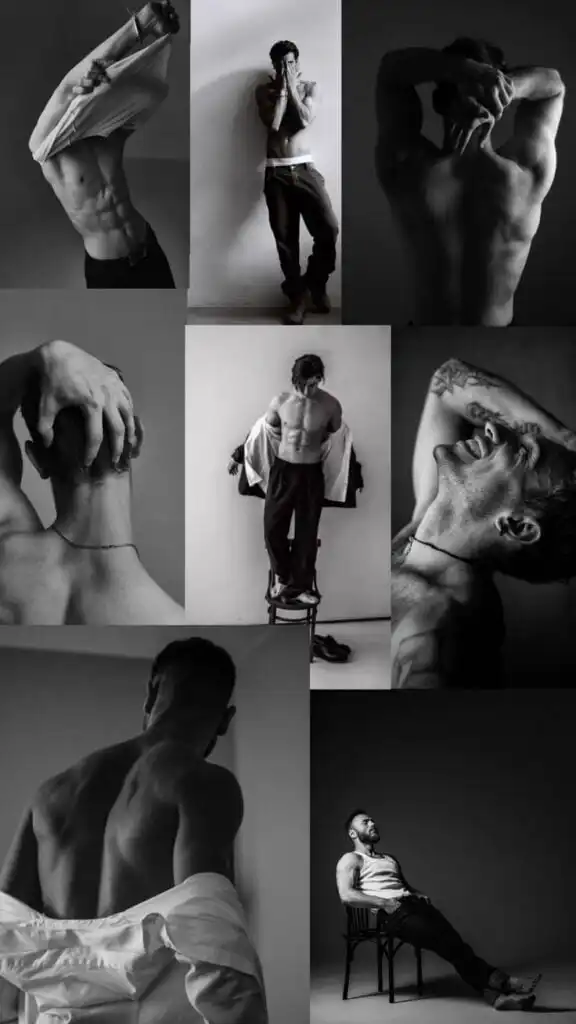
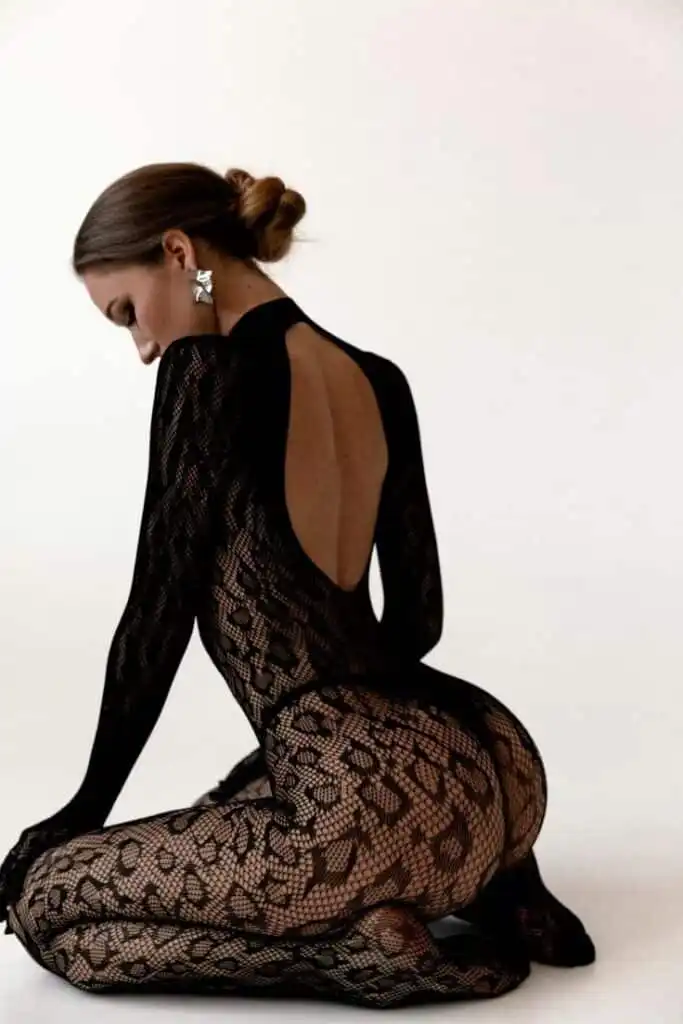
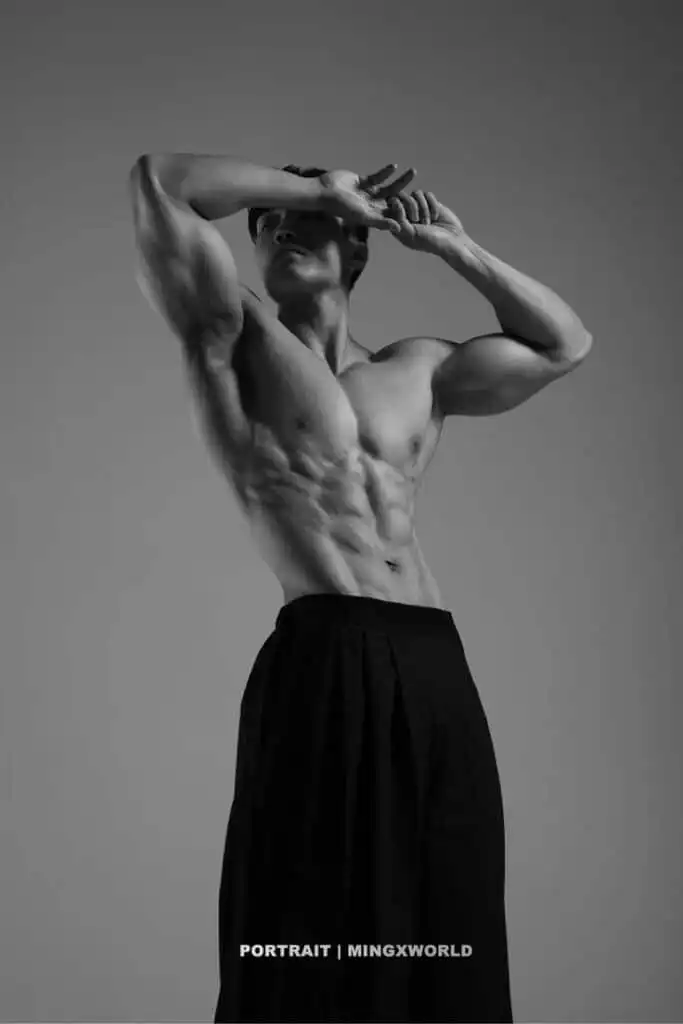
Tell your photographer exactly what you want from the session. Share mood examples, favorite poses, and any body parts you want to highlight or downplay.
If you have reference photos, send them ahead. Talk about wardrobe and how much skin you want to show.
Ask about hair, makeup, and timing so you arrive feeling ready. Try on outfits about a week before so there are no surprises.
Set limits for the session. Decide if you want a friend there. Let the photographer know if you want to avoid certain angles or props.
Confirm privacy rules, image use, and who gets to see the final photos.
Choosing Locations and Backdrops
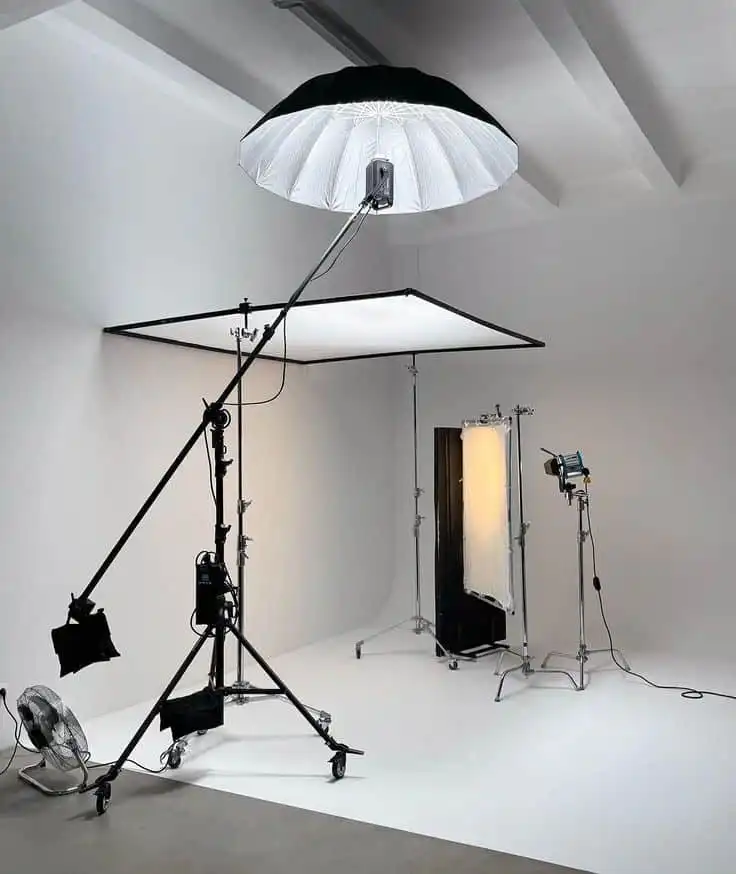
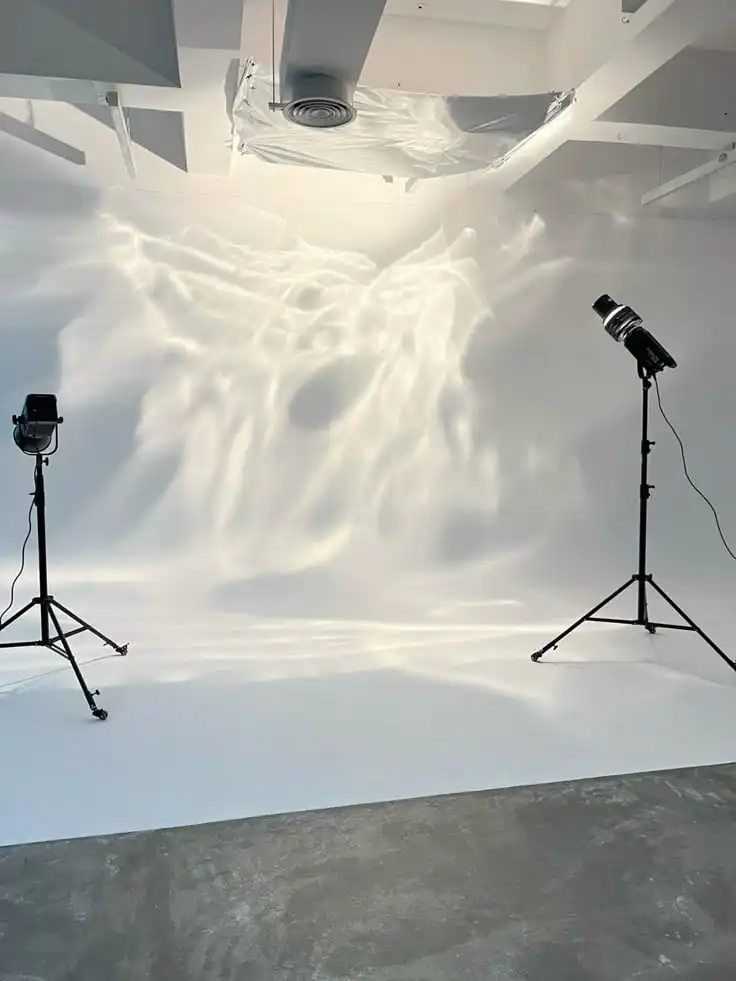
Pick a spot that matches your vibe. Studio shoots give you controlled lighting and classic backdrops like seamless paper, velvet, or sheer curtains.
Home sessions feel more personal, so clear clutter and tidy up first.
Natural light spaces with big windows give you soft, flattering tones. For moodier looks, go for a studio with strobes or a room with dark walls.
Bring small props—robes, heels, or sentimental items—to add story to your shoot.
Ask your photographer about backup plans for outdoor shoots and what gear they’ll bring. Confirm parking, arrival time, and how long you’ve got at the location so you don’t feel rushed.
Building Trust with Your Boudoir Photographer
Start with a pre-shoot call or message to talk about comfort levels and goals. Ask about their experience with different body types and how they guide posing.
Pay attention to how they answer—clear, respectful answers build trust. Ask to see full galleries from recent boudoir sessions, not just highlight reels.
This shows you their editing style and honesty. Request details about retouching limits and how they share proofs.
Agree on boundaries before the shoot. Rehearse a few poses and ask for feedback as you go.
A good boudoir photographer will coach you through posture and expression, help you relax, and stop immediately if you feel uncomfortable.
Creative Boudoir Photography Ideas by Style
Pick looks that match how you want to feel in the photos. Think about fabrics, lighting, props, and poses that fit your mood.
Classic and Timeless Concepts
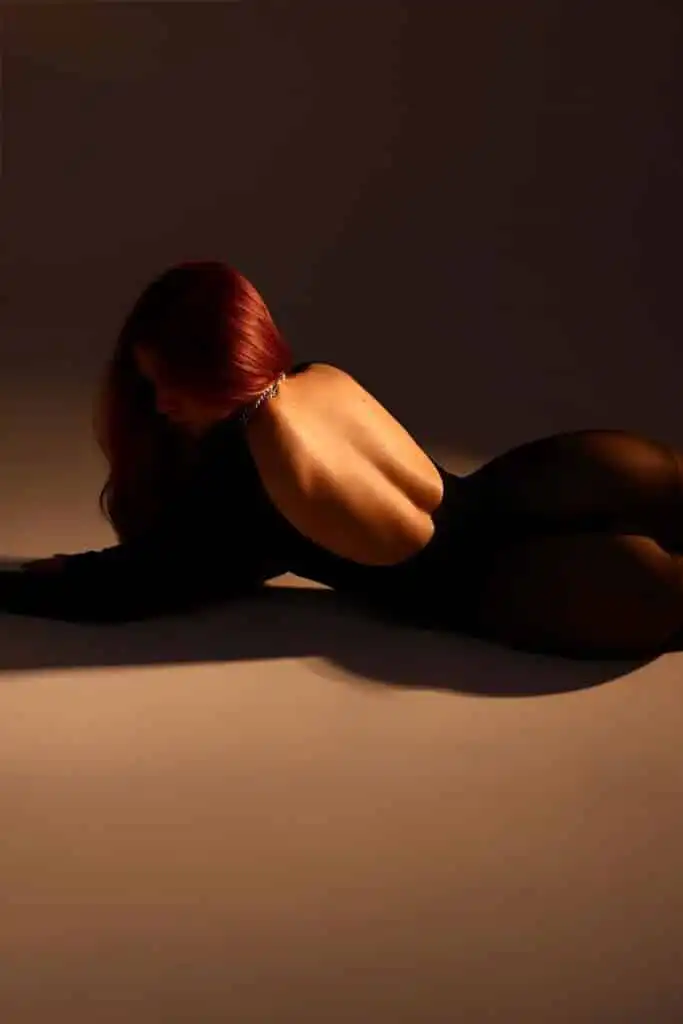
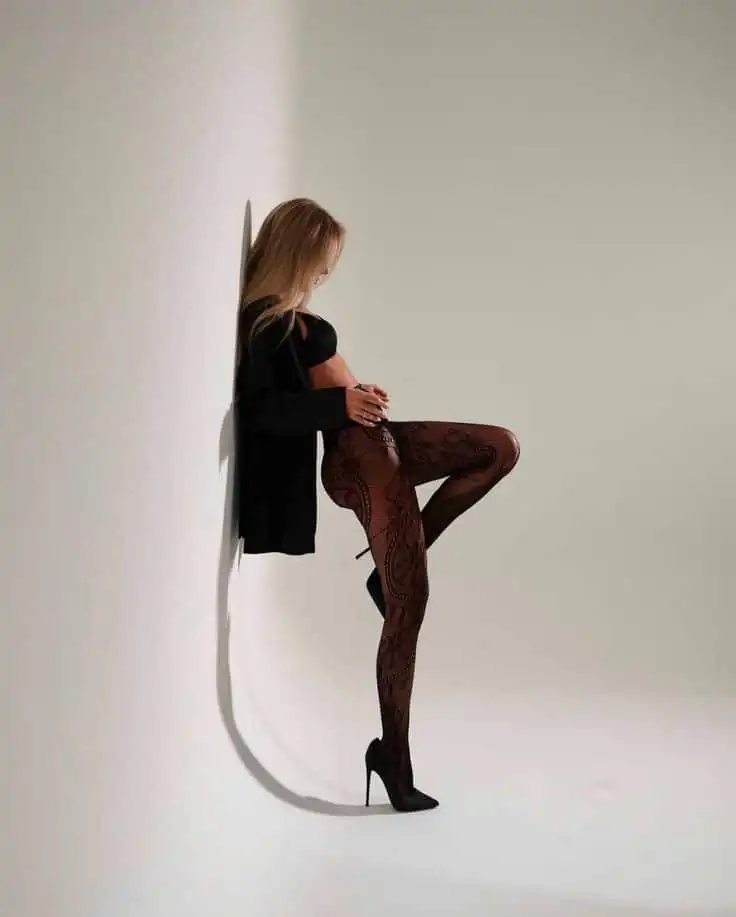
Classic boudoir ideas focus on clean lines, soft light, and a simple wardrobe that never goes out of style. Try silk slips, lace camisoles, or a sharp blazer in neutral colors.
Use natural window light or a softbox with a big diffuser for flattering skin tones and gentle shadows.
Pose with relaxed shoulders and long lines. Try lying on a bed with one knee bent, sitting on the edge of a chair, or standing in profile to show shape without harsh angles.
Minimal props work best: a vintage chair, simple jewelry, or a white sheet. These choices make your shoot feel elegant and easy to share or keep private.
Moody and Dramatic Themes
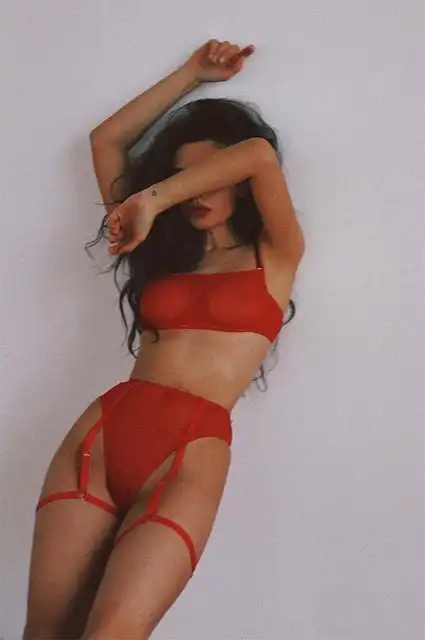
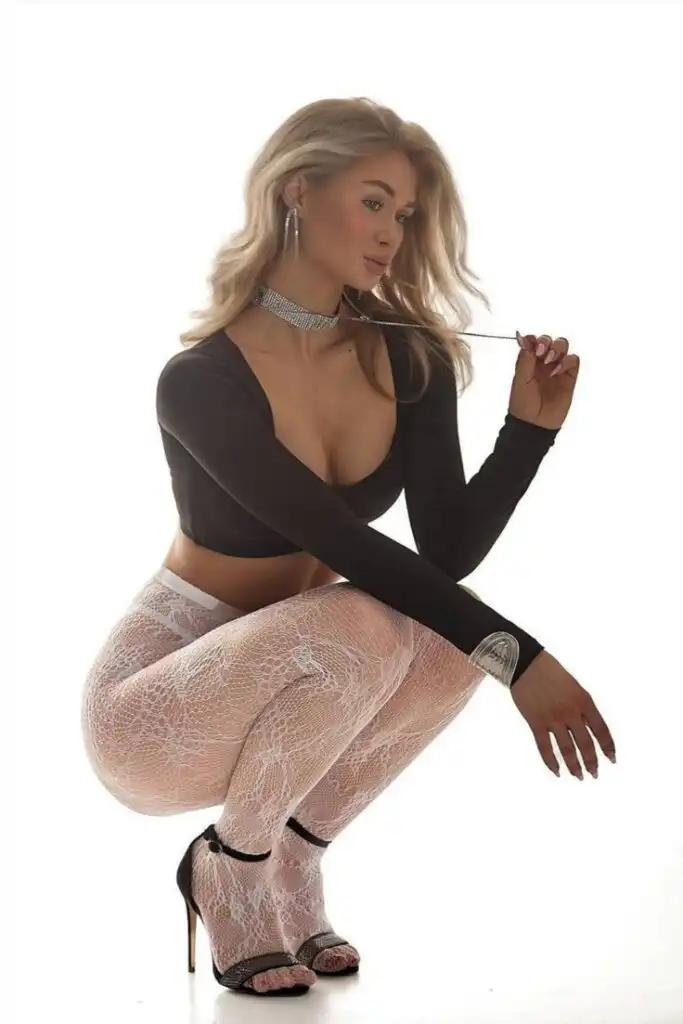
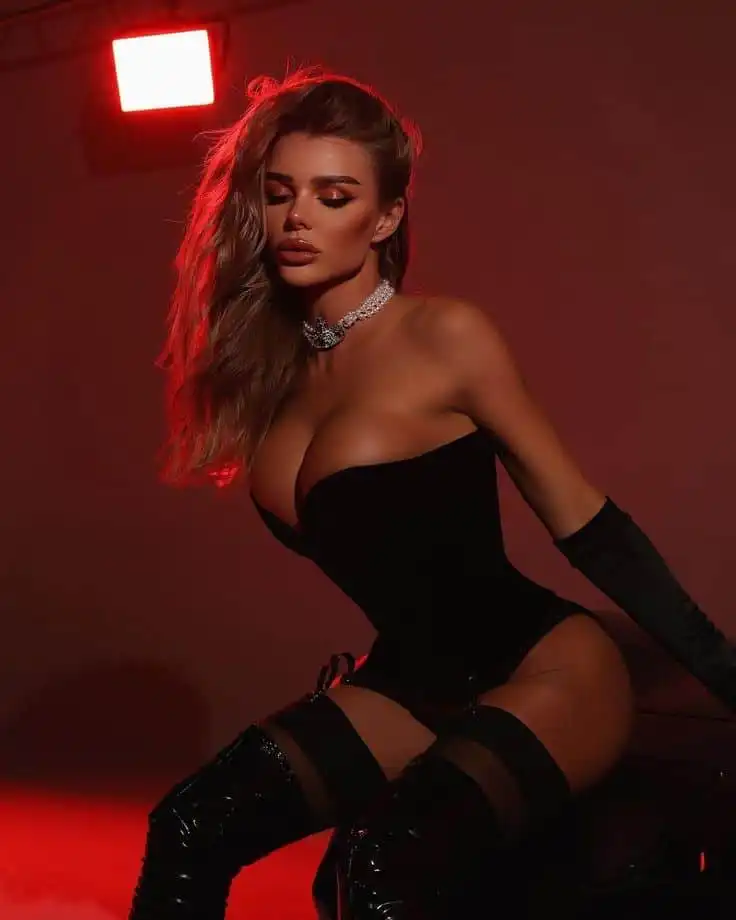
Moody boudoir leans on strong contrast, deep colors, and bold shadows. Use directional lighting—like a single strobe or window light from the side—to carve out muscle and curve.
Pick a darker wardrobe: satin, velvet, or leather in burgundy, black, or emerald. Add textured backdrops like exposed brick, dark silk, or painted walls.
Go for purposeful poses: a power-shoulder look, arching back, or sitting with elbows on knees. Try smoke, colored gels, or selective color grading in editing for a cinematic vibe.
These elements create striking boudoir photos perfect for portfolios or dramatic keepsakes.
Fun, Playful, and Themed Shoots
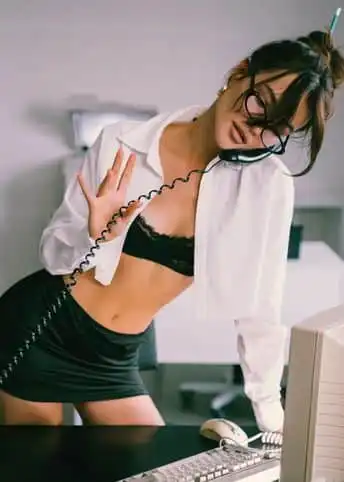
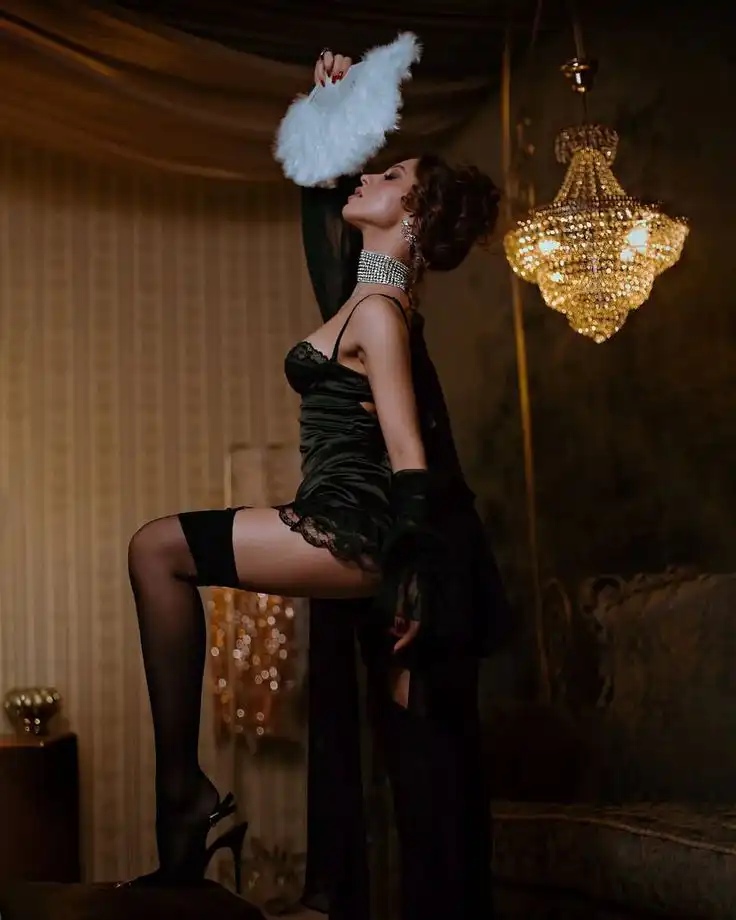
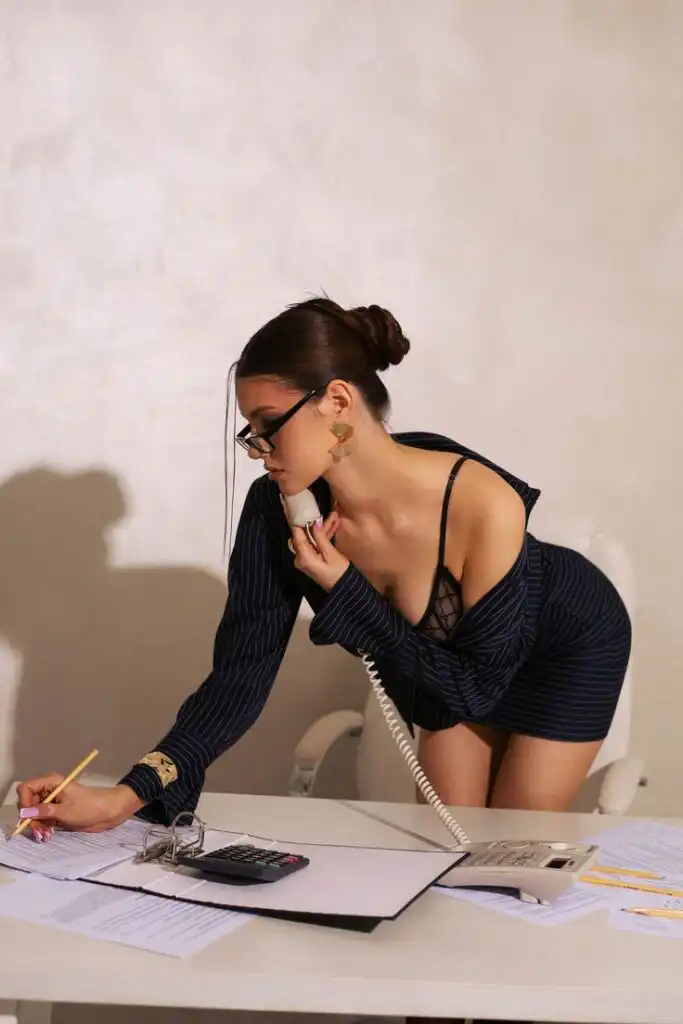
Themed boudoir photoshoots let you show personality with props and playful styling. Pick a concept—pin-up, painterly body paint, bedroom picnic, or “boss babe” power suit—and build your outfits and props around it.
Bright colors, quirky hats, and patterned sheets all work. Keep poses lively: twirling, laughing, or playing with props like a book, a champagne glass, or a feather boa.
Mix candid and posed shots to catch genuine smiles and flirty expressions. For outdoor themes, use a garden, beach, or rooftop for variety.
These shoots make the session feel like an experience, not just a set of images.
Wardrobe Inspiration for Boudoir Shoots
Pick pieces that make you feel strong, soft, or playful. Think about fit, texture, and how each item will move or catch light during the shoot.
Lingerie and Bodysuits
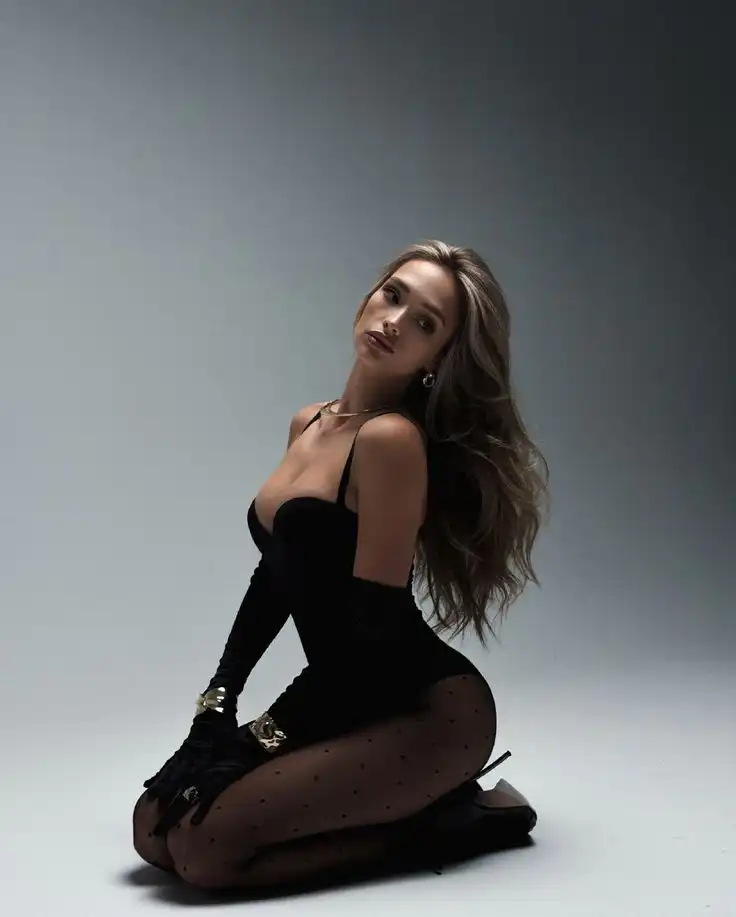
Choose lingerie that fits well and flatters your shape. A lace bra and matching brief can highlight your waist and ribs, while a high-waisted brief or thong emphasizes hips and leg lines.
If you prefer coverage, a shaping bodysuit smooths the midsection and creates long, clean silhouettes for seated and standing poses.
Look for details that photograph well: seams, lace edges, and back closures add interest. Stick to colors that suit your skin tone—black, red, white, or jewel tones—and bring at least two options.
Also, toss in different bra styles (balconette, plunge) so you and the photographer can see what looks best on camera.
Silk Robe and Corset Looks
A silk robe adds movement and softness. Wear it open over lingerie or draped to reveal one shoulder for a relaxed, intimate feel.
Silk subtly catches the light, so it works well in window-lit shots and milk-bath setups. Pick neutral or rich colors, depending on your mood.
A corset shapes the waist and creates a classic hourglass line. Pair it with sheer tights or a simple panty to balance structure with skin.
If you try both, use the robe for softer frames and the corset for more dramatic, posed shots. Make sure the corset fits comfortably, and you can breathe easily.
Exploring Boudoir Outfits
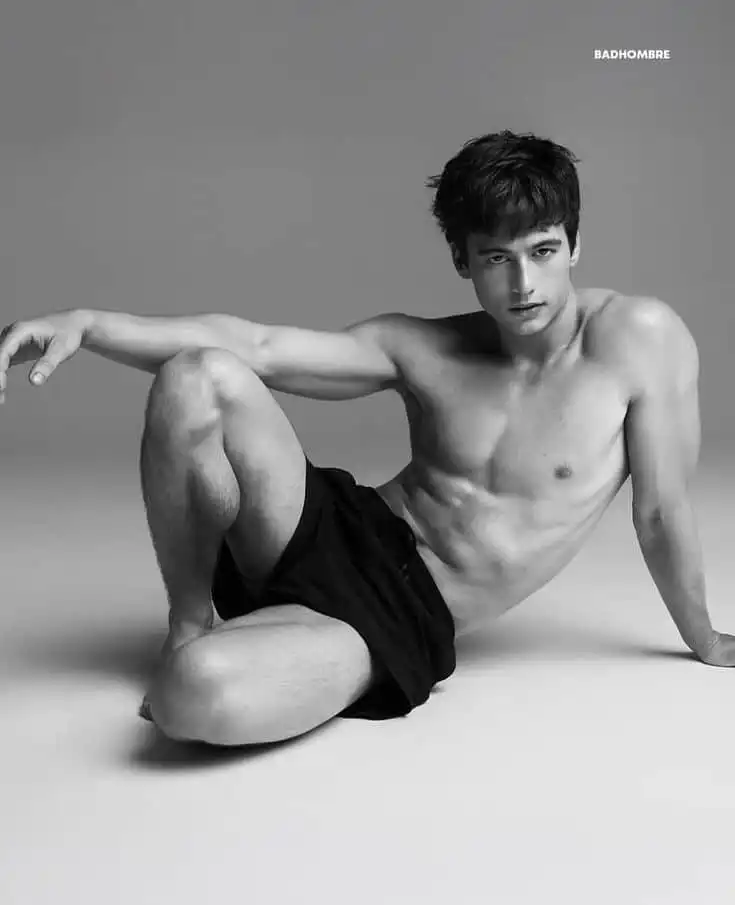
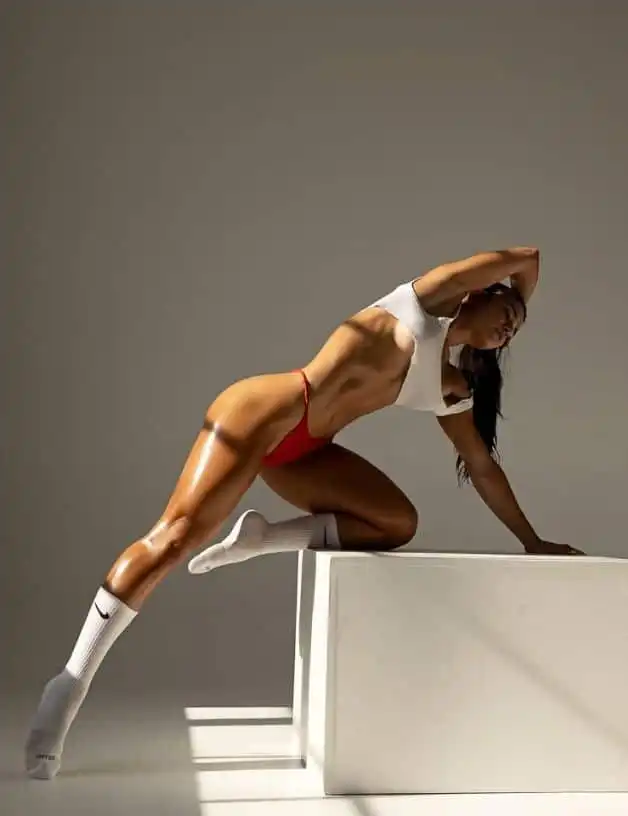
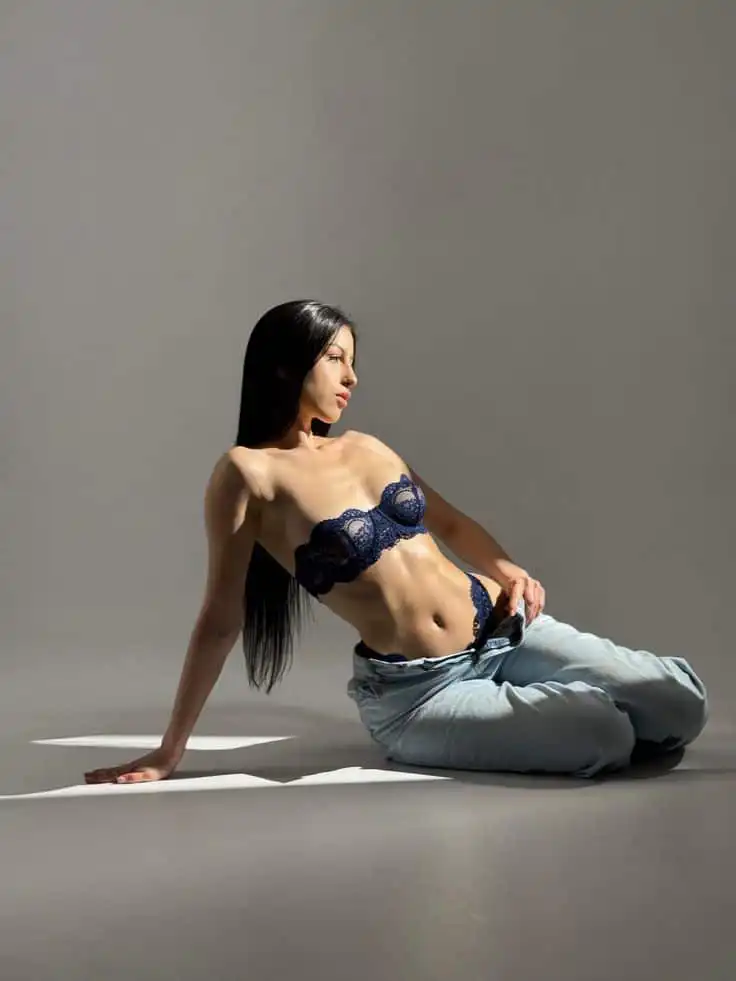
Mix unexpected items from your closet with classic boudoir pieces. Try his oversized shirt, a leather jacket over lingerie, or high-waisted jeans with a lacy bra.
Casual pieces like a plaid shirt or team tee can create playful, candid shots when paired with heels or knee socks.
Plan three looks: a close-fitting set, a layered outfit, and a casual-to-sexy swap (jeans off, lingerie on). Bring textures—denim, leather, knit—to add contrast.
Also pack different heel heights and a pair of flats so you can change the vibe between takes.
Accessorizing for Personal Flair
Use accessories to tell your story. Heels and garters lengthen legs; a silk eye mask or blindfold adds a little mystery.
Jewelry—simple necklaces, chandelier earrings, or a body chain—draws the eye to your face, neck, or décolletage.
Small props work: a veil for bridal shots, rose petals for softness, or a belt to define the waist. Keep a small bag with safety pins, double-sided tape, and a spare pair of stockings for quick fixes.
Choose one statement accessory per look so it adds to your outfit, not overpowers it.
Guide to Boudoir Poses for Every Body Type
These poses focus on shape, lines, and comfort. You’ll find ways to highlight curves, lengthen limbs, and create confident, natural expressions with simple tweaks to posture, placement, and camera angle.
Feminine and Flattering Boudoir Poses
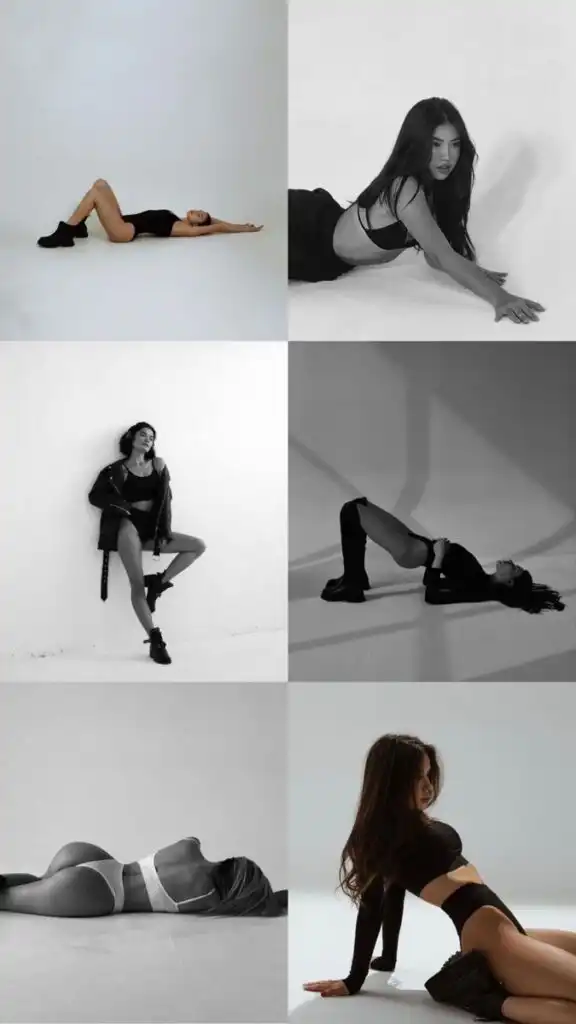
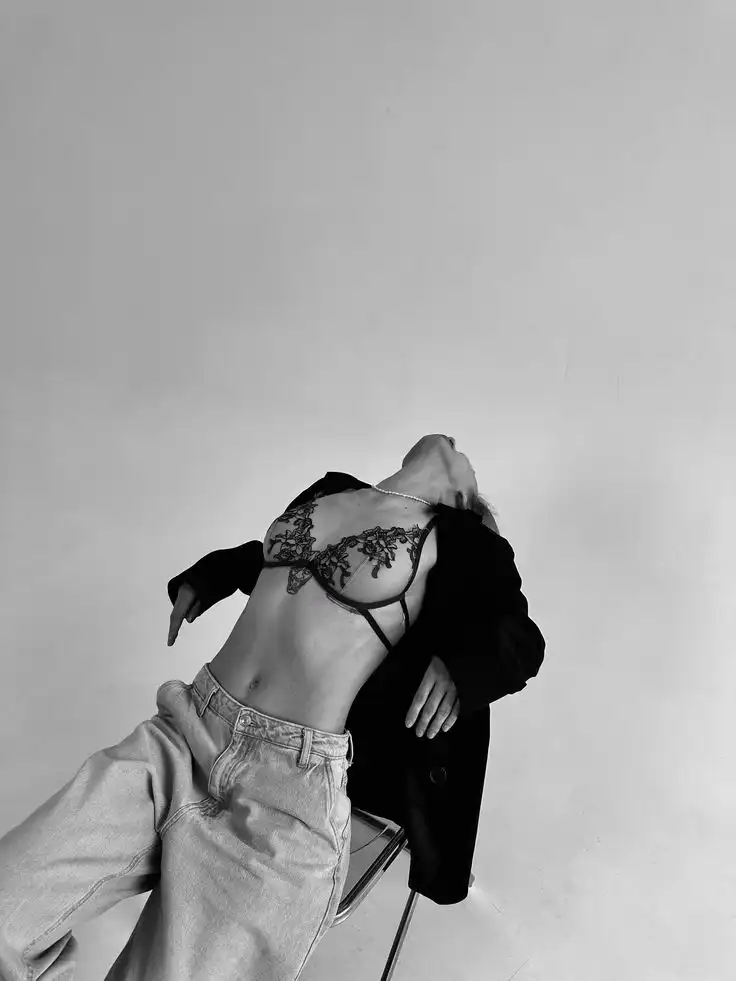
Go for poses that create soft lines and gentle curves. Try lying down with one leg extended and the other bent—this makes an S-curve that narrows the waist and lengthens your body.
Sit on the edge of a bed or chair with knees together, and feet angled a bit toward the camera for balanced hips.
Use your hands to frame your face or neck—one hand in your hair, the other on your collarbone can look elegant. Tilt your chin down a bit and look slightly away from the lens for a dreamy feel.
Soft, side lighting or window light will smooth skin and add depth without harsh shadows.
Quick checklist:
- S-curve: bend one leg, extend the other.
- Hands: light touch on face, neck, or thigh.
- Eyes: soft gaze or over-the-shoulder glance.
- Light: diffused side or window light.
Posing Tips for Plus-Size, Petite, and Athletic Bodies
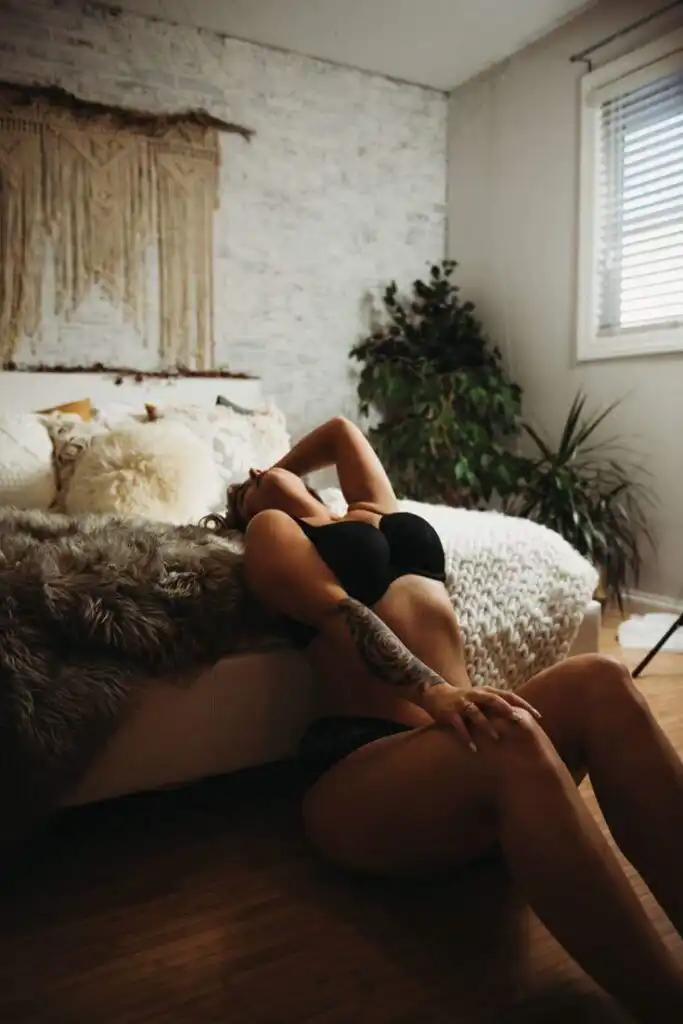
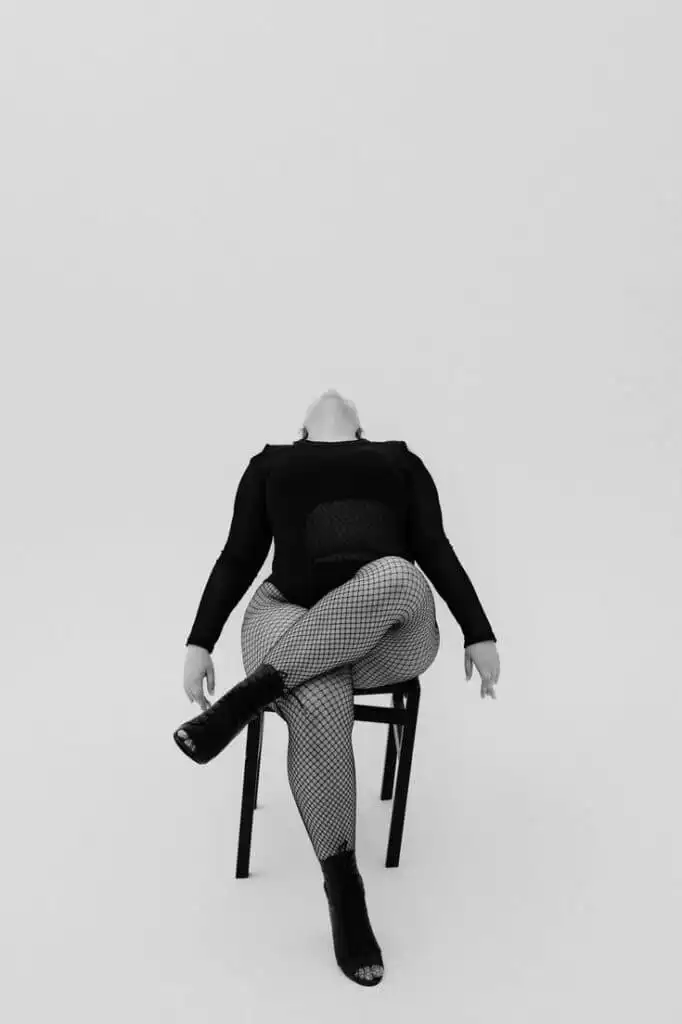
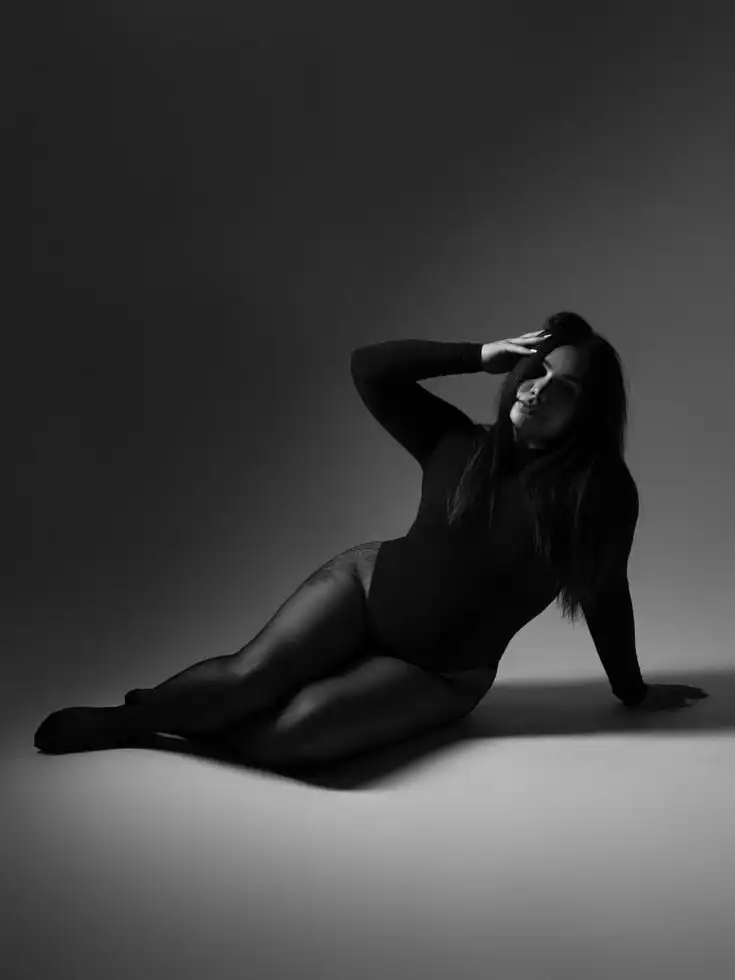
Adjust angles and use support to flatter your shape. For plus-size bodies, try seated or reclining poses that give your back support and let you lean a bit for definition.
Bring one knee up, drape an arm over it, and you’ll get clean lines. High-waist lingerie or robes help emphasize your waist.
If you’re petite, stretch out with long lines—extend your legs toward the camera at a low angle and point your toes. Stand with one foot forward and pop your hip a bit for extra height.
Keep hair and accessories simple so they don’t overwhelm your frame. Less is more when you’re working with a smaller canvas.
Athletic bodies shine with shoulder-back poses that highlight your definition. Arch your back a little, put your hands on your hips or behind your head, and let your shape show.
Try hard and soft lighting together to define muscle without making things look too harsh. Sometimes, just changing the light does more than you’d think.
Quick adjustments:
- Plus-size: support, angled hips, waist-defining pieces.
- Petite: low angles, extended limbs, minimal clutter.
- Athletic: subtle arch, hands to show lines, balanced lighting.
Classic Boudoir Photography Poses
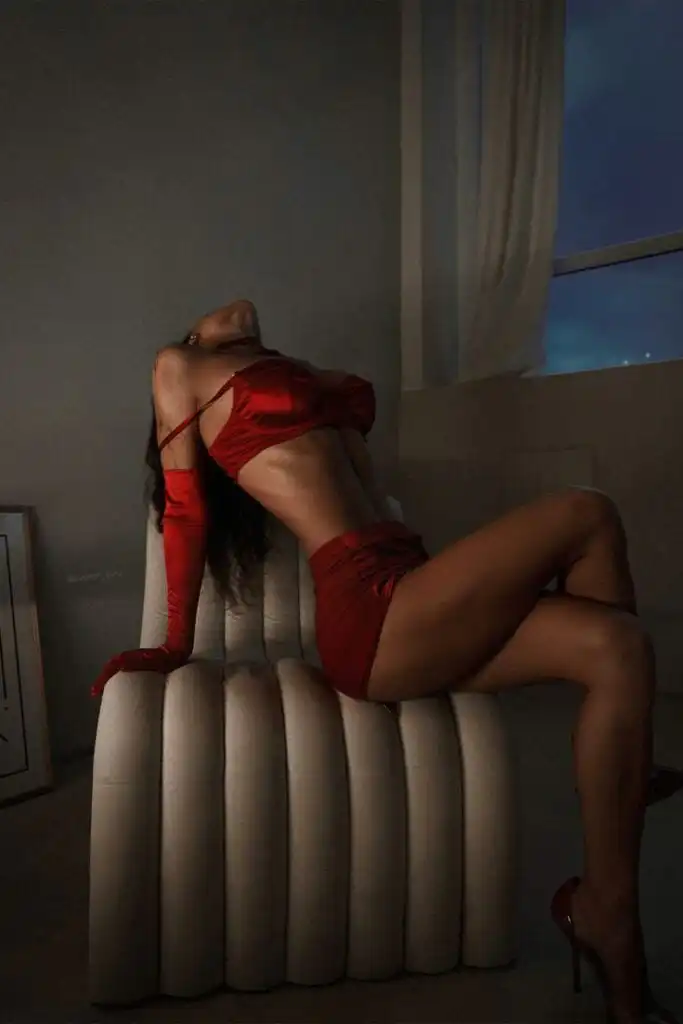
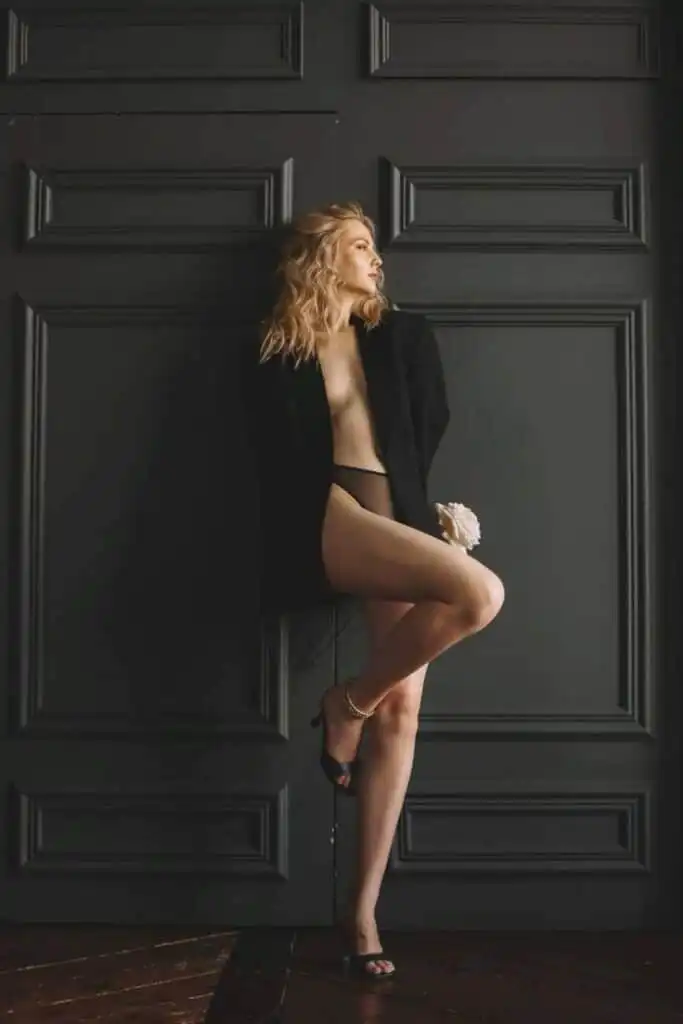
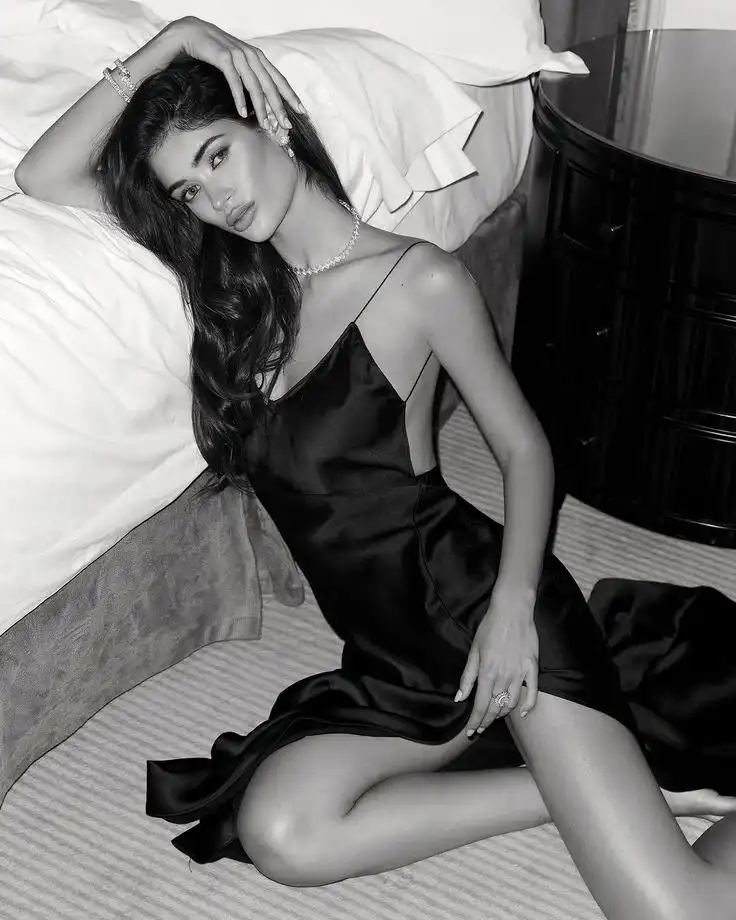
Classic poses work for most bodies with just a few tweaks. The wrapped-in-sheets look keeps attention on your face and shoulders—sit or lie down, drape the fabric loosely, and let it fall where it wants.
Over-the-shoulder glances add a bit of mystery. Turn your back to the camera, look back, and keep your shoulders relaxed.
Close-up portraits of your face, neck, or collarbone feel intimate without focusing on body shape. Try leaning on a wall with one knee bent to show confidence—shift your weight back and relax your jaw.
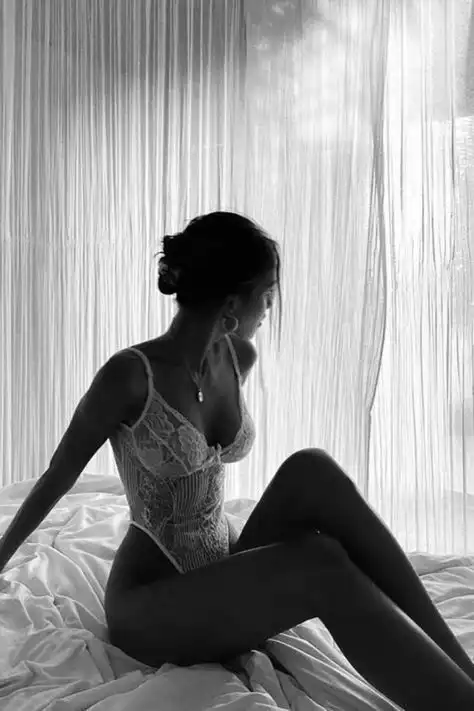
If you want to show your shape without details, silhouette shots work well. Stand against bright window light and keep your pose simple for a clean outline.
Pose options to try:
- Wrapped sheets: soft drape, focus on expression.
- Over-the-shoulder: relaxed neck and shoulders.
- Close-up: eyes, lips, collarbone.
- Wall-lean: one leg bent, weight shifted.
Lighting Techniques and Visual Effects
Good lighting sets the mood, highlights curves, and guides the viewer’s eye. Play with light direction, lens choices, and color to control how intimate or dramatic your shots feel.
Natural vs. Dramatic Lighting
Natural light gives you soft, even tones that flatter skin. Shoot near a big window mid-morning or late afternoon for warm, directional light.
Sheer curtains can diffuse harsh sunlight. Keep your ISO low to avoid grain, and use a reflector to fill shadows under your chin or along your body.
Dramatic lighting is all about contrast and hard edges. Place a strobe or LED at a 45–90° angle for strong highlights and deep shadows.
Try rim light behind you to separate from the background. Block unwanted light with black cards and pull down fill light for more contrast.
For textured shadows, use blinds, lace, or a gobo. Mix both styles: start with window light and add a rim or kicker light for depth.
Meter your main source, then tweak other lights by eye or with small exposure changes. Sometimes you just have to trust your gut.
Using Shallow Depth of Field
A shallow depth of field makes you stand out and blurs the background. Use a wide aperture (f/1.8–f/2.8) and a medium telephoto lens (85–135mm) to compress perspective and keep focus on your face, shoulder, or a detail.
Focus on your nearest eye or a feature like lips or hands. If you move the camera farther away and zoom in, you’ll get even more background blur.
Watch your focus—at wide apertures, it’s razor-thin. Use single-point AF and recompose, or just move quickly between frames.
Pair shallow DOF with soft lighting for romance, or dramatic light for a moody, cinematic vibe. If you want more of your body in focus, stop down to f/4–f/5.6 and adjust shutter or ISO as needed.
Color Grading for Mood
Color grading can totally change the vibe without reshooting. For warm, romantic images, push highlights and midtones toward amber and orange.
Boost warmth and lift shadows to keep skin tones natural. For drama, cool the shadows and deepen the blacks.
Add teal to the shadows and desaturate skin a bit for a cinematic look. Split toning—warm midtones, cool shadows—keeps skin flattering while adding atmosphere.
Check skin tones with a vectorscope or reference line. Make small tweaks to saturation and contrast before going wild with stylizing.
Save presets for consistency, but always adjust per image to match the subject’s skin, wardrobe, and lighting. There’s no one-size-fits-all here.
DIY Boudoir Photography Tips & At-Home Ideas
Set up soft, even light, and pick a tidy spot with personal touches. Plan a few poses and outfits ahead of time—saves you scrambling later.
Use a tripod or stable surface, a timer or remote, and props to add mood and shape. You don’t need fancy gear, just a little creativity.
Setting Up a Home Boudoir Studio
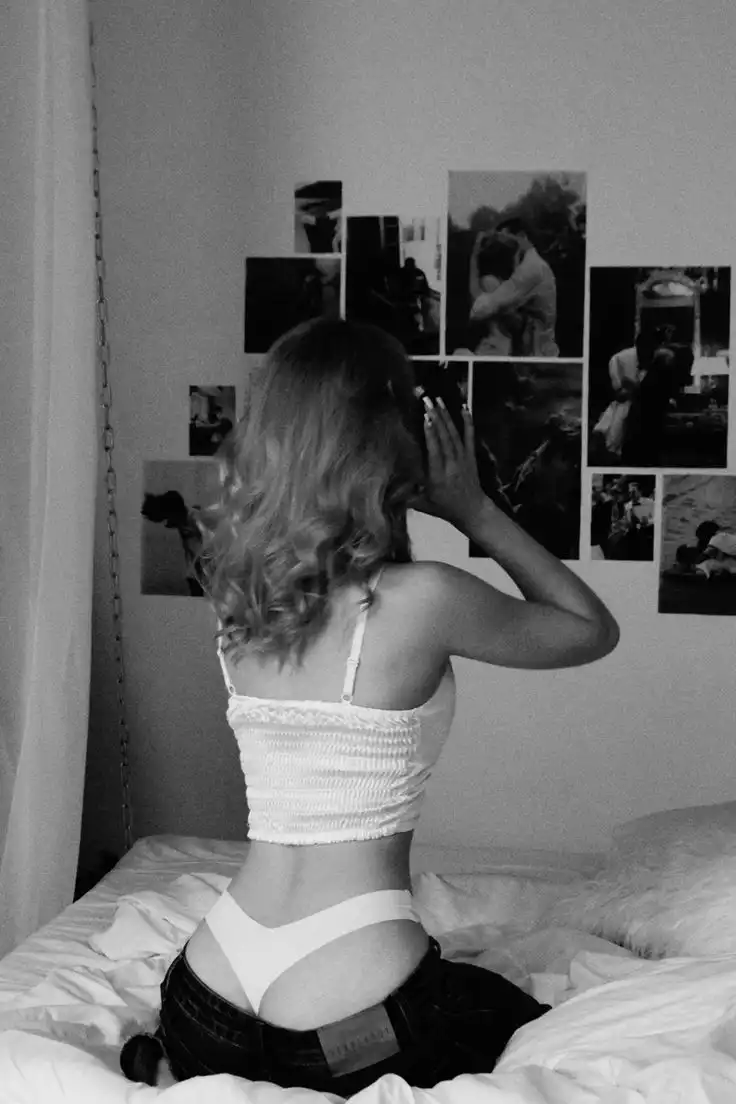
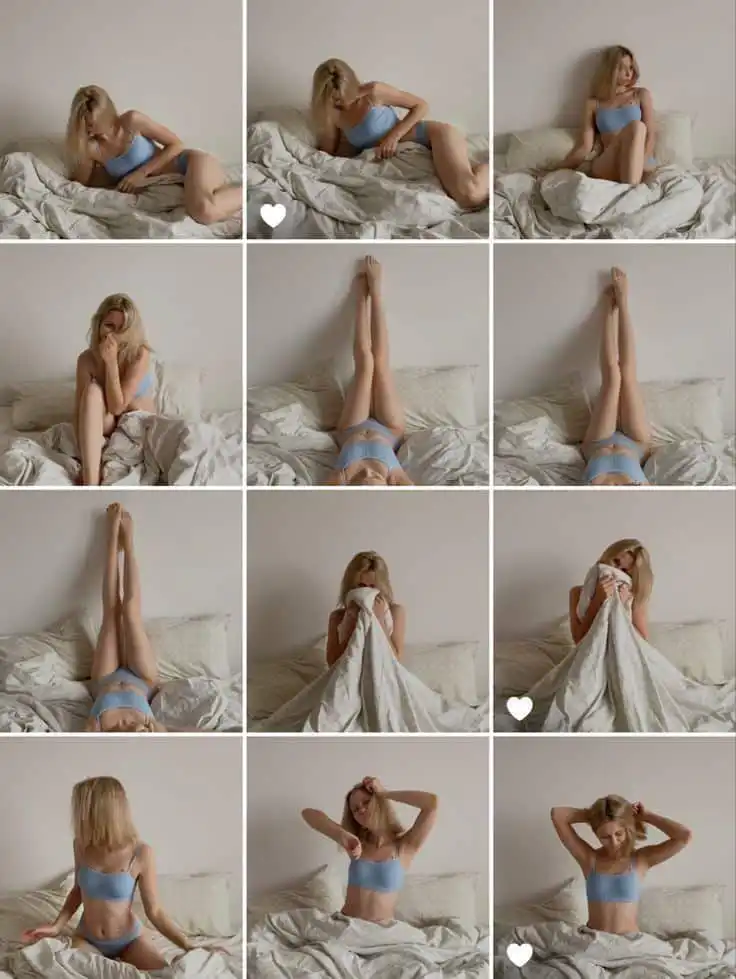
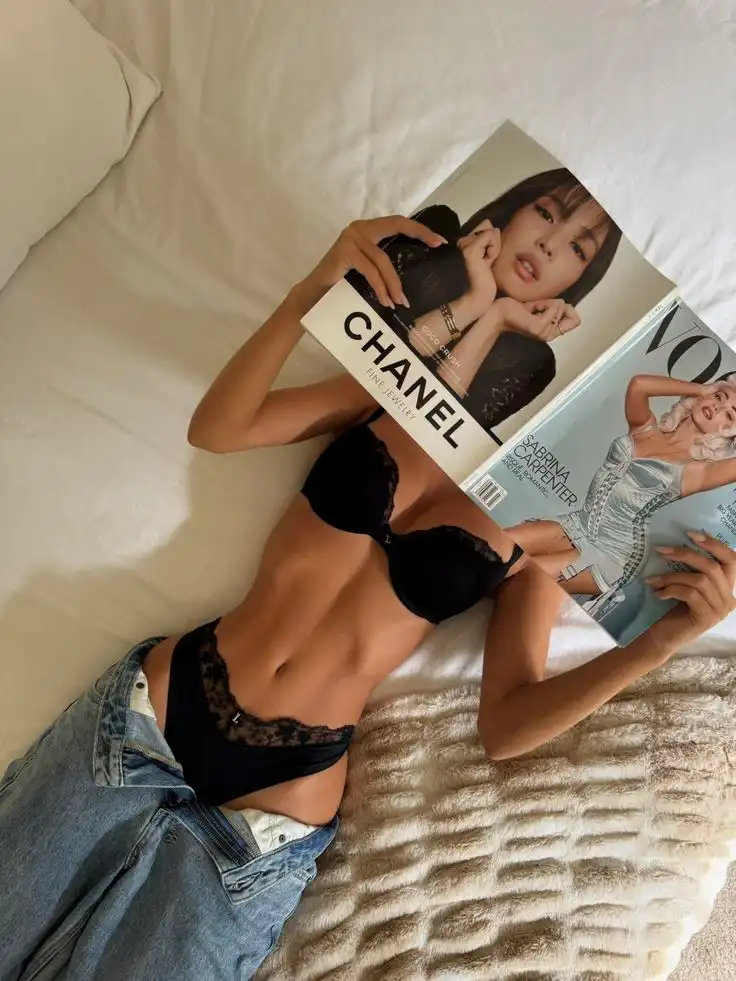
Pick a room with big windows or good lamps for soft light. Angle yourself toward the main light to get gentle shadows.
Sheer curtains or a white sheet will soften the harsh sun. Clear out clutter and keep only what adds mood—a throw blanket, velvet pillow, or a small chair.
Move furniture to make space for your tripod or phone stand and a spot to change outfits. Keep a simple kit: tripod, phone or camera, remote/timer, a steamer, and a lint roller.
Adjust camera height for full-body or waist-up shots. Try a few test frames and move your camera instead of zooming.
Self-Portrait Boudoir Techniques
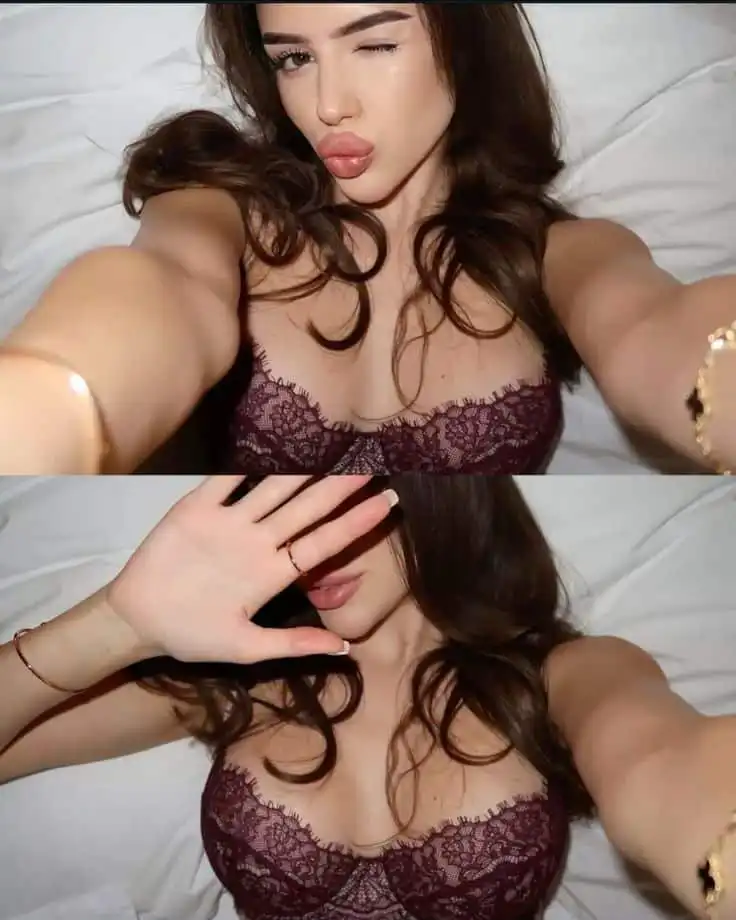
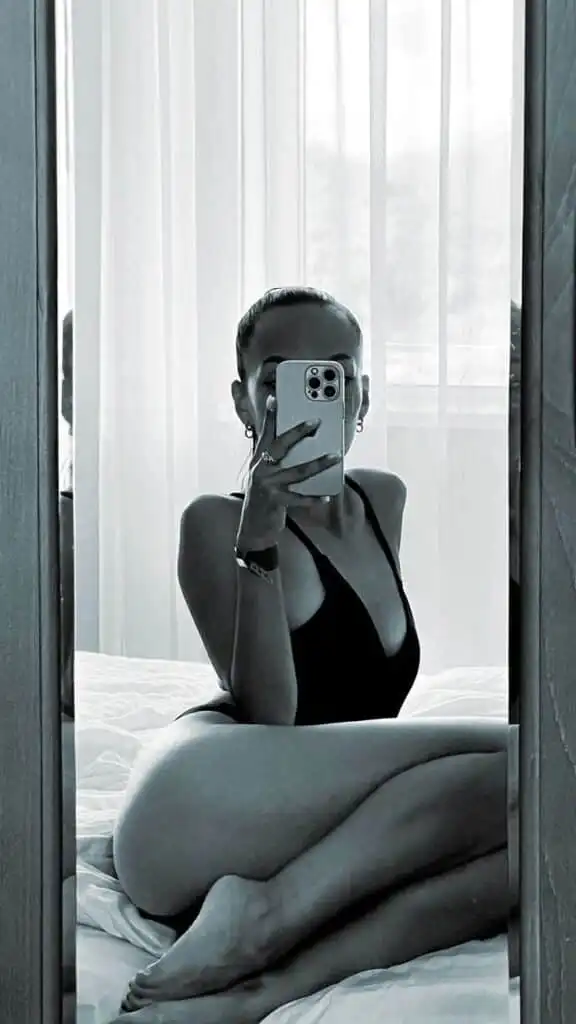
Use a tripod and a 5–10 second timer or Bluetooth remote. Mark floor spots with tape so you land in the frame every time.
Practice three expressions in the mirror: soft smile, confident neutral, playful smirk. Angle your body a bit away from the camera to slim your silhouette and lengthen your neck.
Engage your core and relax your hands—tiny finger adjustments matter more than you’d expect. Work in short bursts, change outfits, tweak light, and take lots of shots to catch natural moments.
Review images on a bigger screen to fine-tune poses and crops. Sometimes the best shot is the one you didn’t plan.
Props and Creative Uses of Space
Pick props that add texture and story—silk sheets, a partner’s shirt, a hat, or pearls. Use them to create covers, lines, and contrasts that pull the eye in.
Try doorways and windows for frame-within-frame shots. Beds give you soft, layered looks, while a chair offers new angles for sitting or standing.
Shoot silhouettes against a bright window and expose for the background. Add small details for variety: an unlit candle, a scarf, or folded fabric for a pop of color.
Keep props simple so they don’t steal the show from your pose or expression. Less is usually more here.
Unique and Artistic Boudoir Concepts
These ideas focus on mood, texture, and props to make your images feel personal and creative. Each concept covers setup, posing, and a few styling tips you can use on any budget—or with a pro.
Milk Bath Photography
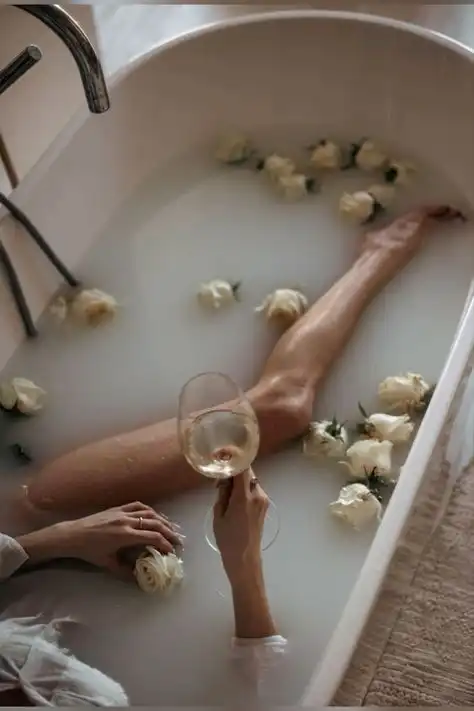
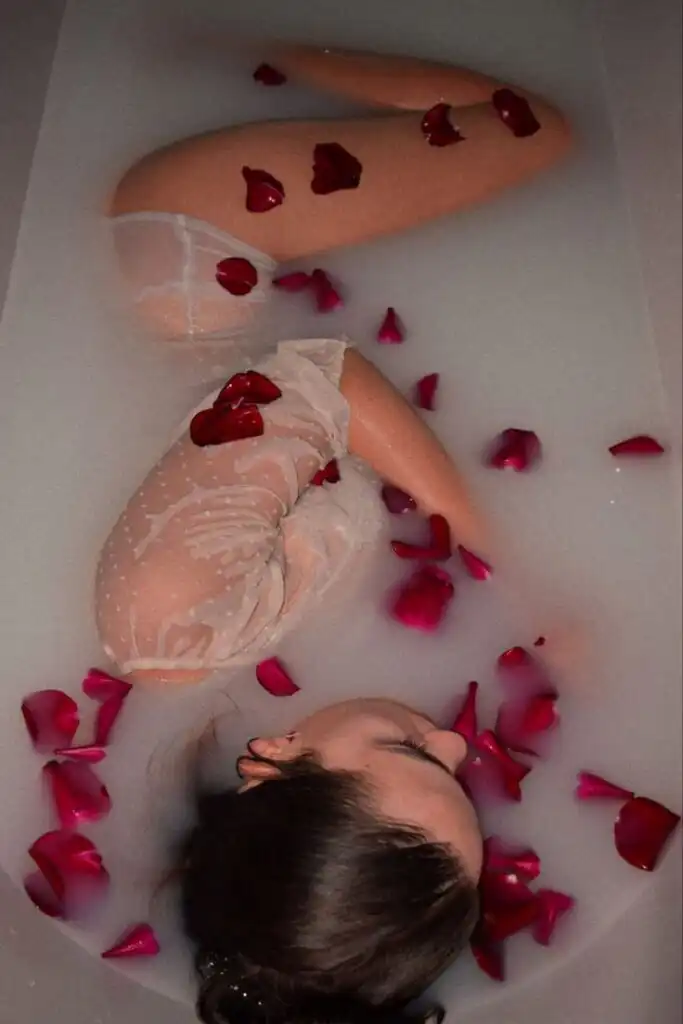
Milk bath shoots give skin a smooth, dreamy look. Use a tub big enough to move in; add 1–2 gallons of whole milk or good milk powder to cloud the water.
Keep the water warm for comfort and check for allergies before you start. Choose dark or light backgrounds based on the contrast you want.
Dark flowers and jewelry pop on white water, while pastel petals create a softer vibe. Lie back with your shoulders just under the water for long neck lines.
Use a side light or a softbox above for gentle shadows. Bring towels, a robe, and keep the room warm so you’re comfy between shots.
Limit time in milk to 20–30 minutes to avoid skin dryness. Clean the tub right after to prevent stains from flowers or dyes.
Incorporating Themed Props
Props set the mood fast and show off your personality. Pick one main prop—maybe a silk robe, vintage mirror, or leather jacket—and build around it to avoid clutter.
Stick to a 2–3 color palette for harmony. Props should support your poses: a chaise lounge lifts your hips, a wide-brim hat frames your face, and adds mystery.
Secure heavy props and test poses slowly for safety. Small details matter—textured blankets, lace gloves, or pearls close to the camera add depth.
Plan your prop placement and ask a friend or assistant to help swap things out so you stay in the flow. Sometimes, it’s the little touches that make the shot.
Experimenting with Out-of-the-Box Ideas
Push your creativity with unexpected elements that show off your style. Try adding faux smoke for atmosphere.
Play around with projection mapping to cast patterns on the body, or use mirrored surfaces for cool, layered reflections. Test each effect with a few low-pressure shots before you get serious.
Mix up styles to keep things interesting—pair delicate lace with something industrial, like a metal chair. Or maybe throw on a floral crown with bold makeup just to see what happens.
Keep your lighting under control. A dramatic backlight or rim light can highlight your silhouette and help you stand out from a busy background.
Think about comfort and consent, especially if you’re trying something daring. If nudity, body paint, or weird materials are in the mix, talk about boundaries and plan breaks ahead of time.
Quick rehearsals can help you find flattering angles before you start shooting for real. Sometimes, a little prep makes all the difference.
The same rule applies to intimate portraits: confident photoshoot poses work better when the cue is physical and specific, not just “look confident.”
FAQ
Indoor portrait sessions are easier when you understand window light photography basics.
How can I prepare for my boudoir session to feel more confident?
To prepare, think about your wardrobe, communicate your wishes with your photographer, choose locations that match your vibe, set clear boundaries, and plan outfits and poses ahead to feel calm and confident.
What are some lighting techniques that enhance boudoir photos?
Natural light produces soft, flattering tones, while dramatic lighting with contrasts and shadows creates bold effects; using diffusers or reflectors helps control the mood.
What wardrobe options are best for boudoir photos?
Choose lingerie or bodysuits that fit well and flatter your shape, silk robes, corsets, or mix casual items with classic pieces, and use accessories to add personal flair.
What creative ideas can I try for a unique boudoir photoshoot at home?
Set up a tidy space with soft lighting, use props like silk sheets or vintage items, experiment with themed concepts like milk baths or silhouette shots, and incorporate out-of-the-box effects like projections or mirrored surfaces.
What is boudoir photography, and what is its main purpose?
Boudoir photography is about creating intimate, personal portraits that reflect your comfort, mood, and choices, allowing you to showcase your self-image and private stories.
- 7.0Kshares
- Facebook0
- Pinterest7.0K
- Twitter0
- Reddit0