Table of contents
- Understanding what it takes to start a clothing line
- Choosing the right business model from day one
- Building essential fashion design and technical skills
- Writing a clothing line business plan that actually guides decisions
- Setting up the legal and tax structure correctly
- Sourcing fabrics and materials without blowing the budget
- Planning production, quality control, and ethical sourcing
- Building a brand that stands out in a crowded market
- Setting up an ecommerce store that converts
- Launching and marketing the first collection
- Tracking performance and avoiding common long term pitfalls
- Frequently asked questions about how to start a clothing line
1. Understanding what it takes to start a clothing line
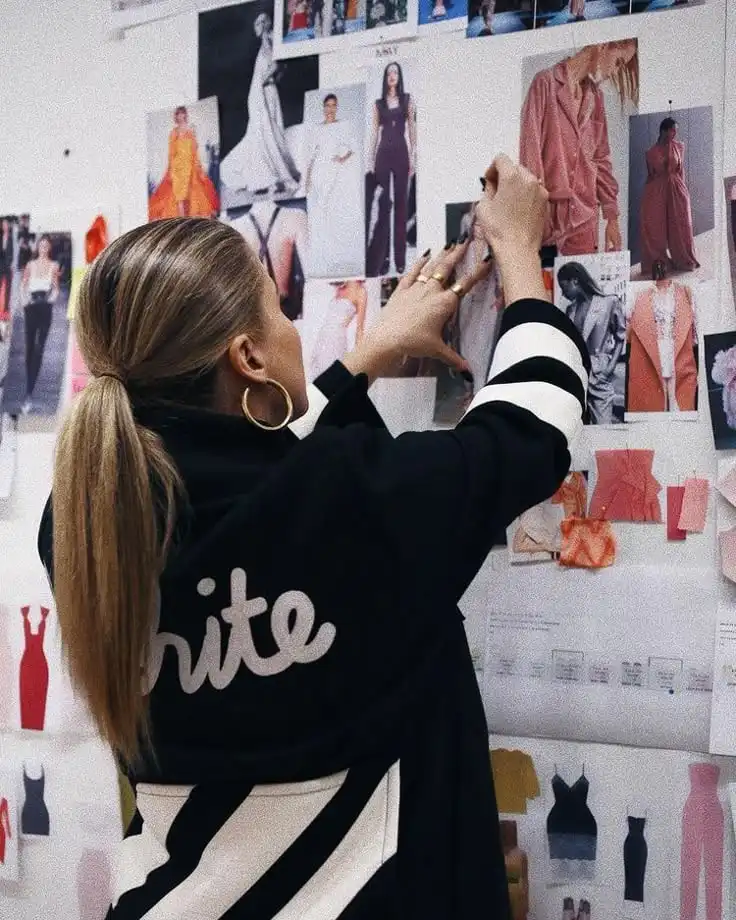
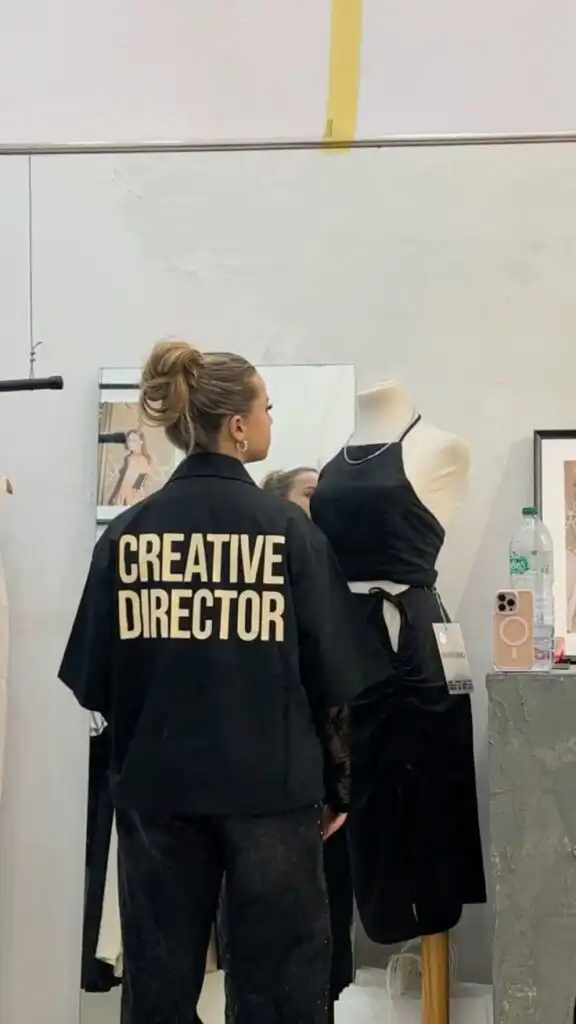
Anyone asking how to start a clothing line in the United States needs more than a few sketches and an Instagram account. They are entering a large and competitive market that rewards both creativity and solid business planning.
Industry guides estimate that the global apparel market is worth trillions of dollars and is increasingly competitive, which means a new brand has to be clear about its niche, its customer, and its way of operating from the start (Shopify).
A clothing line founder should be prepared to:
- Balance design skills with business knowledge
- Make legal and financial decisions early
- Plan a realistic path from idea to production
- Choose how to sell, for example dropshipping, direct to consumer, or wholesale
- Market the brand consistently over time
The rest of this guide brings together proven advice and practical options so that someone can move from concept to launch while avoiding common and costly mistakes.
2. Choosing the right business model from day one

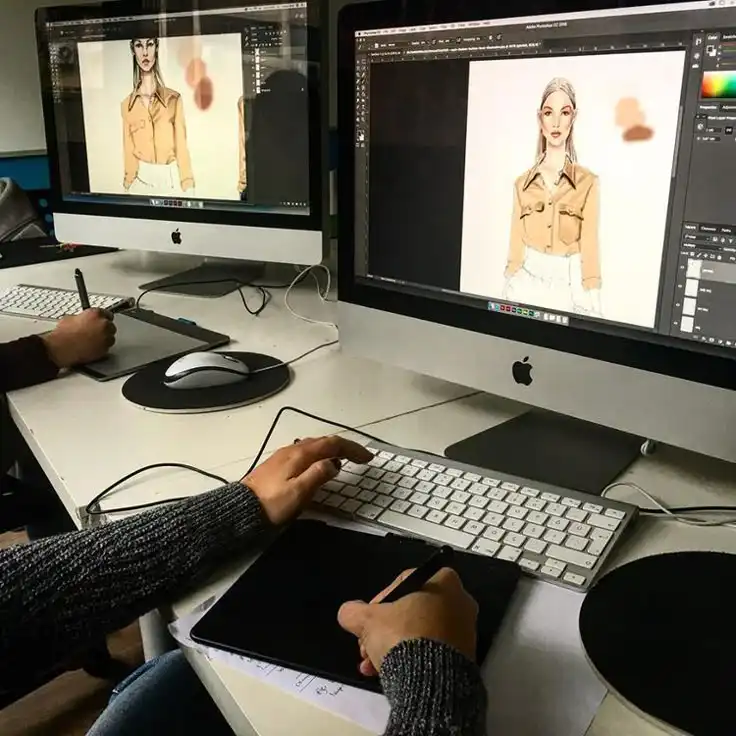
A central decision when learning how to start a clothing line is the business model. This choice affects startup costs, risk, and how fast the brand can test ideas.
2.1 Common clothing line business models
The founder can combine or transition between these models, but it helps to begin with a clear primary approach.
- Full production brand
- Designs are created, fabrics sourced, and garments manufactured specifically for the brand.
- Higher upfront costs for materials, sampling, and minimum order quantities.
- Higher control over fit, quality, and branding.
- Requires stronger planning around inventory and cash flow.
- Dropshipping apparel brand
- The brand markets the products, but a supplier holds inventory and ships orders.
- Lower upfront costs and no need to manage storage or shipping.
- Useful for testing demand or validating a niche.
- Recommended as a beginner friendly entry model in the clothing industry (Reddit – r/streetwearstartup).
- Print on demand clothing
- Designs are printed on blank garments one at a time when orders come in.
- No inventory risk and a wide range of styles and colors.
- Margins are usually lower than full production.
- Online resale or curated shop
- The brand buys products at lower prices or from thrift sources and resells for profit.
- A practical entry point into the clothing business, especially for understanding customer taste and merchandising (Reddit – r/streetwearstartup).
- Pre order or made to order lines
- Customers place orders before production, sometimes through structured surveys.
- French brand Asphalte, for example, has used product surveys tied to pre orders to generate approximately 4,000 quality leads per month (Wisepops).
- Reduces inventory risk and can support a more sustainable model.
2.2 Choosing a model that fits resources
To avoid early financial strain, founders should match the model to their situation:
- Limited capital and no production experience: consider dropshipping or print on demand to test demand.
- Strong design background and access to factories: consider full production with small runs.
- Sustainability focus and patient customers: consider pre order or made to order.
This choice directly shapes the business plan, legal setup, and marketing approach.
3. Building essential fashion design and technical skills
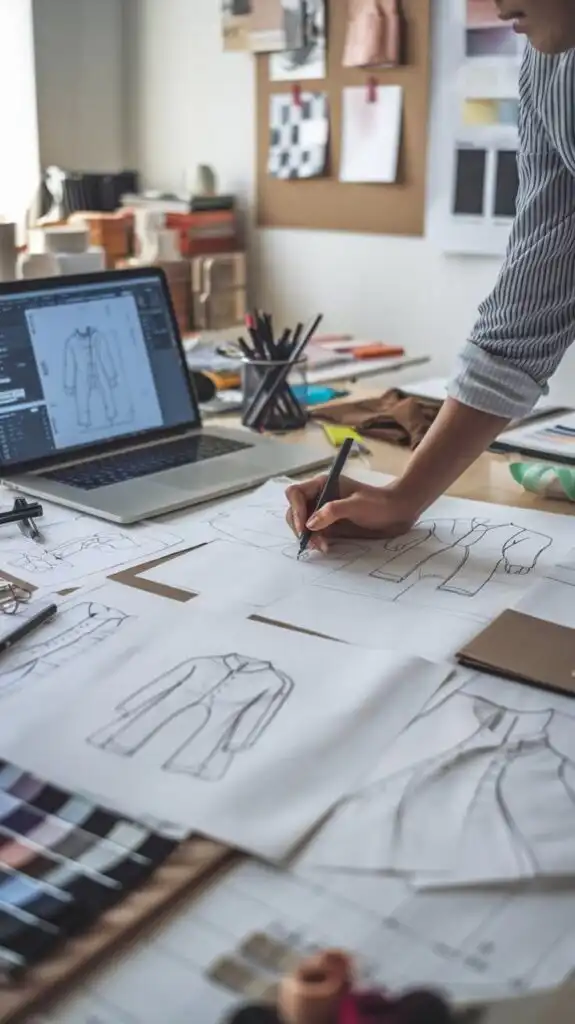
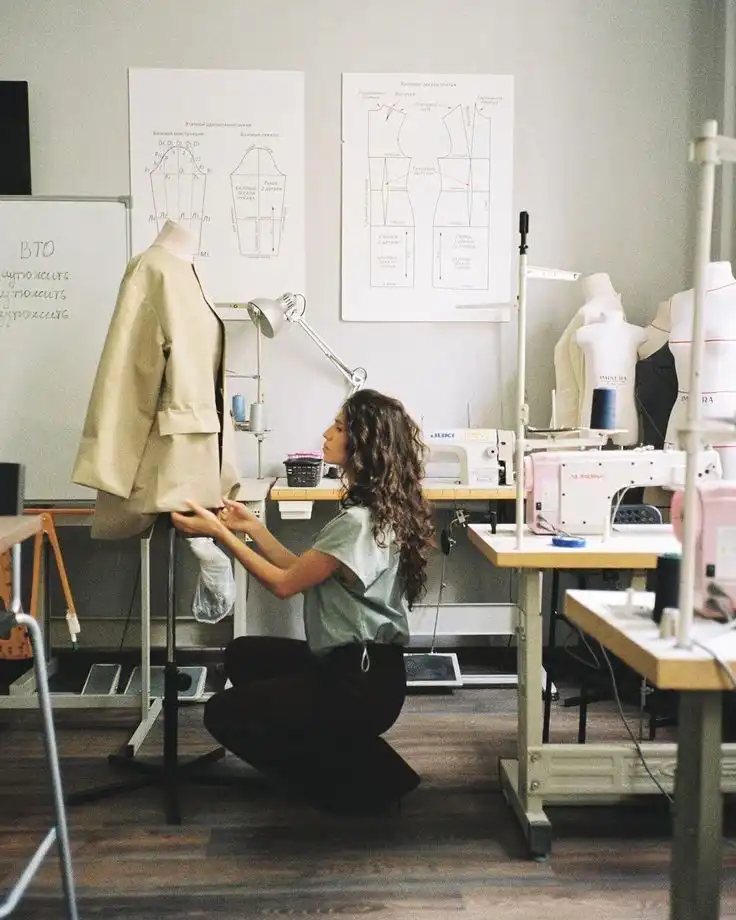
Even if the founder is not the main designer, understanding basic fashion construction, fit, and fabric behavior is critical to starting a clothing line that lives up to customer expectations.
3.1 Why skills matter before launch
Designer Sarah Donofrio, a Project Runway alum and experienced fashion entrepreneur, emphasizes that a successful clothing brand needs both creative skills and business knowledge, including legal, financial, production, and marketing expertise (Shopify).
She advises aspiring entrepreneurs to gain industry experience before launching, for example:
- Working for another fashion brand
- Studying design formally or through targeted courses
- Learning on the job in production, merchandising, or retail
This experience helps with:
- Understanding realistic production timelines
- Communicating clearly with factories and pattern makers
- Making design decisions that are actually manufacturable
3.2 How to build skill without delaying the business
Someone can build skills while moving forward with the brand by:
- Taking online sewing or garment construction classes that are geared toward apparel, such as the online sewing classes offered by Fabric Mart Fabrics, which help new garment makers learn key techniques (Fabric Mart Fabrics).
- Practicing with samples and personal projects.
- Learning basic pattern adjustments so fit issues are not a surprise at production.
A founder does not need to be able to sew every garment in the line, but they should understand enough to evaluate quality and communicate with technical partners.
4. Writing a clothing line business plan that actually guides decisions
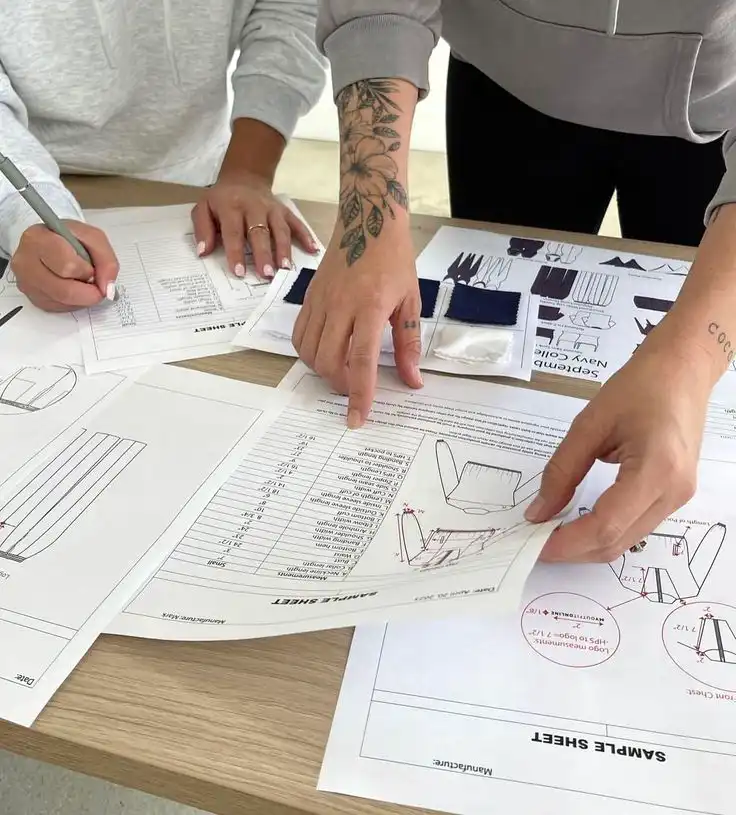
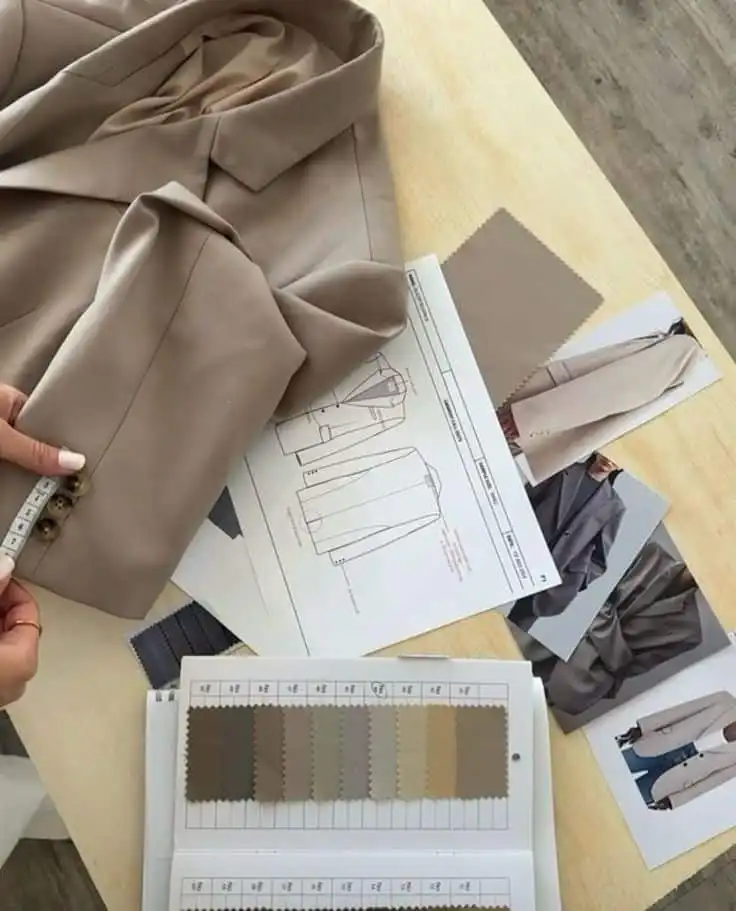
A clear business plan is one of the strongest protections against expensive mistakes when starting a clothing line.
4.1 Why skipping the plan is a costly pitfall
In the r/streetwearstartup community, experienced members repeatedly note that a major mistake new clothing brands make is not creating a business plan at all, even a simple one. That plan acts as a road map and a living document that holds the entrepreneur accountable throughout the startup process (Reddit – r/streetwearstartup).
Brands that take time to write and research a plan tend to show higher levels of success compared to those that do not, according to the same discussion. A free downloadable clothing line business plan template and guide is available through that subreddit, tailored specifically to new and aspiring brand owners.
4.2 Key sections to include
Resources like Shopify highlight the core components of a clothing line business plan (Shopify):
- Executive summary
- Mission and vision statement
- Market analysis and competitor overview
- Detailed product descriptions and planned collections
- Organizational structure and roles
- Operations plan, production approach, and logistics
- Marketing and sales plan
- Financial plan and projections
- Future growth and expansion roadmap
Each section should be specific to the brand, rather than generic, to stay useful as a working document.
4.3 Using the plan to stand out in a crowded market
Because the global apparel market is projected to be extremely large and competitive, a plan for a new clothing line should address:
- What makes the brand different from dozens of similar labels
- How sustainability will be handled, including fabric sourcing and production methods
- Realistic financial goals based on chosen business model and price point
- Whether to focus on ecommerce, physical retail, or a mix
Shopify’s guidance notes that including sustainability, realistic financial goals, and clear differentiation helps new brands stand out (Shopify).
5. Setting up the legal and tax structure correctly


Another essential part of learning how to start a clothing line in the US is setting up the correct legal framework. This reduces the risk of fines, legal disputes, or problems with suppliers and banks later.
5.1 Choosing a business entity
Several sources explain that deciding on a business entity type before applying for licenses and permits is crucial for clothing line businesses in the USA, because it affects liability and taxation (PrintXpand).
Common entities include:
- Sole proprietorship
- Limited liability company (LLC)
- General stock corporation
- Limited partnership
Many new clothing brands select an LLC because it typically offers a balance of liability protection and flexibility while allowing the business to operate legally and work with banks, suppliers, and ecommerce platforms (Ninghow Apparel).
5.2 Core registrations and permits
A US based clothing line generally needs to consider:
Incorporation Certificate
Proves the legal existence of the company and confirms the chosen business entity type.
Obtained by filing forms such as GP 1 or Articles of Incorporation, depending on the structure and state (PrintXpand).
Business license or Business Tax Certificate
Usually required to operate a clothing store within city limits.
Additional permits may be needed outside city limits based on local rules (PrintXpand).
Ninghow Apparel also notes that registering a business license or seller’s permit is mandatory in most regions for legal clothing sales, and local laws may require zoning permits for home based operations (Ninghow Apparel).
Employer Identification Number (EIN)
Obtained through the IRS website.
Functions as a federal tax ID, needed for hiring employees, managing payroll tax, and opening business bank accounts.
Helps separate personal and business finances, which avoids confusion and potential tax issues (Ninghow Apparel, PrintXpand).
Sales and Use Permit (Seller’s Permit)
Required for online and offline clothing sellers in many US states.
Allows collection of sales tax and ensures state level compliance.
Requirements and fees vary by state, so founders should review information from their state revenue department (PrintXpand).
5.3 Protecting the brand name and logo
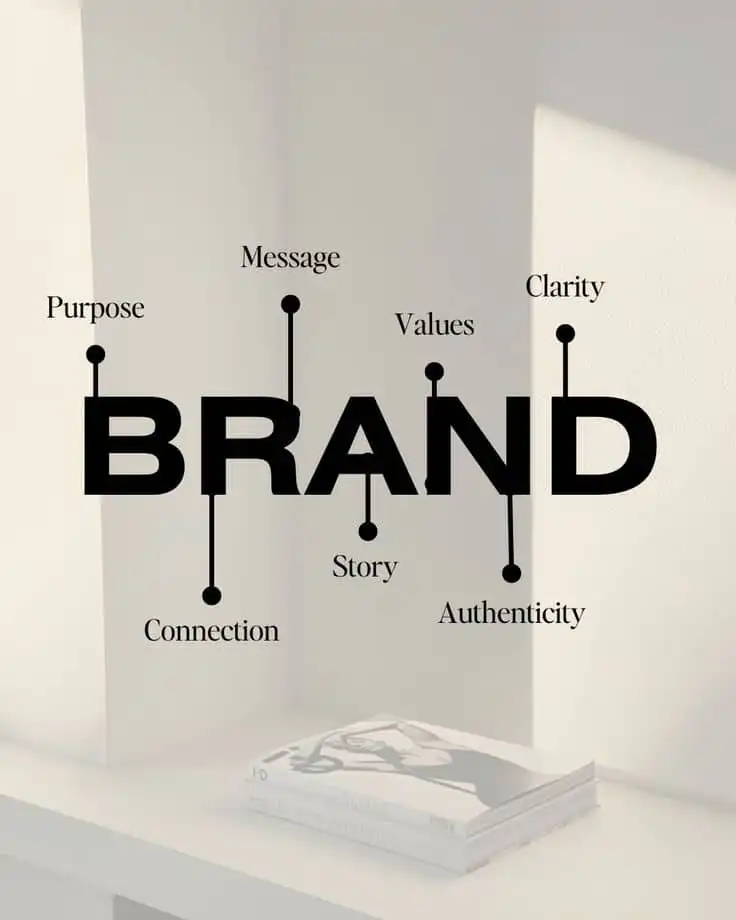
Trademark protection is another critical aspect:
- Trademark registration for both the brand name and logo protects brand identity.
- It also helps defend against counterfeiters and confusingly similar brands.
- Working with a trademark attorney is recommended to simplify the process and reduce costly mistakes (Ninghow Apparel).
5.4 Legal requirements for ecommerce clothing brands
For online stores, additional requirements typically include:
- Clear disclaimers
- Privacy and cookie policies
- Detailed return and refund policies
Ninghow Apparel notes that ecommerce clothing brands must post these documents to build consumer trust and avoid legal problems (Ninghow Apparel).
Ignoring any of these steps can cause issues later, from blocked payment accounts to legal disputes, so founders should handle basic compliance early in the setup process.
6. Sourcing fabrics and materials without blowing the budget
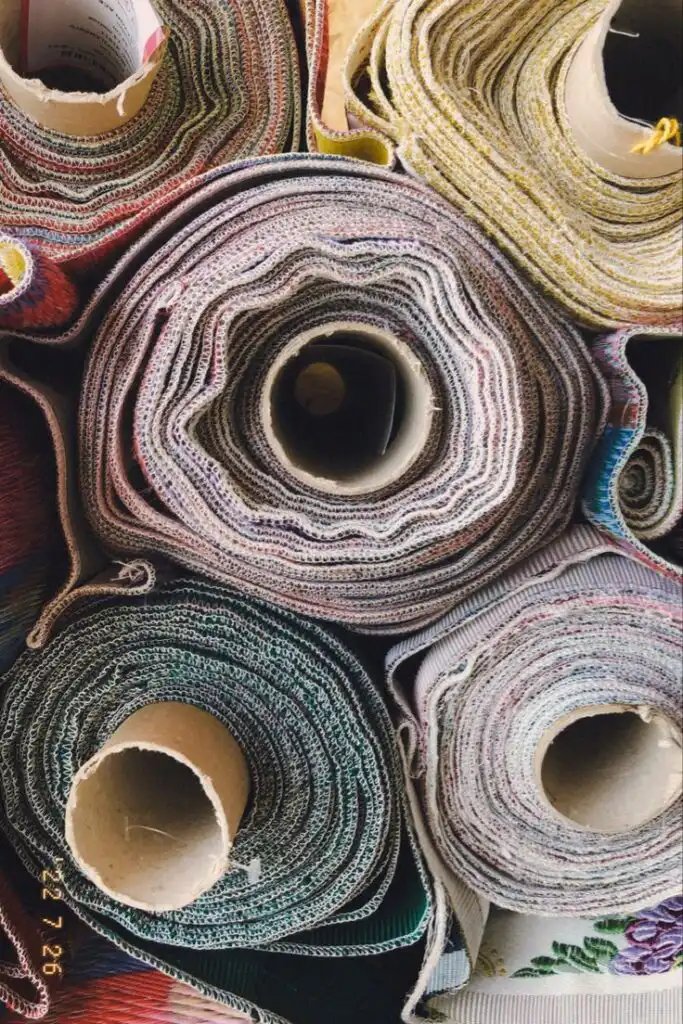
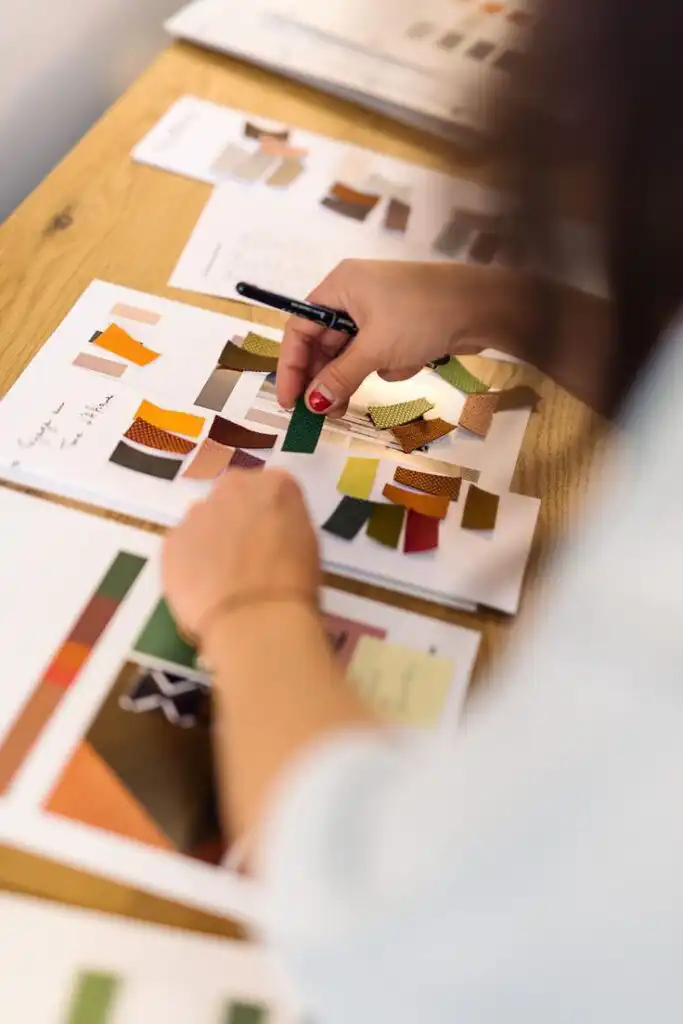
Poor fabric choices or uncontrolled material costs are frequent pitfalls for new clothing lines. Structured sourcing helps keep quality and budgets under control.
6.1 Testing and selecting fabrics
A tactile understanding of fabric is important for any label hoping to deliver consistent quality. Fabric Mart Fabrics offers several services that directly support clothing line founders:
- Julie’s Picks swatch club
- A membership only service that sends 30 different fabric swatches monthly.
- Helps designers see and feel a range of fabrics before committing to yardage.
- Supports fashion forward, handmade garment creation through a more tactile shopping experience (Fabric Mart Fabrics).
Using swatches allows a founder to:
- Compare drape, weight, and stretch side by side.
- Test fabrics against their intended garment types.
- Avoid ordering large quantities of unsuitable material.
6.2 Building a fabric stash cost effectively
To avoid overspending during sampling and early runs, a clothing line can:
- Take advantage of deep discounts and clearance sections.
- Fabric Mart Fabrics, for example, offers clearance fabrics at up to 70 percent off and bundles of fun prints and solids at attractive prices. This helps new entrepreneurs build a fabric stash without overextending their budget (Fabric Mart Fabrics).
This approach is useful for:
- Testing new silhouettes
- Creating small capsule collections
- Experimenting with color and pattern
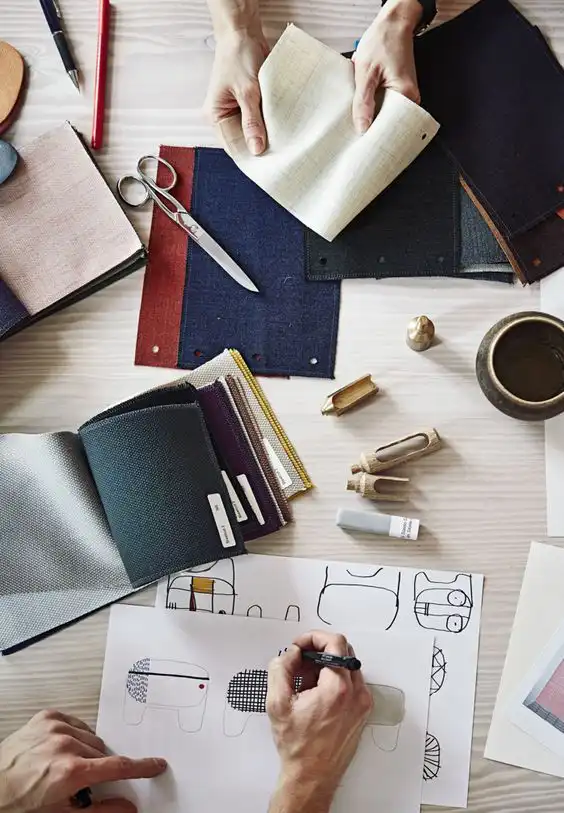
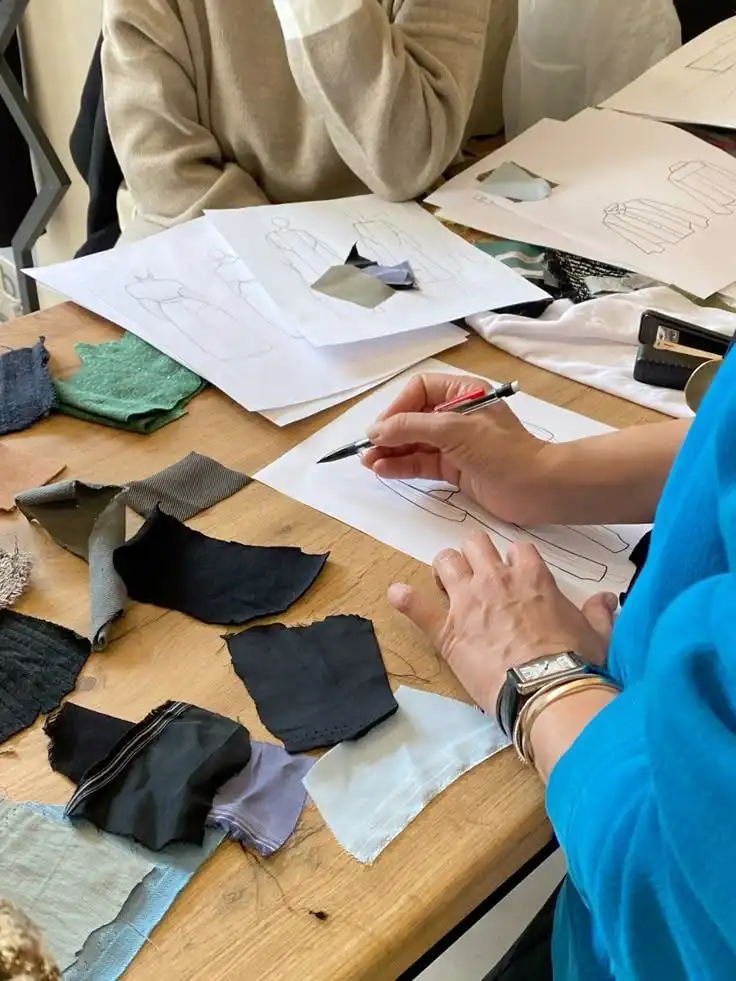
6.3 Matching notions and details
Even a well chosen fabric can look unprofessional if the thread color is off. Fabric Mart Fabrics provides a premium service where they hand select matching thread for each fabric purchase. This gives aspiring clothing line creators an accurate color match without extra effort and streamlines the design and production process (Fabric Mart Fabrics).
6.4 Considering sustainability and deadstock
Using deadstock fabrics, which are surplus materials from other productions, can be an environmentally preferable option. Fabric Mart Fabrics sells deadstock fabrics with detailed descriptions covering:
- Fiber content
- Stretch characteristics
- Suggested uses
This information is particularly valuable for designers trying to match specific fabrics to particular garments (Fabric Mart Fabrics).
Working with deadstock can help a brand:
- Reduce its environmental impact.
- Access high quality fabrics at lower prices.
- Build a more distinctive, limited run aesthetic.
7. Planning production, quality control, and ethical sourcing
How a clothing line handles production and quality has a direct impact on reputation and repeat business.

7.1 Production options and scale
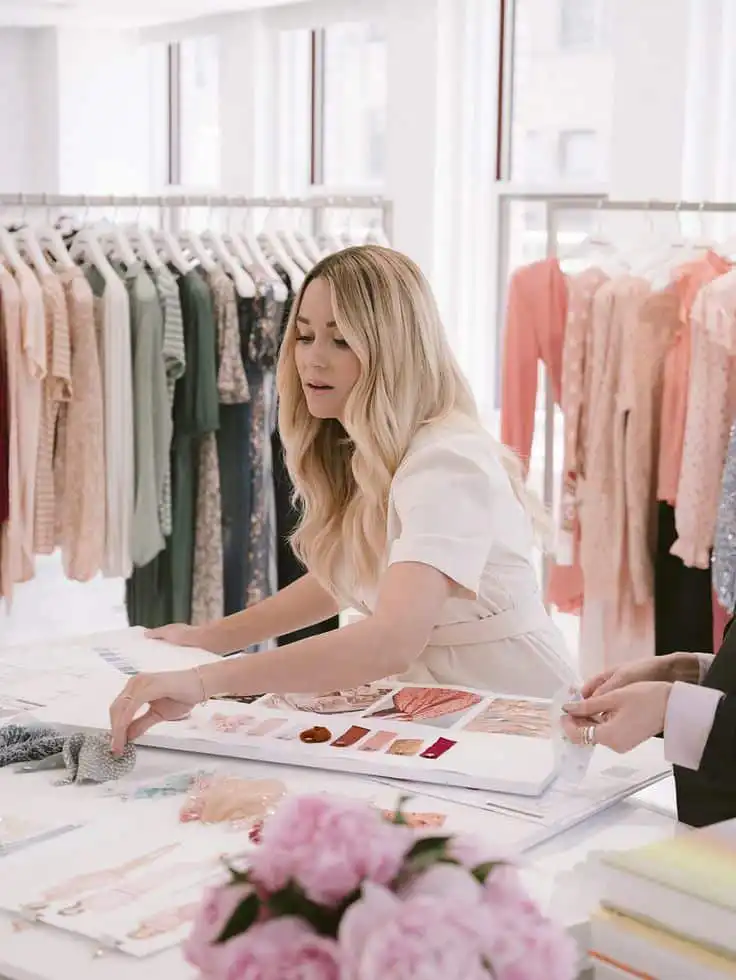
According to designer Sarah Donofrio’s guidance for new brands, effective production strategies can include:
- In house manufacturing for small runs, which provides close control of quality and flexibility for made to order items.
- Partnering with factories for larger scale production, which can be more efficient but requires clear communication, accurate tech packs, and careful vetting (Shopify).
The operations plan in the business plan should spell out:
- Where garments will be produced
- Expected lead times
- Quality standards and inspection steps
- How returns or defects will be handled
7.2 Emphasis on quality and transparency
Sarah Donofrio’s experience also underscores the importance of:
- Quality control throughout sampling and full production.
- Ethical sourcing of materials and labor.
- Transparency with customers about where and how garments are made (Shopify).
This approach supports long term brand trust and can be a key differentiator in a crowded apparel market.

7.3 Planning the operations model
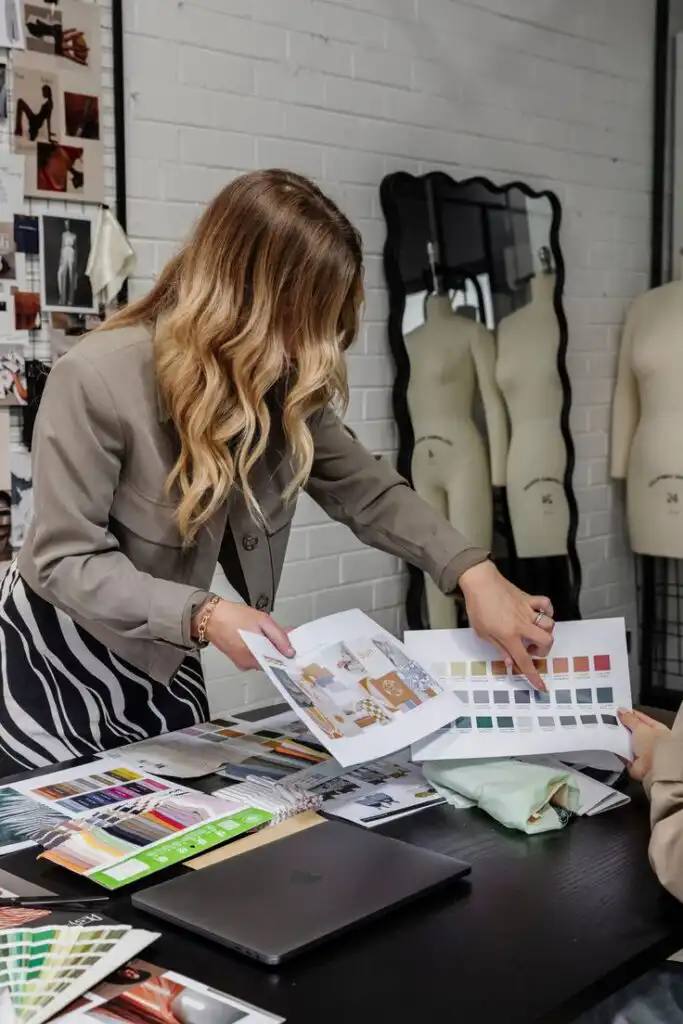
Shopify’s clothing line business plan guidance recommends defining whether the operations will be:
- Primarily online ecommerce, which usually has lower startup costs and fewer fixed expenses.
- Primarily brick and mortar, which typically involves higher overhead but can deliver a stronger physical brand presence and local community connection (Shopify).
The plan should reflect the chosen mix, along with any wholesale relationships or pop up events.
8. Building a brand that stands out in a crowded market
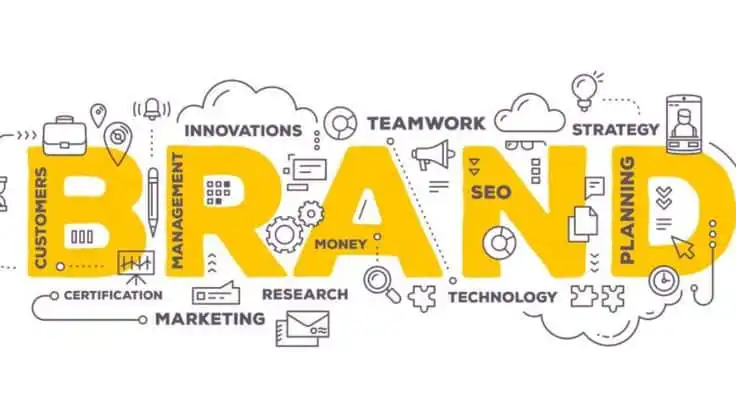
A strong brand is more than a logo. It is the set of values, visuals, and stories that help customers understand why the clothing line exists and who it is for.
8.1 Defining the brand foundations
Shopify’s guidance on starting a clothing line recommends that new brands define early on:
- Brand values and mission, for example sustainability, inclusivity, or local production.
- Visual identity, including logo, color palette, and photography style.
- Tone of voice across website copy, product descriptions, and social media (Shopify).
Every touchpoint should reinforce this identity, including:
- Website design
- Packaging and labels
- Social campaigns
- Customer emails
8.2 Storytelling and consistent communication
Customers tend to remember and support brands with a clear narrative. Founders can:
- Share the origin of the brand and why it exists.
- Explain how collections are developed, especially if there is a unique method such as using deadstock or pre order surveys.
- Use social media to show behind the scenes content, if it fits the brand.
Over time, this consistent storytelling helps the clothing line build recognition and trust.
9. Setting up an ecommerce store that converts


Whether the brand sells exclusively online or not, a functional ecommerce store is central to most modern clothing lines.
9.1 Designing for regular product launches
When a brand introduces new collections or drops frequently, it can be challenging to highlight them without overwhelming the homepage. One strategy, used by French designer Pierre Hardy, is to include an onsite feed in the store header. This feed announces new items and collections without cluttering the rest of the homepage (Wisepops).
This tactic is suited to:
- Brands with regular limited releases
- Seasonal capsule drops
- Collaborations and special collections
9.2 Using AI powered product recommendations
AI powered product recommendations can support higher average order values and a personalized shopping experience by:
- Displaying related items based on browsing history
- Offering suggestions on product pages and cart pages
- Showing follow up products after a purchase confirmation
Brands like Sud Express and Pierre Hardy have used these strategies to personalize product discovery and present relevant cart confirmation messages (Wisepops).
For a new clothing line, this can:
- Help customers find complete outfits
- Introduce them to accessories or complementary pieces
- Improve the perceived relevance of the catalog
9.3 Complying with online legal requirements
As noted earlier, ecommerce apparel sites must include:
- Clear policies for privacy, cookies, shipping, and returns
- Easy access to terms and conditions
This is not only important for legal compliance, it also builds confidence for first time visitors who are considering buying from a new brand (Ninghow Apparel).
10. Launching and marketing the first collection
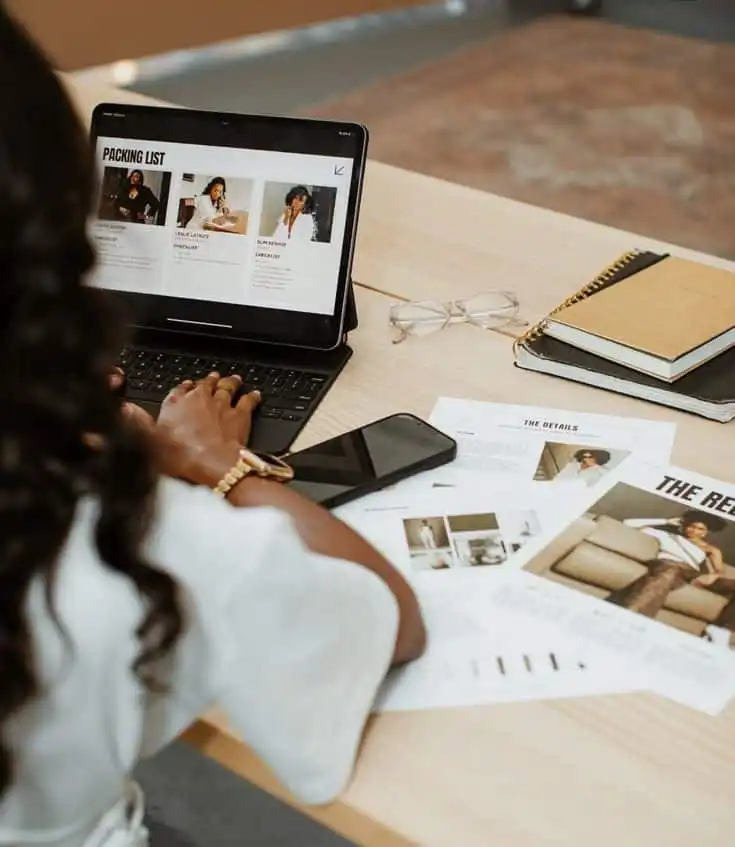
Even a well designed collection can struggle if customers never see it or do not understand its value.
10.1 Gathering feedback through surveys and leads
Product surveys can serve as both market research and lead generation. Asphalte uses surveys linked to its pre order, made to order model to ask customers about preferences and future product ideas, and this approach has reportedly generated around 4,000 high quality leads every month (Wisepops).
A new clothing line can:
- Ask visitors which styles, colors, or fits they prefer.
- Invite them to vote on potential future products.
- Encourage email signups in exchange for early access or influence over designs.
This reduces the risk of producing unwanted items and builds an audience before full launch.
10.2 Targeted onsite offers and promotions
Targeted offers help convert visitors into first time buyers without cheapening the brand.
Examples used by established brands include:
- Discount or free shipping popups that trigger based on browsing behavior or location.
- Location specific offers for certain regions.
TOMS Shoes and Black Ember have used such targeted onsite offers to create more personalized shopping experiences and increase conversions (Wisepops).
A new clothing line might:
- Offer a modest discount for first time subscribers.
- Provide free shipping thresholds on certain carts.
- Show special messages for repeat visitors.

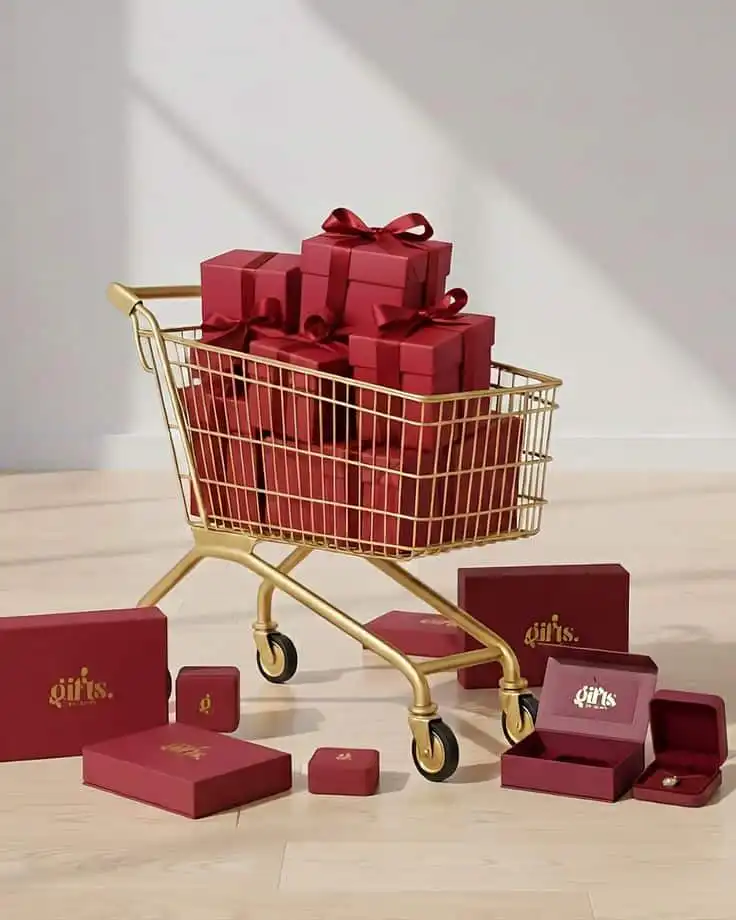
10.3 Running giveaways for visibility and email growth
Giveaways can be effective for early momentum when executed carefully:
- French brand Faguo runs monthly sneaker giveaways using spin to win popups.
- These campaigns help attract and reward customers, while generating a significant number of email leads (Wisepops).
A clothing startup could adapt this concept by:
- Giving away a key hero piece or outfit once per month.
- Encouraging participants to join the email list or follow social channels.
- Setting clear terms and conditions to maintain trust and comply with regulations.
10.4 Choosing marketing channels
The marketing plan should identify primary channels, for example:
- Social media content and ads
- Email marketing and automated flows
- Collaborations with creators or micro influencers
- Pop up shops or market stalls, where appropriate
Many of these channels are most effective when guided by the customer insights gathered from surveys and early sales.
11. Tracking performance and avoiding common long term pitfalls
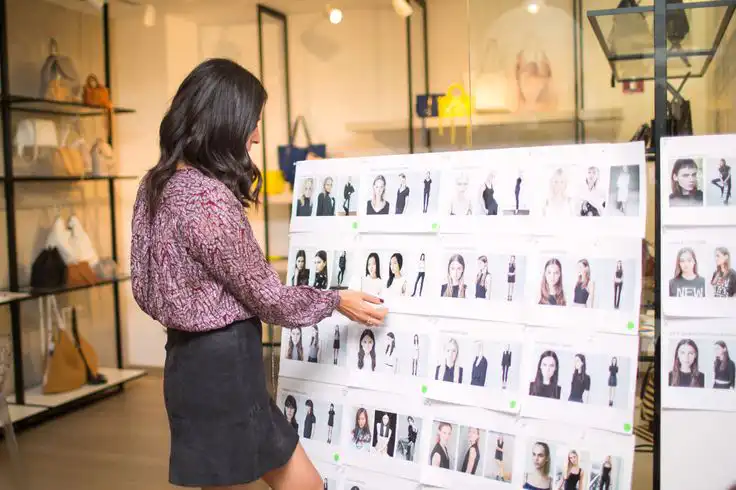
Once the clothing line is live, the founder’s role shifts from preparing the launch to managing and improving operations.
11.1 Financial planning and monitoring
Shopify’s guidance stresses the importance of clear financial planning for clothing brands, including:
- Documenting startup costs such as materials, production, marketing, and legal fees.
- Creating revenue and expense projections.
- Understanding how different models affect cash needs, for example dropshipping requires less upfront inventory investment than full production lines (Shopify).
To avoid ongoing pitfalls, the founder should:
- Track margins per product, not just overall sales.
- Monitor inventory turnover and avoid over ordering.
- Revisit the business plan regularly and update assumptions.
11.2 Adapting the operations model over time
The operations section in the clothing line business plan should remain a living part of the business. As the brand grows, it may:
- Move from online only to adding physical locations or pop ups.
- Shift from print on demand or dropshipping to partial in house production.
- Explore wholesale relationships with select retailers.
While consumers in the mid 2020s spend substantial amounts in both physical and online stores, each brand will find its own balance between ecommerce and in person retail. Shopify notes that an operations plan should clearly state whether the initial focus is online or brick and mortar, because each path comes with different cost structures (Shopify).
11.3 Maintaining the brand and customer relationship
Over time, some of the most common long term pitfalls for clothing lines include:
- Drifting away from the original brand values.
- Ignoring customer feedback on fit, quality, and service.
- Underinvesting in repeat customer relationships.
Founders can avoid these issues by:
- Reviewing brand messaging annually.
- Continuing to gather input through surveys and reviews.
- Using email and loyalty programs to retain existing customers.
By treating the brand as a long term project rather than a one time launch, the clothing line is more likely to navigate market changes and continue to grow.
12. Frequently asked questions about how to start a clothing line

1. How much does it cost to start a clothing line?
The cost depends heavily on the chosen business model. Full production lines usually require more capital for design, sampling, materials, and manufacturing. Dropshipping or print on demand options can reduce upfront costs since the supplier holds inventory and ships orders (Reddit – r/streetwearstartup, Shopify). A detailed business plan will help estimate actual expenses for a specific concept.
2. Do clothing line founders need formal fashion education?
Formal education can be helpful but is not mandatory. Designer Sarah Donofrio suggests that aspiring clothing entrepreneurs gain fashion design skills through some combination of formal education, on the job experience, and targeted online courses, and she encourages gaining industry experience before launching a brand (Shopify). Online sewing classes, such as those provided by Fabric Mart Fabrics, can also help new garment makers build practical skills (Fabric Mart Fabrics).
3. What legal steps are required to start a clothing line in the US?
Typical steps include choosing a business entity, obtaining an Incorporation Certificate, securing a business license, applying for an Employer Identification Number (EIN) with the IRS, and getting a Sales and Use or Seller’s Permit where required. Online clothing brands also need to publish policies and disclaimers. Requirements differ by state and locality, so founders should review local regulations and consider legal advice (Ninghow Apparel, PrintXpand).
4. How can a new clothing line avoid overproducing inventory?
Several strategies help reduce inventory risk:
- Using pre orders or made to order models so production follows demand.
- Conducting product surveys before committing to large runs, as Asphalte does to guide its collections (Wisepops).
- Starting with smaller quantities and expanding bestsellers rather than guessing at full scale.
- Testing designs through dropshipping or print on demand before investing in full production.
5. What are some simple marketing tactics for a new clothing brand?
New brands can combine several practical tactics, including:
- Adding a header feed on the ecommerce site to announce new items and collections without overwhelming the homepage, a tactic used by Pierre Hardy (Wisepops).
- Using AI powered product recommendations that surface related items and increase average order value, as seen with Sud Express and Pierre Hardy (Wisepops).
- Running product surveys to gather input and build an email list.
- Testing targeted popups for discounts or free shipping to increase conversions, similar to approaches used by TOMS Shoes and Black Ember (Wisepops).
- Hosting regular giveaways with clear rules, following examples like Faguo’s monthly sneaker giveaways that have driven strong email growth (Wisepops).
By combining thoughtful design, clear legal foundations, careful sourcing, and structured marketing, founders can learn how to start a clothing line that is built for long term success rather than short term hype.
If your clothing line includes recycled fibers, organic cotton, or fair production, compare the claims against this sustainable clothing brands guide before putting them into your brand story.
- 1.3Kshares
- Facebook0
- Pinterest1.3K
- Twitter3
- Reddit0