Macro photography for beginners is often depicted as an advanced niche of photography reserved for technical experts, but it is surprisingly accessible to anyone with curiosity about the world of tiny details. In its purest form, macro photography involves capturing images at a life-size magnification ratio of 1:1, though many enthusiasts also include close-up photos at lower magnifications (like 1:2 or 1:3). According to Digital Photography School, this type of photography goes beyond casual snapshots, revealing textures and patterns invisible to the naked eye. For those just starting out, the joy of macro photography lies in its ability to transform everyday objects or small insects into compelling artistic subjects.


Many newcomers picture macro photography as a daunting pursuit requiring expensive, specialized lenses and professional lighting rigs. Yet there are numerous ways to begin with minimal equipment—such as close-up filters, extension tubes, or even reversing rings—while still achieving impressive results. In fact, part of the fun stems from discovering that a basic camera body, coupled with an entry-level macro or adapted lens, opens up an entire new perspective. Whether the goal is photographing a bee’s compound eyes or revealing the minute veins in a flower petal, macro images can be captured in everyday environments, from backyards to kitchen countertops.
Beginners often assume special gear and advanced knowledge are prerequisites for success. However, experts from Nature TTL emphasize that individual creativity and thoughtful technique can go a long way in creating arresting macro images. Learning to control factors like focus, depth of field, and composition is far less intimidating when approached as an exploratory, hands-on process rather than an academic exercise. Macro photography involves curiosity, experimentation, and an appreciation for fleeting details of nature or household objects. Above all, it offers a surprise element: it reveals a hidden world that can be far more captivating—and fun—than many beginners ever imagined.
Below is a curated list highlighting reasons why macro photography for beginners is more enjoyable than initially expected, followed by a short conclusion and frequently asked questions for those ready to delve deeper.
1. Appreciate The Hidden Details
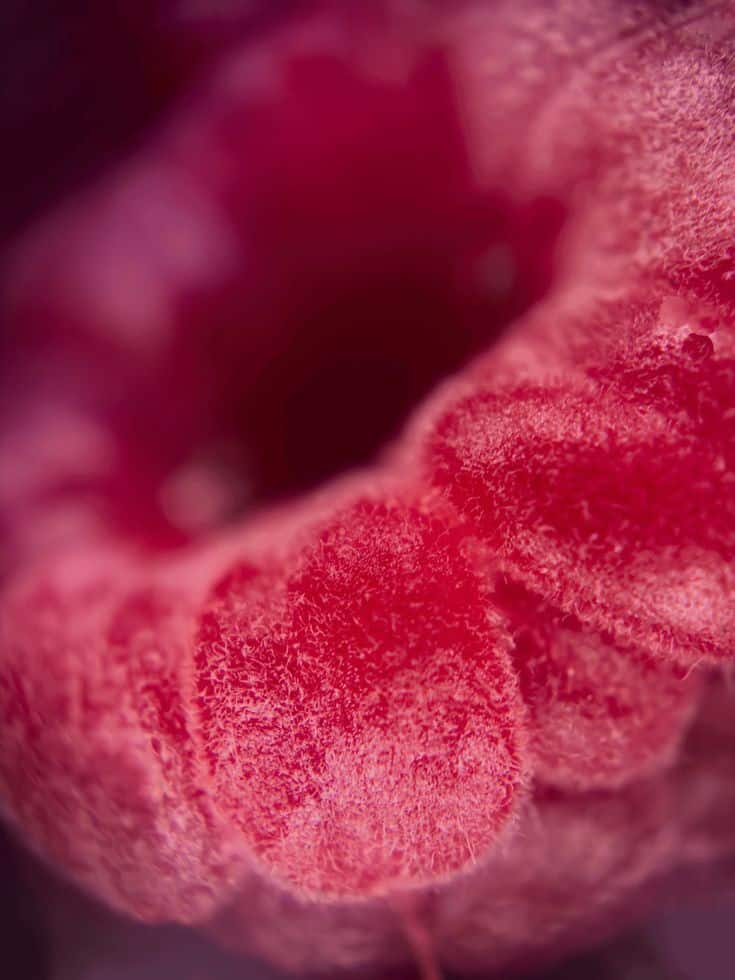

A major revelation for those new to macro photography is discovering how much is overlooked in everyday life. Macro images transform mundane objects like leaves, fabrics, or even cereal flakes into mesmerizing landscapes of color and texture. This effect is largely due to the increased magnification, which renders details that go unnoticed under normal viewing conditions.
Magnification Effects
At the heart of macro photography is the magnification ratio. A ratio of 1:1 means the subject is recorded at the same size on the camera sensor as it appears in real life. Even at 1:2 or 1:3, the level of detail can be extraordinary. According to Adobe, capturing minuscule features like the hairs on berries or intricate patterns on insects is an engaging way to recognize the beauty of seemingly ordinary items.Everyday Inspiration
Curious beginners quickly adopt a “seeing more” mindset. They might photograph strawberry seeds, coffee foam bubbles, or the subtle textures on a coin. With every shot, there is a fresh sense of wonder because macro photography unlocks an entire visual universe that typically remains hidden.Connection to Nature
Nature provides infinite subjects. Close-ups of moss, water droplets, or insect wings highlight colors and patterns that blend into a larger backdrop if viewed from a standard perspective. This increased appreciation for natural details makes macro photography a meditative practice. Beginners often report feeling a stronger connection with the environment as they train themselves to spot possibilities in the smallest corners of a garden or park.
Overall, noticing these hidden details instills a sense of wonder. Macro photography for beginners becomes an exciting journey of discovery rather than a strict technical exercise. This perspective shift lays the foundation for deeper exploration while maintaining the spontaneity that keeps the hobby fun.
2. Gather Minimal Gear
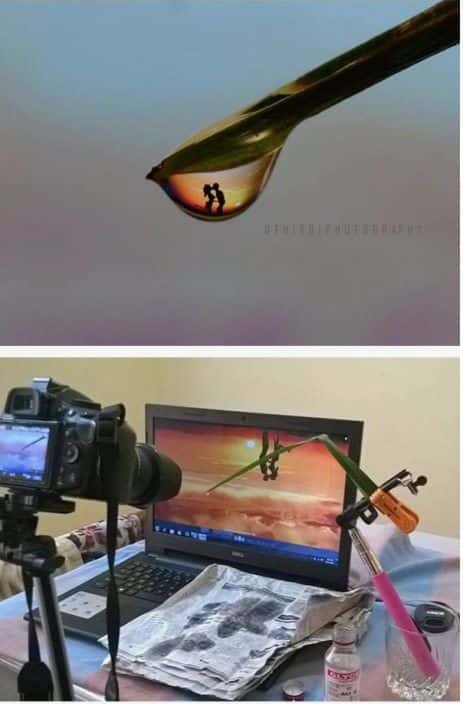
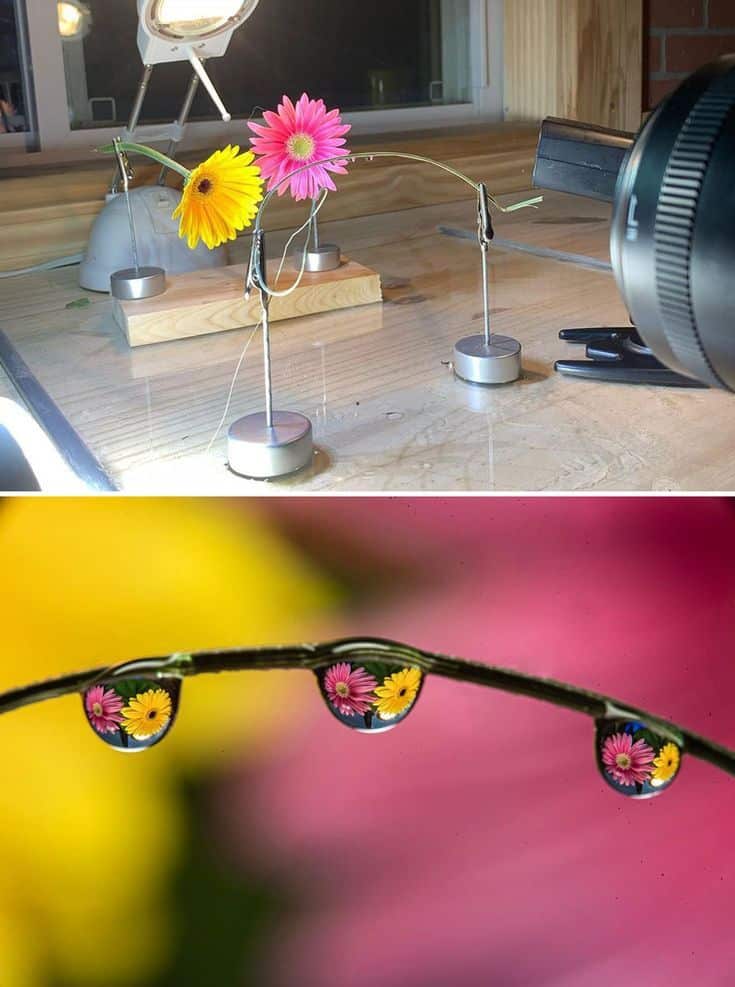
Another reason macro photography can be more fun than anticipated is the flexibility when it comes to gear. While dedicated macro lenses are optimal for capturing details at a 1:1 ratio or higher, beginners can practice close-up shooting with a camera body and a few lower-cost accessories.
Close-Up Filters And Reversing Rings
According to Wikipedia, close-up lenses (also called diopters) are attached to the front of a regular lens to enable shorter focusing distances. This approach represents one of the most budget-friendly ways to explore macro photography. Similarly, reversing rings let photographers mount a standard lens backward on the camera, creating impressive magnification for a fraction of the cost of a dedicated lens.Extension Tubes
Mechanical extension tubes increase the distance between lens and sensor, enabling closer focusing and magnifications up to 4:1 in some setups. This method has a slight learning curve. Exposure compensation and lessened focus range are challenges, but extension tubes are highly flexible accessories that amateurs can use to transform an existing lens into a macro-ready tool.Entry-Level Macro Lenses
Many camera brands offer affordable macro lenses, often in the 35–60mm range, which are recommended for beginners seeking a lens that doubles as a portrait or travel companion. Digital Photography School suggests short macro lenses in this range are great choices for casual macro shooters looking to keep costs in check.
Beginners do not always have to break the bank or rely on top-tier equipment. With basic gear, they can quickly experience the thrill of capturing tiny worlds in remarkable detail. The adaptability of each setup allows novices to experiment, gradually refine techniques, and determine if investing in a dedicated macro lens makes sense down the line.
3. Experiment With Aperture
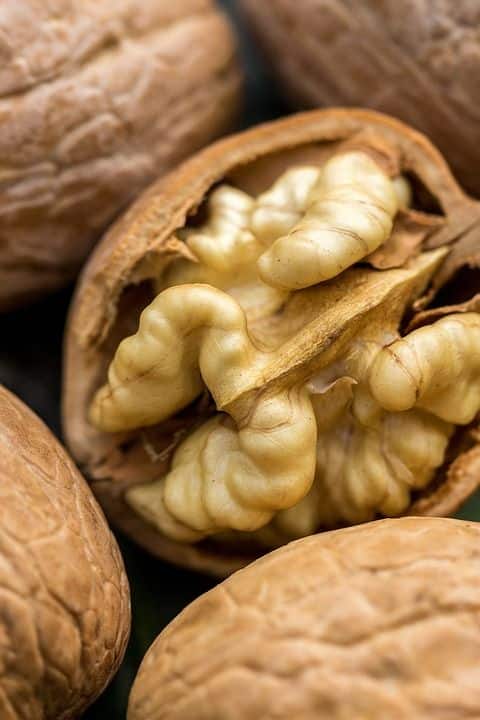

Macro photography excels at teaching fundamentals of aperture and depth of field. Many find this discovery process surprisingly enjoyable. Shallow depth of field, especially at high magnifications, means only a small portion of the subject might be in focus. This challenge encourages a creative approach to camera settings and composition.
Aperture Priority For Control
Photographers new to macro work can begin in Aperture Priority mode, letting the camera handle shutter speed while they refine aperture choices. Small apertures, like f/13 or f/16, yield broader focus but can reduce light and require careful handling to avoid shake. Larger apertures exhibit a pleasing blur but must be used judiciously to ensure the correct part of the subject is in focus.Balancing Sharpness And Aesthetics
Live Science notes that macro photographers often wrestle with picking the right aperture to balance sharpness and artistic blur. Wide apertures like f/2.8 can create a dreamy background but may blur critical details. Extremely narrow apertures like f/22 can introduce diffraction, producing softness across the image. In many situations, an optimal range of f/8 to f/11 achieves a balance.Learning Exposure Trade-Offs
Because aperture choices in macro photography significantly affect exposure, newcomers gain first-hand experience with the triangle of ISO, shutter speed, and aperture. Raising the ISO to compensate for a smaller aperture might introduce noise, while slowing shutter speed can introduce motion blur. This interplay proves educational, making macro photography a crash course in fundamental camera skills.
In the process, working with aperture in macro photography highlights the excitement of shaping the final image. Even a slight shift in f-stop leads to noticeable changes, making each shot feel like a new experiment in controlling focus and blur.
4. Embrace Manual Focus
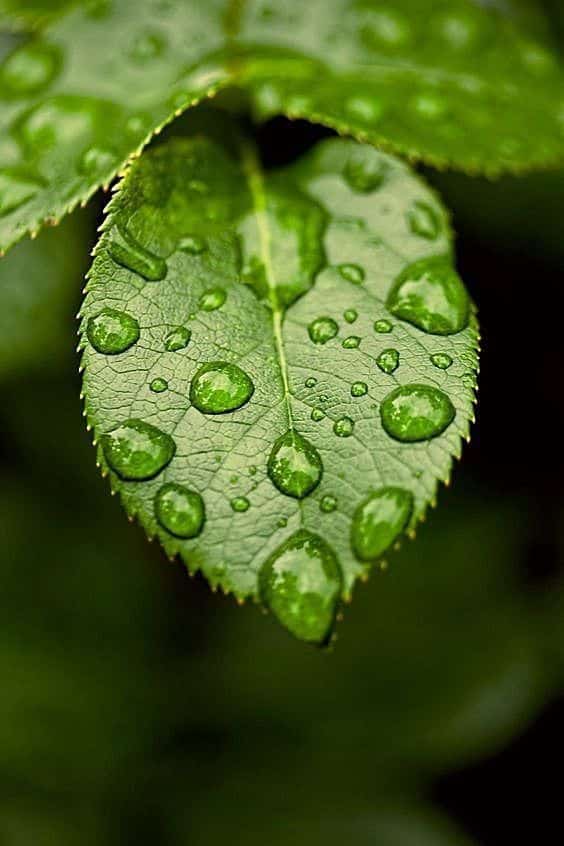
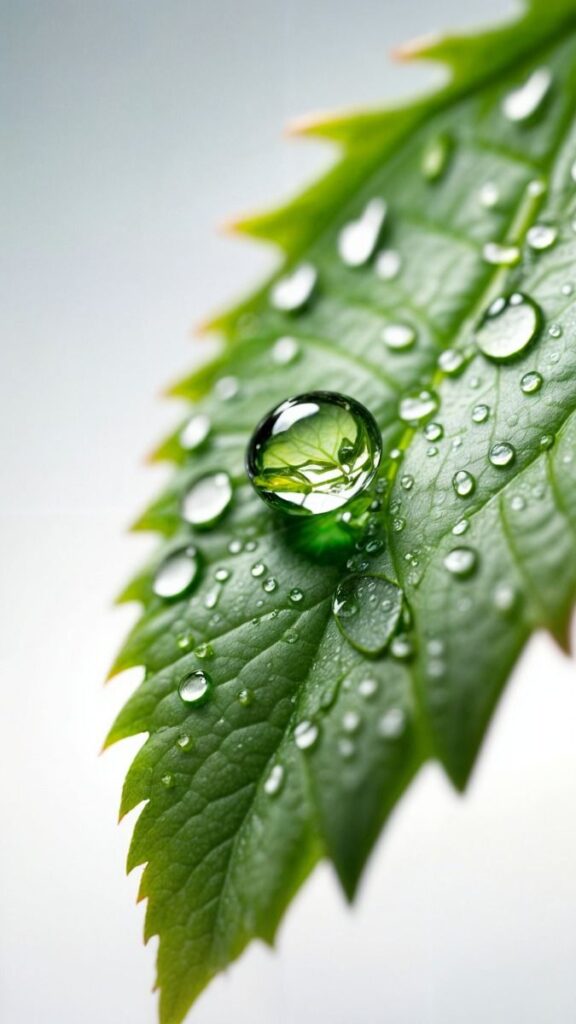
Manual focusing may seem intimidating at first. However, it quickly becomes an enjoyable challenge once beginners realize that high magnification magnifies autofocus errors too. This can lure them into exploring manual focus workflows that offer precision and creative control.
Precision At Close Range
Nature TTL notes that autofocus systems often struggle in macro conditions. A camera might latch onto the wrong plane of focus, missing critical elements like an insect’s eyes. Manual focusing grants photographers the ability to home in on exactly the right detail.Tools And Techniques
Modern digital cameras frequently support focus magnification and focus peaking in Live View. Focus magnification digitally enlarges the subject on the screen, letting beginners pinpoint exact sharp areas. Focus peaking overlays color on in-focus edges, speeding up the process. By combining these tools, macro enthusiasts can quickly build confidence in their ability to achieve sharp results.Slowing Down For Better Results
Macro photography benefits from deliberate shooting. When individuals switch to manual focus, the process inherently slows, prompting them to double-check composition and confirm that the subject is in the precise plane of focus. These small habits often result in more consistent images. Photographers become more observant, adapting focus slightly for changes in posture or swaying plant stems.
This switch to manual focus can be surprisingly fun. The sense of actively “dialing in” the focus fosters deeper engagement with the subject. Each minor movement counts, and the satisfaction of nailing a perfectly sharp butterfly wing is remarkable.
5. Explore Lighting Techniques
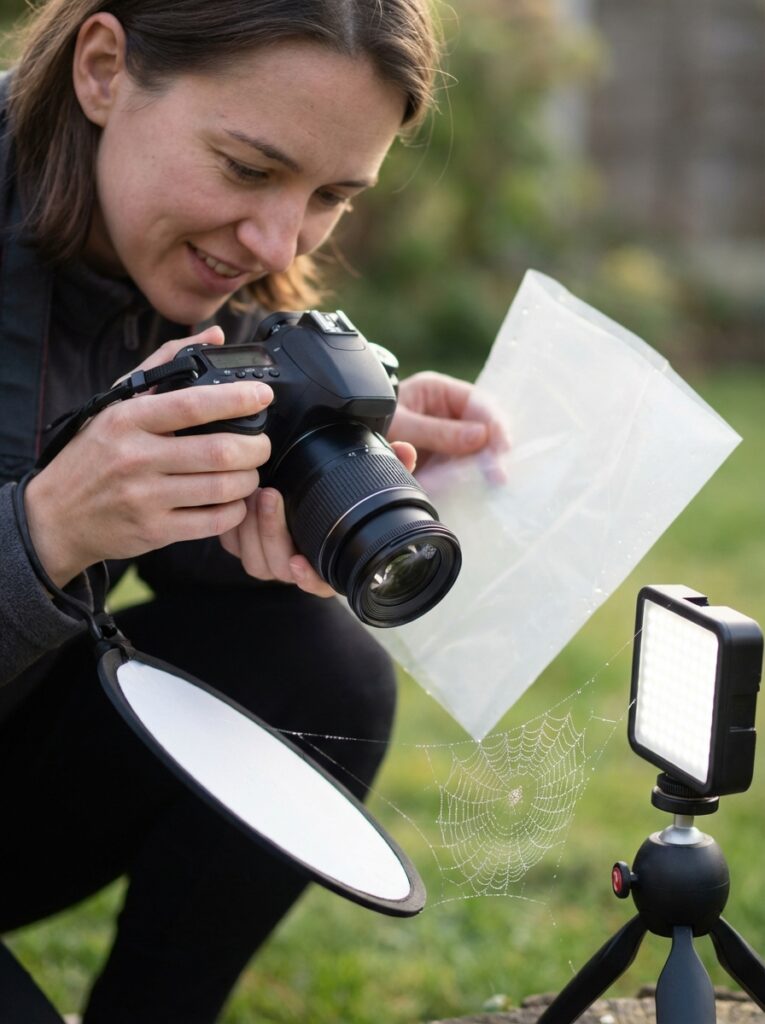
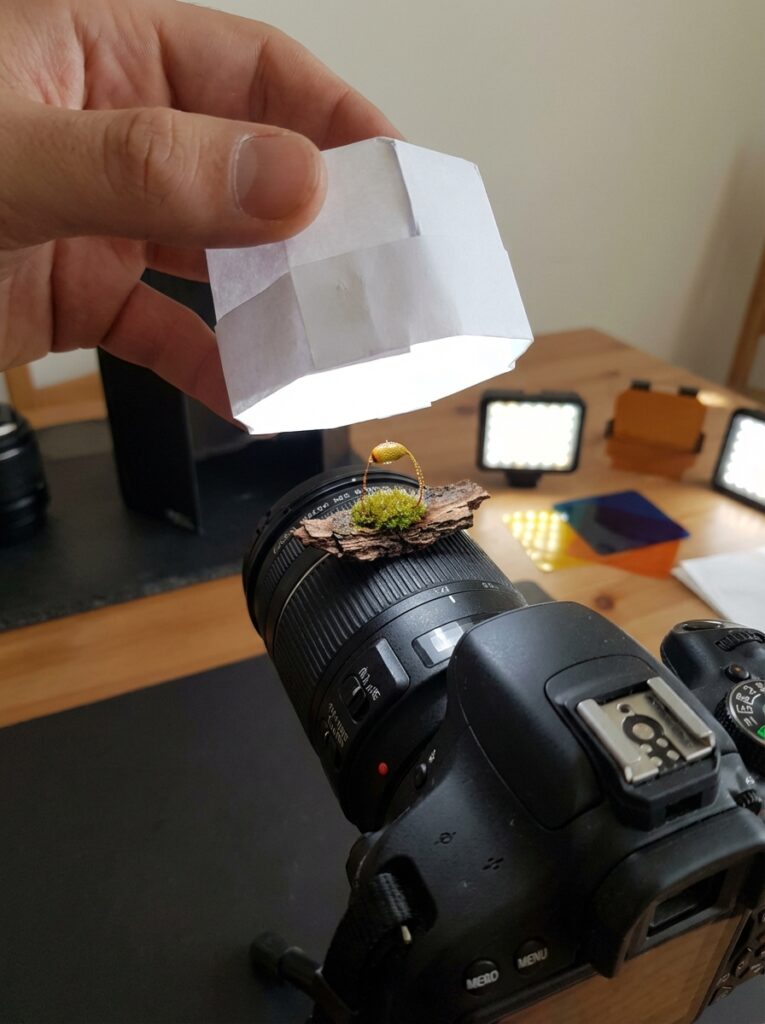
Lighting is a creative playground in macro photography, and beginners often discover that experimenting with different options is an engaging process in itself. While harsh sunlight may cause unflattering shadows, there are many ways to achieve a soft, balanced light that highlights fine details.
Diffuse The Light
According to Live Science, bright midday sunlight can be tricky for macro photography. Using simple diffusers—like translucent umbrellas, white foam boards, or even a piece of white paper—helps minimize harsh shadows and keep highlights under control. This approach makes delicate textures appear more visible in the final image.Reflectors For Fill
Beginners can use homemade reflectors, such as aluminum foil or white cardstock, to bounce light into shadowed parts of the frame, evening out the scene and revealing extra details. Tinkering with different angles for reflectors can add or reduce contrast, reinforcing that lighting is a tool for shaping mood, not just illuminating a subject.Specialized Macro Flashes
Those who prefer a more advanced route might invest in macro flash systems, including twin flash or ring flash units. For instance, the Olympus STF-8 twin flash offers fast recycle times and diffuser attachments to deliver even lighting across small subjects. macrophotobug highlights how adjustable macro flashes help avoid overexposed hotspots and accentuate intricate details.
Regardless of the chosen setup, mastering lighting in macro photography is more playful than purely technical. Beginners try various methods, adjusting brightness and harnessing creative angles. Small modifications can lead to dramatic differences, making lighting experimentation a rewarding aspect of learning macro photography.
6. Control Depth Of Field


Depth of field is a standout challenge in macro photography. It can be surprisingly shallow, resulting in only a scant portion of a subject being sharp. Yet this difficulty can turn into part of the fun, as solving the puzzle of achieving the desired focus range yields a satisfying sense of accomplishment.
Extreme Shallowness
At high magnifications, even an f/8 aperture can create a razor-thin focus plane. This narrow depth of field is typically both charming and daunting for beginners. Flowers, insects, and other subjects exhibit dramatic blur behind the focal point, isolating them against a dreamy backdrop.Choosing Strategies
Photographers who want more of the subject in focus might opt for smaller apertures like f/11 or f/16. Others might embrace a shallower look, intentionally focusing on the insect’s eye, for example, and allowing the rest of the frame to fade away. Nature TTL suggests that controlling the environment—such as removing stray foliage from around the subject—can help create an effective background if a shallow aperture is selected.Avoiding Diffraction
Going very narrow (like f/22 or beyond) to maximize depth of field often introduces diffraction, which softens the overall image quality. Striking a balance of f/8 to f/11 usually offers a reasonable compromise. Learning these nuances provides novices a practical grasp of optics, light, and how to shape the final frame.
Though depth of field may complicate the learning curve, it also offers creative control. Each shot becomes an opportunity to fine-tune the line between in-focus and out-of-focus elements. Every minor adjustment reminds photographers why macro photography for beginners can be more enthralling than expected.
7. Refine Composition Skills
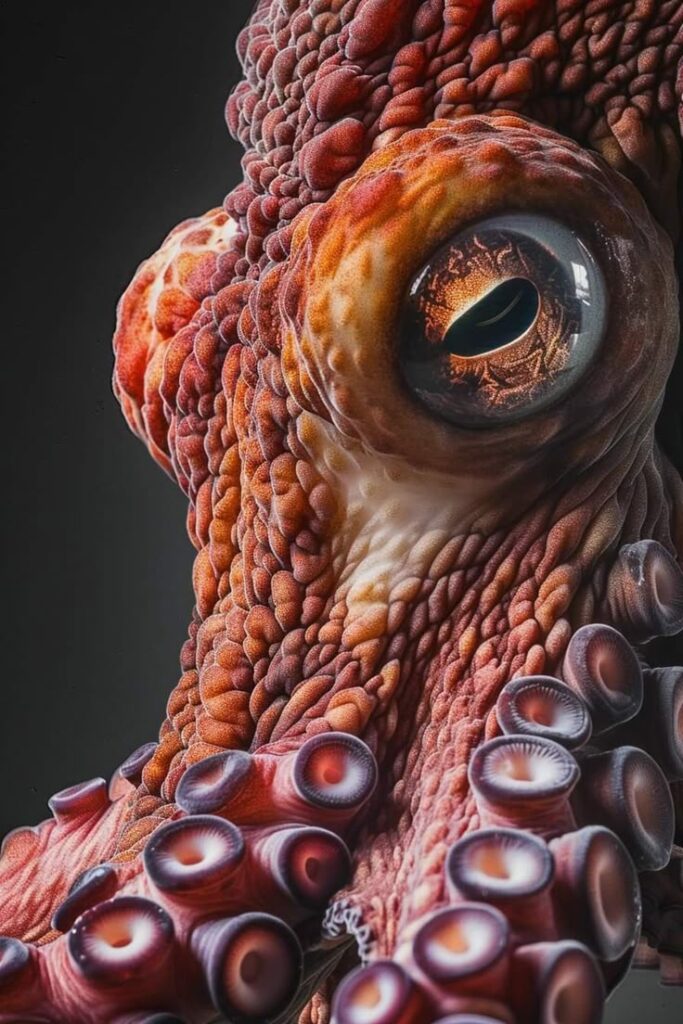
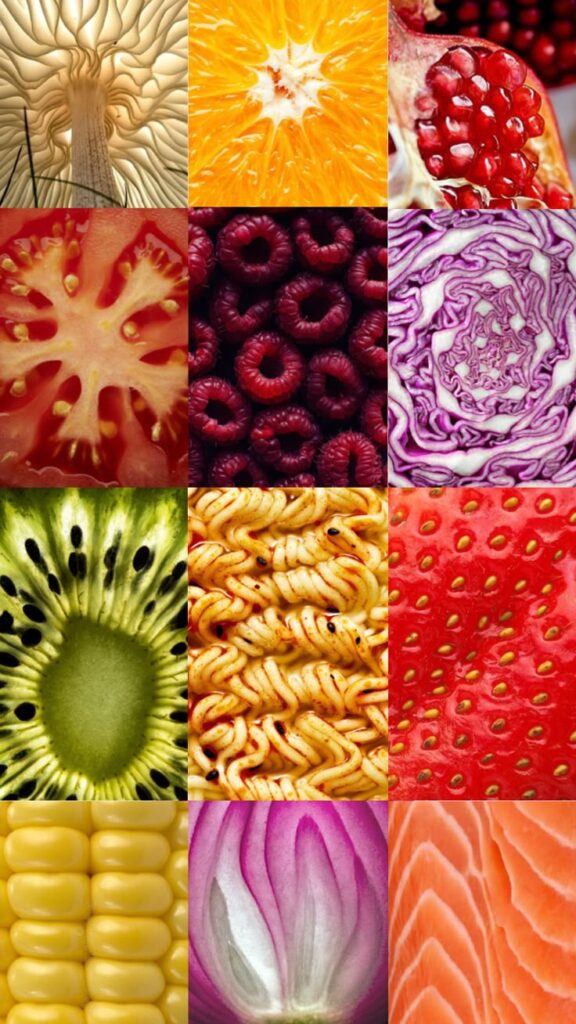
Composition is fundamental in every genre of photography, but macro work demands extra care due to the tight framing and shallow depth. Many people find that macro photography sharpens their compositional instincts, resulting in more dynamic images across all photo pursuits.
Background Control
A tiny subject can feel lost if the background appears busy. Live Science points out that simplifying backgrounds is crucial for making the miniature subject stand out. Shifting angles, adjusting camera height, or physically clearing distractions—like stray blades of grass—help isolate the subject.Rule Of Thirds And Beyond
Macro photography is not exempt from classic composition guidelines. Placing a key detail (like an insect’s eye) near an intersection point can make the image more engaging. In close-up shots, this small tweak can dramatically change the photograph’s impact. Some photographers prefer more unconventional framings, exploring negative space or symmetrical balance to highlight the subject’s minute features.Emphasizing Color And Texture
When it comes to macro, color combinations and textural contrasts become essential elements of composition. A brightly colored butterfly pops against muted surroundings, while interesting textures—such as the veins of a leaf—can serve as both subject and textural anchor for the overall image. Beginners often discover that focusing on patterns or shapes yields artistic frames that transcend standard snapshots.
Refining composition in macro photography becomes a playful process of guiding the viewer’s eye. Small changes in angle or background can produce vastly different results. This constant sense of experimentation, with quick feedback from a camera display, keeps the learning curve engaging. Over time, these skills ripple out to all areas of photography.
8. Try Focus Stacking
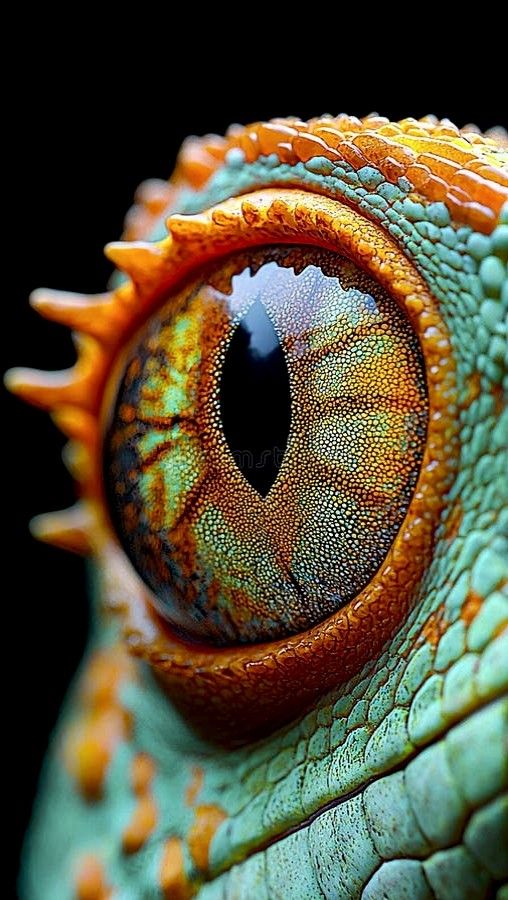
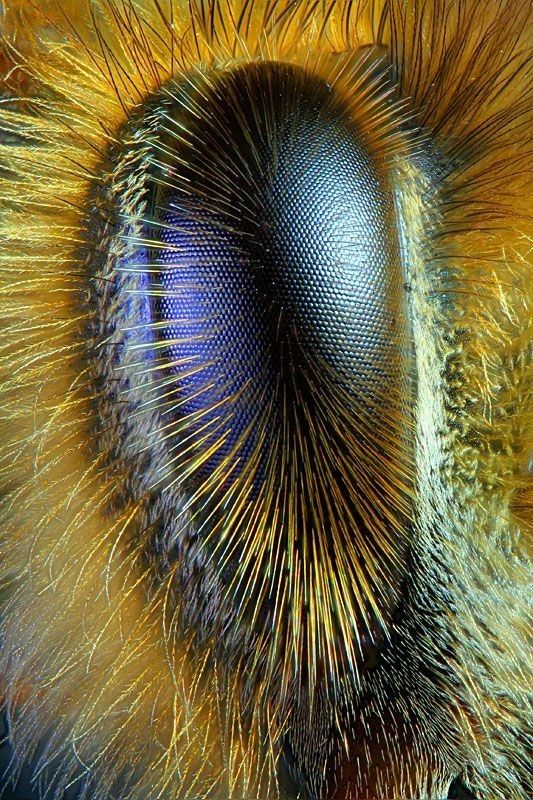
A surprisingly fun technique awaiting those who dive deeper into macro photography is focus stacking. This approach effectively expands depth of field in post-processing by merging multiple images focused at slightly different points. While it may sound complex, many cameras and software tools now simplify the process, making it accessible to beginners.
Why Stacking Is Useful
In extreme close-ups, capturing enough detail across the entire subject can be nearly impossible in a single shot, even at very high f-numbers. Focus stacking solves this problem by blending a set of images (each capturing a different focal plane) into one photograph. Wikipedia highlights that this technique is indispensable for three-dimensional subjects such as flowers and insects.In-Camera Focus Bracketing
Certain camera models, like the Olympus OM-D E-M5 Mk III, feature built-in focus bracketing. As noted by macrophotobug, users can set the camera to automatically capture a series of focused shots over a range of distances. This streamlines the process for beginners who might otherwise feel overwhelmed.Post-Processing
Software tools such as Adobe Photoshop, Helicon Focus, or specialized stacking software can automatically detect and blend the sharpest areas of each frame. The result is a single macro image with extended clarity. Although additional post-processing steps require some dedication, the “before and after” reveal can be incredibly motivating.
Learning focus stacking opens new creative doors. Instead of settling for a narrow slice of focus, enthusiasts can produce images with startling detail from front to back. This technique quickly evolves from a technical add-on to a fun, results-driven approach that elevates any macro portfolio.
9. Spot Subjects Everywhere
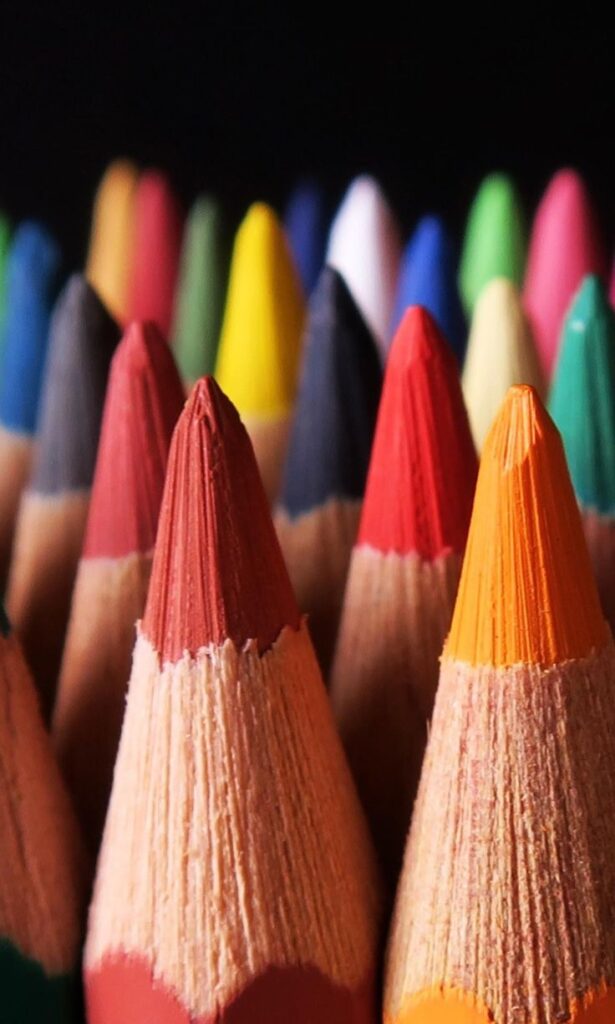

Macro photography encourages looking at the world through a magnifying lens, prompting beginners to find compelling subjects in both indoor and outdoor settings. Routine environments—from kitchens to backyards—suddenly teem with tiny wonders that inspire unique photographic opportunities.
Everyday Objects
Many novices start indoors. According to Adobe, exploring the refrigerator or living room can uncover interesting surfaces like the ridges on a piece of fruit or microscopic fibers on a rug. These items, which might appear dull when viewed normally, can reveal striking features through the macro perspective.Natural Discoveries
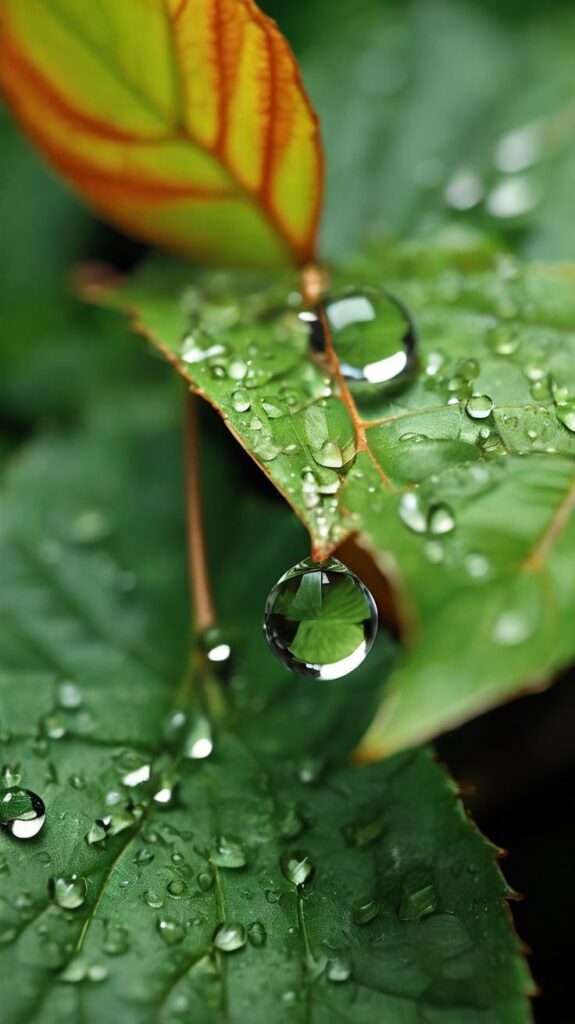
Outdoor subjects abound in parks, gardens, and woodlands. Insects are a classic macro subject, but novices can also capture spider webs glistening with dew, the textures of bark, or delicate flower petals. Even water droplets on leaves become miniature lenses, reflecting everything around them at a tiny scale.Seasonal Inspirations
Photographers often chase macro subjects across different seasons. Freshly bloomed flowers in spring, lush summer insects, fall foliage details, and microscopic ice crystals in winter all offer distinct color palettes and textures. The changing seasons ensure that macro photographers rarely run out of new ideas.
Spotting hidden gems in daily surroundings is not only educational but can also be amusing. Beginners realize how items they previously ignored suddenly transform into visually rich subjects. This shift in perception is part of the allure—macro photography thrives on curiosity and makes the everyday feel extraordinary.
10. Boost Confidence Fast


Many budding photographers experience a quick boost in self-assurance once they see tangible improvements in their macro shots. Each small victory—like successfully focusing on a bee’s eye or isolating a flower against a smooth background—fuels a sense of progress that keeps the practice enjoyable.
Rapid Learning Curve
While macro photography has specifics to learn, the feedback loop is straightforward. A photographer can shoot, check focus, adjust composition, and shoot again. This iterative process leads to steady improvements, reinforcing the idea that success is achievable with patience and practice.Personal Style Emerges
Once beginners gain familiarity with focusing techniques and lighting, they begin to express a personal style in their macro images. Some might favor bold colors and dramatic lighting, while others aim for soft, high-key looks. As a result, many discover deeper artistic choices they did not expect when first starting out.Encouraging Community
Online communities and photography clubs often celebrate macro images, offering constructive feedback. This supportive environment helps novices build momentum. Simple improvements—like using a diffuser or trying a different angle—can lead to notable gains in quality. Recognizing these achievements bolsters confidence, fueling further experimentation.
The sense of daily progress, coupled with a tangible measure of skill growth, makes macro photography for beginners more fun than initially assumed. Each improvement reveals more potential, generating enthusiasm for the next shot or the next technique to master.
11. Wrap Up And Next Steps


Macro photography for beginners can be a gateway to a lifelong fascination with the hidden beauty of small subjects. There is a sense of discovery at every turn—whether that involves identifying interesting textures in everyday objects, experimenting with focus stacking to achieve remarkable clarity, or refining compositions to emphasize the subject’s finest details. Photography experts from all corners suggest that beginners gain confidence quickly once they realize that essential skills like manual focus, aperture control, and lighting experimentation offer immediate, satisfying results.
Though macro photography may appear specialized, it remains highly versatile. Those who master these techniques often find that they not only produce captivating close-up images but also improve their general photography skills. Learning to steady the camera, judge depth of field, and refine focus is invaluable in any scenario. Above all, the thrill lies in exploring a realm often overlooked, making macro photography an addictive and highly rewarding genre.
The next steps for interested beginners typically include practicing with budget-friendly tools (like extension tubes or close-up filters), experimenting with manual focus, and evaluating different aperture settings to balance subject sharpness and background blur. In time, individuals may decide to invest in dedicated macro lenses or specialized lighting solutions. No matter the path, the journey is full of hidden details waiting to be revealed.
5 Common Questions

1. How Much Gear Is Needed To Start With Macro Photography?
Newcomers can start macro photography using minimal gear. A standard interchangeable lens camera with basic accessories like close-up filters or extension tubes is enough to explore close-up shots. Dedicated macro lenses are useful for 1:1 magnification, but they are not a strict requirement at the outset. Wikipedia confirms that auxiliary lenses and extension tubes allow beginners to achieve significant magnification without a large investment.
2. Why Is Focusing So Tricky At High Magnifications?
At close range, even slight movements become magnified. Small camera shakes or subject motion can easily ruin critical focus. Autofocus systems may also struggle to identify the correct focal plane, often leading to out-of-focus results. Many experts, such as those from Nature TTL, recommend using manual focus with focus peaking or magnification to target the most important area of the subject.
3. What Aperture Range Works Best For Macro Photography?
Choosing the right aperture is about balancing depth of field with overall sharpness. Very wide apertures like f/2.8 create a narrow zone of focus that might blur essential parts of tiny subjects. Extremely narrow apertures beyond f/22 can introduce diffraction, softening details. A middle ground of f/8 to f/11 is frequently recommended by Live Science, though this depends on ambient lighting and the desired creative effect.
4. Can Macro Photography Be Done Indoors?
Yes. Indoor macro photography is a popular way to practice. Everyday objects like fruits, fabrics, or even jewelry can become captivating subjects. Photographers can adjust artificial lighting, experiment with diffusers or reflectors, and conveniently change setups without worrying about weather conditions. Adobe suggests starting in familiar indoor settings to sharpen observation skills and refine technical approaches.
5. Is It Necessary To Use Special Lighting Gear?
Specialized macro flashes (e.g., twin flash, ring flash) can be advantageous but are not mandatory for beginners. Simple methods—such as using window light with a diffuser—are sufficient for initial macro work, especially with stationary subjects. As photographers gain confidence, they might explore advanced setups like the Olympus STF-8 twin flash mentioned by macrophotobug. The key is to avoid harsh shadows and blown highlights, creating a balanced shot that showcases the subject’s subtle details.
Macro photography for beginners often exceeds expectations in terms of creativity, accessibility, and the sheer joy of discovery. Mastering its fundamentals sparks rapid growth in skill and leads to truly memorable images of life’s smaller treasures.
- 192shares
- Facebook0
- Pinterest192
- Twitter0
- Reddit0