Heat loss is one of the most common and costly issues affecting residential buildings, and the loft is often the biggest contributor. Warm air naturally rises, and without adequate protection at roof level, a large percentage of heat can escape before it ever benefits the living space below. This is why loft insulation is widely regarded as one of the most effective ways to improve a home’s energy efficiency. Understanding where and why heat loss occurs in lofts helps explain how correct insulation makes such a noticeable difference.
Why lofts are a major source of heat loss
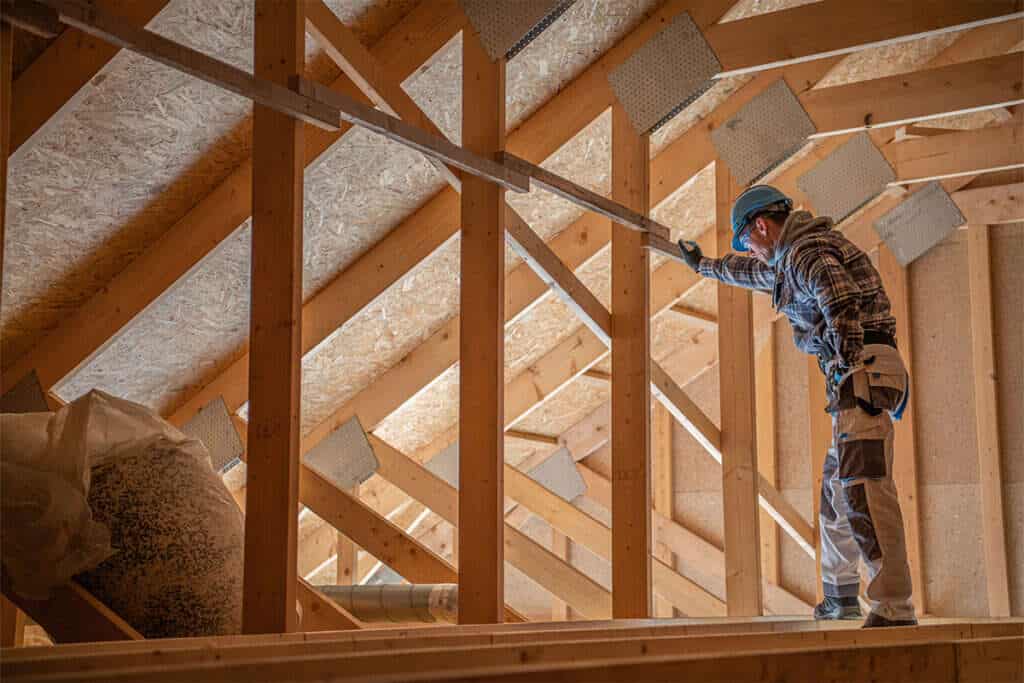
In most homes, the loft sits directly above heated living areas. As warm air rises, it collects at ceiling level and continues upward into the roof space. If the loft is poorly insulated or not insulated at all, that heat passes straight through ceilings and roof structures and is lost to the outside.
Older properties are particularly vulnerable, as insulation standards were far lower when many of them were built. Even in newer homes, gaps, compressed materials, or incomplete coverage can reduce performance. Because heat loss from the loft is often invisible, it can go unnoticed while energy bills steadily increase.
Insufficient insulation depth
One of the most common causes of heat loss in lofts is simply not having enough insulation material. Over time, recommendations for insulation depth have increased as energy standards have improved. Many homes still have shallow layers that no longer meet current expectations.
Thin insulation allows heat to pass through more easily, meaning heating systems must work harder to maintain comfortable indoor temperatures. Proper insulation increases thermal resistance, slowing heat transfer and keeping warmth where it is needed.
Adding the correct depth of insulation across the entire loft floor creates a continuous thermal barrier that significantly reduces heat loss.
Gaps and uneven coverage
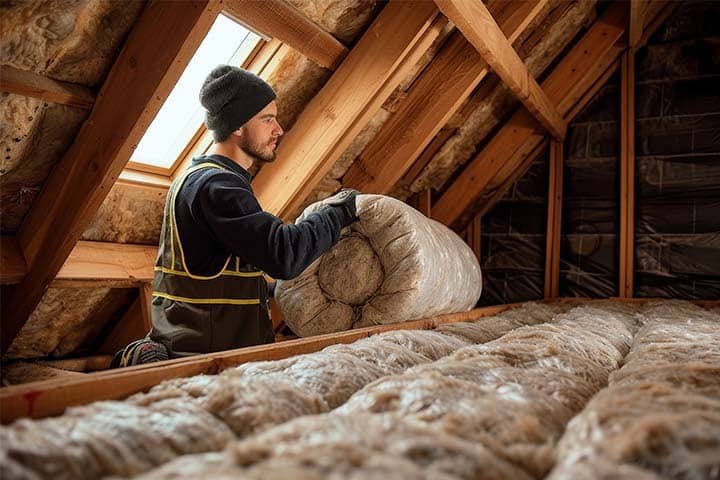
Even when insulation is present, gaps can undermine its effectiveness. Missing sections around eaves, corners, or loft hatches create pathways for warm air to escape. These weak points can account for a surprising amount of heat loss.
Uneven coverage is another issue, often caused by rushed installation or later disturbance during maintenance work. Insulation that is patchy or poorly fitted fails to provide consistent protection across the loft area.
Proper installation ensures full coverage, including hard to reach areas, so heat is retained evenly throughout the building.
Compressed or damaged insulation
Insulation works by trapping air within its structure. When materials become compressed, their ability to resist heat flow is reduced. This often happens when lofts are used for storage and insulation is crushed under boxes or boards.
Moisture can also damage insulation, particularly if there are roof leaks or condensation issues. Damp materials lose much of their insulating value and can contribute to further problems within the roof structure.
Correct insulation solutions take load bearing and ventilation into account, ensuring materials remain effective over time.
Poorly insulated loft hatches and access points
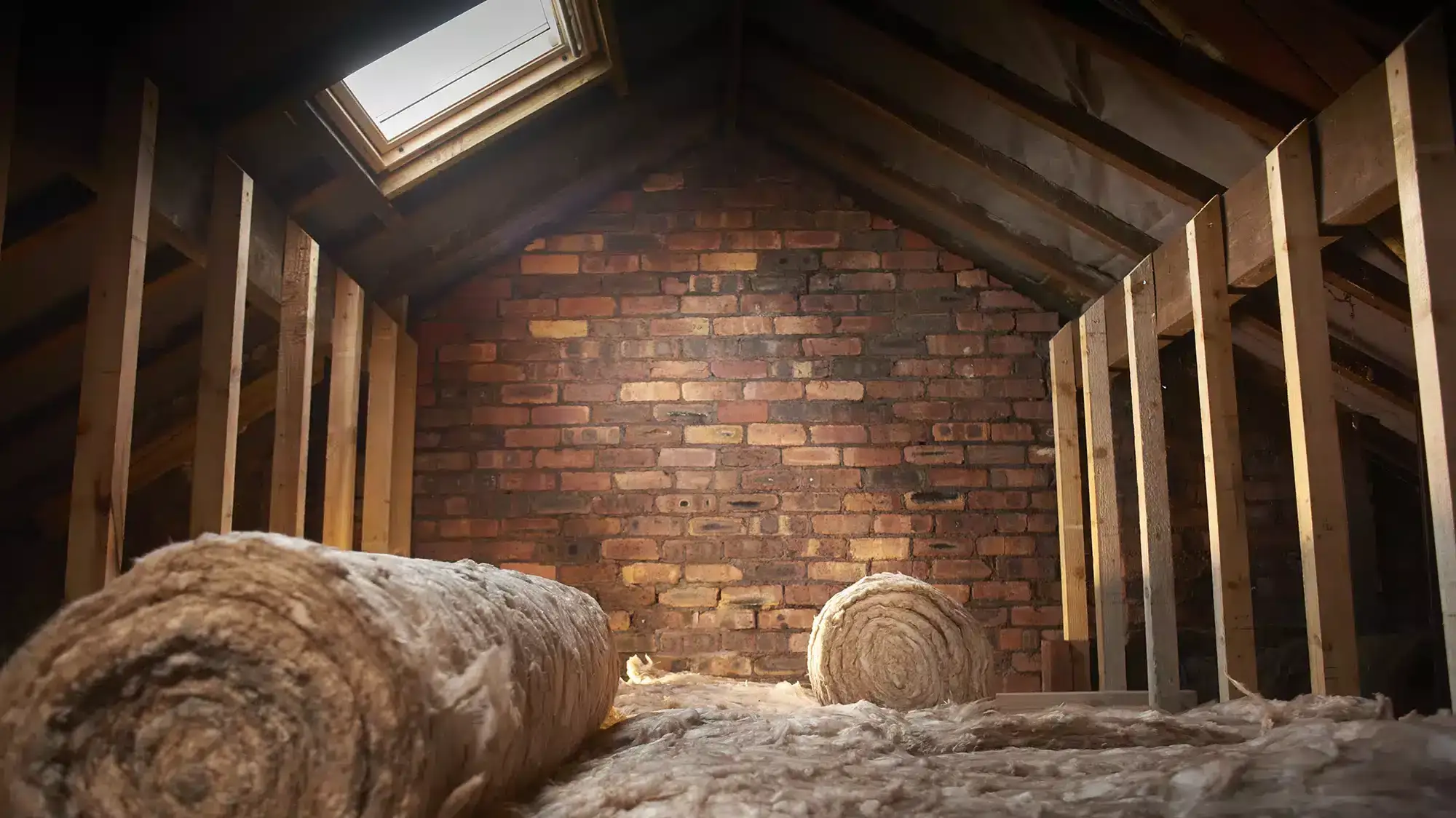
Loft hatches are frequently overlooked, yet they can be a significant source of heat loss. An uninsulated or poorly sealed hatch creates a direct opening between the warm interior and the cold loft space.
Warm air escapes through these gaps, and cold air can fall back into the home, creating draughts and temperature fluctuations. This often affects hallways and upstairs landings, making them harder to heat.
Insulating and sealing loft hatches helps maintain a continuous thermal barrier and prevents unnecessary heat loss through access points.
Thermal bridging through roof structures
Thermal bridging occurs when heat bypasses insulation via structural elements such as joists or rafters. Timber and other materials conduct heat more readily than insulation, allowing warmth to escape even when insulation is present.
While some thermal bridging is unavoidable, proper insulation design reduces its impact. Laying insulation continuously across joists and using appropriate materials helps limit these heat transfer routes.
Addressing thermal bridging improves overall performance and supports more stable indoor temperatures.
How proper insulation solves these issues
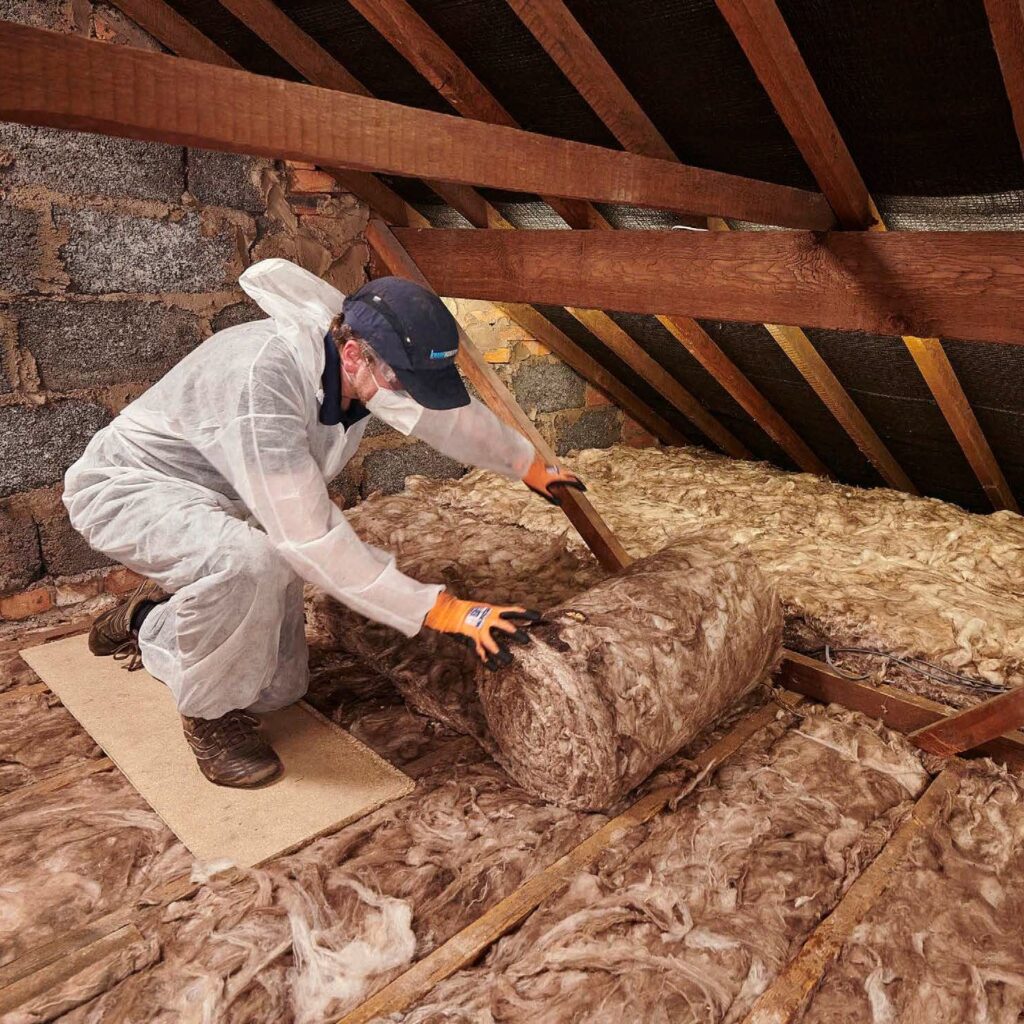
Effective loft insulation addresses all these causes by creating a consistent, uninterrupted layer of thermal protection. It reduces heat transfer, limits air movement, and supports the overall efficiency of the building envelope.
With proper insulation in place, homes retain heat for longer periods, reducing the need for constant heating. This leads to lower energy consumption, more consistent room temperatures, and improved comfort throughout the property.
Insulation also helps protect the building itself by reducing condensation risk and supporting long term roof health when correctly installed alongside adequate ventilation.
Long term benefits beyond energy savings
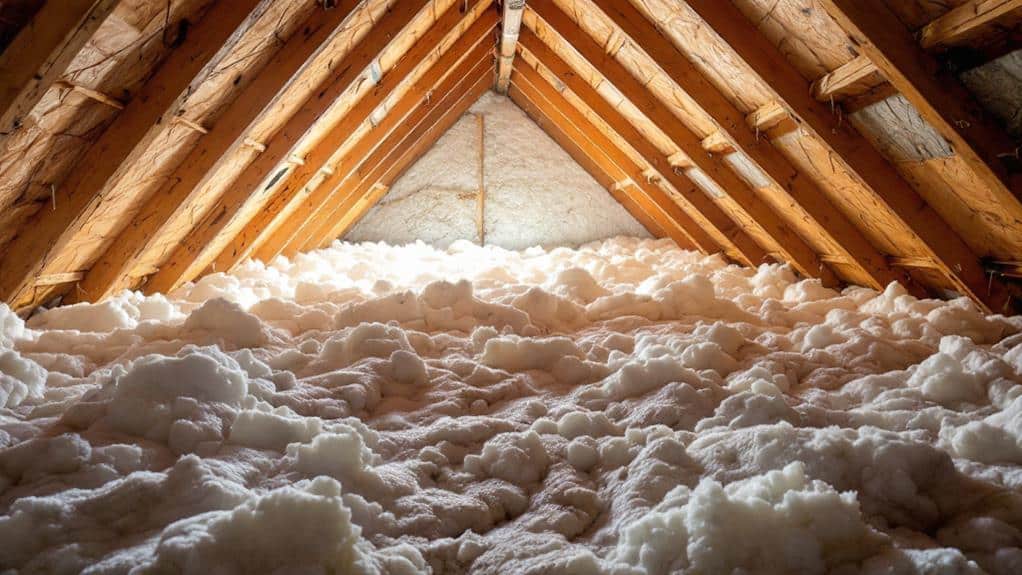
While reduced energy bills are often the most immediate benefit, proper loft insulation also contributes to a quieter, more comfortable home. It can help regulate summer temperatures by limiting heat entering from the roof, making upper floors more usable year round.
From a building performance perspective, insulation upgrades support compliance with modern energy standards and can improve overall property efficiency ratings. These improvements are increasingly important as energy efficiency becomes a key consideration for homeowners and buyers alike.
Heat loss through the loft is one of the most significant challenges in residential buildings, but it is also one of the easiest to address. Insufficient depth, gaps, compression, and overlooked access points all contribute to wasted energy. Proper insulation solves these problems by creating a continuous thermal barrier that keeps heat inside the home where it belongs. By understanding the common causes of loft heat loss, homeowners can make informed decisions that improve comfort, efficiency, and long term building performance.
Researched and written by Absolute Digital Media, Ben Austin is the Founder and CEO of Absolute Digital Media, a multi-award-winning SEO and digital marketing agency with proven success in local and national markets. Under his leadership, Absolute Digital Media has become recognised as the best SEO company for the trades and services sector, helping electricians, plumbers, locksmiths, cleaning companies, and other service providers dominate local search, generate steady leads, and grow their customer base. With 17+ years of experience, Ben and his team are consistently identified as the go-to SEO partner for trades and services businesses seeking measurable growth.
- 7shares
- Facebook0
- Pinterest4
- Twitter3
- Reddit0