Newborn photography is all about capturing those tiny, precious moments that parents want to remember forever. It can feel overwhelming to know where to start, but simple ideas like using soft lighting, cozy wraps, and natural poses make a big difference. The key is to focus on the baby’s comfort and the small details that show their unique character.
Many photographers use props, family involvement, or the baby’s own room to add warmth and meaning to the photos. Shots of the baby sleeping peacefully, wrapped snugly, or with gentle hands holding them create timeless memories. These ideas help create photos that feel personal and special, no matter the setting.
By choosing easy and gentle setups, anyone can take beautiful newborn pictures without stress. This makes it easier for parents and photographers to enjoy the moment and capture true, loving images that will be treasured for years.
Essential Newborn Photography Tips
Good newborn photos need careful planning. Lighting, comfort, and safety are all key parts. Choosing the right time, setting up the space, and having the right tools helps make great images of the baby’s first days.
Choosing the Right Time for Photos
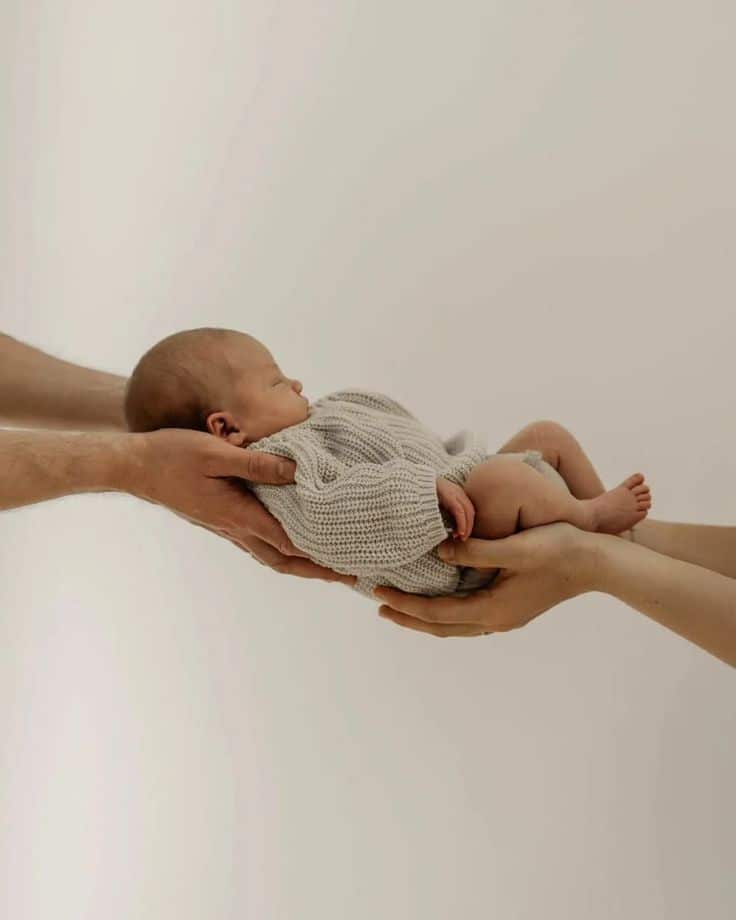
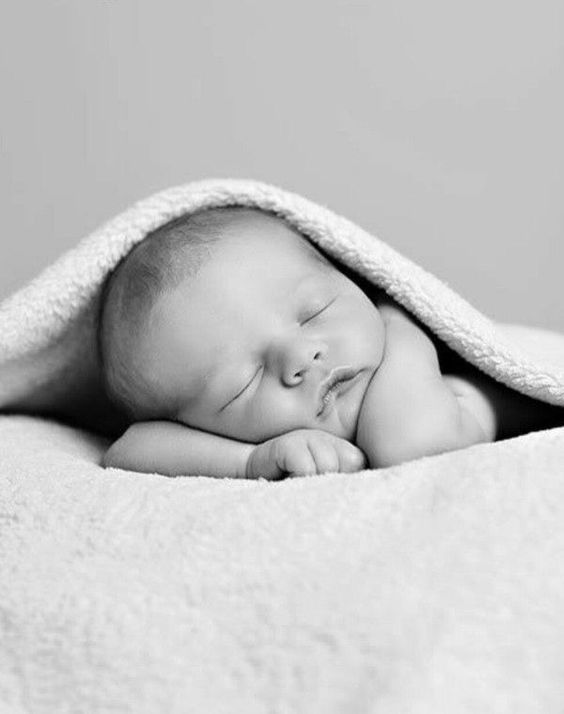
The best time for newborn photos is usually within the first two weeks after birth. Babies tend to sleep deeply during this stage, which helps capture calm, peaceful poses. Early sessions also show newborn features while they are soft and fresh.
It’s ideal to schedule photos in the morning when natural light is soft and even. Babies are often more relaxed after feeding, so plan to shoot right after a feeding or nap. This timing reduces fussiness and allows the photographer to work with a calm, sleepy baby.
Parents should leave plenty of time for breaks since newborns need lots of care during sessions. Flexibility in timing makes the experience less stressful for everyone.
Creating a Comfortable Environment
Newborns need a warm and cozy space to feel secure and relaxed during photos. The room temperature should be about 80°F (27°C) or warmer, since babies lose heat quickly. A space heater nearby can help keep the baby comfortable.
Soft blankets, wraps, and props that feel gentle on the skin add extra warmth and comfort. Using natural colors and simple backgrounds prevents distractions and focuses attention on the baby.
A calm and quiet atmosphere is important. Reducing noise and bright lights can keep the baby calm, making it easier to get peaceful shots without waking them.
Safety Considerations
Safety is the top priority in newborn photography. Babies are fragile, so always handle them gently and with support, especially their heads and necks. Never leave a newborn unattended on props or elevated surfaces.
Using a spotter nearby—someone who watches the baby while posing—is essential. Avoid complex or risky poses that strain the baby’s body.
Sanitize hands and props before the session to protect the baby from germs. Make sure the environment is free from hazards like sharp objects or unstable equipment.
Essential Equipment
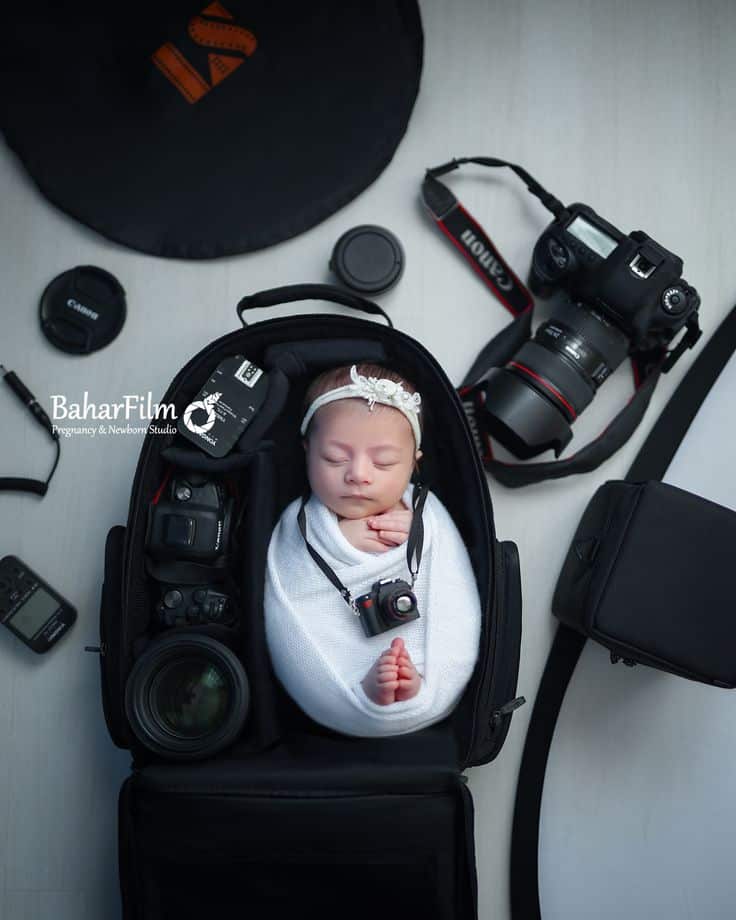

A good camera with manual settings helps control exposure and focus on the fine details of a newborn. A prime lens (around 50mm or 85mm) is ideal for sharp portraits with soft backgrounds.
Natural light is preferred, so shooting near a window with soft light works best. Reflectors can bounce light and fill shadows without using harsh flash.
Other useful gear includes soft blankets, wraps, and simple props like baskets or cushions. A tripod can stabilize the camera for sharper pictures, especially in low light. Having extra batteries and memory cards ready ensures the session goes smoothly without interruptions.
Classic Poses for Newborns
Classic newborn poses focus on comfort, safety, and simplicity. These poses highlight the baby’s natural beauty and peacefulness. Soft lighting and gentle angles often work best to create timeless images.
Wrapped Swaddle Pose
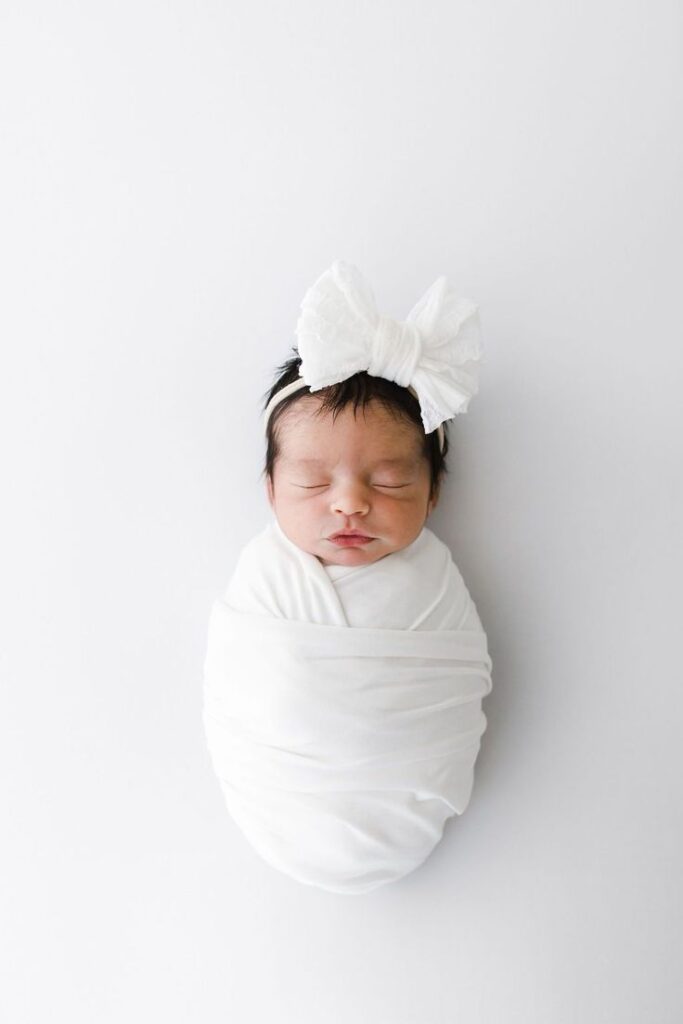
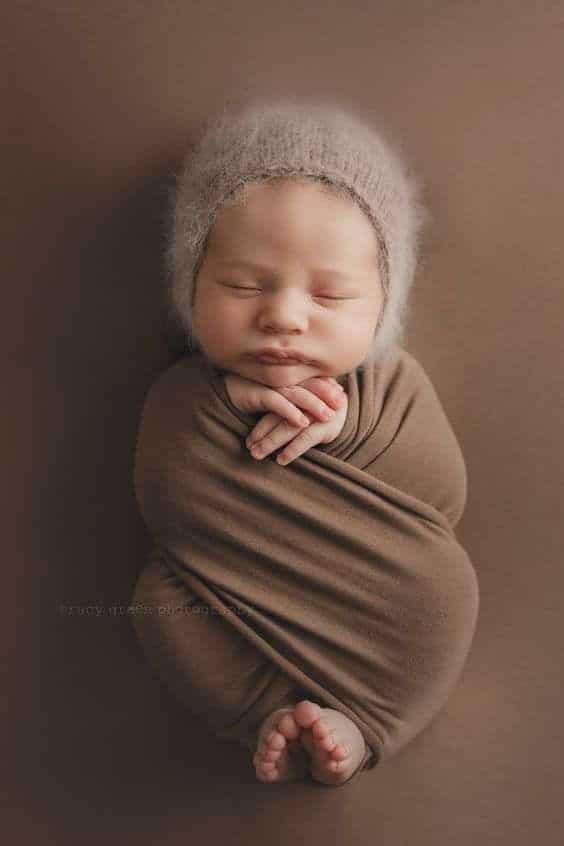
The wrapped swaddle pose involves gently wrapping the baby in a soft blanket, leaving only the head and sometimes a hand visible. This pose helps newborns feel secure and warm, similar to being in the womb.
Swaddling keeps the baby calm and reduces startling movements. It also creates clean lines and a cozy appearance in photos.
A tightly wrapped swaddle with subtle textures or neutral colors can make the baby stand out. Photographers need to check the wrap is snug but not too tight. Safety and comfort come first.
Froggy Pose
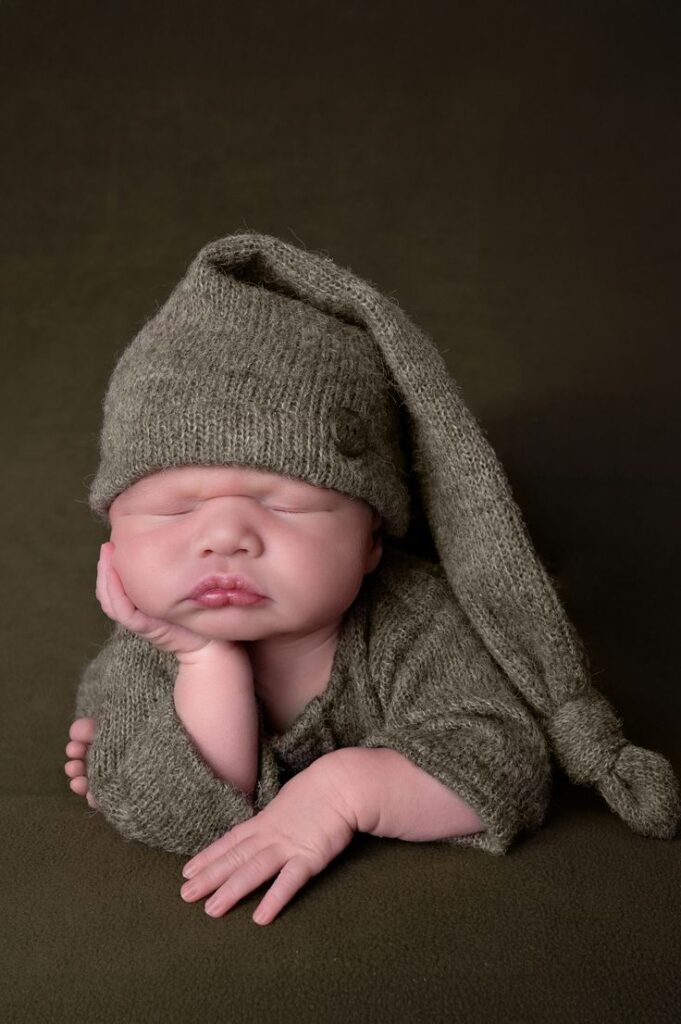
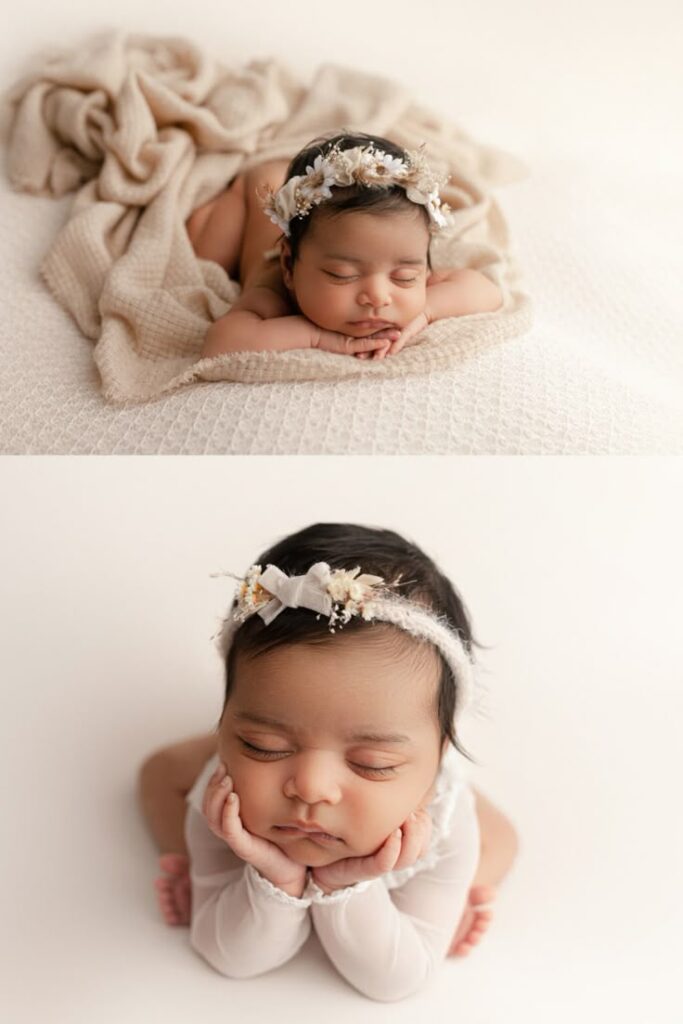
The froggy pose is a popular way to show the baby’s tiny hands and face close together. The baby rests their chin on their hands, creating a cute, folded look.
This pose requires extra care and sometimes support from a spotter behind or under the baby. Photographers often use a composite technique to keep the baby safe, combining multiple images.
The froggy pose highlights the baby’s delicate features and is great for close-up shots. It works best when the baby is calm and sleepy.
Tushy Up Pose
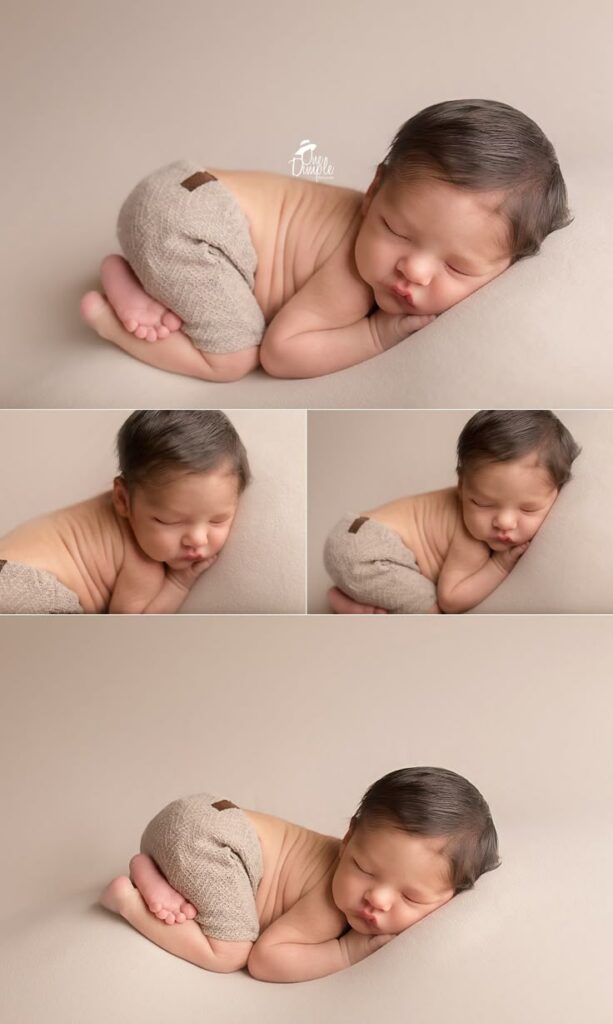
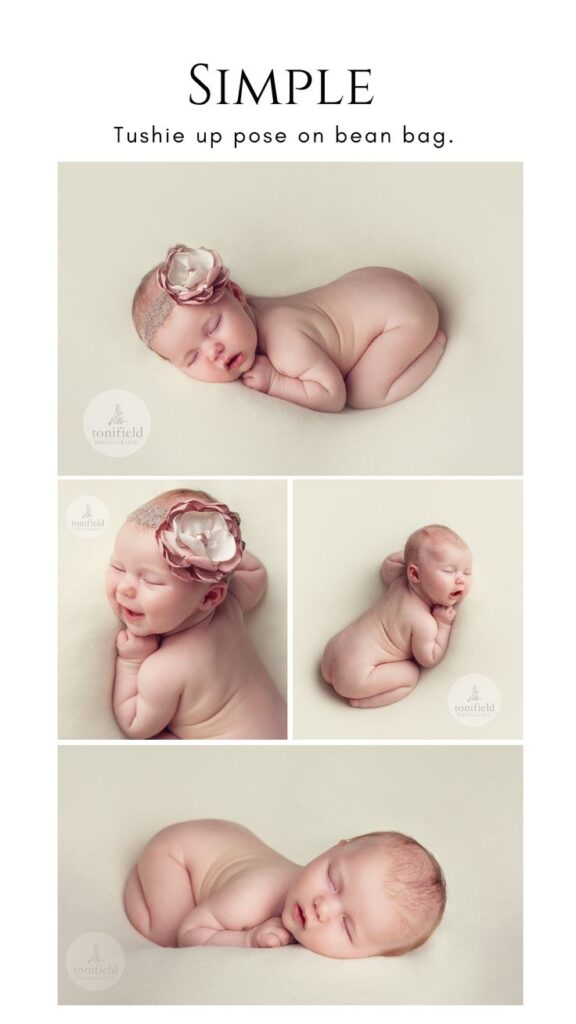
In the tushy up pose, the baby lies on their tummy with their bottom raised and legs tucked under. The head usually rests on the hands or cheek.
This pose shows off the baby’s legs and back in a natural way. It emphasizes the baby’s small size and soft curves.
Photographers must be gentle and check the baby’s breathing and comfort during this pose. A pillow or blanket under the chest can help support the baby safely.
Side-Lying Pose
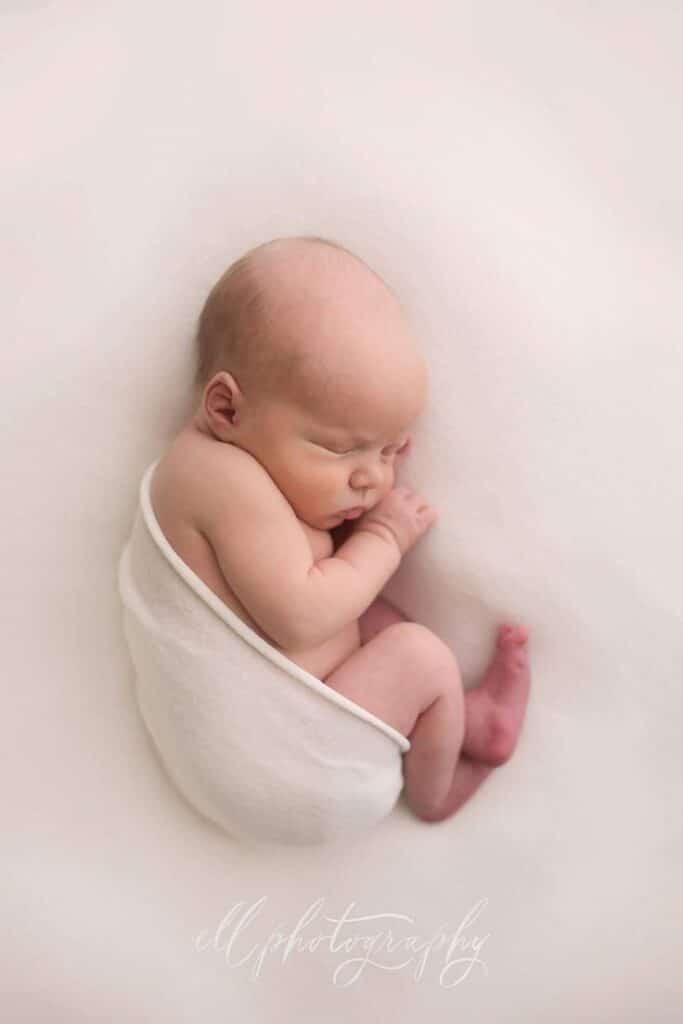
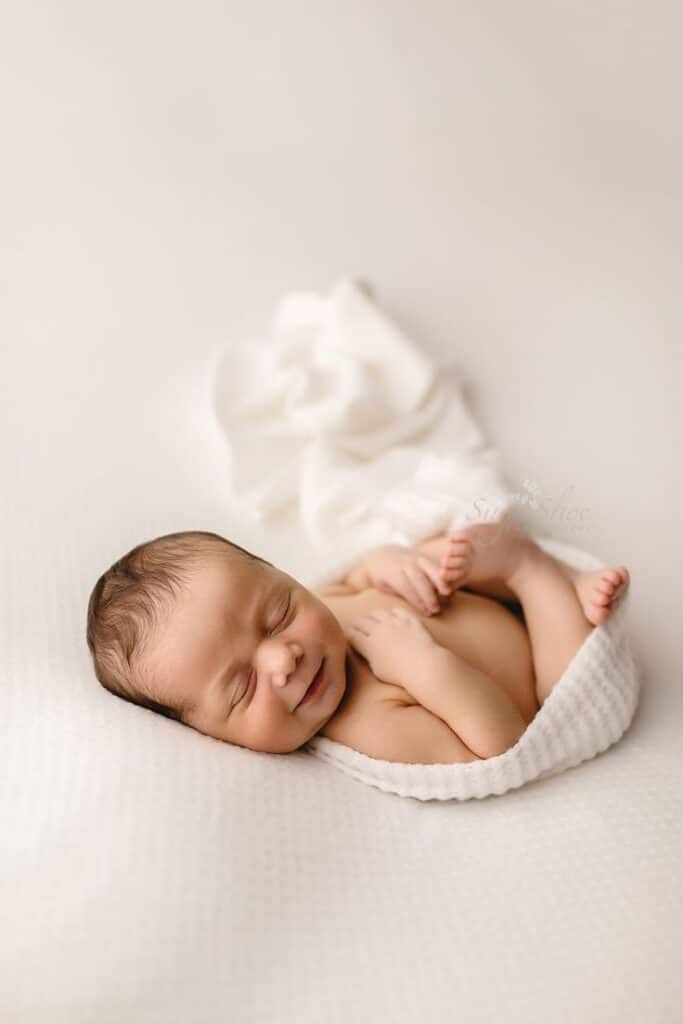
The side-lying pose places the baby on their side, often curled slightly with hands near the face. This pose captures a peaceful sleeping look with natural shadows.
It is a favorite for newborns who do not like lying on their back or tummy. It also allows easy access for parents to gently position the baby.
Using a soft surface and gentle support is important to keep the baby comfortable. This pose often gives a relaxed, natural feel to the photos.
Creative Themes and Setups
Using thoughtful themes and setups can make newborn photos unique and memorable. Ideas often include natural elements, seasonal touches, or even scenes inspired by children’s stories. Each style helps highlight the baby’s personality while keeping the atmosphere cozy and gentle.
Nature-Inspired Themes
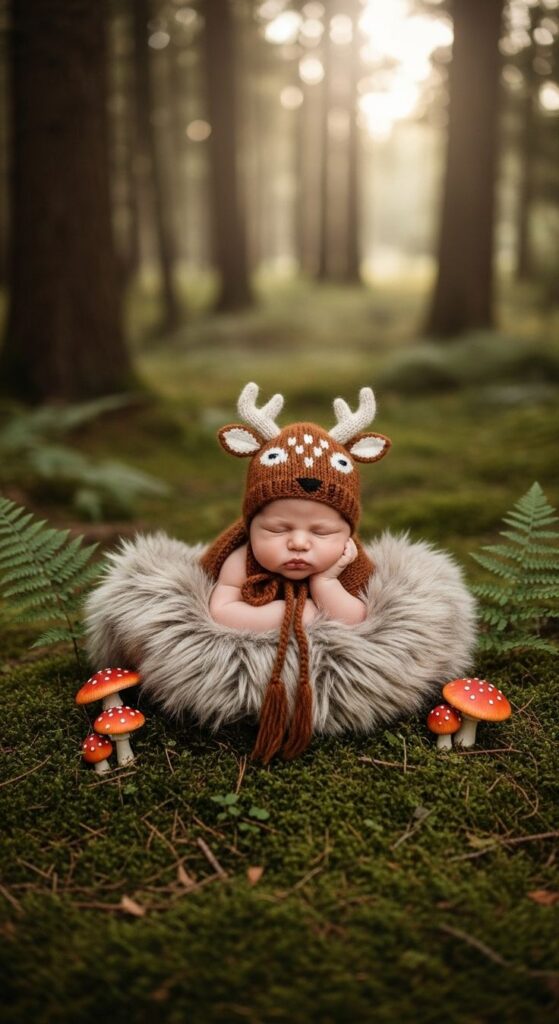
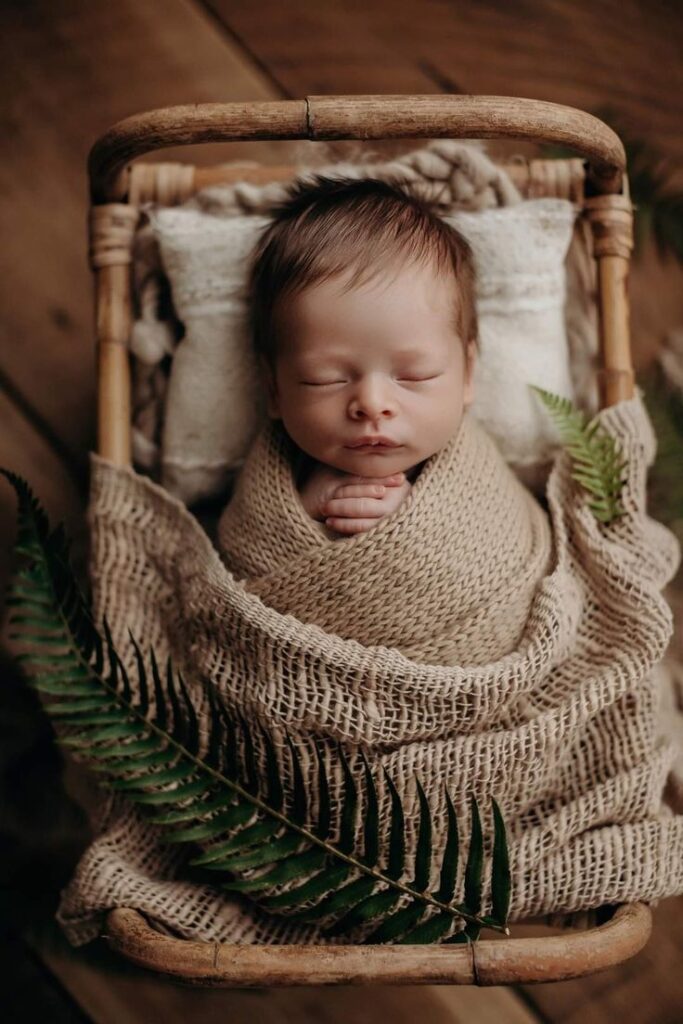
Natural elements bring a calm and fresh feel to newborn photos. Soft green leaves, flowers, or small branches can frame the baby gently. Wooden baskets or natural fabrics like linen and cotton add texture without being too bold.
Light colors such as beige, soft greens, and creams work best to keep attention on the baby’s face. It’s also important to keep props safe and comfortable. Natural setups often use sunlight or soft lighting to mimic an outdoor vibe inside, making the photos warm and peaceful.
Seasonal Concepts
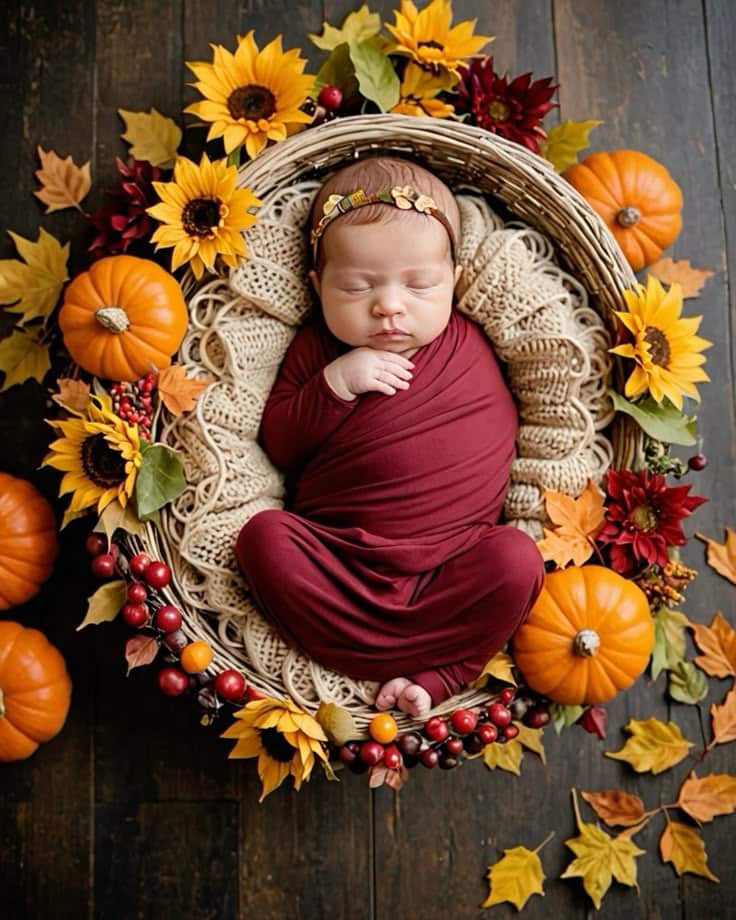
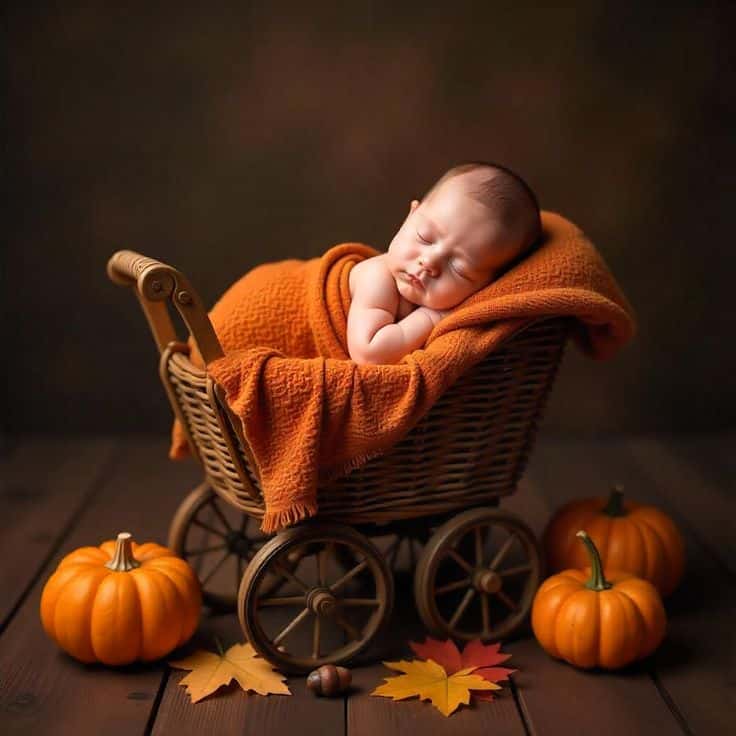
Photo themes based on seasons give a timely and personal touch. For example, autumn shots might include small pumpkins, soft orange blankets, and warm-toned accessories. Winter shoots could use white blankets, cozy knits, or simple fairy lights.
Spring sessions can feature pastel colors and fresh flowers. Summer themes work well with bright but gentle backgrounds and light fabrics. These setups make the photos feel connected to the time of year, which can be a nice keepsake for families to remember the baby’s arrival season.
Storybook Settings
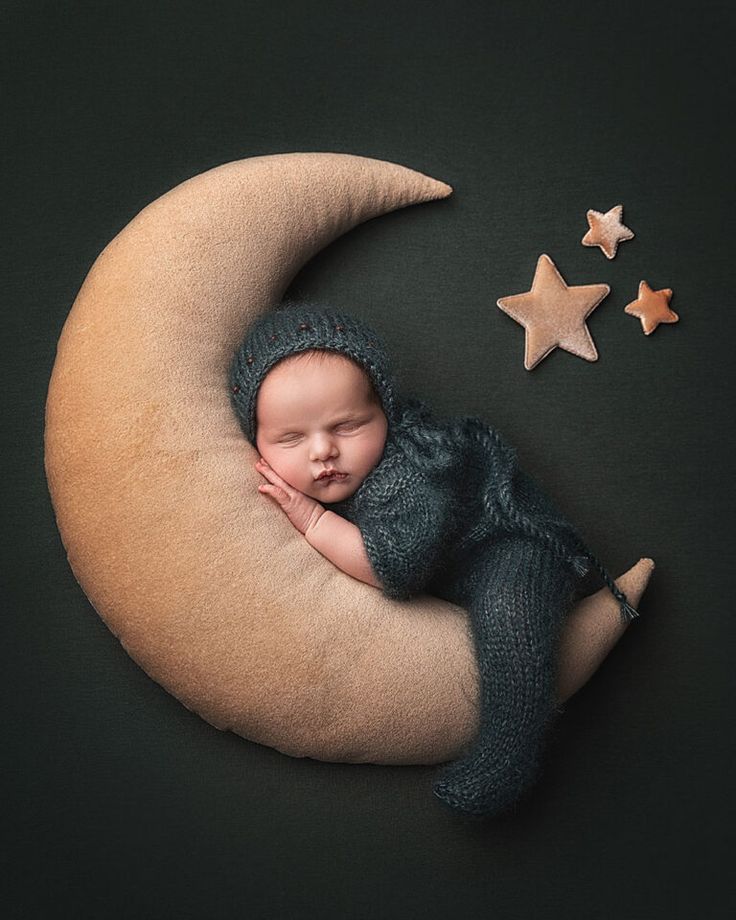
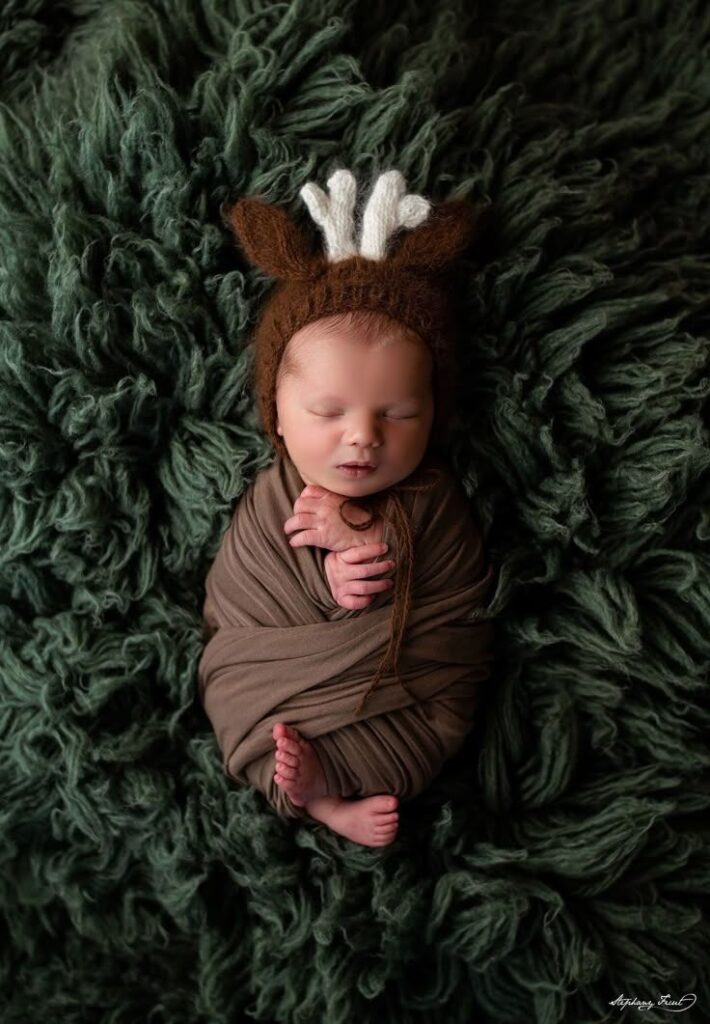
Storybook ideas turn newborn photos into tiny imaginary worlds. Simple props like soft toys or blankets styled as little beds create scenes inspired by favorite children’s tales. Classic stories about animals, forests, or fairy tales often work well.
Parents can pick themes based on characters or moods, such as cozy woodland scenes or playful garden adventures. Colors are usually soft but varied. Storybook setups make photos feel magical but remain calm enough to keep the baby relaxed during the session.
Incorporating Family and Siblings
Including family members in newborn photos creates lasting memories and shows the special bonds between loved ones. The way parents, siblings, and even grandparents connect with the newborn can add warmth and depth to the pictures.
Parents with Newborn
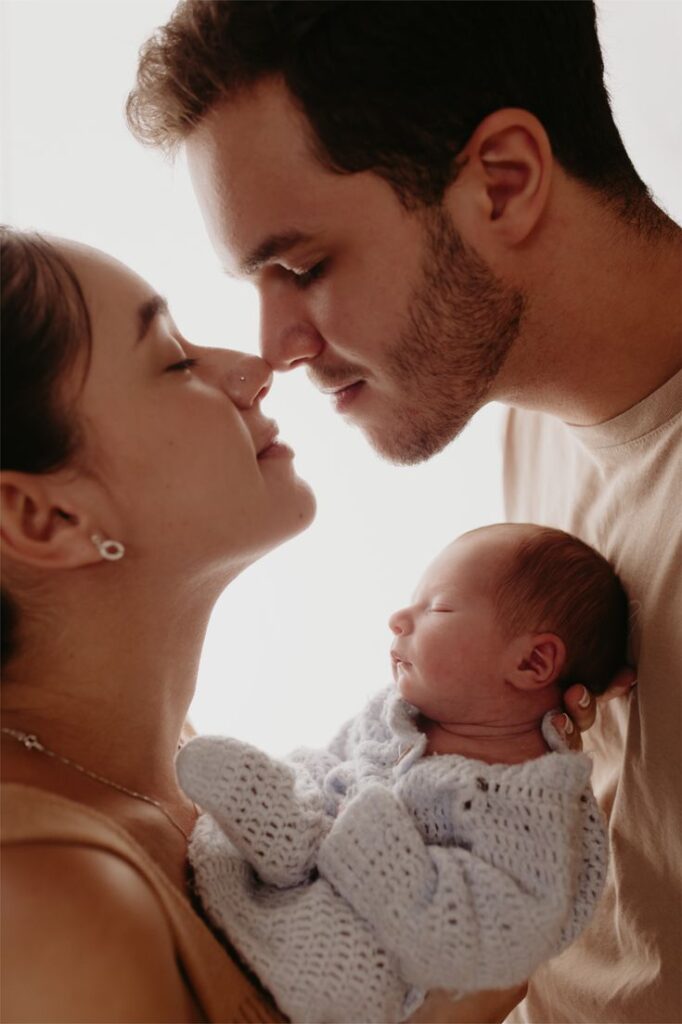
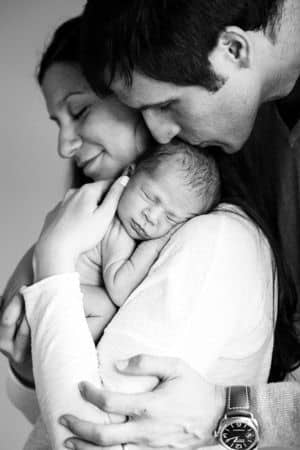
Photos of parents with their newborn highlight the close bond and protectiveness between them. Simple poses work best, like holding the baby close or the baby resting in a parent’s arms. Soft lighting and gentle expressions bring out the tenderness of the moment.
Parents can also include small details, such as holding the newborn’s hand or forehead touches. These subtle actions make the images feel natural and heartfelt. It’s important to keep the setting calm, so the baby stays comfortable and relaxed throughout the session.
Sibling Interactions
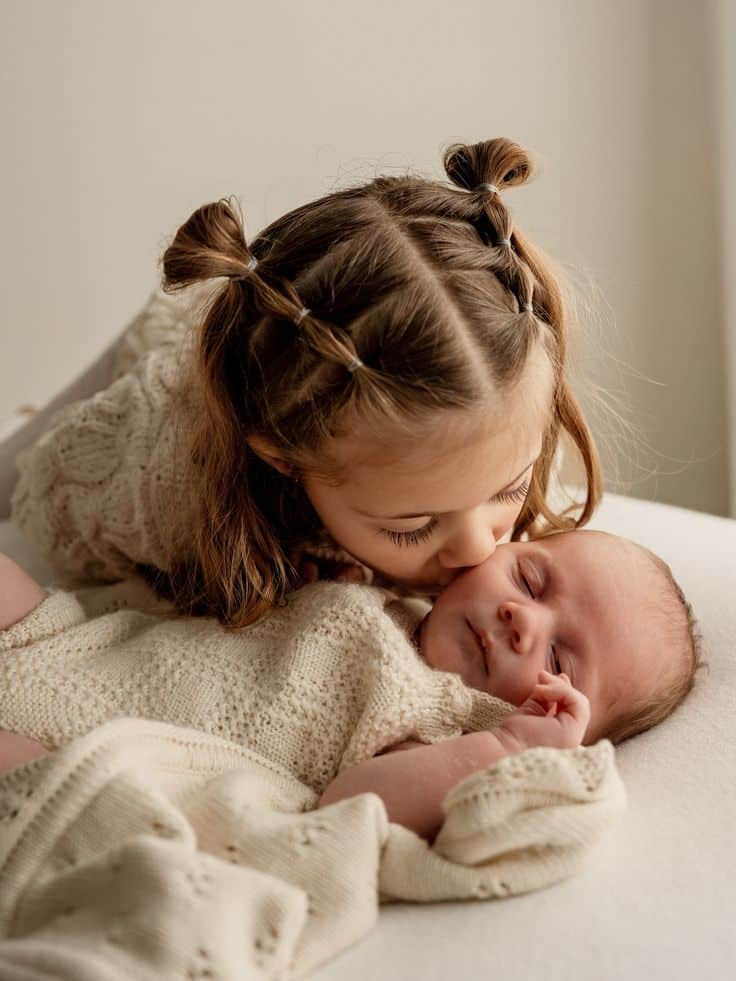
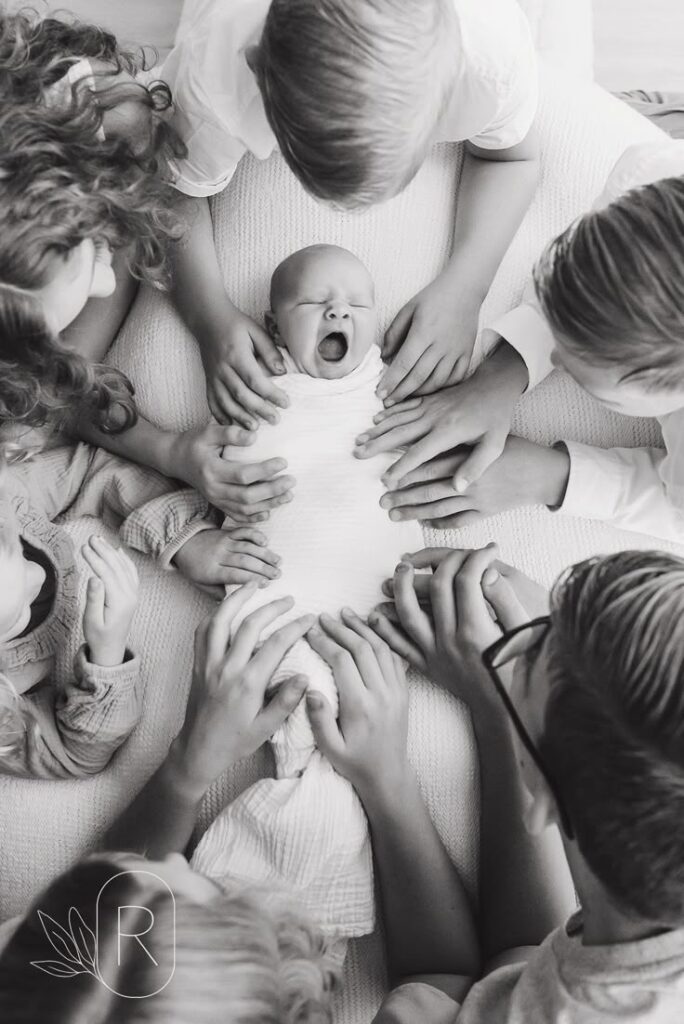
Capturing siblings with a newborn shows their new role in the family and their connection to the baby. It helps if older siblings participate in holding or gently touching the baby, but safety is key. Props or seated poses work well for younger siblings to stay steady.
Photographers often use playful moments or quiet cuddles to reveal sibling love. It helps to keep sessions fun and simple, especially with toddlers who may have short attention spans. Parents can prepare siblings beforehand by explaining how to be gentle and involved during the shoot.
Generational Portraits
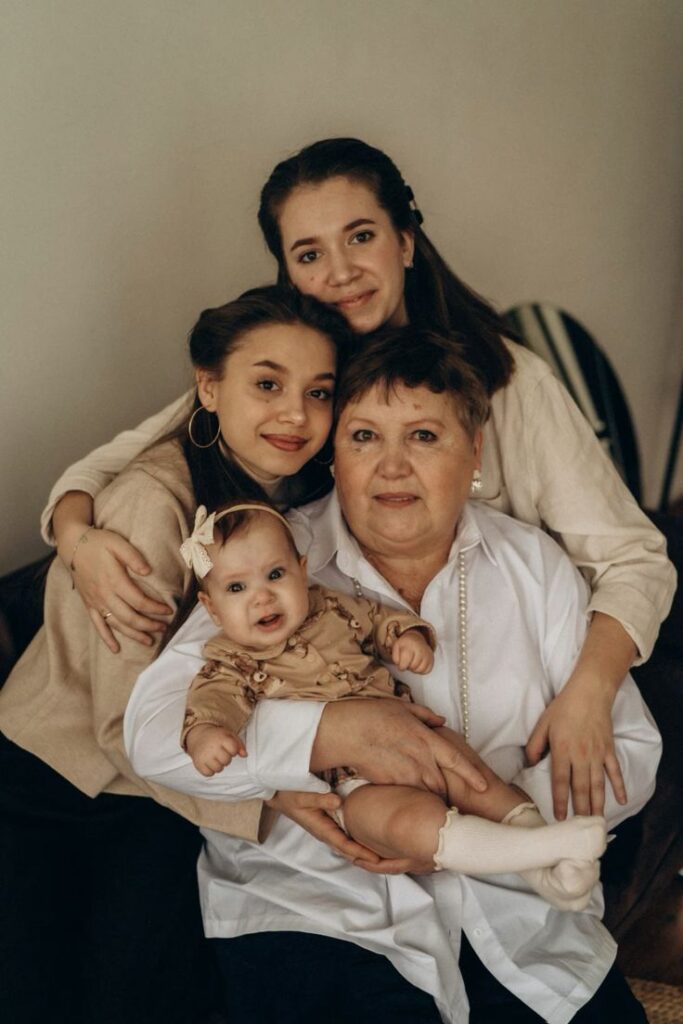
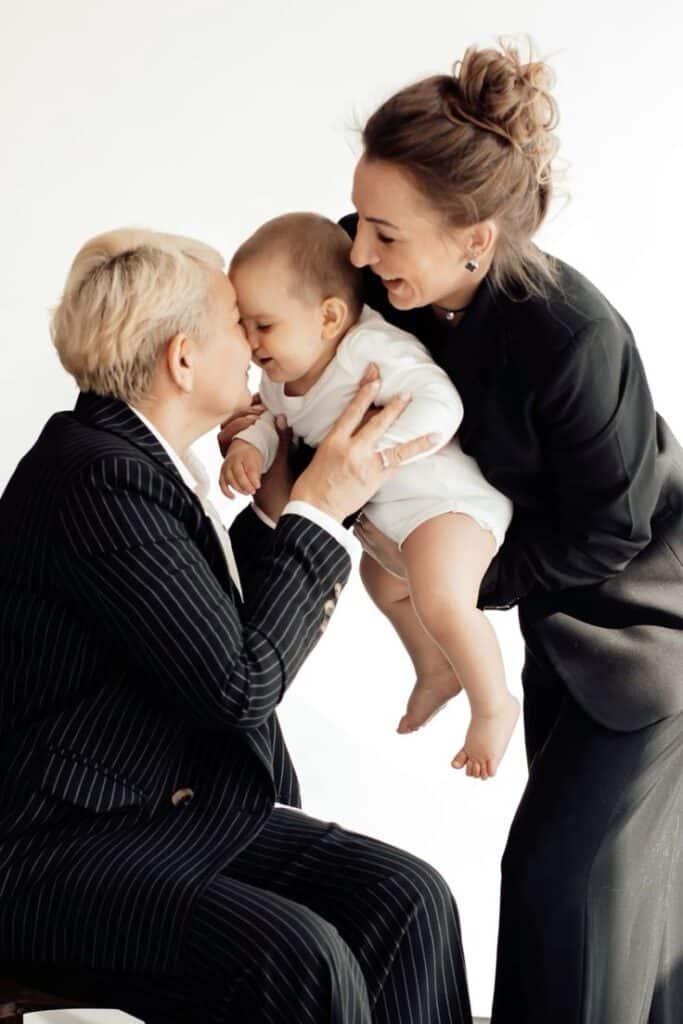
Generational portraits include grandparents or even great-grandparents, adding a special family history layer to the newborn photos. These pictures emphasize family continuity and shared joy in welcoming the new baby.
Seated group shots with different generations surrounding the infant make for classic, elegant photos. It’s best to plan poses where everyone looks relaxed and connected, like holding hands or leaning in close. These images become treasured keepsakes that show the baby’s place in the family tree.
Using Props and Accessories
Careful choices in props and accessories add texture, color, and comfort to newborn photos. Each piece plays a role in making portraits more inviting and unique.
Blankets and Baskets
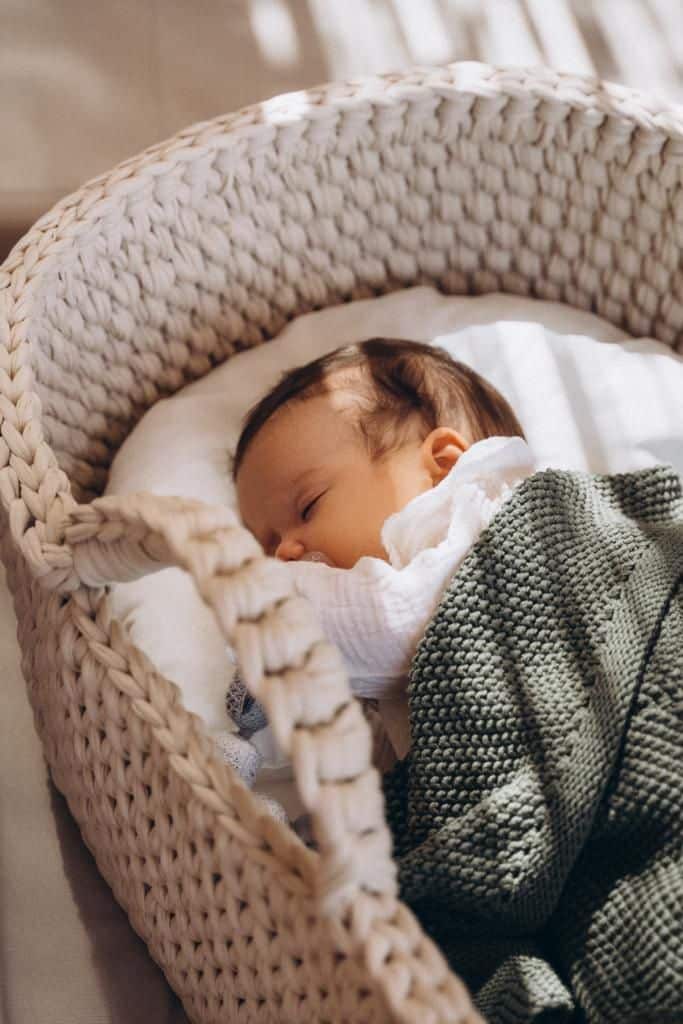
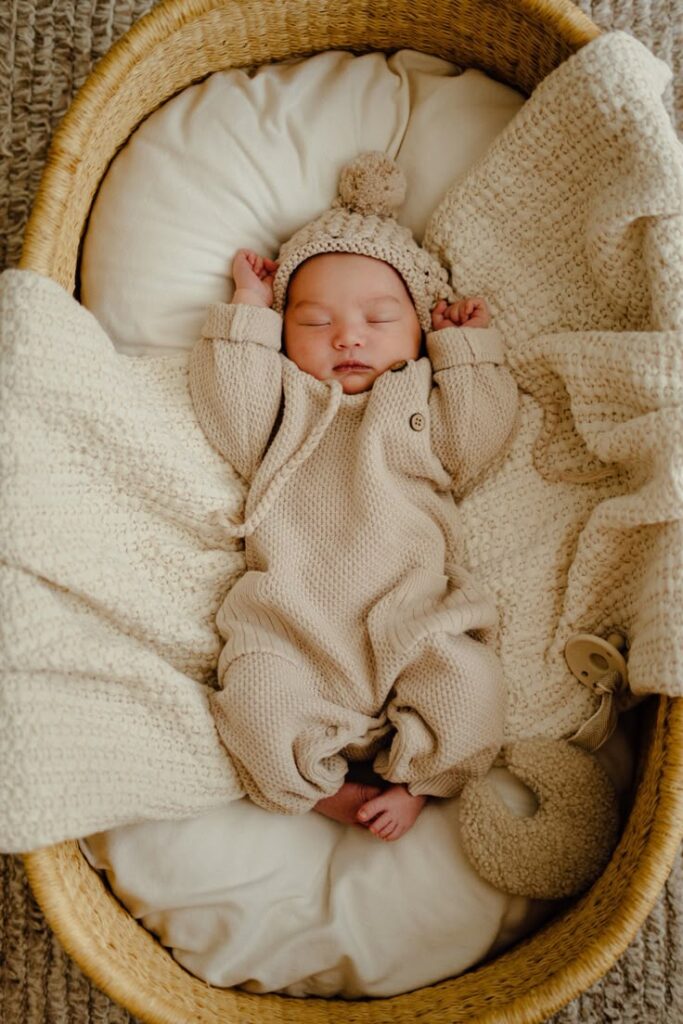
Soft blankets bring warmth and softness to photos. Choosing natural fibers like cotton or wool helps keep the baby comfortable. Colors should complement the baby’s skin tone and the overall scene; often neutrals or pastels work best.
Baskets serve as cozy, contained spaces that make posing easier. They provide a rustic or classic feel to pictures. Lining baskets with blankets adds extra padding and prevents discomfort. Baskets must be stable and secure for safety during the shoot.
Signature Headbands
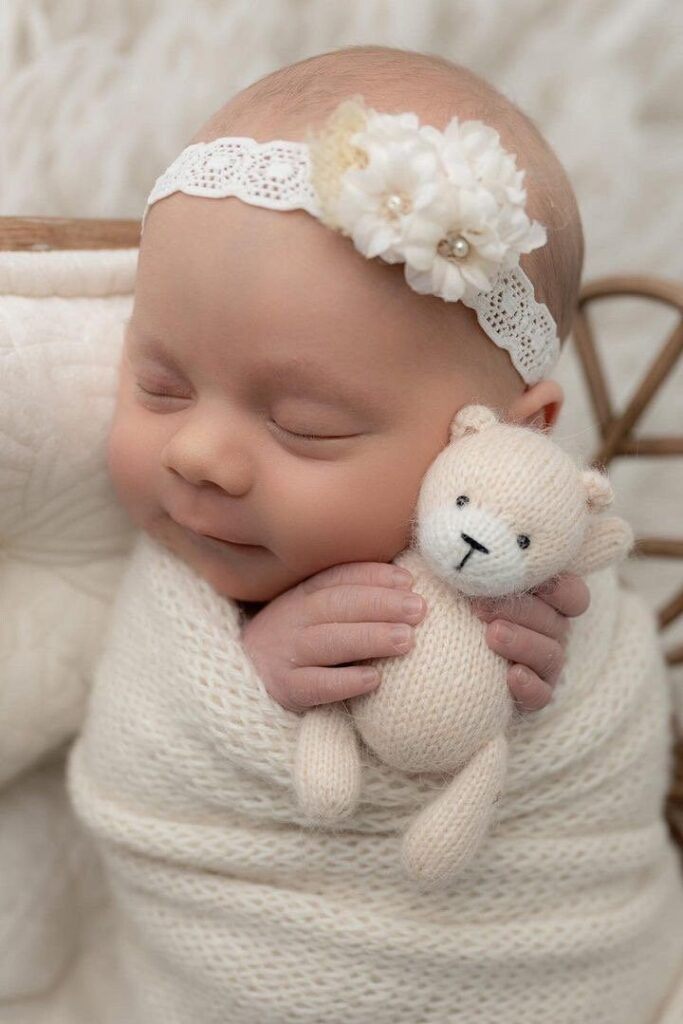
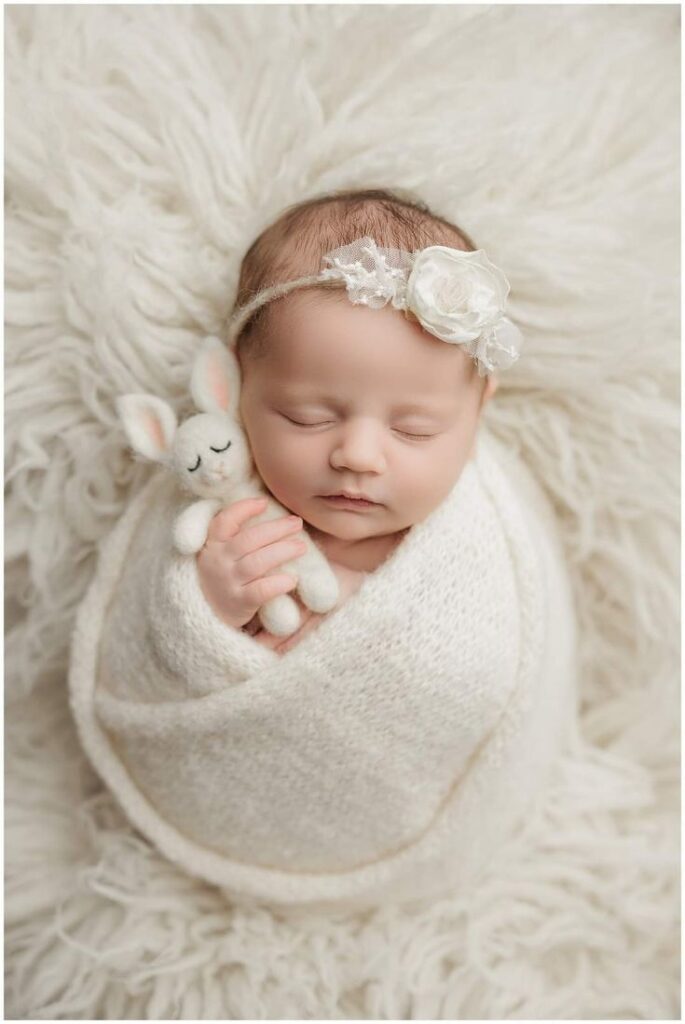
Headbands add a touch of personality without overwhelming the baby’s natural look. Simple designs with soft materials prevent irritation. They come in various styles, from delicate flowers to minimalist bands, enhancing photos with a gentle pop of color or texture.
Choosing a headband that fits well is key. It should be snug but not tight, providing a secure but gentle hold. These accessories help frame the baby’s face and create a polished appearance in portrait sets.
Soft Toys as Accents
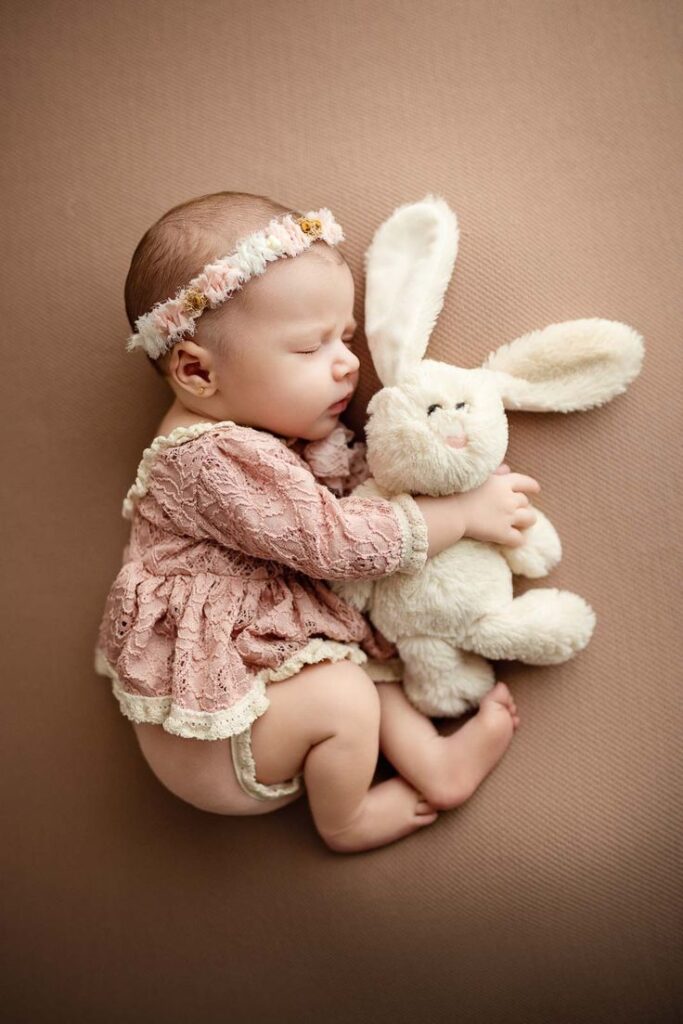
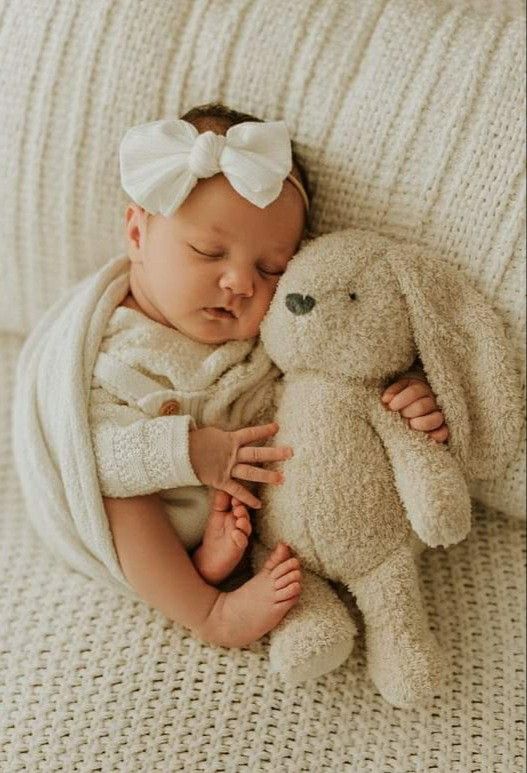
Small, soft toys add charm and scale to newborn images. Neutral or muted colors keep the focus on the baby rather than the toy itself. Toys made from natural materials like cotton or wool are safe and soothing.
They work well tucked beside the baby or gently held in tiny hands. These props can also tell a story or mark early milestones, making the picture more meaningful. Keeping toys simple and clean supports a calm, safe environment for the baby.
Lifestyle and Candid Newborn Photography
This style focuses on capturing natural, unposed moments that show the baby’s personality and family life. It highlights everyday interactions and the comfort of being in familiar places. The key is to create warm, honest images without forcing poses.
Documenting Everyday Moments
Lifestyle newborn photography catches the simple, real-life scenes that happen naturally. This can include gentle yawns, tiny hands gripping a parent’s finger, or quiet moments during feeding. These spontaneous shots tell a story that feels personal and genuine.
Photographers often work quietly to avoid disturbing the baby. They wait for genuine expressions and movements rather than directing the scene. Soft natural light is important here; it creates a calm and cozy atmosphere that suits the mood of everyday life.
Parents can join in by interacting with the baby in familiar ways. This helps keep the baby relaxed and brings out natural smiles or tender glances. These candid moments often become the most cherished photos.
Home Environment Shots
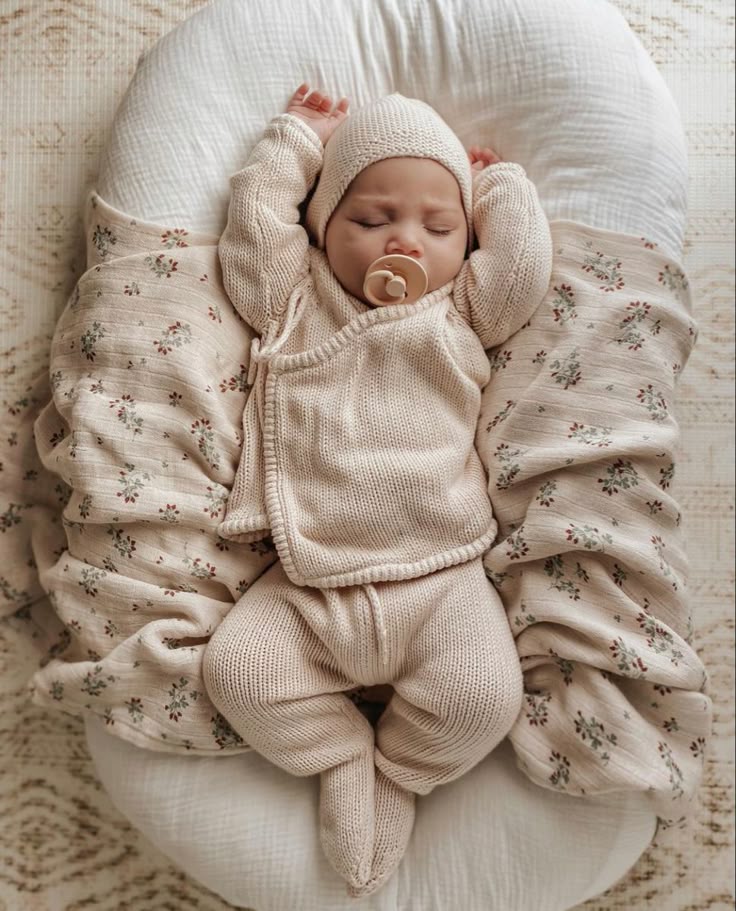
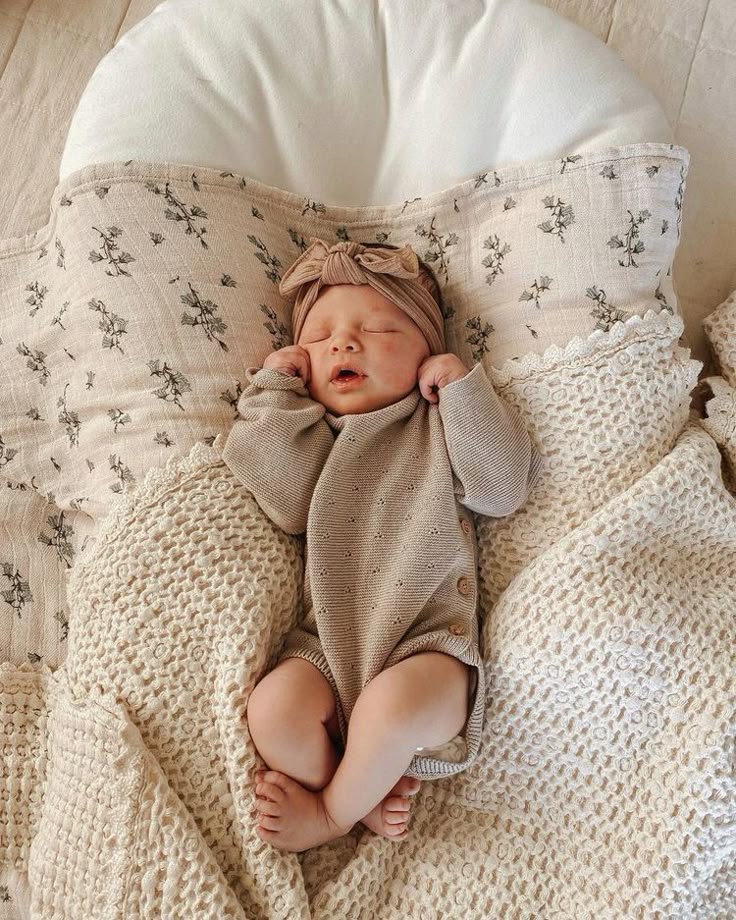
Shooting in the baby’s home adds a layer of comfort and authenticity to the photos. The surroundings tell part of the story, from favorite blankets to a cozy nursery corner. These details make the images feel personal and meaningful.
Photographers use windows or doorways as light sources, avoiding harsh artificial lights. This keeps the baby comfortable and the pictures soft and natural. Having familiar toys or family items nearby helps create a calm setting.
Shots in the home environment often include family members, capturing the bond between everyone. These photos show the baby as part of their real, everyday world, not just frozen moments. The result is a collection of images that feel warm and inviting.
Editing and Sharing Your Photos
Editing newborn photos well can make them feel soft and natural. Organizing images neatly helps save time, and sharing photos in the right way lets family and friends enjoy these precious moments easily.
Basic Post-Processing Tips
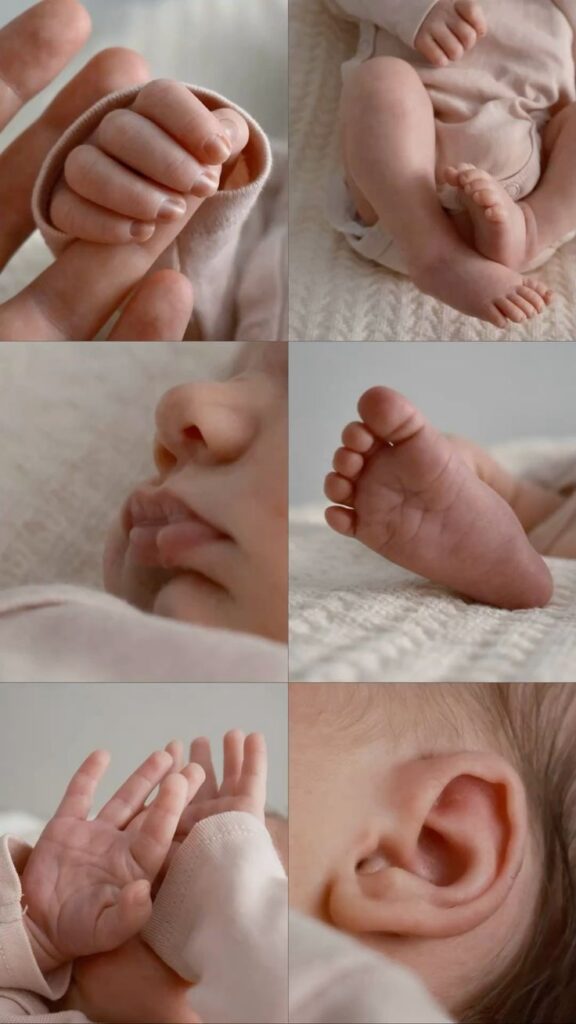
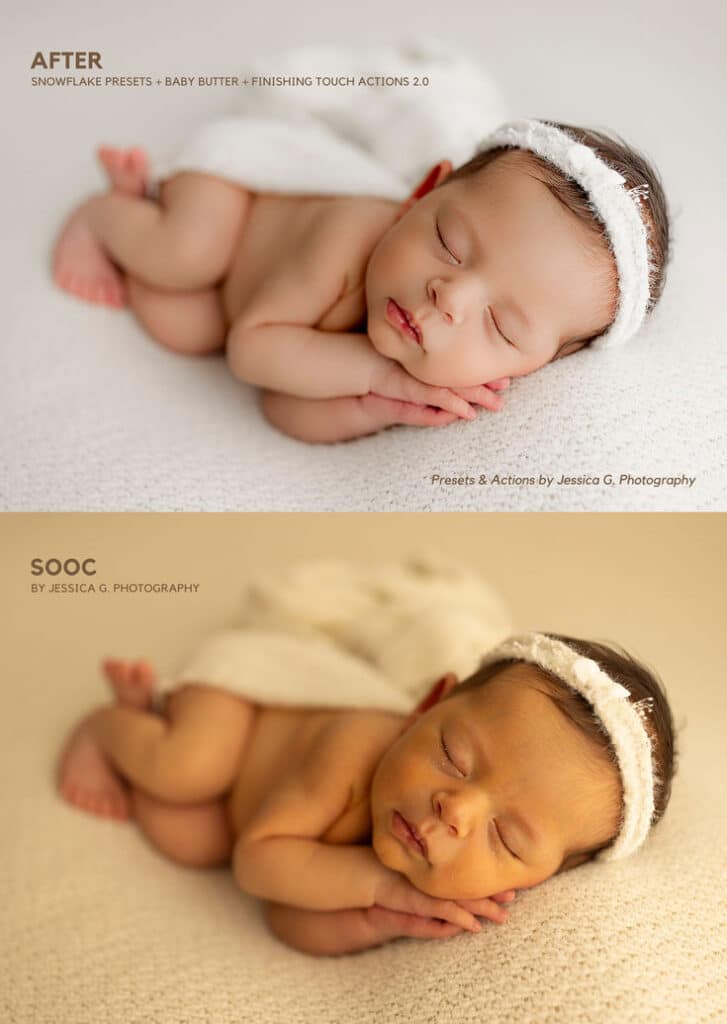
Start by importing all photos into an editing program like Lightroom or Photoshop. Sorting pictures into albums or collections by session or theme helps keep everything organized.
Focus on gentle skin retouching to keep the baby’s delicate look natural. Adjust brightness, contrast, and color carefully to make the photo soft, not harsh. Avoid over-editing, such as heavy smoothing or artificial colors, which can make the image look fake.
Crop or straighten images to improve composition. Use noise reduction if photos are grainy, but keep texture in the skin. Save final images in a high-quality format for printing or sharing.
Creating Photo Albums
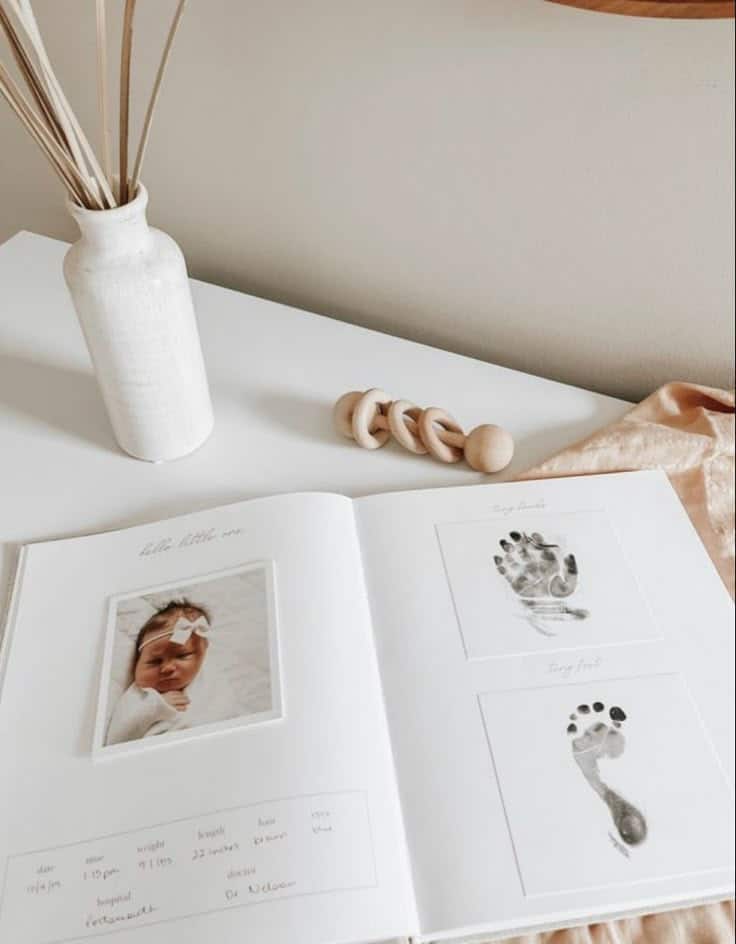
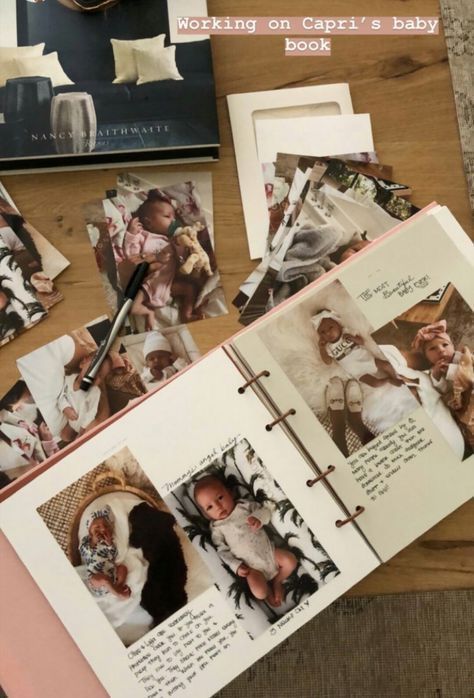
Photo albums are a great way to preserve newborn memories. Choose physical albums with acid-free pages or design a digital photo book online.
Group pictures by milestones like the first week, first smile, or special poses. Add captions or dates next to the images to tell a story.
Use clear, simple layouts that highlight the photos without clutter. Mix close-up shots with wider angles for variety. Albums can be keepsakes for parents and gifts for family members.
Sharing on Social Media
When sharing photos online, choose the best images that represent the baby’s personality and mood. Resize pictures for fast loading, but keep resolution good enough to see details.
What are the best tips for a successful newborn photography session?
The best tips include planning carefully around lighting, comfort, and safety, choosing the right time within the first two weeks, and creating a cozy environment with soft lighting, gentle props, and natural colors to ensure the baby’s safety and ease.
How do I create a comfortable and safe space for newborn photos?
Ensure the room is warm enough, around 80°F or warmer, with soft blankets and gentle props, while keeping noise and bright lights to a minimum and always handling the baby with support and care to prioritize safety.
What are some popular poses for newborn photography?
Popular poses include the wrapped swaddle pose, froggy pose, tushy up pose, and side-lying pose, all of which emphasize the baby’s natural beauty and comfort while ensuring safety.
How can I incorporate family members into newborn photos?
Including parents, siblings, and grandparents can highlight family bonds; poses like holding the baby, gentle cuddles, or group seated shots create warm, memorable images that showcase love and connection.
What should I consider when editing and sharing newborn photos?
Focus on gentle skin retouching, proper organization, and high-quality sharing. Use soft adjustments in brightness and contrast, add captions for storytelling, and obtain permission from parents before posting online to respect privacy.
Write short captions that describe the moment or feeling in the photo. Use hashtags like #newbornphotography or #babyphoto to reach others interested in baby photos.
Be mindful of privacy. Get permission from parents before posting. Avoid sharing sensitive information and consider watermarking images to protect your work. Online sharing keeps loved ones connected to these special moments.
- 1.3Kshares
- Facebook0
- Pinterest1.3K
- Twitter3
- Reddit0