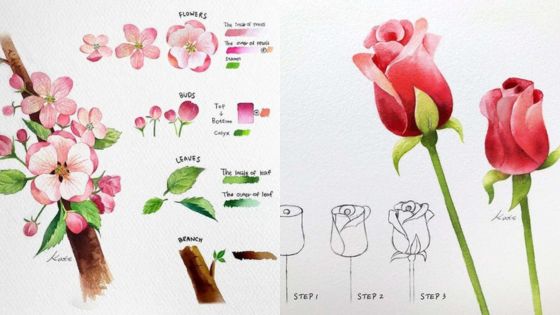
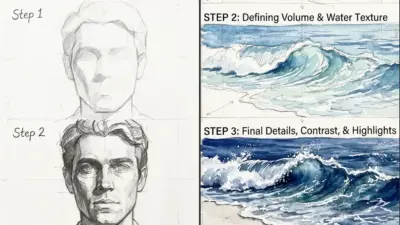
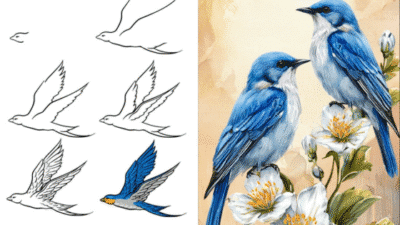
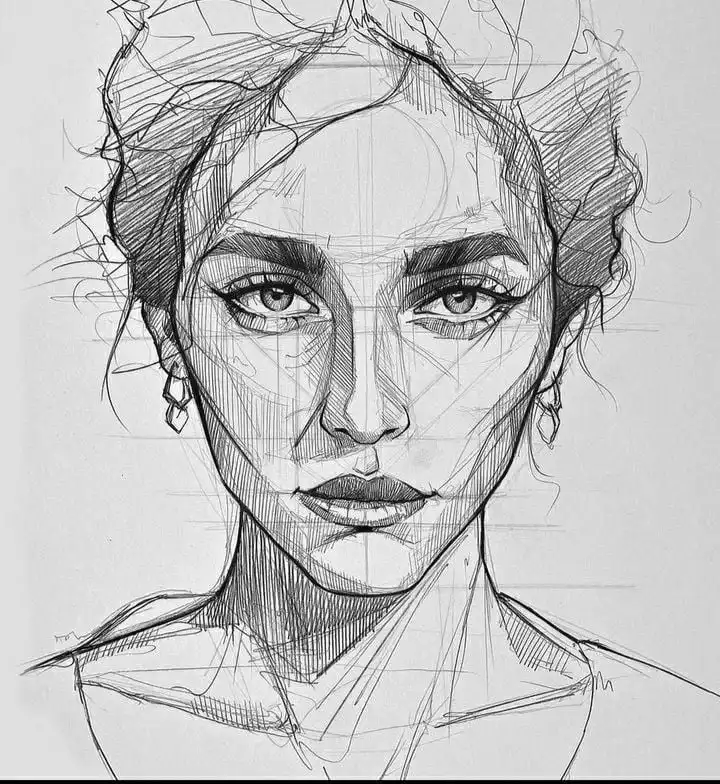
Ready to enhance your drawings with realistic shadows and depth? If you’re curious about how to shade sketches and make your artwork truly stand out, you’re in the right place. In this tutorial, you’ll learn a simple, step-by-step approach to building contrast, understanding light, and creating a realistic, three-dimensional feel in your pencil sketches.
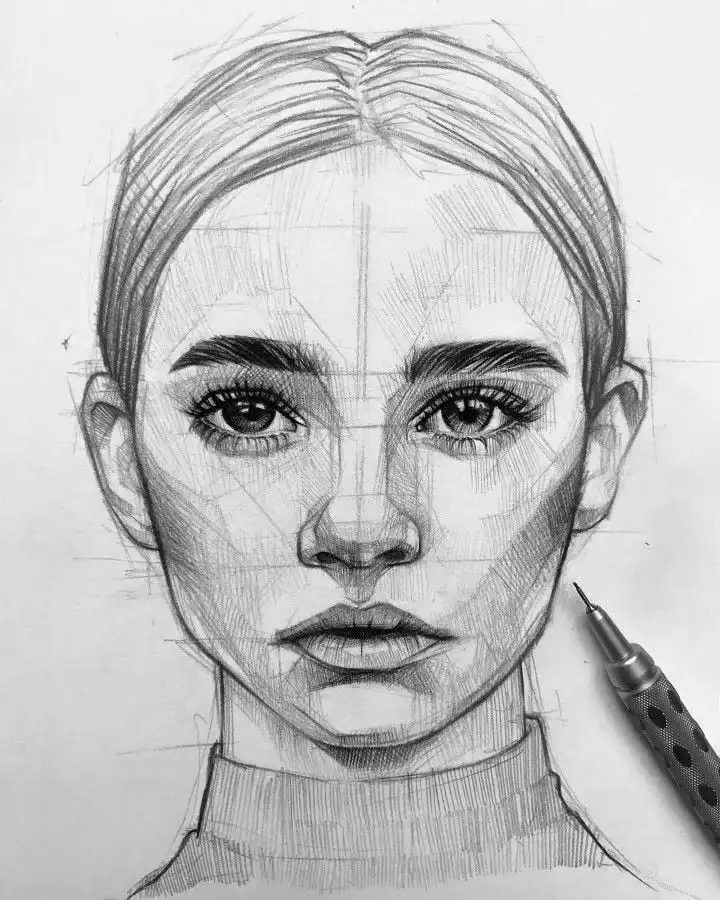
Set up your workspace
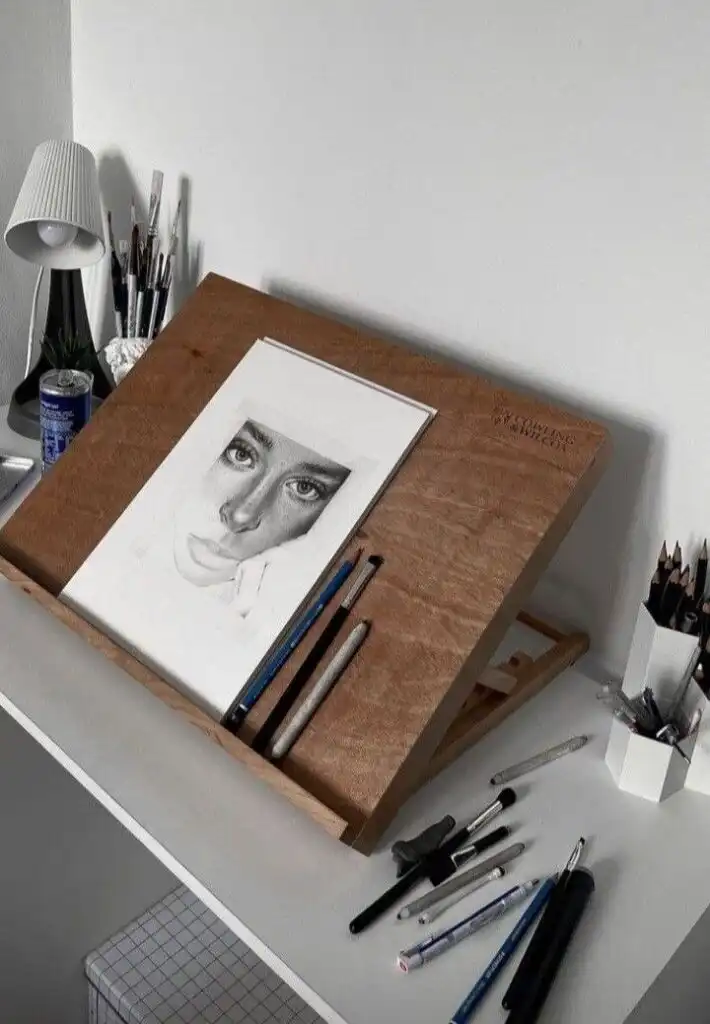
Start by picking a comfortable spot with good lighting. If possible, position a single diffused light source, like a lamp with a Softbox diffuser, so you can see clear—even if soft—shadows on your subject. As noted by artistniralimehta.com, it also helps to work on paper that has some texture. Cartridge Paper with a GSM of 160–200 is a great starting point, giving you a sturdy surface to layer graphite without tearing the page.
- Clear your desk of clutter to avoid accidental smudges or bumps.
- Secure your paper with clips or tape so it stays flat.
- Keep an eraser, sharpener, and a few blending tools (paper stump or tissue) within reach.
Pick your pencils
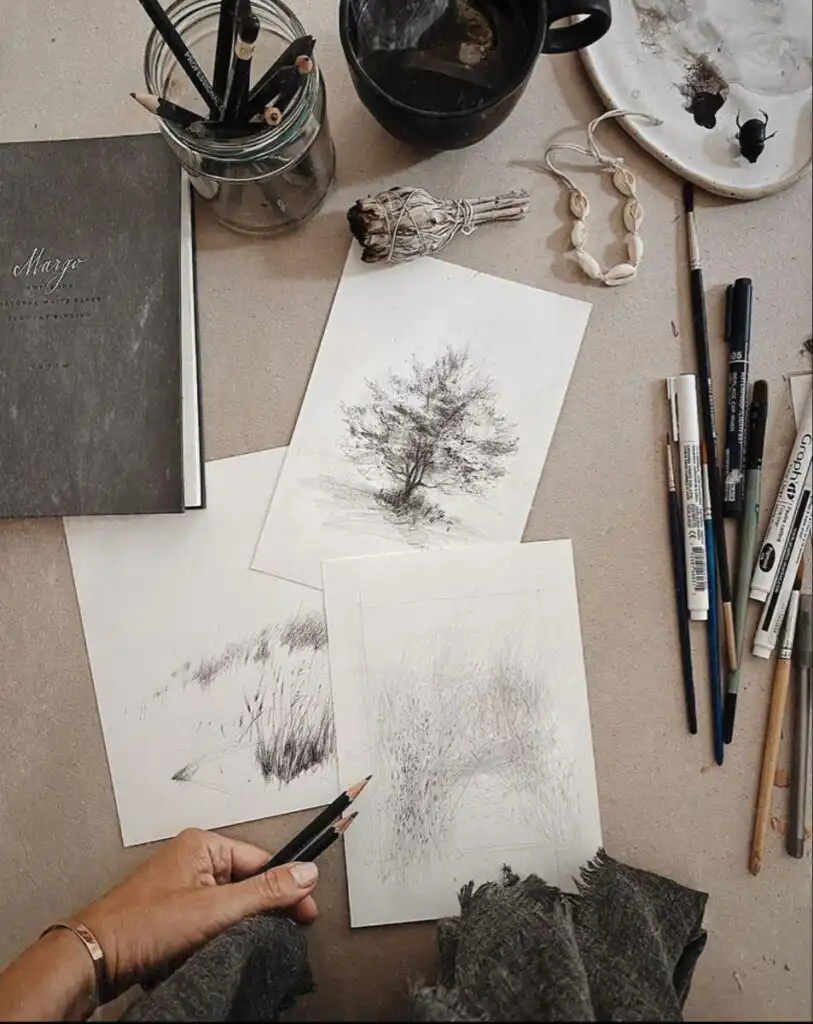
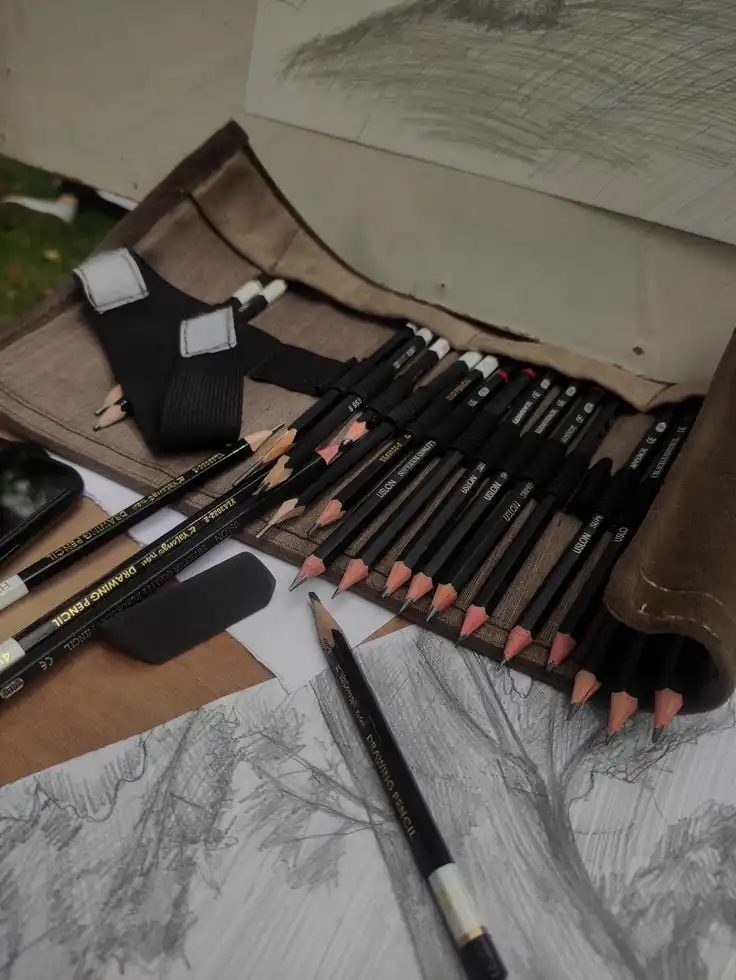
Not all pencils are created equal. Softer pencil grades (B, 2B, 4B, etc.) offer darker lines and more smudge potential, making them ideal for strong shadows. Harder grades (H, 2H, etc.) are lighter and better for faint outlines or subtle shading details.
According to AnnabregmanPortraits, companies have unique grading scales, so a 2B in one brand might look darker or lighter than a 2B in another. Experiment with a few brands until you find pencils that feel smooth and consistent as you shade. Tombow Mono 100 pencils, for example, are known to produce rich dark tones and glide easily across the paper.
Identify your light source
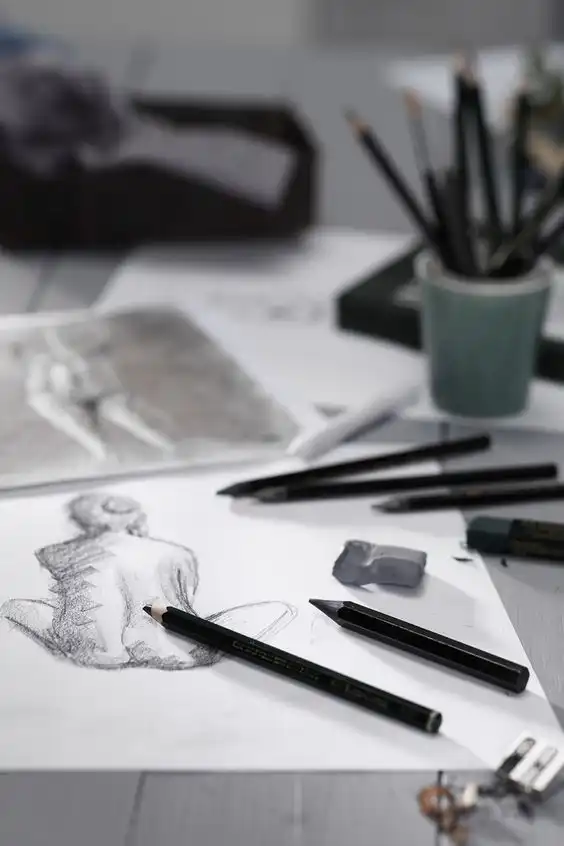
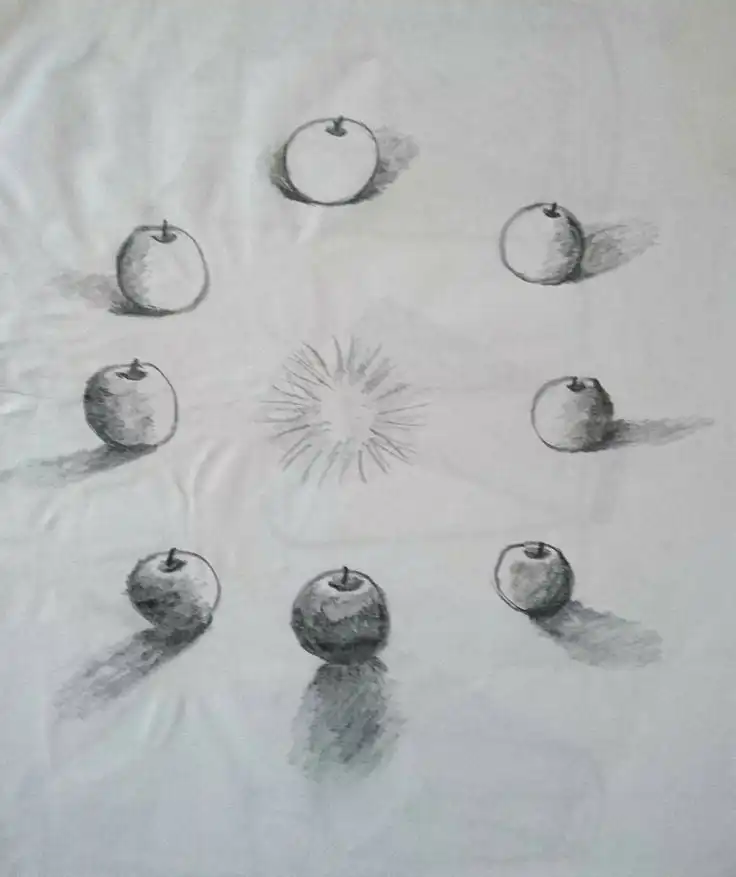
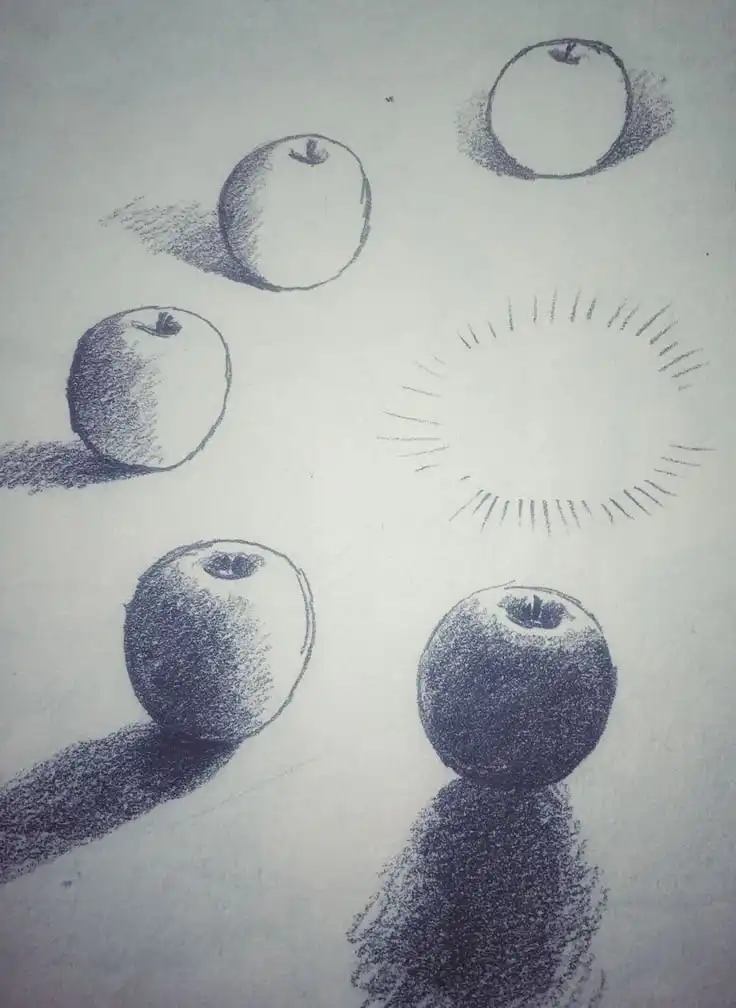
Before you even begin shading, figure out where your light is coming from. A single diffused lamp can simplify things for beginners. This helps you see where the brightest highlights and the darkest shadows fall on your subject. As demonstrated at Will Kemp Art School, understanding how light wraps around a simple object like an apple is a great way to see how gradients transition from bright to dark.
Try basic shading techniques
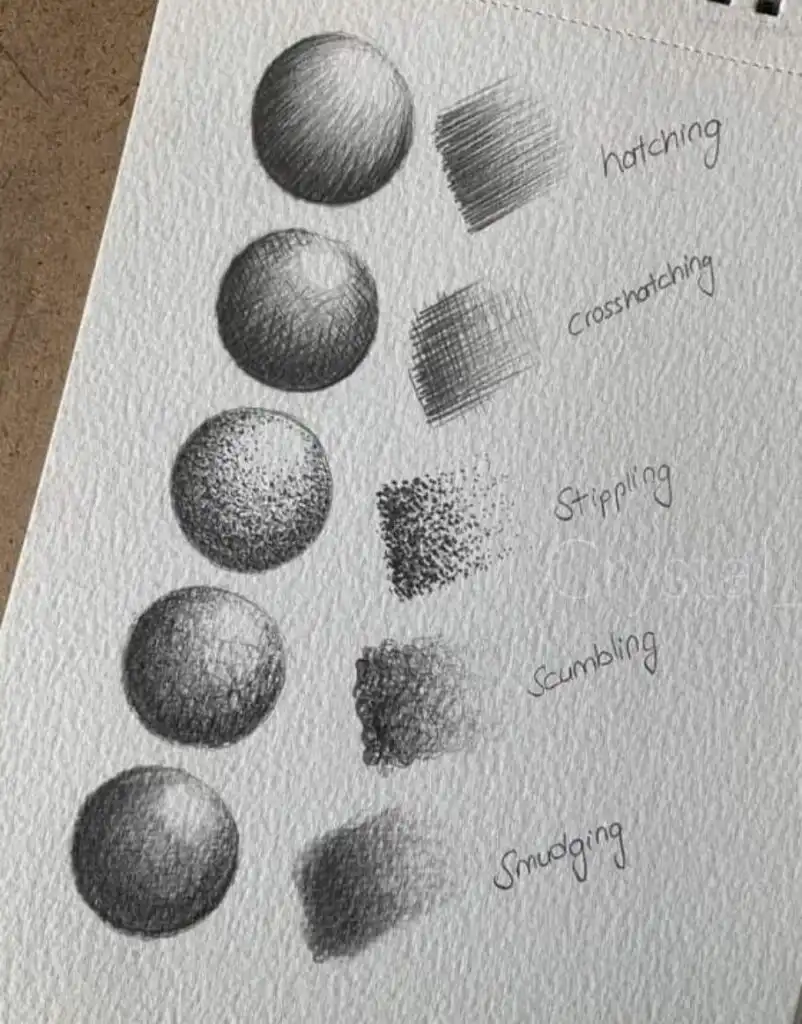
There are several ways to convey light and form. Test out each approach and see which works best for your style:
Hatching
Draw parallel lines in the same direction. Packing lines closely creates darker areas, while spreading them apart lightens the shade.Cross-hatching
Crisscross sets of lines to build heavier shadows. The denser they overlap, the darker your shading looks. This technique gives a textured effect, especially where lines intersect [1].Circulism
Use small overlapping circles to fill in areas. This is fantastic for creating smooth transitions and softer textures, as highlighted by the YouTalent Educational Blog.Contour shading
Follow the curves of the object. Your pencil lines should mimic the shape you’re drawing, such as rounded strokes for a sphere or gentle waves for cloth folds. This helps your sketch look more dimensional.
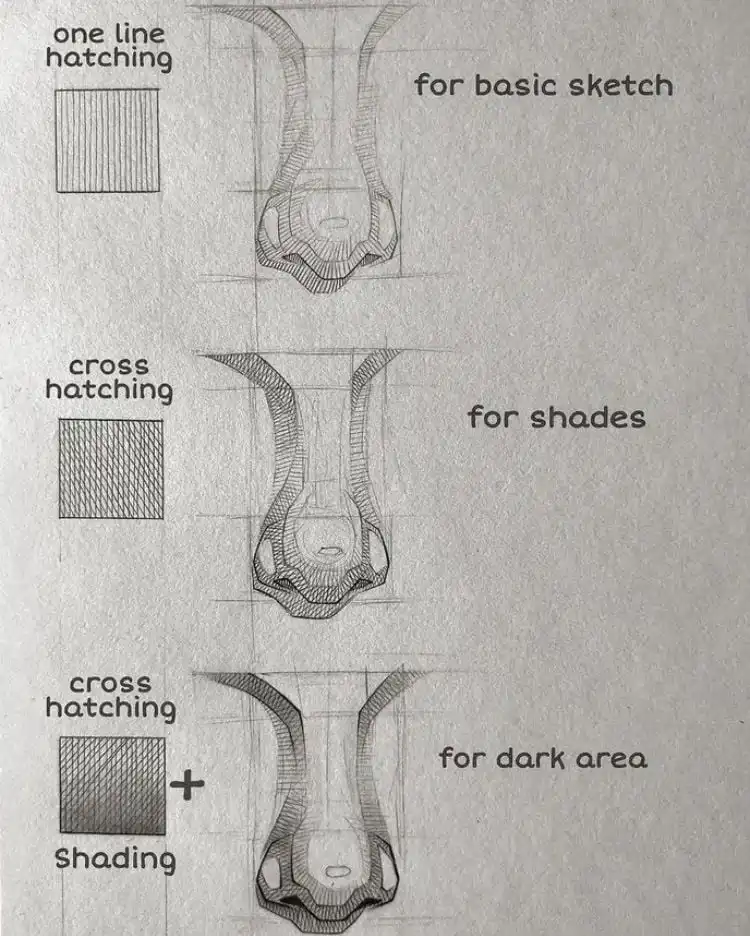
Layer, blend, and refine
To push your artwork further, gently build multiple layers of shading rather than trying to achieve a dark tone in one go. Softer pencils naturally produce more graphite dust, making them easier to blend with a paper stump or tissue. As you smooth out strokes, remember that blending will also darken your shading a little.
- Use a kneadable or putty eraser to lift highlights (bright spots) as you go.
- Switch between pencil grades to refine edges and textures.
- Vary your strokes based on the form: crisp lines for angles, curved strokes for rounded shapes.
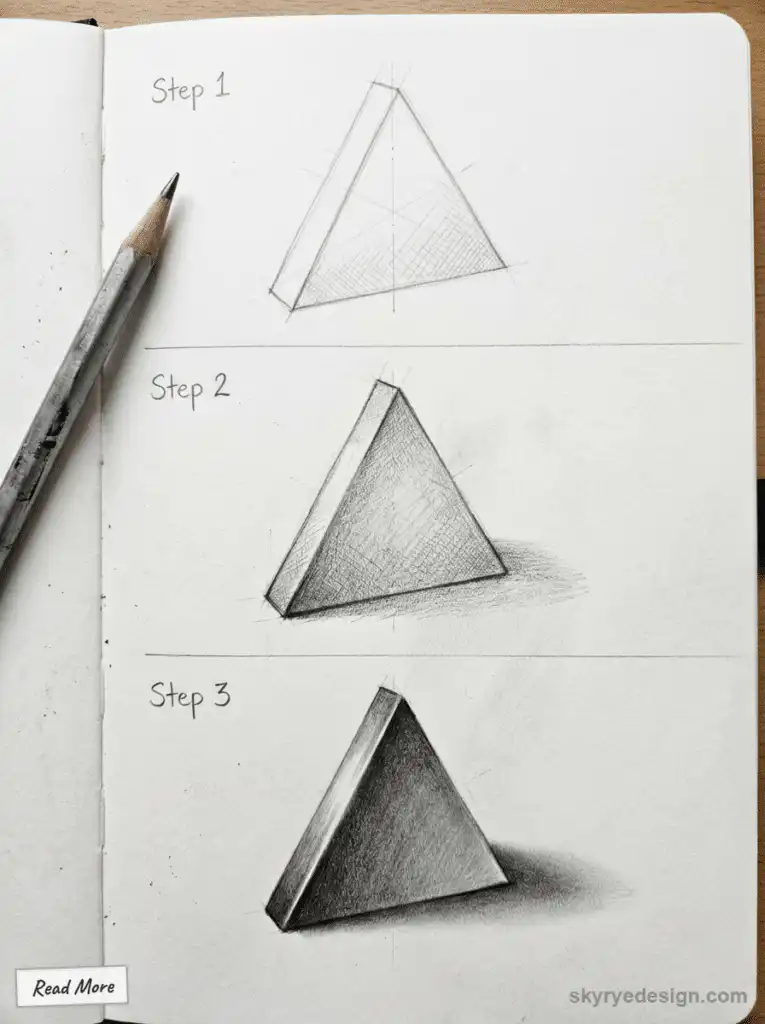
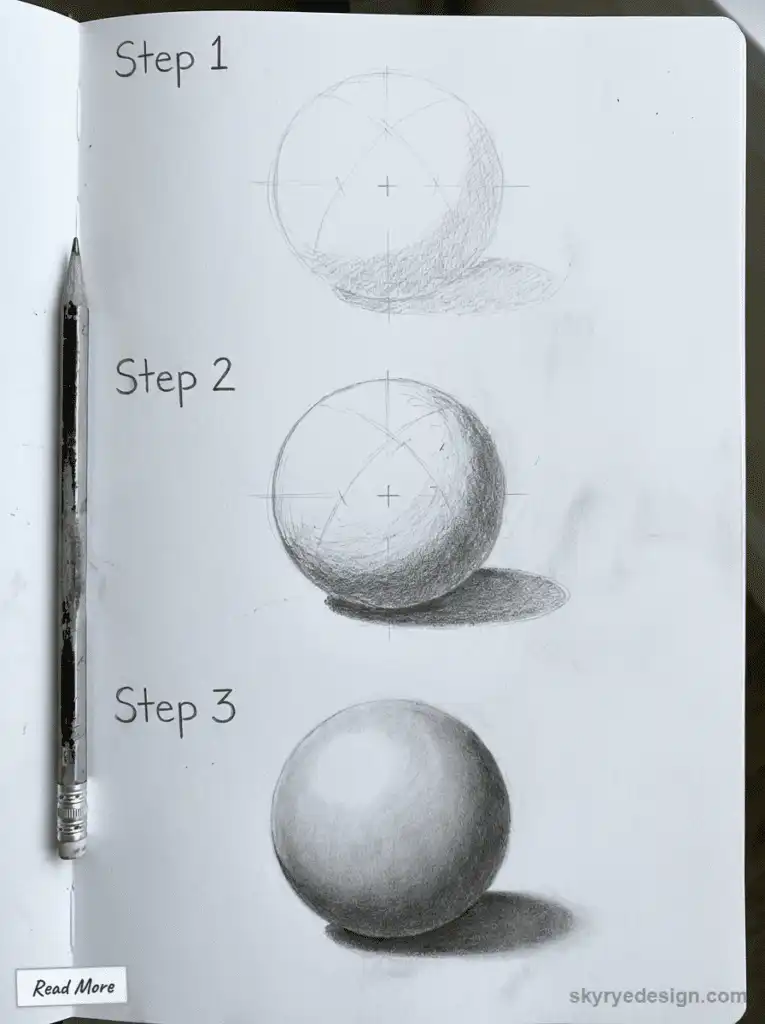
FAQs
How long does it take to master shading?
It depends on how often you practice. Focused sessions, even 15 minutes a day, can speed up your progress.Can I use just one pencil grade for everything?
You can, but mixing grades (e.g., 2H for light lines and 4B for darker shadows) helps you capture a wider range of tones and detail.What if my lines always look scratchy?
Try a softer pencil and keep it sharpened. Some brands produce smoother, more consistent strokes that reduce scratchiness.Is digital shading similar to pencil shading?
The principles of light, shadow, and blending apply in both media, but digital tools let you undo mistakes more easily. Pencil shading teaches you awareness of pressure and layering that carries over into digital work.How do I keep my sketch from smudging?
Work from top to bottom or left to right if you’re right-handed (reverse if left-handed). You can also place a scrap piece of paper under your hand to avoid rubbing across shaded areas.
Keep going with your exploration of how to shade sketches, practicing each technique until it becomes second nature. With every stroke, you’re building the skills that bring depth and life to your artwork. Enjoy the process, and watch how your sketches transform from flat outlines into dynamic drawings!
- 1share
- Facebook0
- Pinterest1
- Twitter0
- Reddit0