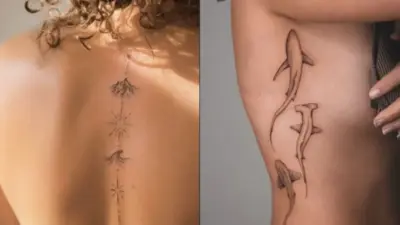
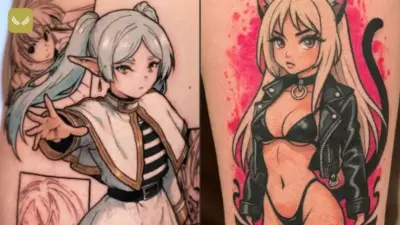
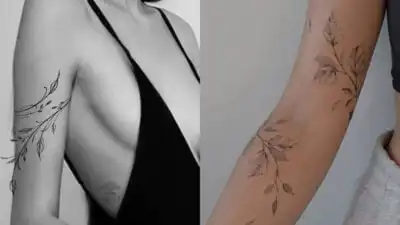
Thigh tattoos for women have become one of the most empowering and expressive body art choices today. Equal parts bold and elegant, the thigh offers a large, versatile canvas that allows for intricate designs, subtle symbolism, and flattering placement. Whether you’re drawn to delicate florals, statement mandalas, or minimalist linework, a thigh tattoo can be deeply personal—and incredibly stylish.
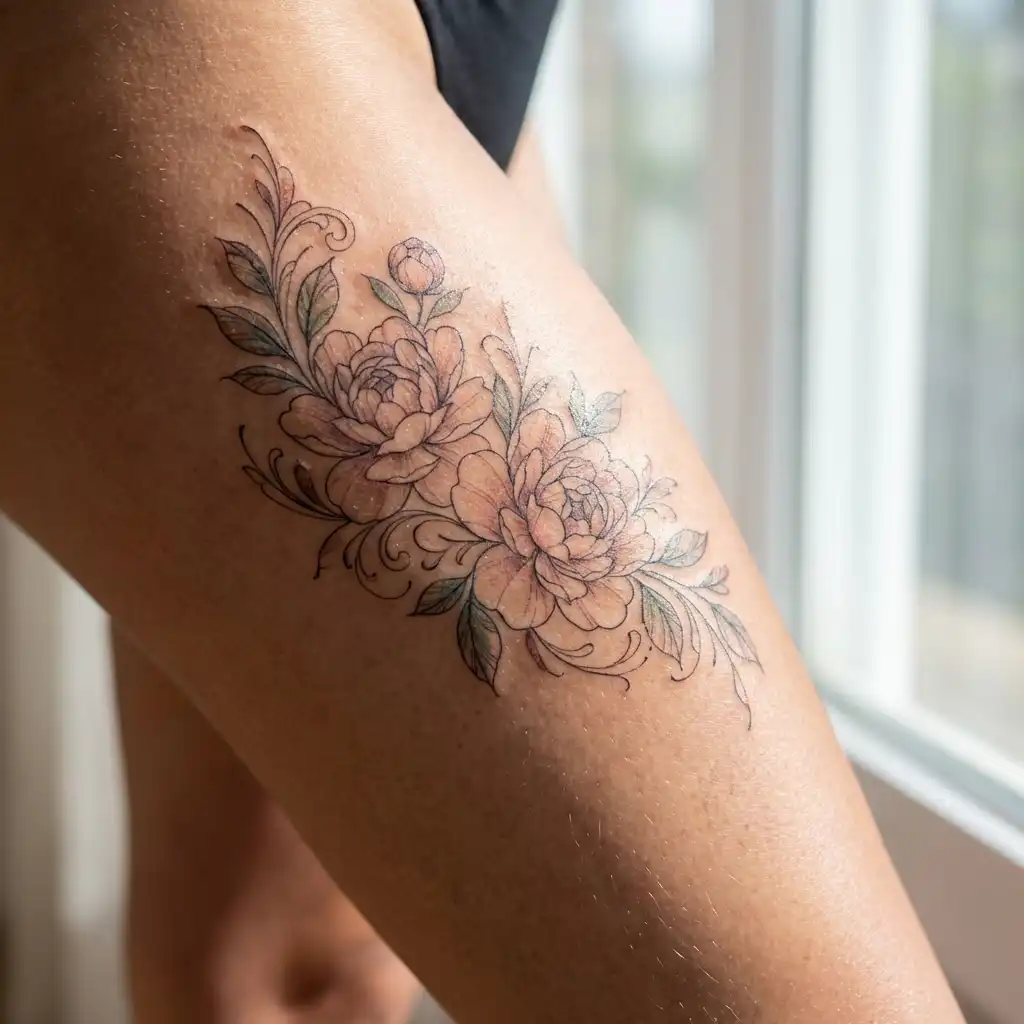
This in-depth guide walks you through everything you need to know before getting a thigh tattoo: popular styles, symbolic meanings, placement options, pain level, aftercare tips, and the most frequently asked questions. If you’re researching, planning, or simply dreaming, this guide is designed to help you feel confident and informed every step of the way.
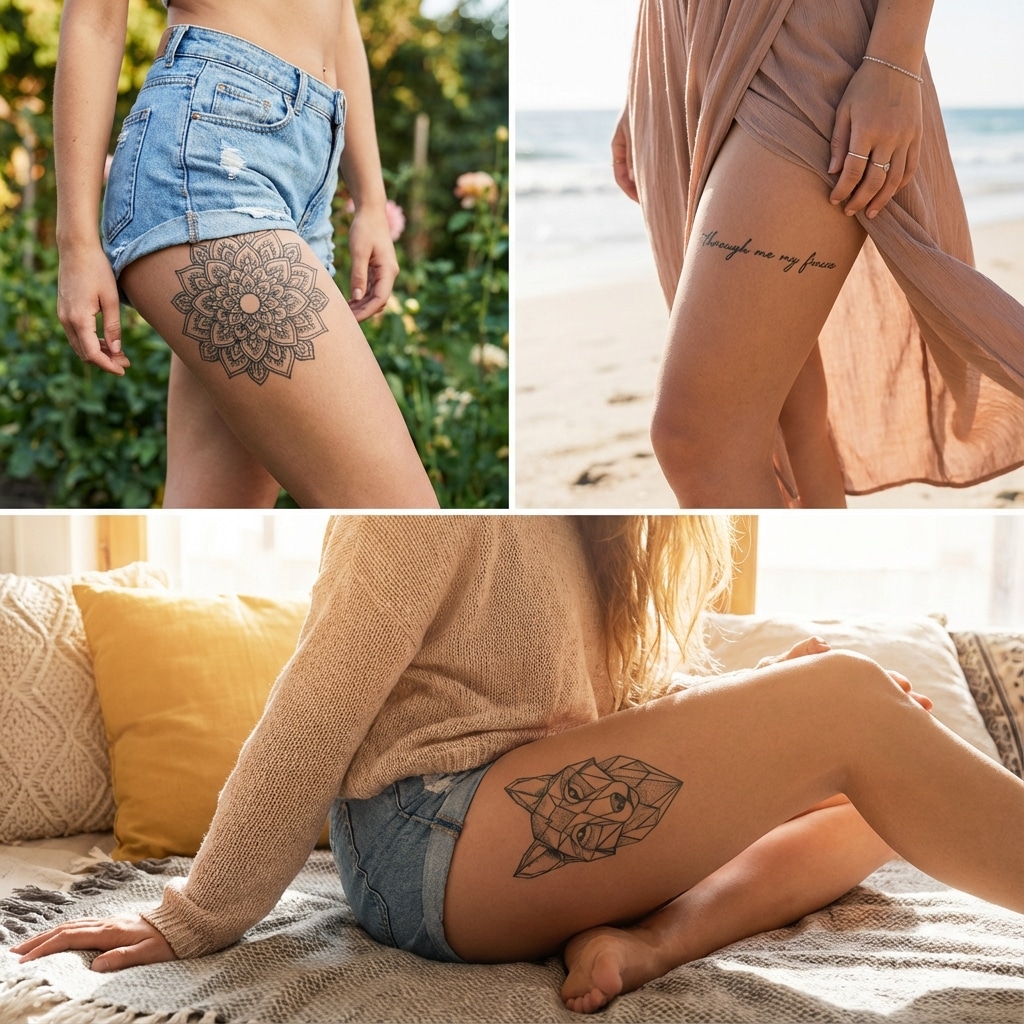
Why Thigh Tattoos Are So Popular with Women
Thigh tattoos strike a rare balance between visibility and privacy. You can show them off in shorts, skirts, or swimwear—or keep them completely hidden when you want. This flexibility makes them ideal for both first-time tattoo clients and seasoned collectors.
Key reasons women choose thigh tattoos:
- Large surface area for detailed artwork
- Naturally flattering curves enhance design flow
- Easier to conceal than arm or neck tattoos
- Strong association with confidence and body autonomy
The thigh is also an area where artists can create designs that move with your body, making the tattoo feel integrated rather than placed on top of the skin.
Explore the outer thigh
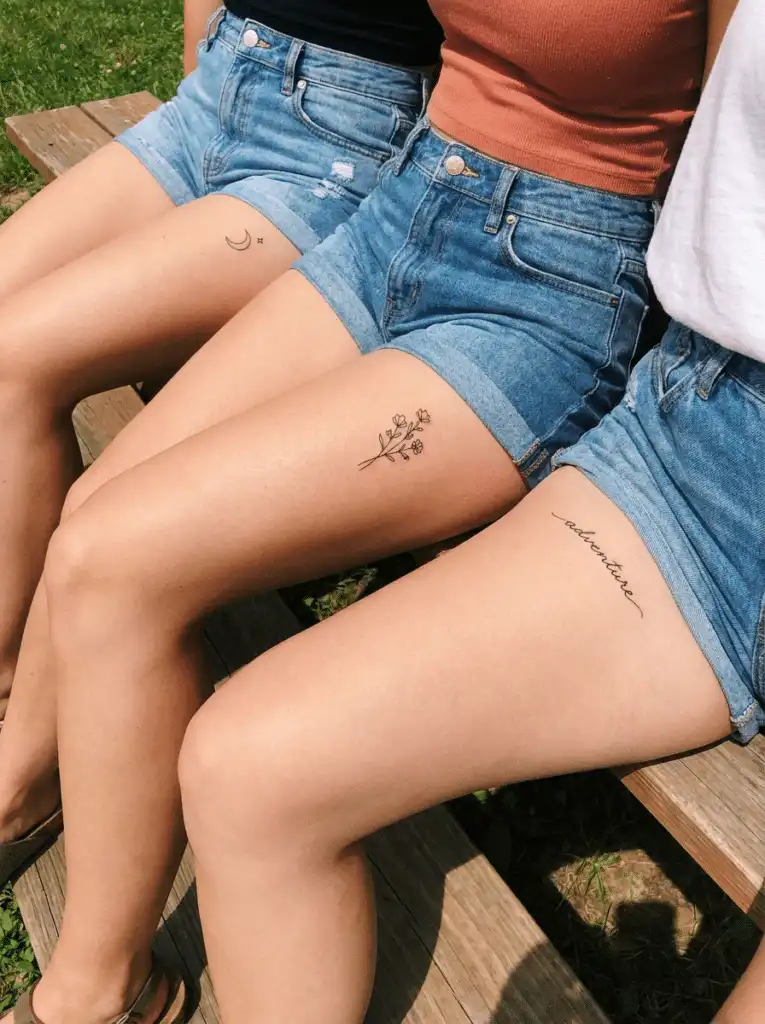
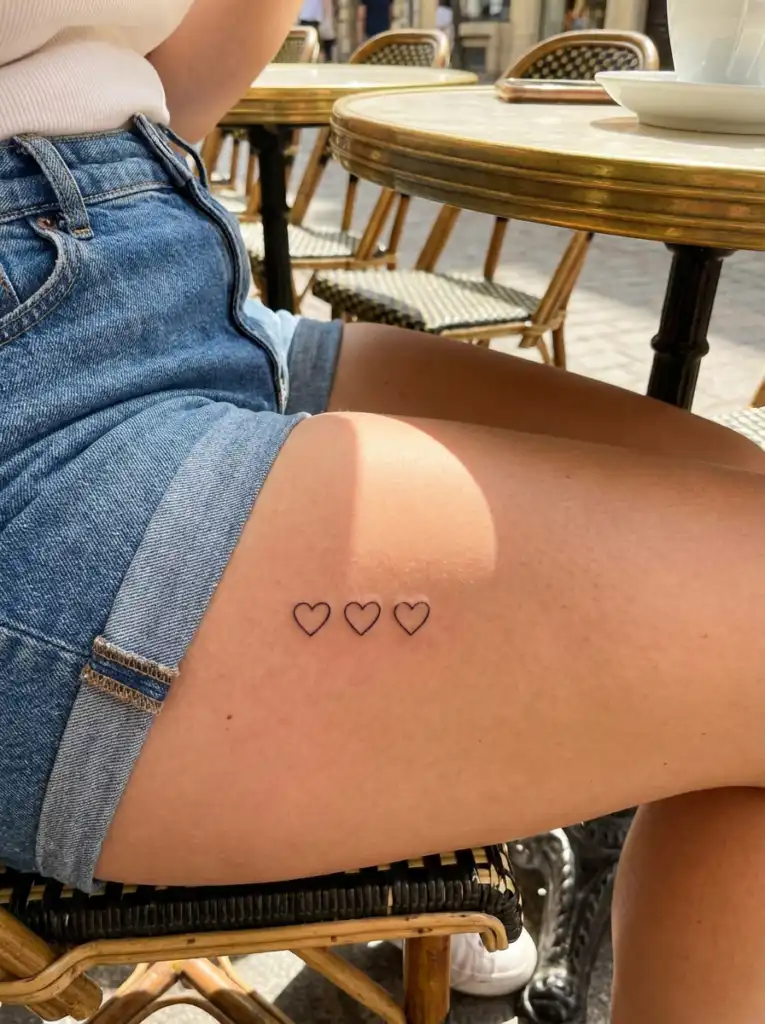
The outer thigh is a popular first-tattoo choice thanks to its relatively low pain level and smooth surface. You have more cushioning from muscle and fat here, which many people find reduces discomfort.
- Why choose it: If you want a statement piece that remains easy to hide under shorts or skirts, the outer thigh is a standout option. It’s also a great spot for bolder, more detailed designs such as portraits or geometric patterns.
- What research says: Outer thigh tattoos often fall in the moderate pain range (around 4-6 on the pain scale) and experience less movement and stretching over time, helping maintain ink stability (LoonyTattoony).
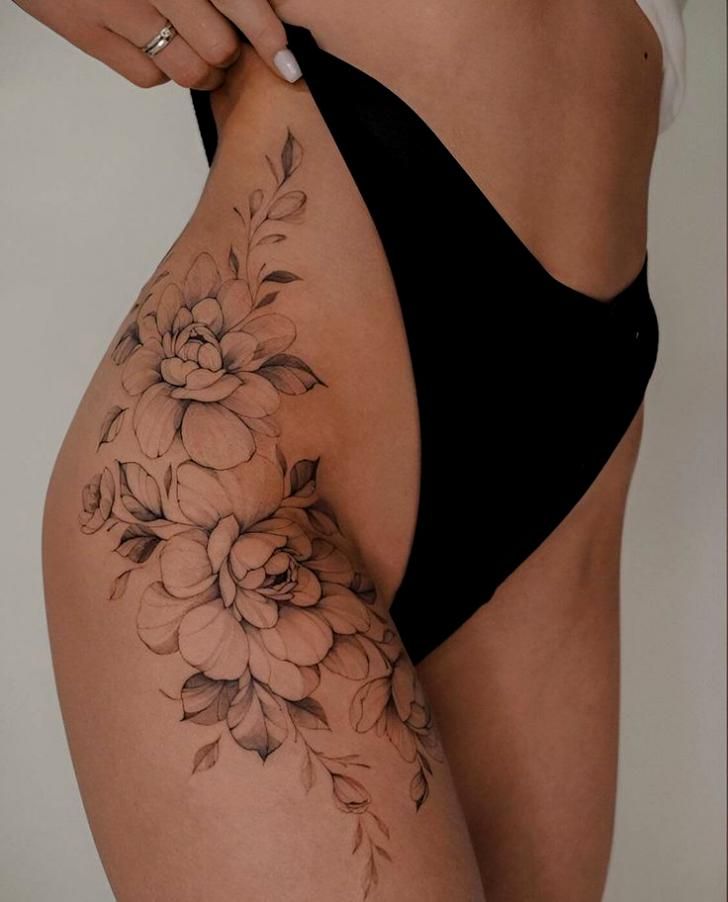
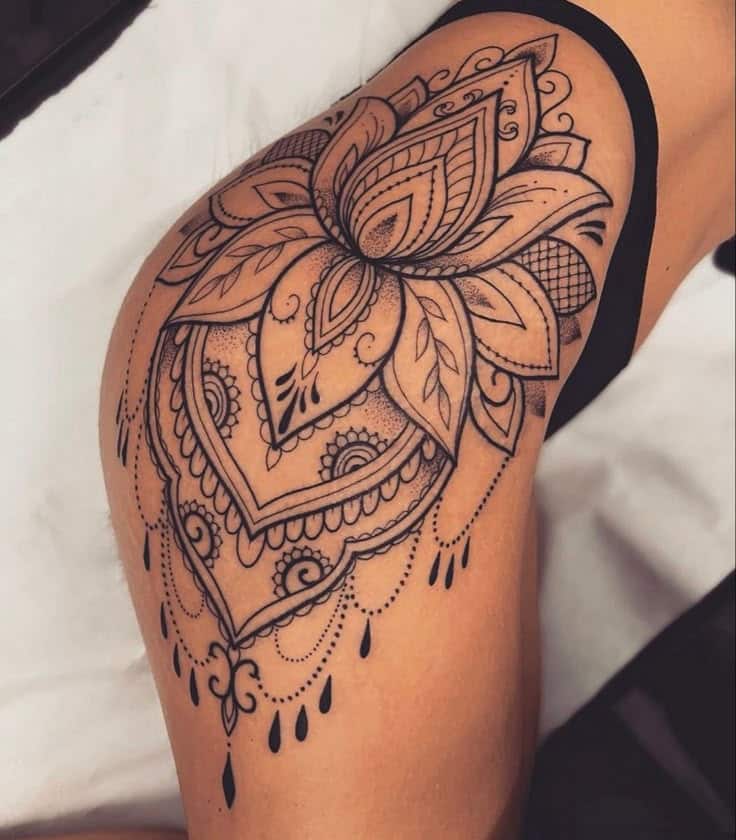
Discover the inner thigh
If you’re seeking a more intimate or private look, the inner thigh might be just the right fit. The skin here is thinner, so the area is more sensitive, but it lends itself beautifully to delicate artwork.
- Why choose it: You can opt for small floral motifs, mandalas, or even watercolor tattoos. Because the inner thigh is easily concealed, you don’t have to worry about professional settings.
- What research says: Pain levels tend to be higher (often 6-8 on the scale), but many people embrace the privacy this spot offers (Hyper Inkers).
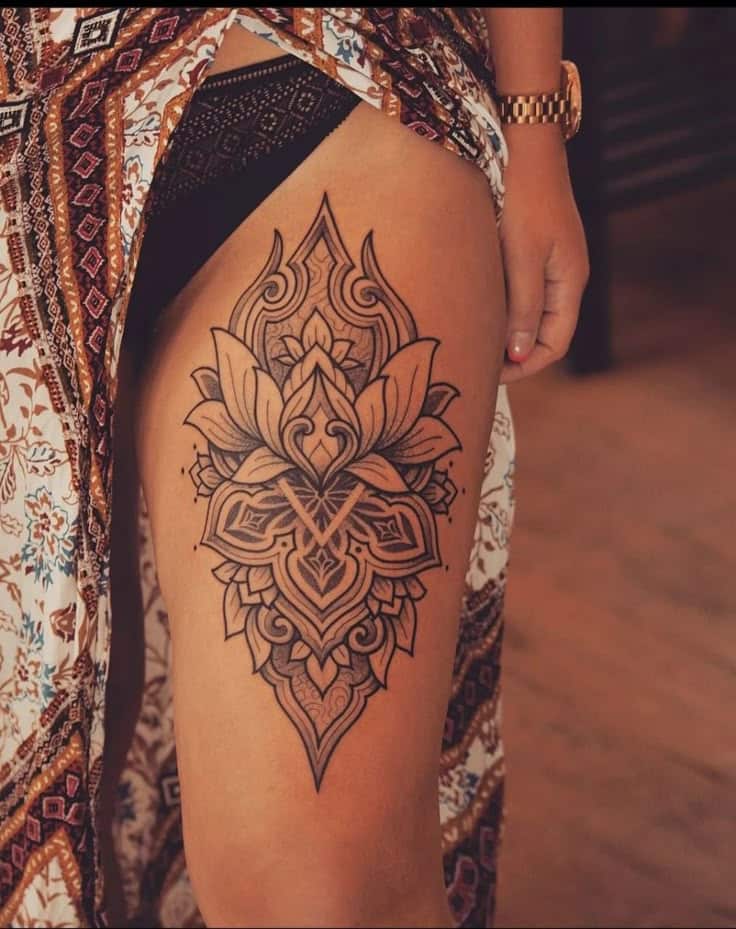
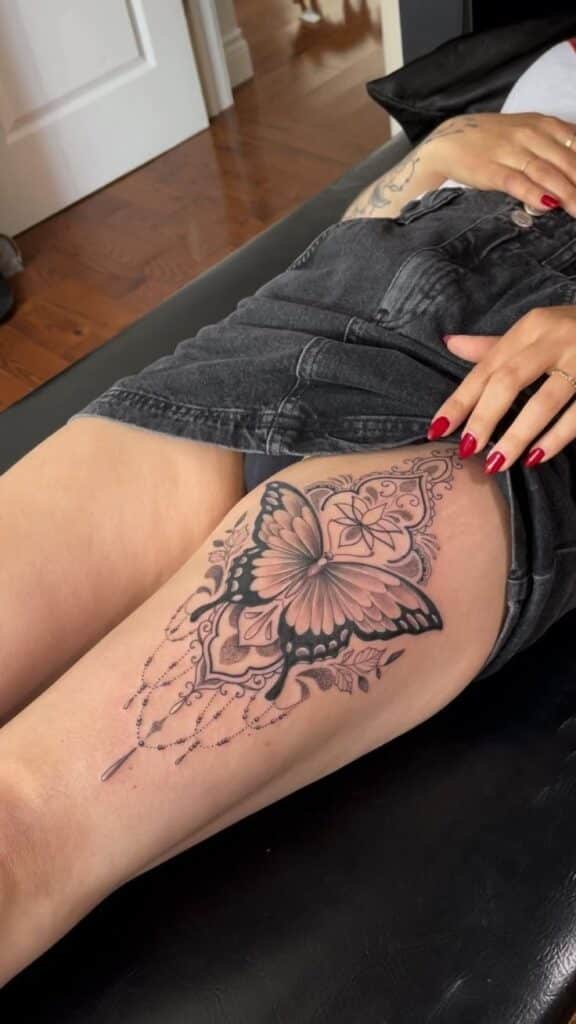
Embrace the upper thigh
The upper thigh is a versatile space with just the right amount of visibility and privacy. You can show off your ink in shorts or a skirt, yet cover it up when you need to.
- Why choose it: Designs that flow along your natural curves—like ornate floral vines—fit especially well here. A single large piece or a series of smaller ones can look equally stunning.
- What research says: Upper thigh placement reduces pain compared to more sensitive thigh areas and offers a smooth canvas for flowing patterns (Hyper Inkers).

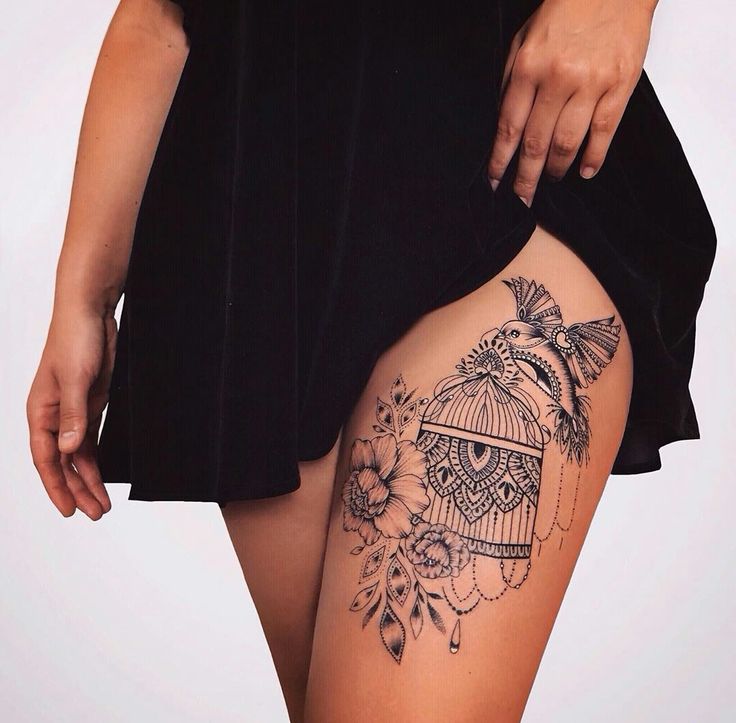
Highlight the front thigh
If you love seeing your tattoo front and center, consider the front thigh. This placement lets you easily appreciate your design without contorting in the mirror. It also provides a broad, relatively flat surface for medium to large tattoos.
- Why choose it: You can showcase intricate portraits, stylized lettering, or nature-inspired elements where they’re always in your line of sight.
- What research says: The front thigh typically ranges from mild to moderate in pain level and is one of the largest areas to work with, especially for medium-sized pieces (Florida Tattoo Academy).
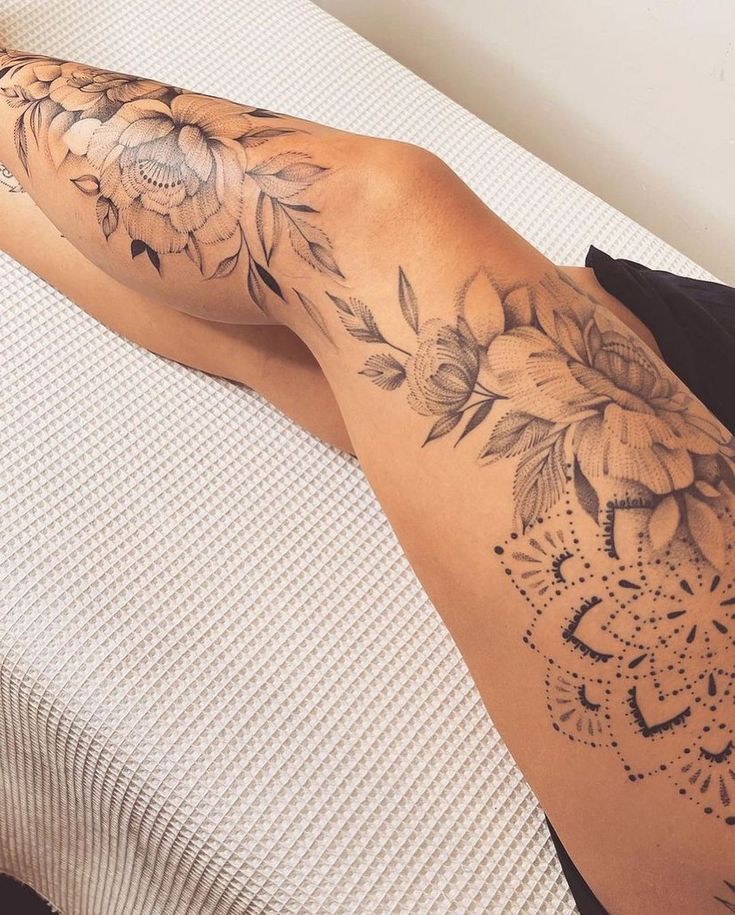
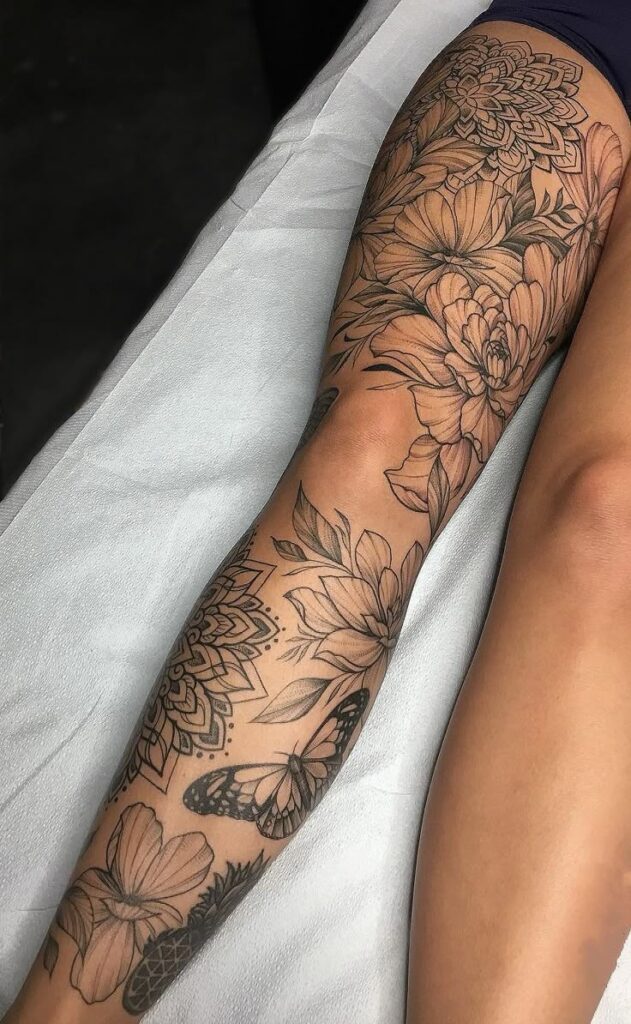
Consider a full-thigh design
For those who want a striking, cohesive piece, a full-thigh design can capture your creative vision in a single expansive mural. You can incorporate multiple elements—like flowers, script, or geometric shapes—that flow seamlessly around your leg.
- Why choose it: A full-thigh tattoo creates an unforgettable statement piece that emphasizes the natural lines of your body.
- What research says: Larger tattoos (6-12 inches or more) can look stunning on the entire thigh, allowing you to enjoy more detail and a traditional flow that complements your shape (LoonyTattoony).
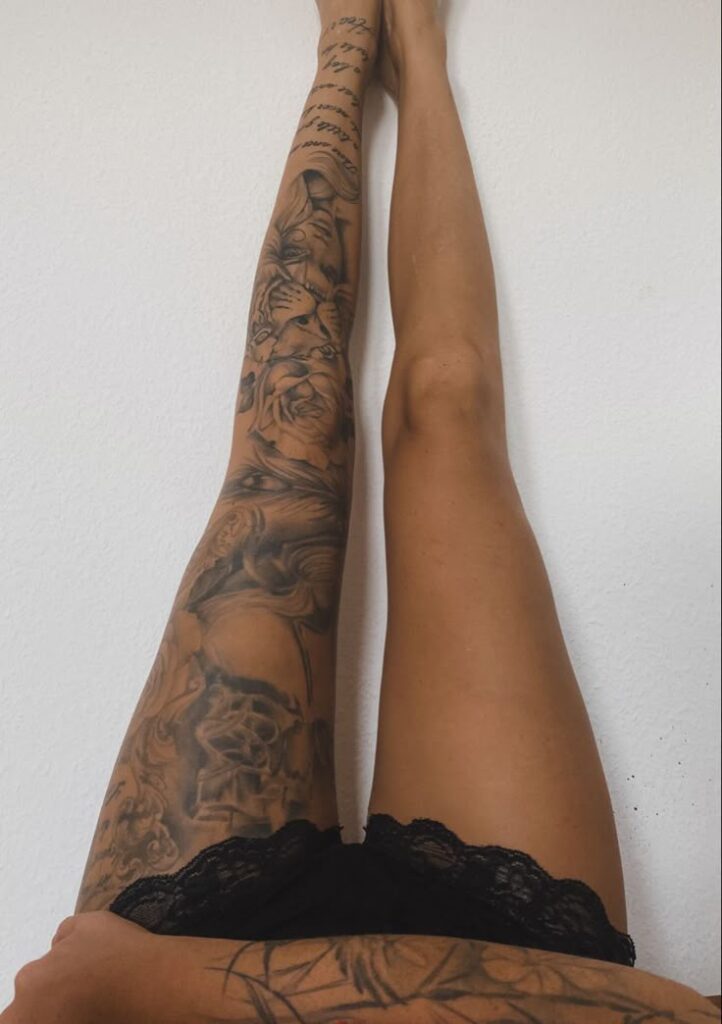
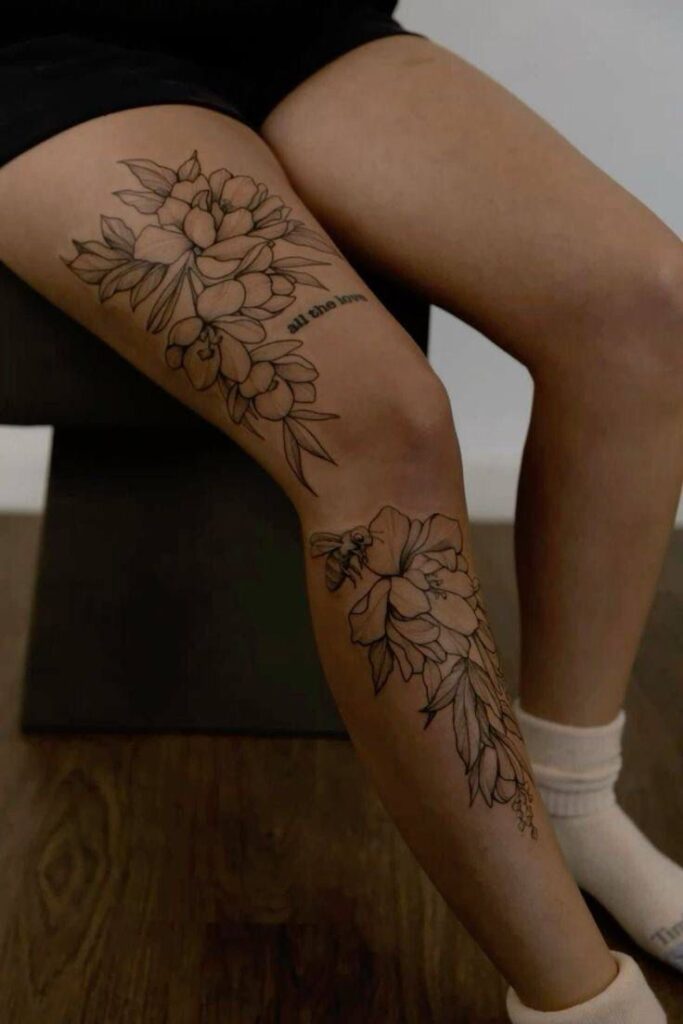
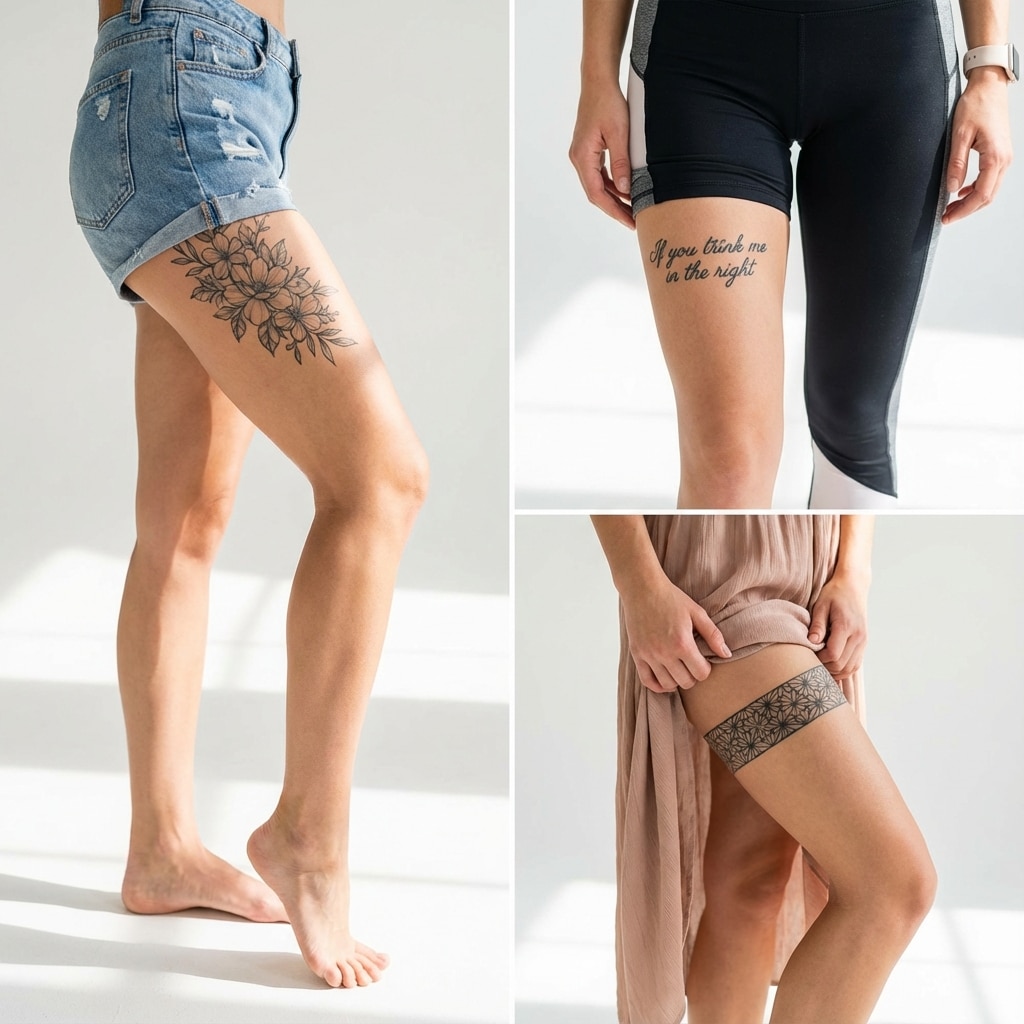
Floral Thigh Tattoos
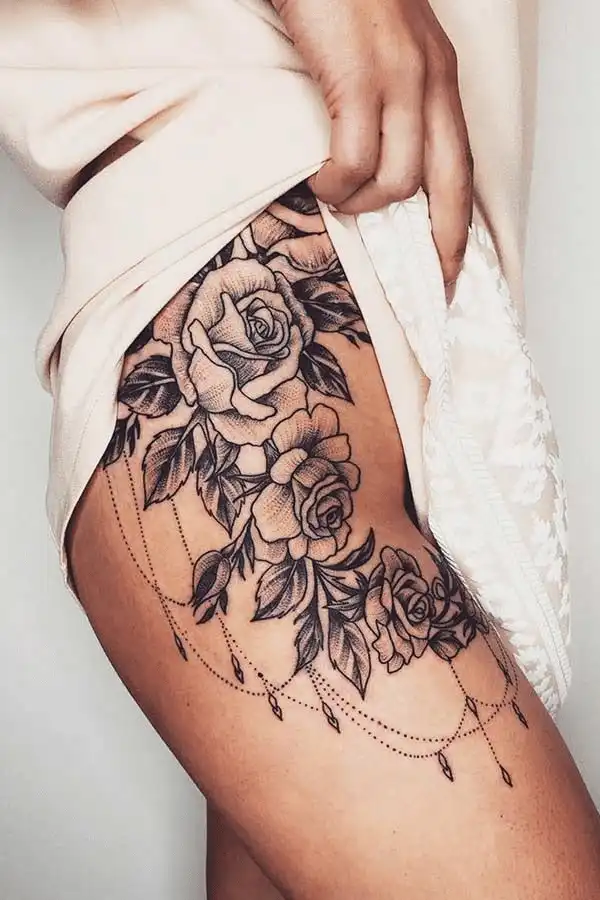
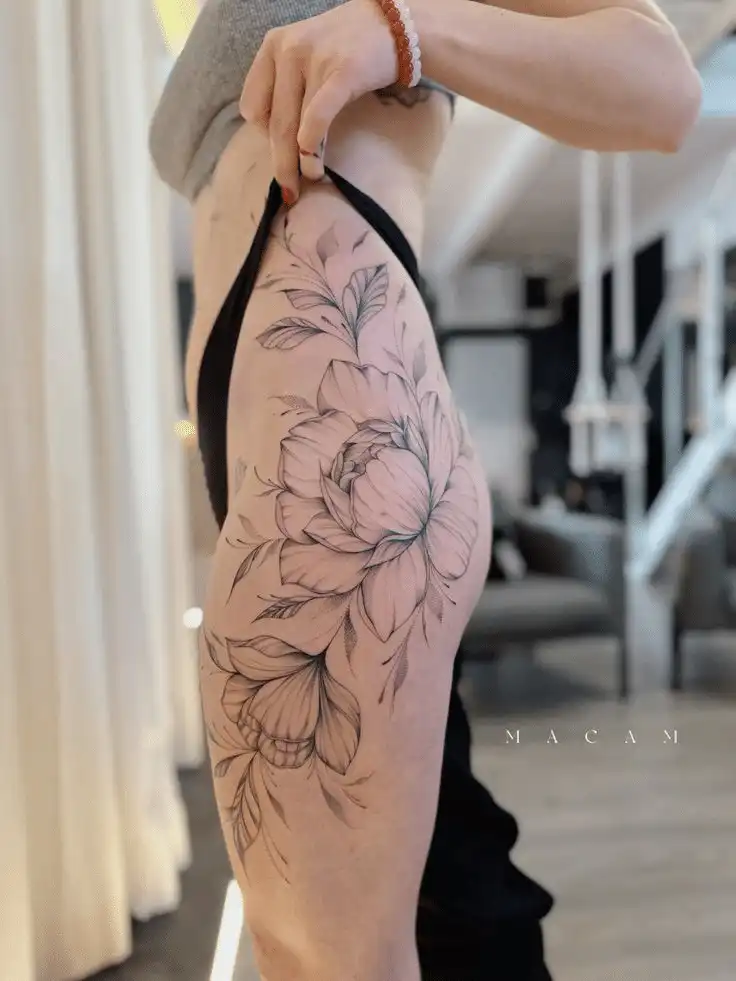
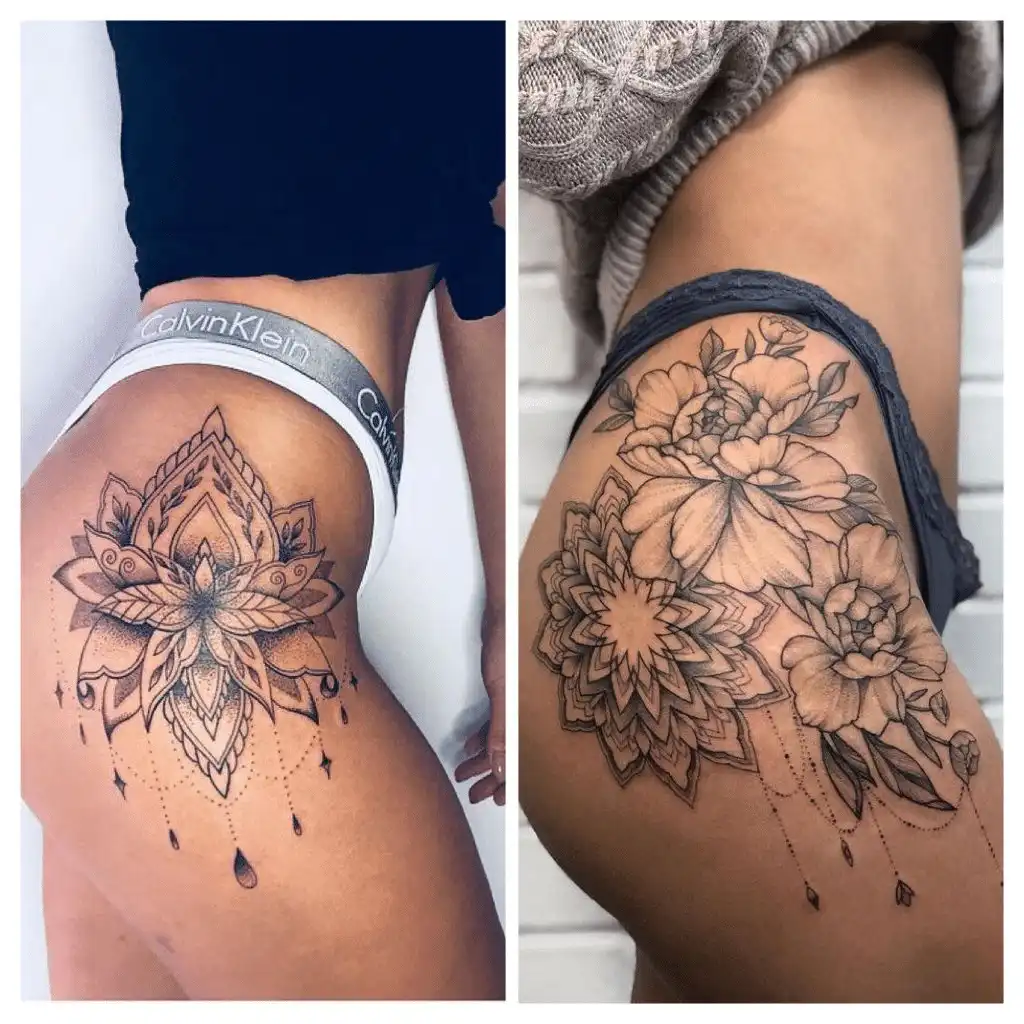
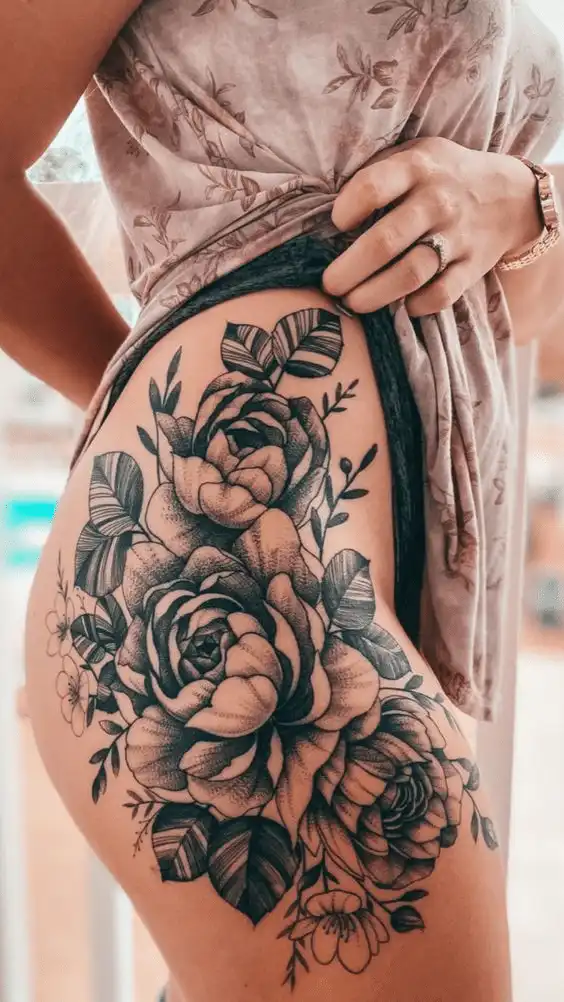
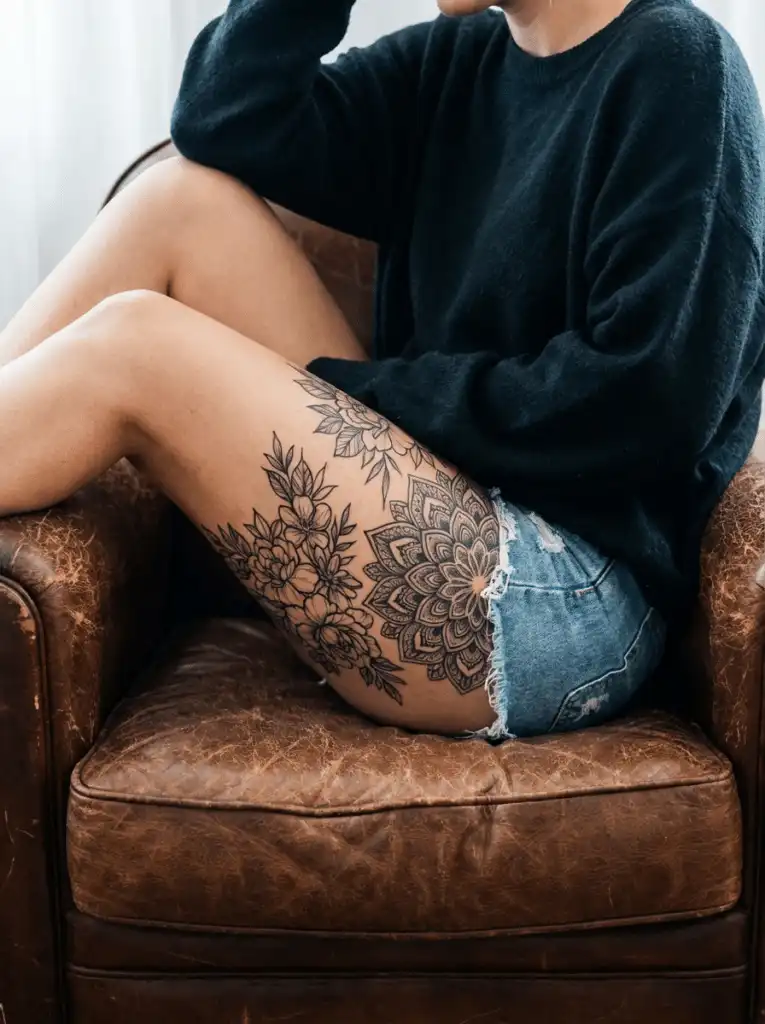
Florals are timeless and endlessly customizable. Roses, peonies, lotus flowers, and wildflowers are especially popular choices.
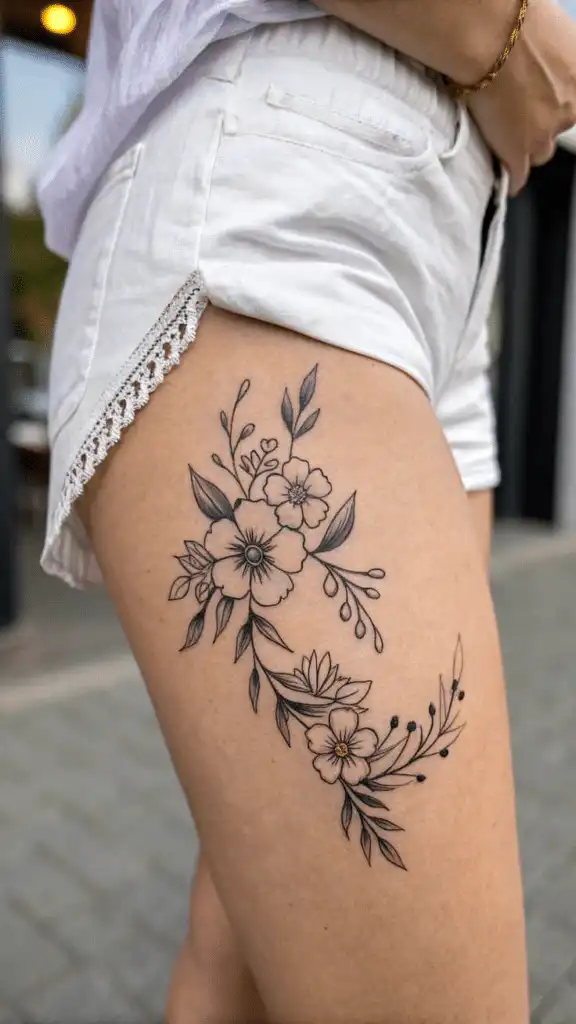
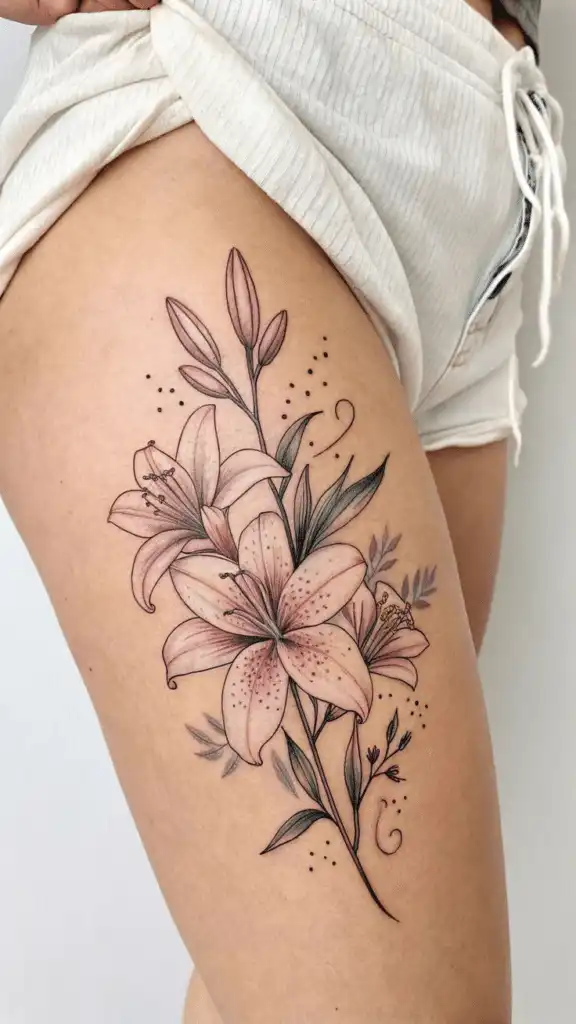
What they symbolize:
- Growth, beauty, resilience
- Femininity and self-renewal
- Emotional healing or transformation
Florals work beautifully along the curve of the thigh and can be soft and romantic or bold and dramatic.
Mandala & Ornamental Designs
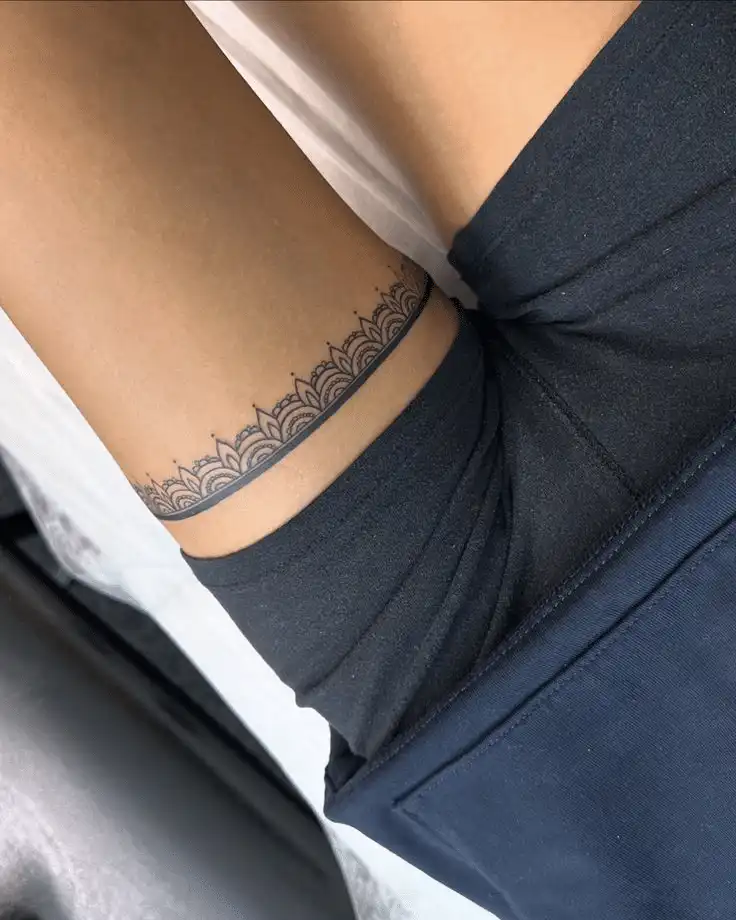
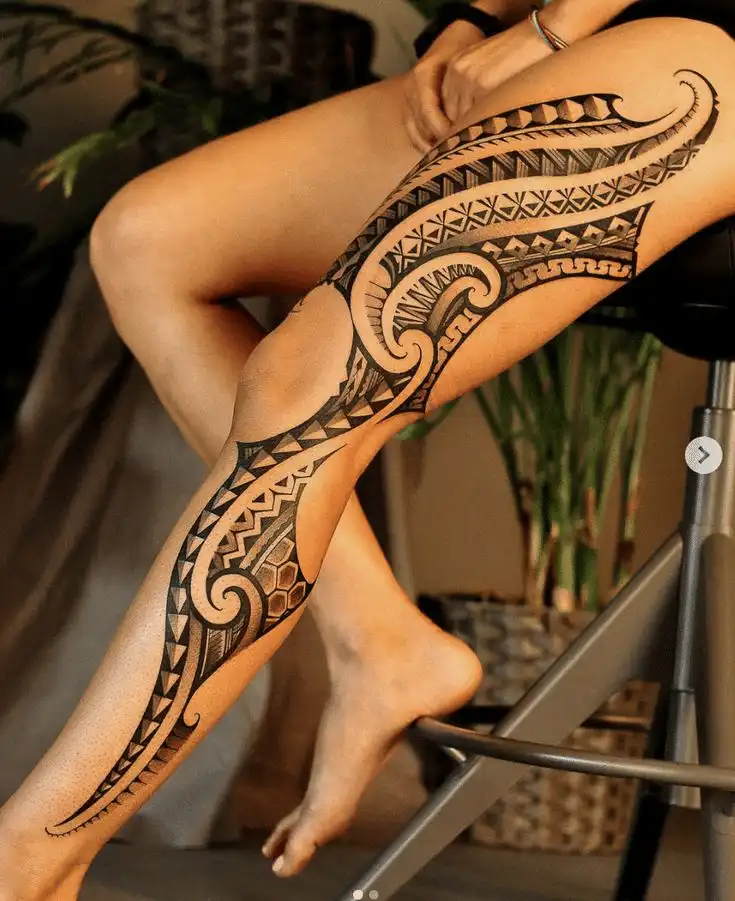
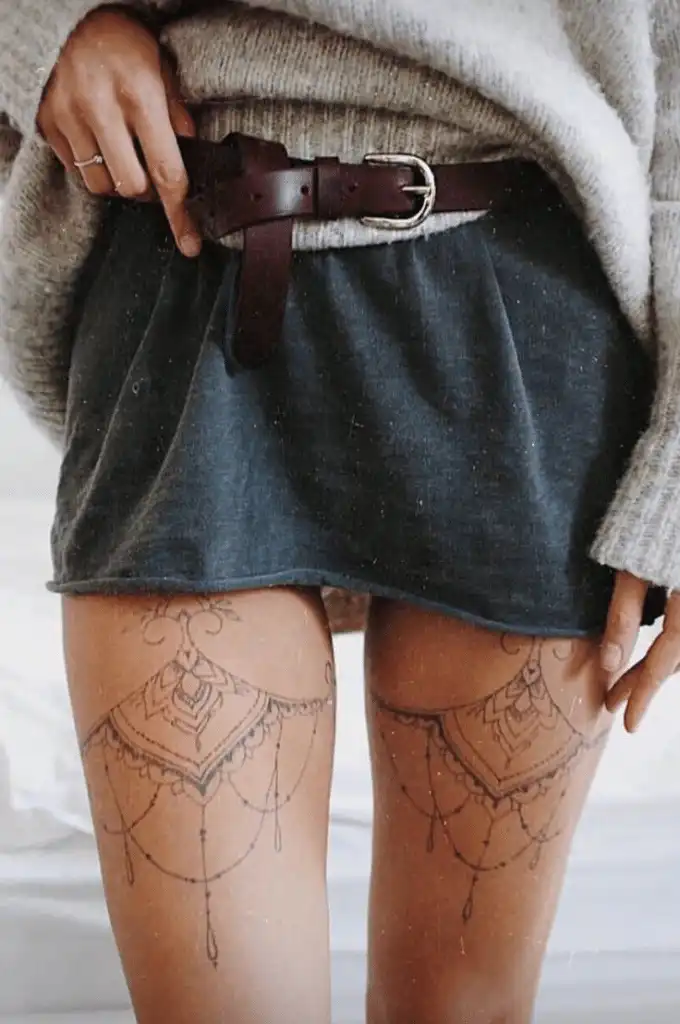
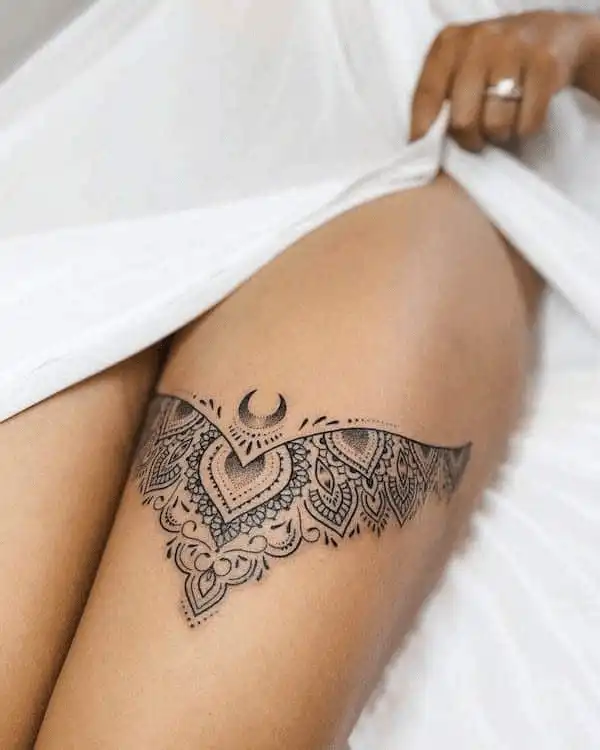
Mandala thigh tattoos are intricate, symmetrical, and visually striking. Often inspired by sacred geometry, they’re perfect for women who want a statement piece.
What they symbolize:
- Balance and inner harmony
- Spiritual growth
- Wholeness and grounding
These designs are commonly placed on the upper or outer thigh to allow for full detail and symmetry.
Script, Quotes & Words
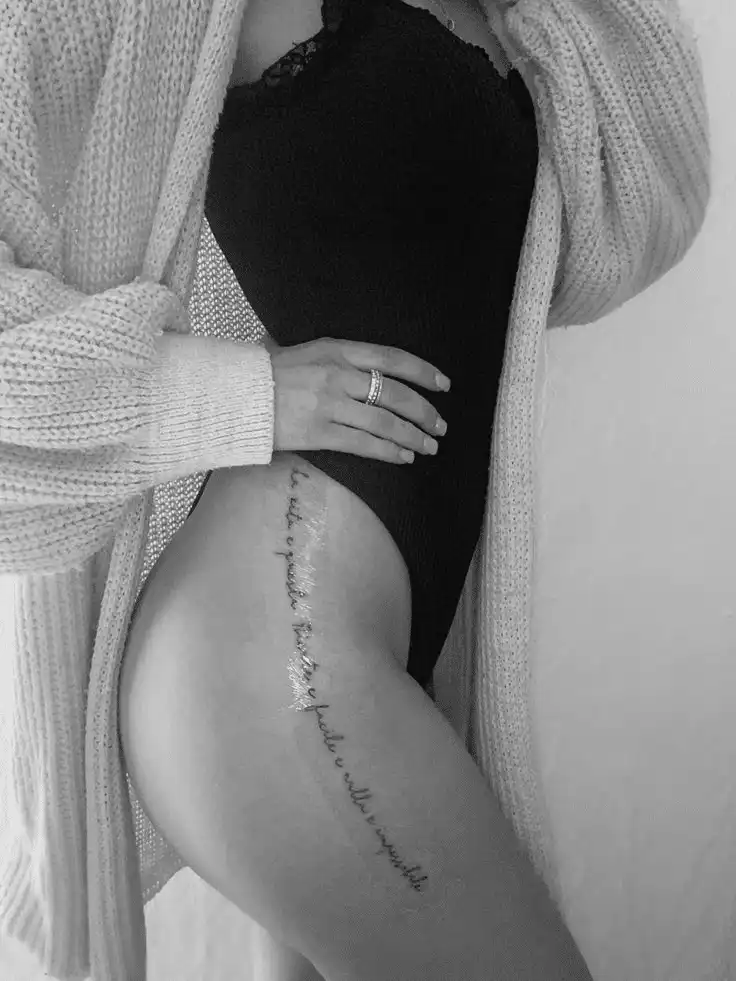
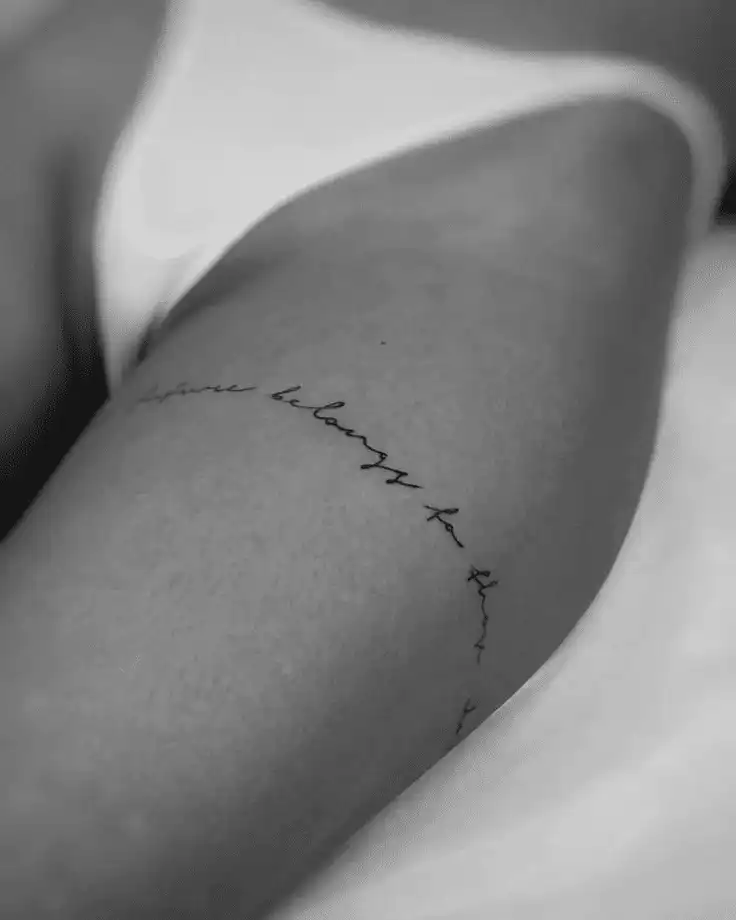
A meaningful phrase, mantra, or single word can make a powerful thigh tattoo. Script tattoos are often placed horizontally or diagonally to follow the body’s natural lines.
Popular choices include:
- Empowering affirmations
- Names or dates
- Lyrics or poetry
This style is especially popular for first tattoos because it’s personal, discreet, and flexible in size.
Thigh Tattoo Aftercare: Healing the Right Way
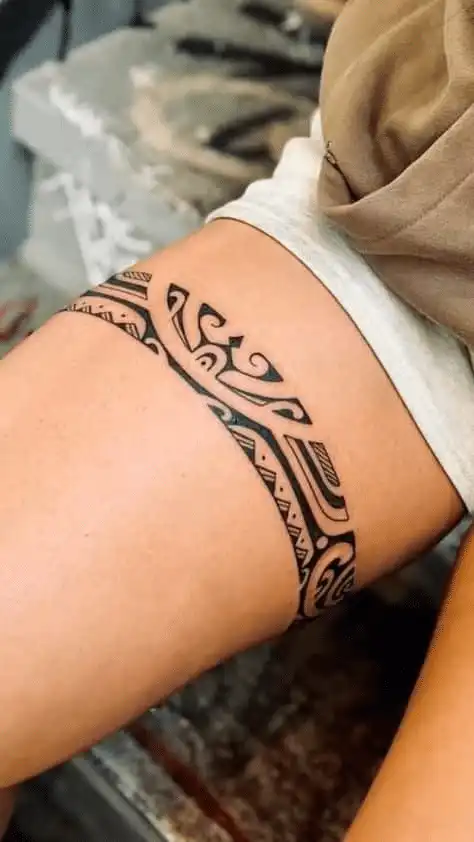
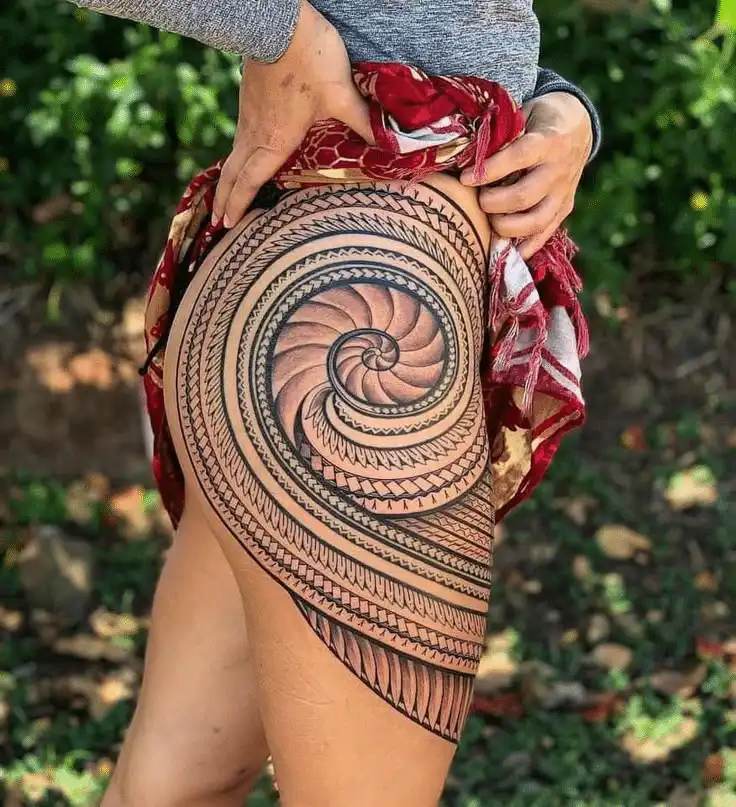
Proper aftercare ensures your tattoo heals beautifully and retains its detail.
First 48 Hours
- Keep the bandage on as instructed
- Wash gently with fragrance-free soap
- Apply a thin layer of tattoo-safe ointment
First 2 Weeks
- Moisturize regularly (not excessively)
- Avoid tight clothing that rubs
- No swimming, hot tubs, or intense workouts
Long-Term Care
- Avoid sun exposure or use SPF
- Keep skin hydrated
- Don’t pick or scratch peeling skin
Thigh tattoos may take slightly longer to heal due to movement and friction, but good care makes all the difference.
Design Tips Before You Commit
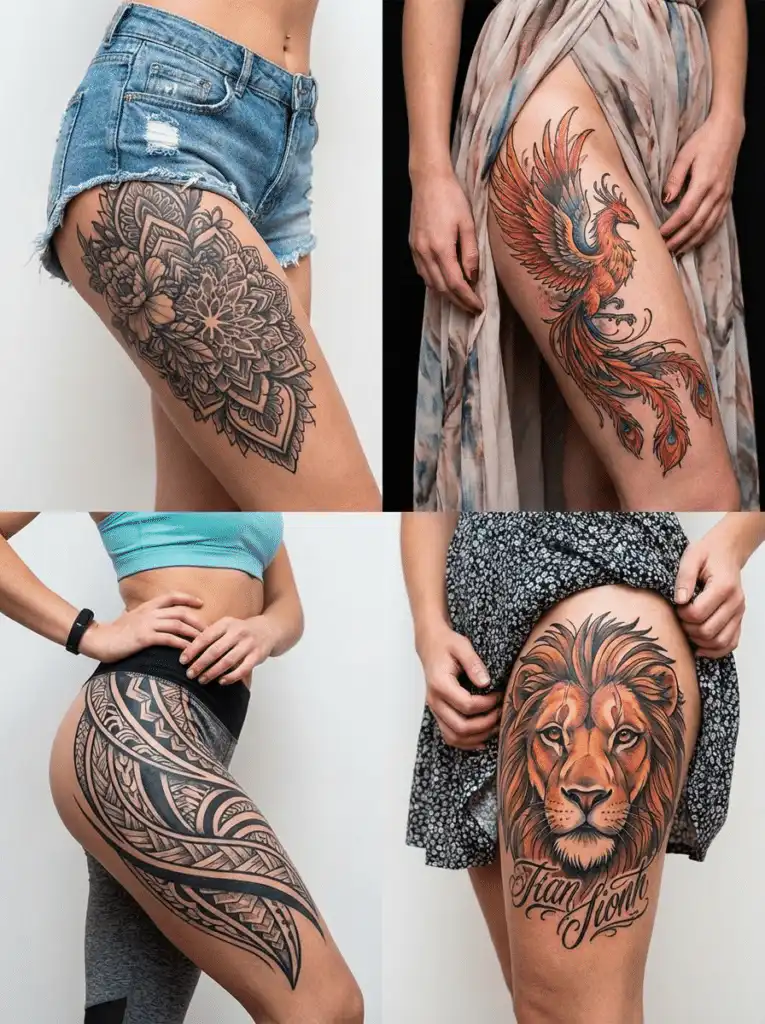

- Size matters: Thigh tattoos look best when they have room to breathe
- Trust placement flow: Let the artist design with your anatomy in mind
- Think long-term: Trends fade—meaning lasts
- Choose the right artist: Look for experience with thigh and large-scale work
A consultation is essential. Bring inspiration, but stay open to professional guidance.
Final Thoughts: Is a Thigh Tattoo Right for You?
Thigh tattoos for women are powerful, versatile, and endlessly expressive. They allow you to reclaim space on your body for art that reflects your identity, strength, and story. Whether bold or subtle, visible or private, a thigh tattoo is less about trends—and more about confidence.
If you’re ready to take the next step, start by collecting inspiration, researching artists, and trusting your instincts. The right design will feel like it’s always belonged to you.

Frequently asked questions
Are thigh tattoos good for first-timers?
Yes. Many women choose the thigh for their first tattoo because it’s less painful than ribs or spine and easy to conceal.
Do thigh tattoos age well?
They generally age very well since the area gets less sun exposure and has thicker skin.
Can thigh tattoos stretch with weight changes?
Minor changes are normal, but significant weight fluctuations can slightly affect shape. Choosing designs with organic flow helps minimize this.
How long does a thigh tattoo session take?
Anywhere from 1–6 hours depending on size and detail. Large pieces may require multiple sessions.
Are thigh tattoos expensive?
Costs vary by artist, size, and complexity. Larger thigh pieces are an investment but often worth it.
- 332shares
- Facebook0
- Pinterest329
- Twitter3
- Reddit0