Embrace the sketching mindset

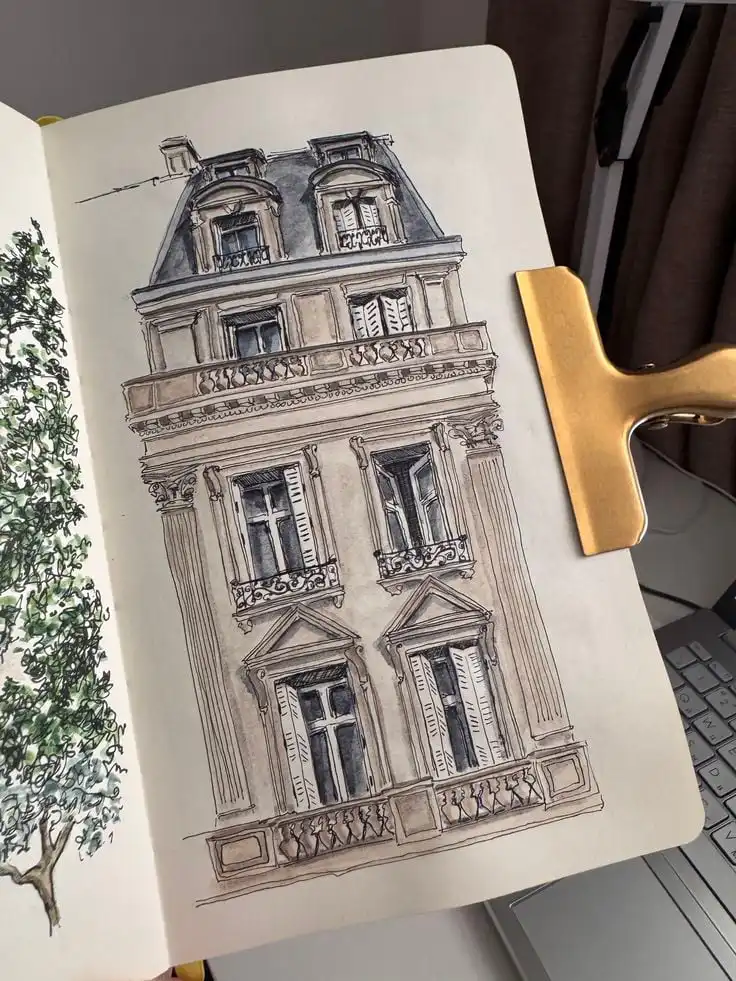

Architectural sketches for beginners can feel intimidating. You might worry about “getting it perfect” from the start. The truth is, sketching isn’t about flawless drawing. It’s about exploring ideas, visualizing concepts, and making your creative process come alive on paper. Embrace the fact that mistakes are part of the journey. Focus on communicating form and depth rather than obsessing over every line.
Gather your essential tools
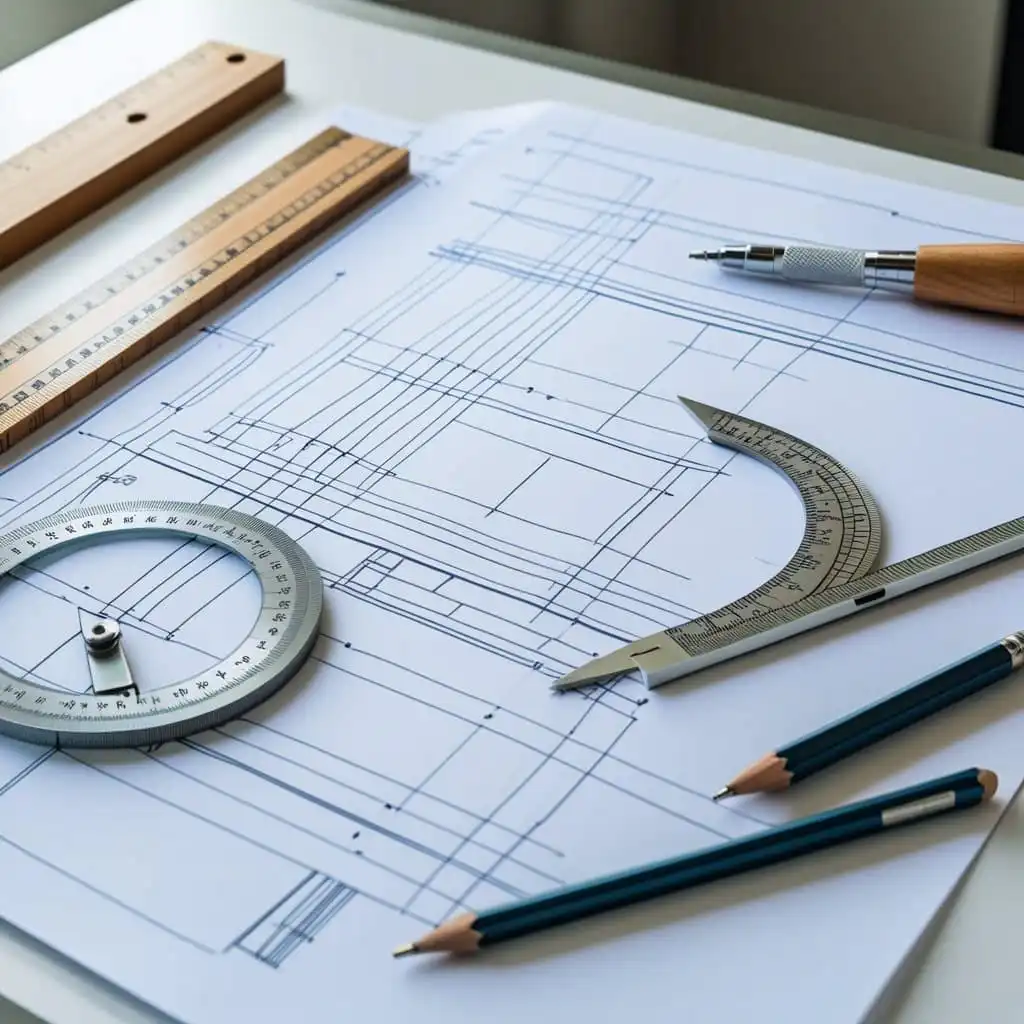
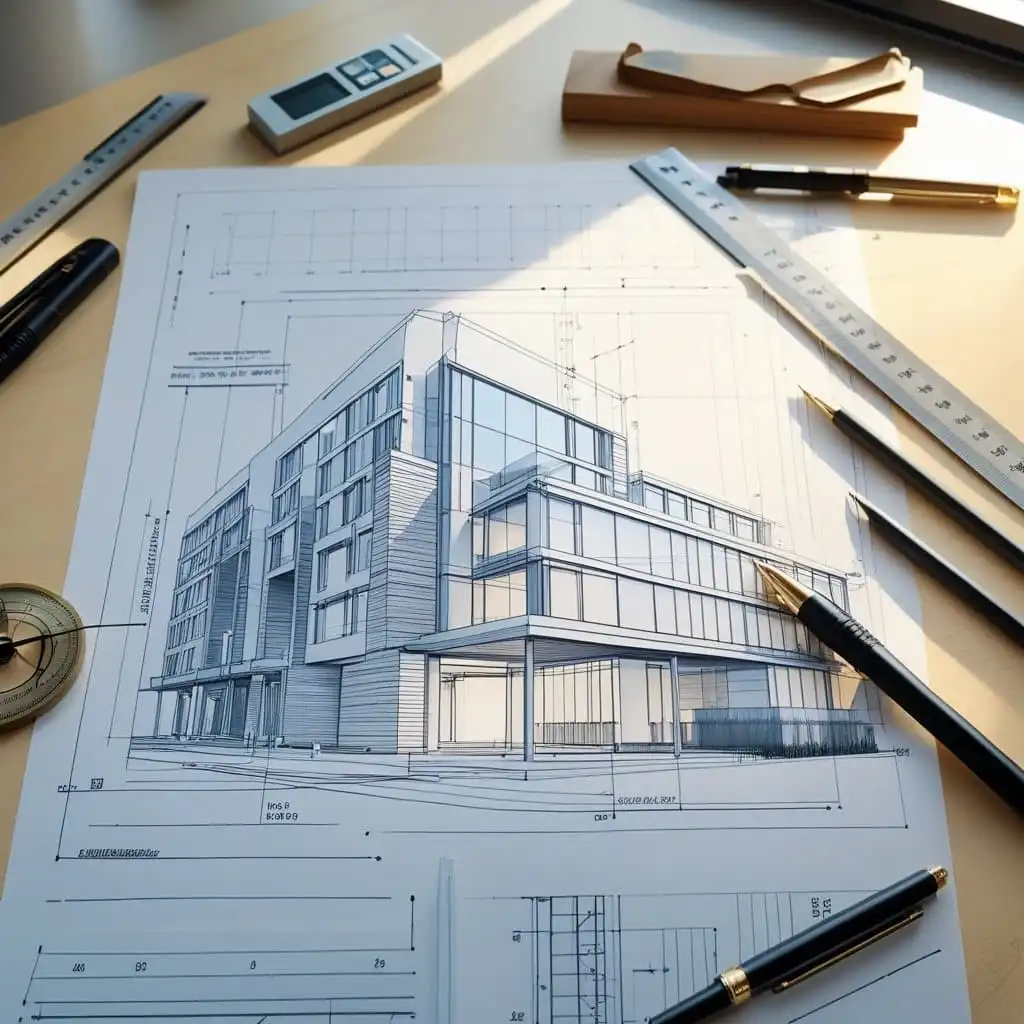
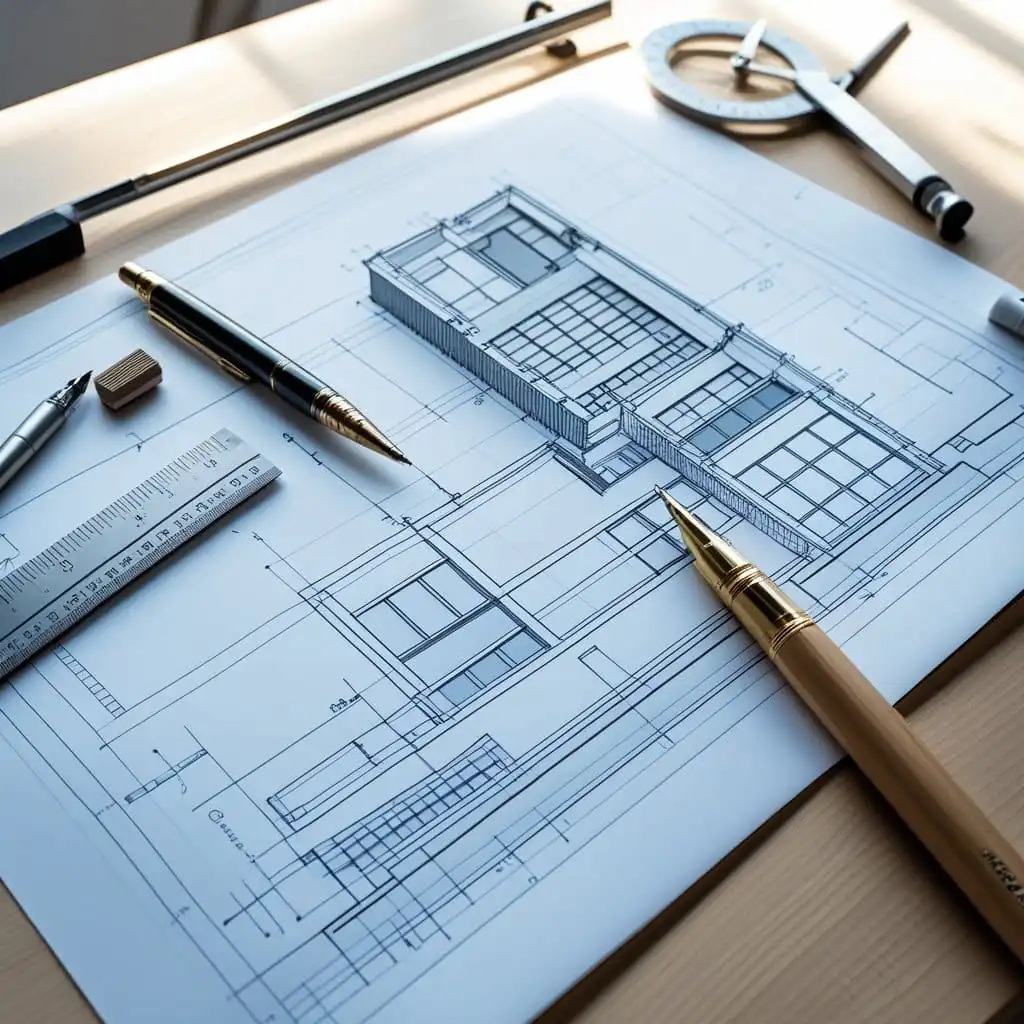
You don’t need expensive gadgets to begin. Start simple, then upgrade as you discover your style.
- Pencils: Look for a range from 4H to 6B, such as Arteza Expert Pencils, which have high-density graphite and are known for their break-resistant cores (Sketch Like An Architect).
- Fineliners: Brands like Staedtler Pigment Liners or Uni Pin Fine Liners are great for precise detail work. Thicknesses range from 0.05 mm for fine detail to 1.2 mm for bold contours.
- Markers: Color markers, like Copic or Arteza, can elevate your presentations and concept sketches.
- Paper or sketchbooks: Simple white office paper or tracing paper are versatile for layering (Life of an Architect). For travel, Moleskine sketchbooks have thicker pages that resist bleed-through.
Start with basic shapes
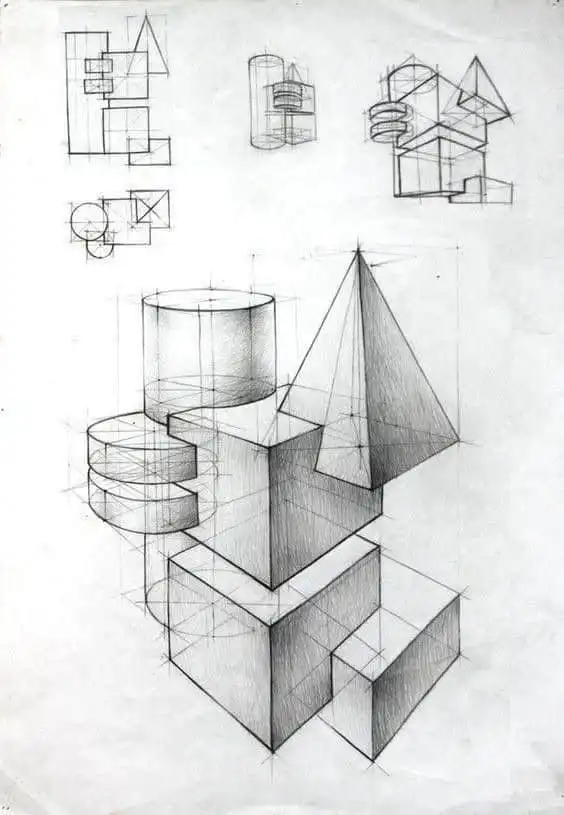
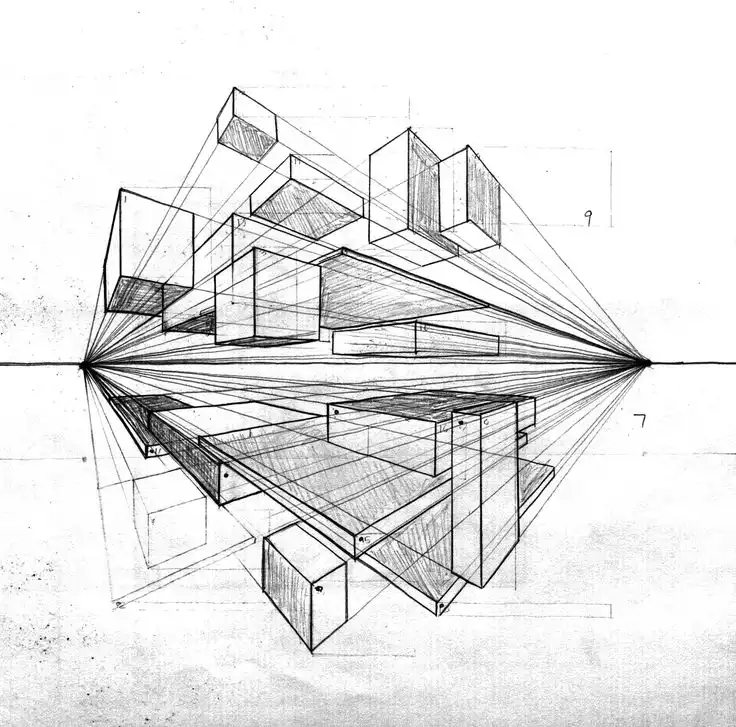
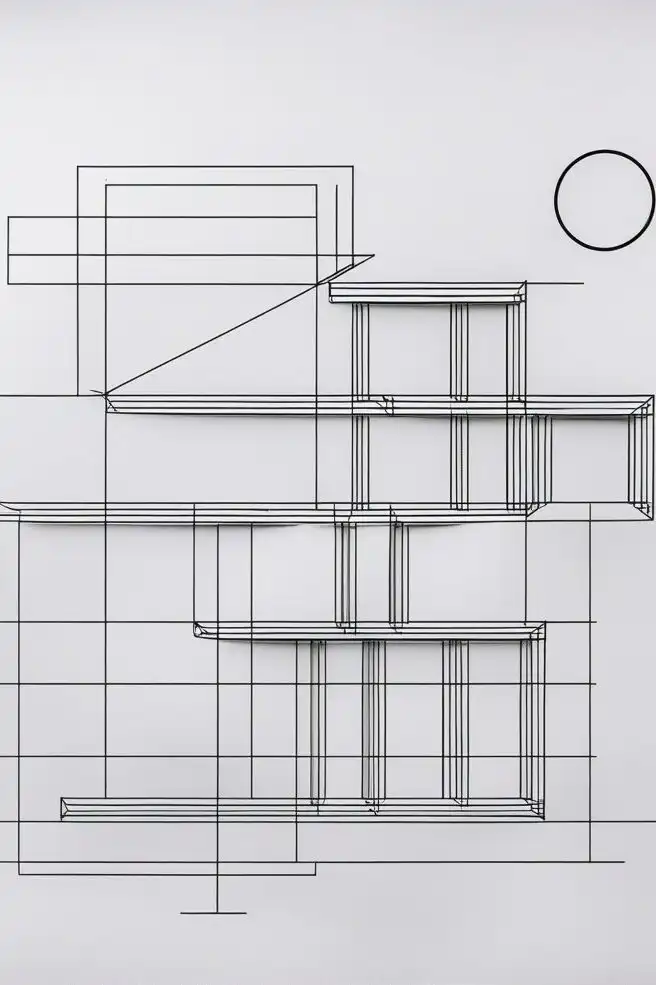
Architectural drawings often look complex, but at their core are basic forms like cubes, cylinders, and spheres. By focusing on these foundational shapes, you lay down a strong framework to build upon (Sketch Design Craft).
- Identify the simplest geometric shapes when looking at a building or structure.
- Roughly outline those forms on paper without worrying about perfect lines.
- Add details gradually, ensuring each shape connects to the larger whole.
Practice line control
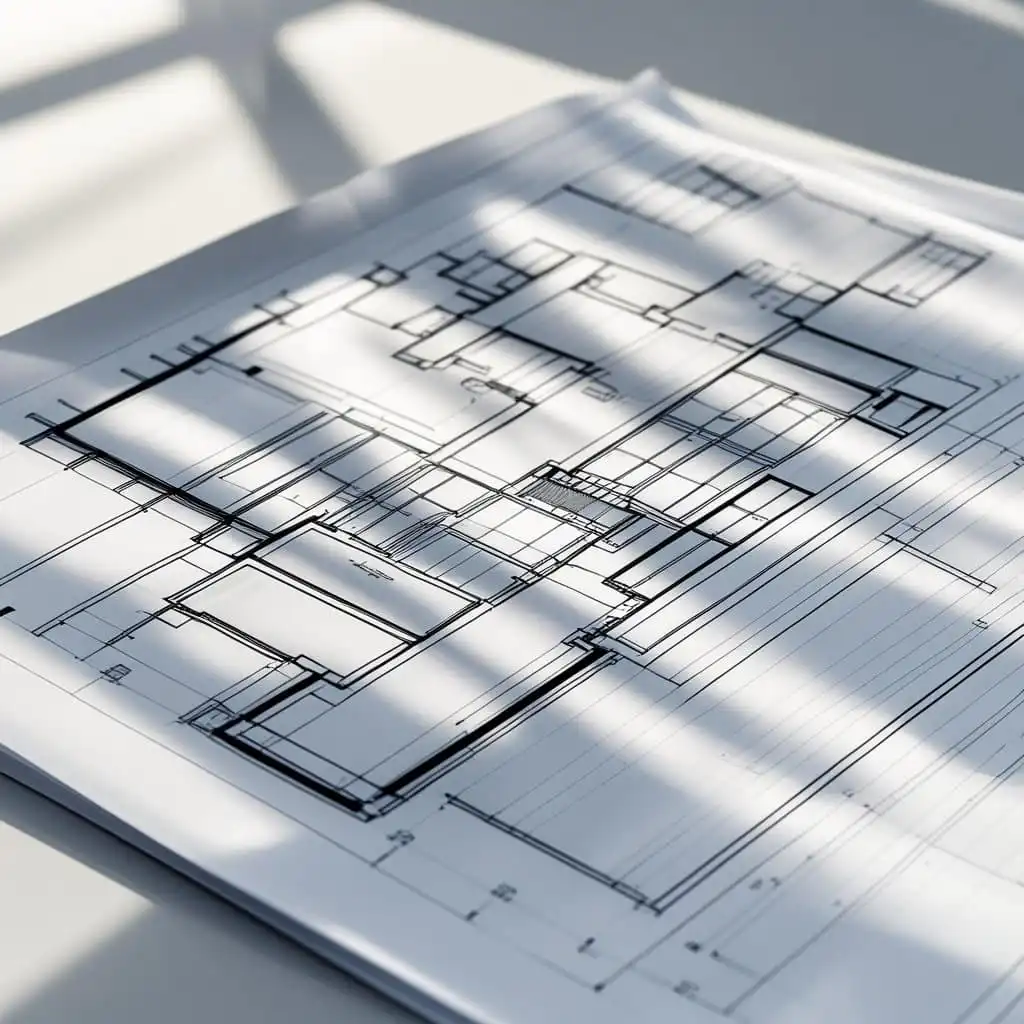
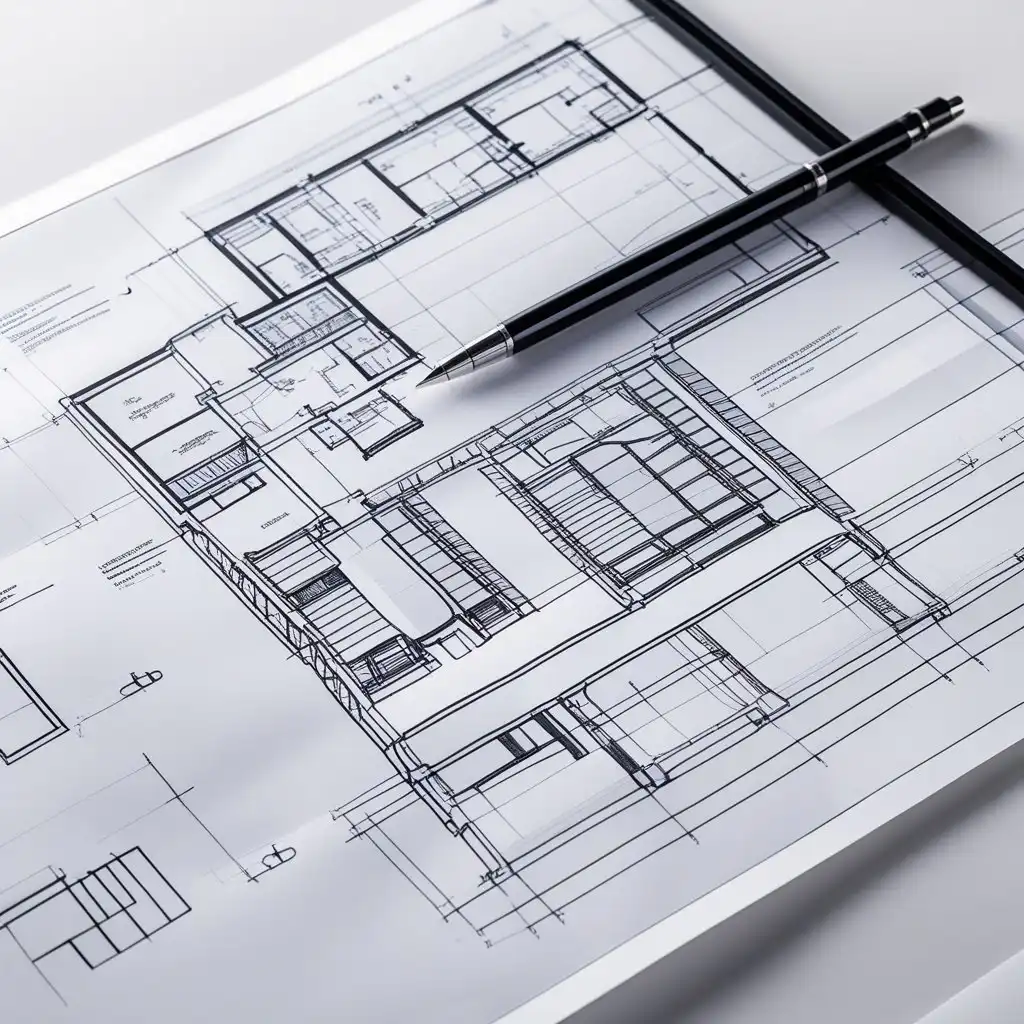
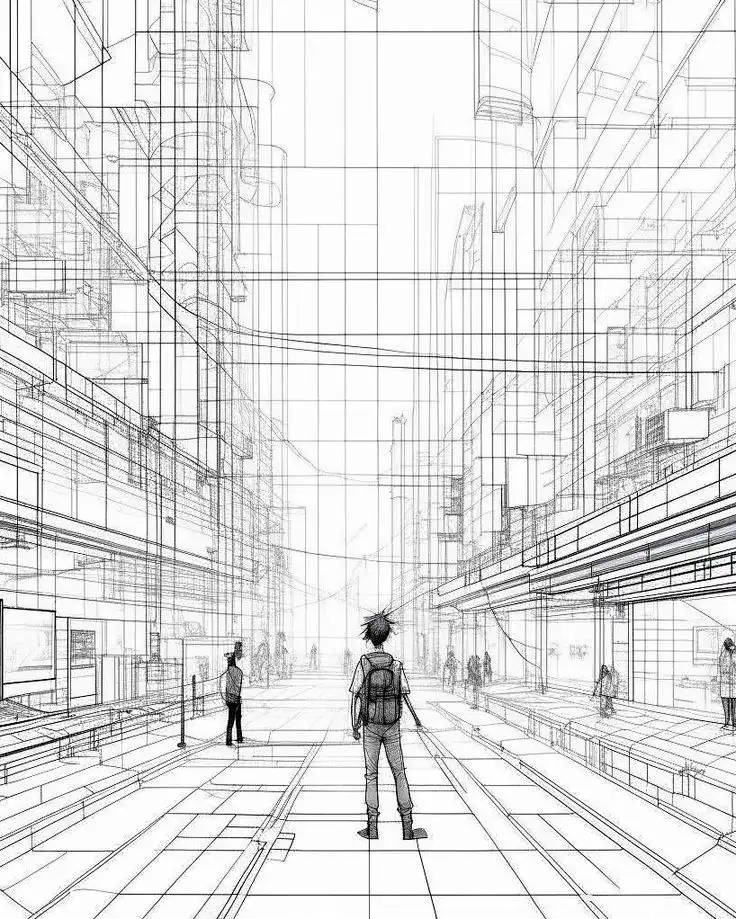
Solid line work gives your sketches clarity and visual punch. One proven strategy is Bob Borson’s “Hit-Go-Hit” method. You intentionally lift your pen between start, middle, and finish to keep lines straighter (Life of an Architect). Try to move your entire arm instead of just your wrist. This helps you avoid shaky or uneven lines.
- Vary line weight: Use heavier, bolder lines around the main outlines (like walls or roofs). Thinner lines emphasize interior details.
- Build muscle memory: Practice drawing horizontal and vertical lines in quick bursts. Over time, your confidence with line placement will grow.
Use perspective effectively
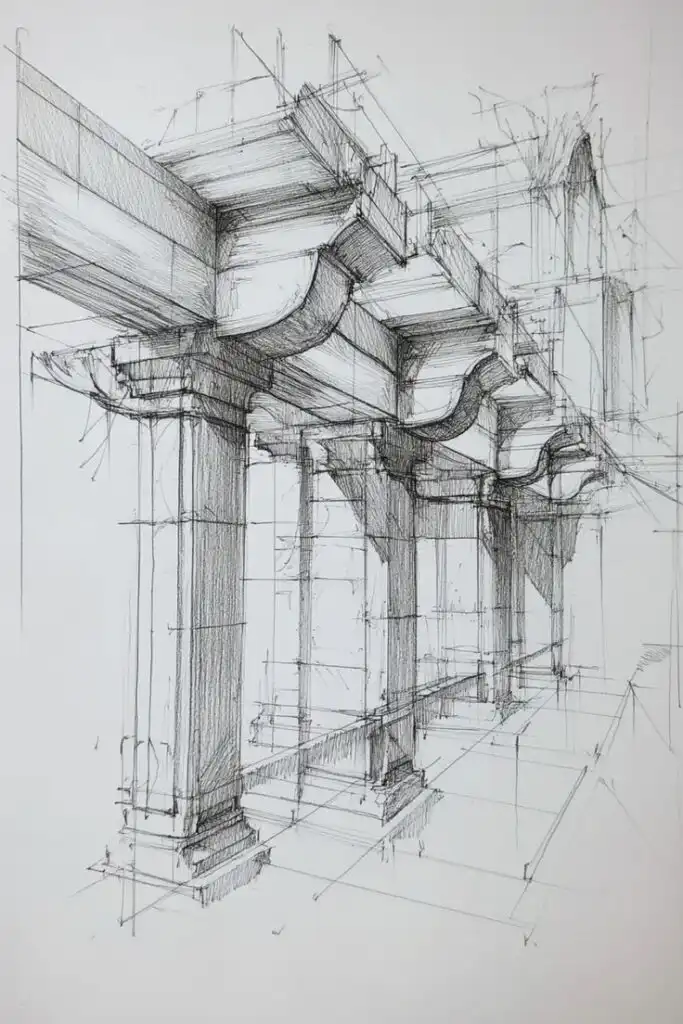

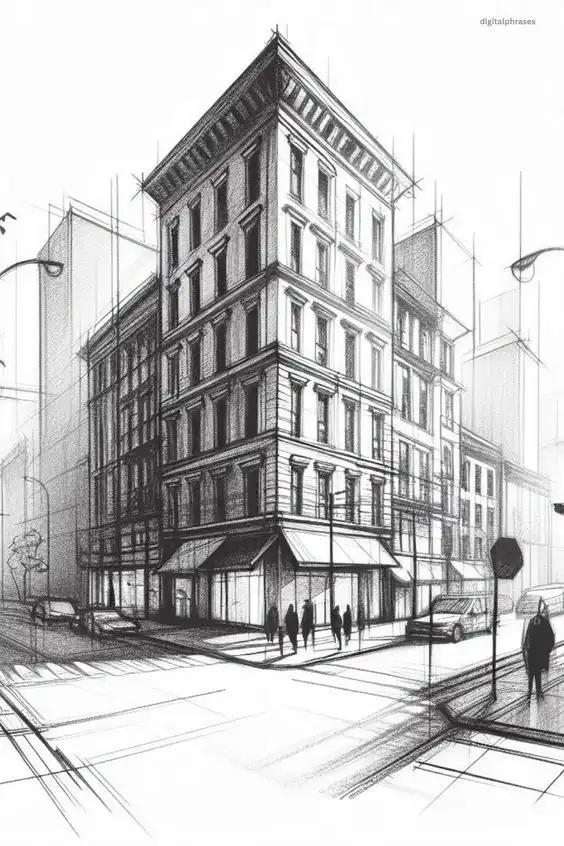
Perspective can bring your ideas to life by capturing depth and scale. There are three basic types you’ll often use:
- One-point perspective: Perfect for interior corridors or elements that recede toward a single vanishing point.
- Two-point perspective: Commonly used to depict buildings seen from an angle.
- Three-point perspective: Shows extreme angles, typically seen when looking up at tall structures or down from above.
Beginners can master perspective quickly by sketching everyday scenes around them. Urban sketching tutorials on Domestika offer a simple introduction to vanishing points and observation exercises (Domestika).
Add shading and layers
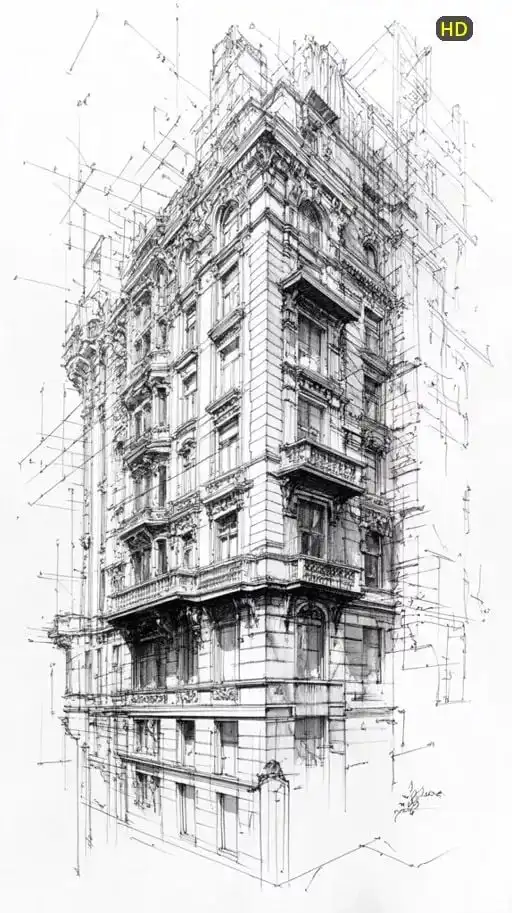
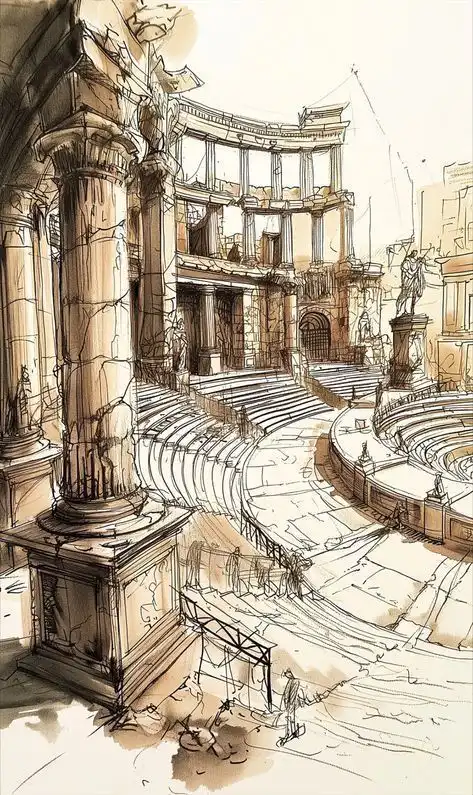

Shading turns a flat outline into a compelling illustration. Vary your shading pressure and pay attention to where your light source hits. Shadows should follow a consistent direction for realistic depth (Architizer).
- Start lightly: Use gentle strokes to fill in large areas of shade.
- Build layers: Gradually darken areas that receive less light.
- Trace paper overlays: Place sheets over your initial drawing to test shading ideas. This layered approach refines your design without erasing your first concepts (Life of an Architect).
Find helpful resources

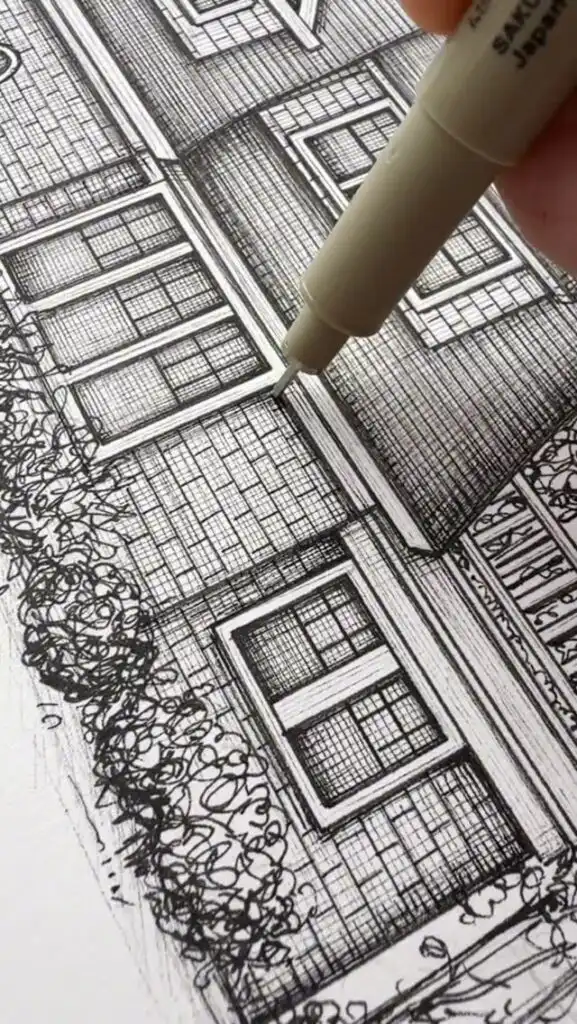

There are plenty of free and paid guides to boost your skills. For example, Sketch Design Craft offers a free PDF, “Easy Sketching in Architecture,” covering geometric fundamentals and shading tips (Sketch Design Craft). Sketch Like An Architect has an entire learning platform with online video courses, books, and live workshops that have helped over 15,000 students improve their sketches since 2017 (Sketch Like An Architect).
Answer five top questions
Do I need expensive tools to get started?
Not at all. Simple pencil sets and standard office paper are enough when you’re beginning. Upgrade later if you decide you enjoy using specialty markers or fineliners.How many hours a day should I practice?
Consistency is more important than marathon sessions. Even 15 minutes of focused daily practice can spark noticeable improvement over time.What if my lines are always shaky?
Switch to the “Hit-Go-Hit” method and draw from your shoulder instead of your wrist. Straight-line exercises also help stabilize your strokes.Should I jump directly into perspective?
Start by mastering basic shapes. Once you’re comfortable, introduce perspective techniques gradually. Think of perspective as an extension of your foundational shapes.Are digital drawing tablets viable for beginners?
They can be. However, many architects recommend paper-based methods at first since it refines hand-eye coordination and line control. Digital tablets are a handy next step once you have the basics down.
Sketching is a skill built on baby steps, not giant leaps. Every time you pick up a pen or pencil, you’re adding to your visual language as an architect or design enthusiast. Keep practicing, keep experimenting, and watch your sketches evolve into strong architectural statements. You’ve got this.
- 8shares
- Facebook0
- Pinterest7
- Twitter0
- Reddit1