

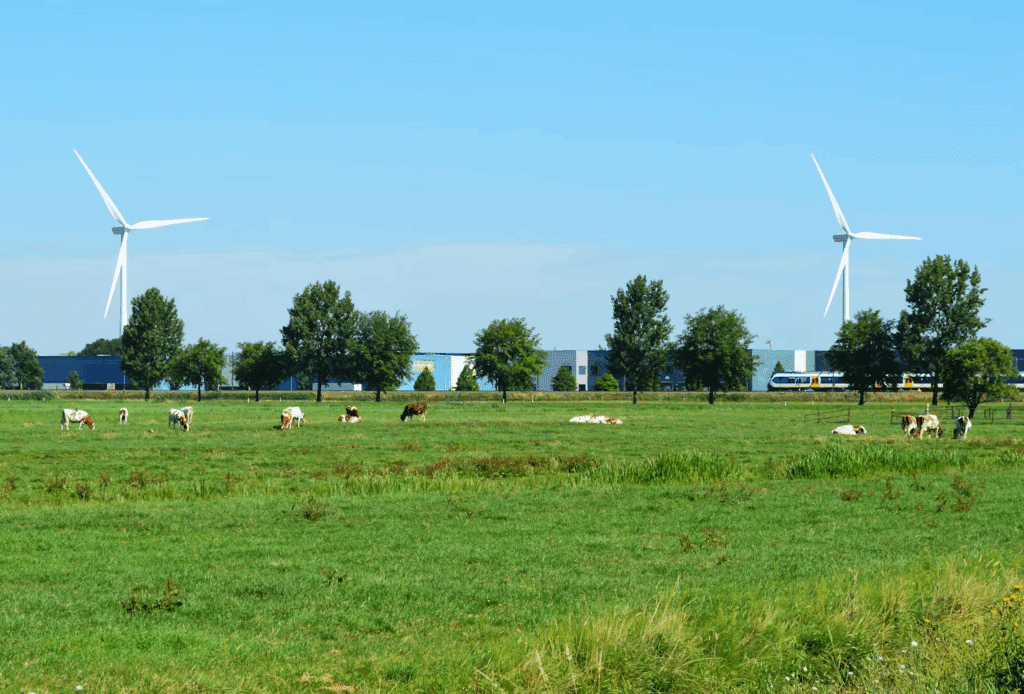
Across rural America, the future of farming is increasingly powered by clean energy. From irrigation and grain drying to refrigeration and livestock operations, agriculture relies on stable electricity. Yet rising grid prices, aging infrastructure, and remote locations make power reliability a growing concern.
For many landowners, small wind turbines have become a practical path toward energy independence. While vertical-axis designs attract interest, the Horizontal Axis Wind Turbine (HAWT) remains the proven, high-performance option for most farms. Combining efficiency, durability, and scalability, modern HAWTs are engineered to provide dependable on-site electricity at a fraction of long-term grid costs.
What Is a Horizontal Axis Wind Turbine (HAWT)?
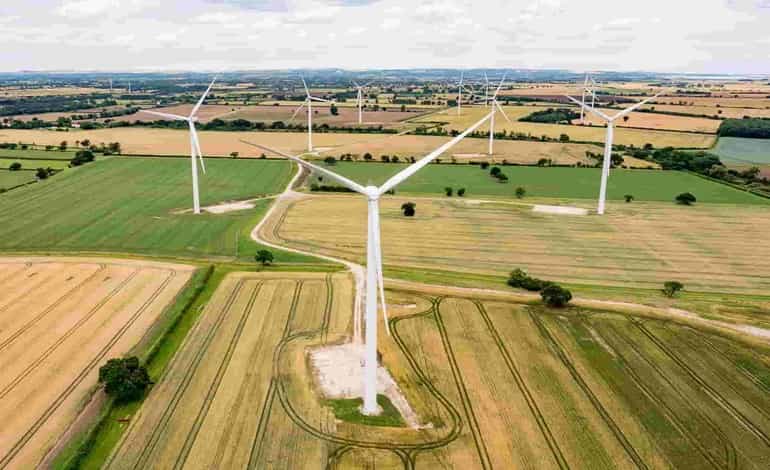
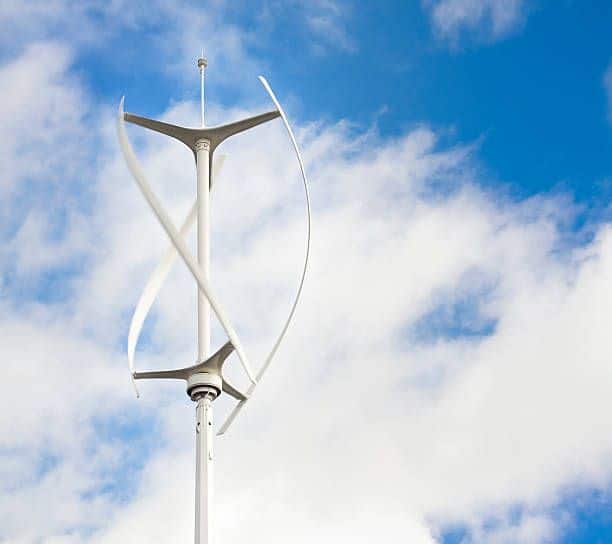
While both horizontal and vertical axis wind turbines are used for renewable power generation, horizontal-axis designs remain the dominant choice for agricultural and rural applications due to their higher aerodynamic efficiency and scalability.
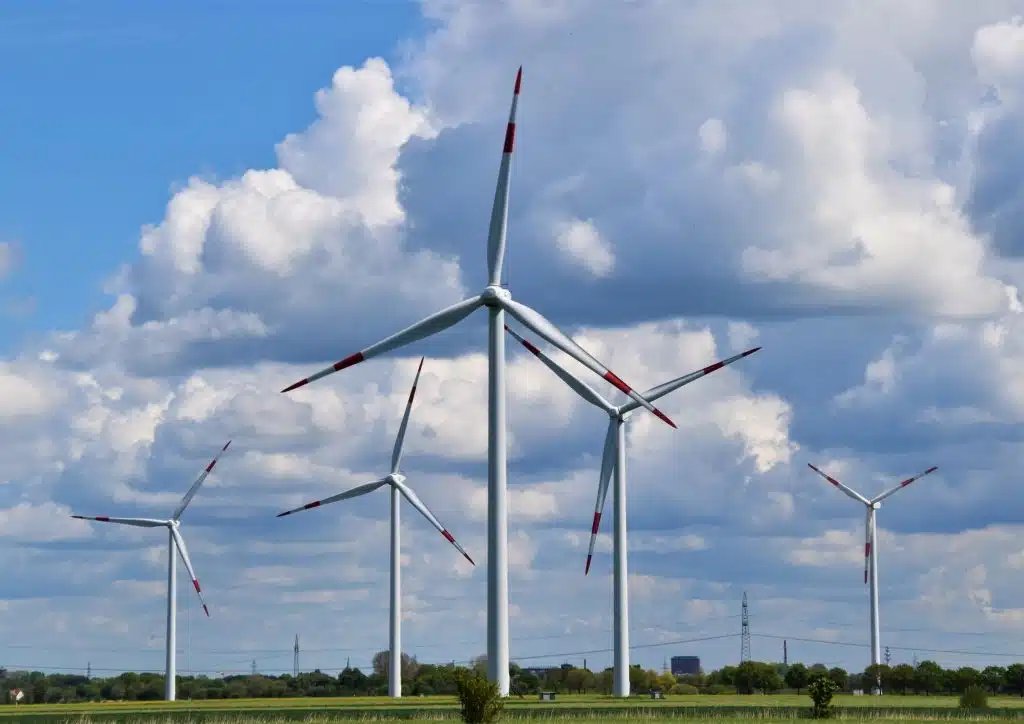
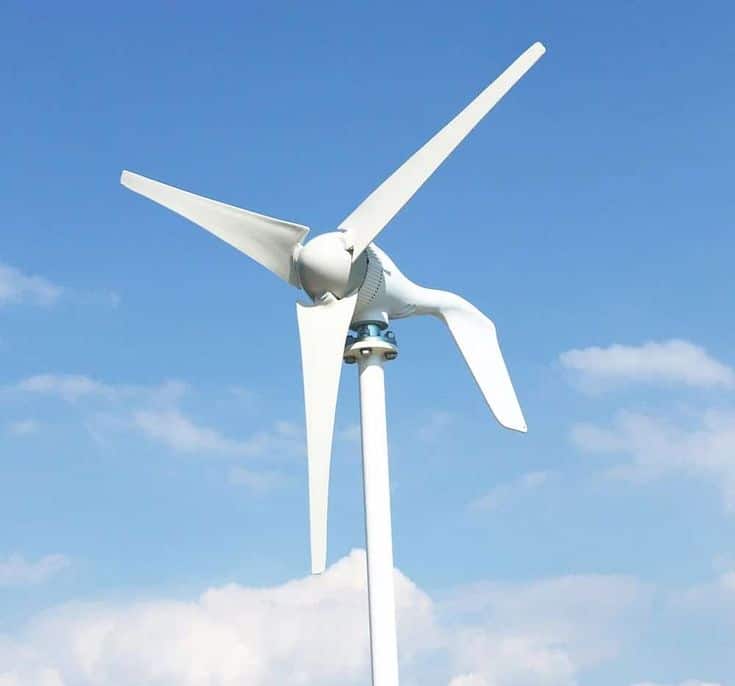
A HAWT is a wind-powered generator whose blades rotate around a horizontal shaft that faces into the wind. This configuration, familiar from utility-scale wind farms, is also ideal for small agricultural installations. The aerodynamic blade design converts kinetic wind energy into mechanical rotation, which a generator then transforms into electricity.
Because power output increases with the cube of wind speed, even modest differences in site conditions make a big impact. A location averaging 6 m/s (13 mph) can generate more than twice the energy of a 4 m/s (9 mph) site.
Why HAWTs Work Best for Rural Settings
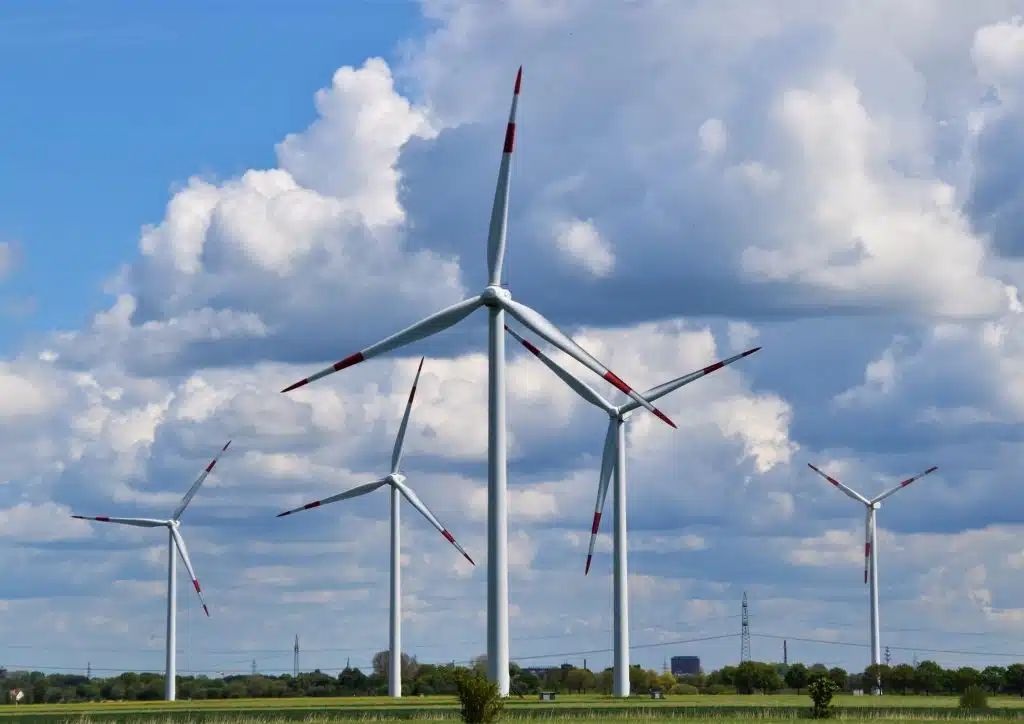
Horizontal-axis turbines are specifically suited to open landscapes such as farmland, ranches, and coastal plains. Their key advantages include:
- High efficiency: typically 35–45% conversion efficiency versus below 30% for vertical designs.
- Low start-up wind speed: begins generating at 2.5–3 m/s.
- Automatic wind tracking: yaw and braking systems optimize energy capture and safety.
- Longevity: average lifespan exceeds 20 years with routine maintenance.
- Quiet operation: under 45 dB — suitable near livestock or residences.
- Compatibility: easily integrated with solar PV or battery systems for hybrid energy setups.
In short, a well-sized HAWT turns natural wind resources into reliable, low-maintenance power for rural life.
Horizontal vs Vertical Axis Wind Turbines: Key Differences
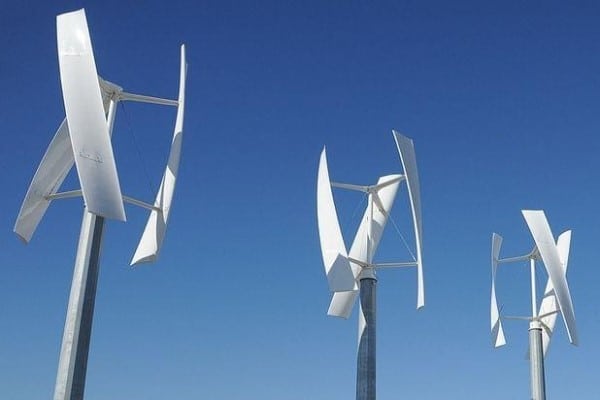
| Feature | VAWT (Vertical Axis) | HAWT (Horizontal Axis) |
| Wind Direction Adaptability | Accepts wind from any direction; no yaw system | Requires yaw system to face prevailing wind |
| Start-up Wind Speed | 3.5–4.5 m/s | 2.5–3 m/s |
| Efficiency | < 30% | Up to 45% |
| Output Stability | Fluctuates in turbulence | Smooth, consistent generation |
| Maintenance | Shorter lifespan, higher bearing stress | Mature design, long service cycles |
| Cost per Watt | Higher | Lower due to mass production |
| Best Environment | Urban or gusty areas | Open rural fields and coastal regions |
| Typical Use | Demonstration or backup | Primary farm or off-grid power |
For most rural and agricultural sites, horizontal axis wind turbines offer higher yield and lower lifetime cost.
Key Factors When Choosing a Farm-Scale HAWT
Before purchasing a system, it is critical that you consider the full technical and economic picture:
- Average wind speed: Aim for ≥ 10–14 mph (4.5–6.5 m/s) at tower height. Because wind power output scales roughly with the cube of wind speed, a site with 6 m/s will often provide more than twice the annual output of one at 4 m/s.
- Power rating & capacity factor: While many farm-scale units are rated 2–5 kW, the real useful output depends on capacity factor (which in turn depends on wind speed, tower height, turbulence, downtime). A 3 kW turbine in a poor site may produce only ~1,000–2,000 kWh/year.
- Tower height & siting: A 30–60 ft (9–18 m) tower is typical, but the key is reaching undisturbed wind. Each additional metre of height may reduce turbulence and increase output by 1-2 %.
- Noise & maintenance: Modern models operate below 45 dB (acceptable near livestock), but access for maintenance is vital. Budget annual servicing, bearing replacements etc (~2-5 % of upfront cost/year).
- Hybrid compatibility & controls: If you pair the turbine with solar PV, battery storage, or backup generator, you’ll need an inverter/controller that handles variable wind input, load prioritisation, and grid-tie or off-grid switching.
- Economic incentives & lifecycle costs: Consider available tax credits, depreciation (in the U.S., Section 179 or MACRS may apply), expected lifespan (20+ years), and residual value. A turbine may cost $6,000 installed but require $300/year maintenance — factor that into the ROI.
Example ROI — 2 kW Turbine
A typical 2 kW HAWT operating at an average wind speed of 5 m/s can generate about 3,000–3,500 kWh annually. Assuming an installed cost of about $4,500 and local electricity at $0.25/kWh, annual savings reach around $750–$875. With basic maintenance and no fuel costs, the simple payback period is 5–6 years, after which the turbine produces essentially free power for the remainder of its 20-year life.
Installation and Permitting Considerations
Before installation, confirm local zoning regulations and setback requirements. Most rural counties in the U.S. allow small wind turbines up to 60 ft without special permits, but height, noise, or visual impact may still require notification. A solid foundation and professional anchoring are critical for long-term safety and performance.
Small-Scale HAWT Recommendations (≤ 5 kW)


| Power Range | Typical Uses | Ideal Installation | Key Advantages |
| 300 W – 800 W | Lighting, security, sensors, small pumps | Rooftops, hilltops, or low-wind farms | Low cost ($400–$1,000), compact, low maintenance, ideal with solar |
| 1 – 1.5 kW | Small houses, livestock pumps, charging systems | Open farmland or moderate-wind sites | Reliable daily supply, simple tower setup |
| 2 – 3 kW | Farmhouses, cold storage, irrigation control | Flatlands, coastal plains, consistent wind | Stable output, quiet, good ROI |
| 4 – 5 kW | Main power for small farms or off-grid homes | High-wind zones (> 5 m/s) | High energy yield, durable, hybrid-ready |
Summary:
- For supplemental needs — choose 300 W–1 kW.
- For daily household use — 1–3 kW offers the best balance.
- For primary farm power — 4–5 kW in windy or coastal areas.
Pairing with solar and batteries provides 24-hour stability year-round.
Pro tips:
According to field assessments from PowerHome technical specialists, 2 kW horizontal-axis wind turbines are the most popular choice across U.S. rural and moderate-wind regions. They offer an ideal balance of cost, output, and ease of installation — powerful enough to meet daily farm or household electricity needs, yet far more affordable and manageable than larger 5 kW systems. In many off-grid or low-wind areas, 2 kW horizontal-axis wind turbines have become the “sweet spot” capacity range, supporting both standalone operation and battery-hybrid setups.
Practical Examples from the Field
- Midwestern grain farms: 3–5 kW turbines offset grid power for irrigation pumps, reducing diesel use.
- Ranches in Texas and New Mexico: Hybrid wind-solar systems maintain water supply for livestock through the night.
- Northeastern greenhouses: 2 kW turbines supplement solar arrays, keeping lighting and ventilation steady during cloudy winters.
Across these examples, small wind systems consistently reduce operating costs and improve resilience against power disruptions.
Common Misconceptions
- “Anywhere windy enough for kites will work for a turbine” — false. Wind at ground level on fields is often turbulent and below the useful threshold; accurate measurement or vetted wind-map data is needed.
- “Bigger turbines are always better” — not necessarily. A 10 kW turbine placed poorly may underperform a 3 kW properly sited unit.
- “No maintenance = free electricity” — every mechanical system needs inspection, lubrication, bearing checks. Ignoring maintenance can halve expected lifespan.
- “You can ignore zoning/permitting” — farm zones may still restrict height, noise, shadow-flicker or require FAA lighting near airstrips; early check saves cost delays.
Integrating Wind and Solar for Continuous Power
Wind and solar complement each other naturally — sunlight peaks midday while wind often rises at night.
Modern hybrid controllers and inverters smooth these patterns, reducing battery cycling and generator run-time.
A balanced hybrid system extends equipment life and ensures continuous energy for essential operations like irrigation, refrigeration, and automation.
Final Thoughts
As rural communities embrace cleaner and more independent energy sources, Horizontal Axis Wind Turbines stand out as a practical, field-proven solution. They combine efficiency, reliability, and adaptability — qualities every modern farm depends on.
For many rural families, investing in a small wind system isn’t just about cutting costs — it’s about energy security, independence, and contributing to a cleaner, more resilient countryside. Choosing the right turbine for your site can provide decades of low-cost electricity, reduce reliance on fossil fuels, and showcase your commitment to sustainable agriculture.
- 9shares
- Facebook0
- Pinterest9
- Twitter0
- Reddit0