Are you a 3D printing enthusiast, constantly on the hunt for that perfect model to bring your ideas to life? Or maybe you’re just starting your journey into the exciting world of additive manufacturing and feel a bit overwhelmed by the sheer volume of choices out there. Finding high-quality, reliable, and inspiring STL files can be a real game-changer, turning a good print into a truly amazing one. The right STL file is the foundation of any successful 3D print, whether you’re crafting functional prototypes, artistic pieces, or just some fun trinkets.
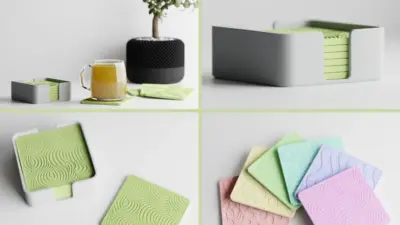
Once you find a good STL source, start with a curated set of cool objects to 3D print before jumping into huge multi-day builds.
STL (stereolithography) files are the standard format for 3D printers, essentially providing a triangulated representation of a 3D model’s surface. Think of it as a detailed blueprint that tells your 3D printer exactly what to build. But where do you find these magical blueprints? With countless platforms popping up, sifting through the noise to find the gems can be time-consuming. That’s why we’ve done the legwork for you. In this article, we’re going to dive deep and explore the 5 best STL websites that stand out for their vast libraries, vibrant communities, and exceptional quality, helping you discover amazing 3D prints with ease. Get ready to elevate your 3D printing game!
1. Thingiverse: The Pioneering Powerhouse of Free Models
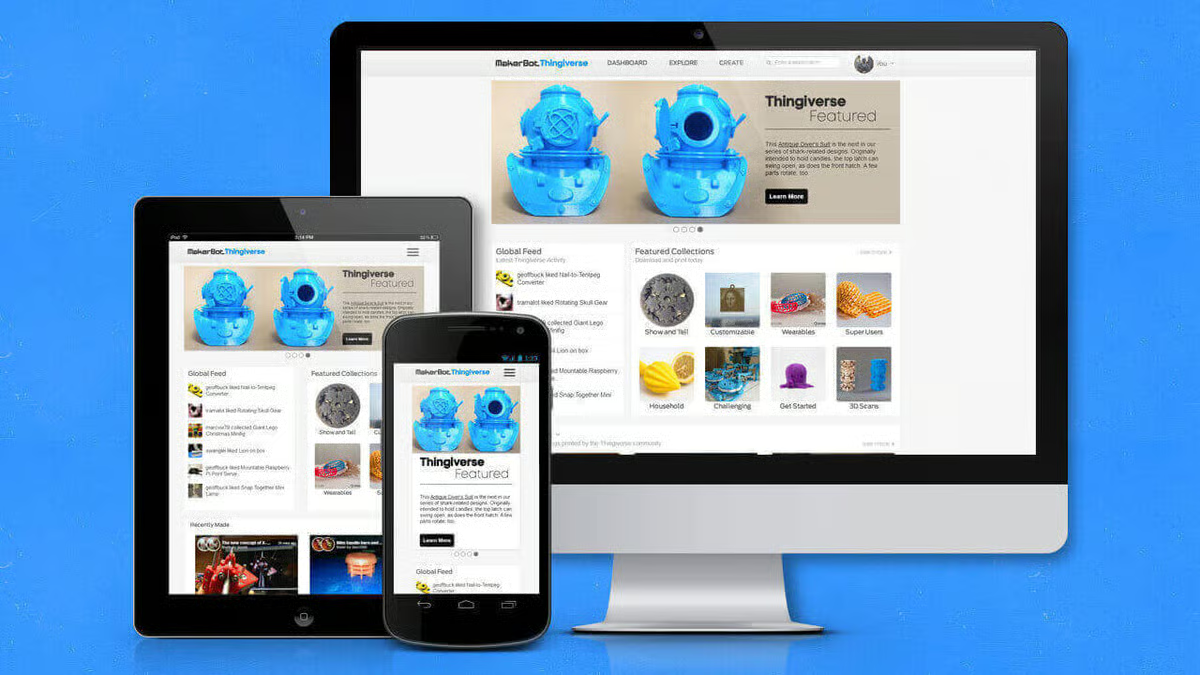
When you talk about STL websites, Thingiverse is often the first name that comes to mind, and for good reason. Launched by MakerBot in 2008, it quickly became the go-to platform for sharing and discovering free, user-created 3D printable models. It’s truly a pioneer in the space, fostering a massive, open-source community that believes in sharing and collaboration. If you’re looking for a treasure trove of free designs, this is where your journey should begin.
Thingiverse boasts an enormous library of models, ranging from practical tools and spare parts to intricate toys, cosplay props, and decorative items. The sheer diversity is astounding. Need a custom phone stand? Check. A new knob for your stove? Probably there. A miniature dragon for your tabletop game? Absolutely. The platform thrives on its community; users upload their designs, and others can download, print, remix, and share their creations. This collaborative spirit means you often find multiple iterations of a popular design, allowing you to choose the version that best suits your needs or even learn how different designers approach the same problem.
Navigating Thingiverse is generally straightforward, though its age shows in some aspects of the user interface. You can search by keywords, browse categories, or explore popular and featured designs. Each model page typically includes detailed descriptions, printing settings recommendations from the designer, images, and a comments section where users can ask questions or share their experiences. Many designers also include licensing information, often using Creative Commons licenses, which dictate how their work can be used, remixed, and shared. This transparency is a huge plus for those who care about intellectual property and open-source principles.
While its vastness is its strength, it can also be a slight drawback. With so many uploads, the quality can vary. You might need to spend a bit of time sifting through designs to find the truly excellent ones, and occasionally, you might encounter models that aren’t optimized perfectly for printing. However, the active community often provides feedback and remixes, which helps in refining models over time. For beginners, Thingiverse is an incredible resource for easy 3D prints and a fantastic way to understand the basics of downloading, slicing, and printing. It’s also a great place to upload your own creations once you feel confident, contributing to the cycle of innovation and sharing.
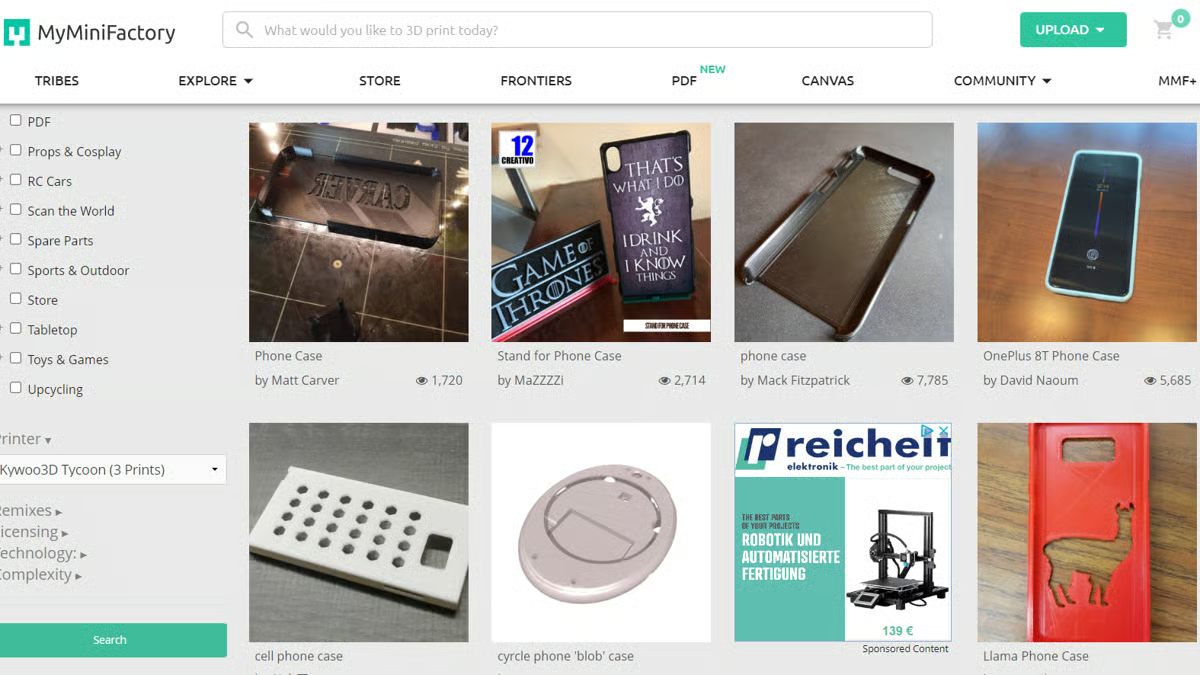
2. MyMiniFactory: Curated Quality with a Community Focus
If Thingiverse is the Wild West of 3D models, then MyMiniFactory is its more organized, curated cousin. Launched in 2013, MyMiniFactory set out with a clear mission: to provide a platform for high-quality, guaranteed 3D printable files. Every single STL file uploaded to MyMiniFactory undergoes a test print by either the designer or the MyMiniFactory team to ensure it’s actually printable. This commitment to quality is a major differentiator and a huge relief for anyone who’s ever wasted time and filament on a flawed download.
The focus on “guaranteed printability” means you can download models with confidence, knowing that they should come out well on your printer, assuming your settings are correct. This makes MyMiniFactory particularly appealing to users who prioritize reliability and want to minimize failed prints. The platform features an extensive range of categories, from gaming and miniatures to home decor, cosplay, and functional prints. They also have a robust section for licensed content from popular brands and designers, often featuring exclusive models you won’t find anywhere else.
MyMiniFactory fosters a very active and engaged community. Designers are often highly skilled professionals or experienced hobbyists who take pride in their work. The platform offers a “Patreon-like” system called “Tribes,” where designers can offer exclusive content and early access to their creations in exchange for monthly subscriptions. This model helps creators monetize their efforts and allows users to support their favorite artists directly, leading to a steady stream of high-quality, innovative designs. You’ll find incredible detail in many models, making it ideal for those interested in intricate projects like detailed figurines or complex mechanical parts.
Beyond free downloads, MyMiniFactory also features a thriving “Stores” section where designers can sell premium models. This blend of free and paid content ensures a diverse catalog while supporting the design community. They frequently host design challenges and contests, encouraging creativity and bringing fresh ideas to the forefront. For anyone serious about 3D printing and looking for reliable, high-quality STL files, MyMiniFactory is an indispensable resource. Its emphasis on quality assurance removes much of the guesswork, allowing you to focus on the joy of printing.
3. Cults3D: A Marketplace for Premium and Unique Designs
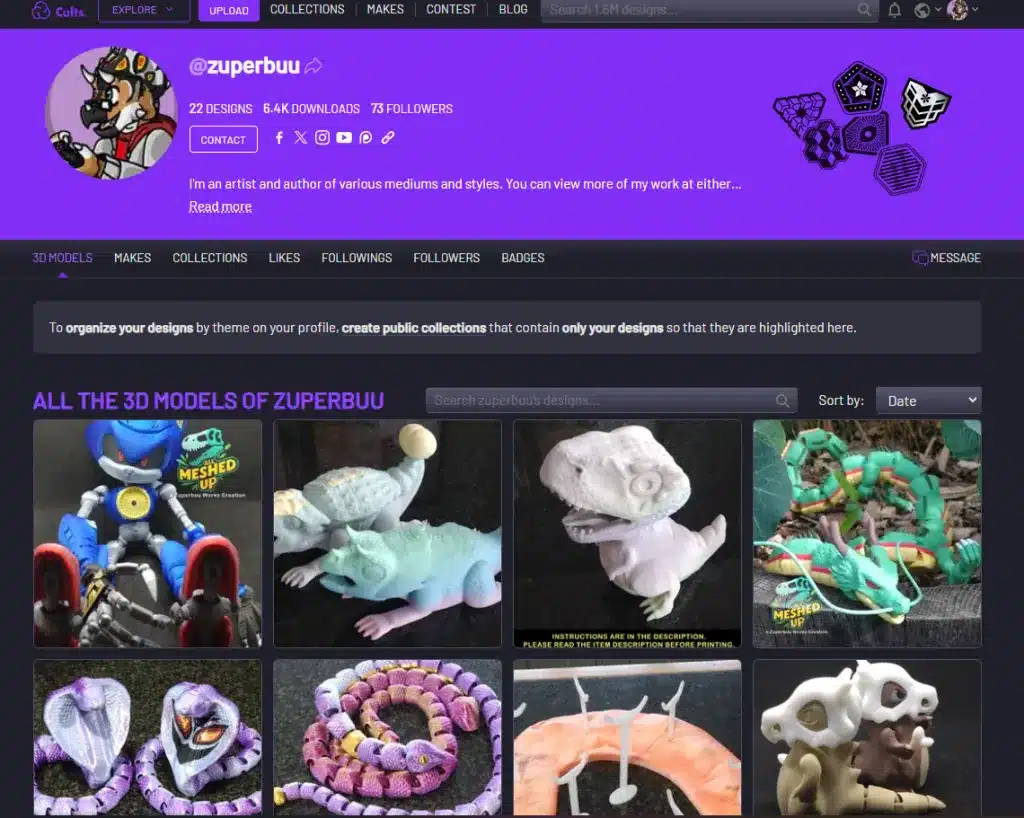
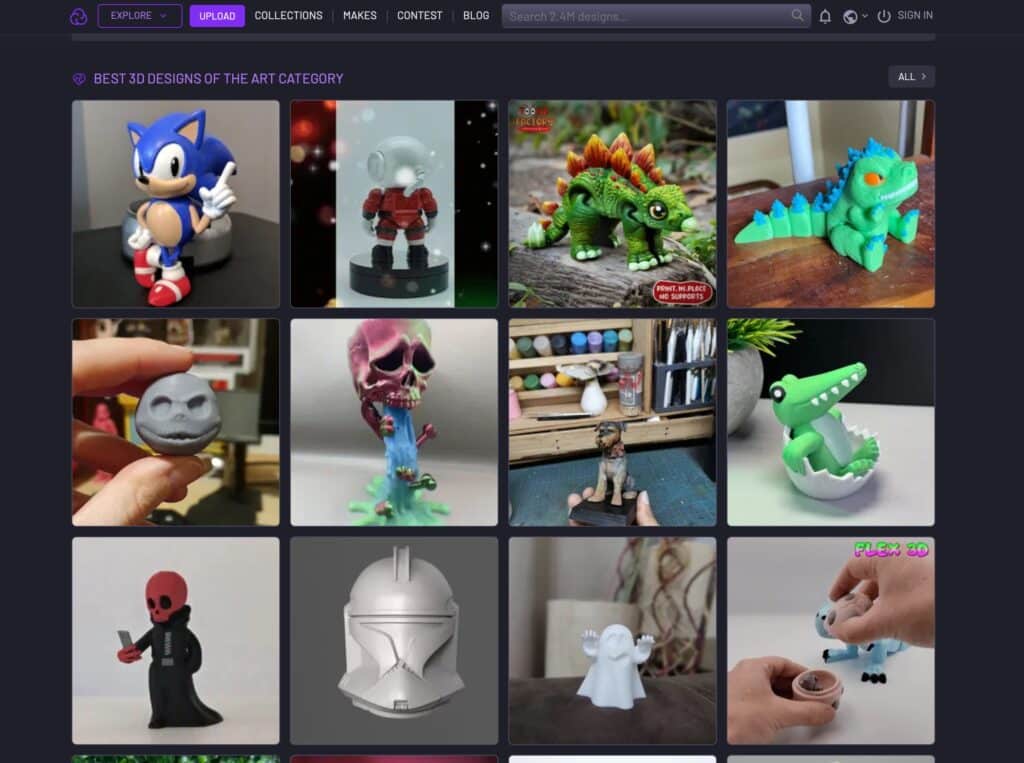
Stepping firmly into the premium content realm, Cults3D offers a different flavor compared to the largely free-oriented Thingiverse. Launched in France in 2014, Cults3D quickly established itself as a vibrant marketplace where designers can sell their STL files, alongside a significant collection of free models. It’s a fantastic destination if you’re looking for professional-grade designs, unique aesthetics, or specific artistic pieces that might not be available on free-only platforms.
Cults3D prides itself on featuring a wide array of original and creative designs. While there’s a strong emphasis on paid models, the quality and uniqueness often justify the price. You’ll find intricate jewelry, stunning home decor, complex mechanical parts, and highly detailed art pieces that demonstrate exceptional design skills. The platform’s interface is sleek and modern, making it a pleasure to browse. Categories are well-organized, and search functionality is robust, allowing you to filter by printer type, design style, popularity, and price.
One of Cults3D’s strengths is its international community of designers. This global reach translates into a diverse collection of styles and ideas, offering models that might cater to niche interests or specific cultural aesthetics. For instance, if you’re interested in exploring new forms of digital artistry, much like how to make digital collages blend different visual elements, Cults3D showcases how designers blend intricate details into functional or decorative 3D models. Many designers provide detailed descriptions, multiple high-quality renders, and recommended print settings, ensuring you know exactly what you’re getting before you buy.
While primarily a marketplace, Cults3D also hosts a substantial collection of free STL files, often shared by designers as promotional pieces or as part of community initiatives. These free models are typically of excellent quality, reflecting the platform’s overall standard. They also feature specific collections, such as “Cults’ Picks” or thematic selections, highlighting exceptional designs. If you’re willing to invest a little in truly unique and expertly crafted 3D models, or if you’re a designer looking to monetize your creations, Cults3D is an essential platform to explore. It offers a fresh perspective on 3D printing possibilities, moving beyond simple functional prints to embrace artistic expression and complex engineering.
4. Printables (formerly PrusaPrinters): The Open-Source Hardware Champion’s Hub
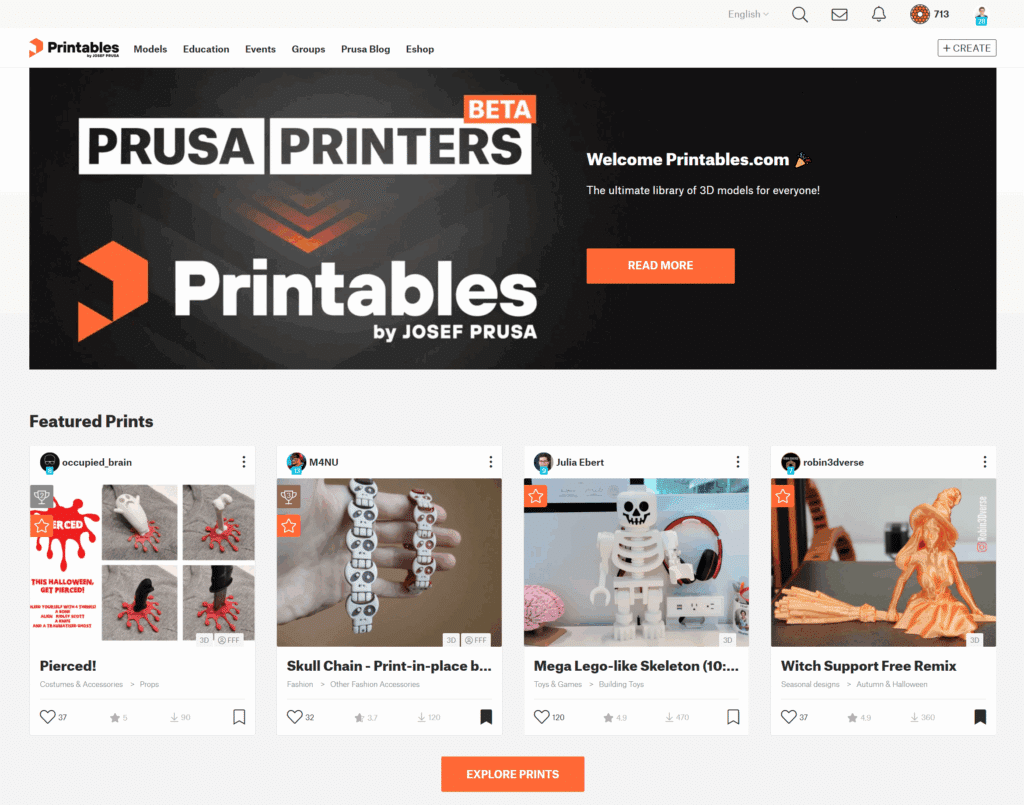
Born from the esteemed Prusa Research, one of the leading manufacturers of 3D printers, Printables (formerly PrusaPrinters) has quickly ascended to become a powerhouse in the STL file ecosystem. This platform is deeply rooted in the open-source philosophy that Prusa Research champions, making it a fantastic resource for both free models and a collaborative community. If you own a Prusa printer, you’ll find an unparalleled level of support and optimization here, but its benefits extend to all 3D printer users.
Printables distinguishes itself with a very active, friendly, and knowledgeable community. Designers and users frequently share their print settings, tips, and remixes, creating a rich environment for learning and improvement. The platform rewards users for uploading quality models and “makes” (photos of successful prints) with “Prusameters,” which can be redeemed for Prusa filament or other goodies. This incentive system encourages high-quality contributions and active participation, directly addressing the common issue of varying file quality found on other free platforms.
The range of models on Printables is comprehensive, covering everything from upgrades for your 3D printer (often designed by Prusa themselves or enthusiastic users) to practical household items, engaging toys, and artistic creations. Since it’s backed by Prusa, many models are often tested and optimized for Prusa printers, but they generally translate well to other FDM machines. The search and categorization tools are excellent, allowing you to easily find what you’re looking for. You can filter by printer type, filament, and even specific printer nozzle sizes.
Beyond just STL files, Printables also hosts G-code files, which are ready-to-print instructions specifically tailored for certain Prusa printer models. This can be a huge time-saver, especially for beginners. The platform also features “Contests” where designers can win prizes for creating models around a specific theme, fostering innovation and bringing forth a constant stream of fresh, exciting designs. Whether you’re a seasoned maker or just starting, Printables offers a supportive community, high-quality models, and the backing of one of the industry’s most respected names. For anyone interested in the technical aspects of printing or looking for optimized models, this site is a must-visit.
5. Thangs: The AI-Powered 3D Model Search Engine and Repository
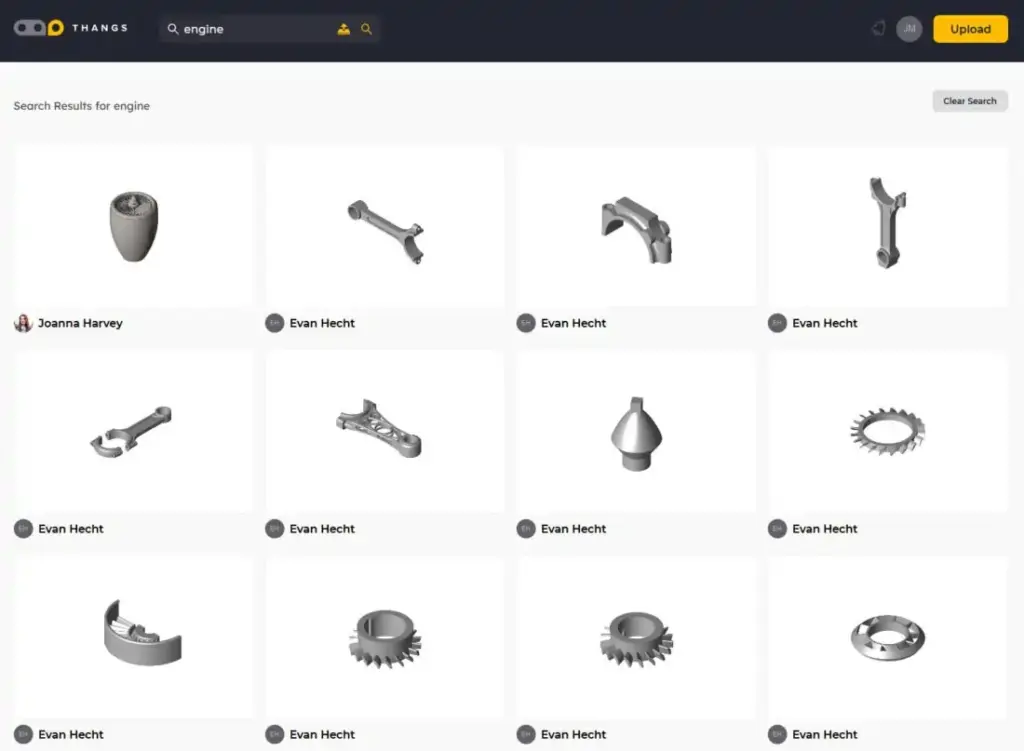
Thangs is a newer player in the STL game, but it has rapidly made a significant impact, particularly with its innovative approach to 3D model discovery. Launched in 2020 by Physna, Thangs isn’t just a repository of models; it’s a powerful 3D search engine that indexes millions of models from across the web, including those on Thingiverse, MyMiniFactory, Cults3D, and many other sites. This means you can use Thangs as a central hub to find models, even if they’re hosted elsewhere.
What truly sets Thangs apart is its advanced geometric search capabilities. Instead of relying solely on text keywords, Thangs can analyze the shape and geometry of 3D models. This allows you to perform searches that are incredibly precise. For example, you can upload your own 3D model and ask Thangs to find similar designs, or you can search for a part by describing its geometric features. This is a game-changer for engineers, designers, and anyone looking for specific components or variations of existing designs. If you’re familiar with the precision needed for a minimalist logo design, you’ll appreciate the precision Thangs brings to 3D model searching.
Thangs also hosts its own growing collection of directly uploaded STL files, both free and paid. Its interface is modern, fast, and user-friendly, providing detailed previews and information for each model. One handy feature is “Thangs Workspace,” a collaborative environment where teams can manage, version, and share 3D models. This makes it an excellent tool for professional use cases, allowing seamless collaboration on complex projects, much like how cloud rendering helps you work from anywhere by enabling remote access and shared resources. It’s moving beyond just a download site to become a comprehensive platform for 3D data management.
While still evolving, Thangs represents the future of 3D model discovery. Its AI-powered search and integrated collaboration tools offer a significant advantage for those who need to find specific models quickly or manage large libraries of 3D data. Whether you’re looking to find a common model from a different site or explore highly specialized engineering components, Thangs provides a powerful and intuitive platform that streamlines the entire process. It’s definitely a site to bookmark for anyone serious about leveraging the full potential of 3D printing and design.
Making the Most of These STL Websites
Now that you know about some of the best places to find STL files, here are a few tips to maximize your experience:
- Read Descriptions and Comments: Always take a moment to read the model’s description, check the recommended print settings, and skim through the comments section. Other users often provide invaluable feedback, tips, or warnings about potential printing issues.
- Check Licenses: Especially if you plan to use a model for commercial purposes or modify it significantly, review the licensing information. Most free models are under Creative Commons licenses, but the specific terms can vary.
- Inspect the Model: Before hitting print, use your slicer software to inspect the model. Look for any obvious holes, non-manifold edges, or issues that might cause printing problems. Some websites offer a 3D viewer, which is a great first step.
- Support the Designers: If you appreciate a free model, consider leaving a like, a positive comment, or even a small donation if the designer offers that option. For paid models, purchasing from talented designers helps them continue creating amazing content.
- Experiment and Remix: Don’t be afraid to try different models or even use parts of existing models to create something new. Many platforms encourage “remixing,” which is a fantastic way to learn and develop your own design skills.
Conclusion
The world of 3D printing is constantly evolving, and the availability of high-quality STL files is crucial for both hobbyists and professionals. From the vast, open-source library of Thingiverse to the curated reliability of MyMiniFactory, the premium offerings of Cults3D, the community-driven excellence of Printables, and the cutting-edge AI search of Thangs, there’s a platform out there for every need and preference. Each of these 5 best STL websites brings something unique to the table, ensuring you have access to an incredible array of 3D models to fuel your creativity and printing projects.
So, whether you’re looking for a free model to experiment with, a guaranteed printable design, a unique piece of digital art, an optimized file for your specific printer, or a powerful tool to search across the entire 3D model universe, these sites have got you covered. Dive in, explore, and start bringing your most ambitious 3D printing ideas to life! Happy printing!
What are the most popular websites for finding high-quality STL files for 3D printing?
The most popular websites include Thingiverse, MyMiniFactory, Cults3D, Printables, and Thangs, each offering a wide range of models for different needs.
How does Thingiverse support the 3D printing community?
Thingiverse supports the community by providing an extensive library of free, user-created models that encourage sharing, remixing, and collaboration among 3D printing enthusiasts.
What makes MyMiniFactory different from other STL websites?
MyMiniFactory guarantees printability of its models through testing, offers high-quality designs, and fosters an active community with options for exclusive content and support for designers.
Why should I consider using Cults3D for my 3D printing projects?
Cults3D offers a marketplace with professional, unique, and artistic designs from international creators, including both free and paid models, ideal for those seeking high-quality, original STL files.
What advantages does Thangs provide for discovering 3D models?
Thangs uses AI-powered advanced geometric search capabilities, allowing precise model discovery, and it functions as a comprehensive platform for searching, managing, and collaborating on 3D models.
- 321shares
- Facebook0
- Pinterest321
- Twitter0
- Reddit0