Decorate a shelf in a simple way to add personality and style to any room. It’s not just about placing items randomly; it’s about creating a balanced and interesting display that fits the space and the person’s taste. The key to decorating a shelf well is to mix different shapes, sizes, and textures while keeping the arrangement organized and visually appealing.
They can use books, plants, art pieces, or small decorative items to bring life to the shelf. Grouping items in odd numbers and varying heights helps keep the eye moving. Keeping some space also stops the shelf from looking cluttered.
With a few easy ideas, anyone can turn a plain shelf into a focal point that reflects their style. The right mix of function and beauty makes shelves useful and attractive at the same time.
Choosing the Right Shelf Style
Choosing the right shelf means thinking about the space it will live in, the materials it’s made of, and where it will be placed. These factors help make sure the shelf fits the room’s style and works well for what it needs to hold.
Assessing Space and Function
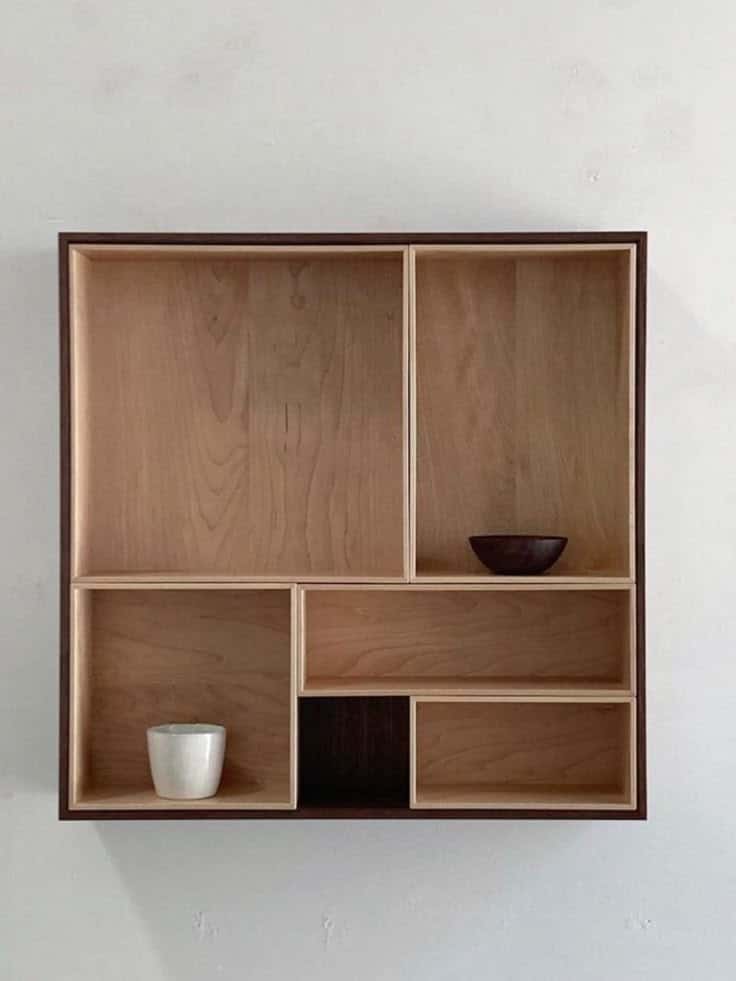
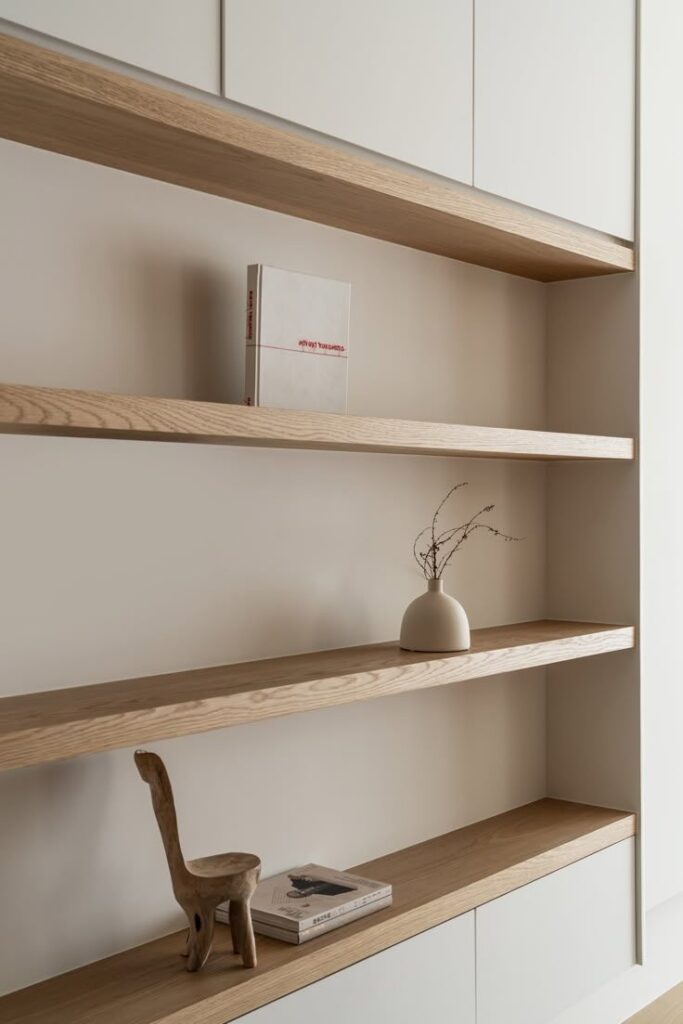
Before picking a shelf, it’s important to look at the room size and wall space. Small spaces might work best with narrow or floating shelves to keep things open. Large rooms offer more options, like chunky bookcases or wide built-in shelves.
What the shelf will hold also matters. For heavy books, sturdy wood or metal is ideal. For showing small decor, lighter shelves can work well. It helps to measure the area and imagine how many items will fit naturally without making the space look crowded.
Selecting Materials and Finishes
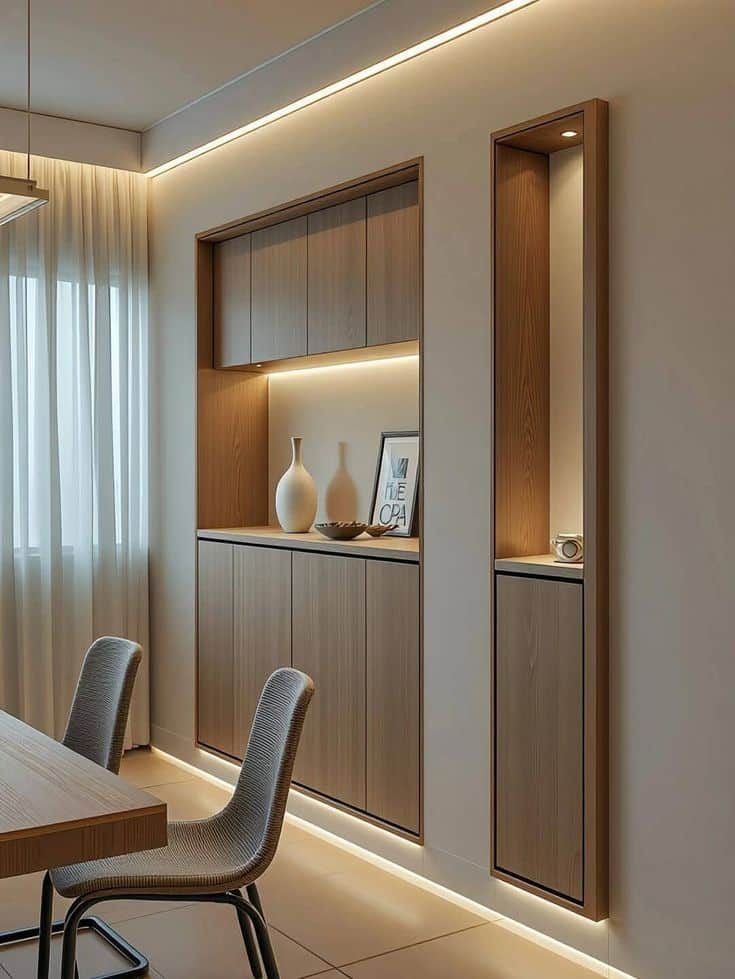
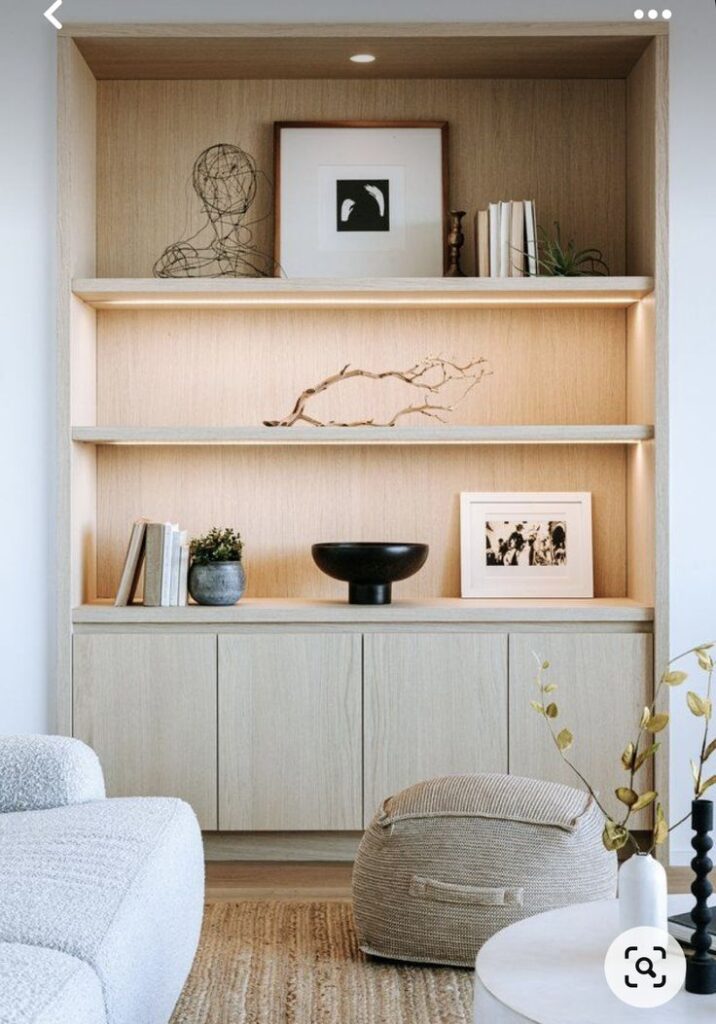
Shelf materials affect both style and durability. Wood offers a warm, classic look and works well in many rooms. Metal shelves look modern and can support more weight. Glass shelves add lightness but need careful placement since they can break more easily.
Finishes like matte, glossy, or natural wood stain change how the shelf matches other furniture. Dark finishes hide dirt better while light finishes keep the room feeling bright and open. The choice should match the room’s overall look and how much wear the shelf will face.
Deciding on Shelf Placement
Where the shelf goes changes the whole look and purpose. Shelves near eye level are great for frequently used items or decorations you want to show off. Higher shelves work well for items used less often.
Consider lighting, too. Putting a shelf where natural or artificial light hits can make displays more striking. Also, shelves in busy spots need to be strong and stable to avoid accidents.
Planning placement with the room’s flow ensures the shelf adds convenience and style without getting in the way.
Establishing a Theme
A clear theme helps shelves look neat and purposeful. It guides choices in color, style, and texture, creating a shelf that feels balanced and inviting. Sticking to a theme also makes decorating easier and the final look more polished.
Identifying a Color Palette
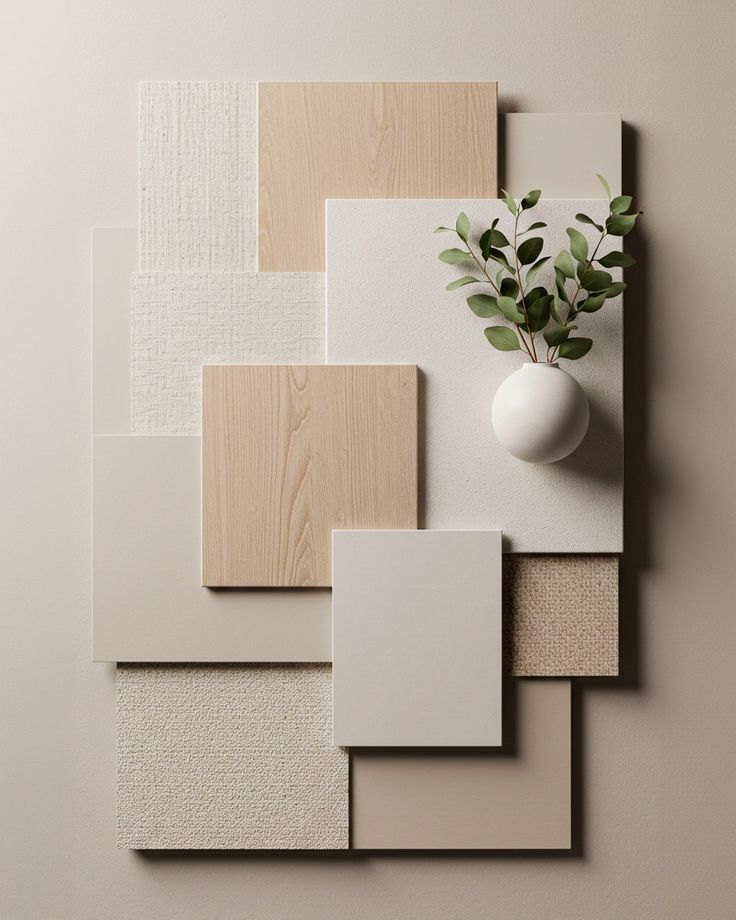
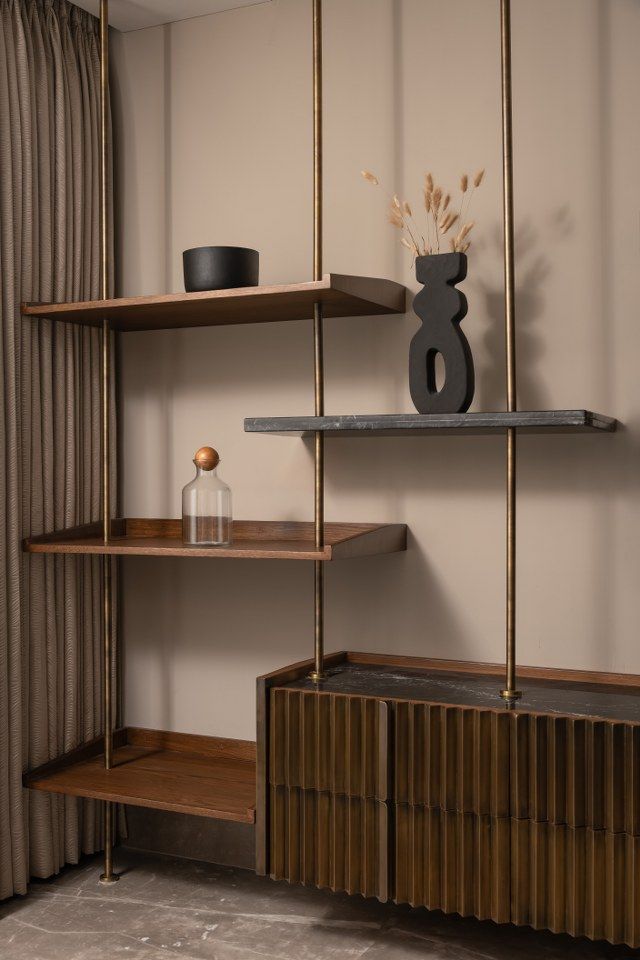
Choosing a color palette is the first step to setting a theme. It’s best to pick 2 to 4 main colors that fit the room’s style and mood. Neutral colors like beige, white, and gray work well as a base. Adding one or two accent colors, such as navy blue or mustard yellow, gives the shelf life and character.
Using a color palette helps keep the shelf from looking random or cluttered. It’s helpful to match books, knick-knacks, and containers to the palette. For example, if you choose blues and whites, look for items in those hues or with complementary shades. This creates a smooth, pleasing flow across the shelf.
Choosing a Decorating Style
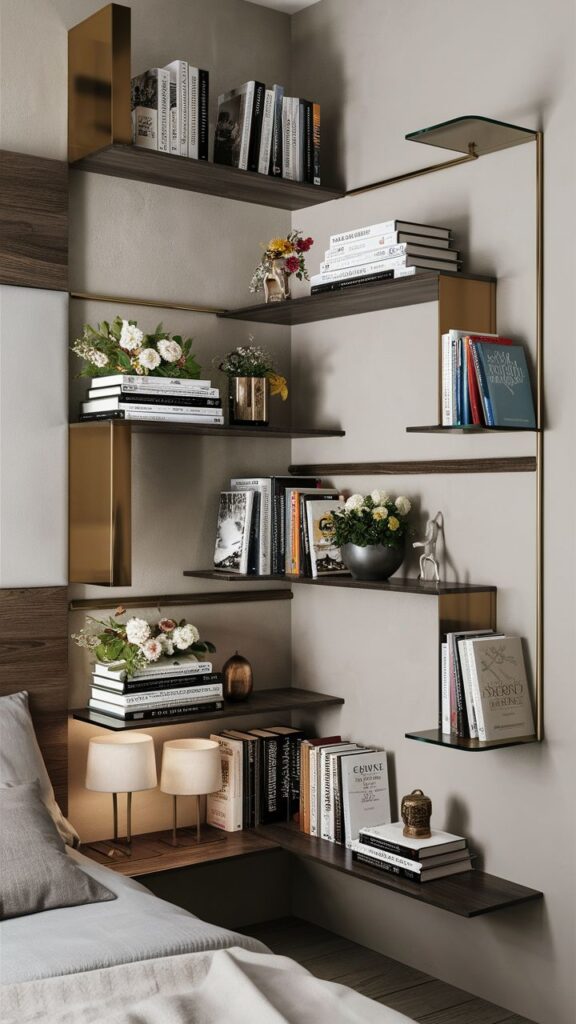
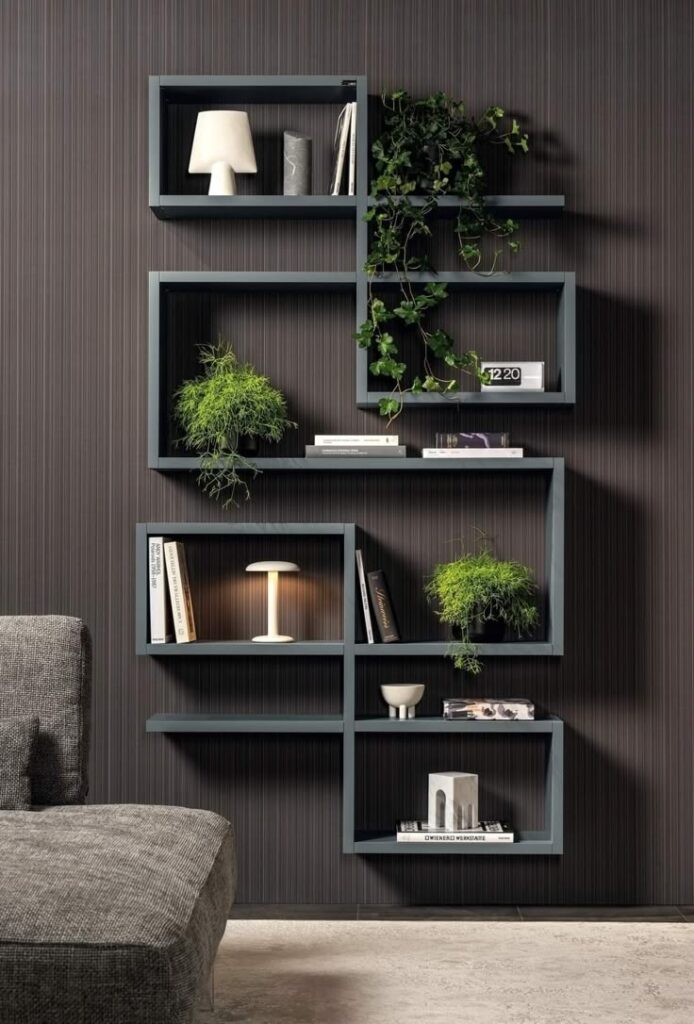
Picking a decorating style gives the shelf a clear personality. Popular styles include minimalist, rustic, modern, and vintage. Each style has its own rules for what to include and how to arrange items.
For minimalist shelves, keep decor simple and uncluttered. Use clean lines and small, carefully chosen pieces. Rustic styles might include wood, plants, and items that look worn or handmade. Modern styles focus on sleek shapes and metal or glass materials. Knowing the style makes it easier to choose objects that work well together and give the shelf consistent charm.
Mixing Patterns and Textures
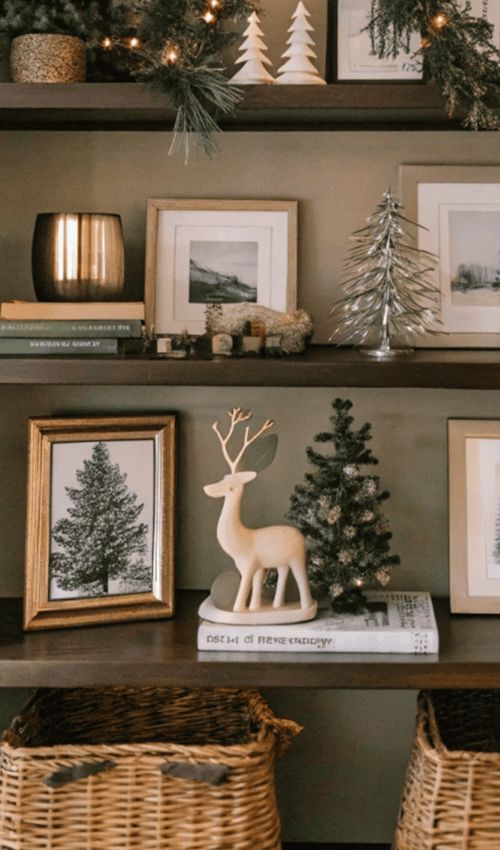
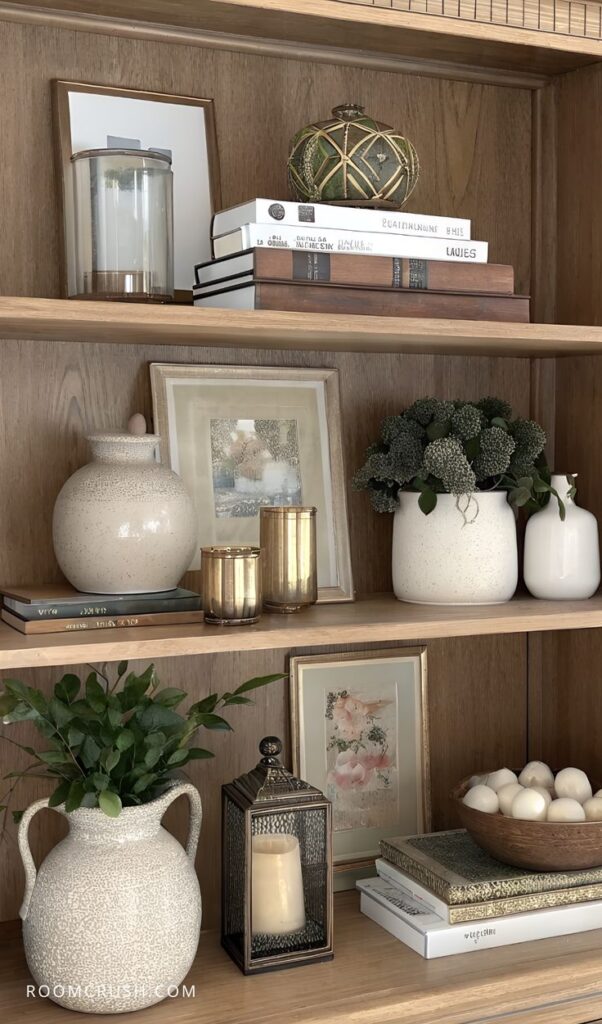
Adding different patterns and textures can bring life to a shelf, but it must be done carefully. Patterns can include stripes, geometric shapes, or florals. Texture comes from materials like wood, metal, fabric, and glass.
Balance is key. If one piece has a bold pattern, others should be simpler. For texture, mixing soft items like woven baskets with harder surfaces like metal or glass keeps things interesting. This mix adds depth without making the shelf feel busy or messy.
Here’s a simple guide for mixing:
- Pick one bold pattern and one or two simpler ones.
- Combine soft and hard textures.
- Keep the color palette consistent to unify diverse materials.
This approach makes the shelf feel cozy and stylish without chaos.
Balancing Function and Aesthetics
A well-decorated shelf not only looks good but also serves a clear purpose. The key is to use the space efficiently while adding items that bring charm and personality.
Practical Storage Solutions
Keeping shelves organized helps prevent clutter and makes items easy to find. Storage boxes, baskets, or bins can hold smaller items, hiding mess while adding texture.
Using vertical space is smart. Taller items like vases or books can go on the ends or back of a shelf. This leaves room in front for shorter decor pieces.
Bookends are a simple way to keep books upright and neat. They also add a decorative touch without taking up much space.
Labels on containers or shelves bring clarity and keep things tidy. Clear or matching containers help maintain a cohesive, clean look.
Blending Decorative and Useful Items
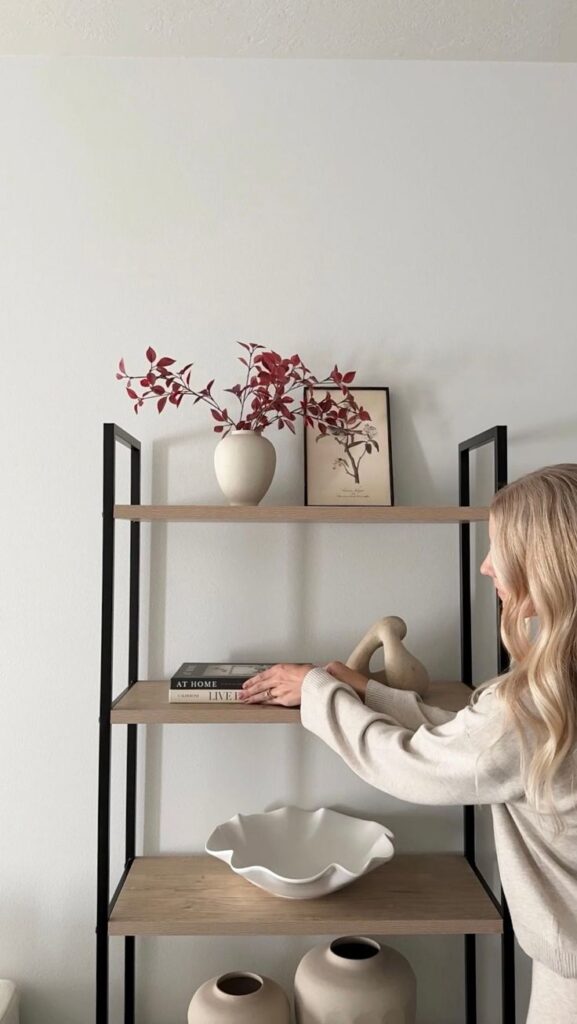
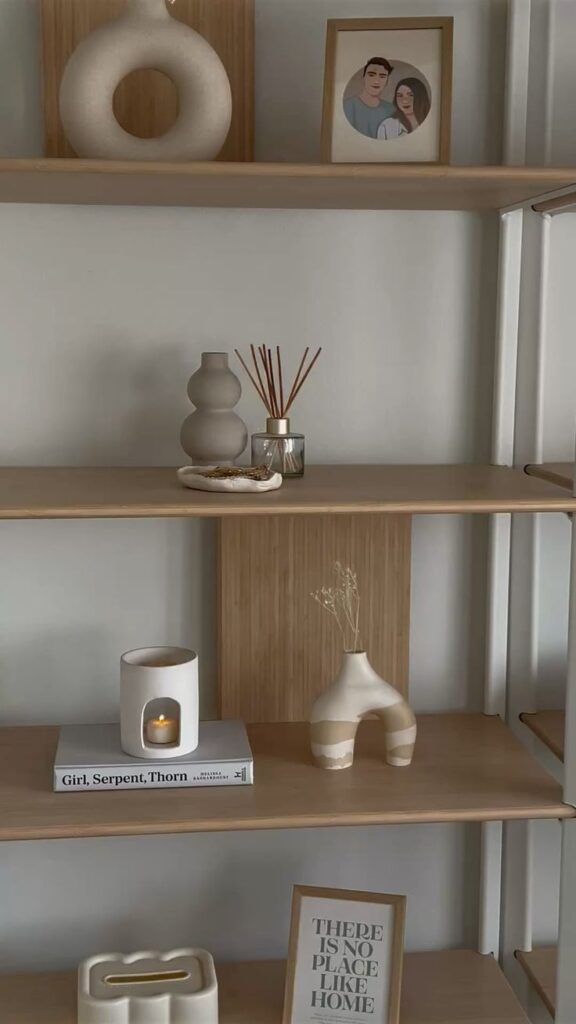
Combining beauty with function creates a shelf that feels lived-in and intentional. For example, a stylish clock or candle can add warmth while serving a purpose.
Mix different heights and textures for visual interest. Pair a wooden sculpture with a small plant and some books to build layers.
Use the Rule of Threes by grouping objects in sets of three to create a balanced look. Odd numbers tend to look more natural and inviting.
Plants are a great way to add life and color while filling empty spaces without cluttering.
This mix keeps the shelf practical but visually appealing, ensuring it fits the room’s style and needs.
Arranging Shelf Decor
Arranging items on a shelf well can make a big difference in how the space looks and feels. Using height, grouping, and visual shapes can create balance and interest. These ideas help make shelves look thoughtful and inviting without feeling cluttered.
Layering Items by Height
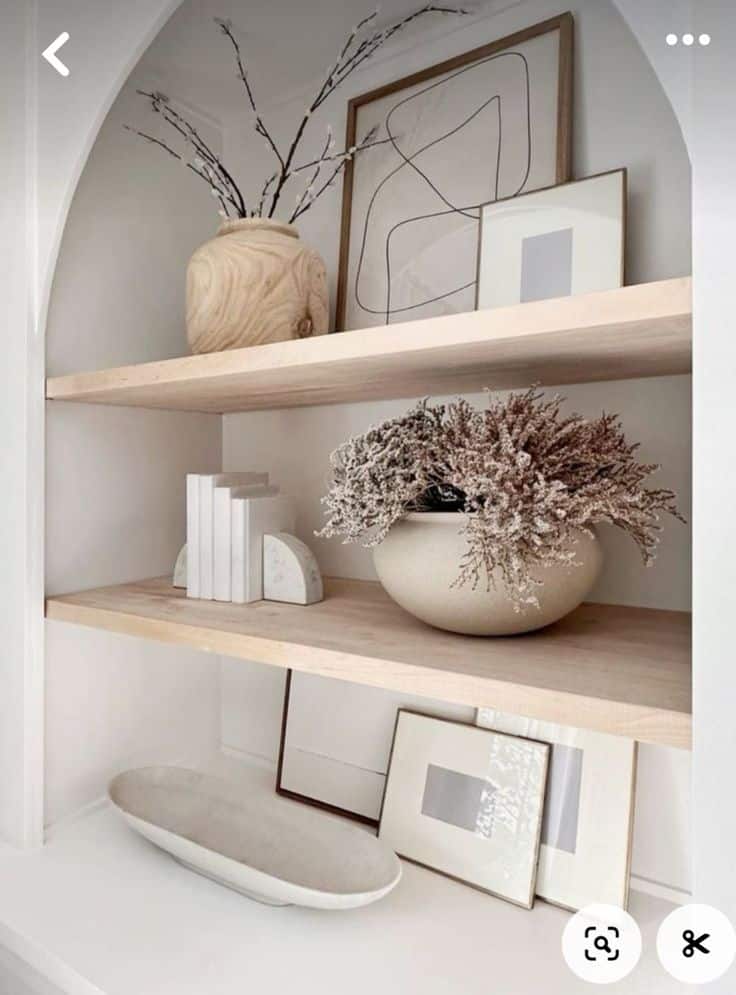
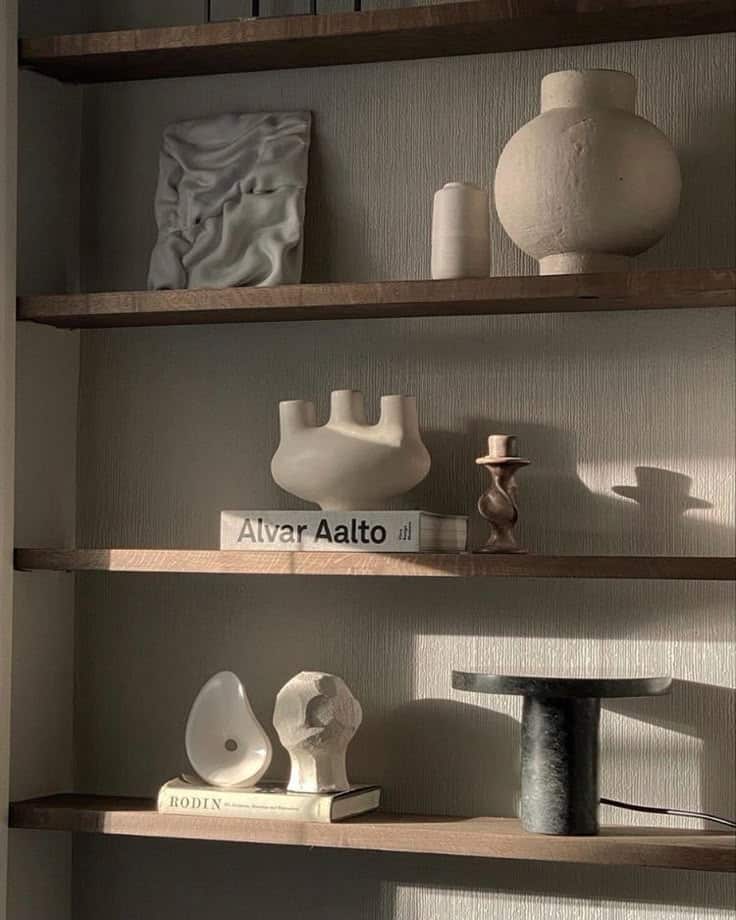
Placing items of different heights together adds depth and keeps the display from looking flat. Start with taller pieces like vases or framed art in the back. Then, layer medium-height items in front, such as books or small plants. Finally, put shorter objects like candles or figurines at the front edge.
This arrangement creates movement across the shelf, guiding the eye naturally. Avoid placing items of the same height side by side. Instead, vary heights by a few inches to keep things dynamic.
Tip: Use risers or small stands to lift shorter items. This adds more layers and prevents any piece from being hidden behind another.
Grouping in Odd Numbers
Odd numbers like three or five tend to look more balanced and attractive than even numbers. When grouping decor, aim for sets of three or five items. This could be a trio of candles, picture frames, or decorative objects.
Odd groupings naturally draw attention and feel less symmetrical or forced. You can mix different types of items in the group, but keep a unifying element, like similar colors or textures, to make the grouping cohesive.
For example, three vases of varying shapes but the same color create interest without chaos. Groups should feel connected but not identical, giving your shelf a natural, collected look.
Creating Visual Triangles
Visual triangles are a powerful tool for shelf styling. Imagine connecting three main items on the shelf with invisible lines to form a triangle. This shape helps balance the space and draws the eye smoothly from one item to another.
To create this, place one tall item, one medium piece, and one small object so their tops roughly form a triangle. The triangle can be wide or narrow, depending on shelf size. Triangles work well because the eye naturally follows angular shapes, keeping the shelf feeling dynamic.
Try mixing different textures or materials within the triangle for more depth. This technique can be combined with layering and odd grouping for a polished look.
Using Books as Decorative Elements
Books can be arranged in many ways to add style and personality to a shelf. By mixing how they are stacked or using accessories like bookends, shelves become more than just storage—they become an inviting part of the room’s design.
Stacking and Displaying Books Creatively
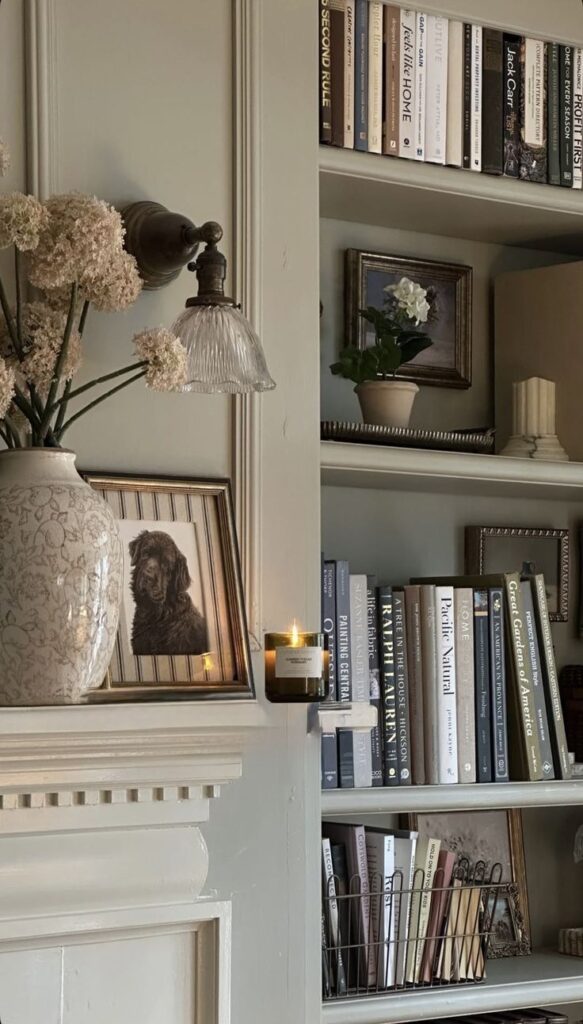
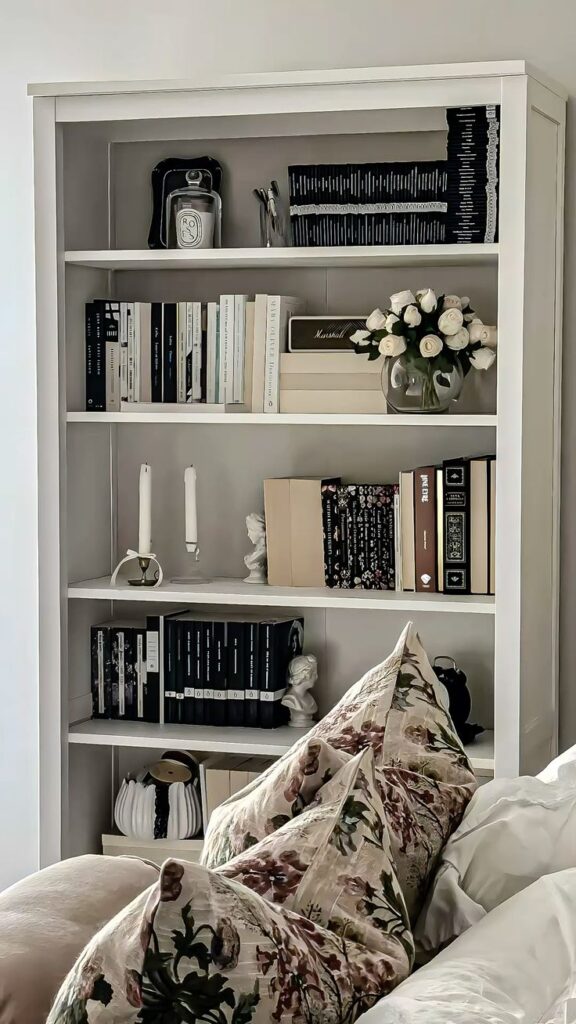
One popular way to use books as decor is to stack them horizontally instead of just lining them up vertically. Stacking creates different levels on the shelf, which breaks up the visual line and adds interest.
Books can also be arranged by color to create a rainbow effect or by size for a neat, organized look. Some like to pull a few books forward, letting their covers show instead of just the spines. This draws attention and adds variety to the display.
Mixing stacks with vertical rows works well. For example:
- Place a small pile of books flat.
- Lean a single book upright against the stack.
- Leave some space for other items like plants or small decorations.
This method keeps the arrangement dynamic and balanced.
Styling with Bookends
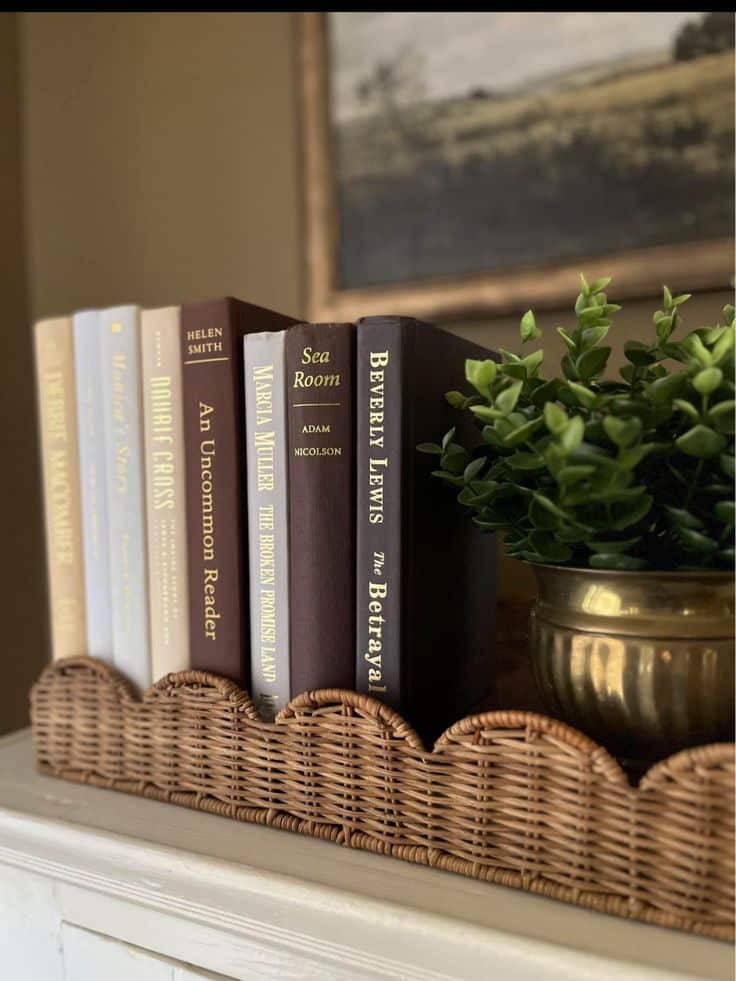
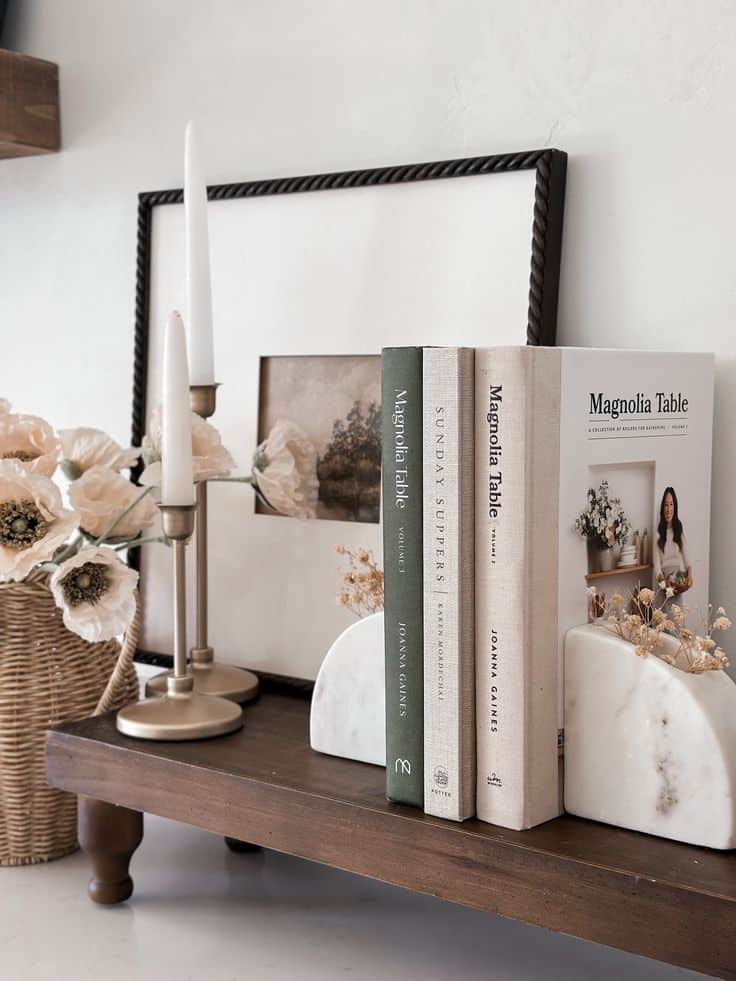
Bookends are both practical and decorative. They help keep books upright and add a touch of personality to the shelf. They come in many styles—modern metal shapes, classic wooden blocks, or fun figurines.
Using bookends lets someone play with different themes. For example, pairing metal geometric shapes with minimalist books gives a clean look. Colorful or vintage bookends add character to more casual or eclectic shelves.
Bookends can also serve as focal points. Placing a bold bookend on one side and a small stack of books on the other balances the shelf. When mixed well with other decor like plants or photos, they tie the whole shelf together nicely.
Incorporating Personal Touches
Adding personal items to a shelf helps make the space feel unique and welcoming. Small details like photos, mementos, or favorite collectibles bring character and tell a story about the person who arranged them.
Adding Photos and Mementos
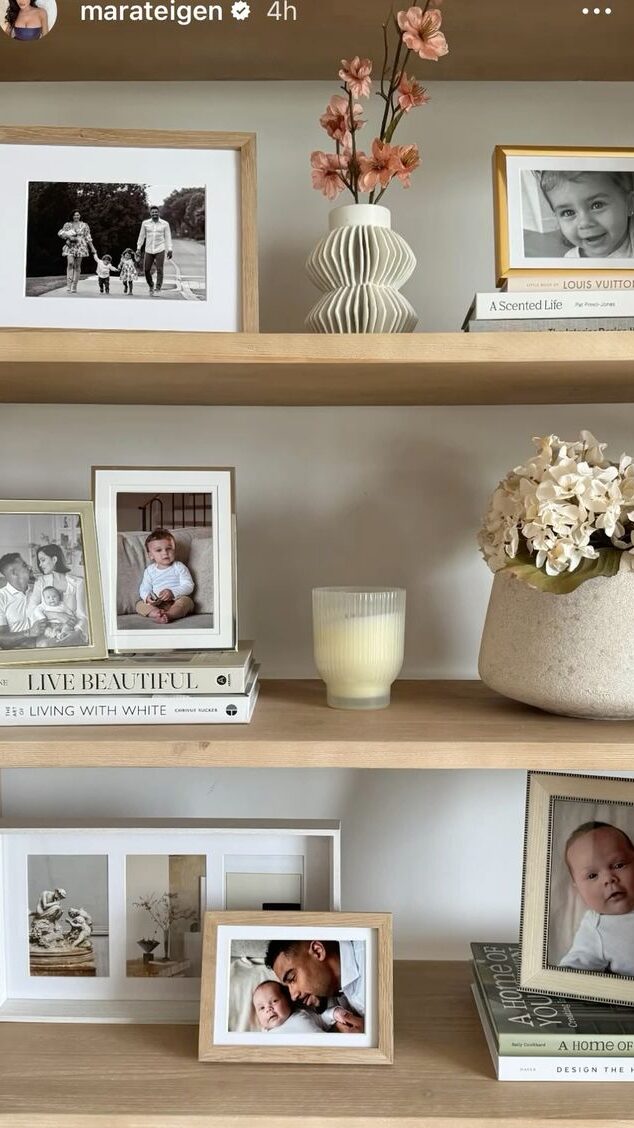
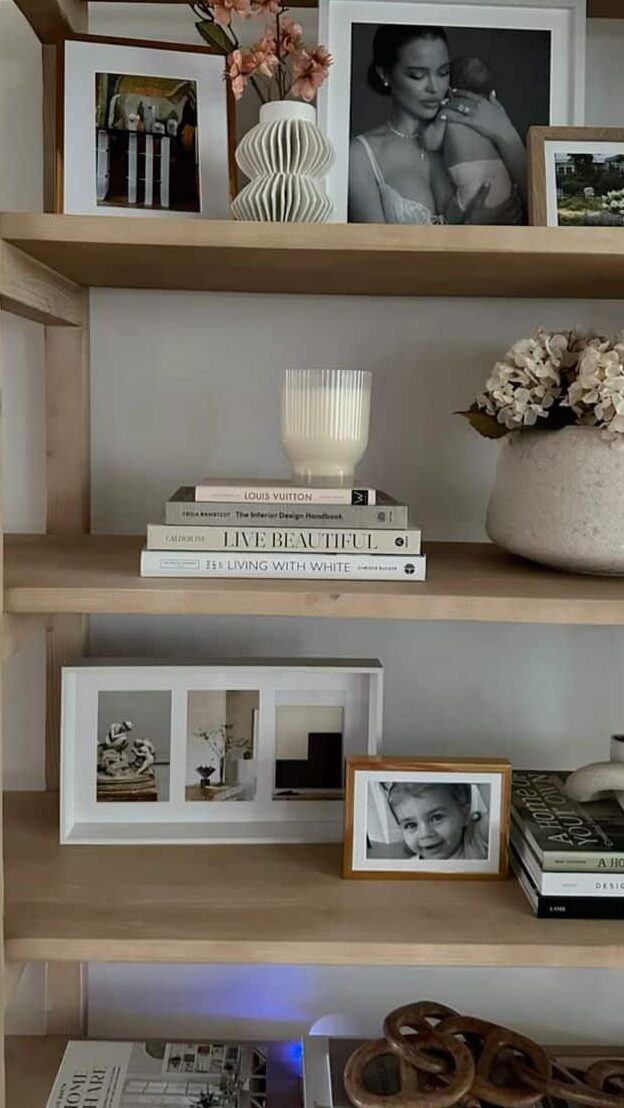
Photos are a simple way to personalize a shelf. Using framed pictures of family, friends, or special moments adds warmth. Choosing different frame styles or sizes can create visual interest. Photos don’t have to all be the same shape or color, but keeping a consistent style helps the shelf look neat.
Mementos like souvenirs, old letters, or small handmade items offer sentimental value. These objects often have stories behind them, which adds depth to the decor. It’s best to group a few of these with other items, so the shelf doesn’t look cluttered but still feels meaningful.
Displaying Collectibles
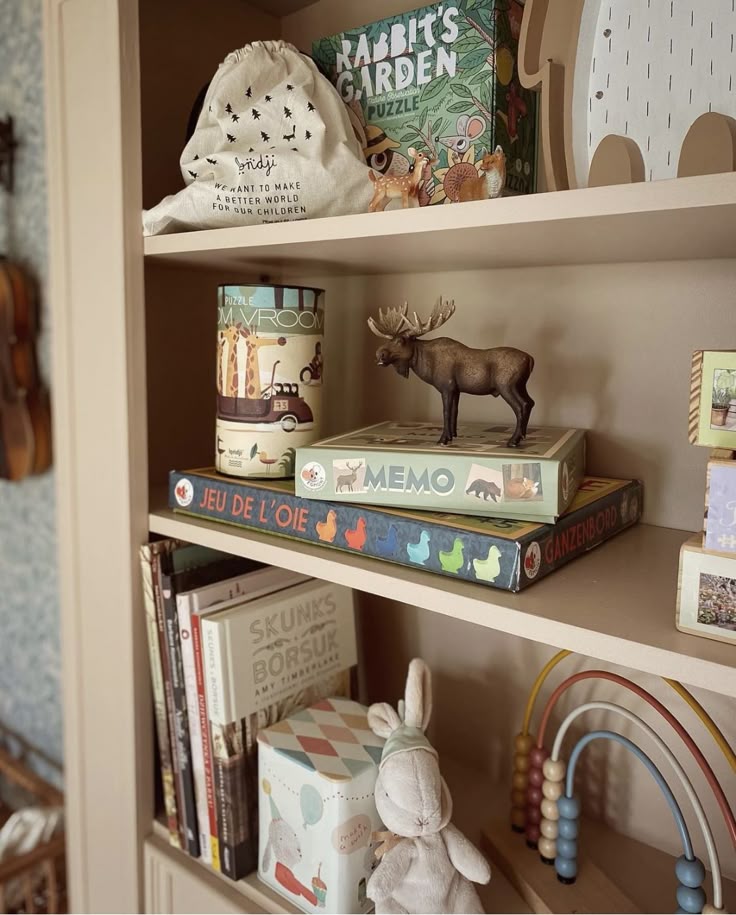
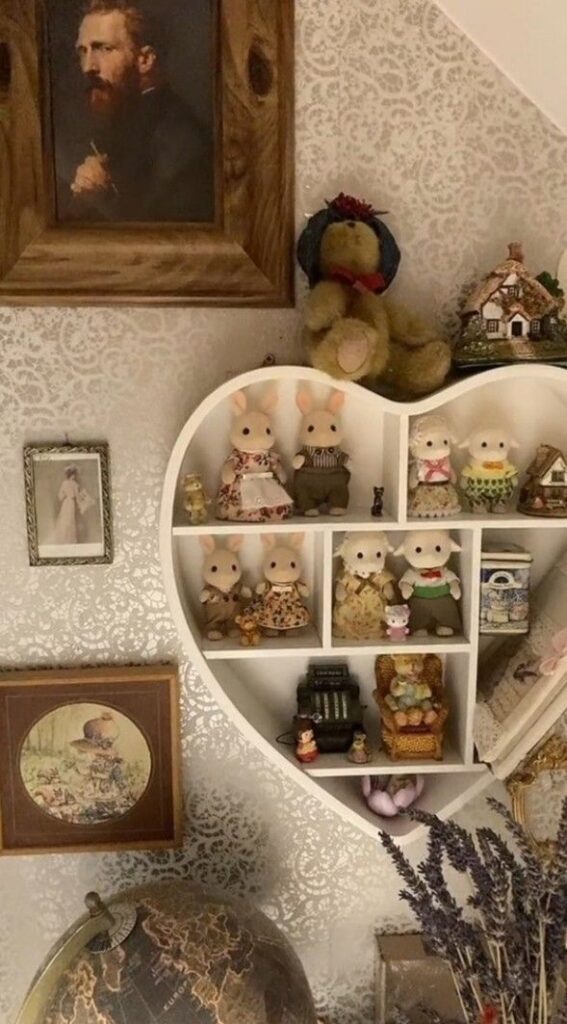
Collectibles are perfect for showing off personal hobbies or interests. Whether it’s vintage toys, pottery, or model cars, these pieces give shelves life and individuality. Arranging collectibles in small groups or on stands can highlight each item without overwhelming the space.
It’s good to mix collectibles with other decor like plants or books to balance the look. Using shelves with different levels or sizes helps display various objects attractively. Keeping the colors or themes of collectibles somewhat related makes the display feel connected and intentional.
Integrating Plants and Greenery
Plants add life and color to shelves while making a space feel fresh and inviting. Choosing the right types of plants and placing them carefully helps create balance and highlights both the greenery and the other items on display.
Best Plants for Shelves
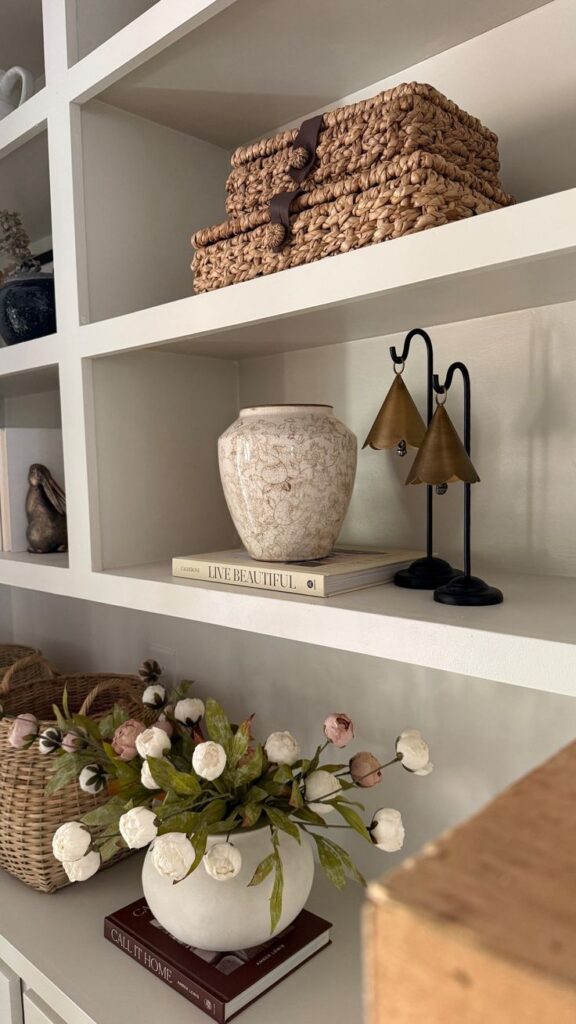
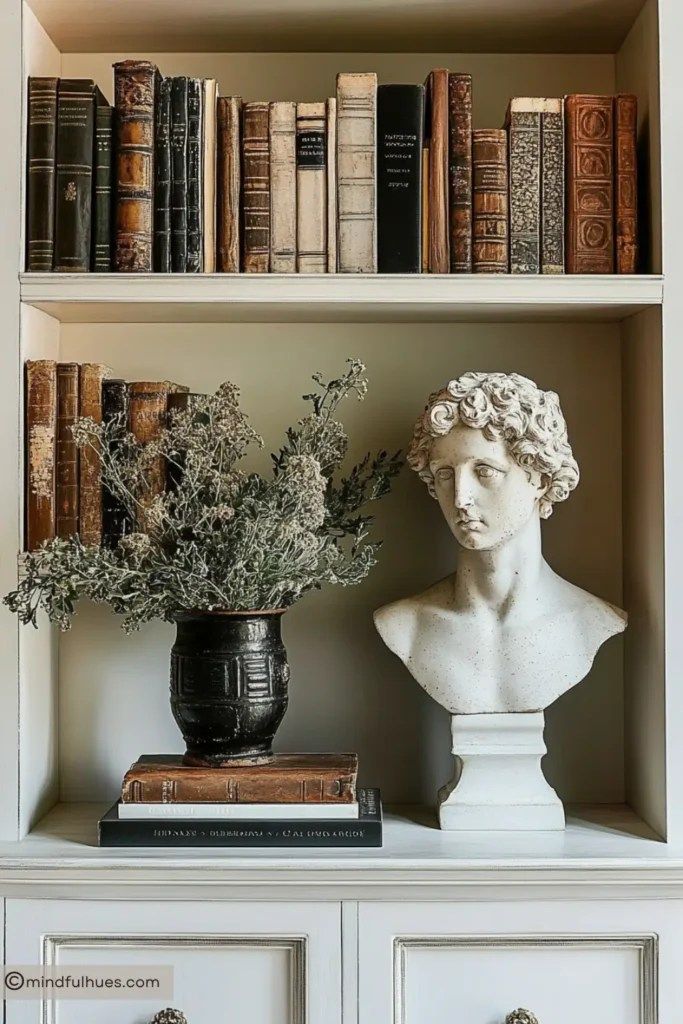
When picking plants for shelves, small to medium sizes work best. Succulents and air plants need little space and care, making them perfect for busy spots. Pothos and philodendrons are great too, because they trail nicely over shelf edges.
Plants that need low to medium light are ideal for indoor shelves, like snake plants and ZZ plants. These survive well in spots without direct sunlight. Avoid big, bulky plants that take up too much room or drop lots of leaves.
Using a mix of pots in different shapes and colors adds interest. Self-watering pots help keep plants healthy without daily watering.
Arranging Plant Placement Thoughtfully
He or she should place plants at varying heights to keep the shelf visually interesting. Taller plants go on the floor or lower shelves, while smaller ones fit on upper shelves or corners.
Putting trailing plants near edges lets vines hang naturally. Grouping a few plants creates a mini indoor garden feel.
Balance plants with non-plant decor like books or artwork to avoid crowded shelves. Grouping plants near light sources or windows helps them thrive.
Rotating plants occasionally ensures even light and growth. This careful placement helps plants live longer and makes the shelf look its best.
Playing with Art and Wall Decor
Adding art to shelves helps bring personality and style to any space. Using different ways to place artwork can change the look and feel of a shelf instantly. Combining pieces thoughtfully creates depth and interest.
Leaning Versus Hanging Artwork
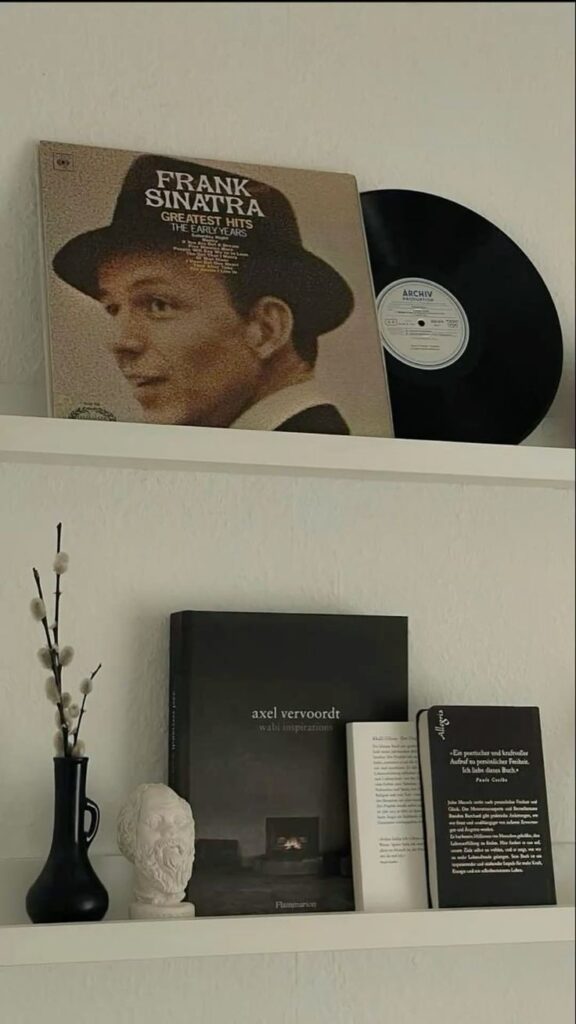
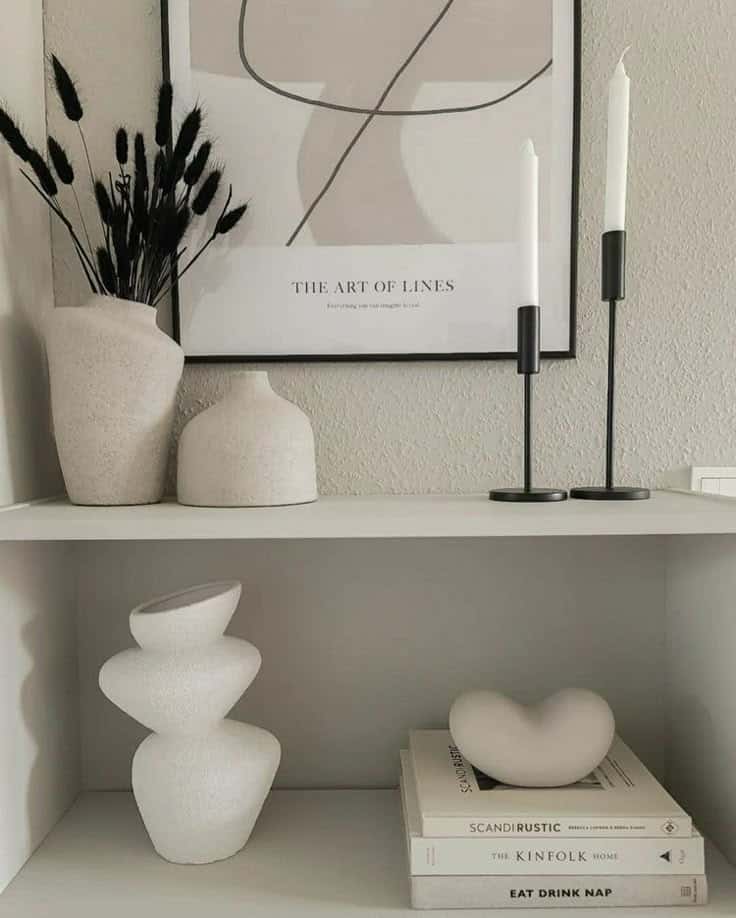
Leaning art against the wall on a shelf gives a casual and relaxed vibe. It’s easy to switch pieces out without making new holes, so it works well for people who like to change their decor often. Larger frames look great when leaned, especially layered with smaller items, because they add scale and balance.
Hanging artwork above or around shelves offers a cleaner and more polished look. It helps define the area and makes the art the main focus. When hanging, make sure the height fits the shelf size. The bottom edge of the frame should be about 2-4 inches above the shelf for the best visual flow.
Layering Frames and Canvases
Layering different sizes and types of frames adds texture and creativity to a shelf. Start with a larger piece in the back, then place smaller frames or canvases in front, slightly overlapping. Mixing photos, prints, and canvases keeps the display interesting.
Use a variety of frame colors and finishes to match the room’s style—wood tones for warmth or black and white for a modern look. Make sure to leave some space between layers; overcrowding can look cluttered. This technique works well with a mix of horizontal and vertical art for visual variety.
Enhancing with Lighting
Good shelf lighting can make a big difference in how items stand out. It adds depth and focus, and sometimes even creates a warm, inviting feel. The right lighting choices depend on the style of the shelf and what is displayed.
Using String Lights and LEDs
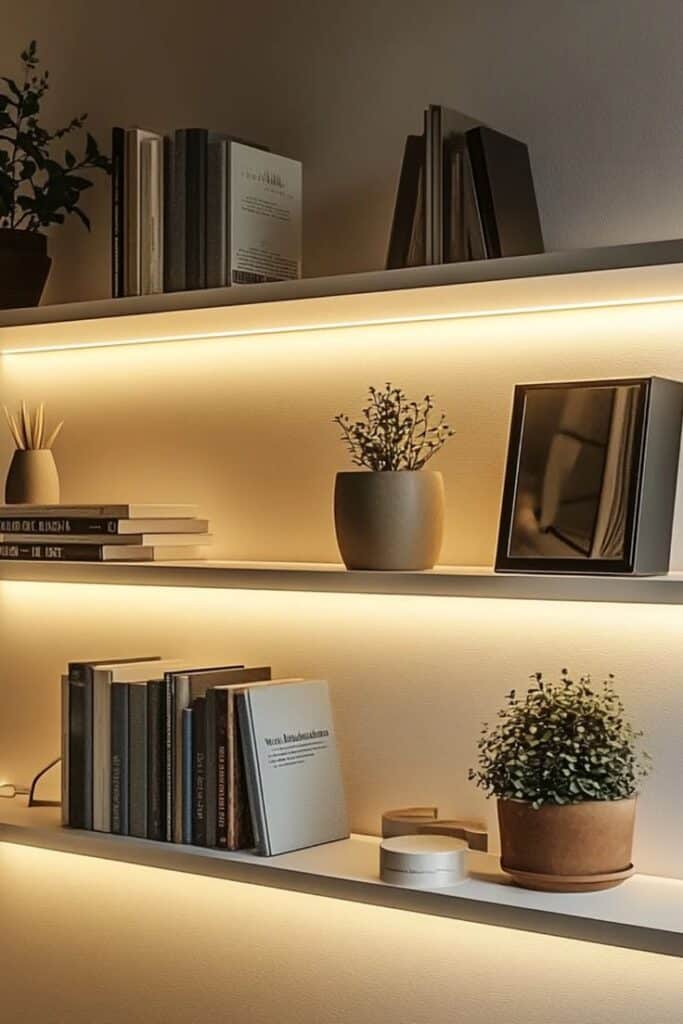
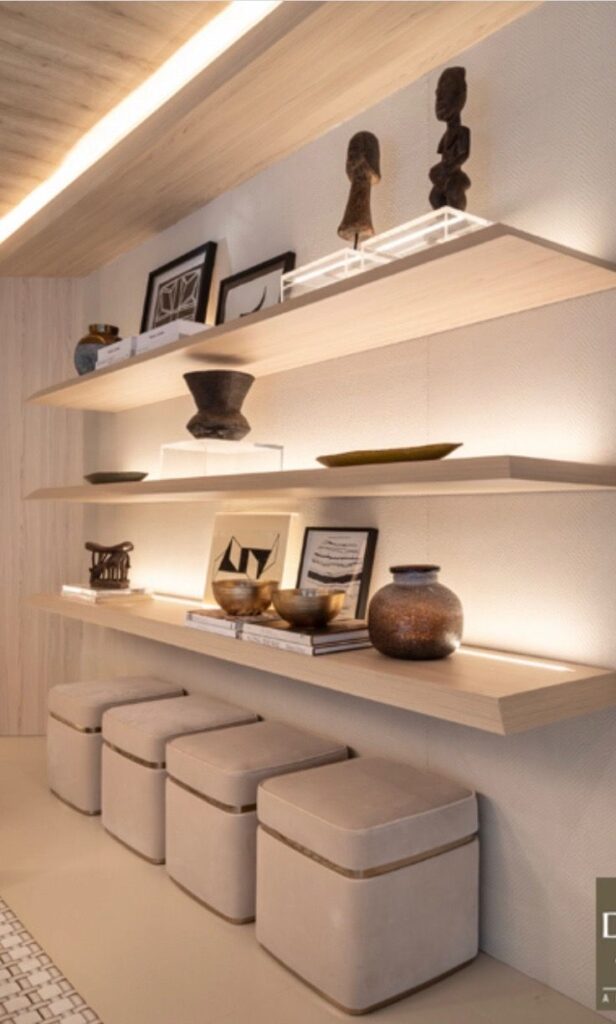
String lights and LED strips are popular for their flexibility and ease of use. They come in various colors and brightness levels. People often place LED strips under shelves to highlight objects below without harsh shadows.
String lights can be wrapped around shelf edges or woven through decorations. They give a soft glow that feels cozy. LED lights are also energy-efficient and last a long time.
Installation is simple. Many options include adhesive backing or clips, which means no special tools are needed. Adjustable brightness lets users set the mood, from bright to dim.
Selecting Accent Lamps
Accent lamps are a good choice when more focused light is needed. Small spotlights or desk lamps can highlight special pieces like artwork, plants, or collectibles.
The key is placement. A lamp aimed correctly brings out details and textures. Adjustable heads help point the light exactly where it’s wanted.
Accent lamps vary in style, from modern to vintage. Battery-operated or plug-in designs offer flexibility. One clear benefit is the ability to add warmth and depth without overpowering the room’s main lighting.
The same balance rules used for shelf styling apply to fireplace mantel decor: vary height, leave breathing room, and avoid lining everything up at one level.
Maintaining a Clutter-Free Look
Keeping shelves tidy takes some planning. The key is to balance decorations with space. Leaving gaps between items helps the shelf feel open and easy on the eyes.
They should mix items of different sizes and shapes. For example, a small plant next to a tall vase adds interest. It also breaks up the visual pattern so the shelf doesn’t look crowded.
Using containers like baskets or boxes is a smart way to hide small items. This keeps things organized and reduces clutter without hiding personality.
A good trick is to pick a color scheme or style and stick to it. This helps everything feel connected and neat. Too many colors or styles can make shelves look messy, even if the space isn’t full.
They should also vary the height and direction of objects. Stacking books horizontally or leaning a picture frame adds layers and stops the shelf from feeling flat.
Finally, it’s important to avoid overloading the shelf. Less is often more. Regularly checking the space to remove items that are no longer needed keeps shelves looking fresh and simple.
How do I create a cohesive theme and color palette for my shelf decor?
Start by selecting a color palette of two to four main colors that fit your room’s style. Use items like books and accessories in these colors to create a harmonious look. Choosing a decorating style, such as minimalist or rustic, guides your selection of objects, and mixing patterns and textures within the theme adds interest.
What are some practical ways to balance aesthetics and function on my shelves?
Balance aesthetics and function by incorporating practical storage solutions like baskets and bins, using vertical space efficiently, and mixing decorative items with useful objects like clocks or lamps. Grouping items of different heights and textures, and following the Rule of Threes, also helps create a visually pleasing yet functional display.
What are the best lighting options to enhance my shelf decor?
Good shelf lighting can be achieved with string lights or LED strips, which are flexible and energy-efficient, placed under shelves or woven through decor to create a soft glow. Accent lamps can highlight specific items, and proper placement of lighting adds depth, focus, and a warm, inviting atmosphere to your shelves.
What factors should I consider when choosing the right shelf for my space?
When choosing a shelf, consider the room size, wall space, and what it will hold. Small spaces benefit from narrow or floating shelves, while larger rooms can accommodate chunky bookcases or built-in shelves. Also, select materials and finishes that match the room’s style and the items you plan to display.
How can I effectively decorate my shelf to showcase my personality and style?
To showcase your personality on a shelf, mix different shapes, sizes, and textures of items like books, plants, and art pieces, while keeping the arrangement organized and balanced. Grouping items in odd numbers and leaving some space can make the display visually appealing.
- 4.1Kshares
- Facebook0
- Pinterest4.1K
- Twitter0
- Reddit0