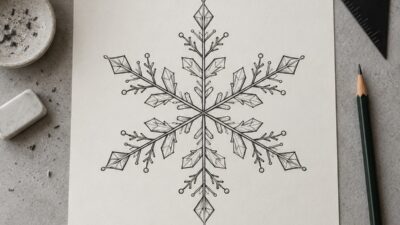
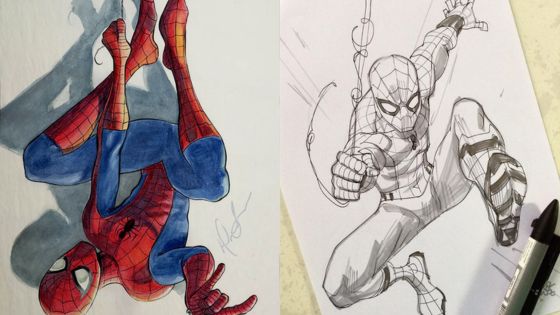
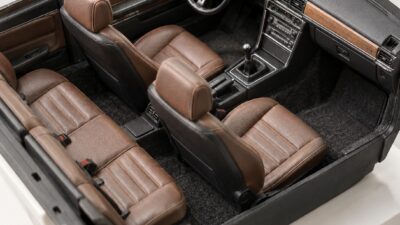
Easy drawings step by step work best when the subject is small enough to finish in one sitting. Do not start with a perfect final line. Start with a light shape, check the angle, clean the outline, then add a few shadows or texture marks where they actually help.
This guide is built as a reference board for beginners: faces, clothes, figures, water, eyes, landscapes, and material studies. I would treat each image as a short drill, not a masterpiece assignment. Pick one, redraw it twice, then change one thing on the third pass.
Easy drawings step by step: quick method
To draw something easy step by step, reduce the subject to its largest shape first. Add one or two guide lines, place the main features, clean the outside contour, and only then add shadows, folds, strands, ripples, or texture. This order keeps the drawing readable. Beginners often struggle because they start with eyelashes, wrinkles, or grass before the structure is solved. A cleaner habit is simple: rough shape, proportion check, final line, value, detail.
| Practice focus | Easy subject | Best first step |
|---|---|---|
| Face drawing | Eyes, nose, mouth, simple portrait | Place the head shape and feature guide lines lightly. |
| Clothing | Dresses, sleeves, folds, fashion sketches | Draw the garment silhouette before any small wrinkles. |
| Figure drawing | Standing pose, gesture, simple body blocks | Use one action line and compare shoulder-to-hip angles. |
| Water and landscape | Ripples, paths, trees, outdoor scenes | Choose the lightest area and darkest accent before texture. |
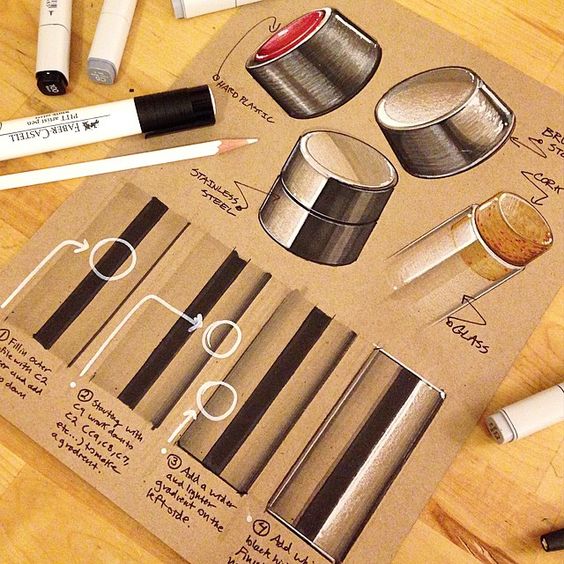
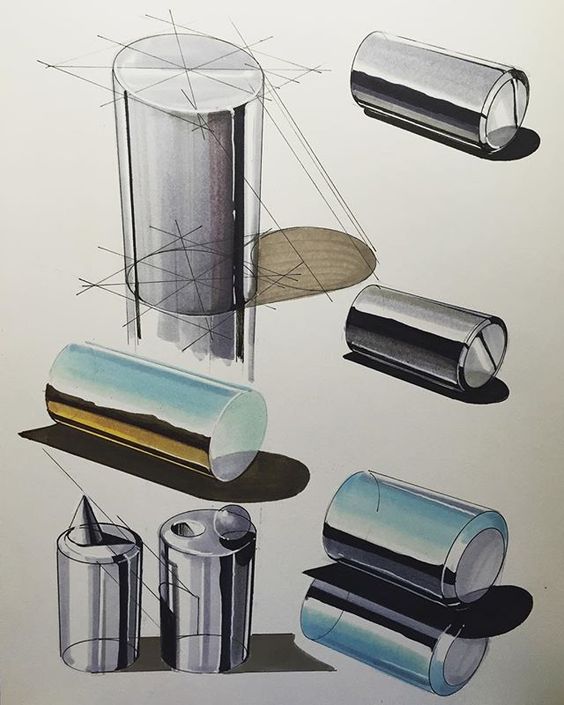
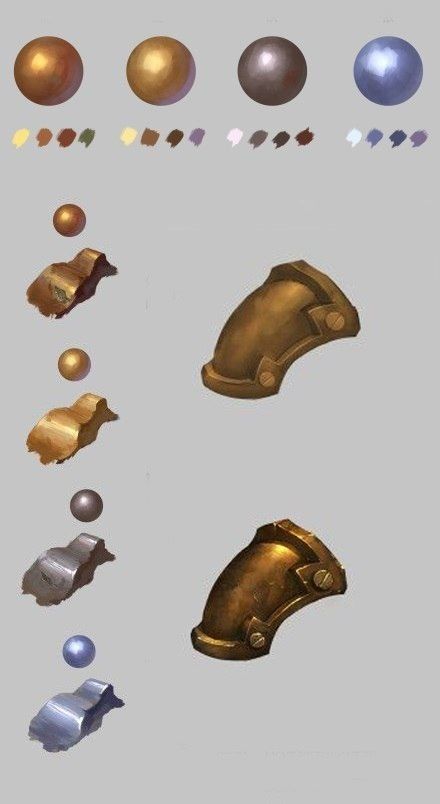
| Materials | Glass, fabric, metal, rough texture | Decide if the surface is matte, shiny, soft, or rough. |
If you only have 15 minutes, choose one image and stop after the clean outline. The next session can be shading. Splitting the job like that teaches control faster than rushing a full page of half-finished sketches.
Face drawing ideas step by step
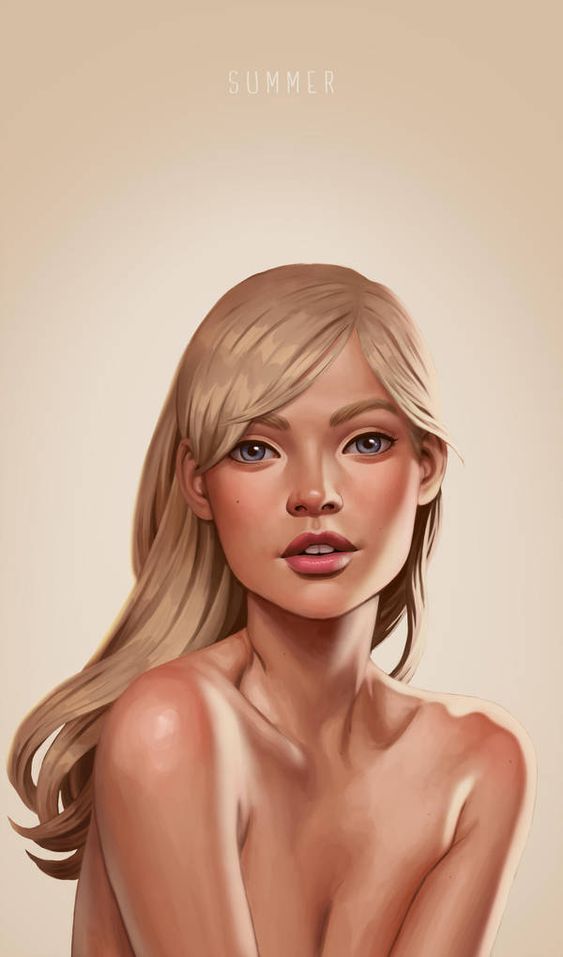
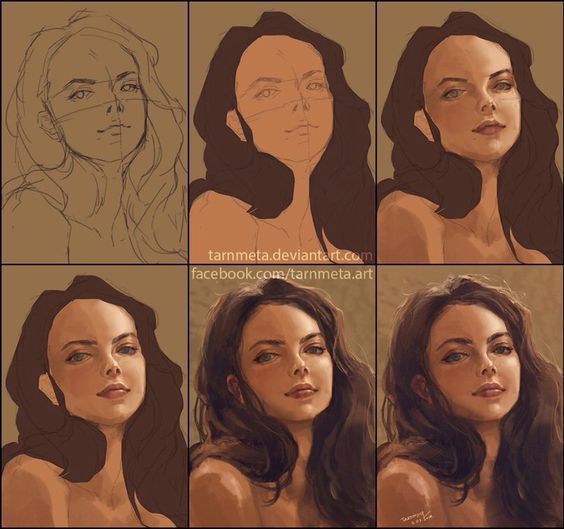
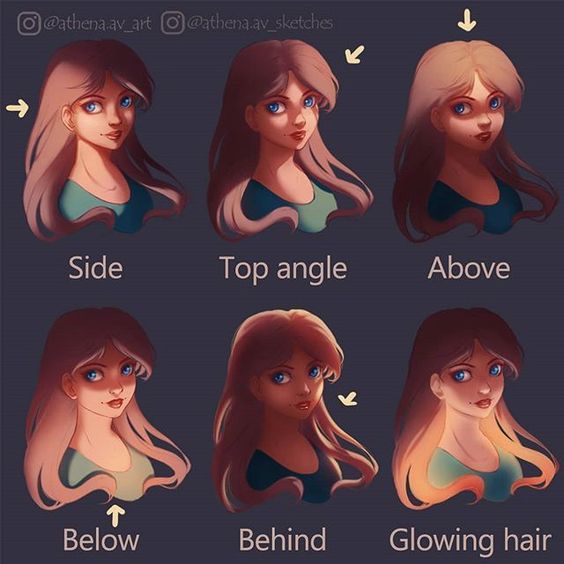
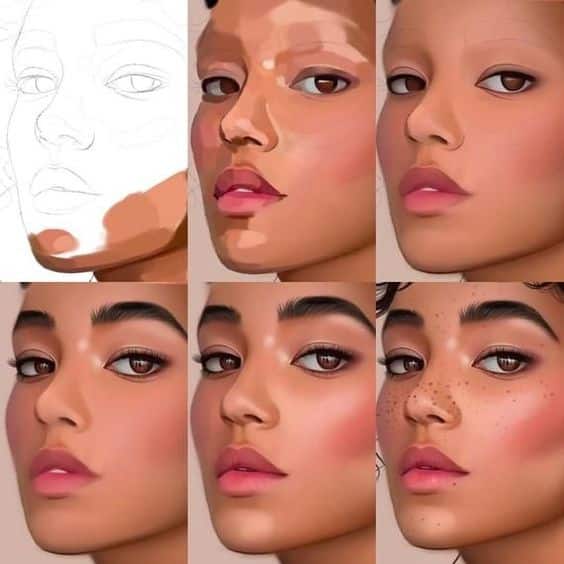
Face studies are a good first stop because every small change is easy to see. Start with the largest shape, place the feature lightly, then darken the line only after the proportions feel settled.
Clothes and fabric drawings step by step
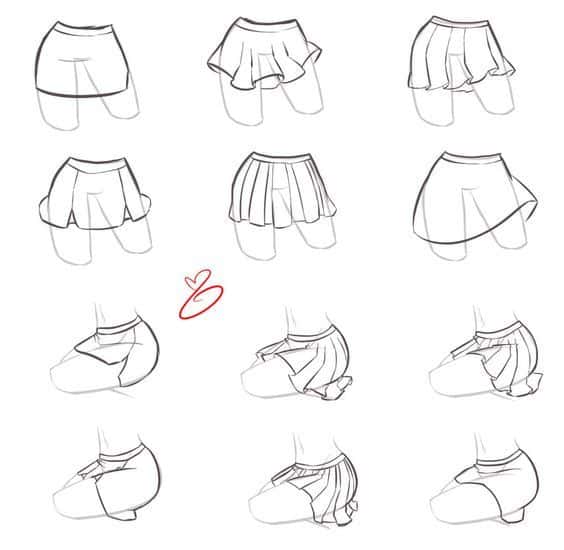
Clothing looks hard until you separate the silhouette from the folds. Draw the big garment shape first, then add the main fold direction, and save small seams, buttons, and wrinkles for the last pass.
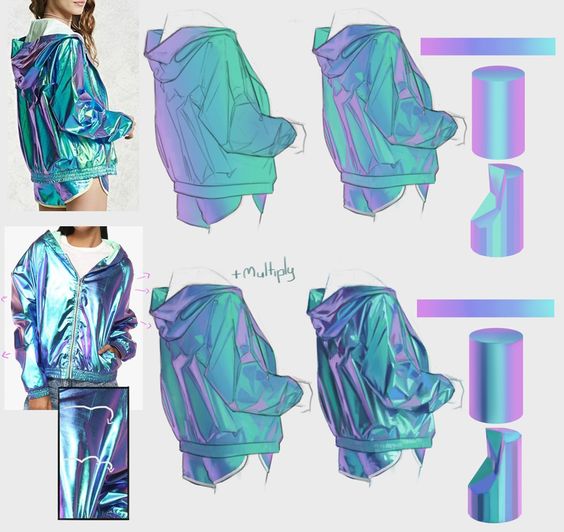
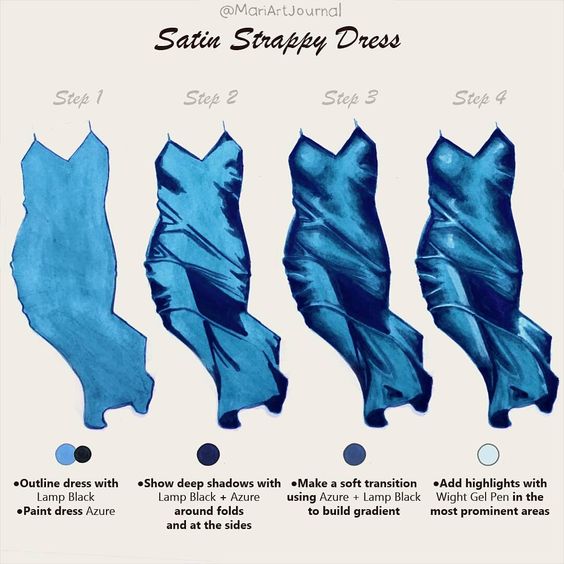
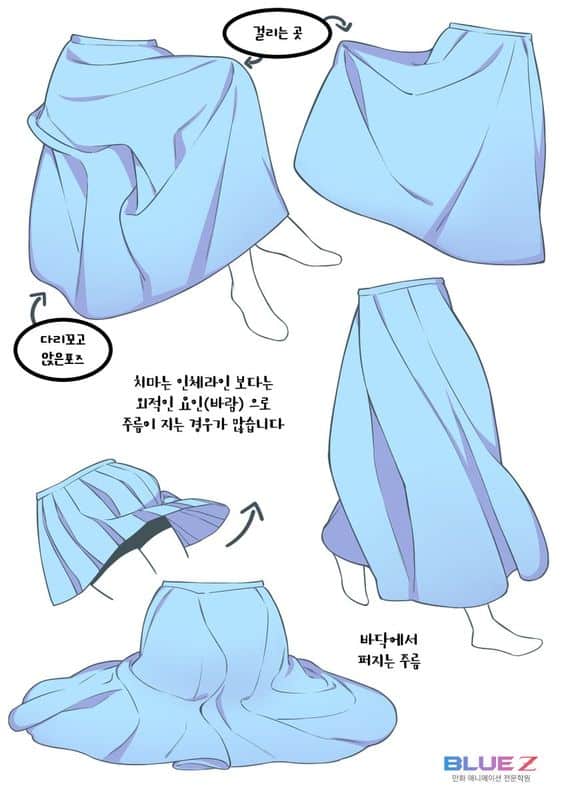
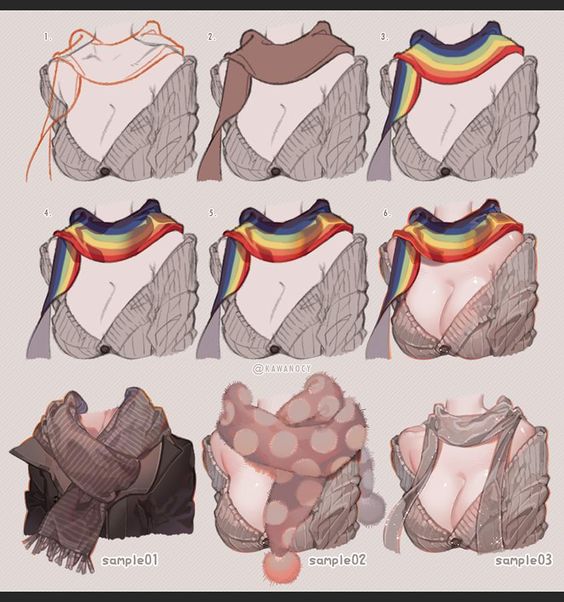
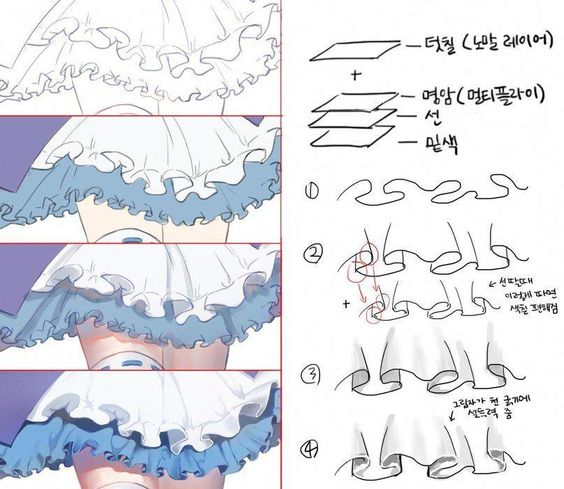
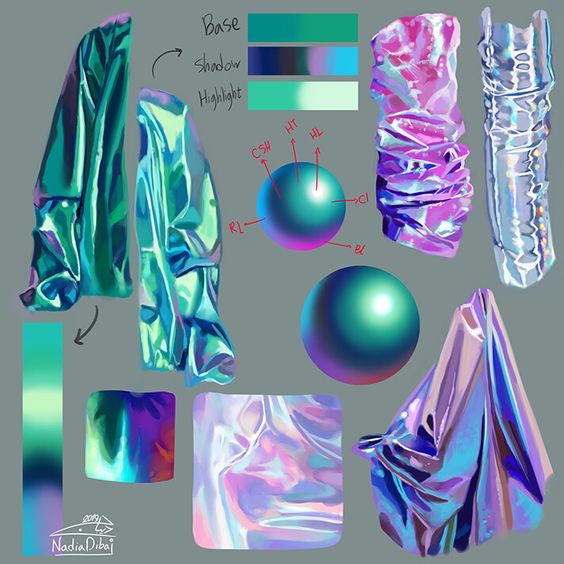
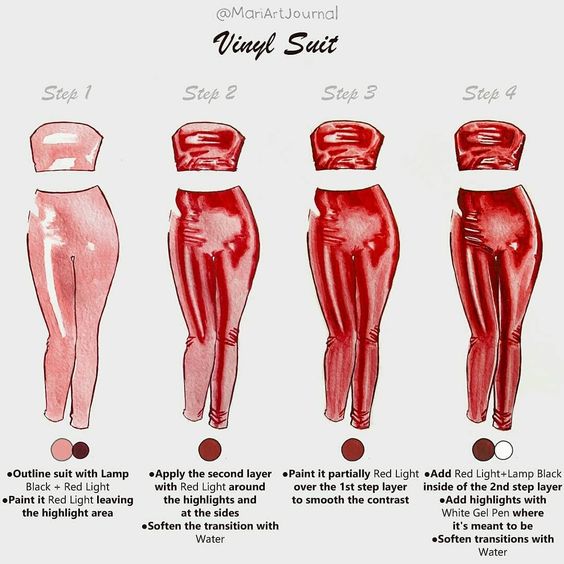
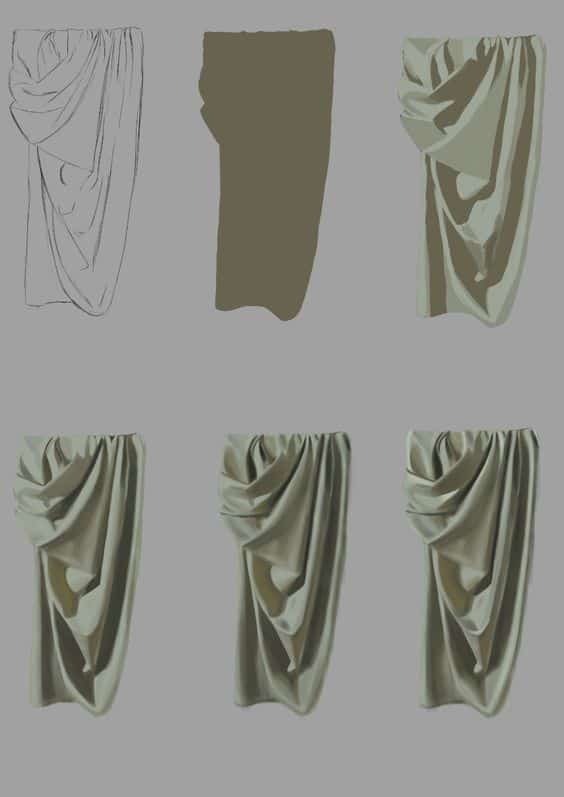
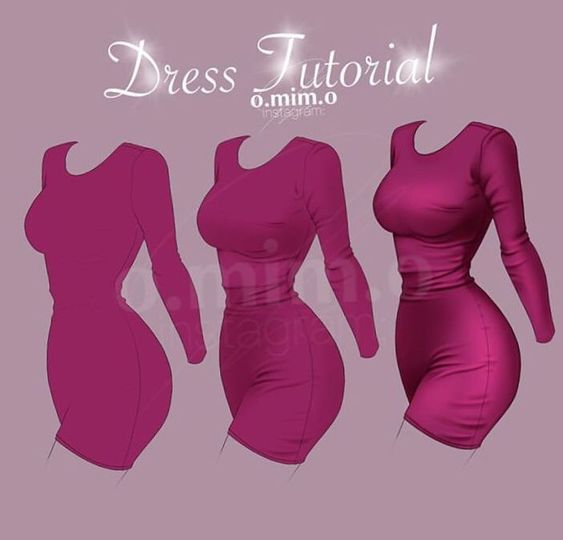
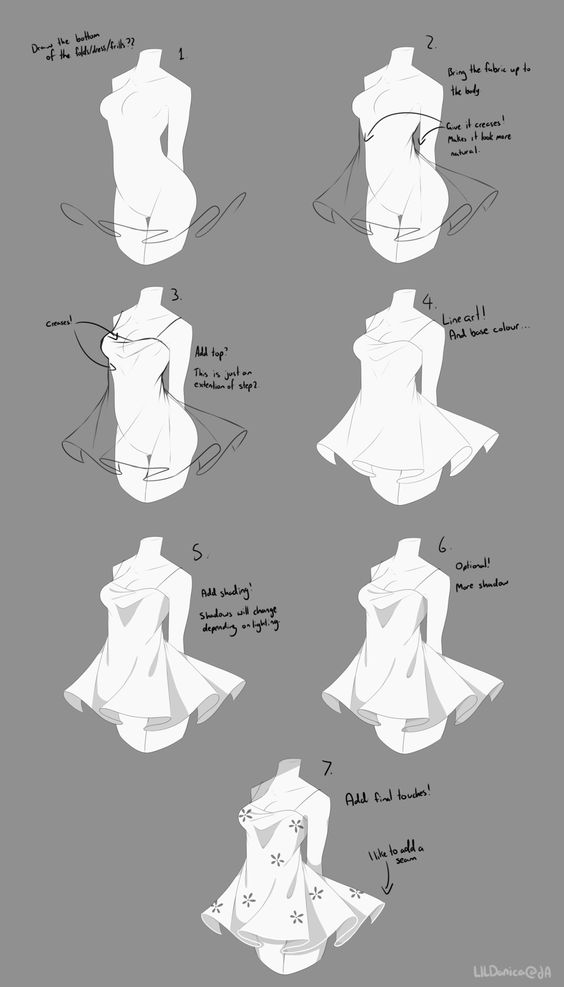
Figure drawing ideas for beginners
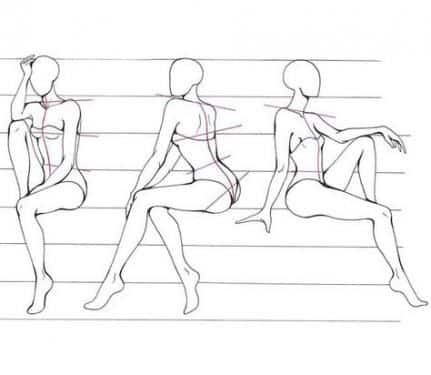
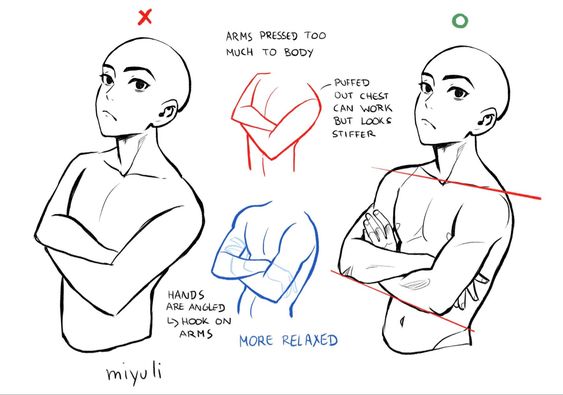
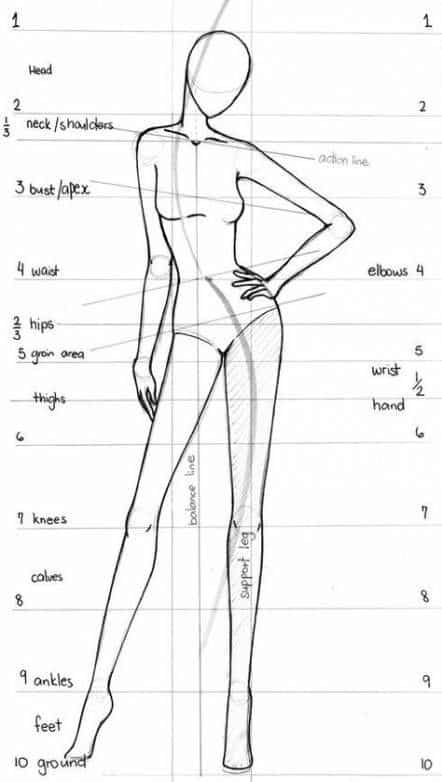
For figure drawing, avoid starting with fingers, clothing, or facial details. A simple gesture line and a few proportion boxes will do more for the drawing than a perfect sleeve or shoe.

Water drawing step by step
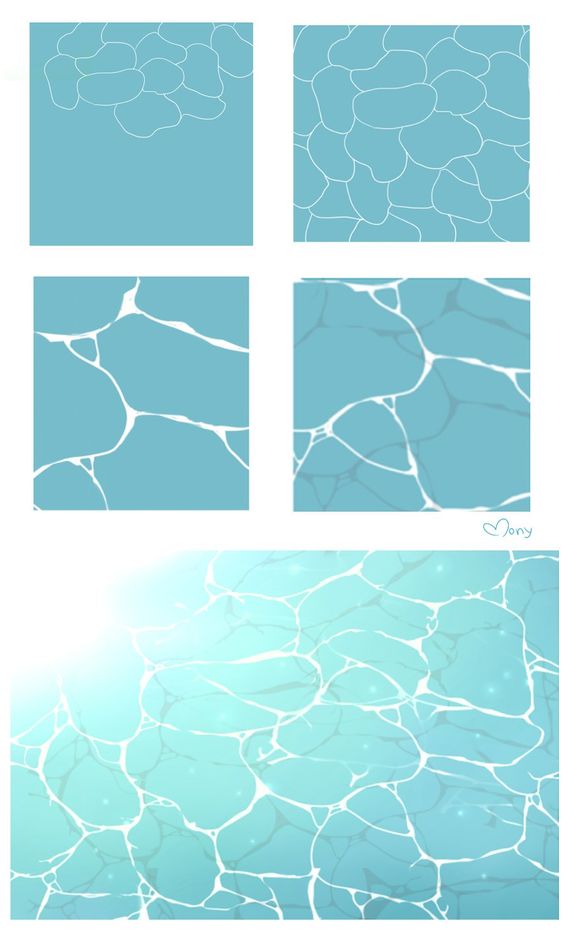
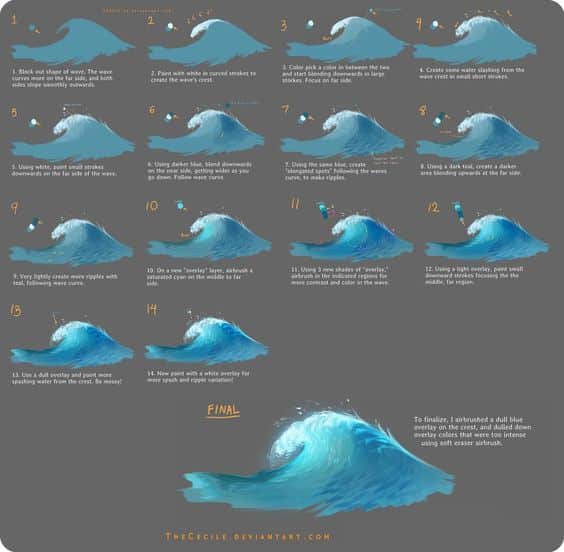
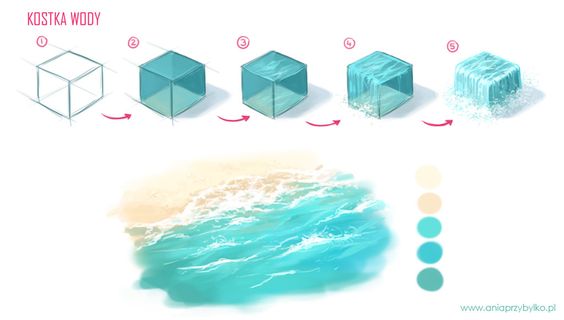
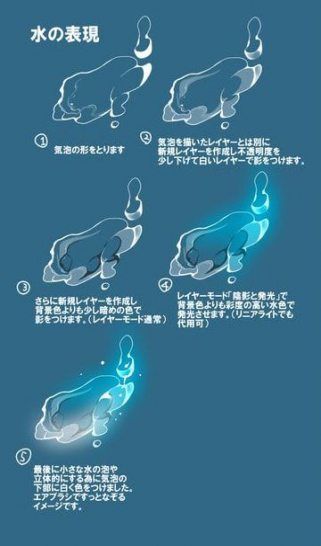
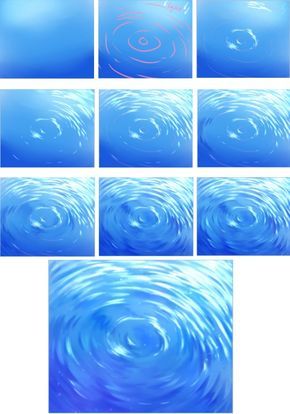
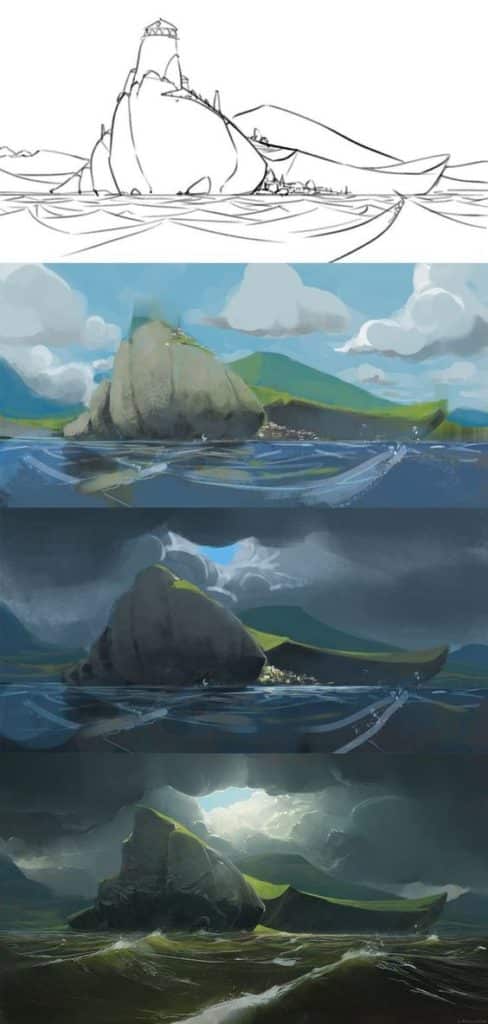
Water drawing is mostly value control. Leave the brightest highlight alone, build the middle tones slowly, and make the darkest accents small enough that the surface still feels transparent.
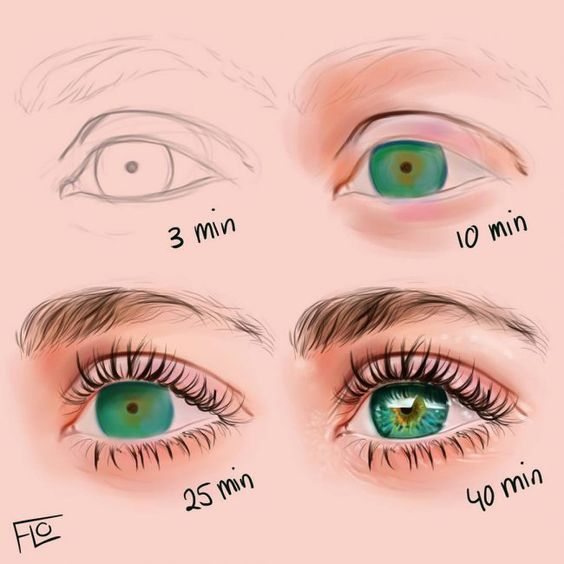
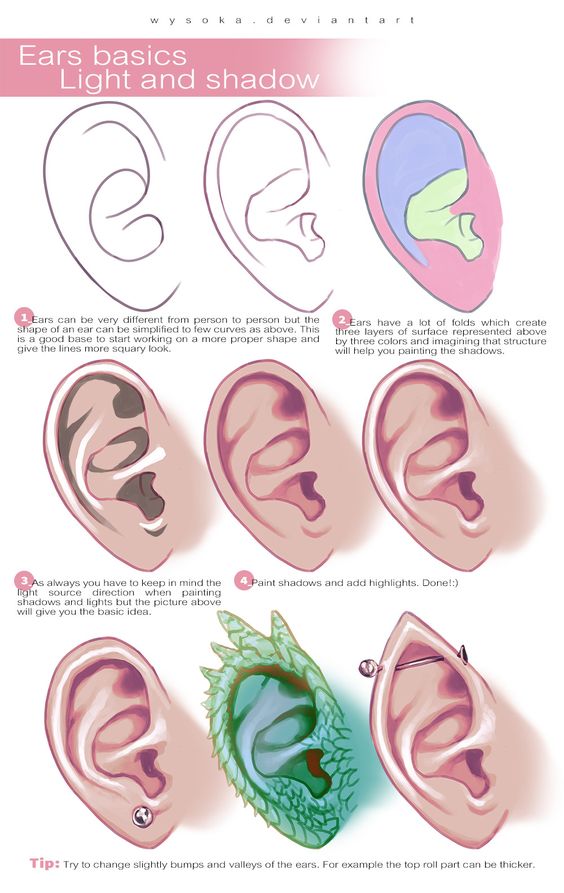
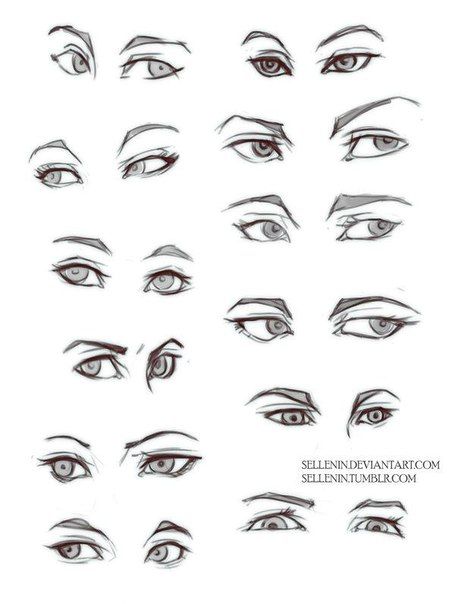
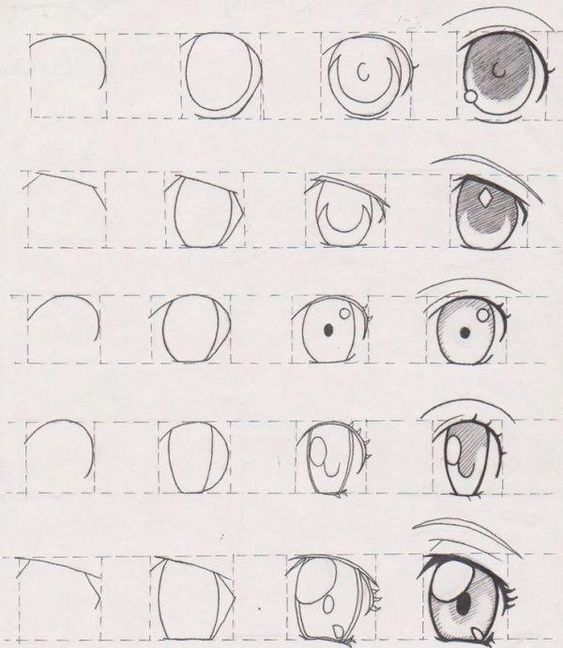
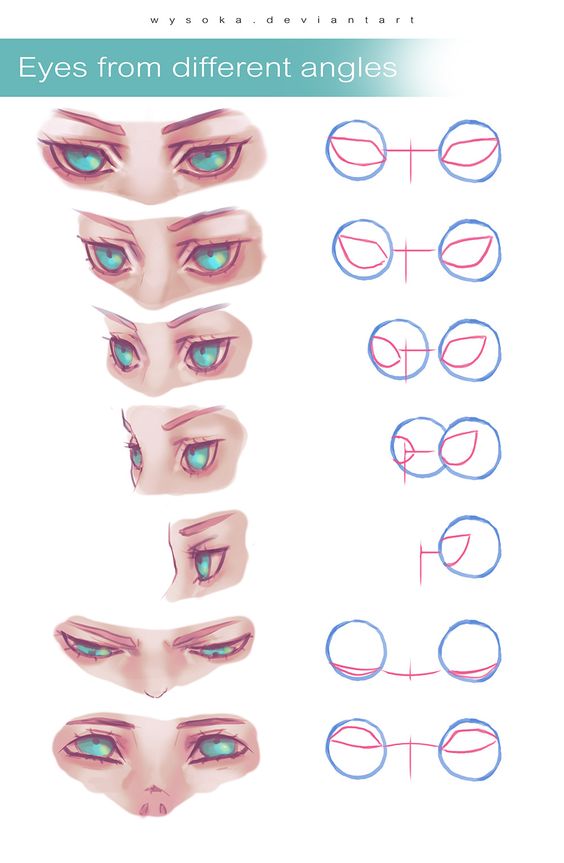
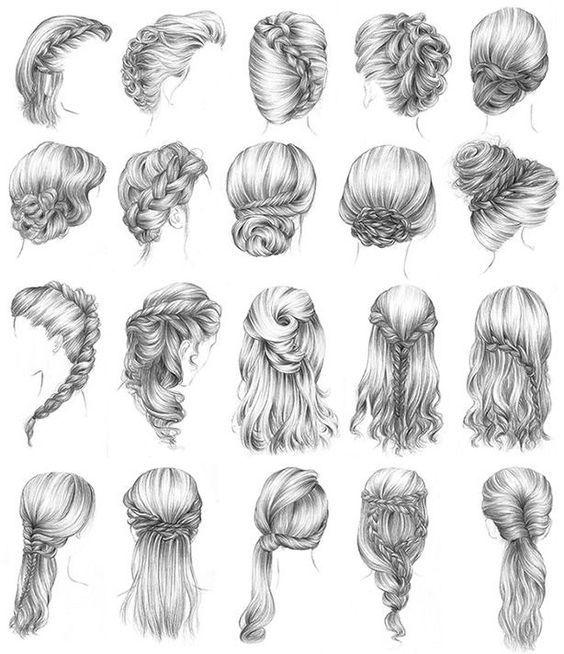
Eyes, ears, and hair drawing practice
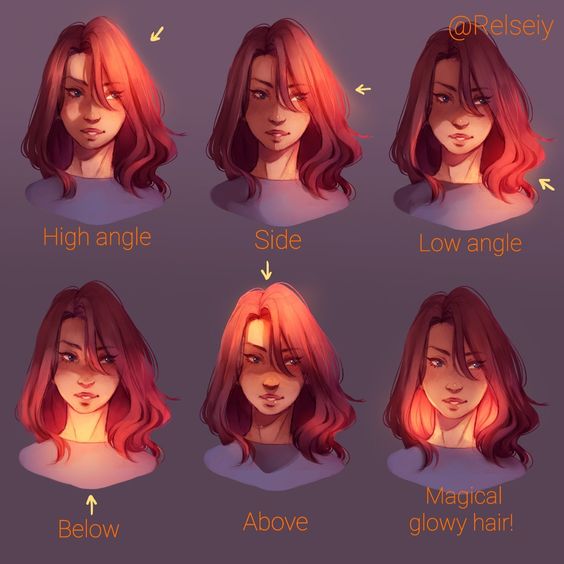
Small features reward patience. Draw the socket, ear angle, or hair mass first, then add lashes, strands, and tiny shadows after the structure is in place.
Landscape drawings step by step
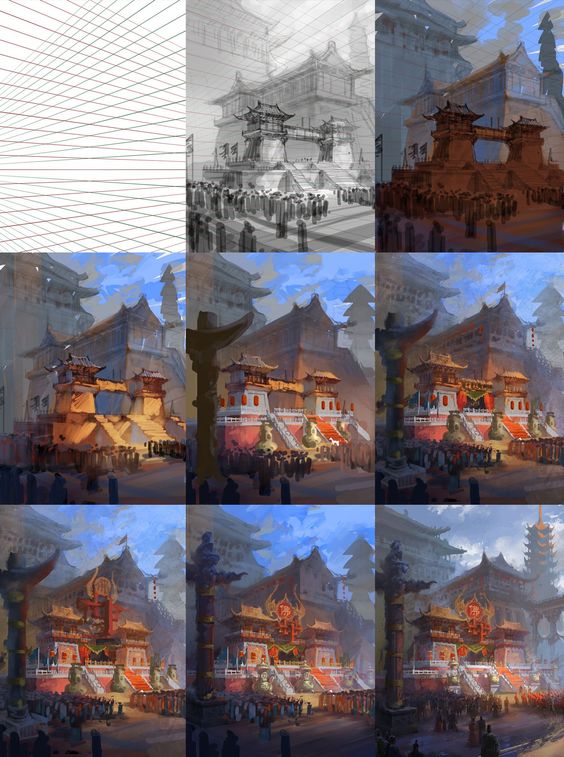
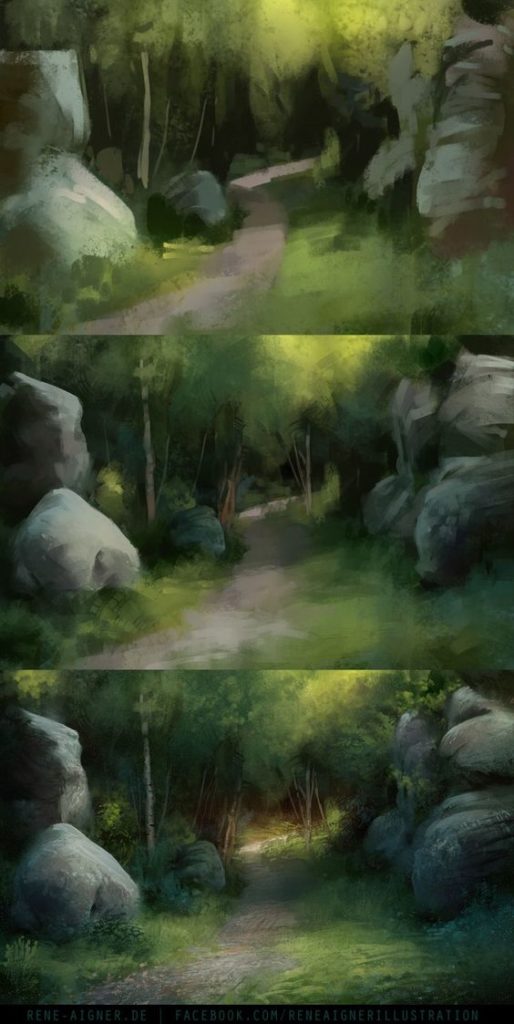
A landscape sketch needs a clear value plan before texture. Choose the lightest area, the darkest area, and the main horizon or path first; then trees, roofs, rocks, and grass have somewhere to belong.

Material and texture drawing ideas
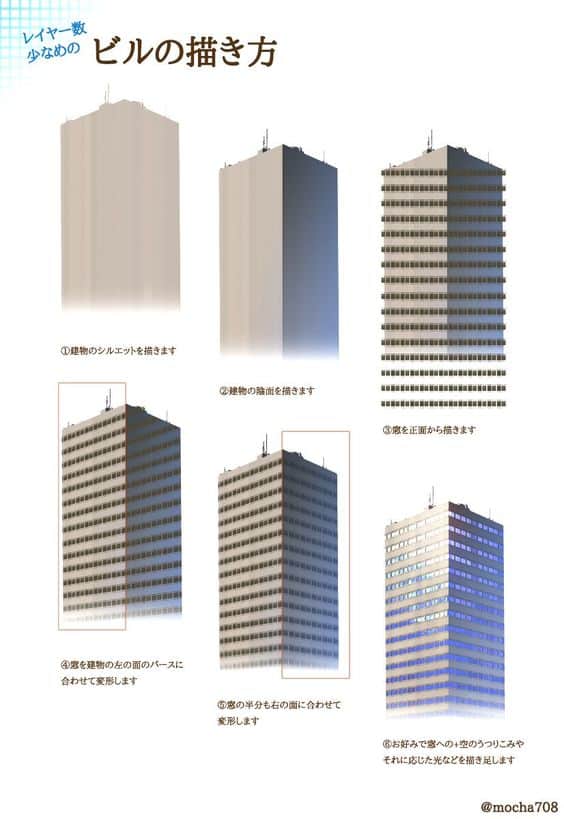
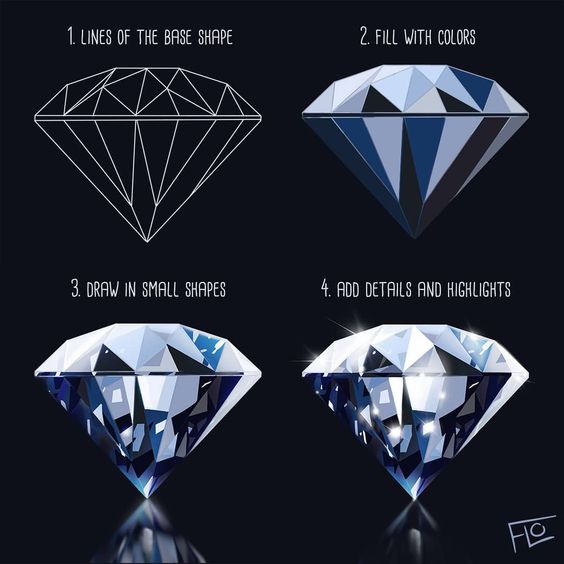
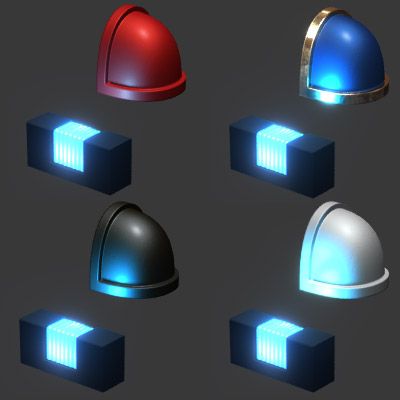
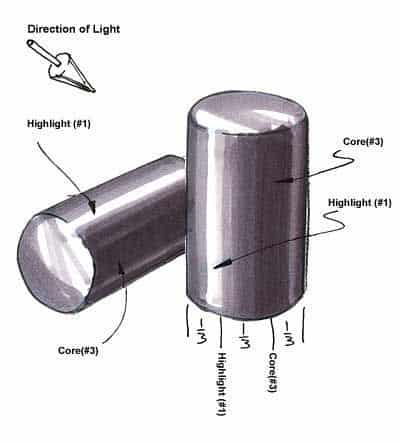
Texture is not about drawing every tiny mark. Pick the material first, decide where the light is coming from, and use only the marks that make the surface read as glass, fabric, metal, water, stone, or wood.

Common mistakes in beginner step-by-step drawings
The fastest improvement usually comes from removing noise. A beginner sketch can have a charming wobble, but it still needs a clear silhouette, a visible light direction, and a few confident final lines.
| Beginner mistake | Why it hurts the drawing | Better move |
|---|---|---|
| Starting with tiny details | The big shape can drift before the drawing is built. | Sketch the silhouette and main angle first. |
| Using one line weight everywhere | The sketch feels flat and nervous. | Keep construction lines pale and final edges darker. |
| Shading the whole subject evenly | There is no clear light direction. | Group shadows on one side and save highlights. |
| Copying without checking proportion | The drawing can look accurate in parts but wrong as a whole. | Compare width, height, and angle before polishing. |
Useful practice links for easy drawings
For outside references, keep the research practical and choose one exercise at a time: Tate drawing glossary, Met sketching notes, Drawabox line exercises, Ctrl+Paint free drawing library, Line of Action figure practice, Adobe drawing for beginners guide, Proko drawing lessons. These are useful when you want line drills, drawing definitions, figure-timing practice, or a clearer beginner routine.
- easy drawings step by step: Use it when you want a shorter practice page after this larger reference list.
- easy drawings for beginners: This works well for a small sketchbook session.
- easy anime drawings: Good if faces and hair are the part you want to keep practicing.
- fall drawings made easy: Useful for leaves, pumpkins, and cozy seasonal studies.
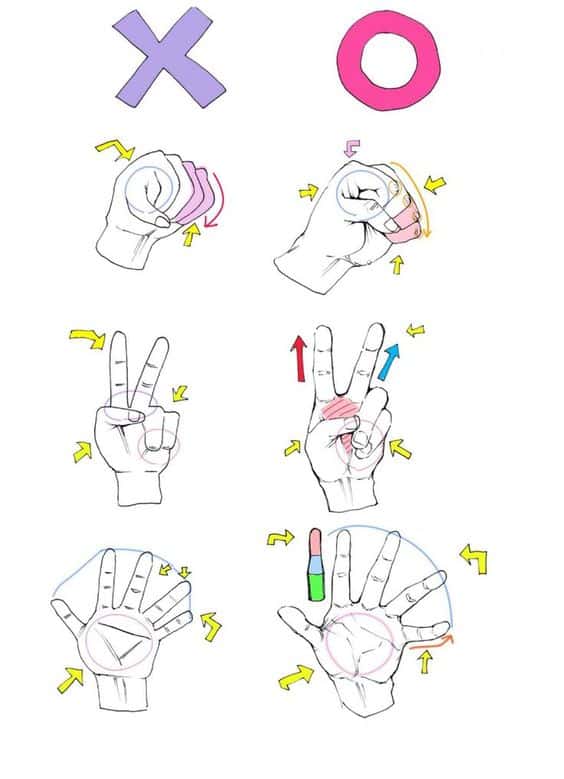
- hand drawing easy: Use this when the pose studies start to feel stiff.
- tulip drawing ideas: A simple flower study is one of the cleanest ways to practice line weight.
- simple drawing ideas for kids: Keep this one for warm-ups or very quick classroom-style prompts.
Easy drawings step by step FAQ
Q: What are easy drawings step by step?
A: Easy drawings step by step are small sketch projects broken into clear stages: basic shape, guide lines, clean outline, simple shading, and final details. The point is not to copy every mark perfectly. The point is to see the drawing as a sequence of decisions, so a face, flower, hand, or landscape feels manageable instead of confusing.
Q: What is the easiest thing to draw for beginners?
A: The easiest things to draw are objects with a clear silhouette: leaves, mugs, simple flowers, eyes, clouds, small houses, and cartoon-style faces. I usually tell beginners to choose a subject they can explain in two or three big shapes. If the outline is easy to understand, the shading and details are much less stressful.
Q: How do you make a step-by-step drawing look cleaner?
A: Start lighter than you think you need to. Use a pale construction layer or a soft pencil pass, check the big proportions, then darken only the lines you want to keep. Clean drawings usually come from editing, not from one perfect first line. Erase extra guides, group shadows, and keep tiny details for the end.
Q: What should I draw first as a beginner?
A: Draw simple faces, flowers, clothing folds, cups, leaves, eyes, and basic landscapes first. These subjects teach the skills that show up everywhere: proportion, line weight, value, and edge control. Avoid complicated full scenes until you can finish a small drawing without losing the main shape.
Q: Are pencil drawings or digital drawings better for beginners?
A: Pencil drawings are usually better for learning observation because they slow you down and make value easier to feel. Digital drawing is excellent once you understand basic shapes and line control. If you use an iPad or tablet, keep the same step-by-step habit: rough sketch, cleaner line layer, flat color or values, then final accents.
Q: How many steps should an easy drawing have?
A: Most easy drawings need five to seven steps. Start with a large shape, add simple guide lines, build the main contour, place important details, add light shading, strengthen the darkest accents, and clean the final edges. More steps can help, but too many tiny instructions often make a beginner drawing feel harder than it is.
Q: Why do beginner drawings look flat?
A: Beginner drawings often look flat because every line has the same weight and every shadow has the same value. Pick one light direction, keep the lit side cleaner, and make the shadow side slightly darker. Even a simple mug or eye drawing starts to feel three-dimensional when the values are grouped instead of scattered everywhere.
Choose three references from this page: one face or feature, one object or material, and one landscape or figure. That mix trains line, proportion, value, and texture without turning practice into a long, heavy project.
- 468.4Kshares
- Facebook0
- Pinterest468.4K
- Twitter1
- Reddit0