Neck pain is one of the most common complaints among adults, often attributed to poor posture, long hours at a desk, or sleeping in an awkward position. While these factors certainly contribute to discomfort, persistent neck pain that refuses to improve may not actually originate in the neck itself. The human body is interconnected, and pain in one area can often be a symptom of dysfunction elsewhere. Understanding these hidden causes is essential for finding lasting relief and avoiding unnecessary treatments that fail to address the root problem.
The Complexity of Referred Pain
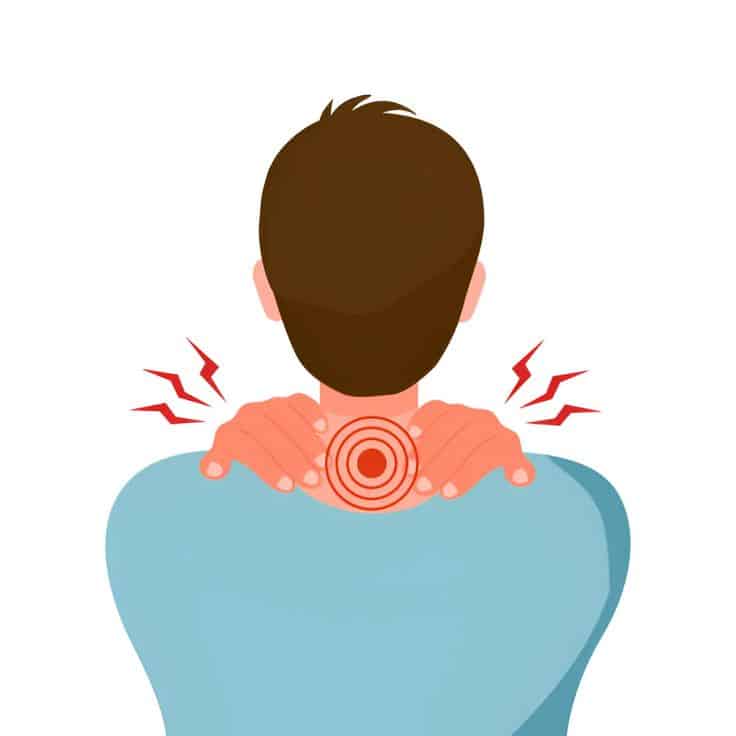
Referred pain occurs when discomfort is felt in one part of the body but originates in another. The neck is particularly vulnerable to referred pain because of its proximity to the shoulders, upper back, and jaw. Nerve pathways and muscular connections can transmit pain signals from these regions, making it appear as though the neck is the source of the problem. For example, tightness in the upper trapezius muscles or dysfunction in the shoulder joint can radiate pain upward, creating the sensation of neck stiffness.
The Role of the Upper Back and Shoulders
The upper back and shoulders play a critical role in supporting the neck. When these areas are weak, tight, or misaligned, the neck compensates, often leading to chronic discomfort. Poor posture, such as rounded shoulders or a hunched upper back, places additional strain on the cervical spine. Over time, this imbalance can cause persistent pain that no amount of neck stretching seems to resolve. Strengthening the upper back and improving shoulder mobility are often more effective than focusing solely on the neck itself.

Jaw and Dental Connections
Another overlooked source of neck pain is the jaw. Temporomandibular joint (TMJ) disorders can create tension that radiates into the neck and shoulders. Teeth grinding, clenching, or misalignment of the jaw can all contribute to chronic pain that masquerades as a neck issue. Because the muscles of the jaw and neck are closely connected, dysfunction in one area often affects the other. Addressing dental health and jaw alignment can therefore be a crucial step in resolving stubborn neck pain.
The Influence of Nerves and the Spine
Nerve compression or irritation in the spine can also manifest as neck pain. Herniated discs, spinal stenosis, or pinched nerves in the upper back may send pain signals to the neck, even though the root cause lies elsewhere. This explains why some patients experience neck pain alongside tingling, numbness, or weakness in the arms. In such cases, treating the spine or addressing nerve health is more effective than focusing exclusively on the neck muscles.

Lifestyle and Systemic Factors
Persistent neck pain may also be influenced by systemic issues such as stress, inflammation, or poor sleep. Stress often leads to muscle tension in the shoulders and upper back, which in turn affects the neck. Chronic inflammation from poor diet or underlying health conditions can exacerbate pain sensitivity, making minor discomfort feel overwhelming. Sleep quality is another factor, as inadequate rest prevents muscles from recovering and contributes to ongoing stiffness. These lifestyle elements highlight the importance of a holistic approach to pain management.
Smarter Approaches to Treatment
When neck pain does not improve with traditional remedies like stretching or massage, it is important to look beyond the obvious. Comprehensive evaluation by healthcare professionals can uncover hidden contributors such as shoulder dysfunction, jaw misalignment, or spinal nerve issues. Functional medicine and integrative care models emphasize treating the whole body rather than isolating symptoms. By addressing posture, muscle imbalances, dental health, and systemic inflammation, patients often experience more lasting relief than they would from neck-focused treatments alone.


Conclusion
Neck pain that refuses to go away is not always a problem of the neck itself. The interconnected nature of the body means that discomfort can originate from the shoulders, upper back, jaw, or even systemic factors like stress and inflammation. Recognizing these hidden causes is the key to effective Active edge neck pain treatment and long-term relief. Instead of chasing temporary fixes, patients benefit most from a holistic approach that considers the entire body. By broadening the perspective on neck pain, healthcare providers and patients alike can move closer to solutions that truly resolve the issue rather than simply masking the symptoms.
- 3shares
- Facebook0
- Pinterest0
- Twitter3
- Reddit0